


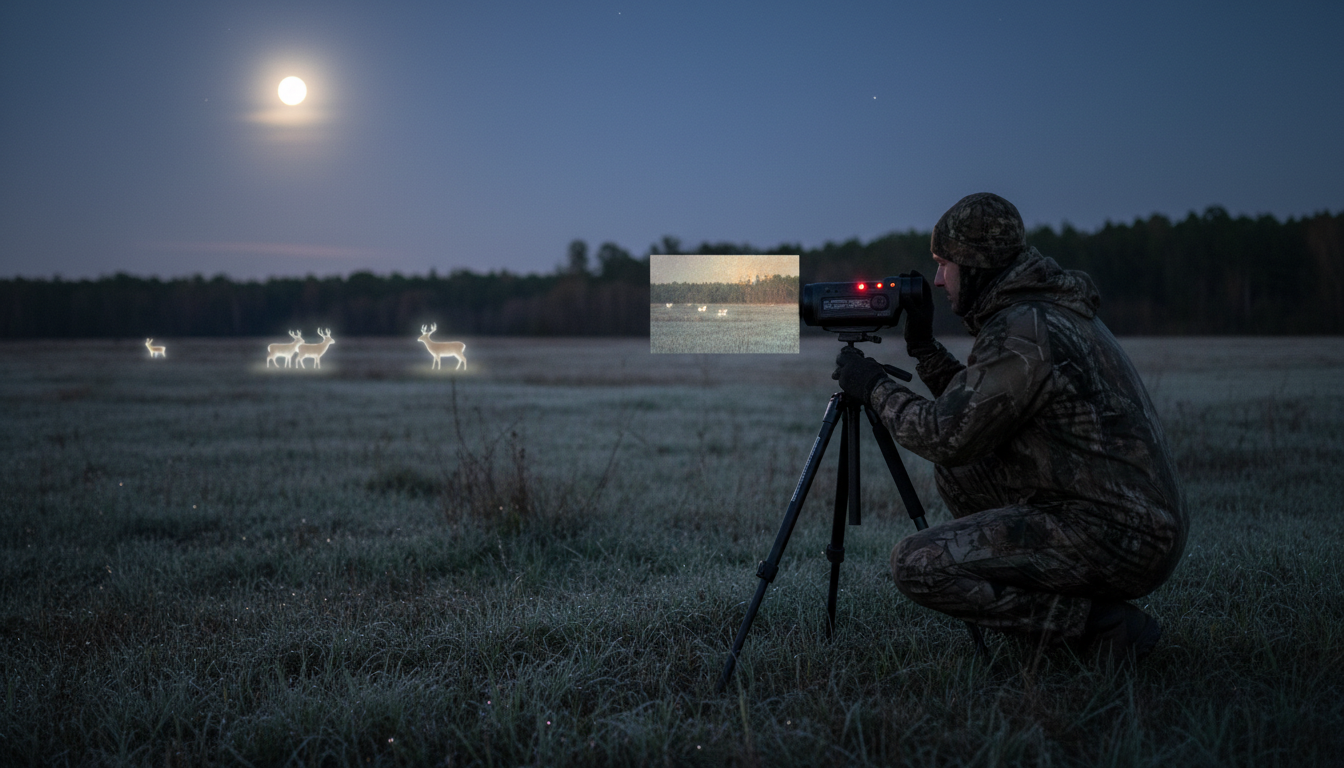
Finding quality thermal imaging gear doesn’t mean you need to spend thousands. We’ve researched the market and tested what’s available to help you pick a thermal monocular that works for your hunting trips, property scanning, or wildlife observation without emptying your wallet.
The thermal monocular market in 2026 offers solid options below $1,000 that would’ve cost twice as much just a few years ago. You get features like WiFi connectivity, video recording, and detection ranges pushing 1,300 meters—all at prices that won’t make you wince.
What Makes a Thermal Monocular Worth Your Money
Before we jump into specific models, let’s talk about what separates decent thermals from frustrating ones.
Resolution matters more than flashy marketing claims. You’ll see specs like 256×192 or 384×288—these numbers tell you how many pixels detect heat. More pixels mean clearer images and better identification at distance. For close-range work under 300 yards, 256×192 handles the job. But if you’re scanning larger properties, 384×288 gives you recognition out to 400-500 yards.
Detection range tells you how far you can spot a heat signature, but here’s the catch—detection and identification are different animals. You might detect something at 800 yards but can’t tell if it’s a deer or cow until you’re closer. That’s why recognition range matters more for practical use.
Battery life varies wildly. Some units quit after 5 hours while others push past 10. We recommend at least 8 hours of runtime to cover typical hunting sessions without leaving you stuck in the dark. And look for models that use replaceable batteries or support power bank charging—built-in batteries that can’t swap out create headaches in the field.
Refresh rate affects how smooth the image looks when you’re panning or tracking movement. A 50Hz refresh rate feels noticeably smoother than 25Hz, reducing eye strain during long sessions. If you’re scanning from vehicles or following active wildlife, higher refresh rates make a real difference.
Pixfra Mile 2: Budget-Friendly Thermal That Works
The Mile 2 series from Pixfra delivers 256×192 resolution at a price point that won’t scare off first-time buyers. This compact monocular packs fire detection, distance measurement, and up to 9 hours of battery life into an ergonomic design that meets IP67 protection standards.
We like the WiFi hotspot module that connects to your smartphone for real-time image viewing through the app. The interface stays simple and intuitive, which matters when you’re fumbling with controls in the dark. At under 300 meters detection range, it’s built for close to medium-range property scanning and wildlife observation.
The Mile 2 passes the 2-meter drop test and handles wet conditions without issues. For hunters working smaller properties or homeowners checking perimeter fences, this entry-level unit covers the basics without unnecessary complications. You can check out our detailed case study on feral hog eradication to see how thermal technology performs in real hunting scenarios.
AGM Taipan: Proven Performance Under $1,000
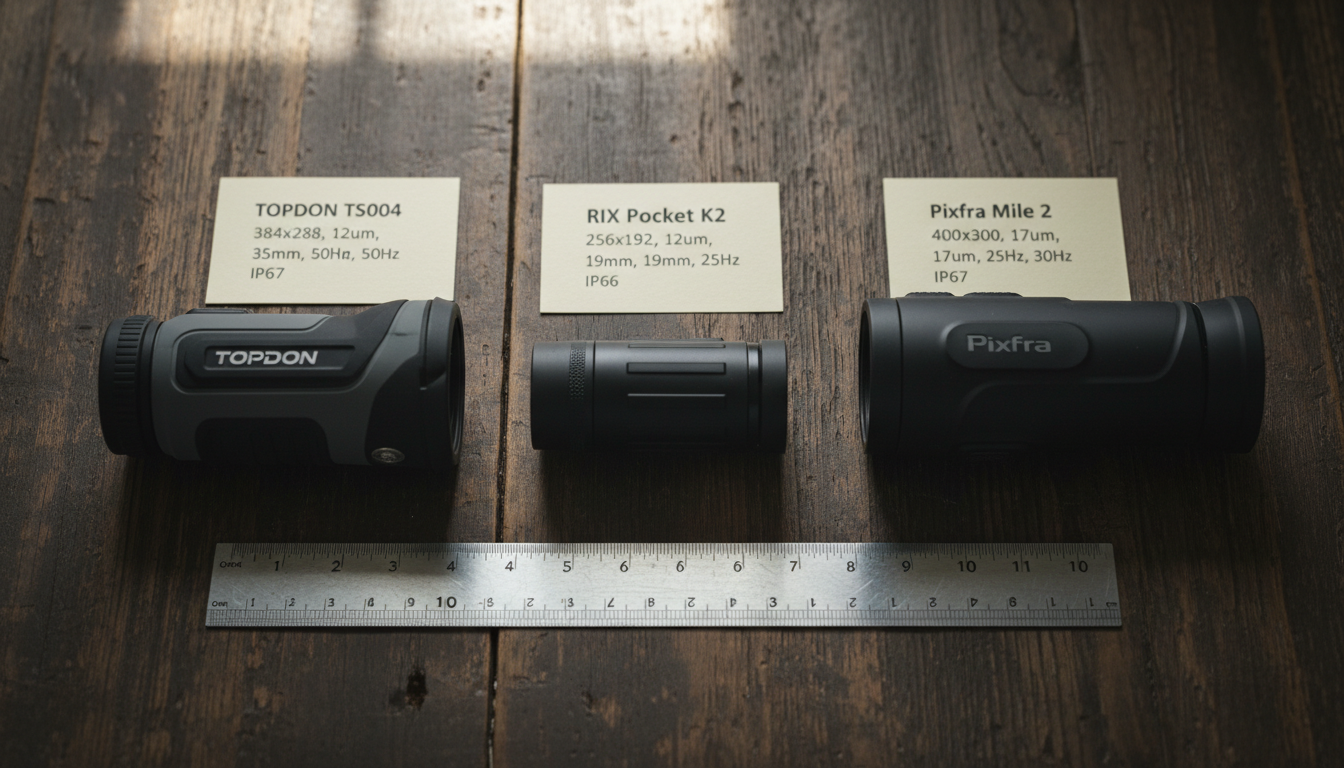
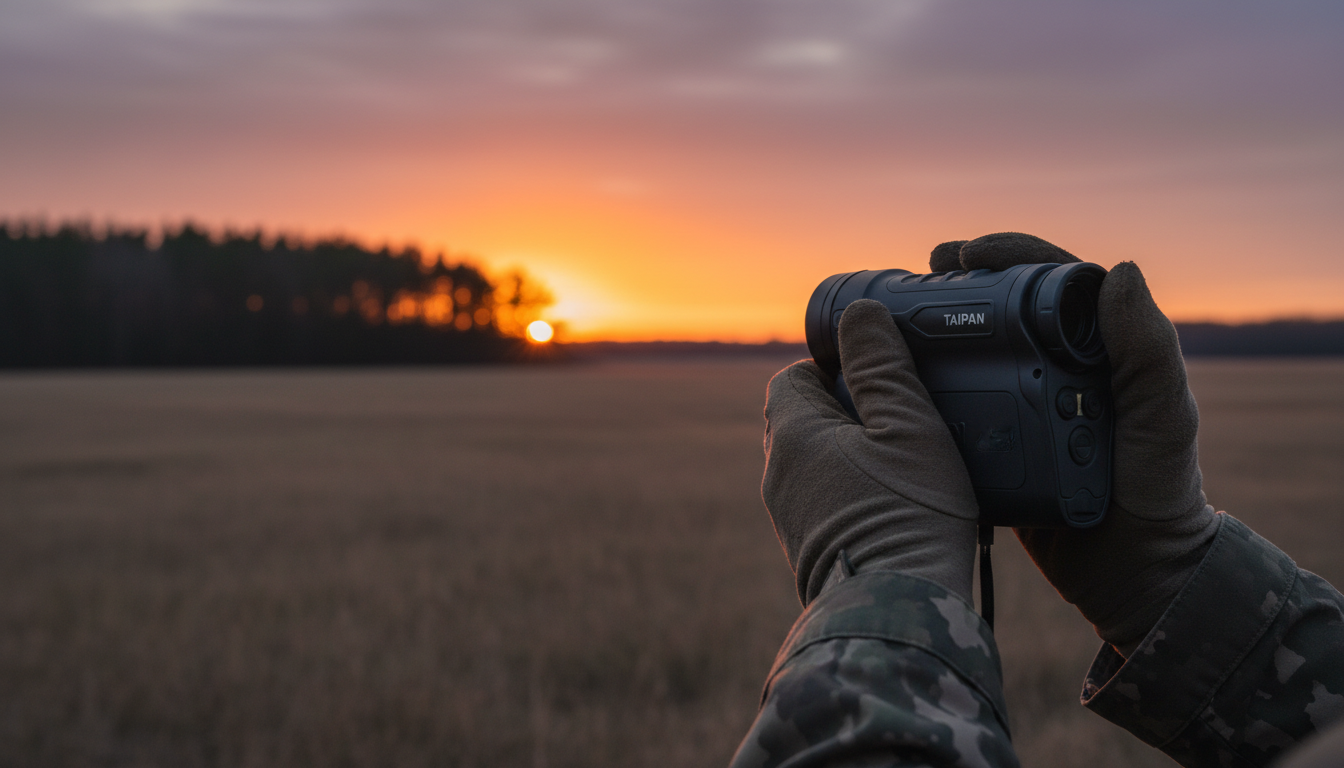
The AGM Taipan V2 shows up on recommendation lists for good reason. This unit delivers 256×192 resolution with a 50Hz refresh rate, providing smooth imaging during panning and tracking. Detection reaches out to approximately 750 meters, giving you solid range for most hunting applications.
Build quality feels durable in hand, and the device survives rough treatment in the field. The sub-35mK thermal sensitivity picks up subtle temperature differences, helping you spot game that’s bedded down or partially obscured by vegetation. Ten hours of battery life from a single replaceable rechargeable means you’ll get through full-night hunts without battery anxiety.
Controls are laid out for one-handed operation, and the simple interface means less time navigating menus and more time scanning. At roughly $500-700 depending on configuration, the Taipan represents solid value for hunters who need reliable thermal detection without premium pricing.
TOPDON TS004: Best Overall Value
The TOPDON TS004 keeps popping up as the best bang-for-buck thermal monocular in 2026. With 256×192 native resolution enhanced to 320×240, plus a 50Hz refresh rate, this unit punches above its weight class. The standout feature? Eleven hours of battery life that actually delivers what’s promised.
During field testing, this monocular handles detection out to 450 yards with clear detail visible to 100 yards. That’s plenty for most property scanning and hunting scenarios. The IP67 waterproof rating isn’t just marketing—this thing handles rain and brief submersion without issues.
WiFi connectivity through the TopInfrared app works smoothly for recording video and sharing images, though running WiFi cuts battery life to around 6 hours. Six color palette options let you adjust the display for different conditions and personal preference. For general outdoor activities, farm management, and close to mid-range hunting, the TS004 delivers professional-grade features at an accessible price point.
RIX Pocket K2: Portability Champion
Weighing just 0.4 pounds, the RIX Pocket K2 fits easily in your pocket and feels lighter than most smartphones. But don’t mistake small size for weak performance—this compact unit features 256×192 resolution with a 50Hz refresh rate that keeps motion smooth.
The 800×600 OLED display delivers good image quality, and RIX’s Electronic Image Stabilization technology reduces blur during handheld use. IP67 waterproofing means you can use it in wet conditions without worry. Battery life holds up well for a unit this small, and the fast startup gets you viewing within seconds.
For hunters who want thermal capability without carrying bulky gear, the Pocket K2 makes sense. It slips into a jacket pocket and stays ready for quick checks. The small form factor doesn’t compromise functionality—you get WiFi sharing, multiple viewing modes, and reliable detection for scanning and spotting at practical hunting distances.
ATN BlazeSeeker: Smart Entry Point
ATN designed the BlazeSeeker series specifically for hunters and landowners who want thermal vision under $1,000 without cutting corners. This rugged monocular delivers reliable thermal detection in complete darkness with a compact, lightweight design built to handle harsh field conditions.
The BlazeSeeker offers multiple viewing modes and built-in video capture capabilities. You can connect it to your smartphone for remote observation and image sharing. Simple controls and an intuitive interface mean you’ll spend less time learning the system and more time using it.
Available in different configurations (207 and 210 models), you can choose based on whether you need wider field of view or higher resolution for detailed detection at longer ranges. The BlazeSeeker works well as a standalone thermal device and complements other night vision gear if you expand your loadout later.
Exploring Higher-End Pixfra Options
While our focus stays under $1,000, we should mention that stepping up slightly in budget opens doors to more capable Pixfra models. The Pixfra Sirius HD series features 1280×1024 resolution and 18mK NETD sensitivity for professional-grade thermal imaging. For hunters needing long-range capability, the Pegasus 2 LRF combines 640×512 resolution with an integrated laser rangefinder.
The Draco represents a different approach entirely—it’s a multispectral device combining thermal imaging with 4K digital night vision, giving you versatility across different lighting conditions. And if you’re working in situations where you need both thermal detection and illuminated identification, the IR Torch pairs well with any thermal monocular.
For those serious about maximizing detection capability, the Arc LRF offers 640×512 resolution with a 1000-meter laser rangefinder, 15-hour battery life, and NETD 20mK sensitivity—all while staying relatively compact and portable.
How to Choose the Right Thermal Monocular for Your Needs
Your hunting style and property size should drive your decision more than any other factor.
Small properties under 50 acres where most action happens within 300 yards? Budget models with 256×192 sensors work fine. You’ll save money and still spot game you’d never see with naked eyes.
Properties over 100 acres needing recognition to 400-500 yards benefit from at least 384×288 resolution. This sweet spot balances performance and price for most serious scanning work.
Beyond 500 yards regularly? Look at 640×480 resolution, though these units typically push past the $1,000 mark. Make sure you actually need that extended range before spending extra—most hunters rarely take ethical shots beyond 300 yards anyway.
Battery life deserves serious consideration. If you’re doing marathon scanning sessions or multi-day trips, prioritize units offering 8+ hours of runtime. Models with replaceable batteries or power bank charging give you more flexibility than sealed units.
And don’t overlook ergonomics. A thermal monocular that’s uncomfortable to hold or has poorly placed controls will frustrate you every time you use it, regardless of how impressive the specs look on paper.
Conclusion
Quality thermal monoculars under $1,000 exist, and they work well for real-world hunting and property scanning. The TOPDON TS004 delivers the best overall value with its 11-hour battery life and reliable performance. AGM Taipan offers proven durability at a fair price. The RIX Pocket K2 wins on portability. And Pixfra’s Mile 2 provides an entry point for those new to thermal technology.
Your choice depends on how you’ll actually use the device. Close-range work? Save money with 256×192 resolution. Larger properties? Step up to 384×288 or consider slightly exceeding budget for 640×480. Prioritize battery life if you’re doing extended sessions, and make sure the refresh rate is at least 50Hz for comfortable scanning.
We recommend starting with your actual needs rather than getting caught up in maximum detection ranges that exceed your realistic use cases. A mid-range thermal monocular that fits your property and hunting style will serve you better than a feature-packed unit that’s overkill for your situation. Visit the Pixfra homepage to explore their full range of thermal imaging products designed for outdoor enthusiasts and hunters.
FAQs
What’s the minimum resolution I should buy for hunting?
For most hunting applications, 256×192 resolution works fine for detection under 300 yards. But if you’re working larger properties or need better identification at distance, 384×288 resolution provides clearer images and more confident target recognition to 400-500 yards. Don’t overspend on higher resolutions unless you’re regularly scanning open terrain beyond 500 yards.
How far can a thermal monocular under $1,000 actually detect?
Detection ranges in this price bracket typically run 300-1,300 meters depending on the specific model. But remember that detection and identification are different—you might spot a heat signature at 800 meters but can’t tell what species it is until you’re closer. Practical identification range for budget to mid-range units sits around 200-400 meters, which covers most real-world hunting scenarios.
Do thermal monoculars work during daylight?
Yes, thermal monoculars work any time of day because they detect heat signatures, not visible light. They’re particularly effective during early morning and late afternoon when temperature differences between animals and surroundings are greatest. Midday scanning in hot weather can be challenging as ambient heat reduces thermal contrast, making detection harder regardless of your device’s quality.
What’s better for hunting: 25Hz or 50Hz refresh rate?
Go with 50Hz if you can afford it. The smoother motion noticeably reduces eye strain during extended scanning sessions and makes it easier to track moving targets. A 25Hz refresh rate works adequately for stationary observation and slow, methodical scanning, but creates visible stuttering when panning quickly or following active wildlife. If you’re scanning from vehicles or tracking animals on the move, 50Hz makes a real difference.
Are thermal monoculars legal for hunting?
Regulations vary significantly by state and game species. Most states allow thermal optics for predator and hog hunting on private land with few restrictions. Some states prohibit thermal for big game like deer and elk. A few states restrict night hunting entirely regardless of optics used. Always check your local game laws before heading out—thermal technology is legal in most places, but you’re responsible for knowing the rules where you hunt.