
















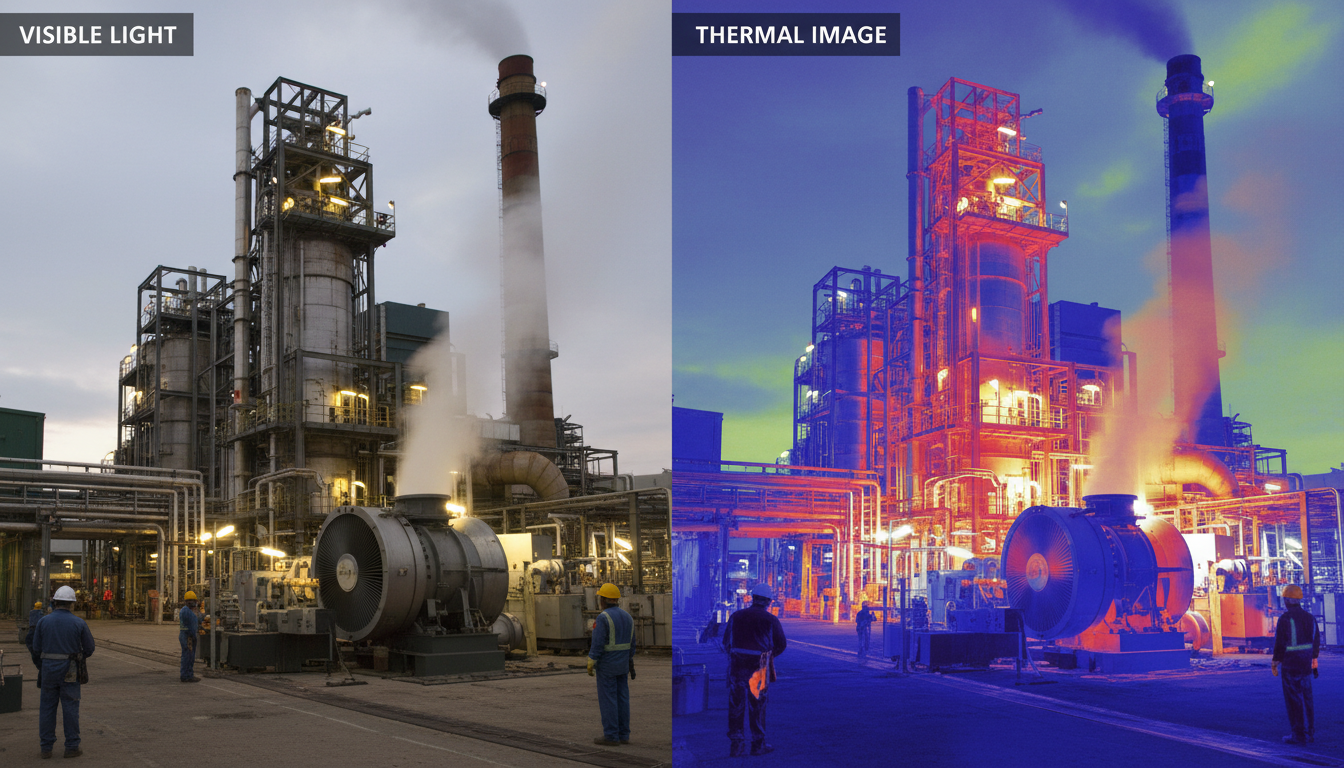
Thermal imaging technology has come a long way since its military origins. What once required liquid nitrogen cooling and cost more than a car now fits in the palm of your hand. These devices detect infrared radiation—heat emitted by all objects above absolute zero—and convert it into visible images that reveal temperature differences invisible to the naked eye.
Today, thermal cameras serve dozens of industries and help solve real-world problems in ways we couldn’t have imagined a decade ago. From spotting game in total darkness to preventing electrical fires before they start, these tools deliver insights that save time, money, and lives. Let’s break down where thermal imaging makes the biggest impact and why it’s become such a game-changer across so many fields.
Industrial Maintenance and Safety
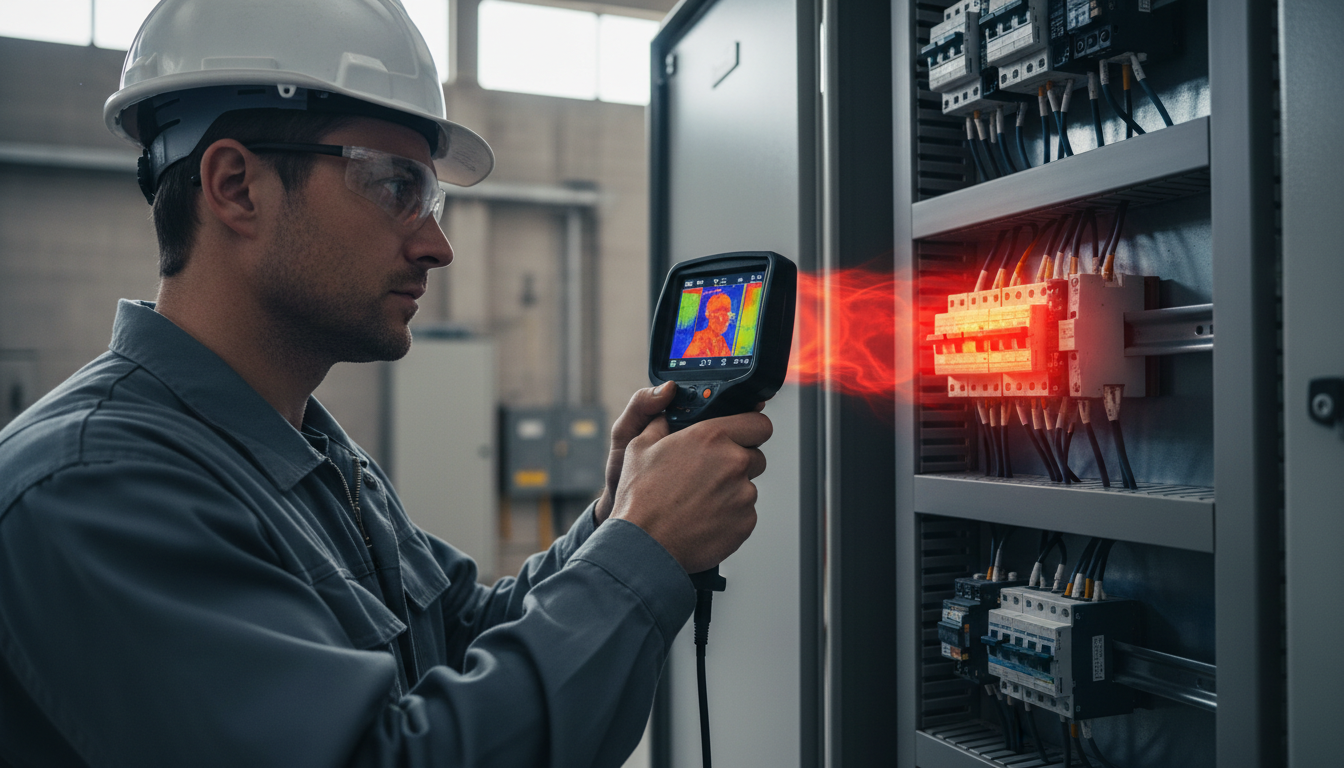
In the industrial sector, thermal imaging cameras are used for preventive maintenance by detecting overheating in machinery or electrical circuits, which helps companies avoid expensive downtime and safety hazards. Electrical wiring involves many discrete physical connections, and the quality of these connections depends on very low electrical resistance—continued electrical efficiency depends on this low contact resistance.
When electrical current passes through a resistor, it dissipates some power as heat—if connection quality degrades, it becomes an energy dissipating device as electrical resistance increases, exhibiting ohmic heating. Thermal cameras spot these hot spots before they become fire hazards. A thermal imager picks up heat created by forces like friction, giving insight into machinery soundness. Beyond electrical systems, infrared imaging is widely used to detect gas leaks—when pointed at a surface with a leak, it shows temperature difference caused by pressure variance.
Key industrial applications:
- Electrical panel and transformer monitoring
- Motor and bearing inspection
- Detecting worn conveyor belt rollers
- Gas leak detection
- Refractory insulation checks in kilns and furnaces
Building and Construction Applications
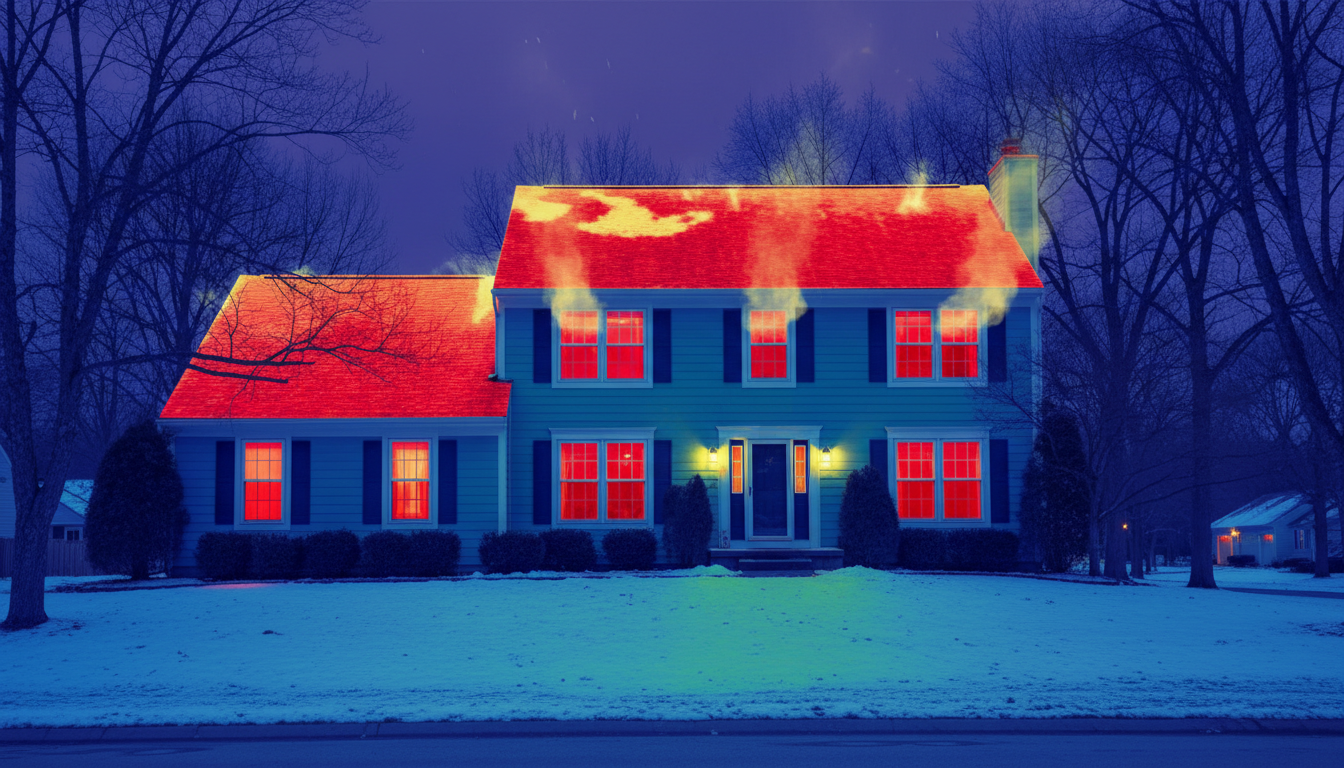
The building sector has widely embraced thermal imaging, where it provides an overview of entire building energy performance—users can pinpoint thermal anomalies in walls or roof and reveal heat leaks or insulation flaws. Homeowners and energy auditors rely on thermal cameras to identify air gaps and poorly insulated areas that drive up heating and cooling costs.
In the building industry, thermal imaging is used to detect heat loss, poor insulation, and water leaks, making it a vital tool in energy audits and building inspections. Thermal imaging can help professionals troubleshoot weaknesses in building structural integrity, especially in case of water ingress—tracking down causes of leaks or damp. We’ve seen thermal inspections catch problems that would have cost thousands more if discovered later.
Hunting and Wildlife Observation
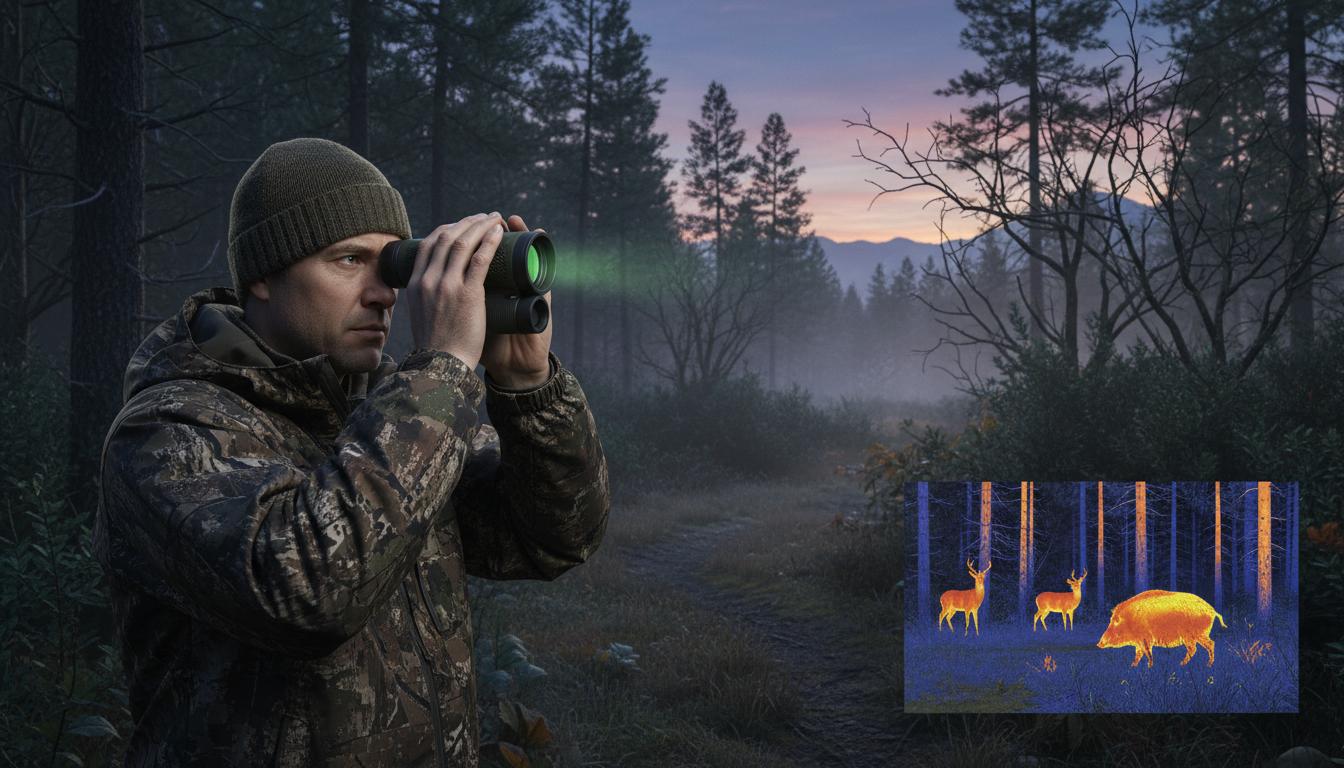
Outdoor enthusiasts and hunters have adopted thermal technology at a rapid pace. Thermal vision doesn’t need any light source, allowing hunters to identify game in low visibility and operate undetected in total darkness. These devices detect heat instead of light, so they work day or night, piercing through darkness, fog, and even camouflage to reveal animals that would otherwise remain hidden.
For wildlife research and conservation, thermal radiation can penetrate smokes, aerosols, dust, and mists more effectively than visible radiation so animals can be detected over a wide range of normally troublesome atmospheric conditions. It’s a completely passive technique capable of imaging under both daytime and night-time conditions, minimizing disruptions and stressful disturbances to wildlife during data collection. Whether you’re tracking deer with our Sirius HD thermal monocular or observing nocturnal animals, thermal imaging opens up a new dimension of outdoor experience.
Security and Surveillance
Thermal imaging cameras are used to detect intruders and potential security threats in sensitive locations such as power plants, government buildings, airports, military installations, and other areas requiring high-level security. The cameras detect body heat of potential intruders and can be used in both day and night conditions—they also have the ability to detect movement and identify objects.
In security applications, thermal imaging can detect intruders, helping prevent theft and sabotage—in production environments, it can help prevent hazards by quickly identifying potential issues such as electrical fires, leaks, or overheating machinery. Thermal imaging can detect humans, animals, and other objects even in adverse weather and light conditions. One major advantage? While it can determine a person’s shape and size, it doesn’t allow for clear identification, so privacy is always guaranteed.
Medical and Healthcare Screening
In the medical industry, thermal imaging can reveal inflamed tissue, detect muscle injuries or diabetes, monitor peripheral circulation disorders, identify tumors, and so on. Since it’s a non-contact, non-invasive technology, it’s effective across organs and their systems—circulatory problems and inflammatory conditions can be diagnosed by abnormal thermal patterns, whereas cancerous tissues often have higher temperature than surrounding tissues.
Thermal cameras, also known as infrared thermographic systems, are used by healthcare providers across the U.S. as an efficient, non-invasive way to measure surface body temperature and detect potential fevers early. When used as a medical device, thermal imaging can be a valuable screening tool to measure human body temperature related to possible infection or illness—this technology is convenient and efficient, performed in a touchless manner providing results in seconds to identify candidates for further diagnostic testing.
Firefighting and Emergency Response
Thermal imaging provides emergency responders and rescue services with a way to shield the public against harm—thermography systems are essential for detecting fire outbreaks. With their ability to perform contactless temperature measurements, thermal cameras can help prevent fires by detecting hotspots before they turn into a full-blown blaze.
Thermal imaging truly comes into own with its ability to detect a fire inside a building before the flames are visible from the outside. Firefighters use thermal cameras to locate victims in smoke-filled buildings and identify the source of fires behind walls. Thermal cameras detect human or animal presence in search and rescue operations and hot spot detection in forest fire management. The technology has become standard equipment for first responders who need to work quickly in low-visibility conditions.
Scientific Research and Environmental Monitoring
The surface temperature of objects can be extracted and analyzed from target images captured by infrared thermal imagers—this feature can be applied to fire prevention. In large-scale forests, invisible hidden fires are likely to cause large fires, difficult to detect in time only by manual monitoring—high-sensitivity infrared thermal imagers can examine monitoring targets in real time, and if target temperature exceeds the upper limit, an alarm message will be sent.
Researchers use thermal cameras for wildlife population studies, habitat monitoring, and tracking animal behavior patterns. Researchers use animal detection cameras to track animals in their natural habitats, studying their movement patterns, habits, and populations. The thermal system can detect heat signatures of all animals—the benefit of using a drone imager is monitoring animals in their natural habitat without disturbing them, especially at night.
Conclusion
Thermal imaging technology applications span far beyond their original military purpose. From preventing equipment failures and reducing energy waste to protecting wildlife and saving lives, these cameras deliver value across virtually every industry. The technology continues to improve—better resolution, longer battery life, and more affordable prices put thermal imaging within reach for professionals and enthusiasts alike.
What makes thermal imaging so versatile is its fundamental advantage: it sees heat signatures that remain invisible to conventional cameras and the human eye. Whether you’re inspecting electrical systems, exploring thermal options for outdoor adventures, or conducting medical screenings, thermal cameras provide actionable insights that simply weren’t possible before. As the technology becomes more accessible, we expect to see even more innovative applications emerge in the coming years.
FAQs
What’s the difference between thermal imaging and night vision?
Night vision amplifies available light to create an image, so it needs at least some light to function. Thermal imaging detects infrared radiation (heat) emitted by objects themselves, working in total darkness without any external light source. Thermal cameras see through fog, smoke, and light vegetation better than night vision because they’re detecting heat signatures rather than reflected light.
Can thermal cameras see through walls?
No, thermal cameras cannot see through solid walls. They detect infrared radiation from surfaces, so they show the temperature of the wall surface itself. However, if there’s a significant temperature difference—like a hot water pipe or electrical issue creating heat—the thermal camera will show that heat pattern on the wall’s surface. This makes them great for finding problems behind walls, but they don’t provide x-ray vision.
How far can thermal cameras detect animals or people?
Detection distance depends on sensor resolution, lens size, and environmental conditions. Entry-level handheld thermal monoculars typically detect human-sized heat signatures at 100-300 yards, while high-end professional units can detect large animals at distances over 1,800 yards (over a mile). Factors like humidity, rain, and target size all affect maximum detection range.
Are thermal cameras legal for hunting?
Legality varies by location and species. In the United States, federal regulations generally allow thermal devices for hunting, but individual states have their own rules. Some states permit thermal imaging for certain pest species but prohibit it for big game. Always check your local hunting regulations before using thermal equipment in the field, as laws continue to evolve as the technology becomes more common.
What’s the typical lifespan of a thermal imaging camera?
Quality thermal cameras can last 10-15 years or more with proper care. The thermal sensor itself is solid-state and has no moving parts, making it quite durable. Battery life and electronic components typically fail before the sensor does. Most manufacturers offer warranties ranging from 2-5 years. Regular firmware updates and proper storage (avoiding extreme temperatures when not in use) help extend the useful life of thermal imaging devices.