
















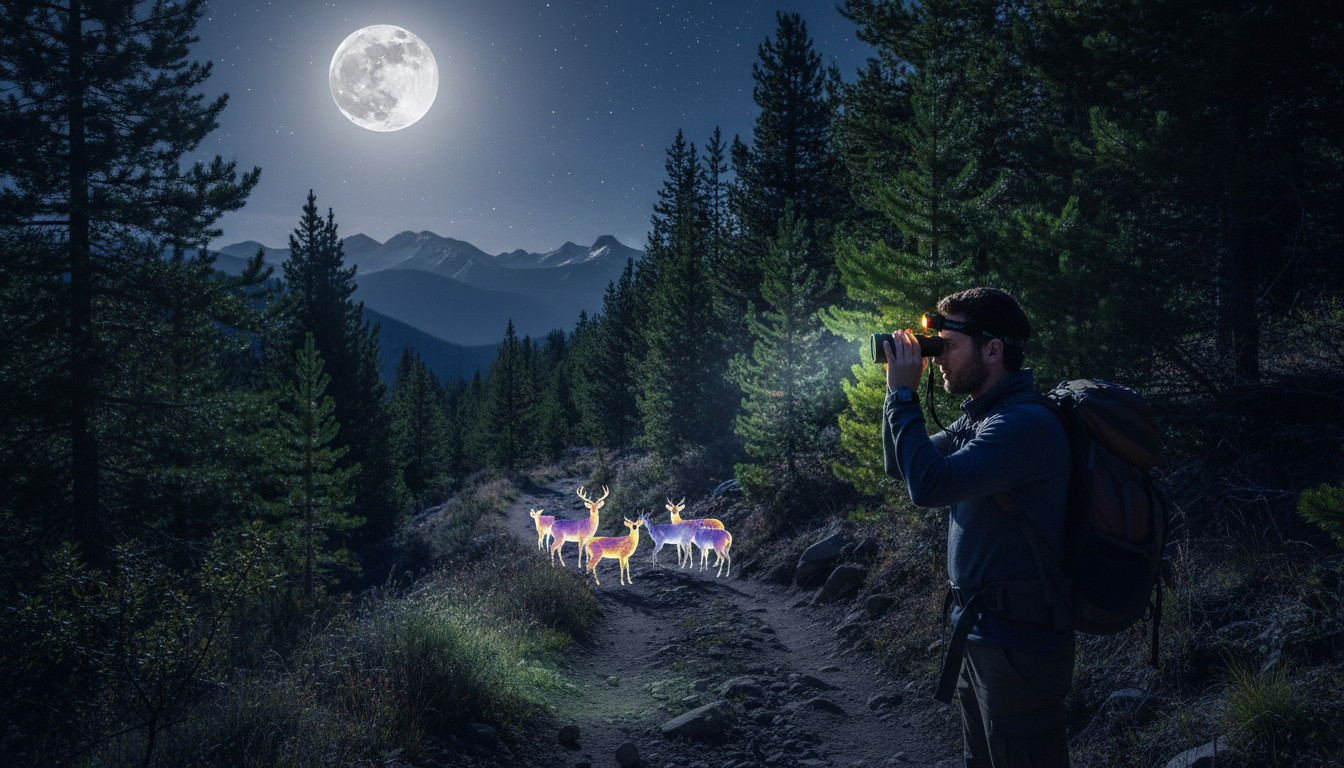
More than half of all wildlife species are active at night, but most hikers never get to see them. We spend our days on the trail watching for deer and birds, then pack up before sunset—missing an entire world of nocturnal activity happening right under our noses.
The short answer? Yes, you can absolutely observe wildlife while hiking at night. In fact, nighttime offers some of the best opportunities to spot animals that stay hidden during daylight hours. From owls hunting in the darkness to foxes trotting along forest edges, the nocturnal world is far more active than most people realize.
But night hiking for wildlife isn’t the same as a daytime hike. You’ll need different gear, a shift in your approach, and a solid understanding of safety practices. Here’s what we’ve learned from our own nighttime adventures and what works when you want to see wildlife after dark.
What You’ll See After Dark
The forest comes alive at night. Creatures that spend daylight hours hiding in burrows, trees, and dense brush emerge to hunt, forage, and move through their territories.
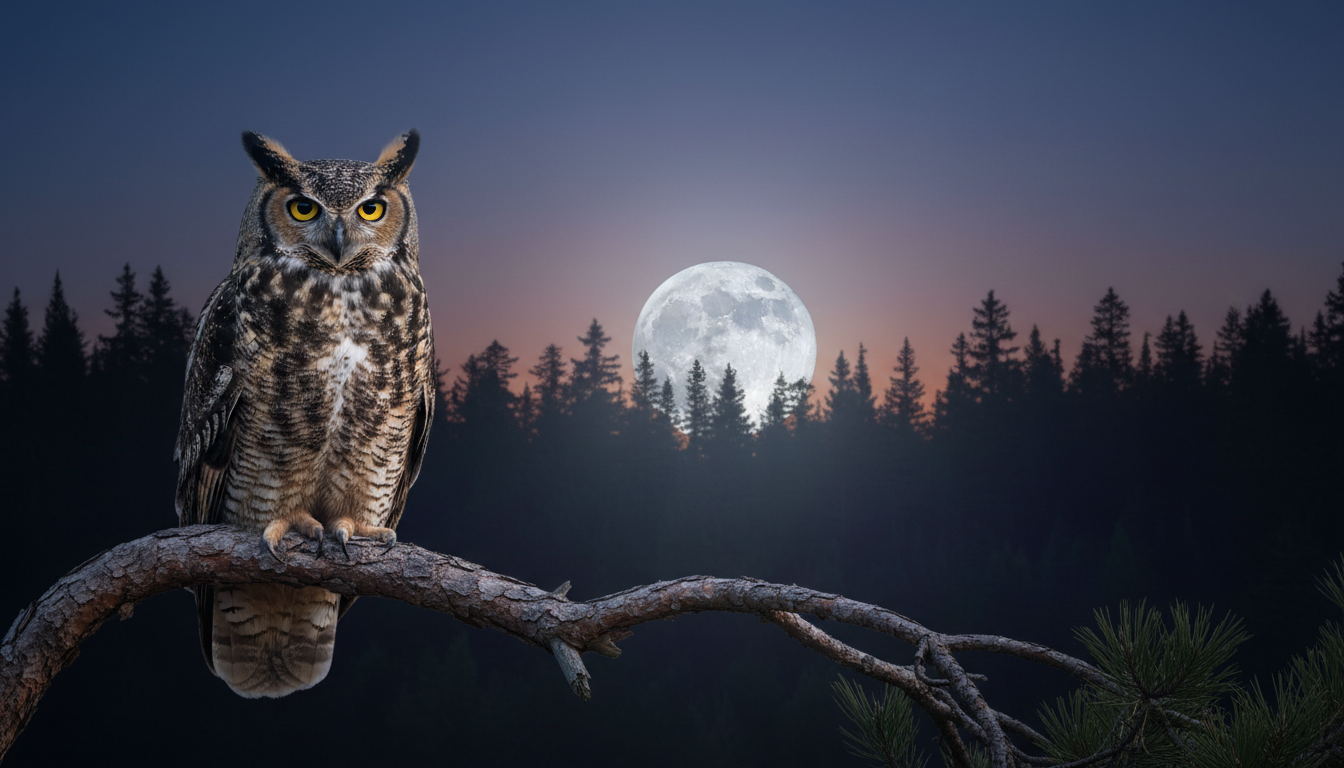
Owls are some of the most common nocturnal sightings. Great horned owls, barn owls, and screech owls hunt rodents and small mammals throughout the night. You’ll often hear them before you see them—their distinctive hoots and calls echo through dark forests. Bats dart overhead, eating insects by the hundreds. Deer become more active during twilight hours and continue moving through the night, especially in areas with heavy daytime human traffic.
Raccoons, opossums, and skunks are opportunistic feeders that prefer nighttime activity. Foxes—both red and gray varieties—hunt small prey along trail edges. In some regions, you might spot bobcats, coyotes, or even bears, though these encounters are less common. Porcupines, badgers, and various rodent species also join the nighttime activity.
Many of these animals have excellent camouflage that makes them nearly invisible during the day. At night, with the right equipment and techniques, they’re often easier to detect than you’d think.
Best Times for Night Wildlife Watching
Timing matters when you’re hoping to observe nocturnal wildlife. We’ve found that the transition periods—dusk and dawn—offer the highest activity levels. These “between times” bring out both crepuscular animals (active at twilight) and truly nocturnal species starting their nightly routines.
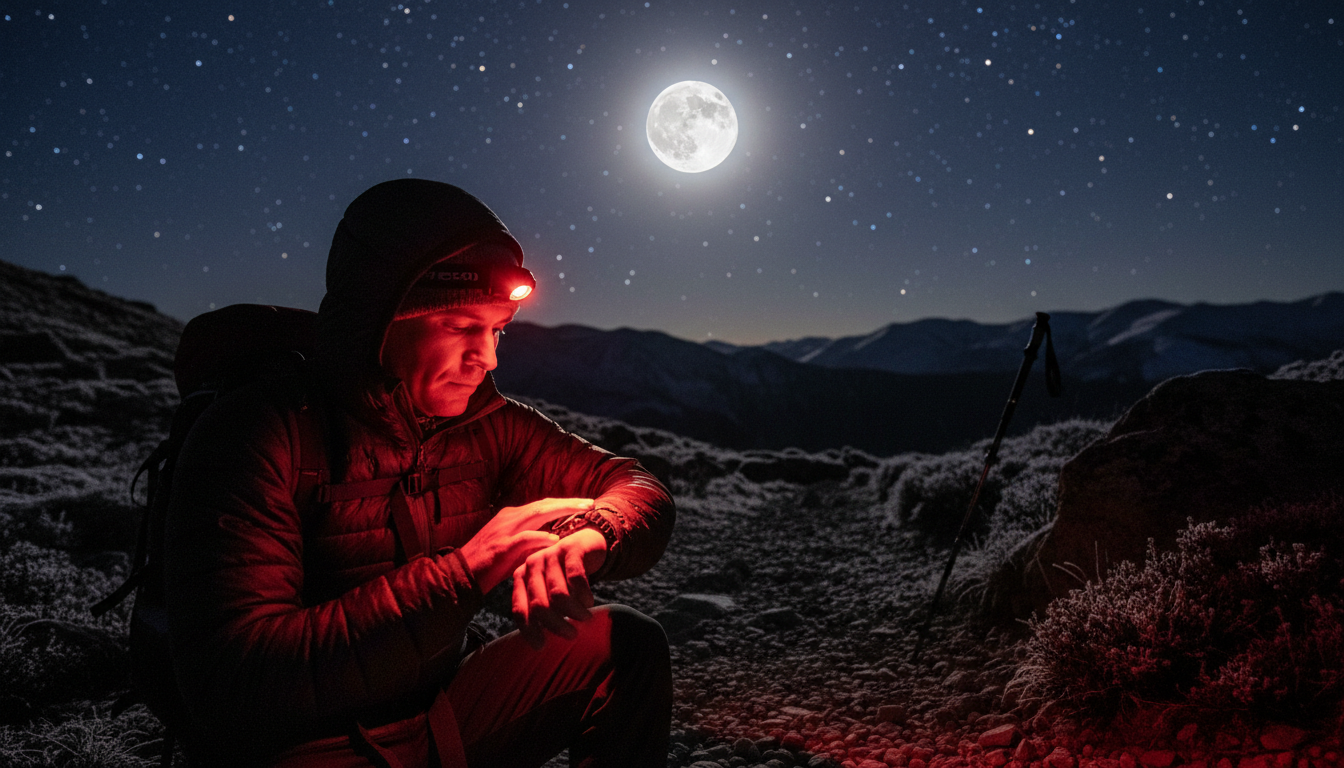
Full moon nights provide natural illumination that helps you navigate trails while still allowing your eyes to adjust to darkness. Moonlight creates enough visibility to see animal silhouettes and movement without needing constant artificial light. Plan your hikes around the lunar calendar for the best natural viewing conditions.
Seasonal considerations also play a role. Spring and early summer bring increased activity as animals raise young and take advantage of longer nights. Fall sees animals preparing for winter, leading to more foraging behavior. Winter nights can be productive too, especially in areas where snow reflects available light and makes tracks easy to follow.
Avoid hiking during storms or heavy rain—wildlife activity drops significantly in poor weather, and trail conditions become dangerous.
Gear That Makes a Difference
The right equipment transforms night hiking from a stumbling adventure into a genuine wildlife observation opportunity. We rely on headlamps with red-light settings, which preserve night vision while providing enough illumination for navigation. White light destroys the night vision your eyes spend 30-45 minutes developing, forcing you to start the adjustment process over with every use.
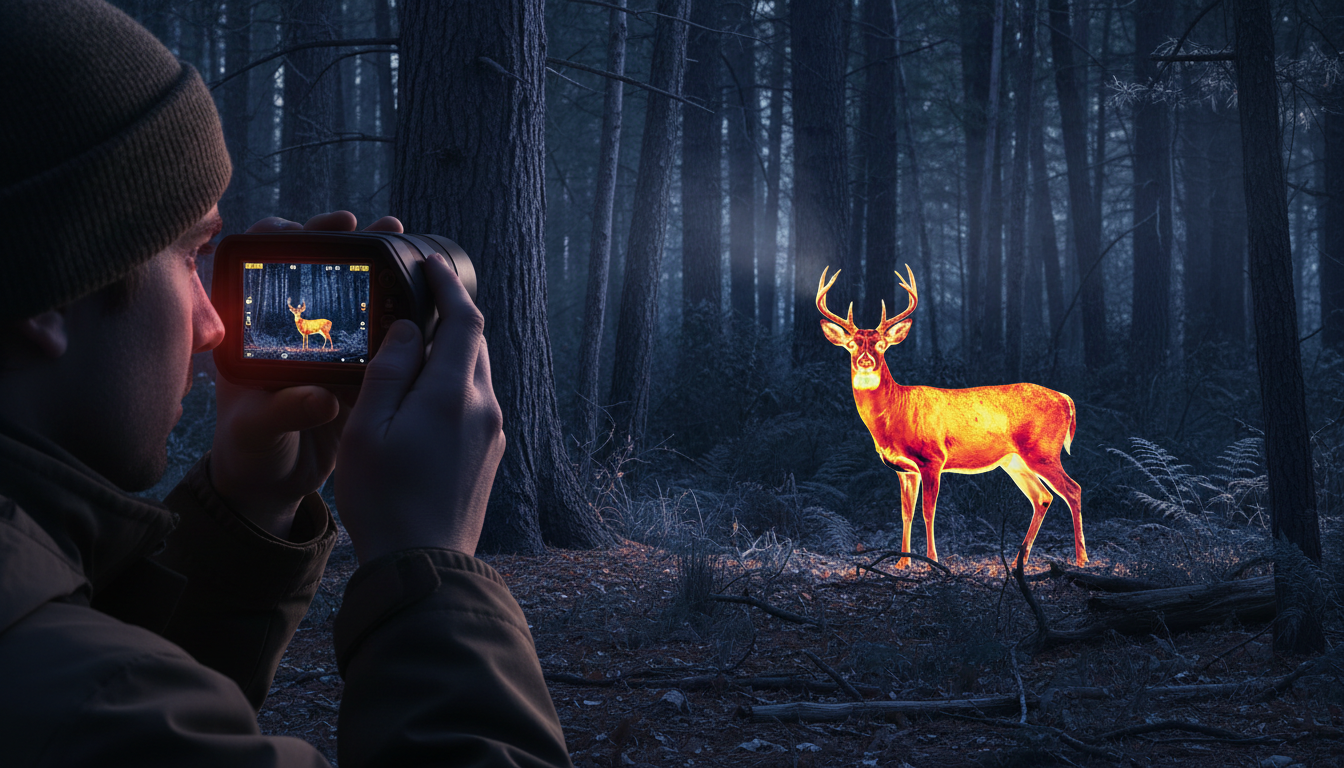
Thermal imaging technology has changed the game for nighttime wildlife observation. Devices like the Pixfra Sirius HD detect heat signatures from animals, making them visible even in complete darkness. Unlike traditional night vision that requires ambient light, thermal imaging works by sensing infrared radiation emitted by warm-blooded creatures.
We’ve used the Pixfra Pegasus 2 LRF on multi-day trips and found its extended detection range incredibly useful for scanning meadows and clearings where deer and other large mammals feed. For closer observation, compact options like the Draco fit easily in a jacket pocket without adding bulk to your pack.
Bring extra batteries or a power bank—nothing’s worse than losing your thermal capability halfway through a night hike. A detailed trail map, compass, and GPS device are non-negotiable safety items. Dress in layers; nighttime temperatures drop significantly, even during summer months.
Safety Tips You Need to Know
Night hiking carries different risks than daytime excursions. We always hike in groups when possible—multiple sets of eyes and ears increase safety and reduce the chance of getting lost. Solo night hiking is doable but requires extra caution and preparation.
Make noise while you hike. This seems counterintuitive when you’re trying to observe wildlife, but it’s the safest approach in areas with bears or mountain lions. Talk with your hiking partners, sing occasionally, or call out “hey” every few minutes. Most animals will move away before you ever see them, which is actually the goal—surprise encounters with large predators are dangerous for everyone involved.
Stick to familiar trails, especially when you’re new to night hiking. A route you’ve walked dozens of times during the day becomes disorienting in darkness. Trail markers are harder to spot, and wrong turns happen easily. Start with short, simple hikes and gradually work up to longer distances.
Research the wildlife in your specific area before heading out. Know what animals are present, understand their behavior, and learn appropriate responses for encounters. Carry bear spray in bear country and keep it accessible—not buried in your pack.
Move slowly and deliberately. Rocks, roots, and uneven terrain that you’d easily navigate during the day become tripping hazards at night. We hike at roughly half our normal daytime pace, which also gives us more time to actually observe the wildlife we came to see.
How to Spot More Wildlife
Seeing nocturnal animals requires patience and a different sensory approach. Your eyes need time to adjust—at least 30 minutes in darkness before your night vision reaches full capability. Even a quick glance at a bright phone screen resets this process.
Use your peripheral vision. The rod cells in your eyes that detect movement and shapes in low light are concentrated around the edges of your retina, not the center. Instead of staring directly at something, try looking slightly to the side. This technique reveals movement and shapes that disappear when you look straight at them.
Listen more than you look. Night hiking forces you to rely on hearing, and you’ll be surprised how much information your ears provide. The snap of a twig, rustling leaves, or a splash near water all indicate animal presence. Cup your hands behind your ears to amplify distant sounds—it actually works.
Move during active periods, then stop and stay still. We’ll hike for 10-15 minutes, then find a good vantage point and simply wait. Animals that moved away from the noise of our approach often return within 10-20 minutes if you remain quiet and motionless.
Watch for eyeshine. When you do use your light, many animals’ eyes reflect it back with a distinctive glow. Different species produce different colored eyeshine—deer show white or pale yellow, while raccoons reflect bright yellow-green.
Conclusion
Observing wildlife while hiking at night opens up a completely different outdoor experience. The nocturnal world is active, diverse, and accessible to anyone willing to adjust their approach and gear up properly. From common species like owls and raccoons to more elusive creatures like foxes and bobcats, there’s an entire ecosystem operating after sunset.
Success comes down to preparation: know your trails, bring the right equipment, understand the animals in your area, and prioritize safety. Start with short hikes on familiar paths during full moon periods. As you gain experience and confidence, you’ll develop an intuition for where and when to find nocturnal wildlife.
The darkness that once seemed limiting becomes an advantage. With thermal imaging, proper lighting, and patience, you’ll see animals that remain hidden from daytime hikers. And you’ll gain a deeper appreciation for just how alive the natural world is when most humans are asleep.
FAQs
Is it safe to hike at night to see wildlife?
Yes, with proper preparation. Hike in groups when possible, make periodic noise to avoid surprising large animals, stick to familiar trails, and research the wildlife in your area beforehand. Carry appropriate safety gear including a reliable light source, navigation tools, and bear spray in bear country. Most wildlife encounters at night are harmless if you follow basic safety protocols and give animals space.
What animals are most commonly seen on night hikes?
Owls, bats, deer, raccoons, opossums, foxes, and skunks are the most frequently observed nocturnal animals. Depending on your region, you might also see coyotes, bobcats, porcupines, badgers, or various rodent species. Over 50% of wildlife species are active at night, so you’ll often see more animal diversity during nighttime hikes than daytime ones.
Do I need special equipment to observe wildlife at night?
A headlamp with a red-light setting is the minimum requirement—it preserves your night vision while providing illumination. Thermal imaging devices dramatically improve your ability to spot animals in complete darkness by detecting their heat signatures. You’ll also want extra batteries, navigation tools, appropriate clothing for cooler temperatures, and a detailed trail map.
When is the best time of night to see wildlife?
Dusk and dawn offer peak activity as crepuscular and nocturnal animals begin their routines. Full moon nights provide natural illumination that helps both navigation and observation. Many nocturnal animals remain active throughout the night, but the hours just after sunset and before sunrise typically show the highest wildlife movement and feeding behavior.
How long does it take for eyes to adjust to darkness?
Your eyes need 30-45 minutes to fully adjust to darkness and develop maximum night vision. Even a brief exposure to bright white light—including phone screens or headlamps—resets this process, requiring another 30 minutes to regain full adjustment. This is why red lights are recommended; they provide visibility without destroying your natural night vision adaptation.