















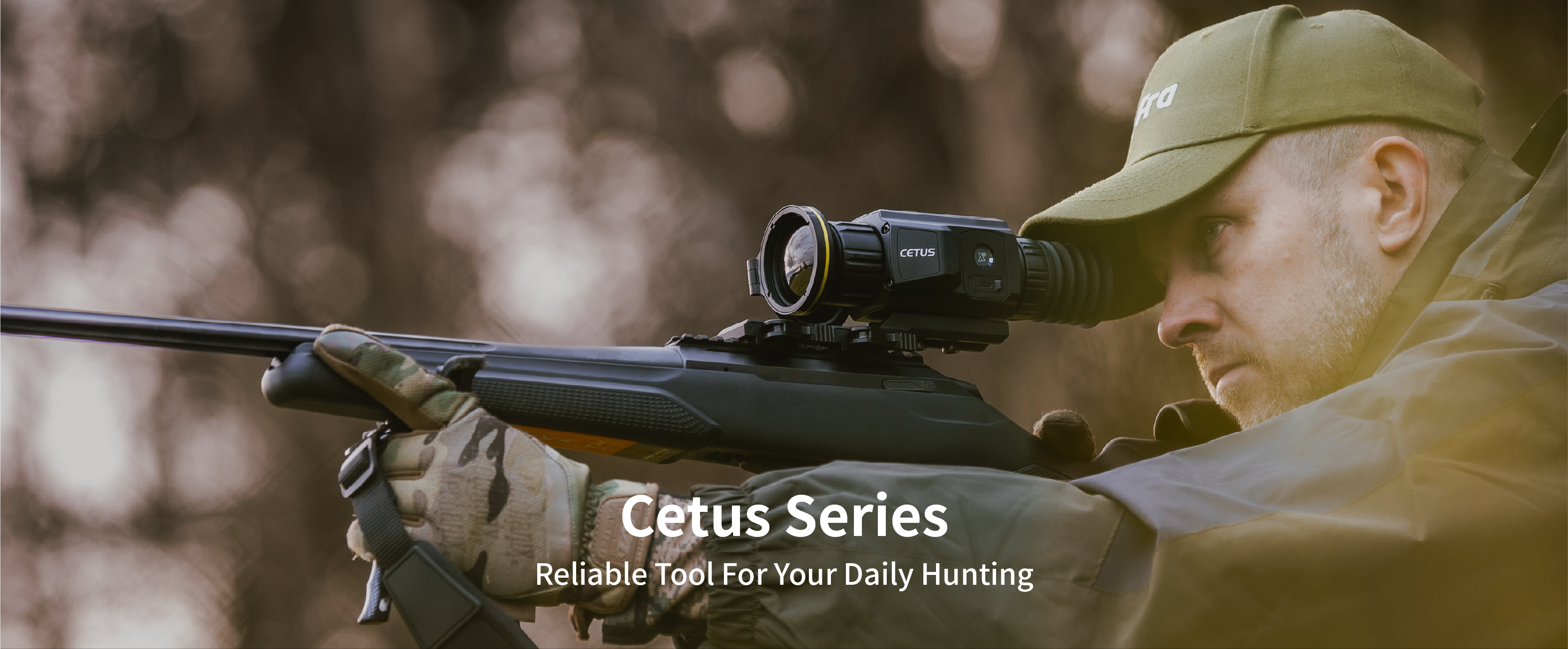
Your thermal scope does the heavy lifting, but the right accessories make it work harder. We’ve tested dozens of thermal imaging add-ons over the years, and most of them just add weight to your kit. Here are the seven accessories that actually earn a spot in your pack when you’re out hunting at night.
If you’ve already read our guide to the top 5 thermal scope upgrades, think of this as the expanded version. We’ve added two more picks and gone deeper on every single one. Whether you run a Pixfra thermal scope or something else entirely, these accessories work across the board—and we’ve listed them in the order we’d buy them if we were starting from scratch.
The truth is, your scope is only one part of the equation. The mount, the power source, the protection around it, and the tools that support it all play a role in how well your setup works when you’re out in the dark chasing hogs, coyotes, or tracking wildlife across your property. Getting these seven accessories dialed in means fewer headaches, longer hunts, and better results.
Quick-Detach Mounts: Switch Faster, Hold Zero
Let’s start with the piece that holds everything together—your mount. If you run more than one rifle or swap between thermal and daytime optics, a quick-detach mount saves you real time in the field. You pop your thermal scope off one gun, snap it onto another, and your zero stays locked. No re-sighting, no wasted ammo, no scrambling around in the dark. For anyone running thermal optics on a regular basis, a QD mount is the first thing you should buy.

Look for mounts built from aircraft-grade aluminum. They keep your setup light without throwing off your rifle’s balance, and they’re tough enough to handle recoil from magnum calibers without shifting. Height-adjustable models let you fine-tune eye relief and cheek weld to match your specific stock. Cantilever-style mounts are worth a look if you’re short on rail space—they push the scope forward and give you proper eye relief without eating up your entire Picatinny rail. Most solid QD mounts use a lever-lock system that grabs onto Picatinny or Weaver rails with consistent clamping pressure every time, which is how you hold return-to-zero accuracy hunt after hunt.
One thing we see people mess up: ring size. Make sure your mount matches the tube diameter of your thermal scope. Most thermal units run 30mm or 35mm tubes, and getting this wrong means a loose fit or no fit at all. Torque your ring screws to the spec listed by the manufacturer. Over-tightening can warp the scope tube and throw off your zero just as fast as a cheap mount would. If you’re spending real money on a quality thermal optic, spending an extra $80–$150 on a proper QD mount is well worth it.
Battery Packs: Never Go Dark Mid-Hunt
Battery life can make or break a night hunt. Most thermal scopes run somewhere between 3 and 8 hours on a single charge, depending on the model and display brightness settings. That’s plenty for a quick evening sit. But if you’re doing all-night hog eradication or running a multi-day predator control operation, you need a backup plan. Losing power when heat signatures start showing up is the fastest way to ruin a hunt—and it happens more often than you’d think.
Start with spare batteries. Rechargeable 18650 lithium-ion cells are the standard power source for most modern thermal scopes, including our Pixfra lineup. Grab at least two or three extras rated at 3000–3500mAh so you can rotate through them during long sessions. Keep a set of CR123A lithium primaries as emergency backups. They’re lighter, they hold their charge on a shelf for years, and they perform way better in freezing conditions. And that brings up a point we learned the hard way during a December hunt: cold weather kills battery performance. A cold 18650 can drop 30–40% of its rated capacity before you ever turn the scope on. Keep spares in an inside jacket pocket where your body heat maintains their temperature, and swap in a warm cell when the one in your scope starts flagging.
External power banks are a game-changer for extended sessions. A 10,000–20,000mAh USB power bank can keep your thermal scope running for 10+ hours straight. Many modern scopes accept USB-C power input while they operate, so you can mount the power bank on your rifle stock with a Velcro strap or drop it in a chest pocket and run a short cable. Between hunts, a fast charger will top off your 18650 cells in about 2–3 hours—perfect for back-to-back hunting days. Vehicle chargers let you recharge during the drive to your spot so you hit the ground with full power every time.
Protective Cases and Tactical Field Bags
Thermal scopes aren’t cheap, and the tech inside them is sensitive. The uncooled microbolometer sensor, germanium lens, and electronic components don’t respond well to drops, moisture, or dust. A solid protective case pays for itself the very first time your scope survives a fall off the tailgate or a surprise rainstorm.

For transport and long-term storage, a hard-shell case with custom-cut foam is the way to go. This is your third must-have accessory. Look for waterproof construction, pressure-relief valves (handy if you fly with your gear), and lockable latches. Pelican-style cases in the 1200–1450 size range fit most thermal scopes and leave room for spare batteries, a lens cloth, a charging cable, and small tools. Cut or pluck the foam insert to match your exact gear layout so nothing shifts around during travel. Some hunters skip the hard case to save money and toss their scope in a backpack with a towel around it—that works right up until it doesn’t.
For active hunting, your fourth accessory is a tactical field bag or padded soft case that gives you quick access in the dark. Good field bags feature padded compartments, weather-resistant nylon or Cordura construction, and MOLLE webbing for adding extra pouches. We like bags with adjustable dividers that hold a thermal scope, a handheld thermal monocular, spare batteries, and a cleaning kit all in one place. If you’re a run-and-gun hunter working on foot, a quick-access belt holster keeps your thermal handy without slowing you down. Just make sure whatever holster you pick has a secure retention system—a strap, a snap, something—so your optic doesn’t bounce free when you’re pushing through thick brush or climbing into a stand.
IR Illuminators and Video Recording Gear
Here’s one that surprises a lot of thermal scope owners. Your fifth accessory: an infrared illuminator. Thermal scopes detect heat, not light, so they don’t technically need any external illumination. But on warm summer nights when the ground, vegetation, and animals all radiate heat at similar temperatures, an IR illuminator creates extra contrast that makes targets stand out from the background. It also helps with positive target identification at distance. Pure thermal imaging can sometimes make it hard to tell the difference between two similar-sized animals at 250+ yards. An IR illuminator fills in visual details that thermal alone might miss, giving you more confidence before you take the shot.
Mount the IR illuminator offset from your scope to avoid casting a shadow in the image. Most IR units run on rechargeable batteries and offer adjustable beam patterns—flood mode for short-range scanning and spot mode for reaching out past 200 yards. Our Pixfra IR Torch pairs naturally with thermal setups for exactly this reason. If you hunt in southern states where summer nighttime temps barely drop, or you work in dense cover where everything holds heat, an IR illuminator is an add-on worth testing. Not every hunter will need one. But the ones who do swear by it.
Accessory number six is video recording gear, and this one earns its spot for practical reasons—not just cool footage. Recording your thermal hunts lets you review shot placement, track animal movement patterns across your property, and share footage with hunting partners to plan better setups. We’ve spotted patterns in hog behavior we never picked up on in real time, and that intel led to better stand placement and more tags filled. Many modern thermal scopes like our Pixfra Sirius HD, Pegasus 2 LRF, and Draco already have built-in photo and video capture, so you might not need any extra gear at all. If your scope doesn’t have onboard recording, external recorders connect through video output ports. Look for at least 32GB of storage—64GB or more is better for longer sessions. Recording also helps if you need to document property damage or predator activity for wildlife management reports.
Lens Covers and Cleaning Kits
Your seventh and final accessory doesn’t get talked about enough, and it matters way more than you’d expect. Your thermal scope’s germanium lens is the most exposed part of the system. Dust, fingerprints, moisture, and micro-scratches all degrade thermal image quality fast. A smudged or fogged-up lens can turn a sharp, high-contrast thermal picture into a blurry mess right when you need a clean read on your target. Flip-up lens covers are the best bet for field use. They stay tethered to the scope body so you won’t lose them in the dark, and they pop open the second you need a clear view. For the rear eyepiece, a simple tethered rubber cap does the job.

Keep a basic cleaning kit in your field bag at all times. That means a microfiber cloth designed for coated optics, a small bottle of lens cleaning solution rated for germanium or multi-coated lenses, and a lens pen for quick touch-ups on the go. Never use paper towels, napkins, or your shirt on a thermal lens. These materials leave micro-scratches on the lens coatings, and over time they’ll visibly reduce image clarity. Anti-fog treatments are another small step that pays off big, especially in humid climates. A quick wipe before you leave the truck prevents the fogging that happens when you step from an air-conditioned cab into warm, damp night air. It takes ten seconds and saves you from squinting through a clouded optic when it counts.
Here’s a quick reference table so you can see all seven accessories at a glance and figure out where to start based on your budget and hunting style.
| Accessory | Priority | Typical Price Range | Best For |
|---|---|---|---|
| Quick-Detach Mount | High | $50–$200 | Multi-rifle setups, fast optic swaps |
| Spare Batteries & Power Banks | High | $15–$60 | Extended hunts, all-night sessions |
| Hard-Shell Protective Case | High | $40–$150 | Transport, storage, travel |
| Tactical Field Bag / Holster | Medium | $30–$80 | Active hunting, quick access |
| IR Illuminator | Medium | $80–$200 | Warm-climate hunts, target ID |
| Video Recording Equipment | Medium | Built-in or $50–$150 | Hunt review, pattern scouting |
| Lens Covers & Cleaning Kit | High | $10–$35 | Daily field maintenance |
According to a 2024 survey by the National Shooting Sports Foundation (NSSF), thermal optics adoption among U.S. hunters grew by over 20% year-over-year, with nighttime predator and hog hunting leading that growth. As more people invest in quality thermal scopes, the demand for durable, field-tested accessories has followed right behind. The accessories listed above consistently rank as the most recommended by experienced thermal hunters across forums, social media groups, and product reviews.
The bottom line: you don’t need to buy all seven at once. Start with the basics—a quality QD mount, spare batteries, and a protective case. Add IR illumination and recording capability as your budget and needs grow. Never skip lens covers and a cleaning kit. Match your accessories to how and where you hunt. Someone running hog control all night needs a different loadout than someone taking short evening sits. These seven categories make the biggest real-world difference, and they’ll protect your gear, stretch your field time, and help you shoot better when it matters.
FAQs About Thermal Scope Accessories
Do thermal scopes need special mounts?
Yes. Thermal scopes are typically heavier and bulkier than standard day optics, so they need mounts rated for their weight and recoil profile. Quick-detach mounts made from aircraft-grade aluminum are the go-to because they let you swap scopes between rifles while holding zero. Always match the mount’s ring diameter to your scope’s tube size—most thermal scopes use 30mm or 35mm tubes.
How do I extend my thermal scope’s battery life in the field?
Carry at least two sets of spare rechargeable 18650 batteries rated at 3000–3500mAh. Use an external USB power bank (10,000–20,000mAh) for all-night hunts—many modern thermal scopes accept USB-C charging while running. In cold weather, keep spare batteries warm in an inside pocket. Cold temps can cut battery capacity by 30–40%.
Are IR illuminators worth it for thermal scope hunting?
It depends on your hunting conditions. If you hunt in warm climates where background and target temperatures are close together, an IR illuminator adds contrast and helps with target identification. It’s not a must-have for everyone, but hunters in southern states or dense cover often find it makes a real difference in image clarity.
Can I record video directly from my thermal scope?
Many modern thermal scopes have built-in video and photo recording. Pixfra models like the Sirius HD, Pegasus 2 LRF, and Draco all include onboard capture. If your scope doesn’t have this feature, you can connect an external recorder through a video output port. Look for 32–64GB of storage minimum for full hunting sessions.
What’s the best way to clean a thermal scope lens?
Use only a microfiber cloth designed for coated optics and a cleaning solution rated for germanium or multi-coated lenses. Never use paper towels or clothing—they scratch the lens coating over time. A lens pen works well for quick field touch-ups. Apply anti-fog treatment before hunts in humid conditions to prevent the lens from clouding up during temperature swings.