
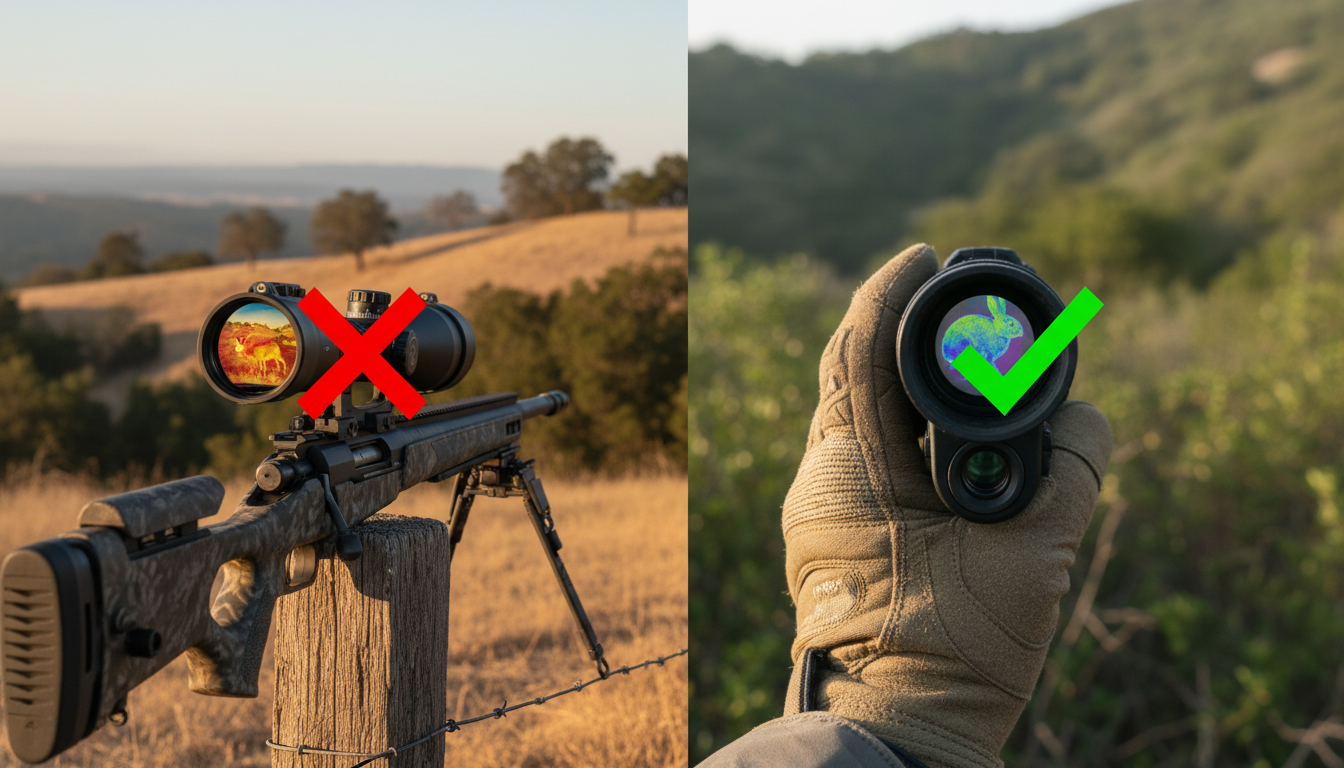
If you’re looking into thermal scopes in California, you’ve probably run into conflicting information. Some retailers won’t ship to the state, legal forums debate the fine print, and hunters aren’t sure what’s allowed. Let’s clear up the confusion around thermal scope legality in California and what the law actually says.
California Penal Code 468

California Penal Code Section 468 defines a “sniperscope” as any device designed for use on a firearm that uses “a PROJECTED infrared light source and electronic telescope” to locate objects at night. The key word here is “projected.” This refers to flashlight-like devices that project IR light, which were common when the law was written decades ago.
Modern thermal scopes work differently. Thermal scopes detect heat signatures and typically do not emit visible or infrared light. They’re passive devices that read thermal radiation rather than projecting anything. This technical distinction matters when reading the law.
Ownership vs. Firearm Mounting: The Legal Gray Area
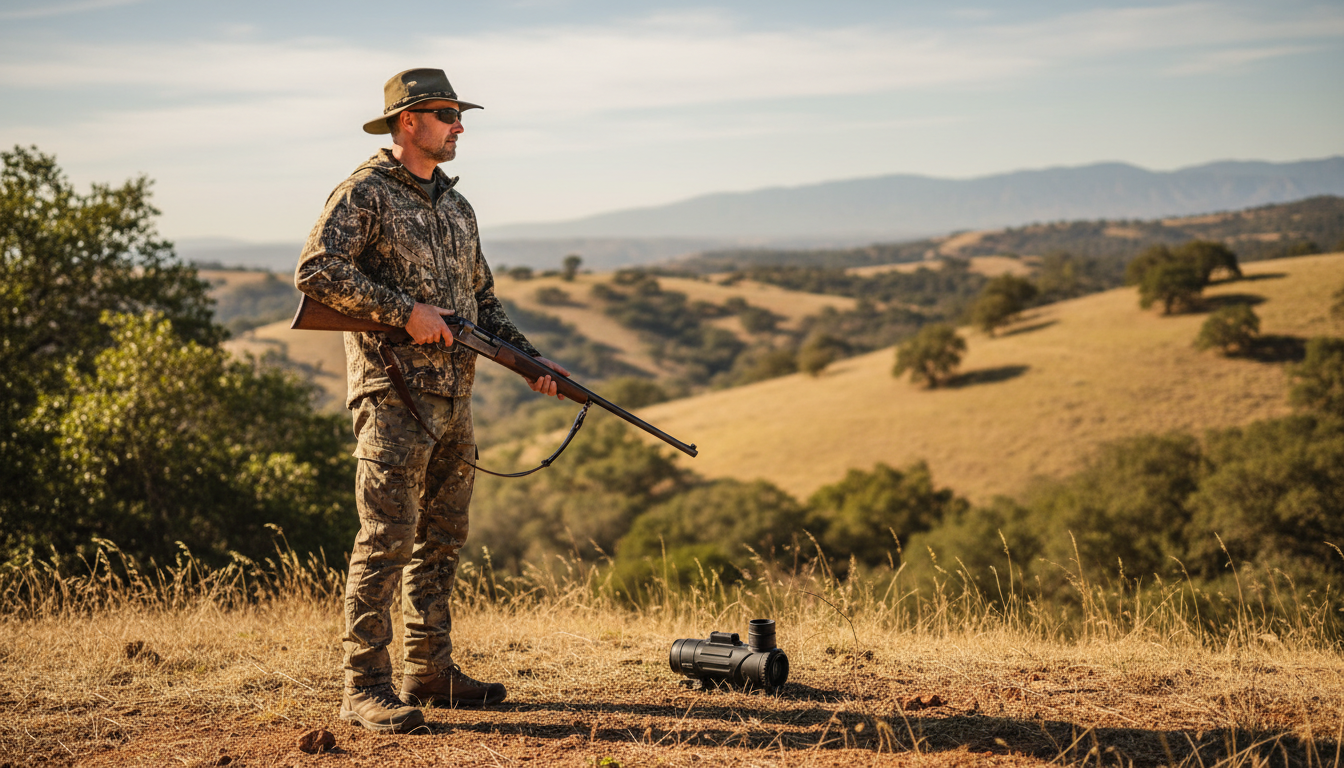
According to discussion among California gun owners and legal interpretations, a thermal scope on its own appears to be legal in the state. The problem starts when you talk about mounting it to a firearm. California law prohibits possessing devices like thermal imaging equipment “intended for use with or adapted for use with a firearm” that allow determining the presence of objects at night.
Here’s where things get murky. The issue is weapon mounting, and using a thermal scope for hunting while not attached to your rifle would be a grey area. Many retailers refuse to ship to California not because ownership is clearly illegal, but because they don’t want the legal headaches if someone mounts the device to a gun.
We recommend checking out our professional hunting guide for more context on thermal monocular applications.
Thermal Scopes for Hunting in California
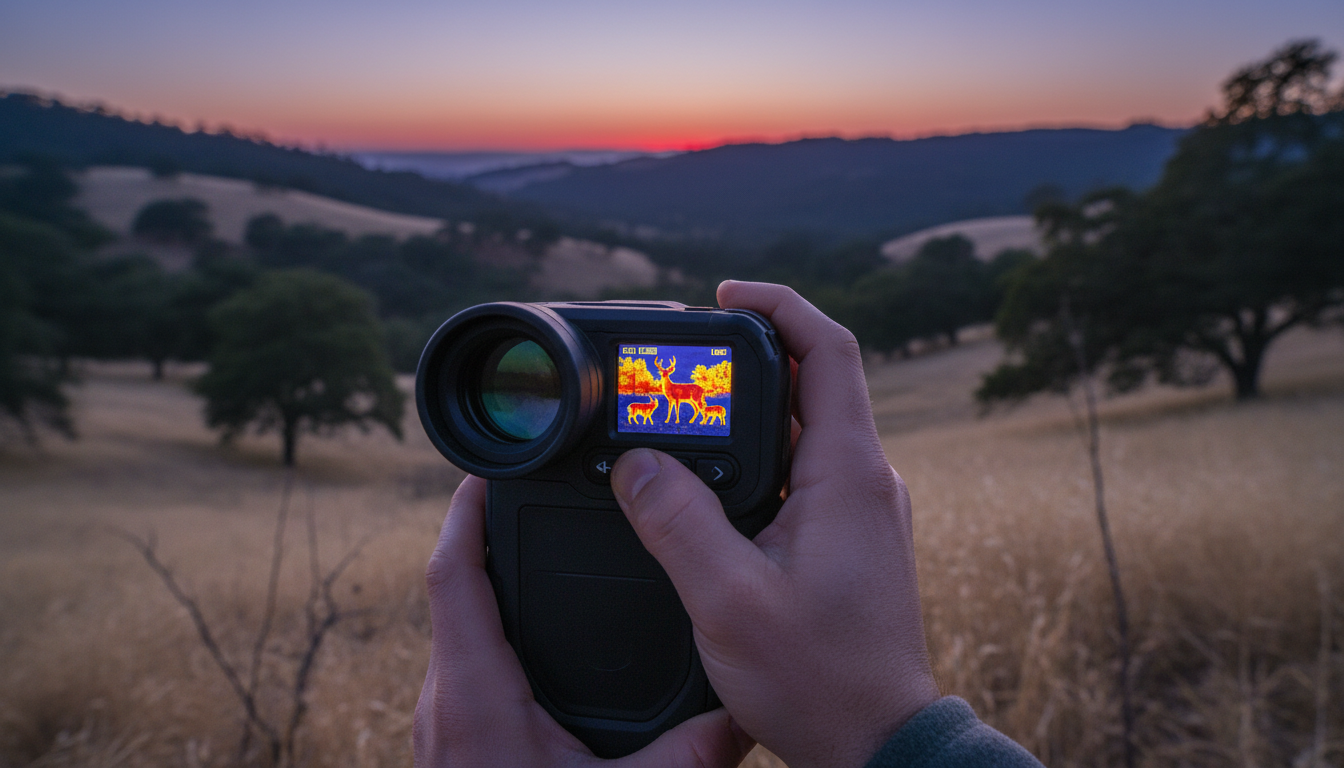
For hunting purposes, California explicitly prohibits thermal devices mounted to firearms. Heat-sensing or other non-visible spectrum technology used to enhance visibility of animals or provide a visible point of aim is prohibited while taking or attempting to take big game.
But there are some exceptions worth knowing about. Fish and Game Code regulations vary by zone and species. Some interpretations suggest that landowners in agricultural areas might be able to use passive thermal for certain pest control situations like coyotes. Before you head out, check with local fish and game authorities for your specific area.
Looking for alternatives? Our Sirius HD thermal monocular offers powerful detection without the legal complications of scope mounting.
What About Thermal Monoculars and Binoculars?
The prohibition does not apply to binoculars, monoculars with night vision function, or night vision goggles. This creates a practical workaround for many users. You can legally own and use thermal monoculars for observation, navigation, wildlife watching, and other non-hunting purposes.
Thermal monoculars are handheld devices that don’t attach to firearms. They’re used for spotting, tracking, and general thermal imaging without raising the same legal concerns as weapon-mounted scopes. We’ve seen growing interest in these devices precisely because they avoid the legal ambiguity.
Why Retailers Won’t Ship to California
Many vendors stay far away from legal boundaries and decline sales that could even remotely be viewed as illegal, because they lose more money in lawsuits than in potential sales. Even if a product might be legal under a strict reading of PC 468, companies don’t want to risk prosecution or bad publicity.
Many manufacturers list California as “ILLEGAL” in their state guides, stating that California law considers all night vision or thermal imaging devices for firearms illegal. This blanket approach is simpler than explaining nuances, but it doesn’t tell the full story about ownership for non-firearm uses.
For quality thermal imaging solutions that work within California’s framework, visit Pixfra’s homepage to explore our full range of thermal monoculars and imaging devices.
The Bottom Line: What’s Actually Legal?
Based on current law and expert interpretation, here’s what we understand:
Likely legal: Owning a thermal scope or monocular for observation, research, or educational purposes. Using thermal binoculars or handheld monoculars for non-hunting activities.
Gray area: Possessing a thermal scope that could be mounted to a firearm, even if you don’t mount it. Using thermal devices for hunting when not attached to your weapon.
Clearly prohibited: Attaching a night vision or thermal device to a firearm. Using thermal scopes mounted to firearms for hunting.
The safest approach? Stick with handheld thermal monoculars for observation and leave weapon-mounted devices out of the picture. And definitely consult with a legal professional if you have specific questions about your situation.
Conclusion
The question “are thermal scopes legal in California” doesn’t have a simple yes or no answer. While thermal imaging technology itself isn’t banned, how you use it and whether it’s attached to a firearm makes all the difference. PC 468 technically targets devices with projected IR illuminators, which modern thermal scopes don’t use. But the broader interpretation and hunting regulations create real limitations.
For most California residents, thermal monoculars and binoculars offer the best path forward—you get thermal imaging capability without the legal concerns. Stay informed about current regulations, check with local authorities before hunting, and consider handheld options that keep you on the right side of the law.
FAQs
Can I legally own a thermal scope in California?
Owning a thermal scope appears to be legal under a strict interpretation of PC 468, since thermal devices don’t use projected infrared illumination. However, possession with intent to mount it to a firearm creates legal risk. Many California residents own thermal monoculars and binoculars without issue since these aren’t designed for firearm mounting.
Is it illegal to hunt with thermal in California?
Yes, hunting with thermal devices mounted to firearms is prohibited in California. The state bans heat-sensing and non-visible spectrum technology for taking big game. Some exceptions may exist for agricultural landowners dealing with specific pests, but you should verify with California Department of Fish and Wildlife before hunting.
Why do so many websites say thermal scopes are illegal in California?
Retailers and manufacturers often take a conservative approach, listing California as “illegal” to avoid potential legal liability. While PC 468’s language specifically addresses projected IR illuminators (which thermal scopes don’t use), companies prefer blanket restrictions over explaining technical distinctions that could be challenged in court.
What’s the difference between thermal scopes and night vision under California law?
Both fall under similar restrictions when mounted to firearms. Night vision amplifies existing light (sometimes using IR illuminators), while thermal detects heat signatures. PC 468 targets devices with projected IR sources, but broader interpretations and hunting regulations restrict both technologies when attached to weapons.
Can I use a thermal monocular for wildlife observation in California?
Yes, thermal monoculars and binoculars are generally legal for observation, navigation, and non-hunting purposes. These handheld devices aren’t designed for firearm attachment and don’t fall under the same restrictions as weapon-mounted scopes. Many outdoor enthusiasts use them for wildlife watching, hiking, and property monitoring without legal concerns.