
















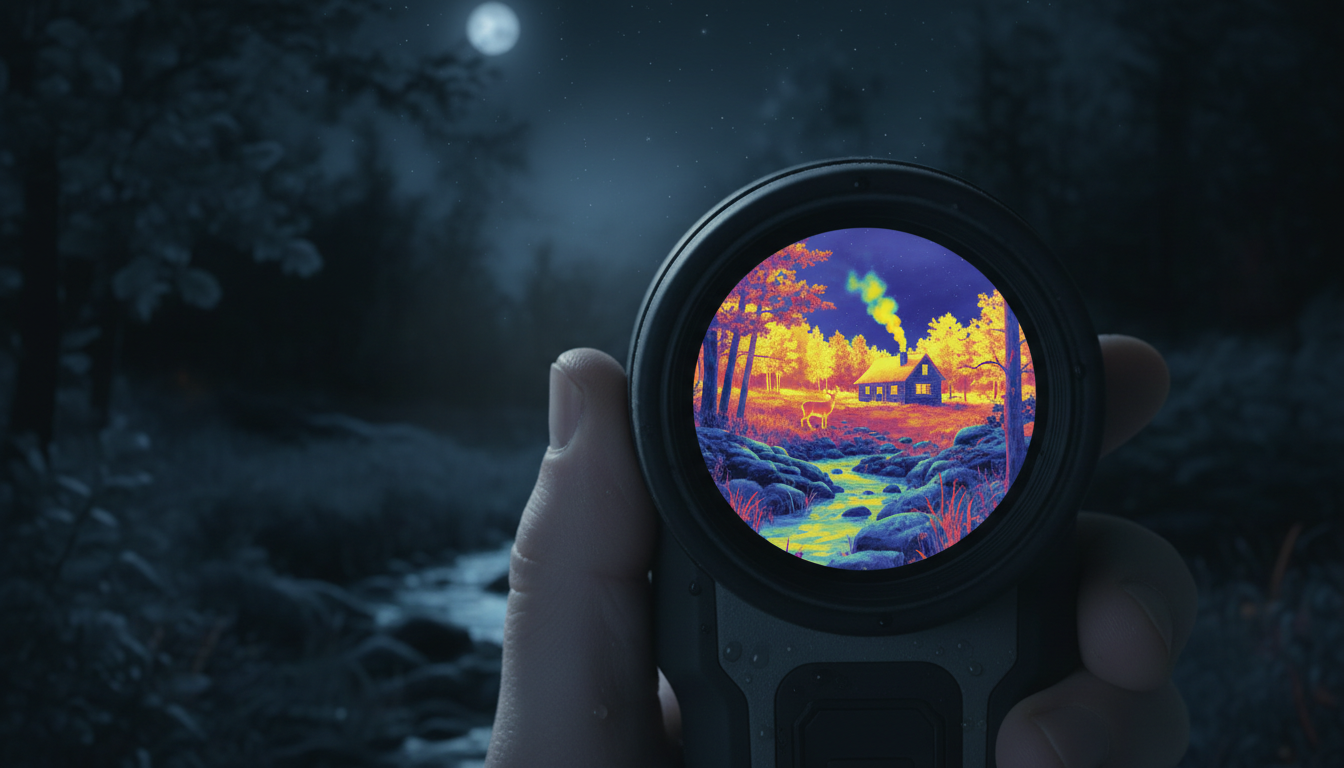
If you’ve been looking into thermal monoculars for hunting, wildlife observation, or outdoor activities, you’ve probably wondered about the connection between thermal technology and infrared. The short answer? Yes, a thermal monocular is absolutely an infrared device—but there’s more to the story. Let’s break down how these technologies relate and why it matters for your next adventure.
How to Understand the Infrared Spectrum
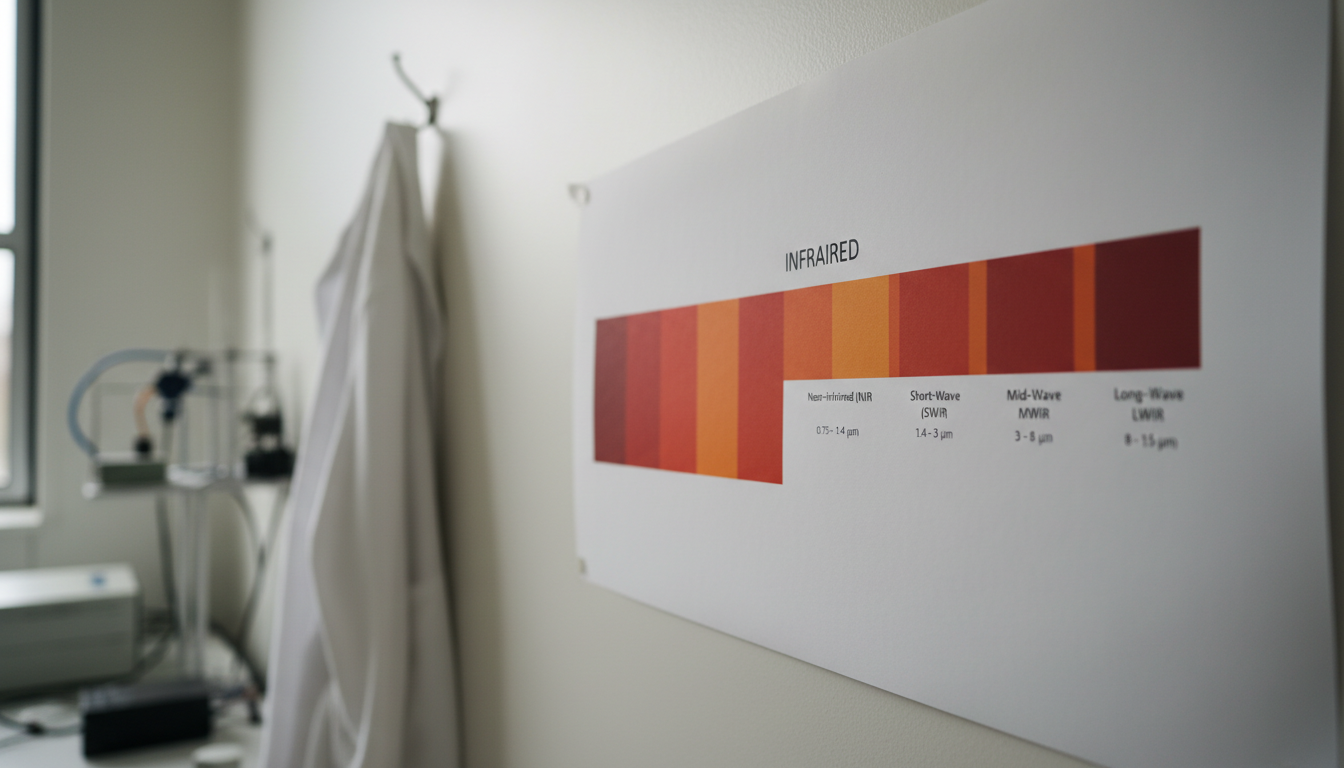
Infrared radiation sits between visible light and microwaves on the electromagnetic spectrum, with wavelengths ranging from around 780 nanometers to 1 millimeter. But here’s the thing: infrared isn’t just one thing. The infrared spectrum includes multiple sub-bands: near-infrared (NIR) from 0.7-1.4 μm, short-wavelength infrared (SWIR) from 1.4-3 μm, mid-wavelength infrared (MWIR) from 3-8 μm, and long-wavelength infrared (LWIR) from 8-15 μm.
Think of it like radio stations—they’re all radio waves, but each frequency gives you different content. Same deal with infrared wavelengths. Each band has different properties and applications, which is why understanding where thermal imaging fits in matters.
How Thermal Monoculars Use Infrared
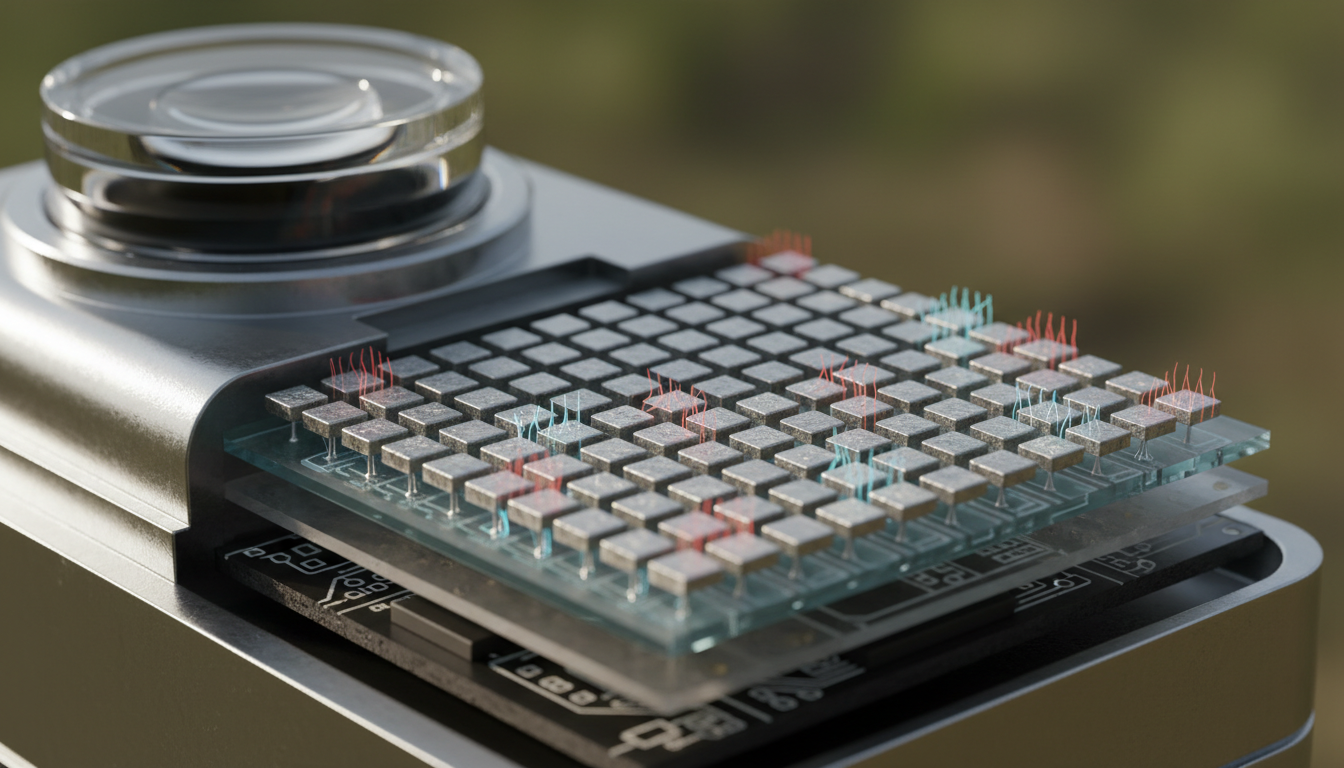
A thermal monocular is an infrared device that operates by detecting infrared radiation (heat) from objects and then translating those differences into visual images. Thermal cameras most commonly operate in the long-wave infrared (LWIR) range (7–14 μm), with some systems designed for the mid-wave infrared (MWIR) range (3–5 μm).
We love thermal monoculars at Pixfra because they work differently than your eyes or regular cameras. All objects emit infrared radiation (heat), which is invisible to the naked eye, and the amount of infrared radiation emitted by an object increases with its temperature. Thermal vision monoculars work by detecting and capturing infrared light, which is not visible to the human eye but can be felt as heat.
The Difference Between Thermal and Other Infrared Technologies
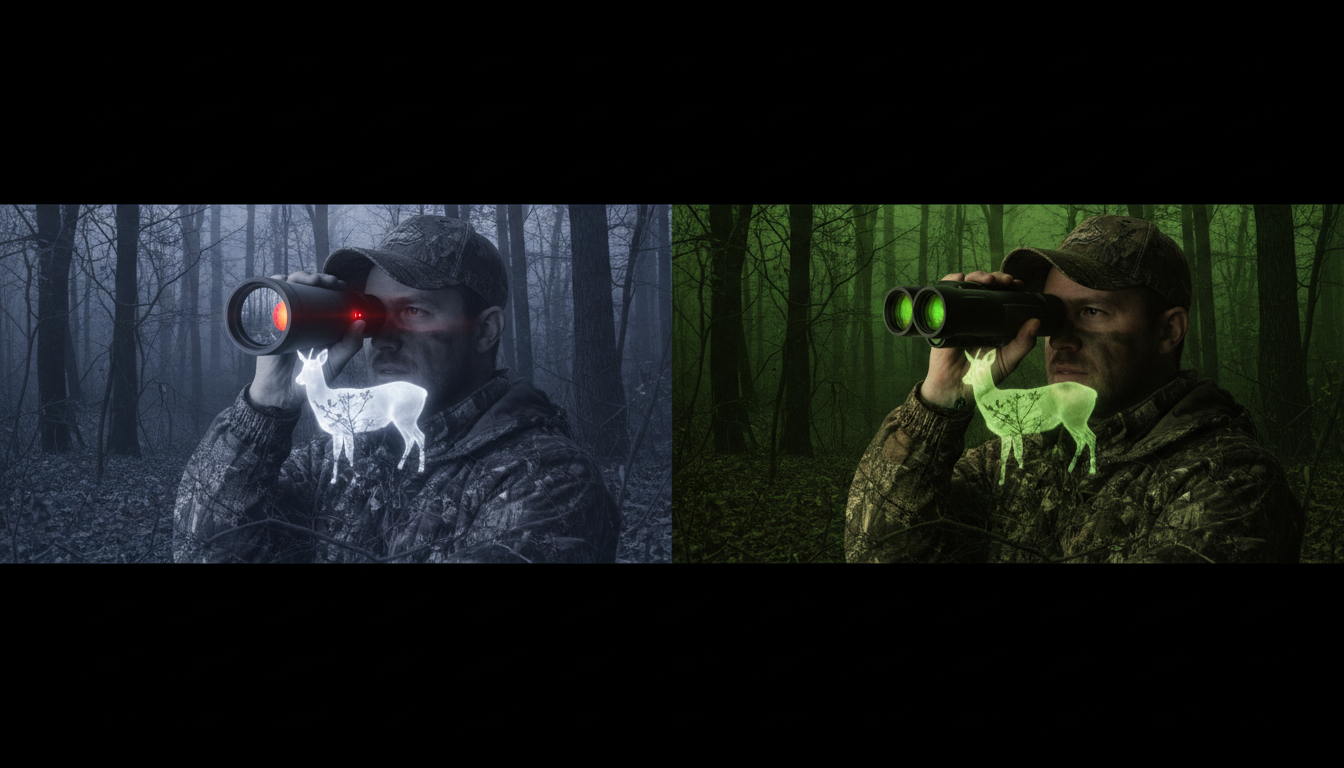
Here’s where things get interesting. Not all infrared devices are the same. Infrared imaging uses heat to produce images, while conventional night vision uses light. Traditional night vision devices amplify near-infrared light (around 0.85 micrometers), giving you that classic green-tinted image. They need some ambient light to work.
Thermal monoculars? They’re playing a completely different game. Thermal imaging monoculars do not require any ambient light to function effectively, as they detect temperature differences instead, allowing them to create images based on heat signatures emitted by objects. This means our thermal imaging devices work in total darkness, through fog, and even light vegetation.
Inside the Technology: Microbolometer Sensors
At the core of a modern thermal scope’s ability to detect infrared radiation is the microbolometer sensor technology, which consists of arrays of microscopic detector elements made from materials (typically vanadium oxide or amorphous silicon) that change electrical resistance when exposed to infrared radiation, and these minute resistance changes are measured, processed, and converted into a visible thermal image.
The Pixfra Sirius HD and other premium thermal devices use advanced sensors that can detect temperature differences as small as 18 millikelvin. That’s incredibly sensitive—we’re talking about spotting the faintest heat signatures at serious distances.
Why the Infrared Band Matters
Most thermal monoculars operate in the Long Wave Infrared (LWIR) spectrum from 8-14 micrometers, which is optimal for detecting body heat and general thermal signatures. This wavelength range has a practical advantage: Earth’s surface materials (like soil, water, and vegetation) emit radiation in the LWIR region at their ambient temperature.
What does this mean for you? Whether you’re scanning for deer with the Pegasus 2 LRF or checking your property line at night, your thermal monocular is tuned to the exact wavelength that living creatures and warm objects naturally emit. It’s not about artificial illumination—it’s about reading the thermal signature of your environment.
Thermal vs. Infrared: Clearing Up the Confusion
Infrared is the radiation type, while thermal imaging is the visualization technique. So when someone asks if thermal is infrared, the answer is yes—but it’s a specific application of infrared technology. The terms thermal imaging camera and infrared camera are often used interchangeably, as thermal imaging sensors detect infrared radiation and then express each heat value (or wavelength) through a set of corresponding colors that is viewable on a screen.
All thermal monoculars are infrared devices, but not all infrared devices are thermal. Night vision goggles use near-infrared. Remote controls use near-infrared. But thermal monoculars specifically use the mid- to long-wave infrared bands where heat signatures live. That’s the key distinction that makes products like the Draco and Arc LRF so effective for outdoor applications.
Real-World Applications
Understanding that thermal monoculars operate in the infrared spectrum helps explain why they excel in specific situations. Thermal imaging technology allows you to see what the human eye cannot by detecting the heat energy emitted by objects, creating a clear picture even in total darkness, dense fog, or heavy vegetation.
We’ve seen hunters use thermal monoculars to spot game that’s completely hidden in brush. Law enforcement uses them for search and rescue in zero-visibility conditions. Firefighters rely on them to see through smoke. All of this works because these devices tap into the long-wave infrared spectrum—the part of the electromagnetic spectrum where thermal energy lives.
Conclusion
So, is a thermal monocular considered infrared? Absolutely. Thermal monoculars are specialized infrared devices that operate in the LWIR spectrum (8-14 micrometers), detecting heat rather than reflected light. This makes them fundamentally different from night vision devices, which use near-infrared amplification. Understanding this distinction helps you appreciate why thermal technology works in conditions where nothing else will—complete darkness, fog, smoke, and camouflage mean nothing when you’re detecting infrared heat signatures. Whether you’re hunting, conducting security patrols, or exploring the outdoors, thermal monoculars give you access to an invisible world of thermal energy that regular optics simply can’t see.
FAQs
Can thermal monoculars detect all types of infrared radiation?
No, thermal monoculars are specifically designed to detect mid-wave and long-wave infrared radiation (typically 8-14 micrometers). They cannot detect near-infrared radiation used by night vision devices or the infrared signals from TV remotes. Each infrared device is tuned to specific wavelength bands based on its intended purpose.
Do thermal monoculars work better than night vision devices?
It depends on your needs. Thermal monoculars excel at detecting heat signatures in total darkness, fog, and smoke without any light source. Night vision provides more detailed images with better facial recognition but requires some ambient light. Many professionals use both technologies for different situations. Thermal is better for detection and scanning, while night vision offers clearer identification.
Why do thermal monoculars show different colors if they detect infrared?
The colors you see on a thermal display are artificial—they’re created by the device’s processor to help your brain interpret temperature differences. Hotter objects appear in brighter colors (often white or red), while cooler objects show up in darker tones (black or blue). These color palettes make it easier to spot heat signatures quickly compared to viewing raw infrared data.
Can thermal monoculars see through walls?
No, thermal monoculars cannot see through walls like in movies. Walls are thick and insulated, blocking infrared radiation from passing through. What thermal devices can detect is heat on the surface of walls—for example, if there’s a fire or hot water pipe inside, you might see a warm spot on the wall’s surface, but you’re not seeing through the wall itself.
Does weather affect thermal monocular performance?
Thermal monoculars handle most weather conditions better than conventional optics. They work well in fog, light rain, and darkness. However, heavy rain can reduce detection range because water droplets can scatter infrared radiation. Extreme cold or heat can also affect performance by reducing temperature contrast between objects and their surroundings. Still, they outperform regular optics in nearly all low-visibility conditions.