
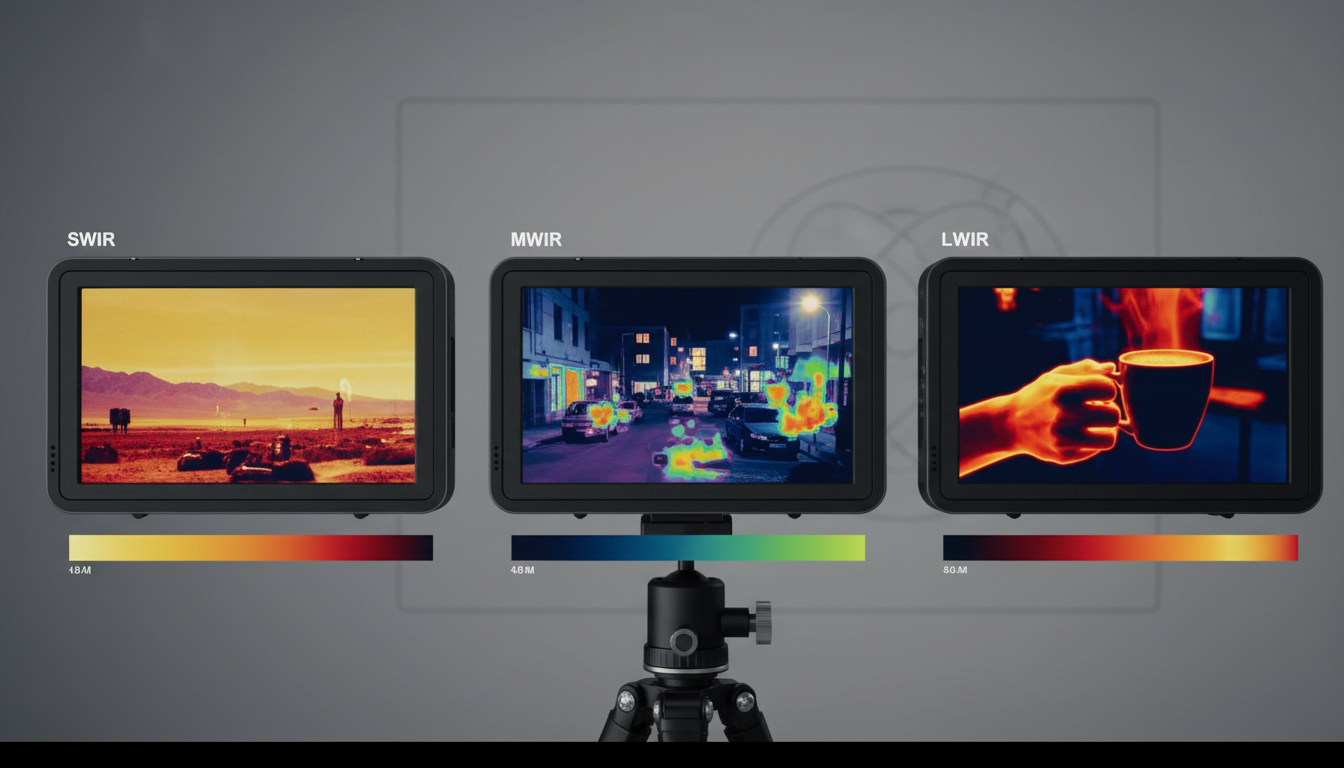
Thermal imaging has become a game-changer for everything from hunting and security to industrial inspections and medical diagnostics. But here’s the thing—not all thermal imaging works the same way. Different technologies operate at different wavelengths, and picking the right one can make or break your results.
We’re breaking down the three main types of thermal imaging technology based on wavelength ranges. Each type offers unique advantages and works best in specific situations. Whether you’re trying to spot heat loss in buildings, detect equipment failures, or track wildlife at night, knowing which technology to use will save you time and money.
The Three Wavelength-Based Types
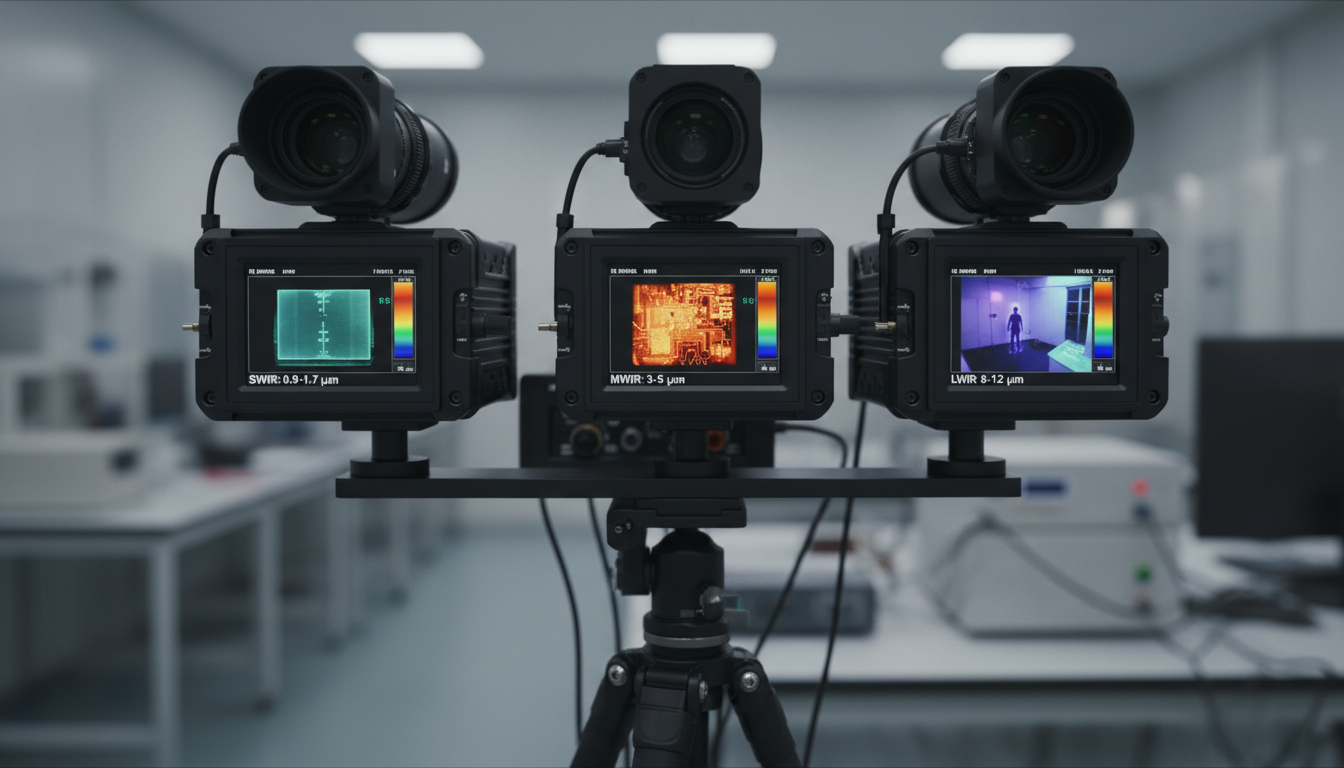
Thermal cameras come in three basic wavelength categories: short-wave infrared (SWIR), mid-wave infrared (MWIR), and long-wave infrared (LWIR). Think of these as different “channels” in the infrared spectrum, each tuned to capture specific types of heat signatures.
SWIR typically operates in the 0.9–1.7 μm wavelength range, while MWIR is defined as the 3.0–5.0 μm wavelength range. Long-wavelength cameras detect infrared wavelengths in the range of 7-12 microns. Each range reveals different information about the objects you’re viewing.
The wavelength you choose affects everything from image quality to what you can see through obstacles. Let’s look at how each type actually works.
Short-Wave Infrared (SWIR) Technology
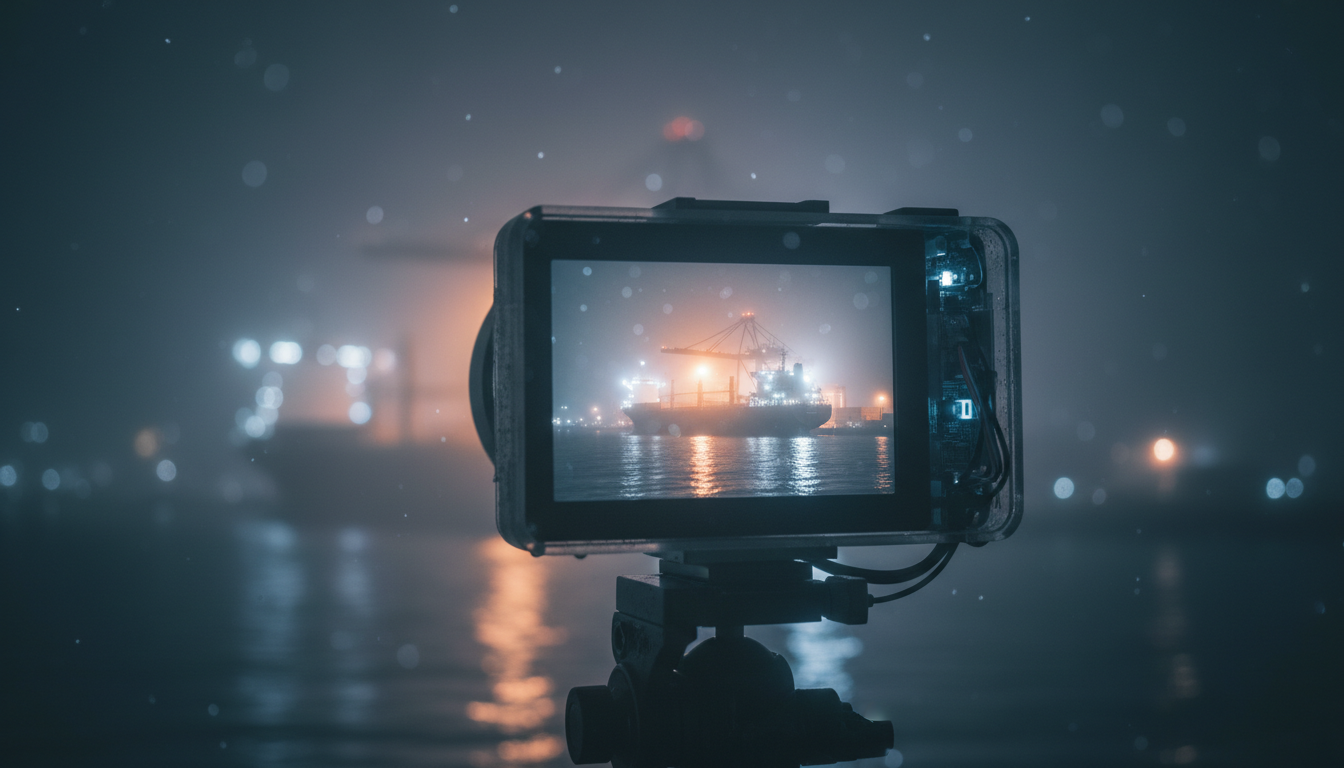
SWIR cameras work differently than you might expect. Short wave infrared uses reflected light imaging instead of thermal imaging. This means they’re more like enhanced vision cameras than traditional heat detectors.
An atmospheric phenomenon called night sky radiance emits five to seven times more illumination than starlight, nearly all of it in the SWIR wavelengths, allowing us to see objects with great clarity on moonless nights. Short-wave infrared is more like enhanced vision, and its image is very similar to that seen by human eyes.
SWIR cameras excel at penetrating haze, smoke, and fog. Short-wave infrared imaging has a major advantage that infrared thermal imaging technology does not have—it can image through the windshield. This makes SWIR perfect for surveillance, quality inspection, and applications where you need to see fine details rather than just heat signatures.
Mid-Wave Infrared (MWIR) Technology
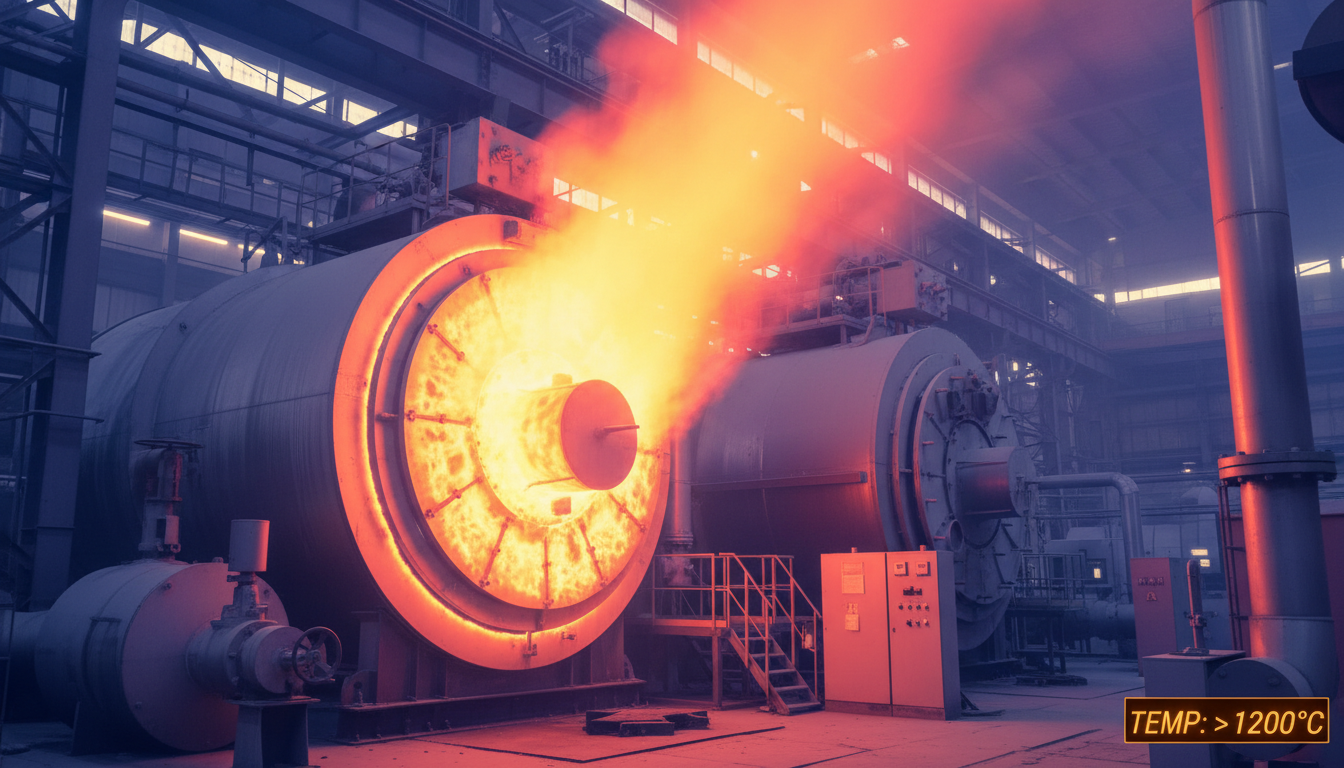
MWIR cameras sit in the middle ground between SWIR and LWIR. Mid-wavelength cameras typically detect infrared wavelengths in the spectral range of 2-5 microns and deliver higher resolution with accurate readings, though images are not as detailed as those produced by long wavelength cameras due to increased atmospheric absorption.
Cameras in this range are used for extreme high-temperature readings, such as scanning boiler applications and ballasted, single-ply roofing systems. When you need to measure really hot objects—think industrial furnaces or manufacturing processes—MWIR cameras give you the precision you need.
MWIR systems often require cooling to work properly, which makes them more expensive. But for gas leak detection and military applications, that extra cost pays off with better sensitivity and accuracy.
Long-Wave Infrared (LWIR) Technology
Long-wavelength cameras, the most popular infrared camera type, typically detect infrared wavelengths in the range of 7-12 microns and provide a great deal of detail because atmospheric absorption is minimal. This is what most people think of when they hear “thermal camera.”
Long Wavelength Infrared is the most commonly used form of infrared technology, with LWIR imagers detecting radiated temperatures that indicate information to the operator. These cameras work great for spotting people, animals, and equipment at normal temperatures.
The majority of all thermal cameras sold and used today operate in the LWIR band, using uncooled micro-bolometer detectors. They’re cheaper than MWIR cameras, don’t need cooling systems, and work reliably for building inspections, firefighting, and security applications.
Passive vs. Active Thermography Methods
Beyond wavelengths, thermal imaging can also be classified by how it captures heat. Thermography can be classified as either passive or active, with passive thermography involving observing an object’s naturally emitted thermal energy.
Active thermography applies external energy sources to an object or process to induce a variation in temperature for analysis with an infrared camera. If a defect is present inside an object, it interrupts the heat flow from an external source like a halogen lamp, causing a variation in temperature distribution at the object’s surface.
Passive thermography works well for electrical inspections, surveillance, and medical screenings where objects already have temperature differences. Active thermography shines when you’re looking for hidden defects in materials or checking composite structures like aircraft wings.
Cooled vs. Uncooled Detector Systems
Another way to classify thermal cameras is by detector type. Thermographic cameras can be broadly divided into two types: those with cooled infrared image detectors and those with uncooled detectors.
Cooled detectors deliver better image quality and precision, while uncooled detectors are less precise but also less expensive. Uncooled detector resolution and image quality tend to be lower than cooled detectors, but they’re lighter, smaller, and start up instantly.
Most LWIR cameras use uncooled sensors, making them affordable for everyday use. MWIR cameras typically need cooling, which is why they cost more but perform better for demanding applications.
How to Choose the Right Technology for Your Needs
Picking the right thermal imaging type depends on what you’re trying to accomplish. For general surveillance, building inspections, or hunting applications like those we discuss in our professional hunting guide, LWIR cameras offer the best value and performance.
If you’re working in industrial settings with high-temperature equipment, MWIR gives you better accuracy. For seeing through smoke or capturing fine details, SWIR technology delivers images that look more natural to our eyes. Check out our Sirius HD thermal monocular to see how modern LWIR technology performs in real-world conditions.
The technology keeps evolving. Modern thermal cameras now combine features from different types, offering multi-spectral imaging that gives you the best of multiple wavelengths in one device.
Conclusion
Thermal imaging technology breaks down into three main wavelength types—SWIR, MWIR, and LWIR—each optimized for different applications. SWIR uses reflected light for detail-rich images, MWIR handles extreme temperatures with precision, and LWIR dominates everyday thermal imaging with affordable, reliable performance. You can also classify systems by passive versus active methods or cooled versus uncooled detectors.
Your choice depends on your specific needs: detection range, temperature measurement accuracy, environmental conditions, and budget. LWIR cameras handle most common tasks, MWIR excels at industrial applications, and SWIR works best when you need to see through obscurants or capture fine details. Understanding these differences helps you pick the right tool and get better results, whether you’re inspecting equipment, monitoring wildlife, or conducting security operations.
FAQs
What’s the difference between SWIR and thermal imaging?
SWIR cameras detect reflected infrared light, similar to how visible cameras work, creating images based on light reflection rather than heat emission. Traditional thermal cameras (MWIR and LWIR) detect heat radiated by objects. SWIR produces images that look more like regular photographs but can see through smoke and haze, while thermal cameras show temperature differences regardless of lighting conditions.
Which type of thermal imaging camera is best for hunting?
LWIR cameras work best for hunting because they detect body heat from animals at normal outdoor temperatures. They’re more affordable than other types, don’t need external light sources, and can spot wildlife in complete darkness. LWIR cameras also come in compact, uncooled designs perfect for handheld monoculars and scopes. Visit our homepage to explore hunting-specific thermal devices.
Why are MWIR cameras more expensive than LWIR?
MWIR cameras typically require cryogenic cooling systems to reduce noise and maintain sensor sensitivity, which adds cost, weight, and power consumption. The cooling mechanism keeps the detector at very low temperatures for accurate readings at higher temperature ranges. LWIR cameras use uncooled microbolometer detectors that work at room temperature, making them cheaper and simpler to manufacture.
Can thermal cameras see through walls?
No, thermal cameras cannot see through solid walls. They detect infrared radiation from surfaces, not through them. However, they can detect temperature differences on wall surfaces caused by issues behind the wall, like water leaks, missing insulation, or electrical hot spots. SWIR cameras can penetrate some thin materials better than other types, but no thermal camera provides X-ray vision.
What does passive versus active thermography mean?
Passive thermography observes objects using their naturally occurring heat without adding external energy sources. It’s used for electrical inspections, building surveys, and security. Active thermography applies an external heat source to the object being inspected, then monitors how heat flows through it to reveal hidden defects or structural issues. Active methods work better for non-destructive testing of materials and finding subsurface problems.