

Buying a thermal night vision device is a serious investment, and one of the first questions we hear from our customers is: “How long will this actually last?” It’s a fair question, especially when you’re spending anywhere from a few hundred to several thousand dollars on a piece of equipment.
The good news? The average lifespan can range from five to ten years, but that’s just the starting point. The real answer depends on several factors—from build quality and how you use it, to how well you take care of it. Let’s break down what you can realistically expect and what you can do to get the most out of your thermal device.
For those exploring options, check out our best remote visual inspection devices with thermal imaging to see what’s available in 2026. We also offer a range of thermal solutions at Pixfra designed for durability and performance.
Expected Lifespan of Thermal Night Vision Devices
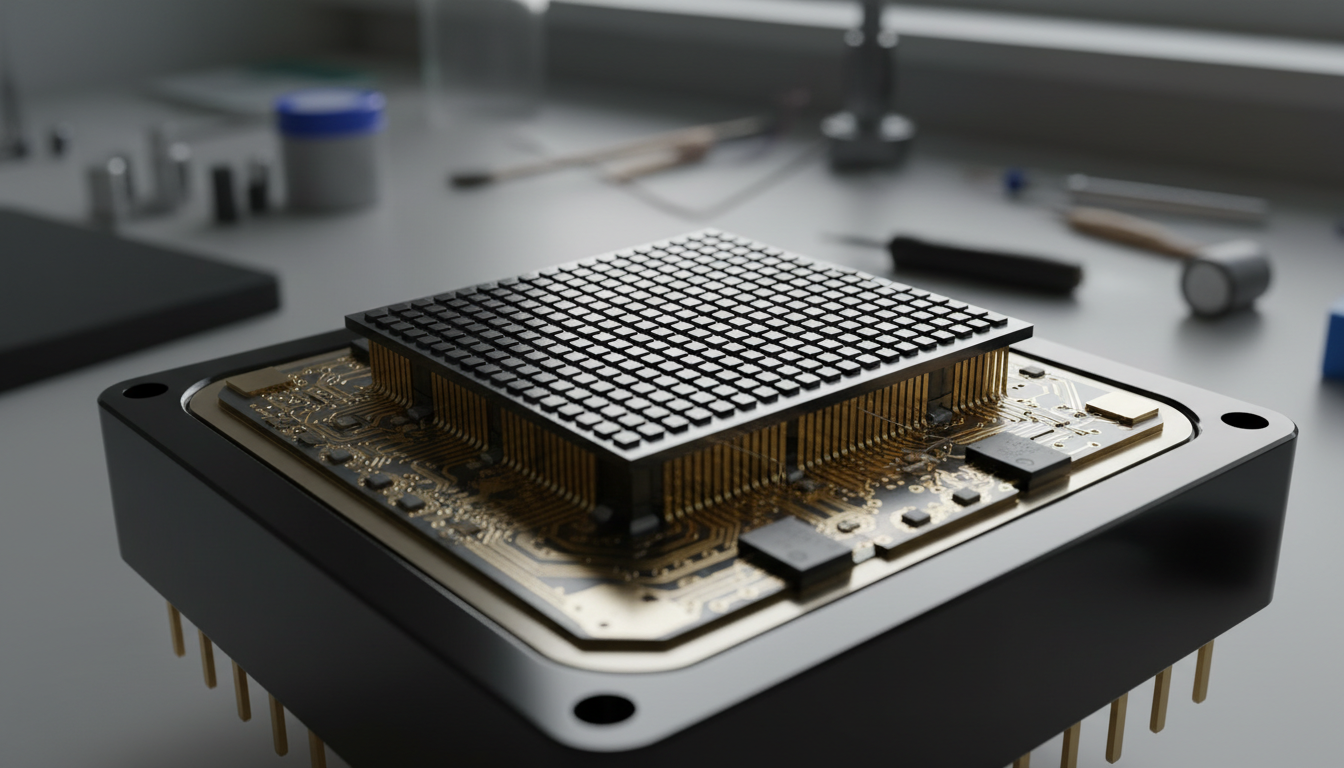
When we talk about how long a thermal device lasts, we’re really talking about two things: the overall unit and its individual components.
High-quality sensors can last around 40,000 to 60,000 hours of operational time, which translates to decades if you’re using the device a few hours per week. The thermal sensor, which is the heart of the scope, typically has a lifespan of 10 to 15 years. Meanwhile, displays last approximately 10 years, and with proper care, lenses can exceed 20 years.
But here’s the catch: There are no known degradation mechanisms except general aging of electronic components and displays, potential degradation of sensor seal. Unlike traditional night vision tubes that have predictable wear patterns, it’s close to impossible to predict when and why a thermal device will fail.
In real-world use, a well-maintained thermal scope can last 5 to 10 years or more, though technological advances might tempt you to upgrade before the unit actually fails.
What Affects How Long Your Thermal Device Lasts

Several factors play a role in determining whether your device reaches that 10-year mark or gives out much sooner.
Build Quality Makes a Difference
Entry-level scopes have a lifespan of 3 to 5 years, mid-tier scopes typically last 5 to 8 years, while premium scopes can last 10 years or more. The materials matter too—devices with aircraft-grade aluminum bodies or reinforced polymer casings handle impacts and rough conditions better than budget models.
Environmental Conditions
Extreme temperatures, humidity, and exposure to dust or moisture can compromise device integrity. Regularly using a scope in harsh environments without protective measures can lead to decreased lifespan. Cold temperatures drain batteries faster, while heat can accelerate internal component aging.
Usage Patterns
How often and how hard you use your thermal device matters. Someone who uses their device a few times per month will see different longevity compared to someone running it multiple nights per week. You should be able to get thousands of hours of use out of them.
Our Sirius HD and Pegasus 2 LRF models are built with these factors in mind, offering robust construction for extended field use.
Battery Life vs. Device Longevity
It’s worth noting that battery life and device lifespan are two separate things. Your battery will die long before your thermal device does.
Most thermal scopes offer a runtime of 4 to 8 hours, depending on the model and usage intensity. Advanced models can push beyond that. But the battery itself? Rechargeable batteries typically last for 300 to 500 charge cycles, which equates to about 2 to 3 years of regular use.
The good news is batteries are replaceable. When you notice reduced runtime or charging issues, swap in a new battery pack. Keep spare batteries on hand during extended hunts or operations—you’ll thank yourself later.
For devices with built-in batteries, charge it to around 40–60% before storage. Storing a battery that’s completely full or empty can shorten its overall life.
Proper Storage and Maintenance
Here’s where you have the most control over longevity. Take care of your gear, and it’ll take care of you.
Storage Best Practices
Keep them in a dry place and re-purge every once in a while to make sure that there is no moisture build-up inside the unit. Store in a dry, low-humidity area. High humidity will cause condensation inside the camera and ruin the sensor. Avoid leaving your device in hot cars or cold garages for extended periods.
Some users even suggest refrigerator storage for long-term protection. Storing it in your refrigerator when not in use will significantly increase your vacuum life by reducing the outgassing rate, which doubles for every 10C above ambient.
Maintenance Routine
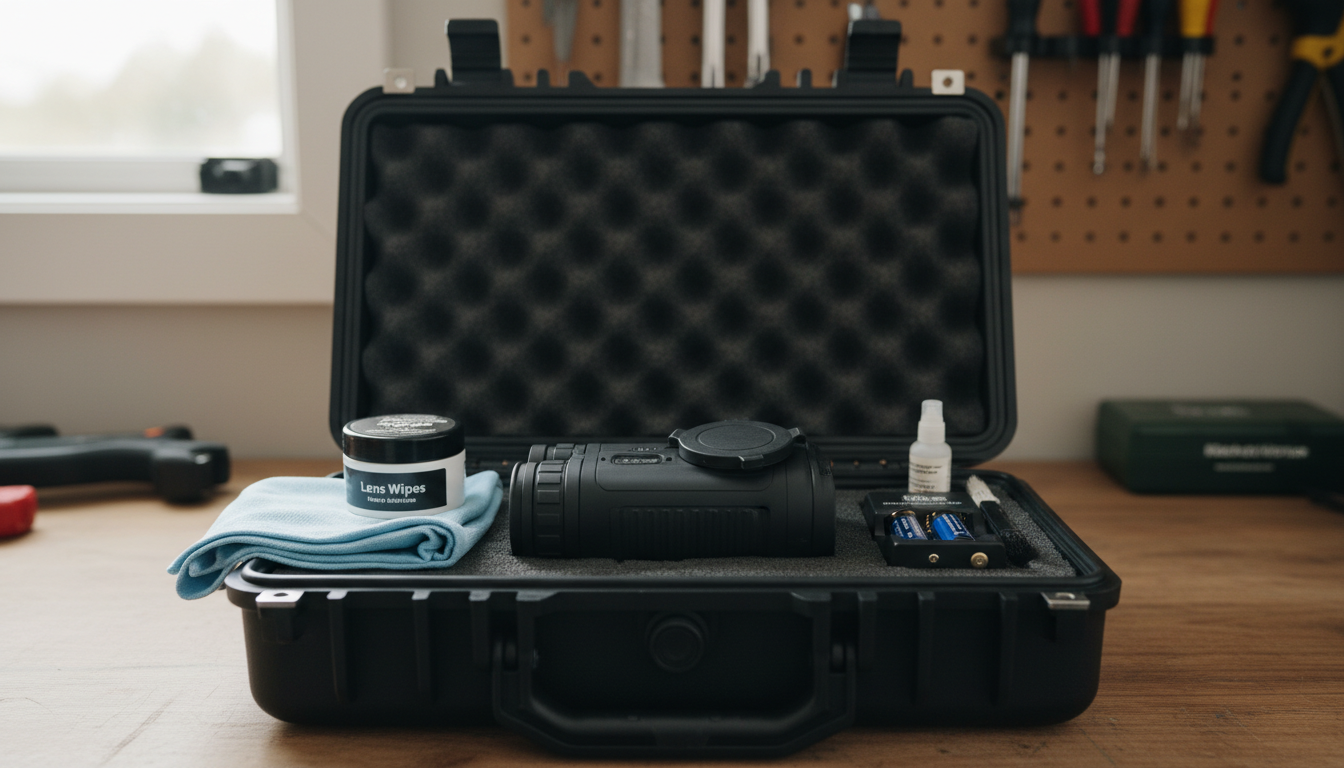
Proper care, such as cleaning the lens and sensors regularly, ensuring that the scope is securely stored in a protective case when not in use, and updating the software as needed, can prevent damage. Use a microfiber cloth for lens cleaning—never paper towels or rough materials that can scratch coatings.
At least one month before hunting season, test battery health, update firmware, and calibrate the sensor to avoid surprises in the field. Regular calibration keeps your thermal readings accurate over time.
Explore our complete line including the Draco, IR Torch, and Arc LRF for models designed with user-friendly maintenance in mind.
Signs Your Thermal Device Needs Repair or Replacement
How do you know when your device is on its way out versus just needing a tune-up?
Watch for decreased image clarity or strange artifacts in the display. If contrast drops or you’re seeing more noise in the image than usual, the sensor or display might be degrading. Physical damage like cracks in the housing, loose buttons, or fogging inside the lens are red flags.
The service life of a Pulsar device varies depending on its use and care. While all devices come with a three-year warranty covering free repairs for manufacturing defects, they are known to last well beyond this period. Most manufacturers offer 3-5 year warranties, which gives you a baseline for expected performance.
If your device is still under warranty and experiencing issues, contact the manufacturer. For out-of-warranty devices, consider whether repair costs make sense compared to upgrading to newer technology. Sometimes a device still functions but feels outdated compared to what’s available now.
Conclusion
So, how long will your thermal night vision device last? With quality construction and proper care, you’re looking at 5-10 years of solid performance, with key components like sensors potentially lasting several decades. Entry-level models might give you 3-5 years, while premium builds can exceed 10 years.
The real key is maintenance. Store your device in a cool, dry place, clean the lens regularly, keep firmware updated, and handle batteries properly. These simple steps can add years to your equipment’s life.
Remember, thermal technology is different from traditional night vision—it doesn’t have the same predictable degradation patterns. But with reasonable care, your investment should serve you well for many seasons in the field.
FAQs
How many hours of use can I expect from a thermal sensor?
High-quality thermal sensors typically deliver 40,000 to 60,000 hours of operational time. At 100 hours per year of use, that translates to 400-600 years of service life for the sensor itself. In practice, other components like displays and electronics will reach end-of-life first, usually after 5-10 years of regular use.
Will extreme weather shorten my thermal device’s lifespan?
Yes, but quality devices are built to handle it. Extreme cold reduces battery performance and extreme heat can accelerate component aging. However, thermal devices are designed for outdoor use. The bigger risk comes from improper storage—leaving your device in a hot car trunk or damp basement causes more damage than field use in tough conditions.
How often should I clean my thermal device?
Clean the lens after every few uses or whenever you notice smudges or debris. Use only soft, lint-free microfiber cloths designed for optics. For the housing and controls, wipe down with a dry cloth after use in dusty or wet environments. A full inspection and cleaning should happen at minimum twice per year—ideally before and after your primary usage season.
Can I repair a thermal device myself if something breaks?
We don’t recommend it. Thermal sensors are sealed units that require specialized equipment to service. Opening the housing yourself will likely void your warranty and could introduce moisture or dust that damages sensitive components. For any issues beyond battery replacement or basic external cleaning, contact the manufacturer or an authorized service center.
Is it worth buying an extended warranty for a thermal device?
It depends on how you’ll use it and your budget. If you’re relying on the device professionally or plan heavy field use, an extended warranty provides peace of mind beyond the standard 3-year coverage. For occasional recreational users, the standard warranty is usually sufficient—just make sure to follow proper maintenance and storage practices to maximize longevity.