


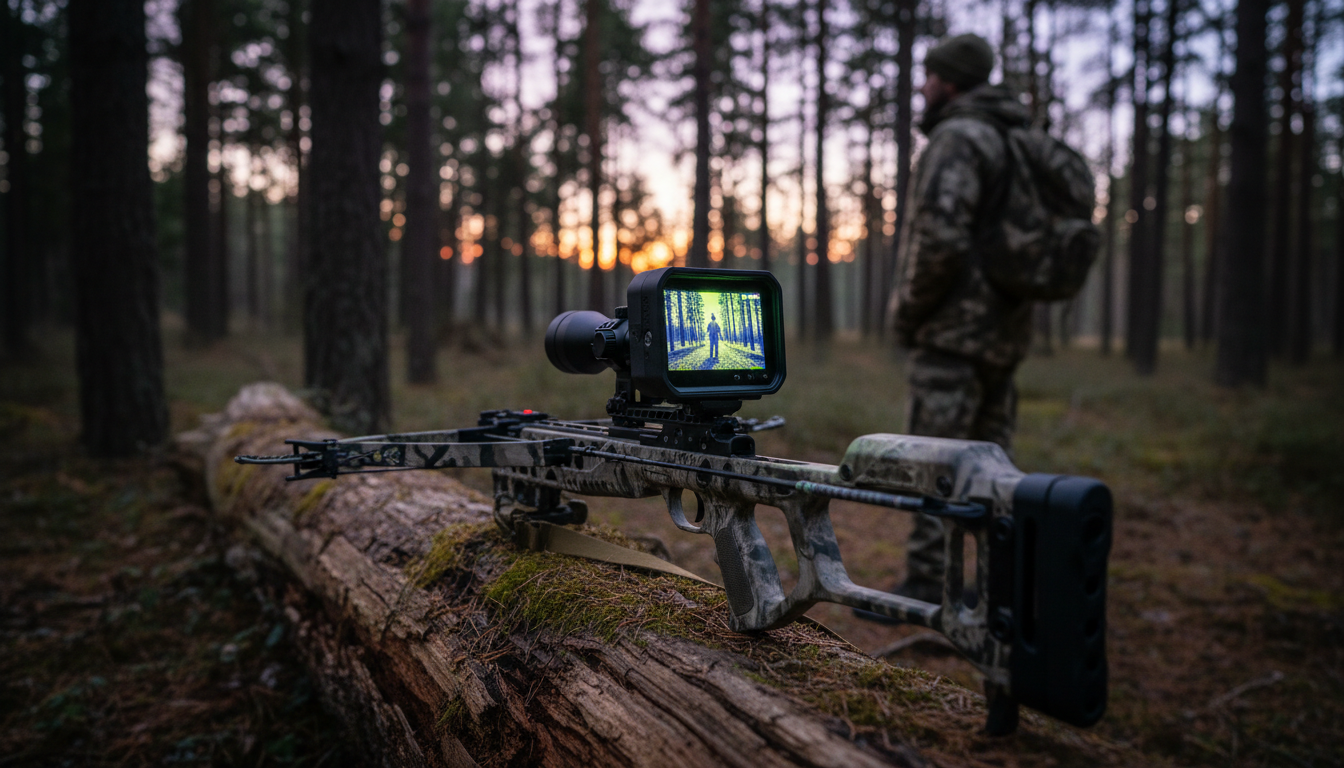
If you’ve been thinking about mounting a thermal scope on your crossbow, you’re not alone. More hunters are discovering how thermal imaging opens up new possibilities—especially when the sun goes down and game gets active. Thermal scopes let you see heat signatures in total darkness, cutting through fog, rain, and brush. But they’re not like your typical crossbow optic, and there’s a lot to know before you make the jump.
We’ve spent time talking with hunters who use thermal on crossbows, testing products in the field, and researching what actually works. Here’s what you need to know about pairing thermal technology with your crossbow setup.
Why Use a Thermal Scope on a Crossbow
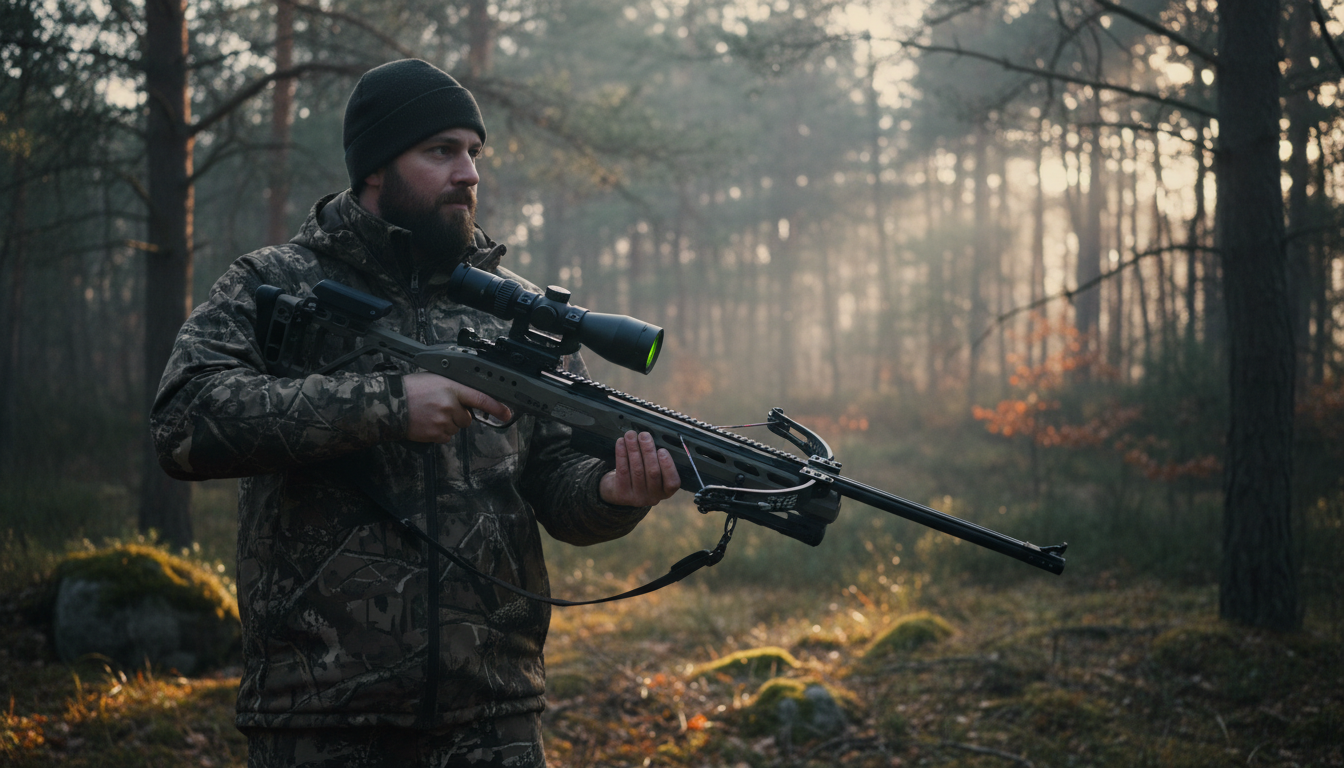
Thermal scopes detect heat signatures without needing any light, working better in fog, rain, and offering visibility through light brush. Unlike traditional scopes that rely on ambient light or night vision devices that amplify existing light, thermal imaging shows you animals based on their body heat. This means you can spot game that’s hiding behind vegetation, bedded down in tall grass, or moving through dense cover.
At just over 19 ounces and measuring around 6.6 inches, modern thermal scopes fit crossbow hunting where keeping gear lightweight and streamlined matters. The weight won’t throw off your balance the way some heavier rifle scopes might. And because thermal doesn’t need an IR illuminator like some night vision setups, you’re not broadcasting any light that could spook your target.
For those exploring thermal imaging solutions beyond hunting, check out our guide on remote visual inspection devices with thermal imaging, which covers broader applications of this technology.
Key Features to Look For
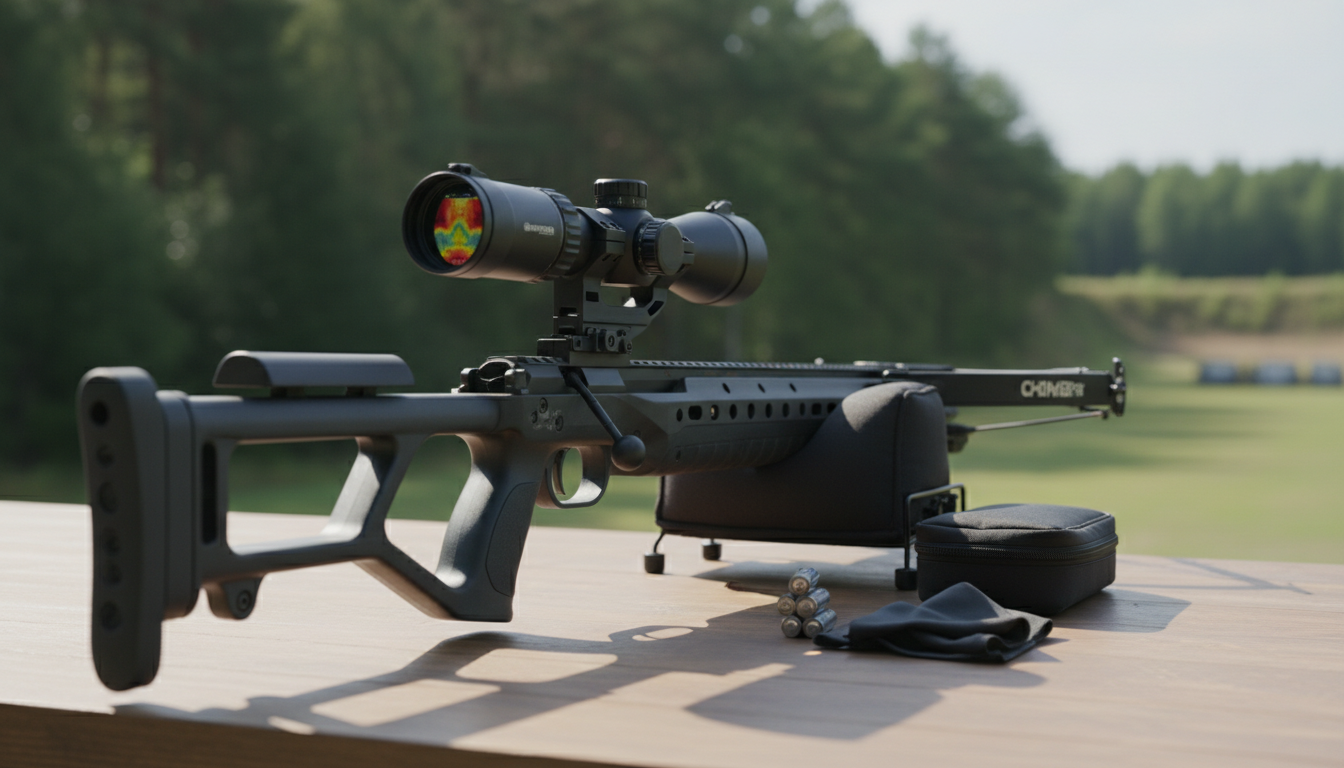
Not all thermal scopes work well on crossbows. Make sure whatever thermal you mount is supported for crossbow use, as the recoil is reversed. This matters more than you’d think—some scopes designed for rifles can malfunction or shut off when mounted on a crossbow.
High-resolution thermal sensors like 640×480 create detailed images, enhancing visibility in low-light or complex environments where heat signatures tell the story of the landscape. Look for scopes with at least a 384×288 sensor for crossbow ranges. Higher resolution helps, but at 20-80 yards (typical crossbow distances), a 384 core thermal sensor is more than enough.
Video recording capability is a game-changer. Built-in video recording with audio lets you insert a mini SD card, power on, and press a button to start recording—offering a great angle for filming hunts. Just remember that video drains batteries faster.
Several of our thermal products, like the Sirius HD and Pegasus 2 LRF, demonstrate advanced thermal capabilities that mirror what hunters need in crossbow optics.
Detection Range and Image Quality
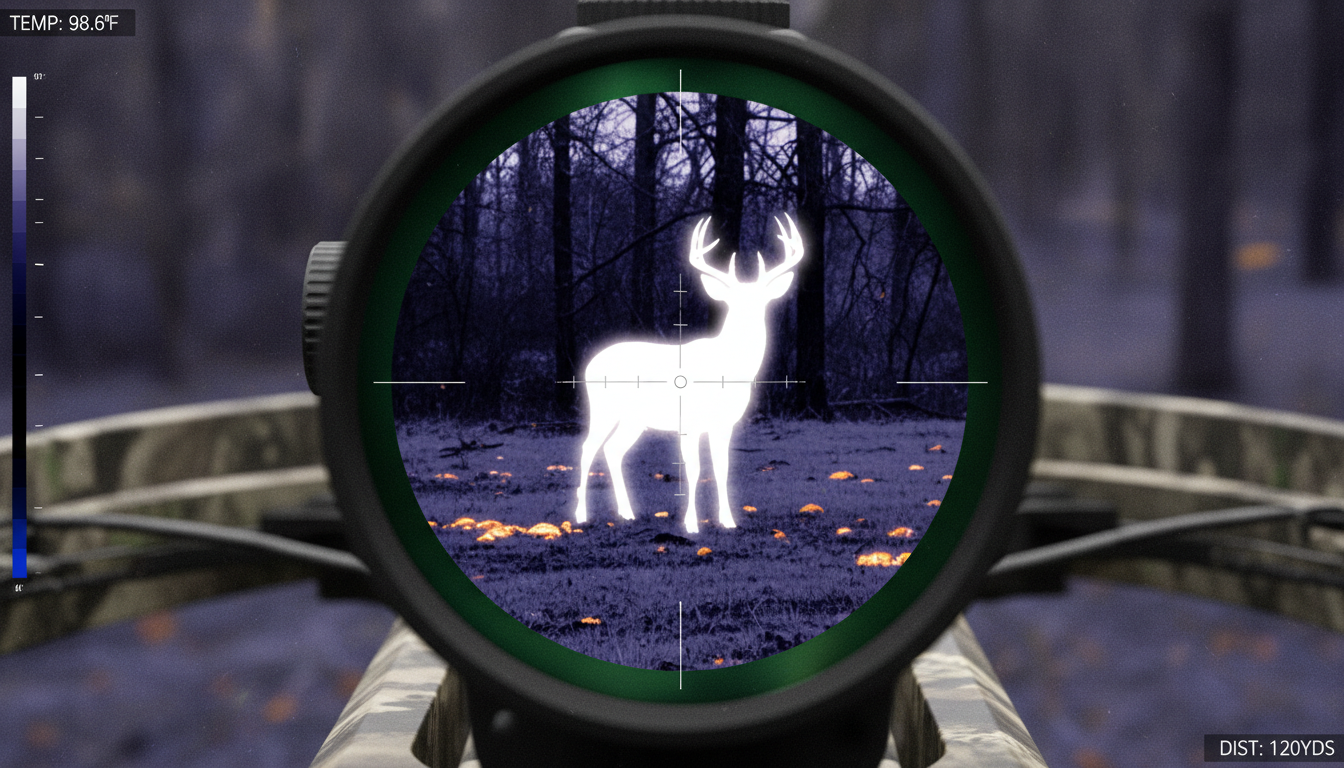
Some scopes advertise 1400-yard nighttime detection, confirmed up to 500 yards, with deer-sized animals picked up beyond 300 yards in open fields—though mounted on a crossbow, effective shooting range remains 75-80 yards. Detection range and shooting range are two different things. You can spot animals far away, but your actual shot will be much closer.
Image quality depends on sensor resolution and processing power. Whether in white hot mode or rainbow mode, quality thermal scopes remain impressively crisp, making it easy to identify game and aim before making a shot. Most hunters prefer black-and-white or white hot settings, but having options lets you adjust to your eyes and conditions.
The display matters too. OLED screens provide better contrast and color accuracy compared to older LCD screens. This helps when you’re trying to distinguish between a hog and a deer at 40 yards in thick brush.
Mounting and Recoil Considerations
Crossbows generate less recoil than rifles, and scopes rated for calibers up to .308 Win. are tough enough for any crossbow. That said, the recoil direction differs from firearms. Crossbows push forward and down instead of straight back.
Mounting thermal scopes on crossbow picatinny rails is incredibly easy with quick-detach systems. Make sure your crossbow has a standard picatinny rail before buying a scope. Most modern crossbows do, but older models might need an adapter.
Weight distribution is worth thinking about. A thermal scope on top of your crossbow changes the balance slightly. Test it at the range before heading to the field to make sure you’re comfortable with how it handles.
Best Uses for Thermal Crossbow Scopes
If you’re a crossbow hunter wanting to extend effective hunting hours into twilight and full darkness, thermal scopes excel when chasing hogs, predators, or even setting up for whitetails. Thermal really shines for predator control and hog management, where you’re often hunting at night over bait or calling game in.
Thermal is the better choice for night-only hunting when you care about efficiency, as it works better in fog and rain and provides some image through light brush. Digital night vision with IR illuminators gives better image detail for recording, but thermal wins for pure detection in nasty weather.
Some hunters use thermal monoculars for scanning and then shoulder their crossbow when they spot something. That’s a solid strategy if you’re on a budget and don’t want the scope mounted all the time.
Battery Life and Weather Performance
With standard CR123A batteries, expect around 3.5 to 4.5 hours of runtime depending on conditions and video recording amount—pack extra batteries for lengthy hunts. Cold weather drains batteries faster, so bring spares. Some scopes support external battery packs for extended sessions.
Rugged design and long battery life let you focus on hunting rather than equipment issues—charge fully before setting out and carry backup power for long field days. Weatherproofing matters. Rain and fog are common when hunting at night, and your scope needs to handle it.
Regularly clean your lens and check mounting connections. Dirt and moisture can degrade image quality fast. A lens pen and microfiber cloth should be in your pack every trip.
Conclusion
Thermal scopes have changed what’s possible with crossbow hunting after dark. They let you see game you’d never spot otherwise, work in conditions that shut down other optics, and give you the confidence to take ethical shots in low light. The technology isn’t cheap, but for serious night hunters chasing hogs, coyotes, or deer during twilight hours, it’s worth considering.
Check your local game regulations regarding which animals can be hunted at night and with thermal technology. Laws vary by state, and you don’t want to invest in gear you can’t legally use. Do your homework on detection range versus shooting range, battery life, and mounting compatibility before you buy. And remember—thermal shows you heat, not detail. You still need to identify your target properly before taking any shot.
FAQs
Can I use a rifle thermal scope on my crossbow?
Not all rifle thermal scopes work on crossbows because of reversed recoil. Look for scopes specifically rated for crossbow use or confirmed by the manufacturer to handle forward recoil. ATN and Sightmark make several models that support crossbows.
What’s the difference between thermal and night vision for crossbows?
Thermal detects heat signatures and works in total darkness without any light source. Night vision amplifies existing light and often requires an IR illuminator. Thermal works better in fog and rain, while night vision provides more image detail for close-range shots.
How far can I detect animals with a crossbow thermal scope?
Detection range varies by sensor quality. Mid-range scopes can detect deer-sized animals at 300+ yards, but your effective crossbow shooting range stays around 40-80 yards. Detection helps you spot game from far away, but you’ll still move in close for the shot.
Do thermal scopes have crossbow-specific reticles?
Some do. Look for scopes with ballistic calculators that let you input arrow speed and weight. These can compensate for arrow drop at different distances. Not all thermal scopes offer this, so check specifications before buying.
Are thermal scopes legal for hunting in my state?
Laws vary significantly by state and game animal. Many states allow thermal for predator and hog hunting at night but prohibit it for big game like deer. Always check your state wildlife regulations before using thermal optics for hunting.