















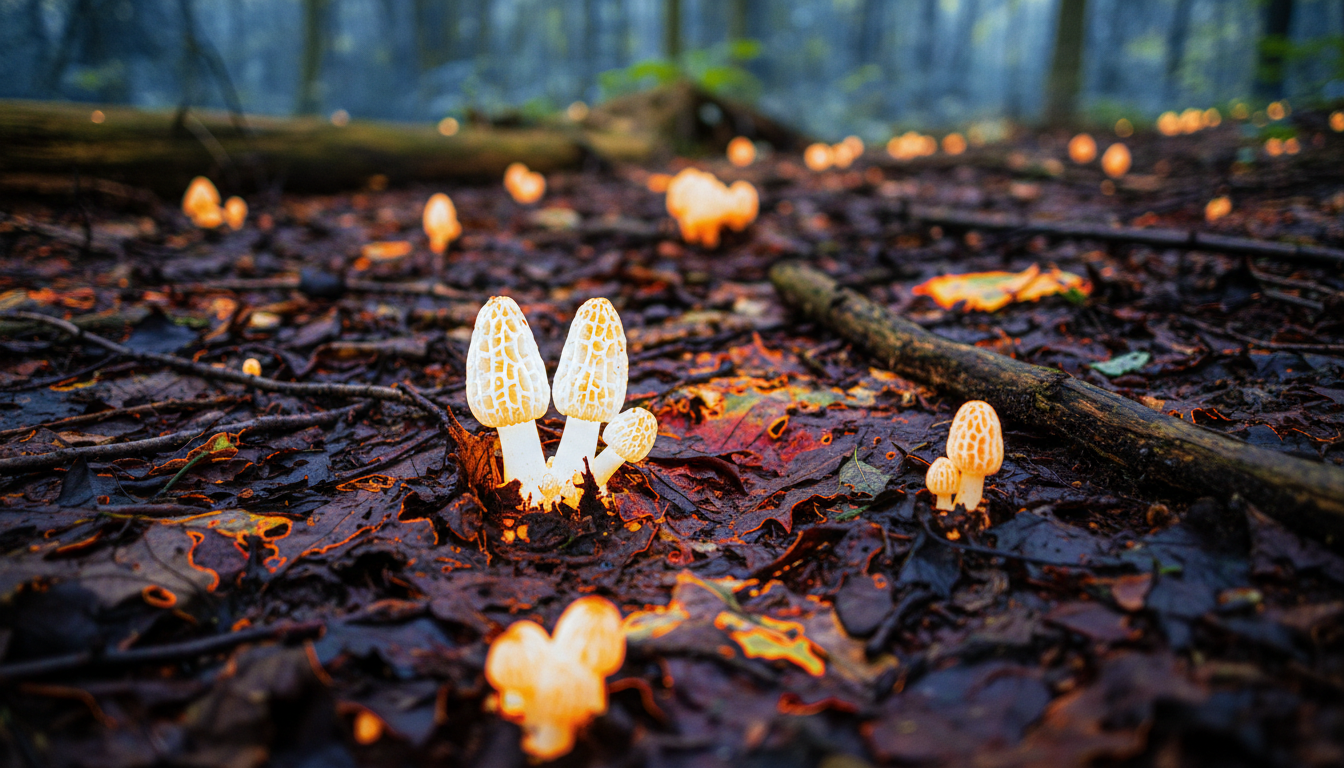
Mushroom foraging has always relied on sharp eyes and patience. But recent videos online show hunters using thermal scopes to spot morels through the woods. Sound too good to be true? We dug into the science and real-world experiences to see if this method works—and when it doesn’t.
How Thermal Scopes Detect Mushrooms
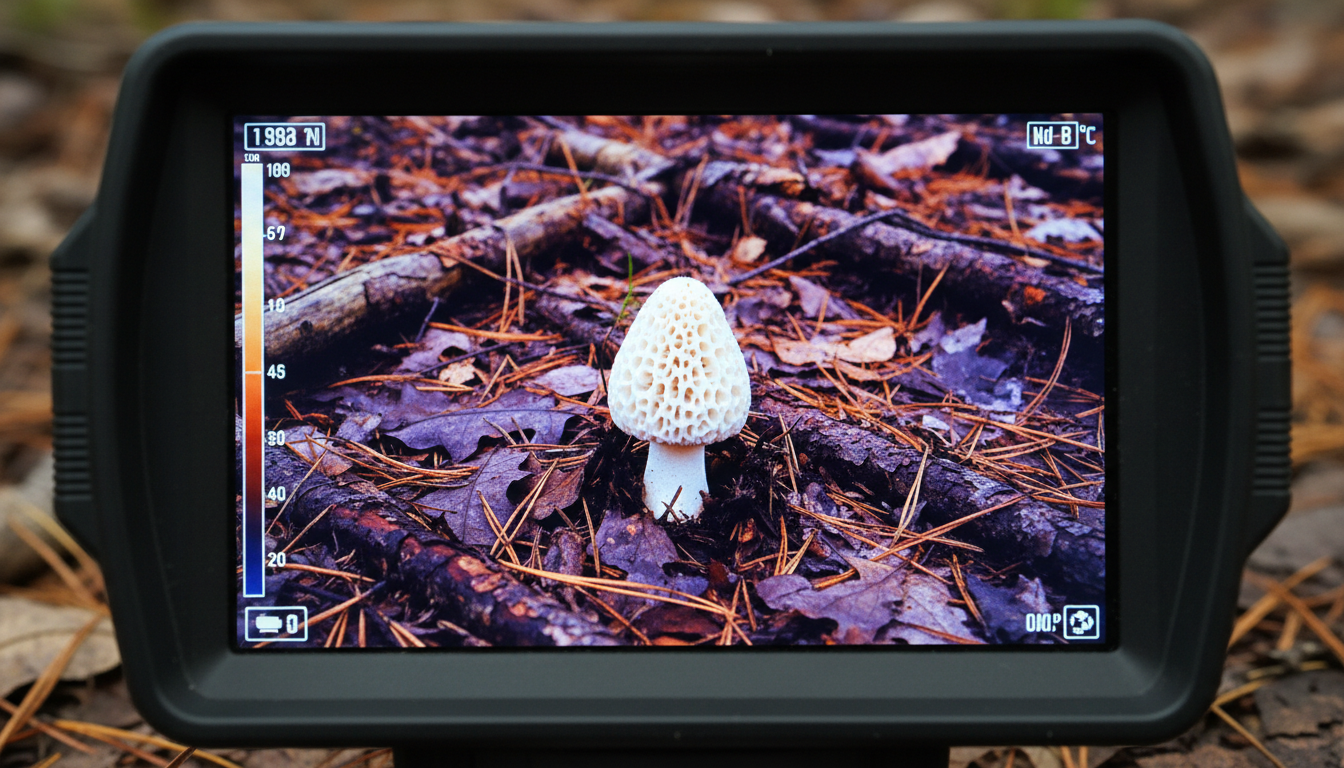
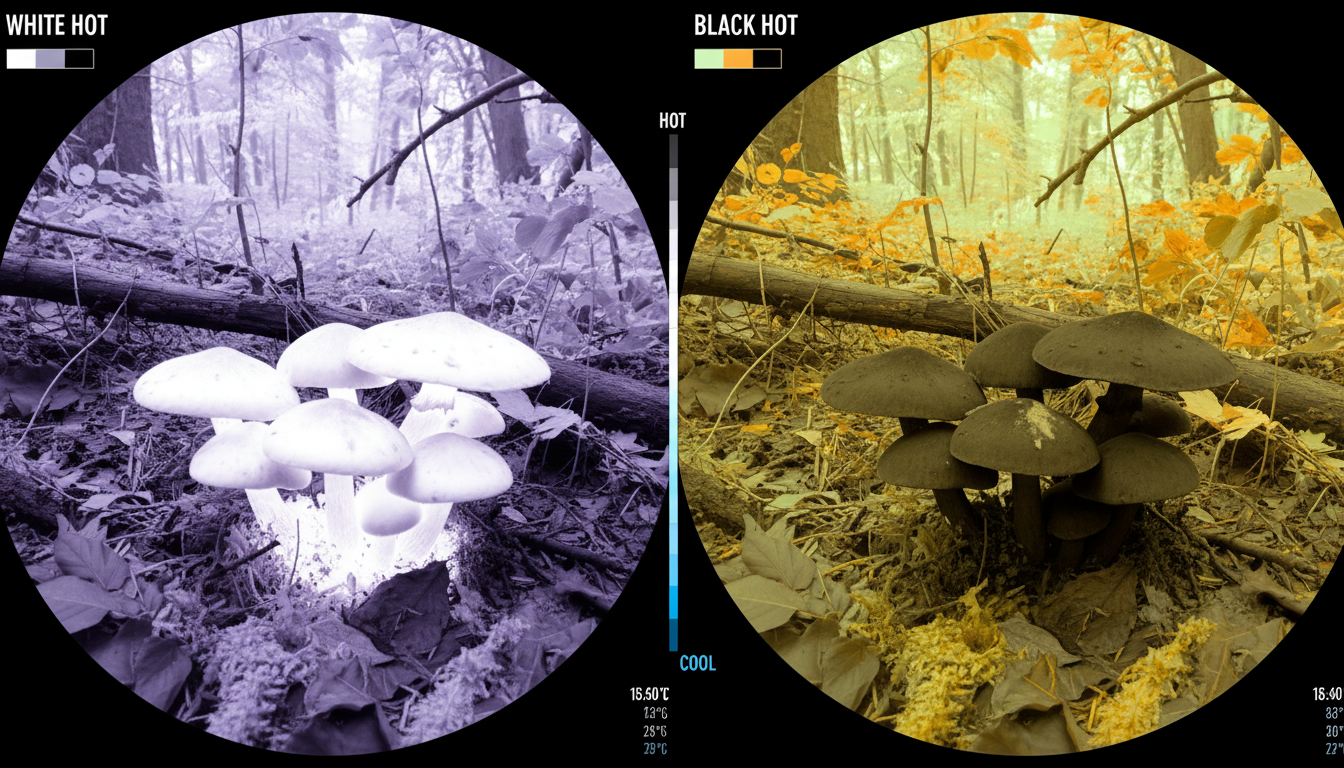
Thermal imaging cameras capture temperature differences, and morels release cool, moist air through evaporation, creating a cold pocket that shows up on thermal scopes. When tested, morels measured less than 70 degrees Fahrenheit while the surrounding area was warmer, with the mushroom appearing bright white on the thermal image. The bigger the temperature gap between the mushroom and its surroundings, the easier it is to spot.
Thermal devices work by detecting infrared radiation from objects. Morels and other fungi can be up to 36 degrees cooler than their surroundings in natural settings. That’s a pretty big difference. This temperature contrast is what makes detection possible, though conditions need to be right.
If you’re looking to expand your outdoor gear arsenal, check out Pixfra’s thermal imaging devices that offer high-resolution detection for various applications.
Real Results from Mushroom Hunters
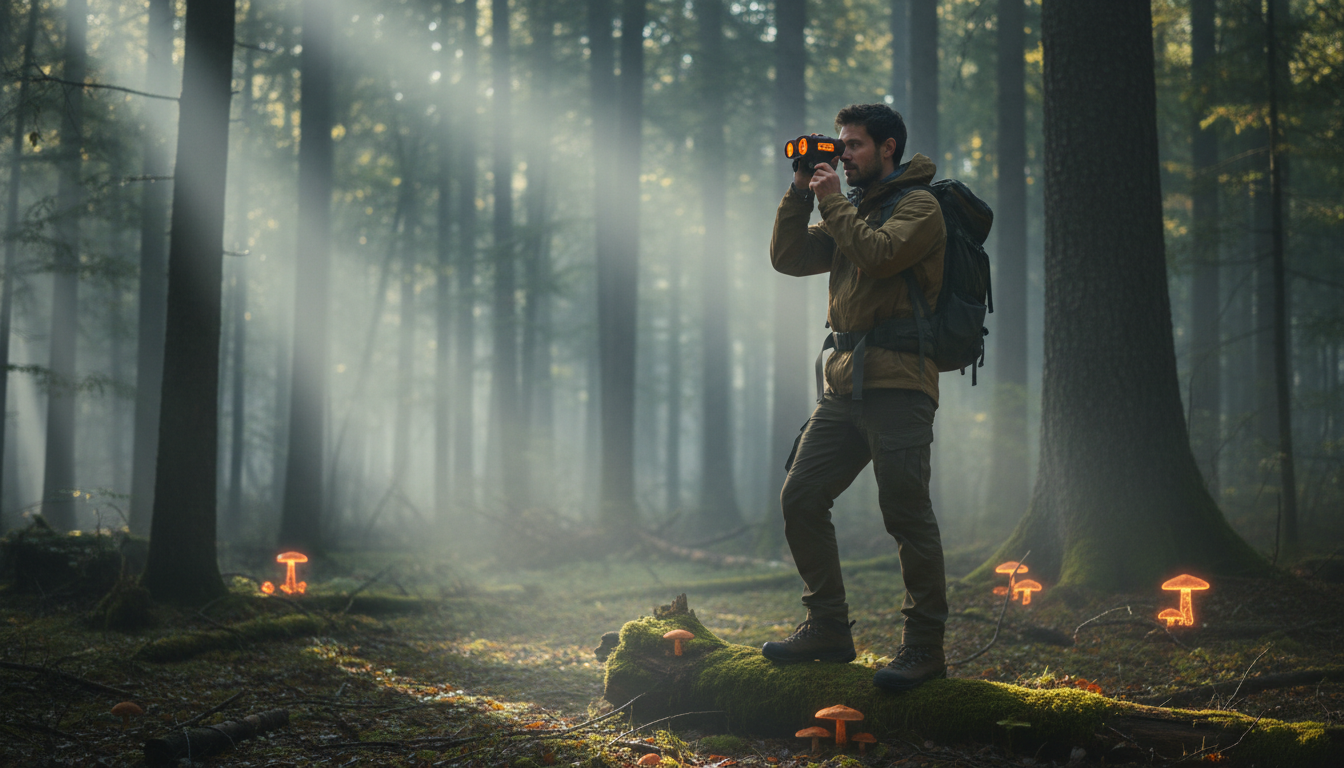
Field testers using a Hogster 35 on white hot mode confirmed the method works, with mushrooms standing out as bright white. One Oklahoma forager reported finding 643 morels in a single season using thermal scopes. But here’s the catch: not everyone sees the same success.
Some hunters with 640 resolution thermal scopes found no success, particularly when sunlight warmed the ground and created too much image detail. The method works best in specific conditions, which we’ll get to next.
Whether this counts as a “cheat code” depends on who you ask. Wildlife photographer Kyle Underwood proved morels show up on thermal cameras but faced criticism for sharing what some called an unfair advantage. But the technology isn’t perfect—it’s another tool that requires skill to use right.
When Thermal Detection Works Best
Early mornings or late evenings work best for thermal mushroom hunting because cooler temperatures create a bigger contrast between mushrooms and their environment. Midday heat can wash out the temperature differences that make morels visible.
Temperature sensitivity limits thermal detection—ambient warmth makes it harder to distinguish mushrooms, and dense foliage, moisture, and humidity can affect thermal readings. You can’t just scan any forest at any time and expect results. Conditions matter.
For serious outdoor enthusiasts, devices like the Pixfra Sirius HD or Pegasus 2 LRF offer the resolution and sensitivity needed to pick up subtle temperature differences in challenging conditions.
Getting the Right Settings
Mushrooms are cooler than ambient temperature, so using white hot or black hot settings on your thermal device is key. White hot mode shows cooler objects as brighter, making morels stand out against warmer ground. While you can’t scan entire woods effectively, thermal scopes work well for peering through briars and dense undergrowth.
Resolution matters too. Lower-resolution devices might struggle to pick up the subtle temperature differences, especially in variable conditions. Higher-end thermal optics give you better chances of success, though they come with higher price tags.
What Doesn’t Work
Not all mushrooms are easily detectable with thermal imaging—effectiveness depends on temperature differences, with morels standing out because they’re cooler than their environment. Other mushroom varieties might not create enough temperature contrast to show up clearly.
Don’t expect to replace traditional foraging skills with technology. Even advocates of thermal mushroom hunting emphasize you don’t need thermal cameras to find morels—the technology works but isn’t necessary. You still need to know where morels grow, what trees they prefer, and how to identify them properly.
Using thermal scopes effectively requires practice to interpret images correctly and distinguish between different fungi and environmental features. There’s a learning curve. And you’ll still walk past plenty of mushrooms if you’re only relying on your scope.
Is It Worth Trying?
For mushroom hunters who already own thermal optics for other activities, it’s worth testing. The method has proven results in the right conditions. But buying a thermal scope just for mushroom hunting? That’s a tougher call.
Thermal scopes range from budget models around $200 to professional units over $1,000. Consider what else you’d use the device for—wildlife observation, property security, or nighttime navigation. Multi-use tools justify the investment better than single-purpose gear.
Devices like the Pixfra Draco or IR Torch offer versatility for various outdoor applications beyond mushroom hunting, making them smarter purchases for outdoor enthusiasts.
Conclusion
Can you find mushrooms with a thermal scope? Yes, when conditions align. Morels create detectable temperature differences that thermal imaging can pick up, especially in early morning or evening when cooler air increases contrast. Real foragers have found hundreds of mushrooms using this method. But it’s not magic—you need the right conditions, proper settings, and practice interpreting thermal images. Traditional foraging skills still matter. Thermal scopes work best as a supplementary tool, not a replacement for knowledge and experience. If you already own thermal optics, give it a shot during mushroom season. Just don’t expect to scan the forest from your truck and fill a basket.
Frequently Asked Questions
Do thermal scopes work for all types of mushrooms?
No. Thermal detection works best for morels because they’re significantly cooler than their surroundings. Other mushroom species might not create enough temperature contrast to show up clearly on thermal imaging. The effectiveness depends on how much cooler the mushroom is compared to the ground and vegetation around it.
What time of day is best for thermal mushroom hunting?
Early mornings and late evenings give the best results. Cooler air temperatures during these times create bigger contrasts between the mushrooms and their environment. Midday heat reduces the temperature difference, making mushrooms harder to detect on thermal scopes.
What thermal scope settings work for finding mushrooms?
Use white hot mode, which displays cooler objects as brighter. Since mushrooms are cooler than the surrounding ground and vegetation, they’ll appear as bright white spots. Black hot mode can also work—it reverses the display, showing hot objects as black and cool objects as white.
Can I scan large areas of forest with a thermal scope for mushrooms?
Not really. Thermal scopes work better for looking through dense undergrowth, briars, and areas you’ve already identified as good mushroom habitat. Scanning entire forests isn’t practical because of distance limitations, foliage interference, and the small size of individual mushrooms.
Is using thermal imaging legal for mushroom foraging?
Yes, in most places. Unlike hunting game animals—where thermal optics are illegal in many states—there are typically no restrictions on using thermal imaging for mushroom foraging. However, always check local foraging regulations and land-use rules before heading out.