

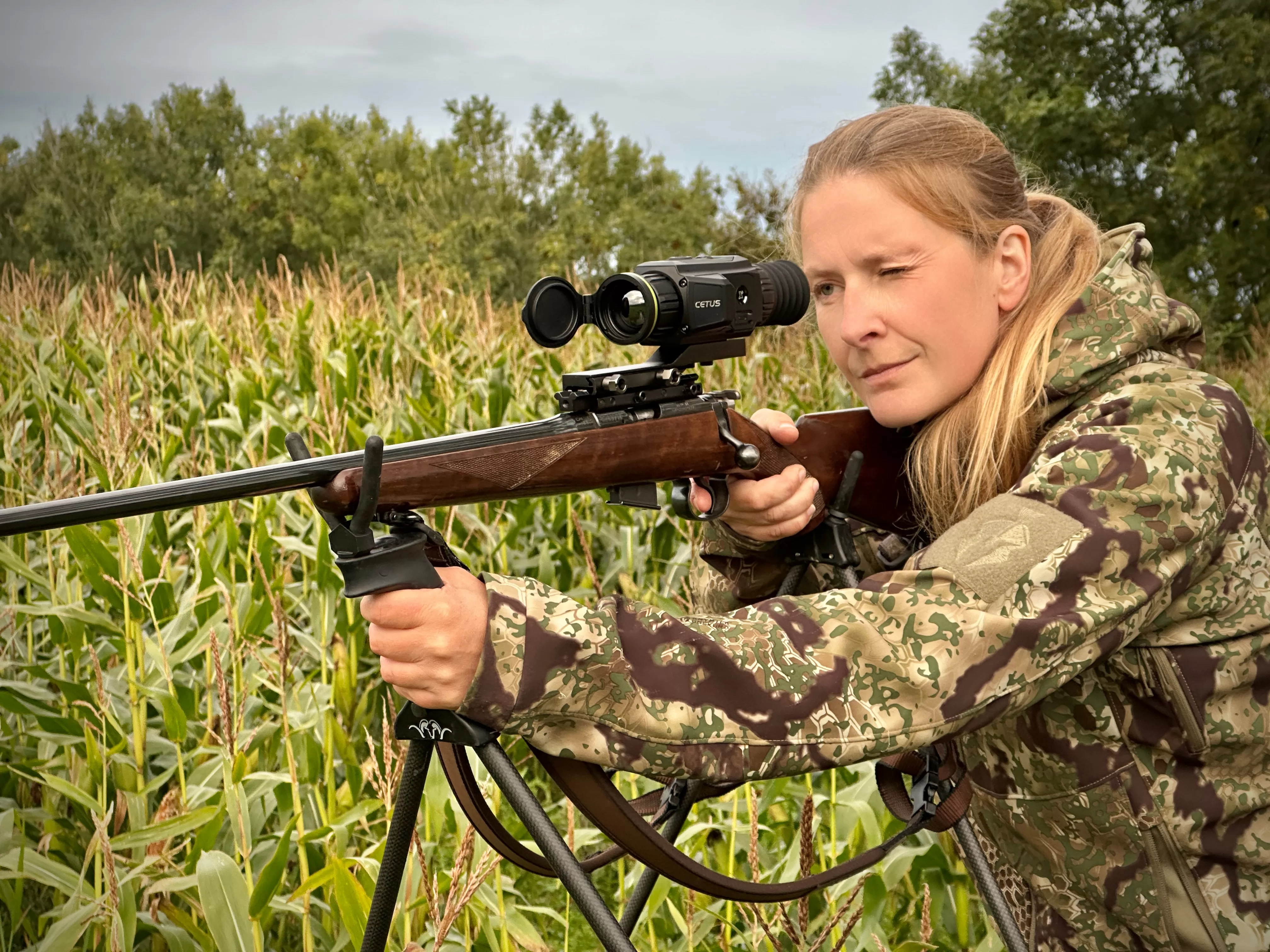
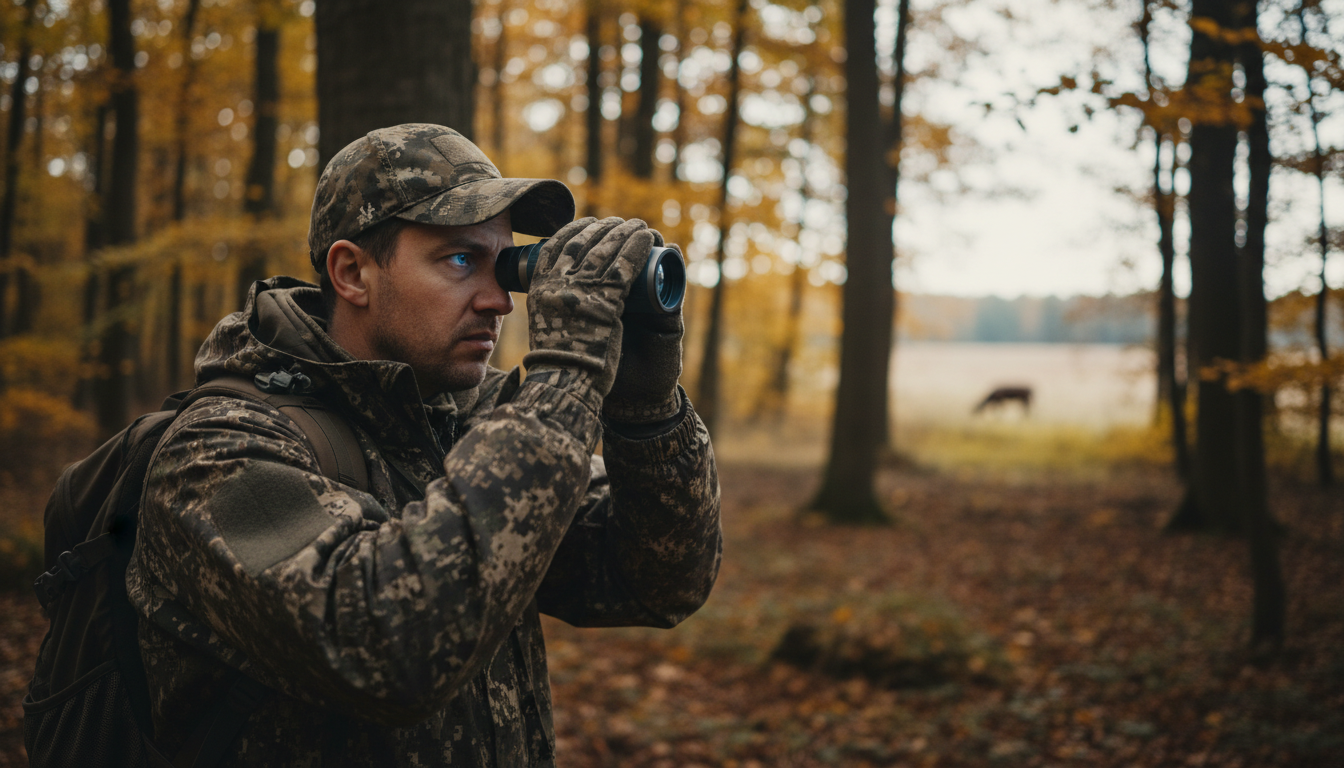
The question of whether thermal monoculars count as “cheating” in hunting has sparked heated debates across hunting forums, wildlife agencies, and campfires nationwide. As prices drop and technology becomes more accessible, we’re seeing more hunters reach for thermal devices—and more controversy following them into the field.
But here’s the thing: The answer isn’t black and white. Whether thermal monoculars cross the line depends on local laws, how you use them, and what you personally believe about fair chase. Let’s dig into both sides of this debate.
What Makes Thermal Monoculars Controversial
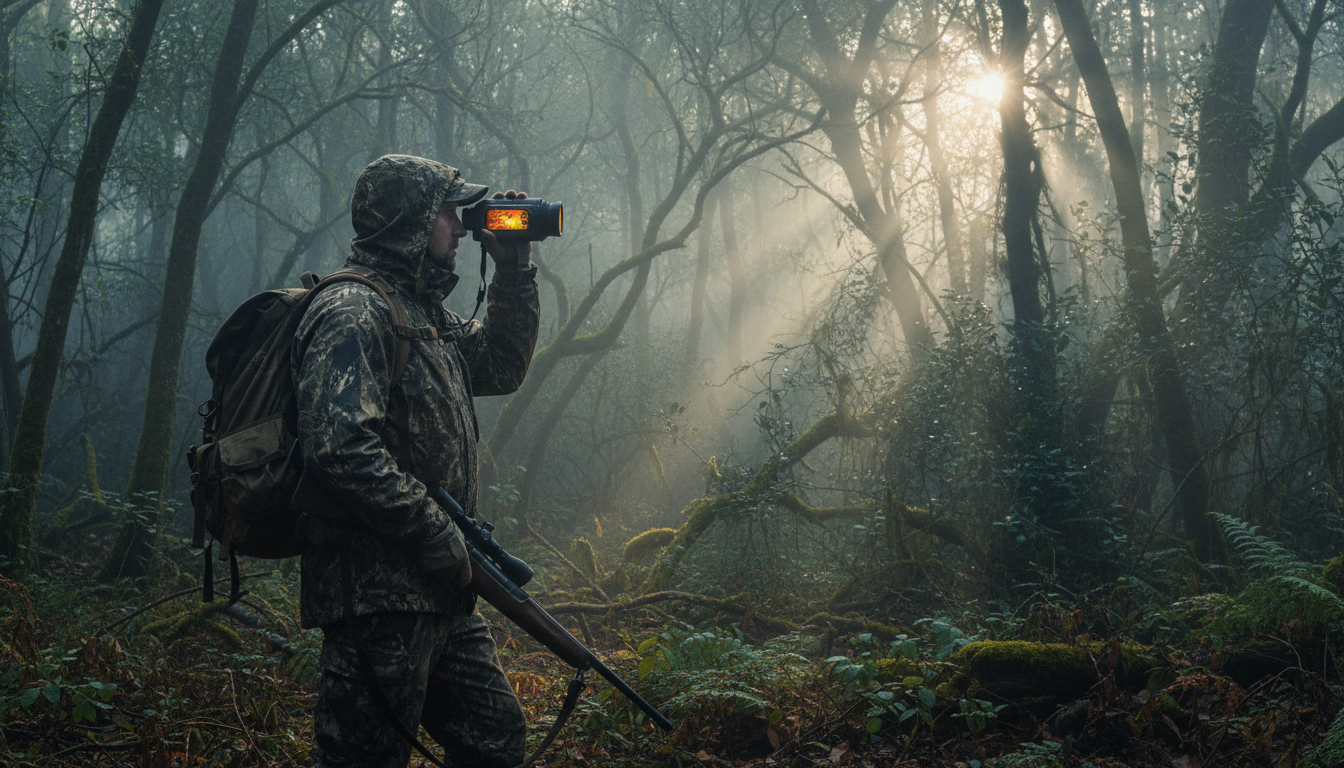
Thermal imaging devices provide an unfair advantage during hunting seasons, as an animal’s natural camouflage doesn’t disguise its body heat. This is the core argument from critics. These devices detect heat signatures through darkness, fog, and dense vegetation—conditions where animals typically have the advantage.
Thermal imaging devices can reveal every animal with a heat signature in clearcuts, burn scars and heavy brush. Your thermal monocular essentially strips away the cover that wildlife depends on for survival. Some hunters see this as removing the “hunt” from hunting.
The technology has gotten so good—and so affordable—that the cost of thermal imaging cameras has dropped from thousands of dollars to about $200. What was once military-grade equipment is now in every hunter’s budget.
The Legal Reality: Where Thermal Monoculars Stand

It is currently illegal nationwide to hunt any game animal at night—this includes deer, turkey, elk and moose. So right off the bat, thermal optics for big game are off the table after dark everywhere in the US.
But daytime use? That’s where things get complicated. Thermal hunting laws differ from state to state. Many states allow thermal optics for hunting non-game animals like hogs and coyotes, while others completely ban their use.
In Oregon, it is illegal to use a thermal device to hunt, locate, or scout for the purpose of hunting any wildlife. It is illegal to use thermal devices when recovering harvested wildlife or tracking an injured animal as tracking and recovery are considered hunting. That’s one of the strictest approaches in the country.
Meanwhile, states like Alabama allow thermal with a license for hogs and coyotes at night, and Louisiana permits them for hogs and coyotes. If you’re in Texas, you’ll find even more permissive rules for invasive species management.
Before you head out with any thermal device, check your state’s specific regulations. Laws are evolving fast, and what’s legal today might not be next season. We’ve seen recent crackdowns in several states, with 13 hunters arrested in Oregon in December 2024 for using thermal imaging equipment.
The Fair Chase Argument
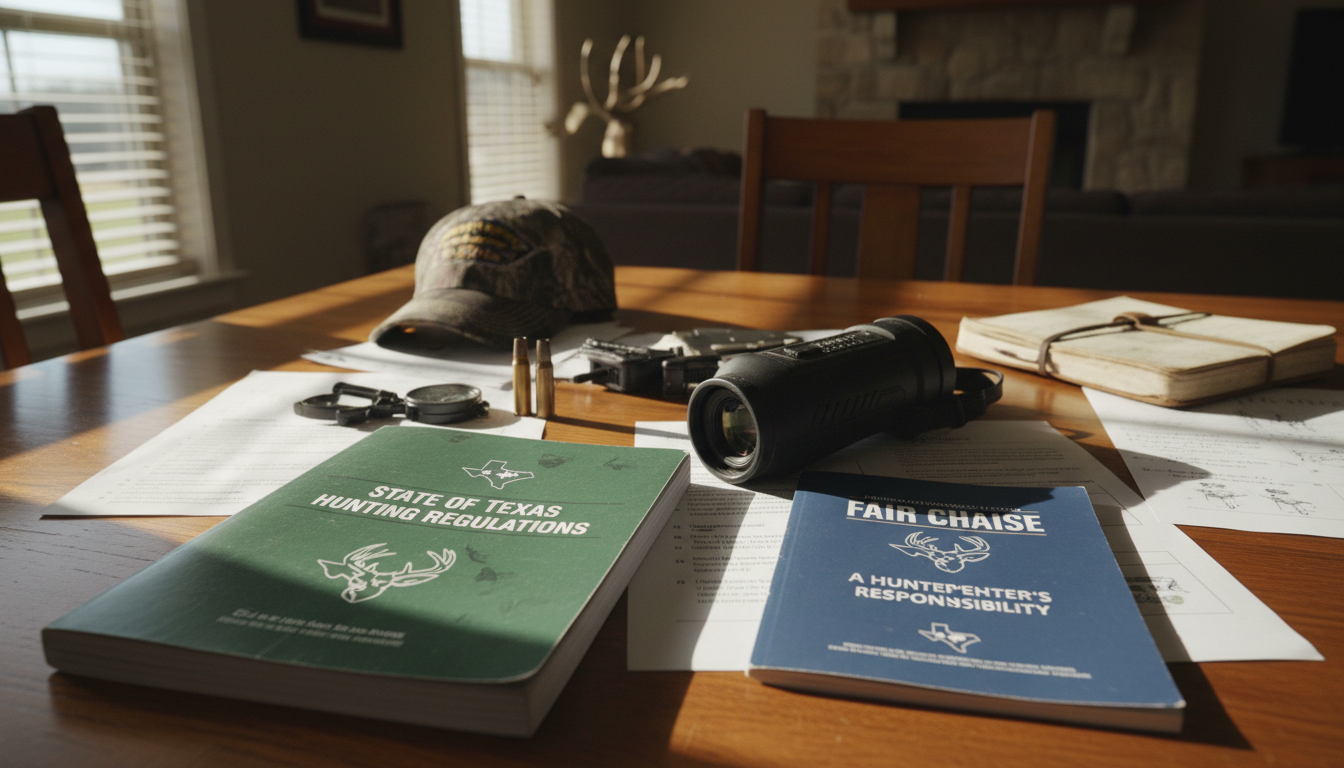
Fair chase is the ethical, sportsmanlike and lawful pursuit and taking of free-range wildlife in a manner that does not give a hunter improper or unfair advantage over such wildlife. This century-old principle is at the heart of the thermal debate.
Fair chase means giving animals a reasonable chance to escape. Over-reliance on high-tech optics can erode this principle. Hunters should limit shots to clean, humane kills and avoid using thermal devices to gain an unfair advantage.
But hold on—where do we draw the line? Hunters already use rangefinders, high-powered scopes, trail cameras, and GPS. We all use technology to our advantage in some sort. One hunter’s $3,000 spotting scope gives them an edge too. Is that cheating?
If it is legal, there is absolutely nothing unethical about an individual using one, some hunters argue. They see ethics as a personal choice, not something that should be forced on others through regulation.
When Thermal Monoculars Actually Help Conservation
Here’s where the conversation gets more nuanced. Wildlife agencies take a pragmatic approach to invasive predators in the American South and parts of the Midwest. States like Texas, Georgia and Florida empower landowners and licensed hunters to remove feral hogs and coyotes at night using thermal optics. These programs help control exploding hog populations that destroy crops and reduce coyote predation on livestock.
Feral hogs cause billions in damage annually. They’re not trophy animals—they’re destructive invasive species. Using thermal devices like the Sirius HD or Pegasus 2 LRF for pest control isn’t about sport. It’s about wildlife management.
Thermal devices support ethical hunting by shortening recovery times for wounded game—locating residual heat reduces tracking time and animal suffering. When you need to recover a wounded animal quickly, thermal technology becomes a mercy tool, not a cheat code.
Safety also factors in. Thermal monoculars boost safety by revealing human heat signatures and obstacles during low-visibility approaches, cutting the risk of misidentification that can lead to unsafe shots. Accidentally shooting another hunter because you couldn’t see them in pre-dawn darkness? That’s a nightmare thermal devices help prevent.
What Real Hunters Are Saying
The hunting community is split. One hunter argued against someone who called thermals “major cheating,” pointing out: “Well you have been cheating all your hunting life, you use an incredible machine in the form of your hunting Dog, super animal smelling, hearing, great vision combined with super stamina”.
Meanwhile, others who’ve used thermal devices honestly admit: “If some idiot has decided to use it to spot deer in a unit it is an extreme unfair advantage to the critters. These animals can be damn good at hiding from our high-tech glass, but hiding from FLIR, gives them not much of a chance”.
Some hunters in Colorado called thermal use during scouting “illegal and cheating” and “a bit lazy”. The emotional response tells you everything about how divisive this technology has become.
But there’s also realism: “Game does not automatically pop out when you use them. In some instances, thermals are more of a hindering technology than helpful”, explained one experienced thermal user. The devices aren’t magic wands—they still require skill, fieldcraft, and patience.
Making Your Own Decision
So is thermal monocular use cheating? The honest answer: It depends on who you ask, where you hunt, and how you use it.
It’s definitely cheating if:
- You’re using it in a state where it’s illegal
- You’re hunting game animals at night
- You’re using it to scout animals during the season in states that prohibit this
- You’re using it purely to remove all challenge from the hunt
It’s probably not cheating if:
- Your state allows it for the species you’re hunting
- You’re managing invasive species like hogs or predators
- You’re using it for recovery of wounded game where legal
- You’re prioritizing safety in dangerous situations
As one expert hunter put it: “It is not the equipment we use that should decide if we are still ethical or not; it is the hunter himself, his approach, skills and knowledge that should make someone remaining an ethical, good hunter with respect for the game. The fact that new technologies allow us to see and do more does not mean that we have to do it”.
You can own a thermal device and still choose when—and if—to use it. Just because you can glass a hillside with a thermal monocular doesn’t mean you should. Personal ethics matter more than what’s hanging around your neck.
Conclusion
Thermal monoculars aren’t inherently good or evil—they’re tools. Whether they cross the line into “cheating” depends on legality, context, and your personal hunting ethics. Some states have drawn clear lines in the sand, banning them outright or restricting them to specific uses. Other states welcome them for invasive species management and predator control.
Before you invest in thermal technology, research your state’s current regulations, understand the fair chase debate, and ask yourself what kind of hunter you want to be. Technology will keep advancing, but the principles of fair chase, wildlife conservation, and ethical hunting should guide every decision we make in the field. At the end of the day, hunting is about more than filling tags—it’s about preserving traditions and respecting the animals we pursue.
FAQs
Are thermal monoculars legal for hunting in the United States?
It varies by state. Many states permit thermal monoculars for hunting non-game animals like coyotes and feral hogs, especially at night. However, it’s illegal nationwide to hunt game animals (deer, elk, turkey, moose) at night regardless of the device. States like Oregon, California, Alaska, and Colorado have strict restrictions or complete bans on thermal devices for hunting, while Texas, Georgia, and Louisiana allow them for invasive species control. Always check your specific state wildlife agency regulations before using thermal devices.
Can I use a thermal monocular to recover a wounded deer?
This depends entirely on your state. Some states specifically prohibit using thermal devices even for tracking and recovery, considering it part of “hunting.” Oregon, for example, bans thermal use for recovering harvested wildlife or tracking injured animals. Other states may allow it. Before you head out, verify your state’s rules—you don’t want to face legal issues while trying to do the right thing by recovering wounded game.
Is using thermal technology considered fair chase?
The hunting community is divided on this. Critics argue thermal devices give hunters an unfair advantage by revealing heat signatures through cover where animals would normally be safe. Supporters counter that we already use rangefinders, scopes, and trail cameras—all technological advantages. Fair chase ultimately comes down to personal ethics, state regulations, and ensuring animals have a reasonable chance to escape. Many hunters accept thermal use for pest control but draw the line at using it for trophy hunting.
Why are thermal monoculars controversial among hunters?
Thermal monoculars detect heat signatures through darkness, fog, and dense vegetation, essentially removing the natural camouflage animals rely on. This sparks debate because it fundamentally changes the challenge of hunting. The devices have also become affordable (now around $200 instead of thousands), making them accessible to average hunters. Wildlife agencies worry about harvest rates increasing too much, while traditional hunters feel the technology removes skill from the equation. The controversy centers on balancing innovation with conservation and hunting ethics.
What’s the difference between using thermal for pest control versus big game hunting?
Many states and hunters draw ethical distinctions based on purpose. Using thermal devices to control destructive invasive species like feral hogs or predatory coyotes is widely accepted as practical wildlife management, not sport hunting. These animals cause crop damage and threaten livestock, so efficiency matters more than tradition. Big game hunting (deer, elk, turkey), however, is rooted in fair chase principles and sporting tradition. Most states prohibit thermal use for big game at night, and many hunters consider daytime thermal use for trophy animals unethical even where legal.