















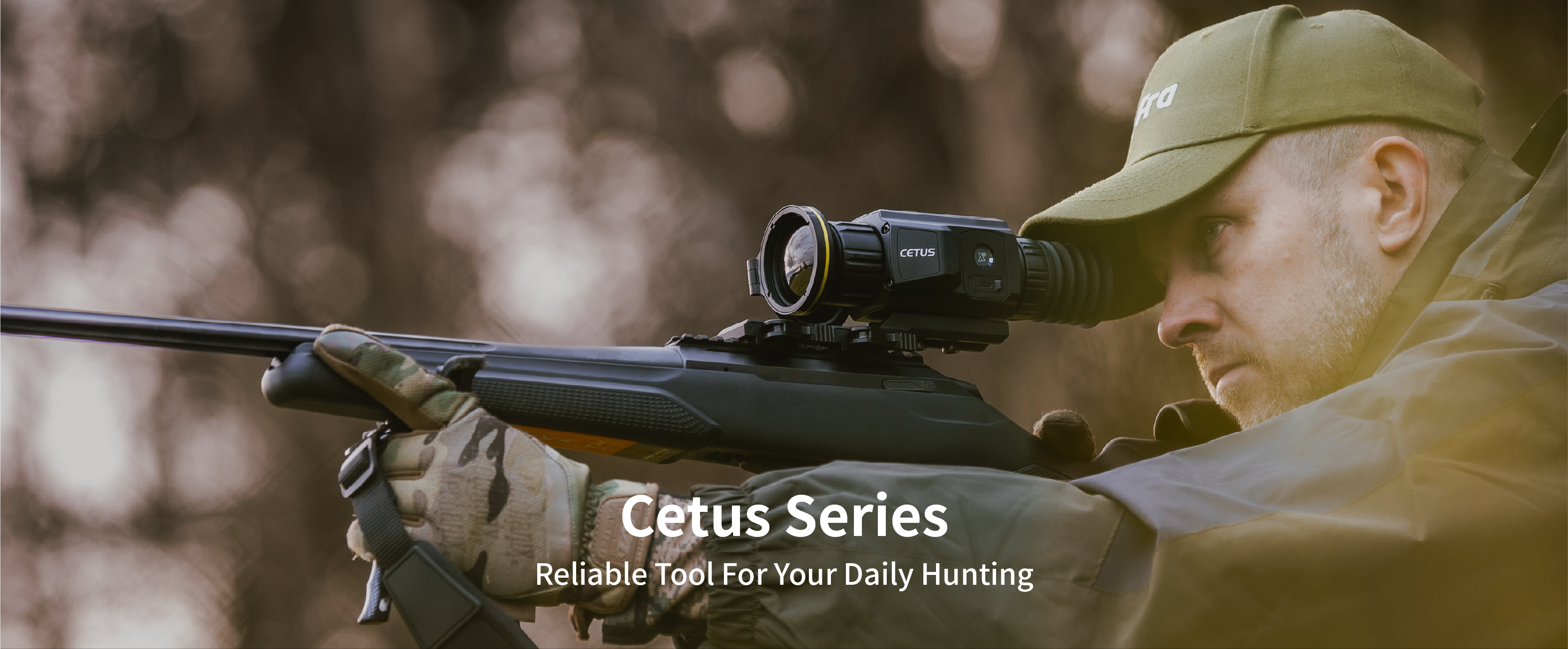
Your thermal scope does the heavy lifting, but the right accessories make it work harder. We’ve tested dozens of thermal imaging add-ons over the years, and most of them just add weight to your kit. Here are the seven accessories that actually earn a spot in your pack when you’re out hunting at night.
If you’ve already read our guide to the top 5 thermal scope upgrades, think of this as the expanded version. We’ve added two more picks and gone deeper on every single one. Whether you run a Pixfra thermal scope or something else entirely, these accessories work across the board—and we’ve listed them in the order we’d buy them if we were starting from scratch.
The truth is, your scope is only one part of the equation. The mount, the power source, the protection around it, and the tools that support it all play a role in how well your setup works when you’re out in the dark chasing hogs, coyotes, or tracking wildlife across your property. Getting these seven accessories dialed in means fewer headaches, longer hunts, and better results.
Quick-Detach Mounts: Switch Faster, Hold Zero
Let’s start with the piece that holds everything together—your mount. If you run more than one rifle or swap between thermal and daytime optics, a quick-detach mount saves you real time in the field. You pop your thermal scope off one gun, snap it onto another, and your zero stays locked. No re-sighting, no wasted ammo, no scrambling around in the dark. For anyone running thermal optics on a regular basis, a QD mount is the first thing you should buy.

Look for mounts built from aircraft-grade aluminum. They keep your setup light without throwing off your rifle’s balance, and they’re tough enough to handle recoil from magnum calibers without shifting. Height-adjustable models let you fine-tune eye relief and cheek weld to match your specific stock. Cantilever-style mounts are worth a look if you’re short on rail space—they push the scope forward and give you proper eye relief without eating up your entire Picatinny rail. Most solid QD mounts use a lever-lock system that grabs onto Picatinny or Weaver rails with consistent clamping pressure every time, which is how you hold return-to-zero accuracy hunt after hunt.
One thing we see people mess up: ring size. Make sure your mount matches the tube diameter of your thermal scope. Most thermal units run 30mm or 35mm tubes, and getting this wrong means a loose fit or no fit at all. Torque your ring screws to the spec listed by the manufacturer. Over-tightening can warp the scope tube and throw off your zero just as fast as a cheap mount would. If you’re spending real money on a quality thermal optic, spending an extra $80–$150 on a proper QD mount is well worth it.
Battery Packs: Never Go Dark Mid-Hunt
Battery life can make or break a night hunt. Most thermal scopes run somewhere between 3 and 8 hours on a single charge, depending on the model and display brightness settings. That’s plenty for a quick evening sit. But if you’re doing all-night hog eradication or running a multi-day predator control operation, you need a backup plan. Losing power when heat signatures start showing up is the fastest way to ruin a hunt—and it happens more often than you’d think.
Start with spare batteries. Rechargeable 18650 lithium-ion cells are the standard power source for most modern thermal scopes, including our Pixfra lineup. Grab at least two or three extras rated at 3000–3500mAh so you can rotate through them during long sessions. Keep a set of CR123A lithium primaries as emergency backups. They’re lighter, they hold their charge on a shelf for years, and they perform way better in freezing conditions. And that brings up a point we learned the hard way during a December hunt: cold weather kills battery performance. A cold 18650 can drop 30–40% of its rated capacity before you ever turn the scope on. Keep spares in an inside jacket pocket where your body heat maintains their temperature, and swap in a warm cell when the one in your scope starts flagging.
External power banks are a game-changer for extended sessions. A 10,000–20,000mAh USB power bank can keep your thermal scope running for 10+ hours straight. Many modern scopes accept USB-C power input while they operate, so you can mount the power bank on your rifle stock with a Velcro strap or drop it in a chest pocket and run a short cable. Between hunts, a fast charger will top off your 18650 cells in about 2–3 hours—perfect for back-to-back hunting days. Vehicle chargers let you recharge during the drive to your spot so you hit the ground with full power every time.
Protective Cases and Tactical Field Bags
Thermal scopes aren’t cheap, and the tech inside them is sensitive. The uncooled microbolometer sensor, germanium lens, and electronic components don’t respond well to drops, moisture, or dust. A solid protective case pays for itself the very first time your scope survives a fall off the tailgate or a surprise rainstorm.

Na prepravu a dlhodobé skladovanie je ideálnym riešením pevný kufrík s penovou výplňou vyrezanou na mieru. Toto je vaše tretie nevyhnutné príslušenstvo. Hľadajte vodotesnú konštrukciu, ventily na uvoľnenie tlaku (užitočné, ak letíte so svojou výbavou) a uzamykateľné západky. Kufre typu Pelican vo veľkostiach 1200–1450 sa hodia pre väčšinu termovíznych ďalekohľadov a ponúkajú priestor pre náhradné batérie, utierku na šošovky, nabíjací kábel a drobné náradie. Vnútornú penovú vložku si vyrežte alebo vytrhajte tak, aby presne zodpovedala usporiadaniu vašej výbavy, aby sa počas cestovania nič neposúvalo. Niektorí poľovníci sa vyhnú kúpu pevného kufra, aby ušetrili peniaze, a puškohľad hodia do batohu zabalený v uteráku – to funguje dovtedy, kým to neprestane fungovať.
Pre aktívny lov je vaším štvrtým doplnkom taktická poľná taška alebo polstrované mäkké puzdro, ktoré vám umožní rýchly prístup aj v tme. Kvalitné poľné tašky majú polstrované priehradky, sú vyrobené z nylonu alebo materiálu Cordura odolného voči poveternostným vplyvom a sú vybavené systémom MOLLE na pripevnenie ďalších vreciek. Máme radi tašky s nastaviteľnými priehradkami, do ktorých sa zmestí termovízny ďalekohľad, ručný termovízny monokulár, náhradné batérie a čistiaca sada – všetko na jednom mieste. Ak ste lovec, ktorý loví z pohybu a pohybuje sa pešo, puzdro na opasok s rýchlym prístupom vám umožní mať termovíziu po ruke bez toho, aby vás spomaľovalo. Len sa uistite, že akékoľvek puzdro si vyberiete, má bezpečný upevňovací systém – popruh, patentku alebo niečo podobné –, aby sa vaša optika nevytrhla, keď sa predierate hustým porastom alebo vyliezate na posedu.
IR Illuminators and Video Recording Gear
Tu je jedna vec, ktorá prekvapuje mnohých majiteľov termovíznych zariadení. Vaše piate príslušenstvo: infračervený osvetľovač. Termovízne zariadenia detekujú teplo, nie svetlo, takže technicky vzaté nepotrebujú žiadne vonkajšie osvetlenie. Avšak v teplých letných nociach, keď zem, vegetácia aj zvieratá vyžarujú teplo pri podobných teplotách, infračervený osvetľovač vytvára dodatočný kontrast, vďaka ktorému sa ciele odlíšia od pozadia. Pomáha tiež pri spoľahlivej identifikácii cieľa na diaľku. Pri čisto termovíznom zobrazení je niekedy ťažké rozoznať rozdiel medzi dvoma zvieratami podobnej veľkosti vo vzdialenosti viac ako 250 yardov. Infračervený osvetľovač dopĺňa vizuálne detaily, ktoré by termovízia sama o sebe mohla prehliadnuť, čím vám poskytuje väčšiu istotu pred výstrelom.
Mount the IR illuminator offset from your scope to avoid casting a shadow in the image. Most IR units run on rechargeable batteries and offer adjustable beam patterns—flood mode for short-range scanning and spot mode for reaching out past 200 yards. Our Pixfra IR Torch pairs naturally with thermal setups for exactly this reason. If you hunt in southern states where summer nighttime temps barely drop, or you work in dense cover where everything holds heat, an IR illuminator is an add-on worth testing. Not every hunter will need one. But the ones who do swear by it.
Šiestym doplnkom je zariadenie na nahrávanie videa, ktoré si svoje miesto zaslúži z praktických dôvodov – nielen kvôli skvelým záberom. Nahrávanie termovíznych lovov vám umožňuje skontrolovať umiestnenie výstrelu, sledovať pohybové vzorce zvierat na vašom pozemku a zdieľať zábery s loveckými partnermi s cieľom lepšie naplánovať lovecké pozície. Zistili sme vzorce v správaní diviakov, ktoré sme v reálnom čase nikdy nezaznamenali, a tieto informácie viedli k lepšiemu umiestneniu posedu a väčšiemu počtu ulovených kusov. Mnohé moderné termovízne puškohľady, ako sú naše modely Pixfra Sirius HD, Pegasus 2 LRF a Draco, už majú zabudovanú funkciu snímania fotografií a videa, takže možno nebudete potrebovať žiadne ďalšie vybavenie. Ak váš ďalekohľad nemá integrované nahrávanie, externé záznamové zariadenia sa pripájajú cez video výstupy. Vyberte si zariadenie s úložiskom aspoň 32 GB – pre dlhšie nahrávacie relácie je lepších 64 GB alebo viac. Nahrávanie pomáha aj v prípade, že potrebujete zdokumentovať škody na majetku alebo aktivitu dravcov pre správy o manažmente voľne žijúcich živočíchov.
Lens Covers and Cleaning Kits
O vašom siedmom a poslednom príslušenstve sa hovorí príliš málo, pritom je oveľa dôležitejšie, než by ste čakali. Germanová šošovka vášho termovízneho zariadenia je najviac vystavenou časťou systému. Prach, odtlačky prstov, vlhkosť a mikroškrabance rýchlo zhoršujú kvalitu termovízneho obrazu. Zašpinená alebo zahmlená šošovka môže premeniť ostrý termovízny obraz s vysokým kontrastom na rozmazanú neprehľadnú škvrnu práve v okamihu, keď potrebujete jasný obraz svojho cieľa. Odklápacie kryty šošoviek sú najlepšou voľbou pre použitie v teréne. Sú pripevnené k telu zariadenia, takže ich v tme nestratíte, a otvoria sa v okamihu, keď potrebujete jasný výhľad. Pre zadný okulár postačí jednoduchý pripevnený gumový kryt.

Keep a basic cleaning kit in your field bag at all times. That means a microfiber cloth designed for coated optics, a small bottle of lens cleaning solution rated for germanium or multi-coated lenses, and a lens pen for quick touch-ups on the go. Never use paper towels, napkins, or your shirt on a thermal lens. These materials leave micro-scratches on the lens coatings, and over time they’ll visibly reduce image clarity. Anti-fog treatments are another small step that pays off big, especially in humid climates. A quick wipe before you leave the truck prevents the fogging that happens when you step from an air-conditioned cab into warm, damp night air. It takes ten seconds and saves you from squinting through a clouded optic when it counts.
Here’s a quick reference table so you can see all seven accessories at a glance and figure out where to start based on your budget and hunting style.
| Príslušenstvo | Priority | Typical Price Range | Najvhodnejšie pre |
|---|---|---|---|
| Quick-Detach Mount | High | $50–$200 | Multi-rifle setups, fast optic swaps |
| Spare Batteries & Power Banks | High | $15–$60 | Extended hunts, all-night sessions |
| Hard-Shell Protective Case | High | $40–$150 | Transport, storage, travel |
| Tactical Field Bag / Holster | Medium | $30–$80 | Active hunting, quick access |
| IR Illuminator | Medium | $80–$200 | Warm-climate hunts, target ID |
| Video Recording Equipment | Medium | Built-in or $50–$150 | Hunt review, pattern scouting |
| Lens Covers & Cleaning Kit | High | $10–$35 | Daily field maintenance |
According to a 2024 survey by the National Shooting Sports Foundation (NSSF), thermal optics adoption among U.S. hunters grew by over 20% year-over-year, with nighttime predator and hog hunting leading that growth. As more people invest in quality thermal scopes, the demand for durable, field-tested accessories has followed right behind. The accessories listed above consistently rank as the most recommended by experienced thermal hunters across forums, social media groups, and product reviews.
The bottom line: you don’t need to buy all seven at once. Start with the basics—a quality QD mount, spare batteries, and a protective case. Add IR illumination and recording capability as your budget and needs grow. Never skip lens covers and a cleaning kit. Match your accessories to how and where you hunt. Someone running hog control all night needs a different loadout than someone taking short evening sits. These seven categories make the biggest real-world difference, and they’ll protect your gear, stretch your field time, and help you shoot better when it matters.
FAQs About Thermal Scope Accessories
Do thermal scopes need special mounts?
Yes. Thermal scopes are typically heavier and bulkier than standard day optics, so they need mounts rated for their weight and recoil profile. Quick-detach mounts made from aircraft-grade aluminum are the go-to because they let you swap scopes between rifles while holding zero. Always match the mount’s ring diameter to your scope’s tube size—most thermal scopes use 30mm or 35mm tubes.
How do I extend my thermal scope’s battery life in the field?
Carry at least two sets of spare rechargeable 18650 batteries rated at 3000–3500mAh. Use an external USB power bank (10,000–20,000mAh) for all-night hunts—many modern thermal scopes accept USB-C charging while running. In cold weather, keep spare batteries warm in an inside pocket. Cold temps can cut battery capacity by 30–40%.
Are IR illuminators worth it for thermal scope hunting?
It depends on your hunting conditions. If you hunt in warm climates where background and target temperatures are close together, an IR illuminator adds contrast and helps with target identification. It’s not a must-have for everyone, but hunters in southern states or dense cover often find it makes a real difference in image clarity.
Can I record video directly from my thermal scope?
Many modern thermal scopes have built-in video and photo recording. Pixfra models like the Sirius HD, Pegasus 2 LRF, and Draco all include onboard capture. If your scope doesn’t have this feature, you can connect an external recorder through a video output port. Look for 32–64GB of storage minimum for full hunting sessions.
What’s the best way to clean a thermal scope lens?
Use only a microfiber cloth designed for coated optics and a cleaning solution rated for germanium or multi-coated lenses. Never use paper towels or clothing—they scratch the lens coating over time. A lens pen works well for quick field touch-ups. Apply anti-fog treatment before hunts in humid conditions to prevent the lens from clouding up during temperature swings.