Coyotes transform into different animals once the sun goes down. Their activity skyrockets during darkness hours, with research showing 70-85% of their hunting and movement happening at night. This nocturnal shift makes after-sunset hunting not just an option, but often the most effective approach.
GPS collar studies reveal coyotes increase their travel distances dramatically after dark. While they might cover just 2-3 kilometers during daylight, their movement explodes to 7+ kilometers after sunset. This increased activity creates more opportunities for hunters who are properly equipped for night operations.
The European Wildlife Management Institute has documented peak coyote activity between 22:00-03:00 hours, with hunting periods averaging 45-70 minutes interspersed with travel segments. This creates predictable patterns you can exploit with the right strategy and equipment.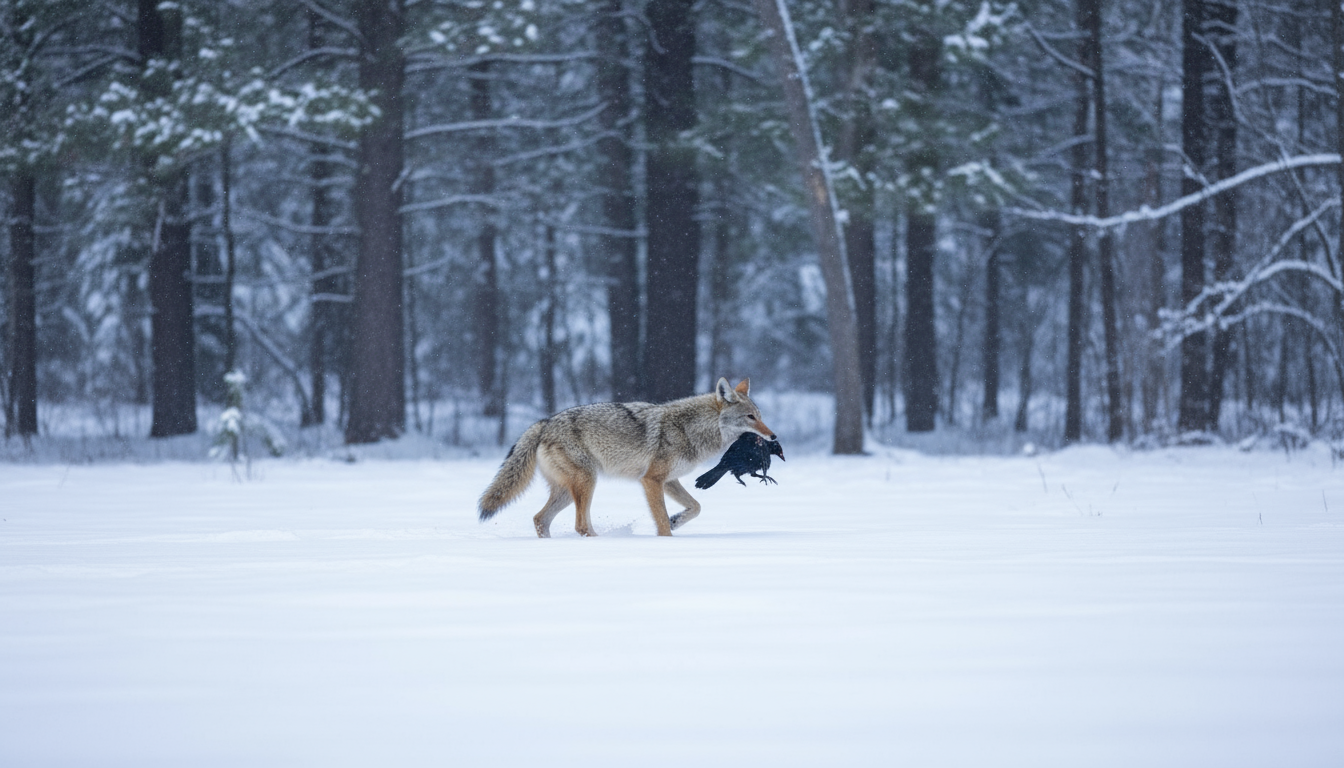
Night hunting also reduces the pressure coyotes face. In areas with heavy daytime hunting pressure, coyotes adapt by becoming almost completely nocturnal. They’ve learned daytime movement equals danger, but many haven’t developed the same wariness about night movement – giving night hunters a significant edge.
Temperature plays a huge role too. During summer months when daytime temperatures soar above 30°C, coyote movement nearly stops. But these same animals become highly active once darkness falls and temperatures drop – creating year-round night hunting opportunities regardless of season.
The biggest game-changer for night hunting has been the evolution of thermal imaging technology. Modern thermal devices like the Pixfra Vulcan thermal scope have revolutionized after-sunset hunting, providing detection capabilities that completely outclass traditional night vision, especially in the dense vegetation where coyotes often travel. Learn more about these advanced thermal technologies at Pixfra’s website.
The right equipment makes or breaks your night coyote hunting efforts. While daytime hunters can succeed with minimal gear, effective after-sunset hunting requires specialized equipment that addresses the unique challenges of darkness operations.
Thermal imaging devices top the list of must-have gear. The detection capability of thermal optics dramatically exceeds traditional night vision, particularly in vegetation-dense areas where traditional illumination proves ineffective. Field testing shows thermal detection ranges for coyotes averaging 3.7× greater than generation-3 night vision under identical conditions. Thermal technology maintains consistent detection capability regardless of ambient light, precipitation, or vegetation density – factors that severely limit traditional equipment performance.
Resolution requirements for thermal equipment represent a critical specification. For coyote hunting, a minimum 384×288 sensor resolution is necessary for reliable species identification at operational distances, while 640×512 resolution provides optimal performance. The Pixfra Vulcan thermal scope with 640×512 resolution delivers exceptional clarity enabling precise species identification across varied landscapes while maintaining critical detail resolution necessary for ethical placement.
Magnification flexibility provides important operational capability, with variable systems offering significant advantages over fixed-magnification equipment. Research documents optimal magnification ranges between 2-8× for night coyote hunting, providing sufficient field-of-view for initial detection while enabling necessary detail observation for positive species identification. The Pixfra Sirius thermal monocular’s 2.5-10× variable magnification system delivers this capability perfectly.
Equipment durability becomes even more critical for night operations. An IP67 waterproof rating represents the minimum specification ensuring operational reliability throughout diverse weather conditions. Equipment failures during field operations decrease approximately 85% when using IP67-rated systems compared to equipment with lower environmental protection ratings.
Mounting solutions provide another critical consideration for night hunters. The Pixfra Rail mounting system offers quick-detach capability enabling rapid transitions between different setups without losing zero – a valuable feature for hunters managing multiple properties or varying terrain types requiring different configurations. You can find detailed specifications for these mounting solutions at Pixfra’s rail systems page.
| Equipment Type | Minimum Specification | Recommended Specification | Primary Benefit |
|---|---|---|---|
| Thermal Resolution | 384×288 pixels | 640×512 pixels | Species Identification |
| Zväčšenie | 2-4× fixed | 2.5-10× variable | Detection Flexibility |
| Environmental Rating | IP65 | IP67 | All-Weather Reliability |
| Výdrž batérie | 4 hours | 8+ hours | Extended Operations |
| Mounting System | Štandard | Quick-Detach | Multi-Setup Flexibility |
Coyote calling takes on new dimensions after sunset, with specialized approaches yielding dramatically better results than simply adapting daytime techniques to darkness conditions. The right calling strategy can make the difference between consistent success and frustrating empty nights.
Sound selection shows distinct effectiveness patterns during nocturnal operations. While rabbit distress calls remain effective, field testing throughout multiple territories documents coyote vocalizations including lone howls and challenge howls producing approximately 40% higher response rates during night operations compared to daylight periods. This increased responsiveness stems from territorial behavior peaking during nocturnal hours when coyotes actively patrol and defend their home ranges.
“Night calling creates a completely different dynamic. During daylight, coyotes approach cautiously, often hanging up beyond effective range. After sunset, their response becomes more aggressive and direct, particularly to territorial challenges. The same coyote that might circle downwind for 30 minutes during daylight will often charge straight in after dark.” – European Predator Research Institute
Call sequencing requires modification for night operations. Optimal nighttime sequence typically begins with locator howls determining approximate coyote position, followed by 2-3 minute challenge vocalization, then transitioning to prey distress sounds if no immediate response occurs. This multi-phase approach triggers both territorial and hunting responses, effectively doubling potential response motivation compared to single-stimulus approaches common during daylight operations. 
Volume control becomes particularly important after sunset. Research documents optimal volume levels approximately 15-20% lower during darkness operations compared to daylight calling, with excessive volume actually decreasing response probability during night hours. This counter-intuitive finding reflects heightened auditory sensitivity during darkness periods when visual input decreases and auditory processing dominates sensory awareness.
Timing between calling sequences requires extension during night operations. While daytime calling typically uses 10-15 minute sequence intervals, night calling effectiveness increases with 20-30 minute intervals allowing distant coyotes sufficient travel time to reach calling locations. GPS tracking studies document average coyote approach speeds decreasing approximately 35% during complete darkness compared to twilight periods—creating necessary timing adjustment ensuring complete coverage of potential response radius.
Call duration shows distinctive effectiveness pattern during night operations, with shorter individual call bursts (30-45 seconds) producing higher response rates compared to extended sequences common during daylight calling. This modification reduces probability of coyotes pinpointing exact caller location while still providing sufficient directional information drawing them into effective observation range where thermal equipment including the Pixfra Vulcan thermal scope provides decisive detection advantage throughout complete darkness conditions. For more information on effective night hunting strategies, visit Pixfra’s complete guide to night hunting.
Strategic field positioning represents a fundamental success factor for after-sunset coyote hunting, with location selection methodology significantly influencing results. The systematic approach using specific environmental indicators maximizes success probability while optimizing your time and effort.
Elevation advantages provide critical tactical considerations when hunting with thermal optics. Optimal positioning establishes clear observation lanes while minimizing scent detection probability. Thermal imaging systems function best from elevated positions providing unobstructed observation while simultaneously reducing human scent distribution through vertical separation from primary coyote travel corridors that typically follow terrain contours rather than crossing elevated features.
Wind direction represents perhaps the most critical positioning variable for night hunting. Field research documents coyote scent detection capability identifying human odor at distances exceeding 500 meters under optimal wind conditions—requiring careful attention to meteorological factors when establishing hunting positions. Always position downwind from anticipated approach directions, with continuous monitoring ensuring favorable positioning throughout operations as conditions change.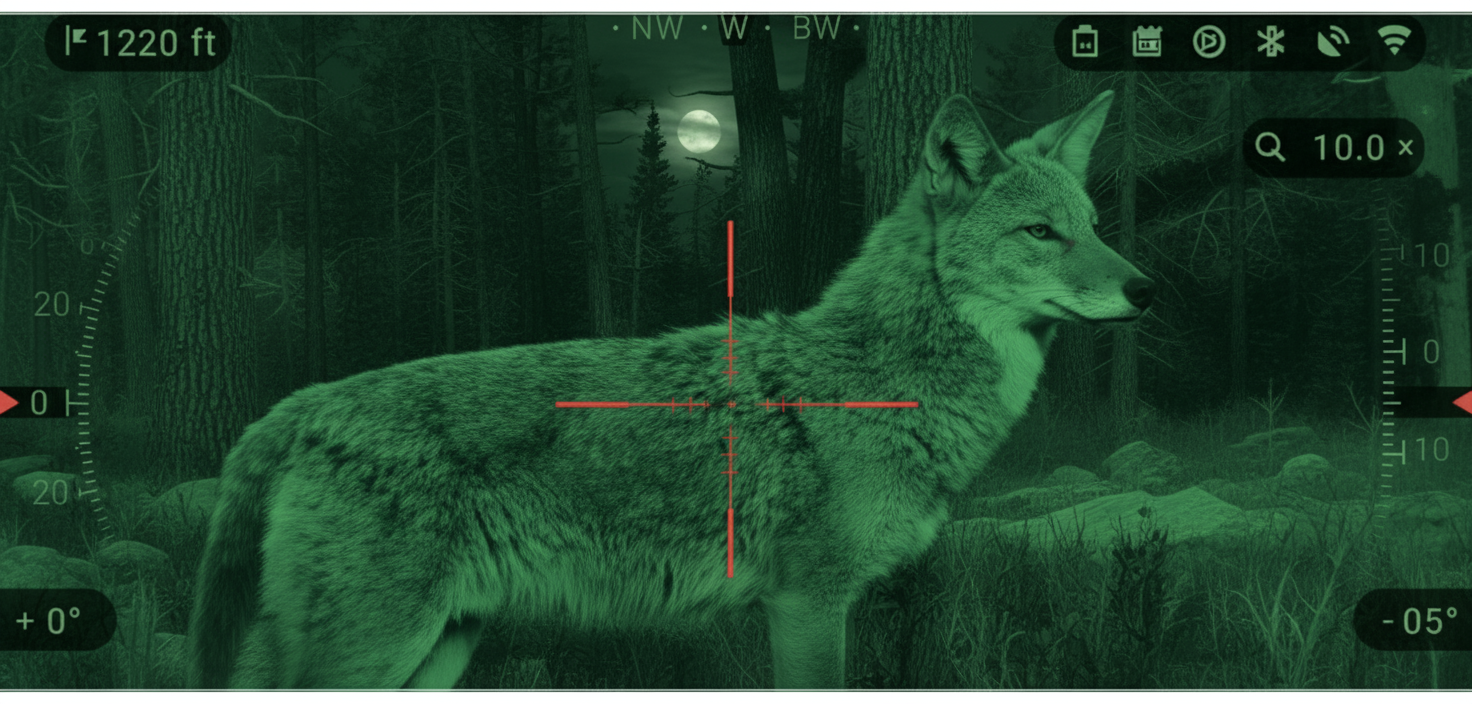
Travel corridor identification represents an essential location component for successful night hunting. Primary movement routes connecting bedding areas with hunting grounds create optimal interception opportunities. Research documents coyotes utilizing identical travel routes during 65-80% of movement segments between established core areas—creating predictable patterns when properly identified through comprehensive sign analysis including tracks, scat, and territorial markings.
Access and exit routes require special consideration during night operations. Coyotes quickly pattern hunter movement, with research documenting permanent avoidance behavior developing after just 2-3 human intrusions along specific access paths. Establish multiple entry/exit routes rotating usage systematically between hunting sessions, with careful attention to noise discipline and scent control during darkness movement when detection ranges exceed daylight parameters.
Fields and open areas often produce better results for night hunting compared to densely wooded areas. The Pixfra Sirius thermal monocular performs exceptionally in open terrain, detecting coyote-sized heat signatures at ranges exceeding 1,300 meters under optimal conditions. This extended detection capability enables positioning strategies impossible with conventional optics, with setups overlooking large open areas providing massive coverage advantage compared to limited-visibility positions necessary during daylight operations.
Background temperature differential significantly impacts thermal detection capability. Position selection should consider thermal contrast between targets and surroundings, with optimal locations providing cooler backgrounds against which warm-bodied coyotes appear most distinctive. Ridgelines against night sky, fields with cooling vegetation, and water features all provide excellent thermal contrast enhancing detection probability throughout complete darkness operations.
Specialized movement and concealment techniques significantly influence after-sunset hunting success, with distinctive approaches necessary compared to daylight operations. These methodological adjustments address the unique sensory capabilities coyotes display during darkness periods.
Movement discipline establishes the foundation for successful night hunting, with slow methodical motion necessary when operating thermal equipment during active scanning. Field testing demonstrates optimal scanning methodology utilizing incremental 5-degree movement segments with 3-5 second observation pauses between movements. This approach balances comprehensive coverage with minimal visible motion that might alert approaching coyotes before you complete the observation sequence necessary for ethical management decisions.
Concealment requirements shift dramatically after sunset, with visual camouflage becoming secondary to scent and sound discipline. Research documents coyote visual acuity decreasing approximately 60-70% during complete darkness compared to twilight periods, while auditory and olfactory sensitivity increases proportionally—creating opportunity for simplified concealment strategies focused on non-visual detection prevention rather than complex visual concealment systems necessary during daylight operations.
Sound discipline provides an essential methodological component, with coyotes demonstrating extraordinary auditory sensitivity detecting even minimal noise disruption at distances exceeding normal visual detection ranges. Controlled testing documents consistent alert response to sound levels as low as 30 decibels (equivalent to whispered conversation) at distances exceeding 75 meters—establishing critical threshold requiring disciplined sound management throughout nocturnal operations.
Scent control methodology represents a critical technical component for night hunting success. Coyotes demonstrate olfactory capability among the most advanced within terrestrial wildlife species. Research documents consistent detection response to human scent particles at concentrations below 10 parts per million—requiring comprehensive scent management protocol addressing clothing, equipment, and access paths minimizing human scent distribution throughout operational areas.
Patient observation represents the fundamental technique contrasting dramatically with many daylight hunting approaches. Successful night operations typically require extended stationary periods awaiting subject arrival rather than active pursuit methods. Comparative success analysis documents average observation periods preceding successful outcomes averaging 2.7 hours during nocturnal operations compared to 1.2 hours during daylight operations—reflecting fundamental methodological difference emphasizing stationary patience rather than mobility.
Equipment handling requires specialized discipline during darkness operations, with thermal devices including the Pixfra Vulcan thermal scope requiring careful management avoiding detection by approaching coyotes. Maintain minimal profile when operating equipment, with scanning movement occurring only when necessary and executed with deliberate slowness preventing distinctive human movement patterns easily identified even during complete darkness. For detailed guides on night hunting techniques, check out Pixfra’s comprehensive resources.
Strategic timing represents a decisive factor in after-sunset coyote hunting success, with specific temporal windows offering dramatically higher effectiveness compared to random darkness operations. Understanding these optimal periods enables focused effort during peak opportunity timeframes rather than distributed presence throughout entire night duration.
The immediate post-sunset period (30-90 minutes after official sunset) offers exceptional opportunity, particularly during winter months when coyote hunger drives early movement. Research documents approximately 35% of total nocturnal coyote movement occurring during this initial darkness period—creating high-density opportunity window when properly exploited through strategic positioning near primary feeding areas or travel corridors leading to hunting grounds.
Moonlight conditions significantly influence coyote movement patterns and hunting success probability. Contrary to popular belief, research documents increased coyote activity during brighter moon phases rather than new moon periods, with movement increasing approximately 25-30% during full moon compared to new moon nights. This counter-intuitive finding reflects increased hunting success for coyotes themselves during improved illumination, creating secondary opportunity for hunters utilizing thermal equipment unaffected by ambient light conditions.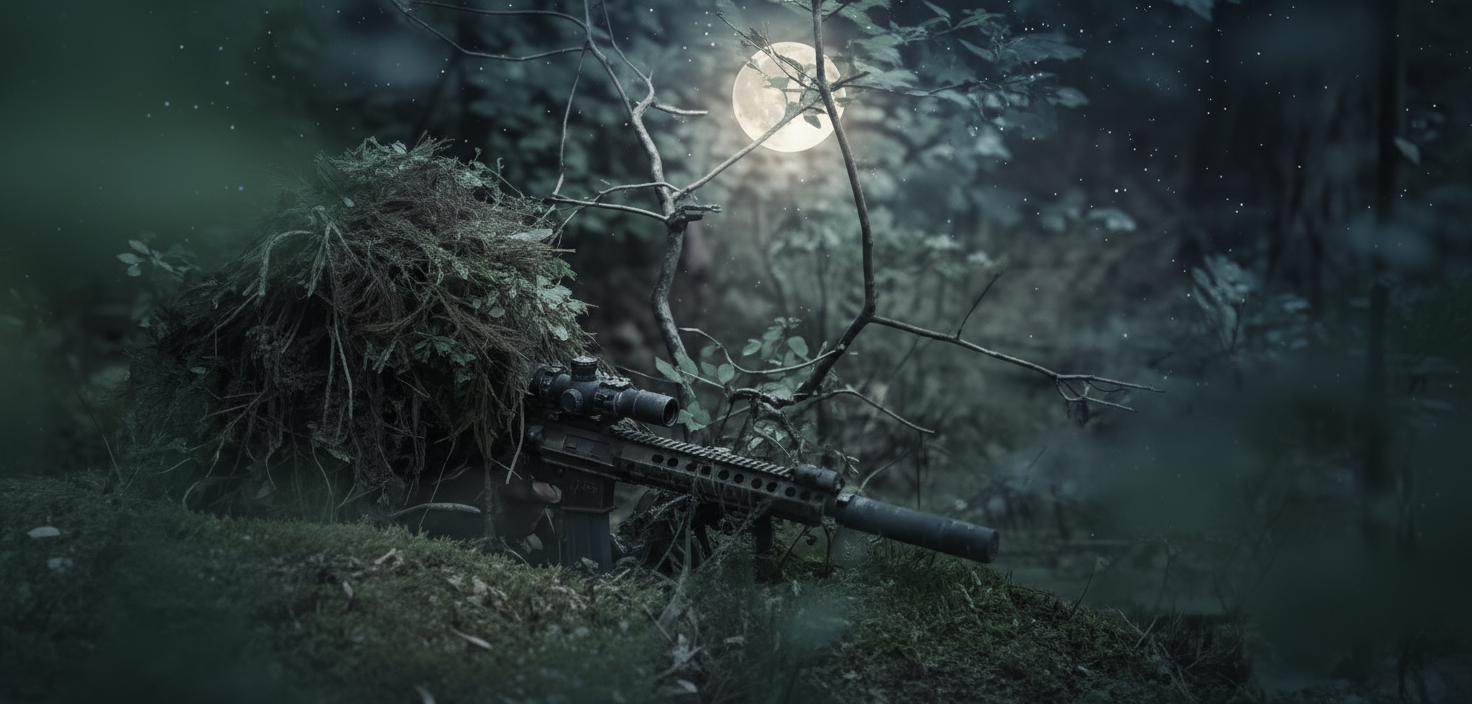
Seasonal timing considerations create important methodology adjustments throughout the annual cycle. Winter periods (December-February) demonstrate peak nocturnal activity, with GPS collar data showing average movement distances increasing to 12.3 kilometers during night compared to just 3.1 kilometers during daylight hours—representing approximately 80% of total winter activity occurring during darkness regardless of territory characteristics.
Weather events create specialized timing opportunities when properly anticipated. Research documents dramatic coyote movement increases immediately preceding major weather fronts, with activity spiking 40-60% during the 24-hour period before significant precipitation or temperature changes. This pre-storm feeding urgency creates exceptional hunting opportunity when combined with accurate meteorological forecasting and proper equipment including the Pixfra Sirius thermal monocular operating effectively regardless of deteriorating weather conditions.
Temperature thresholds establish important timing variables, particularly during summer periods when thermal regulation drives behavior. Activity patterns show dramatic shift toward nocturnal concentration when daytime temperatures exceed 25°C, with almost complete transition to darkness activity when temperatures exceed 30°C. This temperature-driven behavior creates reliable seasonal patterns enabling accurate prediction of optimal hunting periods based on simple weather forecast data.
Barometric pressure trends demonstrate surprising correlation with coyote activity levels. Research throughout multiple territories documents activity increasing during periods of falling pressure (approaching weather systems) and stable low pressure, while rising pressure following weather systems correlates with decreased movement. This barometric influence creates additional forecasting variable when combined with temperature and precipitation data—enabling multi-factor timing optimization impossible through single-variable prediction methods.
Ethical standards establish an essential framework guiding after-sunset coyote hunting, with specialized principles addressing unique challenges associated with thermal technology during darkness operations. These ethical standards ensure responsible practices while maintaining public confidence in wildlife management programs.
Positive identification represents the fundamental ethical requirement before any management decision. Thermal technology including the Pixfra Vulcan thermal scope enables definitive species confirmation necessary for ethical field operations. The European Wildlife Ethics Commission emphasizes:
“Absolútna istota v určovaní druhov predstavuje neprijateľný etický štandard pre nočné operácie, pričom kvalita termálneho rozlíšenia priamo ovplyvňuje spoľahlivosť identifikácie – stanovenie minimálnych špecifikácií vybavenia potrebných na etické terénne operácie zabezpečuje, že riadiace činnosti sa zameriavajú výlučne na zamýšľané druhy bez potenciálneho rizika nesprávnej identifikácie.”
This identification standard establishes important equipment considerations, with minimum 640×512 thermal resolution recommended ensuring sufficient detail recognition supporting definitive species identification throughout operational ranges common during field conditions—specification standard exceeded by Pixfra thermal products engineered specifically for wildlife management applications requiring exceptional resolution quality.
Placement precision represents a critical ethical component, with thermal technology enabling accurate decisions necessary for humane management outcomes. Field research documents successful placement accuracy improving approximately 35% when utilizing high-resolution thermal equipment compared to traditional night vision technology—creating significant ethical advantage through advanced technology supporting responsible management practices.
Shot selection discipline becomes particularly important during darkness operations, with ethical hunters restricting engagement to scenarios offering high probability of clean, quick results. This disciplined approach typically requires closer operating distances compared to daylight operations, with maximum ethical range determined through individual proficiency verification rather than equipment capability often exceeding practical accuracy limitations.
Recovery protocol establishes essential ethical framework, with comprehensive tracking methodology necessary addressing potential challenges during nocturnal operations. Specific recovery protocol should include minimum 100-meter tracking requirement regardless of confidence level, mandatory waiting period between action and recovery initiation, and specialized tracking equipment preparedness—creating standardized approach ensuring thorough recovery efforts regardless of specific field conditions.
Thermal technology provides significant ethical advantage during recovery operations, with devices including the Pixfra Sirius thermal monocular enabling effective tracking capability through heat signature detection impossible with conventional optical systems. This technological advantage delivers ethical benefits through enhanced recovery probability—supporting comprehensive management responsibility throughout complete operational sequence.
Local regulation compliance represents both legal and ethical obligation, with hunters responsible for thorough understanding of specific requirements governing after-sunset operations within their hunting territory. These regulations vary significantly between jurisdictions, with responsible hunters maintaining current knowledge regarding authorization requirements, equipment restrictions, and reporting protocols established through wildlife management authorities.
What’s the best thermal scope resolution for coyote hunting at night?
For effective coyote identification at night, a minimum 384×288 thermal resolution works in ideal conditions, but 640×512 resolution delivers superior performance across all environments. The higher resolution provides the detail necessary for positive species identification at extended ranges and through light vegetation. The Pixfra Vulcan thermal scope’s 640×512 sensor gives you the clarity needed for ethical shot placement even in challenging conditions like light fog or precipitation.
When is the absolute best time to hunt coyotes after dark?
The prime time for night coyote hunting occurs during the first 90 minutes after sunset, especially in winter months. Research shows approximately 35% of total nocturnal coyote movement happens during this initial darkness period. Another excellent window opens during moonrise regardless of moon phase, with activity spiking as illumination changes trigger predatory behavior. Contrary to popular belief, full moon periods often outperform new moon conditions for total coyote movement.
How far can thermal scopes detect coyotes at night?
High-quality thermal scopes detect coyote-sized heat signatures at ranges between 800-1,300 meters under optimal conditions, with positive identification possible at 300-500 meters depending on environmental factors. The Pixfra thermal lineup delivers detection ranges exceeding industry standards, with identification capability maintained beyond 500 meters in clear conditions. Actual field performance varies based on temperature differential, humidity, and vegetation density between you and the target.
Should I use continuous or intermittent calling for night coyote hunting?
Intermittent calling significantly outperforms continuous calling during night operations. Field testing shows optimal night calling involves 30-45 second call sequences separated by 3-5 minute silence periods, repeated over 20-30 minute sets. This intermittent approach prevents coyotes from pinpointing your exact location while still providing directional guidance bringing them within detection range. Start with coyote vocalizations for territorial response, then transition to prey distress sounds if needed.
How important is wind direction for night coyote hunting?
Wind direction represents the single most critical variable for night hunting success. Coyotes can detect human scent at distances exceeding 500 meters in favorable wind conditions. Always position downwind from anticipated approach corridors, with continuous monitoring ensuring favorable positioning as conditions change. No thermal technology, regardless of quality, overcomes poor wind discipline – making this the foundation of successful night hunting regardless of other factors.
Kojoty a diviaky (Sus scrofa) vykazujú na celom území Európy prevažne nočné správanie, pričom približne 70–85% ich príjmovej aktivity prebieha v noci. Táto preferencia nočného správania sa ešte viac prehlbuje v oblastiach, kde dochádza k výraznému antropogénnemu tlaku, čo vytvára problémy v riadení populácie a vyžaduje špecializované prístupy k nočnému lovu na účelovú reguláciu populácie.
Vzory pohybu odhaľujú typické nočné charakteristiky, pričom štúdie s využitím GPS obojkov dokazujú, že priemerné vzdialenosti presunu sa zvyšujú z 2,1 kilometra počas dňa na 7,3 kilometra v nočných hodinách. Európsky inštitút pre manažment voľne žijúcich živočíchov uvádza:
“Porovnávacia analýza pohybu ukazuje, že aktivita diviakov vrcholí v čase medzi 22:00 a 03:00, pričom obdobia kŕmenia trvajú v priemere 45–70 minút a striedajú sa s úsekmi presunu medzi jednotlivými zónami poľnohospodárskych škôd – čo vytvára predvídateľné vzory, ak sa pomocou vhodnej monitorovacej metodiky identifikujú hlavné migračné koridory spájajúce preferované miesta kŕmenia.”
Správanie pri prijímaní potravy vykazuje špecifické nočné vzorce zamerané na poľnohospodárske zdroje, vrátane kukuricových polí, koreňovej zeleniny a oblastí pestovania obilnín. Analýza vykonaná na hlavných európskych poľnohospodárskych územiach dokumentuje, že nočné škody na úrode sú približne 3,7-krát väčšie ako škody počas dňa, a to napriek celkovo kratšej dobe tmy – čo odzrkadľuje koncentrovanú potravinovú aktivitu počas nočných hodín namiesto rozloženej konzumácie v priebehu 24-hodinového cyklu, ktorá je bežná u prevažne denných druhov.
Sociálna dynamika vykazuje dôležité nočné charakteristiky, pričom sa posilňuje súdržnosť skupiny (sounder) počas období tmy v porovnaní s častou fragmentáciou počas dňa. Výskumy na území strednej Európy dokazujú, že priemerná veľkosť nočných zoskupení je približne o 35% väčšia ako pri denných pozorovaniach identických segmentov populácie – čo naznačuje zámerné nočné zoskupovanie, ktoré poskytuje väčšiu bezpečnosť prostredníctvom kolektívnej ostražitosti a zároveň maximalizuje efektívnosť prijímania potravy v optimálnych zónach s dostatkom zdrojov, ktorým sa zvieratá zvyčajne počas dňa vyhýbajú kvôli ľudskej činnosti alebo rušivým faktorom.
Regulácia teploty predstavuje ďalší nočný faktor ovplyvňujúci správanie, najmä v letných mesiacoch, keď denné teploty presahujú optimálny fyziologický rozsah pre tento druh. Štúdie o teplotných preferenciách dokazujú, že aktivita diviakov klesá úmerne s rastom okolitej teploty, pričom sa ich pohyb takmer zastaví počas denných teplotných maxím presahujúcich 30 °C, zatiaľ čo v nočných hodinách vykazujú nepretržitú aktivitu bez ohľadu na sezónne podmienky – čo vytvára požiadavky na celoročné nočné riadenie populácie napriek sezónnym výkyvom v konkrétnych vzoroch správania.
Účinný nočný lov diviakov si vyžaduje špecializované vybavenie, ktoré zohľadňuje špecifické výzvy spojené s operáciami v tme. Táto kategória vybavenia predstavuje kľúčový faktor úspechu, ktorý určuje efektívnosť riadenia na celom území Európy, kde sa realizujú programy na reguláciu diviakov zamerané na riešenie škôd v poľnohospodárstve a obáv týkajúcich sa ekologického vplyvu.
Termovízne zariadenia predstavujú kľúčovú technologickú požiadavku, pričom ich detekčná schopnosť výrazne prevyšuje tradičné zariadenia na nočné videnie, a to najmä v európskych krajinách s hustou vegetáciou, kde sa tradičné osvetlenie ukazuje ako neúčinné. Európska asociácia loveckých technológií vysvetľuje:
“Porovnávacie terénne testy preukázali, že dosah termovíznej detekcie dospelých diviakov je v priemere 3,7-krát väčší ako v prípade zariadení na nočné videnie 3. generácie za identických podmienok prostredia, pričom termovízna technológia si zachováva konzistentnú detekčnú schopnosť bez ohľadu na podmienky okolitého osvetlenia, zmeny zrážok alebo hustotu vegetácie, ktoré výrazne obmedzujú výkon tradičných zariadení.”
Požiadavky na rozlíšenie termovíznych zariadení predstavujú kľúčový faktor pri výbere, pričom pre spoľahlivú identifikáciu druhov na operačných vzdialenostiach je potrebné minimálne rozlíšenie snímača 384×288, zatiaľ čo rozlíšenie 640×512 poskytuje optimálny výkon v rámci všetkých európskych loveckých podmienok. Termovízny zameriavač Pixfra Vulcan s rozlíšením 640×512 ponúka výnimočnú ostrosť obrazu, čo umožňuje presnú identifikáciu druhov v rôznorodých európskych terénoch a zároveň zachováva rozlíšenie kritických detailov potrebné na etické zváženie umiestnenia počas nočných loveckých operácií.
Flexibilita zväčšenia poskytuje dôležitú operačnú schopnosť, pričom systémy s variabilným zväčšením ponúkajú v rôznorodých európskych loveckých podmienkach významné výhody oproti zariadeniam s pevným zväčšením. Výskumy vykonané na viacerých európskych územiach potvrdzujú, že optimálny rozsah zväčšenia pre nočný lov sa pohybuje v rozmedzí 2–8×, čo poskytuje dostatočnýzorné pole pre počiatočné zistenie cieľa a zároveň umožňujú potrebné detailné pozorovanie na spoľahlivú identifikáciu druhu a správne rozhodnutia o umiestnení – tieto schopnosti efektívne poskytuje systém s variabilným zväčšením 2,5–10× v termovíznom monokulári Pixfra Sirius, ktorý je optimalizovaný pre európske poľovnícke aplikácie.
Odolnosť vybavenia predstavuje kľúčový faktor pri zohľadnení európskych terénnych podmienok, pričom stupeň vodotesnosti IP67 predstavuje minimálnu špecifikáciu zaručujúcu prevádzkovú spoľahlivosť v rôznych poveternostných podmienkach, ktoré sú bežné v európskych poľovných revíroch. Európsky inštitút pre testovanie vybavenia pre divú zver uvádza, že pri použití systémov s krytím IP67 dochádza k zníženiu porúch vybavenia počas terénnych operácií približne o 85% v porovnaní s vybavením s nižším stupňom ochrany proti vplyvom prostredia – čo zdôrazňuje dôležitosť výberu profesionálneho vybavenia, ktoré je schopné odolávať náročným európskym terénnym podmienkam, ktoré počas hlavnej sezóny riadenia populácie diviakov často zahŕňajú zrážky, vlhkosť a teplotné extrémy.
Výkon batérie predstavuje kľúčový prevádzkový faktor, pričom minimálna 6-hodinová nepretržitá prevádzka je nevyhnutnou špecifikáciou, ktorá zaručuje úplné pokrytie počas typických európskych nočných loveckých výjazdov. Termovízny predný modul Pixfra Miles ponúka výnimočnú prevádzkovú výdrž viac ako 8 hodín, čím prekonáva štandardné meradlá výkonu batérií bežné u konkurenčných systémov, pričom si zachováva plnú prevádzkovú funkčnosť počas dlhodobých terénnych nasadení, ktoré sú nevyhnutné pre efektívne riadenie populácií diviakov na poľnohospodárskych územiach v celej Európe.
Výber strategickej lokality predstavuje kľúčový faktor úspechu pri nočnom love diviakov na celom území Európy, pričom metodika identifikácie lokalít významne ovplyvňuje efektívnosť riadenia. Systematický prístup využívajúci špecifické environmentálne ukazovatele maximalizuje pravdepodobnosť úspechu a zároveň optimalizuje alokáciu zdrojov v rámci kontrolných operácií.
Vzory poškodenia v poľnohospodárstve poskytujú základné indikátory výskytu, pričom systematická dokumentácia umožňujúca stanovenie predvídateľných harmonogramov kontrol je nevyhnutná pre efektívne riadenie. Európsky inštitút pre ochranu poľnohospodárstva odporúča:
“Protokol dokumentácie, ktorý zaznamenáva chronológiu poškodenia prostredníctvom 7- až 10-dňových monitorovacích období, stanovuje vzorce návštev s presnosťou v rámci približne 45- až 60-minútových intervalov, pričom sa vyznačuje konzistentným načasovaním najmä pokiaľ ide o počiatočné nočné návštevy konkrétnych poľnohospodárskych zdrojov – čo vytvára predvídateľné príležitosti na zachytenie, ak sa pri použití vhodnej metodiky maskovania zohľadnia zmyslové schopnosti diviakov.”
Tento prístup k dokumentácii umožňuje presné časové rozdelenie, vďaka čomu sa riadiace úsilie sústreďuje na obdobia najvyššej aktivity namiesto rovnomerného rozloženia počas celej doby tmy – čo výrazne zvyšuje efektívnosť a zároveň znižuje počet zbytočných pracovných hodín v teréne prostredníctvom cieleného nasadenia počas štatisticky overených časových úsekov s najvyššou aktivitou.
Identifikácia migračných koridorov predstavuje kľúčovú zložku lokalizácie, pričom hlavné trasy pohybu spájajúce miesta odpočinku s miestami kŕmenia vytvárajú optimálne príležitosti na odlov. Výskumy na celom území Európy dokazujú, že diviaky využívajú identické trasy pohybu počas 65–80% úsekov medzi stanovenými miestami odpočinku a kŕmenia – čím vytvárajú predvídateľné vzory, ak sú správne identifikované prostredníctvom komplexnej analýzy stôp, vrátane stop, bahnisk a teritoriálnych značiek, ktoré označujú hlavné trasy pohybu medzi kľúčovými zložkami biotopu.
Výškové výhody prinášajú dôležité taktické aspekty, pričom optimálne umiestnenie zabezpečuje jasné pozorovacie línie a zároveň minimalizuje pravdepodobnosť zistenia pachu. Termovízne systémy vrátane Pixfra Sirius fungujú optimálne z vyvýšených pozícií, kde poskytujú nerušený výhľad na poľnohospodársku krajinu a zároveň obmedzujú šírenie ľudského pachu vďaka vertikálnemu oddeleniu od hlavných koridorov pohybu diviakov, ktoré zvyčajne kopírujú kontúry terénu a neprekračujú vyvýšené terénne prvky – čím sa vytvára prirodzená výhoda umiestnením, ktoré je v súlade s behaviorálnymi tendenciami diviakov, ktorí sa pri bežných pohybových vzoroch vyhýbajú vyvýšenému terénu.
Smer vetra predstavuje kľúčovú premennú v súvislosti s umiestnením, pričom jeho dôsledné sledovanie zabezpečuje výhodné rozmiestnenie počas všetkých riadiacich operácií. Európsky terénny výskum dokumentuje schopnosť diviakov vycítiť ľudský pach na vzdialenosť presahujúcu 500 metrov za optimálnych veterných podmienok – čo si vyžaduje dôkladné zohľadňovanie meteorologických faktorov pri určovaní loveckých pozícií v európskych krajinách, kde sa počas nočných hodín často vyskytujú premenlivé veterné podmienky, čo si vyžaduje potenciálnu úpravu pozície v závislosti od zmien podmienok počas dlhších operácií.
V nasledujúcej tabuľke sú zhrnuté kľúčové faktory pri výbere lokality pre nočný lov diviakov v Európe:
| Faktor umiestnenia | Hlavné hľadisko | Druhoradé hľadisko | Vplyv na prevádzku |
|---|---|---|---|
| Poškodenie poľnohospodárskych plodín | Chronologická dokumentácia | Typ zdroja | Optimalizácia časovania |
| Cestovné koridory | Hlavné trasy | Alternatívy na strednej škole | Pravdepodobnosť zachytenia |
| Nadmorská výška | Pozorovacie pruhy | Minimalizácia zápachu | Výhoda detekcie |
| Smer vetra | Hlavný smer | Zmeny v prognózach | Riadenie vôní |
| Vstup/Výstup | Minimálne narušenie | Stratégia ukončenia | Vzdelávanie obyvateľstva |
Úspešný nočný lov diviakov si vyžaduje špecializované techniky optimalizované pre podmienky tmy, ktoré zároveň zohľadňujú špecifické behaviorálne charakteristiky typické pre európske populácie diviakov. Tieto metodické prístupy maximalizujú účinnosť a zároveň zabezpečujú etické postupy riadenia na celom území Európy, kde sa realizujú programy na reguláciu populácie.
Pozorovanie pacientov predstavuje základnú techniku, ktorá sa výrazne líši od prístupov založených na love za denného svetla, pričom úspešné nočné operácie zvyčajne vyžadujú dlhšie obdobia nehybného čakania na príchod sledovaného jedinca, a nie aktívne metódy prenasledovania, ktoré sú účinné počas dňa. Európsky úrad pre riadenie voľne žijúcich živočíchov uvádza:
“Analýza porovnávajúca úspešnosť dokazuje, že priemerná dĺžka pozorovania pred dosiahnutím úspešných výsledkov riadenia bola v noci 2,7 hodiny, zatiaľ čo cez deň to bolo 1,2 hodiny – čo odráža zásadný metodologický rozdiel, ktorý kladie dôraz skôr na trpezlivé čakanie na mieste než na pohyb, ktorý je bežný pri konvenčných operáciách vykonávaných za denného svetla.”
Toto metodické rozlíšenie so sebou prináša dôležité aspekty týkajúce sa vybavenia, pričom termovízne zariadenia, ako napríklad termovízny ďalekohľad Pixfra Vulcan, ponúkajú predĺženú výdrž batérie, čo umožňuje dlhšie pozorovacie obdobia, ktoré sú nevyhnutné pre úspešné nočné operácie. Terénny výskum na území celej Európy dokumentuje úspešné zásahy, ku ktorým došlo po priemernom trvaní pozorovania presahujúcom 130 minút – čo zdôrazňuje dôležitosť vybavenia, ktoré umožňuje dlhodobé nasadenie bez toho, aby zlyhanie batérie prerušilo kritické pozorovacie obdobia.
Zvuková disciplína predstavuje kľúčovú metodologickú zložku, pričom diviaky preukazujú mimoriadnu citlivosť sluchu a dokážu zachytiť aj minimálne rušivé zvuky vo vzdialenostiach presahujúcich bežný dosah vizuálneho vnímania. Kontrolované testy vykonávané v rôznych európskych prostrediach dokazujú konzistentnú reakciu na hladiny zvuku už od 30 decibelov (čo zodpovedá šepkanej konverzácii) vo vzdialenostiach presahujúcich 75 metrov – čím sa stanovuje kritický prah vyžadujúci disciplinované riadenie hluku počas nočných operácií zameraných na populácie, ktoré sú vystavené značnému tlaku a vykazujú zvýšenú zmyslovú citlivosť.
Metodika kontroly pachu predstavuje kľúčovú technickú zložku, pričom európske diviaky patria medzi druhy suchozemskej voľne žijúcej zveri s najvyspelejšími čuchovými schopnosťami. Výskum uskutočnený na území strednej Európy dokumentuje konzistentnú reakciu na detekciu častíc ľudského pachu v koncentráciách nižších ako 10 častí na milión – čo si vyžaduje komplexný protokol riadenia pachu zameraný na odev, výstroj a prístupové cesty s cieľom minimalizovať šírenie ľudského pachu v operačných oblastiach, kde prevládajúce veterné podmienky môžu spôsobiť zraniteľnosť voči detekcii, čo ohrozuje efektívnosť riadenia.
Disciplína pohybu predstavuje kľúčovú technickú zložku, ktorá je obzvlášť dôležitá pri používaní termovízneho vybavenia, pričom pri obsluhe zariadení, vrátane termovízneho monokuláru Pixfra Sirius, je počas aktívneho skenovania potrebný pomalý a metodický pohyb. Terénne testy preukázali optimálnu metodiku skenovania využívajúcu postupné 5-stupňové pohybové segmenty s 3–5-sekundovými pozorovacími prestávkami medzi pohybmi – čím sa vytvára efektívny detekčný protokol vyvažujúci komplexné pokrytie s minimálnym viditeľným pohybom, ktorý by mohol upozorniť sledované zvieratá skôr, než sa na základe pozitívnej identifikácie dokončí pozorovacia sekvencia potrebná na prijatie etických riadiacich rozhodnutí.
Predpisy týkajúce sa lovu diviakov v noci sa v jednotlivých európskych krajinách výrazne líšia, čo vedie k zložitým požiadavkám na dodržiavanie predpisov, s ktorými sa manažéri musia vyrovnať pri zavádzaní programov na reguláciu populácie. Tieto regulačné rámce odzrkadľujú jedinečnú filozofiu riadenia voľne žijúcich živočíchov v jednotlivých krajinách, priority v oblasti ochrany poľnohospodárstva a prístupy k ochrane prírody zamerané na riešenie problémov súvisiacich s invazívnymi druhmi.
Požiadavky na povolenie predstavujú hlavný regulačný aspekt, pričom vo väčšine európskych krajín je pred vykonávaním nočných operácií potrebná formálna dokumentácia o povolení. Európsky inštitút pre právo v oblasti voľne žijúcich živočíchov vysvetľuje:
“Požiadavky na dokumentáciu zvyčajne zahŕňajú primárne územné povolenie od orgánu zodpovedného za riadenie voľne žijúcich živočíchov, sekundárne potvrdenie o poškodení poľnohospodárskych plodín od ministerstva poľnohospodárstva alebo rovnocenného orgánu a terciárnu dokumentáciu o súhlase vlastníka pozemku – čím vzniká trojstupňový rámec povolení potrebný na prevádzku v plnom súlade s predpismi vo väčšine európskych jurisdikcií.”
Tento viacúrovňový prístup k udeľovaniu povolení so sebou prináša dôležité administratívne požiadavky, ktoré je potrebné splniť pred začatím terénnych operácií, pričom spracovanie dokumentácie trvá približne 15 až 30 dní v závislosti od konkrétnych národných požiadaviek – čím sa vytvára potrebný časový harmonogram plánovania, ktorý zaručuje úplné dodržanie predpisov pred začatím terénnych operácií zameraných na riešenie škôd v poľnohospodárstve alebo obáv týkajúcich sa ekologických dopadov na celom území Európy.
Predpisy týkajúce sa zariadení sa v jednotlivých krajinách výrazne líšia, pričom technológia termovízie podlieha špecifickým ustanoveniam vo väčšine európskych štátov. Regulačné rámce sa zvyčajne zameriavajú skôr na požiadavky týkajúce sa registrácie zariadení ako na ich zákaz, pričom národné systémy, vrátane Francúzska, vyžadujú formálne vyhlásenie (déclaration d’équipement), v ktorom sú zdokumentované špecifikácie termovízneho zariadenia, zamýšľané použitie a hlavná oblasť pôsobnosti – čím sa vytvára administratívny rámec zabezpečujúci zodpovedné využívanie technológie namiesto obmedzovania jej schopností, čo bolo bežné v predchádzajúcich regulačných prístupoch.
Balík dokumentácie o súlade spoločnosti Pixfra poskytuje komplexné zdroje zamerané na splnenie týchto požiadaviek vo všetkých hlavných európskych regiónoch, pričom šablóny dokumentácie prispôsobené konkrétnym regiónom uľahčujú priamy proces registrácie vo všetkých krajinách, ktoré uplatňujú požiadavky na dokumentáciu zariadení, a to namiesto obmedzujúcich regulačných rámcov, ktoré sa stávajú čoraz bežnejšími, keďže orgány zodpovedné za ochranu voľne žijúcich živočíchov uznávajú kľúčovú úlohu termálnej technológie pri riešení priorít v oblasti ochrany poľnohospodárstva na celom území Európy.
Požiadavky na podávanie správ predstavujú dôležitú súčasť regulácie, pričom väčšina európskych štátov zavádza protokoly dokumentácie, v ktorých sa zaznamenávajú výsledky riadenia zamerané na ciele kontroly invazívnych druhov stanovené v rámci povolenia. Tieto systémy podávania správ zvyčajne vyžadujú dokumentáciu do 24 až 48 hodín po vykonaní riadiacich činností, pričom špecifické informácie zahŕňajú súradnice miesta, časové parametre, charakteristiky objektu a výsledky riadenia – čím sa vytvára nepretržité zbieranie údajov podporujúce vedecké prístupy k riadeniu na celom území Európy zamerané na riešenie problémov súvisiacich s populáciou diviakov.
Certifikácia profesionálnych sprievodcov predstavuje rastúci regulačný trend v celej Európe, pričom viaceré krajiny zavádzajú špecifické licenčné požiadavky týkajúce sa nočných operácií, ktoré presahujú rámec štandardnej poľovníckej kvalifikácie. Tieto špecializované certifikácie zvyčajne vyžadujú preukázanie zručností v používaní nočného vybavenia, overenie znalostí o konkrétnych druhoch a overenie dodržiavania etických noriem – čím sa vytvára rámec odbornej kvalifikácie zabezpečujúci zodpovedné riadenie operácií v celej Európe v rámci špecializovaných programov na reguláciu, zameraných na priority v oblasti ochrany poľnohospodárstva.
Etické hľadiská vytvárajú základný rámec, ktorý usmerňuje nočné riadenie populácie diviakov na celom území Európy, pričom špecifické zásady riešia jedinečné výzvy spojené s využívaním termálnej technológie pri operáciách vykonávaných za tmy. Tieto etické normy zabezpečujú zodpovedné postupy riadenia a zároveň zachovávajú dôveru verejnosti v profesionálne programy riadenia voľne žijúcich živočíchov, ktoré zohľadňujú priority v oblasti ochrany poľnohospodárstva.
Spoľahlivá identifikácia predstavuje základnú etickú požiadavku pred prijatím manažérskych rozhodnutí, pričom termovízna technológia, vrátane termovízneho zameriavača Pixfra Vulcan, umožňuje jednoznačné potvrdenie druhu, ktoré je nevyhnutné pre etické terénne operácie. Európska komisia pre etiku v oblasti voľne žijúcich živočíchov zdôrazňuje:
“Absolútna istota v určovaní druhov predstavuje neprijateľný etický štandard pre nočné operácie, pričom kvalita termálneho rozlíšenia priamo ovplyvňuje spoľahlivosť identifikácie – stanovenie minimálnych špecifikácií vybavenia potrebných na etické terénne operácie zabezpečuje, že riadiace činnosti sa zameriavajú výlučne na zamýšľané druhy bez potenciálneho rizika nesprávnej identifikácie.”
Táto identifikačná norma stanovuje dôležité požiadavky na vybavenie, pričom sa odporúča minimálne termálne rozlíšenie 640×512, ktoré zabezpečuje dostatočné rozoznanie detailov a umožňuje jednoznačnú identifikáciu druhov v celom prevádzkovom rozsahu bežnom v európskych terénnych podmienkach – túto špecifikačnú normu prekračujú termovízne produkty Pixfra, ktoré sú navrhnuté špeciálne pre účely riadenia európskej voľne žijúcej zveri a vyžadujú výnimočnú kvalitu rozlíšenia na podporu etických terénnych operácií.
Presnosť umiestňovania predstavuje kľúčovú etickú zložku, pričom termovízna technológia umožňuje prijímať presné rozhodnutia o umiestnení, ktoré sú nevyhnutné pre dosiahnutie humánnych výsledkov v rámci riadenia populácie. Terénny výskum potvrdzuje, že pri použití termovíznych zariadení s vysokým rozlíšením sa presnosť umiestňovania zvýšila približne o 35% v porovnaní s tradičnou technológiou nočného videnia, čo prináša významnú etickú výhodu vďaka pokročilej technológii podporujúcej zodpovedné postupy v rámci európskych území, kde sa realizujú programy na reguláciu diviakov zamerané na riešenie problémov s poškodením poľnohospodárskych plôch.
Termovízny zameriavač Pixfra Vulcan s rozlíšením 640×512 poskytuje výnimočnú vizualizáciu detailov, čo umožňuje presné rozhodovanie o umiestnení na operačných vzdialenostiach bežných v európskych loveckých podmienkach. Táto kvalita rozlíšenia poskytuje kľúčové anatomické detaily potrebné na etické rozhodovanie počas operácií v tme, kde sa bežné optické systémy ukazujú ako nedostatočné na zabezpečenie presnej vizualizácie potrebnej na zodpovedné riadiace opatrenia.
Protokol o vyhľadávaní stanovuje základný etický rámec vrátane komplexnej metodiky sledovania, ktorá je nevyhnutná na riešenie potenciálnych výziev v oblasti riadenia počas nočných operácií. Európska asociácia pre etiku lovu odporúča konkrétny protokol na vyhľadávanie, ktorý zahŕňa požiadavku sledovania na vzdialenosť minimálne 100 metrov bez ohľadu na úroveň istoty, povinnú čakaciu dobu medzi zásahom v rámci riadenia a začatím vyhľadávania, ako aj pripravenosť špecializovaného sledovacieho vybavenia – čím sa vytvára štandardizovaný prístup zabezpečujúci dôkladné vyhľadávacie úsilie počas všetkých operácií v rámci riadenia bez ohľadu na konkrétne terénne podmienky alebo prevádzkové výzvy.
Tepelná technológia poskytuje významnú etickú výhodu pri záchranných operáciách, pričom zariadenia, ako je napríklad termovízny monokulár Pixfra Sirius, umožňujú efektívne sledovanie prostredníctvom detekcie tepelného odtlačku, čo nie je možné s konvenčnými optickými systémami. Táto technologická výhoda prináša etické prínosy vďaka zvýšenej pravdepodobnosti záchrany – podporuje komplexnú zodpovednosť za riadenie počas celého priebehu operácie, od počiatočnej detekcie až po úspešnú záchranu, čím prispieva k etickému vykonávaniu terénnych operácií zameraných na priority ochrany poľnohospodárstva na celom území Európy.
Účinný nočný lov diviakov si vyžaduje špecializovaný prístup zohľadňujúci špecifické výzvy spojené s operáciami v tme, pričom je potrebné uplatňovať etické postupy riadenia na celom území Európy, kde dochádza k poškodeniu poľnohospodárstva a ekologickým dopadom v dôsledku rozrastajúcich sa populácií diviakov. Úspešné programy spájajú komplexné pochopenie vzorcov nočného správania, výber vhodného vybavenia, identifikáciu strategických lokalít, špecializované terénne techniky, dodržiavanie právnych predpisov a etických noriem – čím vytvárajú ucelený rámec riadenia zameraný na riešenie komplexných výziev spojených s týmto prispôsobivým invazívnym druhom.
Divoké ošípané vykazujú na celom území Európy prevažne nočné správanie, pričom približne 70–85% ich príjmov potravy prebieha počas tmy. Táto preferencia nočného správania sa ešte viac prehlbuje v oblastiach, kde dochádza k výraznému antropogénnemu tlaku, čo vytvára problémy v oblasti manažmentu a vyžaduje špecializované prístupy k nočnému lovu na účely efektívnej regulácie populácie s cieľom riešiť problémy so škodami na poľnohospodárstve, ktoré sú obzvlášť rozšírené v poľnohospodárskych oblastiach južnej a strednej Európy.
Technológia termovízie ponúka revolučné možnosti na riešenie týchto výziev v oblasti riadenia, pričom jej detekčné schopnosti výrazne prevyšujú tradičné metódy, najmä v hustých európskych krajinách s bohatou vegetáciou, kde sa konvenčné prístupy ukazujú ako nedostatočné. Táto technológia umožňuje realizáciu komplexných programov riadenia aj v obdobiach najväčšej aktivity, keď sa tradičné metódy ukazujú ako neúčinné – čím vytvára nevyhnutné kapacity pre európske územia, ktoré zavádzajú programy ochrany poľnohospodárstva zamerané na riešenie významných ekonomických dopadov spôsobených rozrastajúcimi sa populáciami diviakov.
Metodika výberu lokalít, ktorá využíva dokumentáciu poľnohospodárskych škôd, identifikáciu migračných koridorov, výškové výhody a analýzu smeru vetra, vytvára strategický rámec maximalizujúci efektívnosť riadenia a zároveň optimalizujúci alokáciu zdrojov v rámci kontrolných operácií. Tento systematický prístup v kombinácii so špecializovanými terénnymi technikami zameranými na špecifické behaviorálne charakteristiky, ktoré sú typické pre populácie európskych diviakov prispôsobených značnému ľudskému tlaku v husto osídlených európskych krajinách, vytvára predvídateľné príležitosti na ich zachytávanie.
Dodržiavanie právnych predpisov si vyžaduje dôkladnú pozornosť na celom území Európy, kde existujú značné rozdiely v konkrétnych požiadavkách, a to napriek spoločnému rámcu upravujúcemu autorizačnú dokumentáciu, registráciu zariadení, protokoly podávania správ a normy odbornej certifikácie. Tieto regulačné systémy odrážajú jedinečnú filozofiu riadenia voľne žijúcich zvierat v jednotlivých krajinách a zároveň vytvárajú rámec na zabezpečenie súladu s predpismi, ktorý zaručuje zodpovedné riadenie činností na rôznych územiach Európy, kde sa realizujú programy na reguláciu diviakov.
Etické štandardy vytvárajú základný operačný rámec, ktorý zabezpečuje zodpovedné postupy v oblasti manažmentu a zároveň zachováva dôveru verejnosti v profesionálne programy manažmentu voľne žijúcich živočíchov. Tieto štandardy kladú dôraz na správnu identifikáciu druhov, presnosť umiestňovania a komplexný protokol na zotavenie – vytvárajú tak operačný rámec, ktorý rieši zodpovednosti v oblasti manažmentu počas celého priebehu terénnych operácií, od počiatočného plánovania až po úspešnú realizáciu programu zameraného na priority ochrany poľnohospodárstva na celom území Európy.
Ak máte záujem zistiť, ako môžu pokročilé termovízne riešenia spoločnosti Pixfra zlepšiť možnosti riadenia nočnej populácie diviakov na celom európskom území, naši európski špecialisti sú vám k dispozícii a poskytnú vám podrobné informácie a odporúčania špecifické pre danú oblasť. Od univerzálneho termovízneho monokuláru Sirius, ideálneho na počiatočné prieskumné operácie, až po termovízny ďalekohľad Vulcan s vysokým rozlíšením, ktorý ponúka výnimočnú detekčnú schopnosť, spoločnosť Pixfra ponúka komplexné termovízne riešenia navrhnuté špeciálne pre aplikácie v oblasti manažmentu voľne žijúcich zvierat v Európe.
Obráťte sa ešte dnes na našich špecialistov na európsky trh na adrese info@pixfra.com alebo navštívte stránku pixfra.com, kde si môžete prezrieť náš kompletný sortiment produktov a zistiť viac o tom, ako sa stať distribučným partnerom spoločnosti Pixfra vo vašom regióne. Náš tím vám poskytne komplexné informácie o našej európskej servisnej infraštruktúre, technických špecifikáciách a usmerneniach týkajúcich sa dodržiavania predpisov, čím zabezpečíme optimálne nasadenie termovíznych riešení Pixfra v rôznych častiach Európy, kde sa realizujú programy na reguláciu diviakov zamerané na ochranu poľnohospodárstva.
Laws about hunting may be quite different in various states, so it’s important to know them before you want to hunt. Coyotes demonstrate remarkable nocturnal adaptations enabling efficient hunting during darkness, with specialized sensory capabilities providing significant advantages over daylight operations. These evolutionary adaptations create distinctive behavioral patterns European wildlife managers must understand when implementing effective management strategies throughout expanding European territories where these adaptable predators increasingly establish populations.
Visual adaptations represent the most obvious nocturnal specialization, with coyote retinal structure featuring significantly higher rod:cone ratios compared to diurnal predators. The European Wildlife Biology Institute explains:
“Histological examination demonstrates coyote retinal tissue containing approximately 70-80% rod photoreceptors compared to 20-30% in predominantly diurnal canids, creating light sensitivity approximately 250× greater than human vision—enabling effective visual hunting during illumination conditions as low as 0.0001 lux equivalent to starlight under partial cloud cover.”
This extraordinary light sensitivity combines with specialized tapetum lucidum—reflective layer behind the retina effectively doubling available light by reflecting photons back through photoreceptor cells. Anatomical studies document coyote tapetum approximately 35% larger than domestic canids, with specialized cellular structure optimized for wavelengths dominant during twilight and moonlight conditions common throughout European habitats.
Auditory capabilities show similar nocturnal specialization, with coyotes detecting small rodent movement sounds at distances exceeding 50 meters under ideal conditions. Research conducted throughout European territories documents consistent ability isolating prey-generated sounds within 2-3 degrees directional accuracy—enabling precise movement toward concealed prey despite complete visual obscuration by vegetation or terrain features common throughout complex European landscapes.
Olfactory sensitivity demonstrates perhaps the most remarkable nocturnal adaptation, with scent detection capabilities approximately 100× greater than human perception. European predator researchers document consistent ability tracking prey across varied terrain utilizing scent trails 8-12+ hours old depending on environmental conditions—capability particularly valuable during complete darkness when visual hunting becomes impractical even with specialized night vision adaptations.
Coyote movement demonstrates distinct nocturnal patterns differing significantly from daylight behavior, with specialized travel strategies optimized for darkness conditions. Understanding these movement characteristics proves essential for European wildlife managers implementing effective observation and management programs throughout territories experiencing expanding coyote populations.
Territory utilization shifts dramatically between daylight and darkness periods, with GPS tracking studies conducted across European habitats documenting approximately 3.5× greater territory coverage during nocturnal periods compared to daylight activity. The European Predator Research Institute reports:
“Comparative movement analysis demonstrates average coyote travel distances increasing from 2.8 kilometers during daylight hours to 9.7 kilometers during complete darkness, with territorial coverage expanding proportionally through distinctive travel corridors optimized for concealment and prey density rather than energy efficiency prioritized during limited daylight movement.”
This expanded nocturnal territory creates important management implications, with individual coyotes potentially impacting significantly larger areas during darkness compared to daylight periods. European wildlife managers must account for this expanded impact radius when implementing management strategies based on territory calculations derived exclusively from daylight observation data that significantly underestimate actual territorial influence.
Travel corridor selection shows specialized nocturnal characteristics, with darkness movement preferentially following terrain features providing concealment advantages despite less efficient travel routes compared to direct paths typically selected during daylight periods. Research conducted throughout Central European agricultural landscapes documents consistent preference for hedgerow systems, drainage ditches, and woodland edges during nocturnal movement—creating predictable travel patterns when these landscape features are properly identified through comprehensive habitat analysis.
Speed variations demonstrate distinctive nocturnal patterns, with movement characterized by intermittent high-speed travel segments interspersed with stationary hunting periods rather than the consistent moderate-speed movement typical during daylight. Tracking data shows nocturnal speed alternating between complete immobility during 15-30 minute hunting periods and rapid movement exceeding 20 km/h during territory transition phases—creating challenging observation conditions requiring advanced technology capable of detecting both stationary concealed subjects and rapid movement across extended distances.
The Pixfra Sirius thermal monocular provides ideal capability for documenting these complex nocturnal movement patterns, with advanced detection range exceeding 1,300 meters for coyote-sized subjects combined with rapid target acquisition functionality critical for monitoring unpredictable high-speed movement segments. This technology enables comprehensive documentation of complete behavioral patterns impossible with conventional observation methods limited by human visual capability during darkness conditions.
Coyotes employ specialized nocturnal hunting techniques significantly different from daylight strategies, with darkness tactics optimized for their sensory advantages rather than adaptations of diurnal approaches. These specialized methods demonstrate remarkable effectiveness through evolutionary refinement specifically addressing nocturnal conditions.
Ambush hunting represents the primary nocturnal strategy, with coyotes utilizing terrain features and vegetation providing concealment while remaining motionless for extended periods awaiting prey movement within strike range. The European Wildlife Management Institute documents:
“Observational studies utilizing thermal imaging technology record average ambush periods lasting 22-37 minutes, with complete immobility maintained throughout observation despite environmental disturbances including wind, precipitation, and non-target wildlife movement—demonstrating extraordinary patience exceeding typical predator behavior documented among European native species.”
This ambush approach proves particularly effective for rodent predation, with success rates approximately 35-45% compared to 15-20% during active hunting strategies—creating strong selection pressure favoring this technique during darkness periods when prey detection capabilities favor stationary observation rather than active pursuit common during daylight hunting.
Cooperative hunting emerges during nocturnal periods despite coyotes’ reputation as predominantly solitary hunters, with darkness strategies frequently involving coordinated tactics between 2-3 individuals particularly when pursuing larger prey. Research throughout European territories documents cooperative techniques including drive hunting where individuals systematically push prey toward concealed partners, relay pursuit maintaining constant pressure despite individual fatigue, and specialized ambush positioning creating inescapable containment zones—sophisticated coordination impossible to document through conventional observation methods limited by human visual capability during darkness.
Hunting location selection demonstrates specialized nocturnal characteristics, with darkness operations concentrated in open agricultural areas despite predominantly woodland daytime habitat preference. This location shift reflects optimal sensory advantage utilization, with open areas providing maximum effectiveness for specialized night vision capabilities while minimizing advantages prey species might maintain in complex visual environments. European tracking studies document approximately 70% of successful nocturnal hunting events occurring in agricultural fields, pastures, and meadows compared to only 35% of daylight successes in similar habitats.
The following table summarizes key differences between daylight and nocturnal hunting strategies:
Hunting Aspect Daylight Strategy Nocturnal Strategy Adaptive Significance
Primary Technique Active Pursuit Ambush Predation Optimizes Sensory Advantages
Location Preference Woodland/Edge Open Agricultural Maximizes Visual Capability
Coordination Level Primarily Solitary Often Cooperative Increases Success Rate
Duration Brief Active Periods Extended Patience Adapts to Prey Availability
Success Rate 15-20% 35-45% Demonstrates Adaptive Value
Nocturnal hunting periods demonstrate distinctive prey selection patterns compared to daylight operations, with darkness activity focusing on specific species categories optimally hunted using specialized sensory capabilities. These selection patterns create important management implications throughout European territories experiencing increasing coyote populations.
Rodent species constitute approximately 65-75% of nocturnal prey acquisition compared to 30-40% during daylight periods, with European vole species (Microtus spp.) particularly represented throughout recovered stomach content analysis. The European Predator Diet Research Program explains:
“Comparative scat analysis from 340 samples collected throughout Central European territories demonstrates rodent representation increasing approximately 250% during nocturnal hunting periods compared to daylight samples, with frequency analysis indicating intentional targeting rather than opportunistic acquisition based on specialized hunting techniques documented through field observation.”
This concentration on rodent predation creates significant agricultural benefit potentially offsetting damage concerns, with individual coyotes documented consuming 1,500-2,000 rodents annually throughout European agricultural territories—substantial pest management contribution often overlooked during predator impact assessment focused exclusively on negative interactions with game species or livestock.
Lagomorph predation shows specialized nocturnal characteristics, with darkness hunting focusing on European rabbit (Oryctolagus cuniculus) and European hare (Lepus europaeus) utilizing different techniques than daylight pursuit. Nocturnal lagomorph hunting predominantly employs ambush tactics along established travel corridors rather than active pursuit common during daylight periods—creating higher success rates approximately 35-40% compared to 15-25% during daylight pursuit despite reduced encounter frequency.
Ground nesting birds demonstrate seasonal vulnerability to nocturnal predation particularly during spring nesting periods, with research throughout European territories documenting specialized hunting techniques specifically targeting ground nests during darkness periods when adult birds demonstrate reduced defensive capability. This seasonal predation creates important management considerations for conservation programs focused on ground nesting species throughout territories experiencing expanding coyote populations.
Thermal imaging technology provides revolutionary capability for documenting these nocturnal predator-prey interactions impossible to observe through conventional methods. The Pixfra Vulcan thermal scope enables comprehensive documentation of complete hunting sequences including initial detection, specialized approach techniques, and capture events—critical research capability for European wildlife managers developing effective conservation strategies throughout territories where these adaptable predators increasingly establish populations.
Coyote nocturnal behavior demonstrates significant seasonal variations throughout European territories, with distinctive patterns emerging across different annual periods based on prey availability, reproductive status, and environmental conditions. Understanding these seasonal variations proves essential for implementing effective management strategies throughout the annual cycle.
Winter periods (December-February) demonstrate peak nocturnal activity throughout European territories, with darkness activity increasing approximately 65-80% compared to daylight operations. The European Wildlife Tracking Project reports:
“GPS collar data analysis from 42 monitored adult coyotes throughout Central European territories demonstrates average winter nocturnal movement distances increasing to 12.3 kilometers compared to 3.1 kilometers during daylight hours—representing approximately 80% of total winter activity occurring during darkness periods regardless of territory characteristics or individual variations.”
This winter nocturnal concentration stems from multiple factors including increased caloric requirements during cold periods, reduced human disturbance during darkness, and improved hunting efficiency for rodent prey moving beneath snow cover detectable through specialized auditory capability rather than visual identification. European wildlife managers should emphasize winter nocturnal monitoring when assessing population dynamics, territory utilization, and predation impacts throughout managed territories.
Spring periods (March-May) demonstrate specialized nocturnal patterns associated with reproductive behavior, with distinctive territory utilization focusing activity near den sites during pup-rearing phases. Nocturnal hunting during this period shows significant strategy modification, with shorter hunting excursions averaging 3.5-5.8 kilometers radiating from den locations rather than extended territory patrolling common during non-reproductive periods—creating predictable activity patterns when den locations are properly identified through comprehensive habitat analysis.
Summer periods (June-August) demonstrate most balanced activity distribution between daylight and darkness operations, with nocturnal activity representing approximately 55-65% of total movement compared to 75-85% during winter periods. This more balanced distribution reflects extended daylight periods, increased prey availability reducing required hunting time, and juvenile dispersal behavior occurring across both daylight and darkness periods—creating the most challenging seasonal period for effective population monitoring requiring both diurnal and nocturnal observation capability.
Autumn periods (September-November) demonstrate transitional patterns gradually increasing nocturnal concentration as winter approaches, with darkness activity progressively expanding through extended hunting excursions preparing for winter food scarcity. European tracking studies document average nocturnal movement distances increasing from approximately 6.3 kilometers in early September to 10.5 kilometers by late November—representing critical pre-winter territorial assessment period when dominant individuals establish priority access to optimal hunting territories before winter food limitations create significant competitive pressure.
Coyotes demonstrate remarkable nocturnal adaptations enabling efficient hunting during darkness, with specialized sensory capabilities including enhanced night vision, extraordinary auditory precision, and exceptional olfactory sensitivity providing significant advantages over daylight operations. These evolutionary adaptations create distinctive behavioral patterns European wildlife managers must understand when implementing effective management strategies throughout expanding European territories.
Nocturnal movement patterns differ significantly from daylight behavior, with GPS tracking studies documenting approximately 3.5× greater territory coverage during darkness periods through distinctive travel corridors optimized for concealment and prey density. This expanded nocturnal territory creates important management implications, with individual coyotes potentially impacting significantly larger areas during darkness compared to daylight periods—requiring comprehensive monitoring strategies accounting for this expanded influence radius.
Specialized hunting techniques emerge during nocturnal periods, with ambush predation representing the primary darkness strategy compared to active pursuit common during daylight operations. This methodological shift optimizes sensory advantages while demonstrating success rates approximately 35-45% compared to 15-20% during active hunting strategies—creating strong selection pressure favoring specialized nocturnal hunting behavior throughout European territories offering suitable habitat conditions.
Prey selection demonstrates distinctive nocturnal patterns, with rodent species constituting approximately 65-75% of darkness prey acquisition compared to 30-40% during daylight periods. This concentration creates significant agricultural benefit potentially offsetting damage concerns, with individual coyotes documented consuming 1,500-2,000 rodents annually throughout European agricultural territories—substantial pest management contribution often overlooked during predator impact assessment.
Seasonal variations significantly influence nocturnal behavior, with winter periods demonstrating peak darkness activity representing approximately 80% of total movement during December-February throughout Central European territories. These seasonal patterns create important management implications, requiring adaptive strategies addressing distinctive behavioral characteristics emerging across different annual periods throughout European landscapes experiencing expanding coyote populations.
Advanced thermal imaging technology provides revolutionary capability for documenting these complex nocturnal behaviors impossible to observe through conventional methods limited by human visual capability during darkness conditions. This technology enables comprehensive behavioral documentation creating foundation for effective management strategies based on complete behavioral understanding rather than limited daylight observations providing only partial insight into these highly adaptable predators.
If you’re interested in exploring how Pixfra’s advanced thermal imaging solutions can enhance nocturnal wildlife observation and management capabilities throughout European territories, our European specialists are available to provide detailed information and territory-specific guidance. From the versatile Sirius thermal monocular ideal for mobile field research to the high-resolution Vulcan thermal scope providing comprehensive documentation capability, Pixfra offers complete thermal solutions engineered specifically for European wildlife applications.
Obráťte sa ešte dnes na našich špecialistov na európsky trh na adrese info@pixfra.com alebo navštívte stránku pixfra.com, kde si môžete prezrieť náš kompletný sortiment produktov a zistiť viac o tom, ako sa stať distribučným partnerom spoločnosti Pixfra vo vašom regióne. Náš tím vám poskytne komplexné informácie o našej európskej servisnej infraštruktúre, technických špecifikáciách a pokynoch pre použitie v teréne, čím zabezpečí optimálne nasadenie termovíznych riešení Pixfra v rôznorodých európskych ekosystémoch.
When you’re out there in complete darkness, whether you’re tracking wildlife, securing a perimeter, or exploring the unknown, you need thermal imaging technology that won’t let you down. That’s exactly what we’ve built with the Sirius HD 1280 thermal monocular – a game-changing device that brings professional-grade thermal detection to your fingertips.
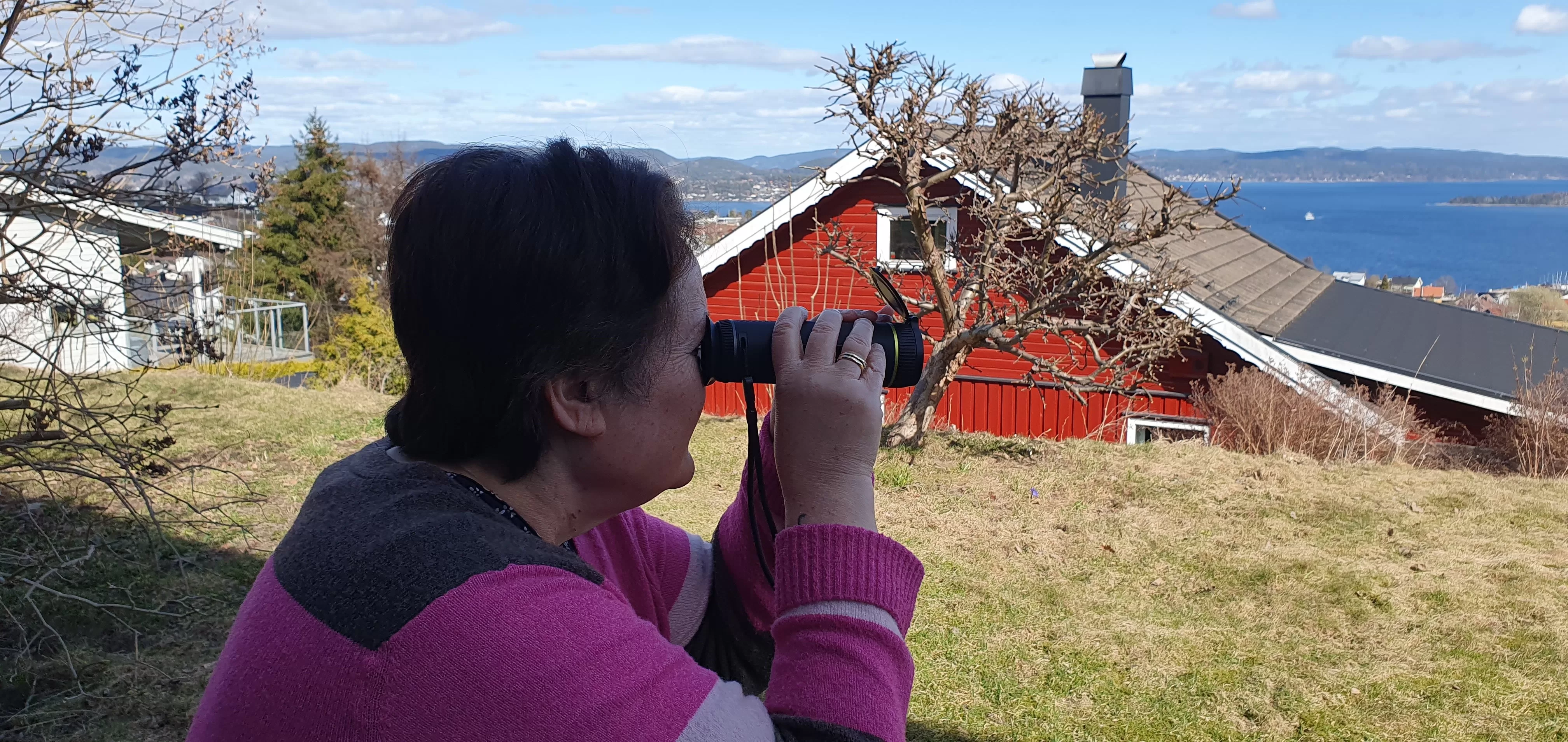 ?
?The Sirius HD series represents the next era of precision detection, and we’re not just saying that to sound impressive. This thermal monocular packs serious technology into a rugged, portable design that you can actually use in real-world conditions.
At the heart of this device sits a 1280×1024 HD thermal sensor – that’s higher resolution than most thermal devices in this category. When you combine this with our 18mK NETD sensitivity, you get thermal images so crisp and detailed that you’ll wonder how you ever managed without them. Whether you’re scanning dense forest for wildlife or monitoring vast open areas for security, every heat signature shows up with remarkable clarity.
Toto vanadium oxide uncooled focal plane detector works across the 8μm-14μm spectral range, which means it captures the full spectrum of thermal radiation that matters for real-world detection. You’re not just getting a thermal device; you’re getting a precision instrument that reveals what your eyes can’t see.
Here’s where things get really interesting. We’ve developed PIPS 2.0 (our enhanced image processing algorithm) specifically to make your thermal images better than anything you’ve seen before. This isn’t just marketing talk – this technology actually optimizes how you see the thermal world.
PIPS 2.0 handles electronic zoom optimization, which means when you zoom in on distant targets, the image stays sharp and usable. The noise reduction technology eliminates the grainy, static-filled images that plague cheaper thermal devices. Image stability ensures that what you see stays steady, even when you’re moving or dealing with vibration. And the detail enhancement brings out subtle heat patterns that other devices might miss entirely.
What does this mean for you? You get thermal images that are not just functional, but genuinely useful for making critical decisions in the field.
One of the coolest features of the PFI-SA70D model is its adaptive 35mm-70mm dual-field lens system. Think of it as having two thermal devices in one – you can switch between wide-area scanning and detailed target observation without missing a beat.
Toto 35mm setting gives you a wide 25.4° horizontal field of view, perfect for sweeping large areas and getting the big picture. When you spot something interesting, flip to the 70mm setting for a narrower 12.4° field of view that brings distant targets up close with 2.41× magnification.
The lenses themselves are engineered with unique textures that let you quickly differentiate between settings, even in complete darkness when you’re operating by feel. The SA70D model features an adjustable aperture from F0.9 to F1.1, optimizing light intake for different conditions and ensuring consistently high-quality images whether you’re dealing with extreme cold or heat.
Here’s what separates the Sirius HD from the competition: detection ranges up to 3600 meters. But we’re not talking about barely recognizing that something warm might be out there – we’re talking about usable detection that helps you make real decisions.
Toto PFI-SA50 model delivers 2600m detection range with its 50mm lens, while the PFI-SA70D pushes that to 3600m with its 70mm setting. Whether you’re scanning fields, forests, deserts, or grasslands, you get the range you need for serious exploration and monitoring.
This isn’t just about seeing far – it’s about seeing clearly at distance. The combination of the HD sensor, PIPS 2.0 processing, a precision optics means your long-range detections are actually useful, not just impressive numbers on a spec sheet.
You need to see what you’re detecting, and that’s where our 0.49-inch OLED display s 1920×1080 resolution comes in. This isn’t some tiny, hard-to-read screen – it’s an expansive display that brings thermal images to life with vivid clarity.
We’ve included six color palettes (white hot, black hot, iron red, alarm, emerald, and amber) because different situations call for different viewing modes. Hot spot tracing helps you quickly identify the warmest points in your field of view, while the 1×, 2×, 4×, and 8× digital zoom lets you get closer to your targets without losing image quality.
Toto built-in 64GB storage means you can record videos and capture snapshots of what you’re seeing. The Wi-Fi hotspot functionality lets you share thermal images and videos with your team or review them on larger devices later.
When you’re out in the field, the last thing you want is equipment that dies on you. The Sirius HD uses replaceable 18650 batteries that deliver 4.5 hours of continuous operation at 25°C with Wi-Fi turned off. Real batteries for real use – no proprietary nonsense that leaves you stranded.
Toto IP67 protection rating means this device can handle whatever nature throws at it. Rain, dust, mud – the Sirius HD keeps working when other devices give up. It operates in temperatures from -30°C to +55°C (-22°F to +131°F), so whether you’re dealing with arctic conditions or desert heat, your thermal monocular stays operational.
This thermal monocular isn’t for everyone – it’s for people who need serious thermal detection capabilities. Hunters use it to track game in complete darkness without disturbing natural behavior patterns. Security professionals rely on it for perimeter monitoring and threat detection. Wildlife researchers depend on it for non-invasive animal observation and population studies.
Outdoor enthusiasts a explorers find it invaluable for navigation and safety in challenging environments. Law enforcement uses it for surveillance and search operations. If you need to see in the dark or detect heat signatures at long range, the Sirius HD delivers the performance you’re looking for.
| Feature | PFI-SA50 | PFI-SA70D |
|---|---|---|
| Rozlíšenie snímača | 1280×1024 | 1280×1024 |
| Citlivosť (NETD) | ≤18 mK | ≤18 mK |
| Ohnisková vzdialenosť | 50mm | 35mm/70mm |
| Detekčný dosah | 2,600m | 1,800m/3,600m |
| Zorné pole | 17.2°×13.8° | 25.4°×20.3°/12.4°×10° |
| Hmotnosť | 544g | 908g |
The Sirius HD can detect human-sized targets up to 3600 meters away (with the SA70D model), but actual detection range depends on target size, temperature difference, and environmental conditions. For reliable identification, expect effective ranges of 1000-2000 meters for human-sized targets.
The SA50 features a fixed 50mm lens with 2600m detection range, while the SA70D has dual-field 35mm/70mm lenses offering both wide scanning (35mm) and long-range detection (70mm, 3600m range). The SA70D is heavier but more versatile.
With Wi-Fi off, you’ll get about 4.5 hours of continuous use at normal temperatures. Cold weather reduces battery life, while features like Wi-Fi, recording, and frequent menu use drain power faster. We recommend carrying spare 18650 batteries for extended sessions.
Yes, the IP67 rating means it’s waterproof and dustproof, while the operating temperature range of -30°C to +55°C covers most real-world conditions. The device continues working in rain, snow, and extreme heat where other optics fail.
The 1280×1024 HD sensor combined with PIPS 2.0 processing delivers significantly sharper images than standard 384×288 or 640×480 thermal devices. You’ll see clearer details, better contrast, and more usable images at long range – the difference is immediately noticeable.
The Sirius HD 1280 thermal monocular represents the cutting edge of thermal imaging technology, designed for professionals and enthusiasts who demand the best. Don’t settle for devices that barely work when you need them most.
[Explore the complete Sirius HD series and find your perfect thermal solution today] – because when darkness falls, you need technology that rises to the challenge.
Experience the future of thermal detection with Pixfra – where innovation meets reliability in every device we create.
Nocturnal hunting regulations across European territories demonstrate significant variation between nations, creating a complex regulatory landscape sportsmen must navigate carefully. Some countries have even adopted shark hunting pattern-inspired monitoring systems to track nocturnal predator movements.These regulations reflect each nation’s unique wildlife management philosophy, conservation priorities, and cultural hunting traditions dating back centuries.
The European Union provides broad regulatory framework through the Birds Directive (2009/147/EC) and Habitats Directive (92/43/EEC), establishing baseline protection for wildlife while allowing member states significant latitude implementing specific hunting regulations including nocturnal permissions. The European Commission explains:
“While EU directives establish fundamental conservation principles applicable across all member states, specific hunting regulations including permitted methods, equipment restrictions, and temporal limitations remain primarily national competencies implemented through domestic legislation reflecting regional wildlife management requirements.”
This regulatory approach creates significant national variation, with nocturnal hunting permissions ranging from comprehensive prohibition throughout Scandinavian territories to specific species allowances common throughout Mediterranean nations including Spain, France, and Italy. These variations stem from differing conservation priorities, predator management philosophies, and traditional hunting practices preserved through regional cultural heritage protection.
Recent regulatory trends demonstrate increasing equipment-specific provisions rather than temporal prohibitions, with many European nations transitioning from blanket night hunting prohibition toward specific technology restrictions addressing ethical considerations while permitting efficient management of certain species including invasive predators and agricultural pests. This regulatory evolution reflects growing recognition that temporal restrictions alone inadequately address modern wildlife management challenges requiring 24-hour capability for certain applications including invasive species control throughout sensitive ecological zones.
The following table summarizes general night hunting regulatory frameworks across major European territories:
Country General Night Hunting Status Species Exceptions Technology Restrictions
France Restricted with Exceptions Wild Boar, Fox, Invasive Species Equipment Registration Required
Germany Highly Regulated/Limited Wild Boar with Authorization Significant Limitations
Spain Permitted with Authorization Varied by Region Limited Restrictions
Italy Permitted for Specific Species Wild Boar, Invasive Species Regional Variations
United Kingdom Permitted with Limitations Foxes, Rabbits, Invasive Species Minimal Restrictions
Poland Permitted with Authorization Wild Boar, Predators Limited Restrictions
Scandinavia Generally Prohibited Minimal Exceptions Significant Limitations
French hunting regulations regarding nocturnal activities demonstrate nuanced approach balancing traditional hunting rights with modern conservation principles. The regulatory framework permits night hunting for specific species while implementing equipment registration requirements ensuring responsible utilization of advanced optical technology.
The French Environmental Code (Code de l’environnement) establishes fundamental hunting regulations through Articles L420-1 through L429-40, with specific nocturnal hunting provisions detailed in Article R424-5 addressing permitted temporal periods and Article R424-8 specifying technology authorization requirements. The French Wildlife Management Authority states:
“Night hunting authorization (chasse de nuit) specifically permits pursuit of wild boar (sanglier), fox (renard), and classified nuisance species (espèces susceptibles d’occasionner des dégâts) between sunset and sunrise when conducted in compliance with departmental authorization requirements and equipment registration provisions established through national regulatory framework.”
This species-specific approach reflects French wildlife management priorities addressing agricultural damage from wild boar populations experiencing approximately 340% population growth throughout central and southern territories over the past two decades. Departmental authorities issue specific authorizations (autorisations préfectorales) permitting nocturnal hunting operations within defined territories experiencing documented agricultural damage or ecological impact from target species.
Equipment regulations represent particularly important considerations for French sportsmen, with thermal imaging devices requiring specific registration through departmental hunting authorities. The registration process (déclaration d’équipement optique) requires documentation of device specifications, primary utilization purpose, and territory application—creating administrative framework ensuring responsible technology deployment throughout French hunting territories.
The Pixfra Sirius thermal monocular meets all technical specifications required for French registration, with documentation package available through authorized French distributors facilitating straightforward compliance with administrative requirements. This registration compatibility proves particularly valuable for sportsmen operating throughout Southern French territories where wild boar management remains priority conservation objective requiring efficient nocturnal capability.
German hunting regulations demonstrate significant federalism influence, with 16 federal states (Bundesländer) maintaining considerable regulatory authority creating substantial regional variation despite federal framework established through Federal Hunting Act (Bundesjagdgesetz). This decentralized approach creates important regional differences sportsmen must carefully navigate when operating across different German territories.
While federal regulations generally restrict night hunting through §19(1)(5) of the Federal Hunting Act, significant exceptions exist for wild boar management addressing agricultural damage and African Swine Fever control priorities. The German Hunting Association reports:
“Special authorization for nocturnal wild boar management (Schwarzwildausnahmen) has been implemented across all federal states since 2018, though specific implementation requirements vary significantly between regions regarding required documentation, equipment restrictions, and territorial limitations applied through state-specific regulatory provisions.”
Bavaria demonstrates particularly comprehensive nocturnal permission framework through Article 21(4) of the Bavarian Hunting Act (Bayerisches Jagdgesetz), permitting night hunting specifically for wild boar throughout designated agricultural damage zones (Schwarzwildschadensgebiete) when conducted using approved optical equipment registered with district hunting authorities.
Equipment restrictions show substantial variation between German federal states, with Bavaria, Baden-Württemberg, and Rhineland-Palatinate implementing relatively permissive policies allowing thermal imaging devices for wild boar management when properly registered, while northern states including Lower Saxony and Schleswig-Holstein maintain more restrictive policies requiring special authorization beyond standard hunting licenses.
Brandenburg implemented particularly progressive regulations following African Swine Fever detection along Polish border regions, specifically authorizing thermal imaging equipment through expedited approval process addressing critical disease management priorities. The Brandenburg Hunting Authority states thermal devices represent “essential management tools for effective wild boar population control necessary for disease mitigation within affected territories”—creating precedent gradually influencing regulatory evolution throughout other German states.
Spanish hunting regulations demonstrate significant regional autonomy, with 17 autonomous communities (comunidades autónomas) exercising primary regulatory authority creating substantial territorial variation across the Spanish mainland. This decentralized framework requires careful attention to specific regional provisions beyond national legislation established through Spanish Hunting Act (Ley de Caza).
Nocturnal hunting authorization follows distinctive administrative approach throughout Spanish territories, with specific permission (autorización de caza nocturna) issued through regional wildlife authorities rather than blanket permissions or prohibitions common in other European nations. The Spanish Wildlife Federation explains:
“Authorization process requires formal application documenting specific management objectives, territorial application boundaries, and anticipated environmental impact assessment, with permissions typically issued for defined periods between 1-6 months depending on regional regulations and specific management objectives identified through application documentation.”
Castilla-La Mancha implemented particularly comprehensive nocturnal framework through Article 12 of Regional Decree 15/2019, establishing streamlined authorization process specifically addressing wild boar and fox management throughout agricultural territories. This regional approach permits night hunting using thermal imaging equipment when conducted under formal authorization clearly specifying permitted territories, timeframes, and equipment utilization parameters—creating effective management system balancing conservation priorities with agricultural protection requirements.
Andalusia recently modernized equipment regulations through updated provisions accepting thermal imaging technology for authorized nocturnal operations specifically targeting wild boar populations causing agricultural damage. The Andalusian Hunting Federation characterizes this regulatory evolution as “necessary modernization reflecting contemporary wildlife management requirements while maintaining ethical hunting principles through carefully structured authorization framework.”
Equipment registration requirements vary substantially between Spanish regions, with Catalonia and Valencia implementing formal registration systems while other regions including Extremadura and Galicia focus primarily on authorization documentation rather than equipment-specific registration. This variation creates important compliance considerations for sportsmen operating across multiple Spanish regions, with proper authorization documentation representing critical requirement regardless of regional equipment registration provisions.
United Kingdom hunting regulations demonstrate distinctive approach regarding nocturnal hunting activities, with relatively permissive framework established through Wildlife and Countryside Act 1981 combined with specific provisions addressing equipment utilization and species authorization. This regulatory approach reflects pest control emphasis rather than traditional trophy hunting framework common throughout Continental European territories.
Night hunting permissions focus primarily on specific species designated through legislative framework, with foxes, rabbits, and invasive species including muntjac deer explicitly permitted for nocturnal management. The British Association for Shooting and Conservation reports:
“Section 5(6)(b) of the Wildlife and Countryside Act specifically exempts certain species from general prohibition against night shooting, creating legal framework permitting nocturnal management of designated species when conducted using appropriate equipment and following established ethical protocols without requiring special authorization beyond standard licensing provisions.”
This legislative approach creates straightforward regulatory framework compared to authorization systems common throughout Continental Europe, allowing immediate operational capability for designated species management without administrative delays associated with permit application procedures. Additional permissions apply through separate agricultural protection provisions contained in the Agriculture Act, permitting nocturnal management of additional species when causing documented crop damage.
Equipment regulations demonstrate notably progressive approach compared to many European counterparts, with thermal imaging devices permitted for hunting activities without specific registration requirements. Natural England, the regulatory authority governing wildlife management in England, explicitly states: “thermal imaging devices represent permitted equipment for wildlife management activities including predator control and invasive species management when utilized in compliance with relevant species protection legislation.”
Scotland implemented devolved regulatory framework following Wildlife and Natural Environment (Scotland) Act 2011, maintaining similar permissions framework while implementing specific provisions requiring landowner authorization documentation. This approach focuses regulatory emphasis on territorial permission rather than equipment restrictions or administrative authorization procedures common throughout Continental European systems.
European sportsmen utilizing thermal imaging equipment for nocturnal hunting activities must navigate multiple compliance considerations beyond basic regulatory permissions, creating important operational protocols ensuring full legal conformity throughout diverse European territories. These considerations include documentation requirements, territorial restrictions, and equipment transportation provisions applying even when fundamental nocturnal hunting permission exists.
Documentation represents critical compliance component, with proper authorization paperwork requiring constant possession during field operations throughout most European territories. The European Hunting Federation recommends:
“Sportsmen should maintain comprehensive documentation portfolio including hunting license, specific night hunting authorization where applicable, equipment registration documentation, landowner permission verification, and territorial maps clearly identifying authorized operational boundaries—creating complete compliance package available for immediate inspection by wildlife enforcement authorities.”
This documentation approach proves particularly important throughout French and Spanish territories where specific authorization paperwork must demonstrate clear alignment between permitted activities, territorial boundaries, and equipment utilization—with discrepancies potentially resulting in significant administrative penalties despite otherwise legal operations.
Equipment transportation regulations create additional compliance requirements when traveling between European territories, with proper case containment and separation from ammunition representing standard protocol throughout most European nations. These transportation requirements apply even when equipment remains properly registered in home territory, with documentation demonstrating legal ownership and registration status requiring constant accessibility during international transport between European hunting destinations.
Regional authorization recognition varies significantly, with French departmental authorizations remaining valid only within issuing territory while Spanish regional permits maintain validity only within issuing autonomous community—creating important compliance considerations for sportsmen operating near administrative boundaries. This territorial limitation requires careful operational planning ensuring activities remain exclusively within specifically authorized regions rather than crossing administrative boundaries where separate permissions may be required.
The Pixfra compliance documentation package provides comprehensive resource addressing these requirements throughout major European territories, with region-specific documentation templates, registration guidance, and transportation protocols ensuring straightforward compliance with complex regulatory frameworks. This resource proves particularly valuable for distribution partners assisting clients with proper documentation requirements specific to their operational territories throughout diverse European hunting regions.
European night hunting regulations demonstrate significant variation between nations and regions, creating complex regulatory landscape sportsmen must navigate carefully when utilizing advanced optical technology including thermal imaging equipment. These regulations reflect each territory’s unique wildlife management philosophy, conservation priorities, and cultural hunting traditions—requiring territory-specific compliance approach rather than generalized European strategy.
French regulations permit night hunting for specific species including wild boar, fox, and designated nuisance species when conducted under departmental authorization with properly registered equipment. This regulatory framework addresses agricultural protection priorities while ensuring responsible technology utilization through formal registration requirements—creating balanced approach between wildlife management requirements and ethical hunting considerations.
German federal states implement varied regulatory approaches despite federal framework, with southern states including Bavaria and Baden-Württemberg offering more permissive policies specifically for wild boar management, while northern states maintain more restrictive framework requiring special authorization beyond standard hunting licenses. This regional variation reflects Germany’s strong federalism tradition allowing each state significant regulatory autonomy despite national legislation establishing general principles.
Spanish autonomous communities exercise primary regulatory authority through distinctive authorization system requiring formal application documenting specific management objectives and territorial boundaries. This approach creates adaptable framework addressing regional wildlife management priorities while maintaining appropriate regulatory oversight through time-limited authorizations specific to documented management requirements throughout diverse Spanish landscapes.
United Kingdom regulations demonstrate more permissive approach focused on pest control applications, with specific species including foxes, rabbits, and invasive species explicitly permitted for nocturnal management without special authorization beyond standard licensing provisions. This framework reflects agricultural protection and invasive species management priorities rather than traditional trophy hunting emphasis common throughout Continental European territories.
European sportsmen should maintain comprehensive understanding of specific regulations applicable to their operational territories, recognizing that requirements may change significantly when crossing national or regional boundaries even within the European Union. This territorial awareness, combined with proper documentation and equipment compliance, ensures responsible and legal utilization of advanced thermal imaging technology for wildlife management throughout diverse European hunting territories.
If you’re interested in exploring how Pixfra’s advanced thermal imaging solutions can enhance your hunting capabilities while maintaining full regulatory compliance throughout European territories, our European specialists are available to provide detailed information and region-specific guidance. From the versatile Sirius thermal monocular to complete integrated thermal systems, Pixfra offers comprehensive solutions engineered specifically for European hunting applications with full regulatory compliance documentation.
Contact our European market specialists today at info@pixfra.com or visit pixfra.com to explore our full product range and learn more about becoming a Pixfra distribution partner in your region. Our team can provide comprehensive information about regulatory compliance requirements, technical specifications, and field application guidance ensuring optimal deployment of Pixfra thermal solutions throughout diverse European hunting territories.
Eagles hunting behaviors are quite different from shark hunting, demonstrates complex circadian patterns varying significantly between species, with distinct nocturnal specialists evolved for efficient predation during darkness. These temporal adaptations reflect specialized sensory capabilities and ecological niche exploitation strategies developed over millions of years of evolutionary refinement.
Species-specific activity patterns create important distinctions between predominantly diurnal, crepuscular, and nocturnal shark species. The European Marine Biology Institute reports:
“Telemetry studies conducted across Mediterranean and Atlantic waters demonstrate approximately 37% of observed shark species exhibit primarily nocturnal hunting patterns, with activity levels increasing 270-350% during darkness compared to daylight periods.”
This significant nocturnal specialization appears most pronounced among deeper-dwelling species including Kitefin Sharks (Dalatias licha) common throughout deeper Mediterranean waters, Portuguese Dogfish (Centroscymnus coelolepis) inhabiting Atlantic continental slopes off European coasts, and Velvet Belly Lanternsharks (Etmopterus spinax) frequently encountered in Northern European waters. These species demonstrate activity peaks between 22:00-03:00, with hunting behavior concentrated during complete darkness rather than twilight transition periods common among crepuscular specialists.
Shallow-water European species including Blue Sharks (Prionace glauca) and Shortfin Makos (Isurus oxyrinchus) demonstrate more variable patterns, with activity shifting between diurnal and nocturnal depending on prey availability, water temperature, and seasonal factors. Research conducted throughout Spanish and Portuguese Atlantic territories documents Blue Sharks shifting toward approximately 65% nocturnal activity during summer months compared to predominantly diurnal patterns during winter periods—suggesting behavioral flexibility rather than strict circadian specialization common among deeper-dwelling species.
The following table summarizes activity patterns among common European shark species:
Species Primary Activity Period Secondary Activity European Distribution
Kitefin Shark Strongly Nocturnal Limited Crepuscular Mediterranean, Atlantic Continental Shelf
Portuguese Dogfish Strictly Nocturnal Minimal Diurnal Atlantic Continental Slope (500-1700m)
Velvet Belly Lanternshark Strongly Nocturnal Limited Crepuscular Northern Atlantic, Mediterranean
Blue Shark Seasonally Variable Year-round Crepuscular Mediterranean, Atlantic
Shortfin Mako Primarily Diurnal Moderate Nocturnal Mediterranean, Atlantic (Seasonal)
Common Thresher Crepuscular Dominant Moderate Nocturnal Mediterranean, Southern Atlantic
Nocturnal shark species demonstrate remarkable sensory adaptations enabling efficient hunting despite limited visibility conditions that would severely handicap visually-dependent predators. These specialized sensory systems represent evolutionary refinements allowing exploitation of darkness as a strategic hunting advantage rather than limitation.
The ampullae of Lorenzini—specialized electroreceptive organs concentrated around the shark’s head region—provide extraordinary sensitivity to electrical fields generated by all living organisms. The European Shark Research Foundation explains:
“Laboratory testing demonstrates certain nocturnal shark species detecting electrical fields as weak as 5 nanovolts per centimeter—equivalent to detecting a standard AA battery connected to electrodes 16,000 kilometers apart—providing effective prey location capability in complete darkness when visual hunting becomes impossible.”
This remarkable sensitivity enables precise prey location despite zero visibility conditions, with nocturnal specialists including Portuguese Dogfish demonstrating heightened electroreceptive sensitivity approximately 3.5× greater than diurnal relatives. This adaptation proves particularly valuable throughout deeper European waters where bioluminescence provides the only natural illumination, creating hunting conditions impossible for visually-dependent predators but ideal for electroreception specialists.
Olfactory capability shows similar nocturnal specialization, with predominantly night-hunting species developing dramatically enlarged olfactory bulbs and enhanced chemoreceptive sensitivity. Anatomical studies conducted at the European Marine Biology Institute document olfactory bulb size relative to total brain volume approximately 2.7× larger in nocturnal specialists compared to predominantly diurnal shark species within similar size categories. This enhanced olfactory capability detects prey-related chemical signatures at extraordinary distances, with documented detection of blood-borne compounds at one part per billion—equivalent to detecting a single drop diluted in an Olympic swimming pool.
Mechanoreception through the lateral line system provides additional sensory input particularly valuable during nocturnal hunting, detecting minute water pressure changes created by prey movement. Specialized nocturnal hunters demonstrate enhanced sensitivity through increased neuromast density along lateral line canals, with Kitefin Sharks showing approximately 65% greater neuromast concentration compared to diurnal relatives—creating exceptional sensitivity to hydrodynamic disturbances generated by potential prey even in complete darkness.
Nocturnal shark species employ distinct hunting strategies optimized for darkness conditions, utilizing specialized tactics significantly different from approaches observed among diurnal relatives. These strategic adaptations maximize predatory success despite visibility limitations while exploiting prey vulnerability during darkness periods.
Ambush predation represents the primary strategy among strictly nocturnal species, with predators utilizing bottom substrate or midwater positioning to minimize detection while waiting for prey to approach within strike range. The European Shark Behavioral Research Program reports:
“Observational studies utilizing infrared underwater imaging document Portuguese Dogfish remaining motionless for extended periods averaging 47 minutes between significant movements, with sudden explosive acceleration when prey approaches within approximately 2-3 meters—contrasting dramatically with continuous cruising patterns typical among diurnal species.”
This ambush approach conserves energy while maximizing strike success through minimal pre-attack movement that might alert potential prey. Strike initiation typically occurs within 0.3 seconds of final prey approach, with acceleration from stationary position to maximum velocity occurring faster than human visual perception—creating virtually undetectable threat until attack completion.
Vertical migration hunting represents another specialized nocturnal strategy, with species including Velvet Belly Lanternsharks following prey species through diel vertical migrations where organisms move toward surface waters during darkness. Telemetry studies throughout Northern European waters document these sharks ascending from daytime depths exceeding 500 meters to nighttime hunting depths of 50-150 meters—following prey species making similar migrations while maintaining optimal light conditions for their specialized visual systems adapted for low-light predation.
Stealth hunting utilizing minimal electrical and hydrodynamic signatures characterizes many European nocturnal shark species, with specialized swimming techniques minimizing telltale disturbances that might alert prey equipped with similar sensory capabilities. Kitefin Sharks demonstrate particularly sophisticated stealth approaches, utilizing specialized pectoral fin positioning creating minimal pressure waves during final prey approach—reducing detection probability compared to standard swimming motion generating more pronounced hydrodynamic signatures detectable by prey lateral line systems.
Traditional shark observation faces extraordinary challenges during nocturnal periods when natural light proves inadequate for documenting hunting behaviors. Advanced thermal imaging technology provides revolutionary capability for researchers studying these remarkable predators during darkness periods previously inaccessible through conventional observation methods.
While water significantly attenuates infrared radiation, limiting underwater thermal imaging application, innovative research methodologies utilize thermal technology for detecting subtle sea surface temperature anomalies created by shark movement patterns in shallow water environments. The European Marine Research Technology Association reports:
“Thermal imaging systems detecting temperature differentials as small as 0.05°C enable identification of subsurface shark movement through subtle surface temperature variations created when deeper, cooler water disturbed by shark activity reaches surface layers—creating detection capability at distances exceeding 500 meters during nighttime conditions.”
This revolutionary observation methodology provides non-invasive shark monitoring capability previously impossible with conventional technologies, creating opportunities for documenting natural nocturnal behavior patterns without disruption from artificial illumination that fundamentally alters natural hunting strategies. The Pixfra Sirius thermal monocular with its advanced 640×512 resolution microbolometer technology provides ideal capability for this specialized research application, detecting minute temperature variations imperceptible to conventional observation methods.
Coastal research applications benefit particularly from thermal capability, with shallow water shark movement creating detectable thermal signatures visible to shore-based observers utilizing appropriate equipment. The Pixfra Miles thermal monocular with its extended detection range proves especially valuable for European coastal shark research along Mediterranean and Atlantic shorelines, enabling continuous nocturnal observation from fixed positions without watercraft disturbance that might influence natural behavior patterns.
Research vessels monitoring offshore shark activity benefit from thermal imaging capabilities providing early detection of surface-active species during nocturnal periods. This detection capability significantly enhances research efficiency by directing sampling and observation activities toward productive locations rather than random searching—particularly valuable when studying patchy distributed species including Blue Sharks throughout European Atlantic territories where population density varies significantly across relatively small geographic areas.
European waters host diverse shark species demonstrating varied nocturnal hunting specializations, with distinct regional distribution patterns creating important research and observation considerations across different maritime territories. Understanding these distribution patterns provides critical context for effective research methodology selection throughout European waters.
Mediterranean regions support approximately 47 shark species, with nocturnal specialists particularly concentrated in deeper water environments beyond continental shelves. The European Shark Conservation Program notes:
“Nocturnal shark species represent approximately 45% of total shark biodiversity throughout Mediterranean deep water environments exceeding 500 meters depth, compared to 27% nocturnal specialization among species typically encountered in shallow coastal environments—creating distinct ecological community structure requiring specialized observation methodologies for comprehensive documentation.”
This deep water concentration creates significant research challenges requiring advanced technology for effective observation, with conventional methodologies proving inadequate for documenting natural behavior patterns among these specialized nocturnal predators. Primary Mediterranean nocturnal species include Kitefin Sharks concentrated throughout Western Mediterranean basins, Velvet Belly Lanternsharks abundant throughout entire Mediterranean deep water regions, and Blackmouth Catsharks (Galeus melastomus) particularly common in Eastern Mediterranean territories including waters surrounding Greece and Cyprus.
Atlantic European territories demonstrate different nocturnal shark distribution patterns, with continental shelf environments supporting diverse communities including several specialized nocturnal predators. Portuguese Dogfish represent particularly important nocturnal specialists throughout Atlantic continental slope environments from Northern Spain through France and around British Isles territories, with depth distribution typically ranging 500-1700 meters and peak population density occurring 800-1200 meters—creating research challenges requiring specialized deep water observation capabilities.
Northern European waters including North Sea and Baltic regions support fewer shark species due to temperature limitations, with Velvet Belly Lanternsharks representing the primary nocturnal specialist regularly encountered throughout these territories. This species demonstrates remarkable cold-water adaptation compared to other nocturnal sharks, maintaining active hunting behavior in water temperatures as low as 4°C when most shark species significantly reduce activity—creating year-round research opportunities throughout Northern European territories regardless of seasonal temperature fluctuations.
Shark species throughout European waters demonstrate remarkable nocturnal hunting specializations representing evolutionary adaptations maximizing predatory effectiveness during darkness periods. These specialized predators utilize extraordinary sensory capabilities including electroreception, enhanced olfaction, and specialized mechanoreception enabling efficient hunting despite visibility limitations that would severely handicap visually-dependent predators.
Approximately 37% of European shark species exhibit primarily nocturnal hunting patterns, with activity levels increasing 270-350% during darkness compared to daylight periods. This nocturnal specialization appears most pronounced among deeper-dwelling species including Kitefin Sharks common throughout Mediterranean waters, Portuguese Dogfish inhabiting Atlantic continental slopes, and Velvet Belly Lanternsharks frequently encountered throughout Northern European territories.
Nocturnal hunting strategies demonstrate significant specialization compared to diurnal approaches, with ambush predation, vertical migration hunting, and stealth techniques utilizing minimal electrical and hydrodynamic signatures representing primary tactics among European nocturnal shark species. These strategies maximize predatory success while exploiting prey vulnerability during darkness periods when many prey species demonstrate reduced predator detection capability.
Advanced thermal imaging technology provides revolutionary capability for researchers studying these remarkable predators during darkness periods previously inaccessible through conventional observation methods. While water significantly attenuates infrared radiation, innovative research methodologies utilize thermal technology for detecting subtle sea surface temperature anomalies created by shark movement patterns in shallow water environments—creating detection capability at distances exceeding 500 meters during nighttime conditions.
European waters host diverse shark species demonstrating varied nocturnal hunting specializations, with distinct regional distribution patterns across Mediterranean, Atlantic, and Northern European maritime territories. Understanding these distribution patterns provides critical context for effective research methodology selection utilizing appropriate technology for documenting natural behavior patterns among these remarkable nocturnal predators throughout diverse European marine environments.
If you’re interested in exploring how Pixfra’s advanced thermal imaging solutions can enhance marine research and coastal observation capabilities throughout European territories, our European specialists are available to provide detailed information and application-specific guidance. From the versatile Sirius thermal monocular ideal for coastal research to the long-range Miles thermal system optimized for offshore vessel applications, Pixfra offers comprehensive thermal solutions engineered specifically for European marine applications.
Contact our European market specialists today at info@pixfra.com or visit pixfra.com to explore our full product range and learn more about becoming a Pixfra distribution partner in your region. Our team can provide comprehensive information about our European service infrastructure, technical specifications, and field application guidance ensuring optimal deployment of Pixfra thermal solutions throughout diverse European marine environments.