Coyotes transform into different animals once the sun goes down. Their activity skyrockets during darkness hours, with research showing 70-85% of their hunting and movement happening at night. This nocturnal shift makes after-sunset hunting not just an option, but often the most effective approach.
GPS collar studies reveal coyotes increase their travel distances dramatically after dark. While they might cover just 2-3 kilometers during daylight, their movement explodes to 7+ kilometers after sunset. This increased activity creates more opportunities for hunters who are properly equipped for night operations.
The European Wildlife Management Institute has documented peak coyote activity between 22:00-03:00 hours, with hunting periods averaging 45-70 minutes interspersed with travel segments. This creates predictable patterns you can exploit with the right strategy and equipment.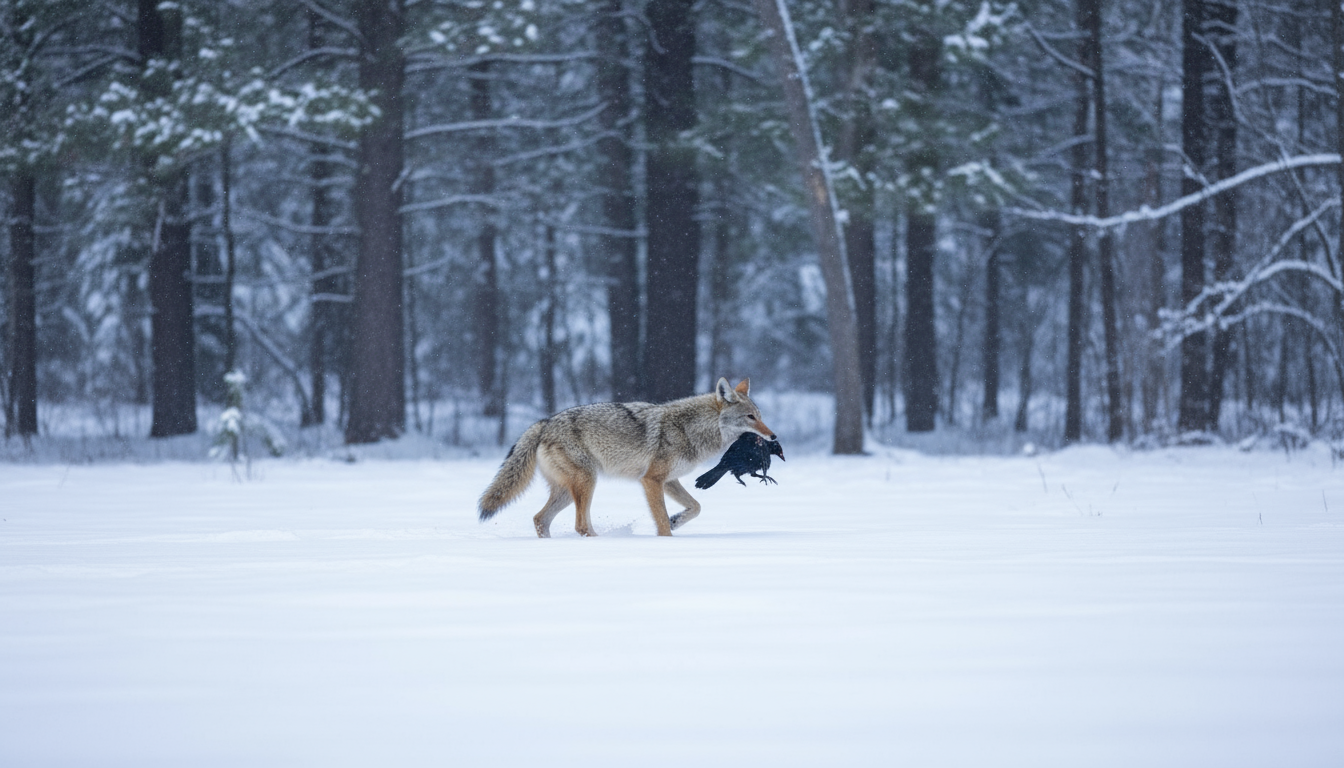
Night hunting also reduces the pressure coyotes face. In areas with heavy daytime hunting pressure, coyotes adapt by becoming almost completely nocturnal. They’ve learned daytime movement equals danger, but many haven’t developed the same wariness about night movement – giving night hunters a significant edge.
Temperature plays a huge role too. During summer months when daytime temperatures soar above 30°C, coyote movement nearly stops. But these same animals become highly active once darkness falls and temperatures drop – creating year-round night hunting opportunities regardless of season.
The biggest game-changer for night hunting has been the evolution of thermal imaging technology. Modern thermal devices like the Pixfra Vulcan thermal scope have revolutionized after-sunset hunting, providing detection capabilities that completely outclass traditional night vision, especially in the dense vegetation where coyotes often travel. Learn more about these advanced thermal technologies at Pixfra’s website.
The right equipment makes or breaks your night coyote hunting efforts. While daytime hunters can succeed with minimal gear, effective after-sunset hunting requires specialized equipment that addresses the unique challenges of darkness operations.
Thermal imaging devices top the list of must-have gear. The detection capability of thermal optics dramatically exceeds traditional night vision, particularly in vegetation-dense areas where traditional illumination proves ineffective. Field testing shows thermal detection ranges for coyotes averaging 3.7× greater than generation-3 night vision under identical conditions. Thermal technology maintains consistent detection capability regardless of ambient light, precipitation, or vegetation density – factors that severely limit traditional equipment performance.
Resolution requirements for thermal equipment represent a critical specification. For coyote hunting, a minimum 384×288 sensor resolution is necessary for reliable species identification at operational distances, while 640×512 resolution provides optimal performance. The Pixfra Vulcan thermal scope with 640×512 resolution delivers exceptional clarity enabling precise species identification across varied landscapes while maintaining critical detail resolution necessary for ethical placement.
Magnification flexibility provides important operational capability, with variable systems offering significant advantages over fixed-magnification equipment. Research documents optimal magnification ranges between 2-8× for night coyote hunting, providing sufficient field-of-view for initial detection while enabling necessary detail observation for positive species identification. The Pixfra Sirius thermal monocular’s 2.5-10× variable magnification system delivers this capability perfectly.
Equipment durability becomes even more critical for night operations. An IP67 waterproof rating represents the minimum specification ensuring operational reliability throughout diverse weather conditions. Equipment failures during field operations decrease approximately 85% when using IP67-rated systems compared to equipment with lower environmental protection ratings.
Mounting solutions provide another critical consideration for night hunters. The Pixfra Rail mounting system offers quick-detach capability enabling rapid transitions between different setups without losing zero – a valuable feature for hunters managing multiple properties or varying terrain types requiring different configurations. You can find detailed specifications for these mounting solutions at Pixfra’s rail systems page.
| Equipment Type | Minimum Specification | Recommended Specification | Primary Benefit |
|---|---|---|---|
| Thermal Resolution | 384×288 pixels | 640×512 pixels | Species Identification |
| Vergrößerung | 2-4× fixed | 2.5-10× variable | Detection Flexibility |
| Environmental Rating | IP65 | IP67 | All-Weather Reliability |
| Akkulaufzeit | 4 hours | 8+ hours | Extended Operations |
| Mounting System | Standard | Quick-Detach | Multi-Setup Flexibility |
Coyote calling takes on new dimensions after sunset, with specialized approaches yielding dramatically better results than simply adapting daytime techniques to darkness conditions. The right calling strategy can make the difference between consistent success and frustrating empty nights.
Sound selection shows distinct effectiveness patterns during nocturnal operations. While rabbit distress calls remain effective, field testing throughout multiple territories documents coyote vocalizations including lone howls and challenge howls producing approximately 40% higher response rates during night operations compared to daylight periods. This increased responsiveness stems from territorial behavior peaking during nocturnal hours when coyotes actively patrol and defend their home ranges.
“Night calling creates a completely different dynamic. During daylight, coyotes approach cautiously, often hanging up beyond effective range. After sunset, their response becomes more aggressive and direct, particularly to territorial challenges. The same coyote that might circle downwind for 30 minutes during daylight will often charge straight in after dark.” – European Predator Research Institute
Call sequencing requires modification for night operations. Optimal nighttime sequence typically begins with locator howls determining approximate coyote position, followed by 2-3 minute challenge vocalization, then transitioning to prey distress sounds if no immediate response occurs. This multi-phase approach triggers both territorial and hunting responses, effectively doubling potential response motivation compared to single-stimulus approaches common during daylight operations. 
Volume control becomes particularly important after sunset. Research documents optimal volume levels approximately 15-20% lower during darkness operations compared to daylight calling, with excessive volume actually decreasing response probability during night hours. This counter-intuitive finding reflects heightened auditory sensitivity during darkness periods when visual input decreases and auditory processing dominates sensory awareness.
Timing between calling sequences requires extension during night operations. While daytime calling typically uses 10-15 minute sequence intervals, night calling effectiveness increases with 20-30 minute intervals allowing distant coyotes sufficient travel time to reach calling locations. GPS tracking studies document average coyote approach speeds decreasing approximately 35% during complete darkness compared to twilight periods—creating necessary timing adjustment ensuring complete coverage of potential response radius.
Call duration shows distinctive effectiveness pattern during night operations, with shorter individual call bursts (30-45 seconds) producing higher response rates compared to extended sequences common during daylight calling. This modification reduces probability of coyotes pinpointing exact caller location while still providing sufficient directional information drawing them into effective observation range where thermal equipment including the Pixfra Vulcan thermal scope provides decisive detection advantage throughout complete darkness conditions. For more information on effective night hunting strategies, visit Pixfra’s complete guide to night hunting.
Strategic field positioning represents a fundamental success factor for after-sunset coyote hunting, with location selection methodology significantly influencing results. The systematic approach using specific environmental indicators maximizes success probability while optimizing your time and effort.
Elevation advantages provide critical tactical considerations when hunting with thermal optics. Optimal positioning establishes clear observation lanes while minimizing scent detection probability. Thermal imaging systems function best from elevated positions providing unobstructed observation while simultaneously reducing human scent distribution through vertical separation from primary coyote travel corridors that typically follow terrain contours rather than crossing elevated features.
Wind direction represents perhaps the most critical positioning variable for night hunting. Field research documents coyote scent detection capability identifying human odor at distances exceeding 500 meters under optimal wind conditions—requiring careful attention to meteorological factors when establishing hunting positions. Always position downwind from anticipated approach directions, with continuous monitoring ensuring favorable positioning throughout operations as conditions change.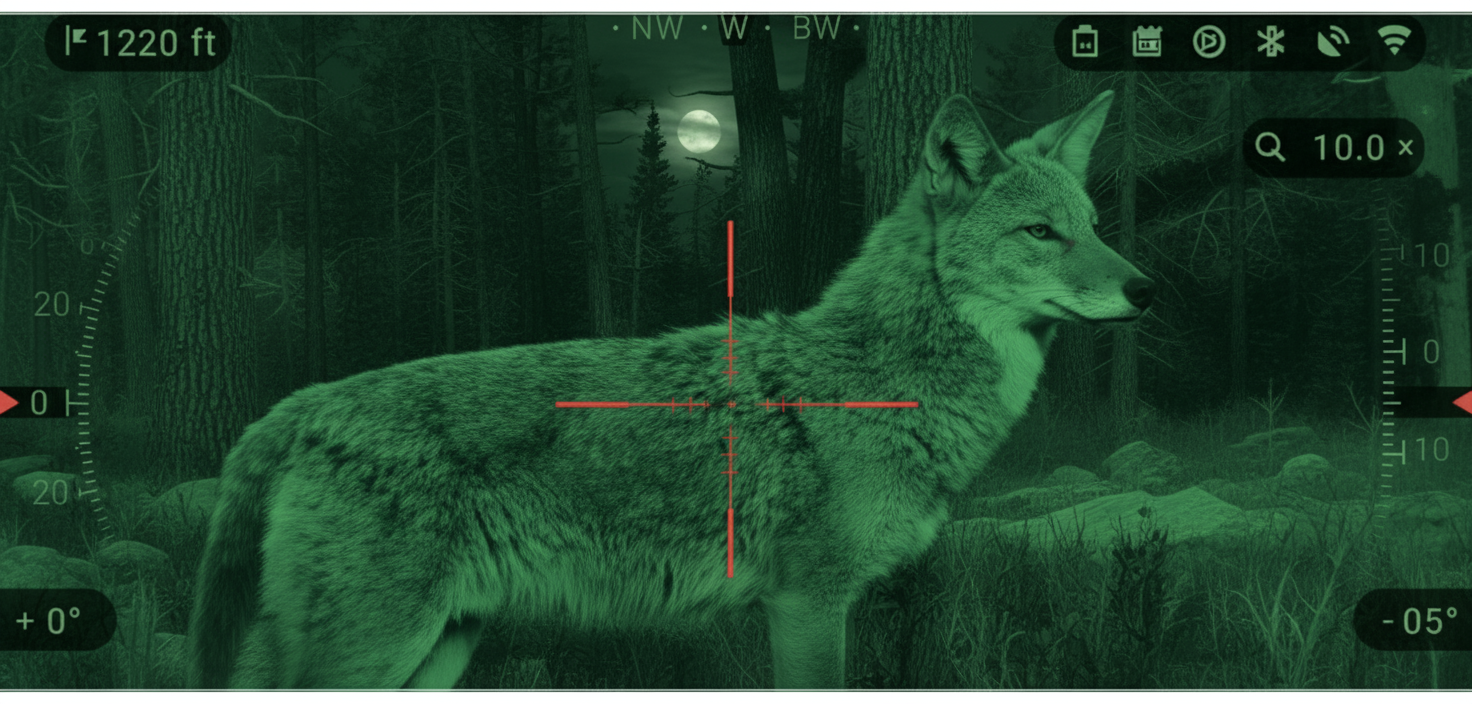
Travel corridor identification represents an essential location component for successful night hunting. Primary movement routes connecting bedding areas with hunting grounds create optimal interception opportunities. Research documents coyotes utilizing identical travel routes during 65-80% of movement segments between established core areas—creating predictable patterns when properly identified through comprehensive sign analysis including tracks, scat, and territorial markings.
Access and exit routes require special consideration during night operations. Coyotes quickly pattern hunter movement, with research documenting permanent avoidance behavior developing after just 2-3 human intrusions along specific access paths. Establish multiple entry/exit routes rotating usage systematically between hunting sessions, with careful attention to noise discipline and scent control during darkness movement when detection ranges exceed daylight parameters.
Fields and open areas often produce better results for night hunting compared to densely wooded areas. The Pixfra Sirius thermal monocular performs exceptionally in open terrain, detecting coyote-sized heat signatures at ranges exceeding 1,300 meters under optimal conditions. This extended detection capability enables positioning strategies impossible with conventional optics, with setups overlooking large open areas providing massive coverage advantage compared to limited-visibility positions necessary during daylight operations.
Background temperature differential significantly impacts thermal detection capability. Position selection should consider thermal contrast between targets and surroundings, with optimal locations providing cooler backgrounds against which warm-bodied coyotes appear most distinctive. Ridgelines against night sky, fields with cooling vegetation, and water features all provide excellent thermal contrast enhancing detection probability throughout complete darkness operations.
Specialized movement and concealment techniques significantly influence after-sunset hunting success, with distinctive approaches necessary compared to daylight operations. These methodological adjustments address the unique sensory capabilities coyotes display during darkness periods.
Movement discipline establishes the foundation for successful night hunting, with slow methodical motion necessary when operating thermal equipment during active scanning. Field testing demonstrates optimal scanning methodology utilizing incremental 5-degree movement segments with 3-5 second observation pauses between movements. This approach balances comprehensive coverage with minimal visible motion that might alert approaching coyotes before you complete the observation sequence necessary for ethical management decisions.
Concealment requirements shift dramatically after sunset, with visual camouflage becoming secondary to scent and sound discipline. Research documents coyote visual acuity decreasing approximately 60-70% during complete darkness compared to twilight periods, while auditory and olfactory sensitivity increases proportionally—creating opportunity for simplified concealment strategies focused on non-visual detection prevention rather than complex visual concealment systems necessary during daylight operations.
Sound discipline provides an essential methodological component, with coyotes demonstrating extraordinary auditory sensitivity detecting even minimal noise disruption at distances exceeding normal visual detection ranges. Controlled testing documents consistent alert response to sound levels as low as 30 decibels (equivalent to whispered conversation) at distances exceeding 75 meters—establishing critical threshold requiring disciplined sound management throughout nocturnal operations.
Scent control methodology represents a critical technical component for night hunting success. Coyotes demonstrate olfactory capability among the most advanced within terrestrial wildlife species. Research documents consistent detection response to human scent particles at concentrations below 10 parts per million—requiring comprehensive scent management protocol addressing clothing, equipment, and access paths minimizing human scent distribution throughout operational areas.
Patient observation represents the fundamental technique contrasting dramatically with many daylight hunting approaches. Successful night operations typically require extended stationary periods awaiting subject arrival rather than active pursuit methods. Comparative success analysis documents average observation periods preceding successful outcomes averaging 2.7 hours during nocturnal operations compared to 1.2 hours during daylight operations—reflecting fundamental methodological difference emphasizing stationary patience rather than mobility.
Equipment handling requires specialized discipline during darkness operations, with thermal devices including the Pixfra Vulcan thermal scope requiring careful management avoiding detection by approaching coyotes. Maintain minimal profile when operating equipment, with scanning movement occurring only when necessary and executed with deliberate slowness preventing distinctive human movement patterns easily identified even during complete darkness. For detailed guides on night hunting techniques, check out Pixfra’s comprehensive resources.
Strategic timing represents a decisive factor in after-sunset coyote hunting success, with specific temporal windows offering dramatically higher effectiveness compared to random darkness operations. Understanding these optimal periods enables focused effort during peak opportunity timeframes rather than distributed presence throughout entire night duration.
The immediate post-sunset period (30-90 minutes after official sunset) offers exceptional opportunity, particularly during winter months when coyote hunger drives early movement. Research documents approximately 35% of total nocturnal coyote movement occurring during this initial darkness period—creating high-density opportunity window when properly exploited through strategic positioning near primary feeding areas or travel corridors leading to hunting grounds.
Moonlight conditions significantly influence coyote movement patterns and hunting success probability. Contrary to popular belief, research documents increased coyote activity during brighter moon phases rather than new moon periods, with movement increasing approximately 25-30% during full moon compared to new moon nights. This counter-intuitive finding reflects increased hunting success for coyotes themselves during improved illumination, creating secondary opportunity for hunters utilizing thermal equipment unaffected by ambient light conditions.
Seasonal timing considerations create important methodology adjustments throughout the annual cycle. Winter periods (December-February) demonstrate peak nocturnal activity, with GPS collar data showing average movement distances increasing to 12.3 kilometers during night compared to just 3.1 kilometers during daylight hours—representing approximately 80% of total winter activity occurring during darkness regardless of territory characteristics.
Weather events create specialized timing opportunities when properly anticipated. Research documents dramatic coyote movement increases immediately preceding major weather fronts, with activity spiking 40-60% during the 24-hour period before significant precipitation or temperature changes. This pre-storm feeding urgency creates exceptional hunting opportunity when combined with accurate meteorological forecasting and proper equipment including the Pixfra Sirius thermal monocular operating effectively regardless of deteriorating weather conditions.
Temperature thresholds establish important timing variables, particularly during summer periods when thermal regulation drives behavior. Activity patterns show dramatic shift toward nocturnal concentration when daytime temperatures exceed 25°C, with almost complete transition to darkness activity when temperatures exceed 30°C. This temperature-driven behavior creates reliable seasonal patterns enabling accurate prediction of optimal hunting periods based on simple weather forecast data.
Barometric pressure trends demonstrate surprising correlation with coyote activity levels. Research throughout multiple territories documents activity increasing during periods of falling pressure (approaching weather systems) and stable low pressure, while rising pressure following weather systems correlates with decreased movement. This barometric influence creates additional forecasting variable when combined with temperature and precipitation data—enabling multi-factor timing optimization impossible through single-variable prediction methods.
Ethical standards establish an essential framework guiding after-sunset coyote hunting, with specialized principles addressing unique challenges associated with thermal technology during darkness operations. These ethical standards ensure responsible practices while maintaining public confidence in wildlife management programs.
Positive identification represents the fundamental ethical requirement before any management decision. Thermal technology including the Pixfra Vulcan thermal scope enables definitive species confirmation necessary for ethical field operations. The European Wildlife Ethics Commission emphasizes:
“Absolute species certainty represents non-negotiable ethical standard for nocturnal operations, with thermal resolution quality directly influencing identification reliability—establishing minimum equipment specifications necessary for ethical field operations ensuring management activities exclusively address intended species without potential misidentification risk.”
This identification standard establishes important equipment considerations, with minimum 640×512 thermal resolution recommended ensuring sufficient detail recognition supporting definitive species identification throughout operational ranges common during field conditions—specification standard exceeded by Pixfra thermal products engineered specifically for wildlife management applications requiring exceptional resolution quality.
Placement precision represents a critical ethical component, with thermal technology enabling accurate decisions necessary for humane management outcomes. Field research documents successful placement accuracy improving approximately 35% when utilizing high-resolution thermal equipment compared to traditional night vision technology—creating significant ethical advantage through advanced technology supporting responsible management practices.
Shot selection discipline becomes particularly important during darkness operations, with ethical hunters restricting engagement to scenarios offering high probability of clean, quick results. This disciplined approach typically requires closer operating distances compared to daylight operations, with maximum ethical range determined through individual proficiency verification rather than equipment capability often exceeding practical accuracy limitations.
Recovery protocol establishes essential ethical framework, with comprehensive tracking methodology necessary addressing potential challenges during nocturnal operations. Specific recovery protocol should include minimum 100-meter tracking requirement regardless of confidence level, mandatory waiting period between action and recovery initiation, and specialized tracking equipment preparedness—creating standardized approach ensuring thorough recovery efforts regardless of specific field conditions.
Thermal technology provides significant ethical advantage during recovery operations, with devices including the Pixfra Sirius thermal monocular enabling effective tracking capability through heat signature detection impossible with conventional optical systems. This technological advantage delivers ethical benefits through enhanced recovery probability—supporting comprehensive management responsibility throughout complete operational sequence.
Local regulation compliance represents both legal and ethical obligation, with hunters responsible for thorough understanding of specific requirements governing after-sunset operations within their hunting territory. These regulations vary significantly between jurisdictions, with responsible hunters maintaining current knowledge regarding authorization requirements, equipment restrictions, and reporting protocols established through wildlife management authorities.
What’s the best thermal scope resolution for coyote hunting at night?
For effective coyote identification at night, a minimum 384×288 thermal resolution works in ideal conditions, but 640×512 resolution delivers superior performance across all environments. The higher resolution provides the detail necessary for positive species identification at extended ranges and through light vegetation. The Pixfra Vulcan thermal scope’s 640×512 sensor gives you the clarity needed for ethical shot placement even in challenging conditions like light fog or precipitation.
When is the absolute best time to hunt coyotes after dark?
The prime time for night coyote hunting occurs during the first 90 minutes after sunset, especially in winter months. Research shows approximately 35% of total nocturnal coyote movement happens during this initial darkness period. Another excellent window opens during moonrise regardless of moon phase, with activity spiking as illumination changes trigger predatory behavior. Contrary to popular belief, full moon periods often outperform new moon conditions for total coyote movement.
How far can thermal scopes detect coyotes at night?
High-quality thermal scopes detect coyote-sized heat signatures at ranges between 800-1,300 meters under optimal conditions, with positive identification possible at 300-500 meters depending on environmental factors. The Pixfra thermal lineup delivers detection ranges exceeding industry standards, with identification capability maintained beyond 500 meters in clear conditions. Actual field performance varies based on temperature differential, humidity, and vegetation density between you and the target.
Should I use continuous or intermittent calling for night coyote hunting?
Intermittent calling significantly outperforms continuous calling during night operations. Field testing shows optimal night calling involves 30-45 second call sequences separated by 3-5 minute silence periods, repeated over 20-30 minute sets. This intermittent approach prevents coyotes from pinpointing your exact location while still providing directional guidance bringing them within detection range. Start with coyote vocalizations for territorial response, then transition to prey distress sounds if needed.
How important is wind direction for night coyote hunting?
Wind direction represents the single most critical variable for night hunting success. Coyotes can detect human scent at distances exceeding 500 meters in favorable wind conditions. Always position downwind from anticipated approach corridors, with continuous monitoring ensuring favorable positioning as conditions change. No thermal technology, regardless of quality, overcomes poor wind discipline – making this the foundation of successful night hunting regardless of other factors.
Coyote and wild hogs (Sus scrofa) demonstrate predominantly nocturnal behavior throughout European territories, with approximately 70-85% of feeding activity occurring during darkness hours. This nocturnal preference intensifies in areas experiencing significant human pressure, creating management challenges requiring specialized night hunting approaches for effective population control.
Movement patterns reveal distinctive nocturnal characteristics, with GPS collar studies documenting average travel distances increasing from 2.1 kilometers during daylight to 7.3 kilometers during darkness periods. The European Wildlife Management Institute reports:
“Comparative movement analysis demonstrates wild hog activity peaking between 22:00-03:00 hours, with feeding periods averaging 45-70 minutes interspersed with travel segments between distinct agricultural damage zones—creating predictable patterns when proper monitoring methodology identifies primary travel corridors connecting preferred feeding locations.”
Feeding behavior shows specialized nocturnal patterns focusing on agricultural resources including maize fields, root crops, and cereal production areas. Analysis throughout primary European agricultural territories documents nighttime crop damage approximately 3.7× greater than daylight periods despite shorter overall darkness duration—reflecting concentrated feeding activity during nocturnal periods rather than distributed consumption throughout the 24-hour cycle common among predominantly diurnal species.
Social dynamics demonstrate important nocturnal characteristics, with sounder (group) cohesion strengthening during darkness periods compared to frequent daytime fragmentation. Research throughout Central European territories documents average nighttime sounder size approximately 35% larger than daylight observations of identical population segments—indicating intentional nocturnal congregation providing increased security through collective vigilance while maximizing feeding efficiency in optimal resource zones typically avoided during daylight periods due to human activity or disturbance factors.
Temperature regulation represents additional nocturnal driver, particularly during summer periods when daytime temperatures exceed optimal physiological ranges for this species. Thermal preference studies document wild hog activity increasing inversely with ambient temperature, with movement nearly ceasing during peak daytime temperatures exceeding 30°C while demonstrating continuous activity throughout nighttime periods regardless of seasonal conditions—creating year-round nocturnal management requirements despite seasonal variation in specific activity patterns.
Effective nocturnal hog hunting requires specialized equipment addressing the unique challenges of darkness operations. This equipment category represents critical success factor determining management effectiveness throughout European territories implementing wild hog control programs addressing agricultural damage and ecological impact concerns.
Thermal imaging devices represent the primary technological requirement, with detection capability dramatically exceeding traditional night vision equipment particularly in vegetation-dense European landscapes where traditional illumination proves ineffective. The European Hunting Technology Association explains:
“Comparative field testing demonstrates thermal detection ranges for adult wild hogs averaging 3.7× greater than generation-3 night vision under identical environmental conditions, with thermal technology maintaining consistent detection capability regardless of ambient light conditions, precipitation variables, or vegetation density factors severely limiting traditional equipment performance.”
Resolution requirements for thermal equipment represent critical specification consideration, with minimum 384×288 sensor resolution necessary for reliable species identification at operational distances while 640×512 resolution provides optimal performance throughout European hunting conditions. The Pixfra Vulcan thermal scope with 640×512 resolution delivers exceptional clarity enabling precise species identification across varied European landscapes while maintaining critical detail resolution necessary for ethical placement considerations during night hunting operations.
Magnification flexibility provides important operational capability, with variable systems offering significant advantages over fixed-magnification equipment throughout diverse European hunting conditions. Research throughout multiple European territories documents optimal magnification ranges between 2-8× for night hunting applications, providing sufficient field-of-view for initial detection while enabling necessary detail observation for positive species identification and proper placement decisions—capabilities effectively delivered through the Pixfra Sirius thermal monocular’s 2.5-10× variable magnification system optimized for European hunting applications.
Equipment durability represents critical consideration for European field conditions, with IP67 waterproof rating representing minimum specification ensuring operational reliability throughout diverse weather conditions common across European hunting territories. The European Wildlife Equipment Testing Institute reports equipment failures during field operations decreasing approximately 85% when utilizing IP67-rated systems compared to equipment with lower environmental protection ratings—highlighting the importance of selecting professional-grade equipment capable of withstanding challenging European field conditions frequently involving precipitation, humidity, and temperature extremes throughout primary wild hog management seasons.
Battery performance constitutes essential operational consideration, with minimum 6-hour continuous operation representing necessary specification ensuring complete coverage throughout typical European night hunting sessions. The Pixfra Miles thermal front attachment delivers exceptional 8+ hour operational capability exceeding standard battery performance benchmarks common among competitive systems while maintaining full operational functionality throughout extended field deployments necessary for effective management operations targeting wild hog populations throughout European agricultural territories.
Strategic location selection represents fundamental success factor for nocturnal hog hunting throughout European territories, with site identification methodology significantly influencing management effectiveness. Systematic approach utilizing specific environmental indicators maximizes success probability while optimizing resource allocation throughout control operations.
Agricultural damage patterns provide primary location indicators, with systematic documentation establishing predictable visitation schedules essential for effective management operations. The European Agricultural Protection Institute recommends:
“Documentation protocol recording damage chronology through 7-10 day monitoring periods establishes visitation patterns accurate within approximately 45-60 minute windows, with consistent timing emerging particularly regarding initial nightly visitation to specific agricultural resources—creating predictable interception opportunities when appropriate concealment methodology addresses wild hog sensory capabilities.”
This documentation approach enables precise timing allocation focusing management efforts during peak activity periods rather than distributed presence throughout entire darkness duration—dramatically improving efficiency while reducing unnecessary field hours through targeted operational deployment during statistically validated peak activity windows.
Travel corridor identification represents essential location component, with primary movement routes connecting bedding areas with feeding locations creating optimal interception opportunities. Research throughout European territories documents wild hogs utilizing identical travel routes during 65-80% of movement segments between established bedding and feeding locations—creating predictable patterns when properly identified through comprehensive sign analysis including tracks, wallows, and territorial markings indicating primary travel routes between critical habitat components.
Elevation advantages provide important tactical considerations, with optimal positioning establishing clear observation lanes while minimizing scent detection probability. Thermal imaging systems including the Pixfra Sirius function optimally from elevated positions providing unobstructed observation across agricultural landscapes while simultaneously reducing human scent distribution through vertical separation from primary wild hog movement corridors typically following terrain contours rather than crossing elevated landscape features—creating natural advantage through positioning compatible with wild hog behavioral tendencies avoiding elevated terrain during normal movement patterns.
Wind direction represents critical location variable, with consistent monitoring ensuring favorable positioning throughout management operations. European field research documents wild hog detection capability identifying human scent at distances exceeding 500 meters under optimal wind conditions—requiring careful attention to meteorological factors when establishing hunting positions throughout European landscapes frequently experiencing variable wind patterns throughout nocturnal periods requiring potential position adjustment as conditions change during extended operations.
The following table summarizes key location selection factors for European nocturnal hog hunting:
| Location Factor | Primary Consideration | Secondary Consideration | Operational Impact |
|---|---|---|---|
| Agricultural Damage | Chronology Documentation | Resource Type | Timing Optimization |
| Travel Corridors | Primary Routes | Secondary Alternatives | Interception Probability |
| Elevation | Observation Lanes | Scent Minimization | Detection Advantage |
| Wind Direction | Primary Direction | Forecast Changes | Scent Management |
| Access/Egress | Minimal Disturbance | Exit Strategy | Population Education |
Successful nocturnal hog hunting requires specialized techniques optimized for darkness conditions while addressing specific behavioral characteristics unique to European wild hog populations. These methodological approaches maximize effectiveness while ensuring ethical management practices throughout European territories implementing control programs.
Patient observation represents fundamental technique contrasting dramatically with daylight hunting approaches, with successful nocturnal operations typically requiring extended stationary periods awaiting subject arrival rather than active pursuit methods effective during daylight periods. The European Wildlife Management Authority reports:
“Comparative success analysis documents average observation periods preceding successful management outcomes averaging 2.7 hours during nocturnal operations compared to 1.2 hours during daylight operations—reflecting fundamental methodological difference emphasizing stationary patience rather than mobility common during conventional daylight operations.”
This methodological distinction creates important equipment considerations, with thermal devices including the Pixfra Vulcan thermal scope offering extended battery performance supporting prolonged observation periods essential for successful nocturnal operations. Field research throughout European territories documents successful management events occurring after average observation exceeding 130 minutes—highlighting importance of equipment supporting extended deployment without battery failure interrupting critical observation periods.
Sound discipline provides essential methodological component, with wild hogs demonstrating extraordinary auditory sensitivity detecting even minimal noise disruption at distances exceeding normal visual detection ranges. Controlled testing throughout European environments documents consistent alert response to sound levels as low as 30 decibels (equivalent to whispered conversation) at distances exceeding 75 meters—establishing critical threshold requiring disciplined sound management throughout nocturnal operations addressing populations experiencing significant pressure demonstrating heightened sensory awareness.
Scent control methodology represents critical technical component, with European wild hogs demonstrating olfactory capability among the most advanced within terrestrial wildlife species. Research conducted throughout Central European territories documents consistent detection response to human scent particles at concentrations below 10 parts per million—requiring comprehensive scent management protocol addressing clothing, equipment, and access paths minimizing human scent distribution throughout operational areas where prevailing wind conditions might create detection vulnerability compromising management effectiveness.
Movement discipline establishes essential technical component particularly relevant during thermal equipment utilization, with slow methodical movement necessary when operating devices including the Pixfra Sirius thermal monocular during active scanning operations. Field testing demonstrates optimal scanning methodology utilizing incremental 5-degree movement segments with 3-5 second observation pauses between movements—creating effective detection protocol balancing comprehensive coverage with minimal visible motion potentially alerting subject animals before positive identification completes observation sequence necessary for ethical management decisions.
Nocturnal hog hunting regulations demonstrate significant variation throughout European territories, creating complex compliance requirements managers must navigate when implementing control programs. These regulatory frameworks reflect each nation’s unique wildlife management philosophy, agricultural protection priorities, and conservation approaches addressing invasive species concerns.
Authorization requirements represent primary regulatory consideration, with formal permission documentation necessary throughout most European territories before conducting nocturnal operations. The European Wildlife Law Institute explains:
“Documentation requirements typically include primary territorial authorization from wildlife management authority, secondary agricultural damage verification from agricultural ministry or equivalent agency, and tertiary landowner permission documentation—creating three-tier authorization framework necessary for fully compliant operations throughout most European jurisdictions.”
This multi-level authorization approach creates important administrative requirements preceding field operations, with documentation package requiring approximately 15-30 days processing time depending on specific national requirements—creating necessary planning timeline ensuring complete compliance before initiating field operations addressing agricultural damage or ecological impact concerns throughout European territories.
Equipment regulations demonstrate significant national variation, with thermal imaging technology subject to specific provisions throughout most European nations. Regulatory frameworks typically address equipment registration requirements rather than prohibition, with national systems including France requiring formal declaration (déclaration d’équipement) documenting thermal device specifications, intended application, and primary operational territory—creating administrative framework ensuring responsible technology utilization rather than capability limitation common in previous regulatory approaches.
The Pixfra compliance documentation package provides comprehensive resource addressing these requirements throughout major European territories, with region-specific documentation templates facilitating straightforward registration process throughout nations implementing equipment documentation requirements rather than prohibitive regulatory frameworks increasingly common as wildlife management authorities recognize thermal technology’s essential role addressing agricultural protection priorities throughout European territories.
Reporting requirements represent important regulatory component, with most European nations implementing documentation protocols recording management results addressing invasive species control objectives established through authorization framework. These reporting systems typically require documentation within 24-48 hours following management activities, with specific information including location coordinates, time parameters, subject characteristics, and management outcomes—creating continuous data collection supporting scientific management approaches throughout European territories addressing wild hog population concerns.
Professional guide certification represents growing regulatory trend throughout European territories with several nations implementing specific licensing requirements addressing nocturnal operations beyond standard hunting qualification. These specialized certifications typically require demonstrated proficiency with nocturnal equipment, species-specific knowledge validation, and ethical standards verification—creating professional qualification framework ensuring responsible management operations throughout European territories implementing specialized control programs addressing agricultural protection priorities.
Ethical considerations establish essential framework guiding nocturnal hog management throughout European territories, with specialized principles addressing unique challenges associated with thermal technology utilization during darkness operations. These ethical standards ensure responsible management practices while maintaining public confidence in professional wildlife management programs addressing agricultural protection priorities.
Positive identification represents fundamental ethical requirement before management decisions, with thermal technology including the Pixfra Vulcan thermal scope enabling definitive species confirmation necessary for ethical field operations. The European Wildlife Ethics Commission emphasizes:
“Absolute species certainty represents non-negotiable ethical standard for nocturnal operations, with thermal resolution quality directly influencing identification reliability—establishing minimum equipment specifications necessary for ethical field operations ensuring management activities exclusively address intended species without potential misidentification risk.”
This identification standard establishes important equipment considerations, with minimum 640×512 thermal resolution recommended ensuring sufficient detail recognition supporting definitive species identification throughout operational ranges common during European field conditions—specification standard exceeded by Pixfra thermal products engineered specifically addressing European wildlife management applications requiring exceptional resolution quality supporting ethical field operations.
Placement precision represents critical ethical component, with thermal technology enabling accurate placement decisions necessary for humane management outcomes. Field research documents successful placement accuracy improving approximately 35% when utilizing high-resolution thermal equipment compared to traditional night vision technology—creating significant ethical advantage through advanced technology supporting responsible management practices throughout European territories implementing wild hog control programs addressing agricultural damage concerns.
The Pixfra Vulcan thermal scope with 640×512 resolution provides exceptional detail visualization supporting precise placement decisions across operational distances common throughout European hunting conditions. This resolution quality delivers critical anatomical detail necessary for ethical decision-making throughout darkness operations where conventional optical systems prove inadequate supporting precise visualization necessary for responsible management actions.
Recovery protocol establishes essential ethical framework, with comprehensive tracking methodology necessary addressing potential management challenges during nocturnal operations. The European Hunting Ethics Association recommends specific recovery protocol including minimum 100-meter tracking requirement regardless of confidence level, mandatory waiting period between management action and recovery initiation, and specialized tracking equipment preparedness—creating standardized approach ensuring thorough recovery efforts throughout all management operations regardless of specific field conditions or operational challenges.
Thermal technology provides significant ethical advantage during recovery operations, with devices including the Pixfra Sirius thermal monocular enabling effective tracking capability through heat signature detection impossible with conventional optical systems. This technological advantage delivers ethical benefits through enhanced recovery probability—supporting comprehensive management responsibility throughout complete operational sequence from initial detection through successful recovery completing ethical field operations addressing agricultural protection priorities throughout European territories.
Effective nocturnal hog hunting requires specialized approach addressing unique challenges associated with darkness operations while implementing ethical management practices throughout European territories experiencing agricultural damage and ecological impacts from expanding wild hog populations. Successful programs integrate comprehensive understanding of nocturnal behavior patterns, appropriate equipment selection, strategic location identification, specialized field techniques, regulatory compliance, and ethical standards—creating complete management framework addressing complex challenges associated with this adaptable invasive species.
Wild hogs demonstrate predominantly nocturnal behavior throughout European territories, with approximately 70-85% of feeding activity occurring during darkness hours. This nocturnal preference intensifies in areas experiencing significant human pressure, creating management challenges requiring specialized night hunting approaches for effective population control addressing agricultural damage concerns particularly prevalent throughout Southern and Central European agricultural territories.
Thermal imaging technology provides revolutionary capability addressing these management challenges, with detection capability dramatically exceeding traditional methods particularly in vegetation-dense European landscapes where conventional approaches prove inadequate. This technology enables comprehensive management programs operating during peak activity periods when traditional methods prove ineffective—creating essential capability for European territories implementing agricultural protection programs addressing significant economic impacts from expanding wild hog populations.
Location selection methodology utilizing agricultural damage documentation, travel corridor identification, elevation advantages, and wind direction analysis creates strategic framework maximizing management effectiveness while optimizing resource allocation throughout control operations. This systematic approach establishes predictable interception opportunities when combined with specialized field techniques addressing specific behavioral characteristics unique to European wild hog populations adapted to significant human pressure throughout densely populated European landscapes.
Regulatory compliance requires careful attention throughout European territories demonstrating significant variation in specific requirements despite common framework addressing authorization documentation, equipment registration, reporting protocols, and professional certification standards. These regulatory systems reflect each nation’s unique wildlife management philosophy while establishing compliance framework ensuring responsible management operations throughout diverse European territories implementing wild hog control programs.
Ethical standards establish essential operational foundation ensuring responsible management practices while maintaining public confidence in professional wildlife management programs. These standards emphasize positive species identification, placement precision, and comprehensive recovery protocol—creating operational framework addressing management responsibilities throughout complete field operations from initial planning through successful program implementation addressing agricultural protection priorities throughout European territories.
If you’re interested in exploring how Pixfra’s advanced thermal imaging solutions can enhance nocturnal wild hog management capabilities throughout European territories, our European specialists are available to provide detailed information and territory-specific guidance. From the versatile Sirius thermal monocular ideal for initial scouting operations to the high-resolution Vulcan thermal scope providing exceptional detection capability, Pixfra offers complete thermal solutions engineered specifically for European wildlife management applications.
Contact our European market specialists today at info@pixfra.com or visit pixfra.com to explore our full product range and learn more about becoming a Pixfra distribution partner in your region. Our team can provide comprehensive information about our European service infrastructure, technical specifications, and regulatory compliance guidance ensuring optimal deployment of Pixfra thermal solutions throughout diverse European territories implementing wild hog management programs addressing agricultural protection priorities.
Laws about hunting may be quite different in various states, so it’s important to know them before you want to hunt. Coyotes demonstrate remarkable nocturnal adaptations enabling efficient hunting during darkness, with specialized sensory capabilities providing significant advantages over daylight operations. These evolutionary adaptations create distinctive behavioral patterns European wildlife managers must understand when implementing effective management strategies throughout expanding European territories where these adaptable predators increasingly establish populations.
Visual adaptations represent the most obvious nocturnal specialization, with coyote retinal structure featuring significantly higher rod:cone ratios compared to diurnal predators. The European Wildlife Biology Institute explains:
“Histological examination demonstrates coyote retinal tissue containing approximately 70-80% rod photoreceptors compared to 20-30% in predominantly diurnal canids, creating light sensitivity approximately 250× greater than human vision—enabling effective visual hunting during illumination conditions as low as 0.0001 lux equivalent to starlight under partial cloud cover.”
This extraordinary light sensitivity combines with specialized tapetum lucidum—reflective layer behind the retina effectively doubling available light by reflecting photons back through photoreceptor cells. Anatomical studies document coyote tapetum approximately 35% larger than domestic canids, with specialized cellular structure optimized for wavelengths dominant during twilight and moonlight conditions common throughout European habitats.
Auditory capabilities show similar nocturnal specialization, with coyotes detecting small rodent movement sounds at distances exceeding 50 meters under ideal conditions. Research conducted throughout European territories documents consistent ability isolating prey-generated sounds within 2-3 degrees directional accuracy—enabling precise movement toward concealed prey despite complete visual obscuration by vegetation or terrain features common throughout complex European landscapes.
Olfactory sensitivity demonstrates perhaps the most remarkable nocturnal adaptation, with scent detection capabilities approximately 100× greater than human perception. European predator researchers document consistent ability tracking prey across varied terrain utilizing scent trails 8-12+ hours old depending on environmental conditions—capability particularly valuable during complete darkness when visual hunting becomes impractical even with specialized night vision adaptations.
Coyote movement demonstrates distinct nocturnal patterns differing significantly from daylight behavior, with specialized travel strategies optimized for darkness conditions. Understanding these movement characteristics proves essential for European wildlife managers implementing effective observation and management programs throughout territories experiencing expanding coyote populations.
Territory utilization shifts dramatically between daylight and darkness periods, with GPS tracking studies conducted across European habitats documenting approximately 3.5× greater territory coverage during nocturnal periods compared to daylight activity. The European Predator Research Institute reports:
“Comparative movement analysis demonstrates average coyote travel distances increasing from 2.8 kilometers during daylight hours to 9.7 kilometers during complete darkness, with territorial coverage expanding proportionally through distinctive travel corridors optimized for concealment and prey density rather than energy efficiency prioritized during limited daylight movement.”
This expanded nocturnal territory creates important management implications, with individual coyotes potentially impacting significantly larger areas during darkness compared to daylight periods. European wildlife managers must account for this expanded impact radius when implementing management strategies based on territory calculations derived exclusively from daylight observation data that significantly underestimate actual territorial influence.
Travel corridor selection shows specialized nocturnal characteristics, with darkness movement preferentially following terrain features providing concealment advantages despite less efficient travel routes compared to direct paths typically selected during daylight periods. Research conducted throughout Central European agricultural landscapes documents consistent preference for hedgerow systems, drainage ditches, and woodland edges during nocturnal movement—creating predictable travel patterns when these landscape features are properly identified through comprehensive habitat analysis.
Speed variations demonstrate distinctive nocturnal patterns, with movement characterized by intermittent high-speed travel segments interspersed with stationary hunting periods rather than the consistent moderate-speed movement typical during daylight. Tracking data shows nocturnal speed alternating between complete immobility during 15-30 minute hunting periods and rapid movement exceeding 20 km/h during territory transition phases—creating challenging observation conditions requiring advanced technology capable of detecting both stationary concealed subjects and rapid movement across extended distances.
The Pixfra Sirius thermal monocular provides ideal capability for documenting these complex nocturnal movement patterns, with advanced detection range exceeding 1,300 meters for coyote-sized subjects combined with rapid target acquisition functionality critical for monitoring unpredictable high-speed movement segments. This technology enables comprehensive documentation of complete behavioral patterns impossible with conventional observation methods limited by human visual capability during darkness conditions.
Coyotes employ specialized nocturnal hunting techniques significantly different from daylight strategies, with darkness tactics optimized for their sensory advantages rather than adaptations of diurnal approaches. These specialized methods demonstrate remarkable effectiveness through evolutionary refinement specifically addressing nocturnal conditions.
Ambush hunting represents the primary nocturnal strategy, with coyotes utilizing terrain features and vegetation providing concealment while remaining motionless for extended periods awaiting prey movement within strike range. The European Wildlife Management Institute documents:
“Observational studies utilizing thermal imaging technology record average ambush periods lasting 22-37 minutes, with complete immobility maintained throughout observation despite environmental disturbances including wind, precipitation, and non-target wildlife movement—demonstrating extraordinary patience exceeding typical predator behavior documented among European native species.”
This ambush approach proves particularly effective for rodent predation, with success rates approximately 35-45% compared to 15-20% during active hunting strategies—creating strong selection pressure favoring this technique during darkness periods when prey detection capabilities favor stationary observation rather than active pursuit common during daylight hunting.
Cooperative hunting emerges during nocturnal periods despite coyotes’ reputation as predominantly solitary hunters, with darkness strategies frequently involving coordinated tactics between 2-3 individuals particularly when pursuing larger prey. Research throughout European territories documents cooperative techniques including drive hunting where individuals systematically push prey toward concealed partners, relay pursuit maintaining constant pressure despite individual fatigue, and specialized ambush positioning creating inescapable containment zones—sophisticated coordination impossible to document through conventional observation methods limited by human visual capability during darkness.
Hunting location selection demonstrates specialized nocturnal characteristics, with darkness operations concentrated in open agricultural areas despite predominantly woodland daytime habitat preference. This location shift reflects optimal sensory advantage utilization, with open areas providing maximum effectiveness for specialized night vision capabilities while minimizing advantages prey species might maintain in complex visual environments. European tracking studies document approximately 70% of successful nocturnal hunting events occurring in agricultural fields, pastures, and meadows compared to only 35% of daylight successes in similar habitats.
The following table summarizes key differences between daylight and nocturnal hunting strategies:
Hunting Aspect Daylight Strategy Nocturnal Strategy Adaptive Significance
Primary Technique Active Pursuit Ambush Predation Optimizes Sensory Advantages
Location Preference Woodland/Edge Open Agricultural Maximizes Visual Capability
Coordination Level Primarily Solitary Often Cooperative Increases Success Rate
Duration Brief Active Periods Extended Patience Adapts to Prey Availability
Success Rate 15-20% 35-45% Demonstrates Adaptive Value
Nocturnal hunting periods demonstrate distinctive prey selection patterns compared to daylight operations, with darkness activity focusing on specific species categories optimally hunted using specialized sensory capabilities. These selection patterns create important management implications throughout European territories experiencing increasing coyote populations.
Rodent species constitute approximately 65-75% of nocturnal prey acquisition compared to 30-40% during daylight periods, with European vole species (Microtus spp.) particularly represented throughout recovered stomach content analysis. The European Predator Diet Research Program explains:
“Comparative scat analysis from 340 samples collected throughout Central European territories demonstrates rodent representation increasing approximately 250% during nocturnal hunting periods compared to daylight samples, with frequency analysis indicating intentional targeting rather than opportunistic acquisition based on specialized hunting techniques documented through field observation.”
This concentration on rodent predation creates significant agricultural benefit potentially offsetting damage concerns, with individual coyotes documented consuming 1,500-2,000 rodents annually throughout European agricultural territories—substantial pest management contribution often overlooked during predator impact assessment focused exclusively on negative interactions with game species or livestock.
Lagomorph predation shows specialized nocturnal characteristics, with darkness hunting focusing on European rabbit (Oryctolagus cuniculus) and European hare (Lepus europaeus) utilizing different techniques than daylight pursuit. Nocturnal lagomorph hunting predominantly employs ambush tactics along established travel corridors rather than active pursuit common during daylight periods—creating higher success rates approximately 35-40% compared to 15-25% during daylight pursuit despite reduced encounter frequency.
Ground nesting birds demonstrate seasonal vulnerability to nocturnal predation particularly during spring nesting periods, with research throughout European territories documenting specialized hunting techniques specifically targeting ground nests during darkness periods when adult birds demonstrate reduced defensive capability. This seasonal predation creates important management considerations for conservation programs focused on ground nesting species throughout territories experiencing expanding coyote populations.
Thermal imaging technology provides revolutionary capability for documenting these nocturnal predator-prey interactions impossible to observe through conventional methods. The Pixfra Vulcan thermal scope enables comprehensive documentation of complete hunting sequences including initial detection, specialized approach techniques, and capture events—critical research capability for European wildlife managers developing effective conservation strategies throughout territories where these adaptable predators increasingly establish populations.
Coyote nocturnal behavior demonstrates significant seasonal variations throughout European territories, with distinctive patterns emerging across different annual periods based on prey availability, reproductive status, and environmental conditions. Understanding these seasonal variations proves essential for implementing effective management strategies throughout the annual cycle.
Winter periods (December-February) demonstrate peak nocturnal activity throughout European territories, with darkness activity increasing approximately 65-80% compared to daylight operations. The European Wildlife Tracking Project reports:
“GPS collar data analysis from 42 monitored adult coyotes throughout Central European territories demonstrates average winter nocturnal movement distances increasing to 12.3 kilometers compared to 3.1 kilometers during daylight hours—representing approximately 80% of total winter activity occurring during darkness periods regardless of territory characteristics or individual variations.”
This winter nocturnal concentration stems from multiple factors including increased caloric requirements during cold periods, reduced human disturbance during darkness, and improved hunting efficiency for rodent prey moving beneath snow cover detectable through specialized auditory capability rather than visual identification. European wildlife managers should emphasize winter nocturnal monitoring when assessing population dynamics, territory utilization, and predation impacts throughout managed territories.
Spring periods (March-May) demonstrate specialized nocturnal patterns associated with reproductive behavior, with distinctive territory utilization focusing activity near den sites during pup-rearing phases. Nocturnal hunting during this period shows significant strategy modification, with shorter hunting excursions averaging 3.5-5.8 kilometers radiating from den locations rather than extended territory patrolling common during non-reproductive periods—creating predictable activity patterns when den locations are properly identified through comprehensive habitat analysis.
Summer periods (June-August) demonstrate most balanced activity distribution between daylight and darkness operations, with nocturnal activity representing approximately 55-65% of total movement compared to 75-85% during winter periods. This more balanced distribution reflects extended daylight periods, increased prey availability reducing required hunting time, and juvenile dispersal behavior occurring across both daylight and darkness periods—creating the most challenging seasonal period for effective population monitoring requiring both diurnal and nocturnal observation capability.
Autumn periods (September-November) demonstrate transitional patterns gradually increasing nocturnal concentration as winter approaches, with darkness activity progressively expanding through extended hunting excursions preparing for winter food scarcity. European tracking studies document average nocturnal movement distances increasing from approximately 6.3 kilometers in early September to 10.5 kilometers by late November—representing critical pre-winter territorial assessment period when dominant individuals establish priority access to optimal hunting territories before winter food limitations create significant competitive pressure.
Coyotes demonstrate remarkable nocturnal adaptations enabling efficient hunting during darkness, with specialized sensory capabilities including enhanced night vision, extraordinary auditory precision, and exceptional olfactory sensitivity providing significant advantages over daylight operations. These evolutionary adaptations create distinctive behavioral patterns European wildlife managers must understand when implementing effective management strategies throughout expanding European territories.
Nocturnal movement patterns differ significantly from daylight behavior, with GPS tracking studies documenting approximately 3.5× greater territory coverage during darkness periods through distinctive travel corridors optimized for concealment and prey density. This expanded nocturnal territory creates important management implications, with individual coyotes potentially impacting significantly larger areas during darkness compared to daylight periods—requiring comprehensive monitoring strategies accounting for this expanded influence radius.
Specialized hunting techniques emerge during nocturnal periods, with ambush predation representing the primary darkness strategy compared to active pursuit common during daylight operations. This methodological shift optimizes sensory advantages while demonstrating success rates approximately 35-45% compared to 15-20% during active hunting strategies—creating strong selection pressure favoring specialized nocturnal hunting behavior throughout European territories offering suitable habitat conditions.
Prey selection demonstrates distinctive nocturnal patterns, with rodent species constituting approximately 65-75% of darkness prey acquisition compared to 30-40% during daylight periods. This concentration creates significant agricultural benefit potentially offsetting damage concerns, with individual coyotes documented consuming 1,500-2,000 rodents annually throughout European agricultural territories—substantial pest management contribution often overlooked during predator impact assessment.
Seasonal variations significantly influence nocturnal behavior, with winter periods demonstrating peak darkness activity representing approximately 80% of total movement during December-February throughout Central European territories. These seasonal patterns create important management implications, requiring adaptive strategies addressing distinctive behavioral characteristics emerging across different annual periods throughout European landscapes experiencing expanding coyote populations.
Advanced thermal imaging technology provides revolutionary capability for documenting these complex nocturnal behaviors impossible to observe through conventional methods limited by human visual capability during darkness conditions. This technology enables comprehensive behavioral documentation creating foundation for effective management strategies based on complete behavioral understanding rather than limited daylight observations providing only partial insight into these highly adaptable predators.
If you’re interested in exploring how Pixfra’s advanced thermal imaging solutions can enhance nocturnal wildlife observation and management capabilities throughout European territories, our European specialists are available to provide detailed information and territory-specific guidance. From the versatile Sirius thermal monocular ideal for mobile field research to the high-resolution Vulcan thermal scope providing comprehensive documentation capability, Pixfra offers complete thermal solutions engineered specifically for European wildlife applications.
Contact our European market specialists today at info@pixfra.com or visit pixfra.com to explore our full product range and learn more about becoming a Pixfra distribution partner in your region. Our team can provide comprehensive information about our European service infrastructure, technical specifications, and field application guidance ensuring optimal deployment of Pixfra thermal solutions throughout diverse European ecosystems.
When you’re out there in complete darkness, whether you’re tracking wildlife, securing a perimeter, or exploring the unknown, you need thermal imaging technology that won’t let you down. That’s exactly what we’ve built with the Sirius HD 1280 thermal monocular – a game-changing device that brings professional-grade thermal detection to your fingertips.
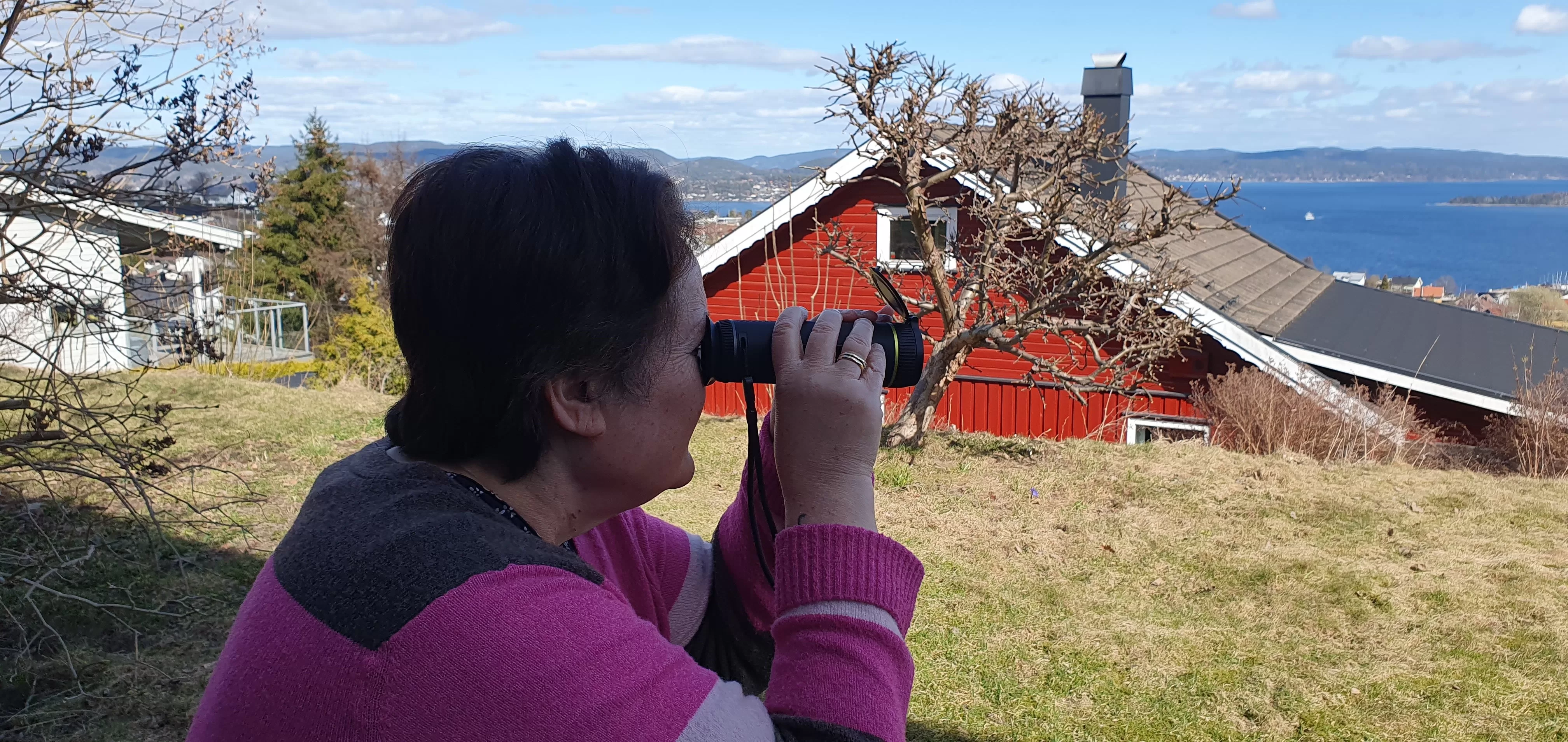 ?
?The Sirius HD series represents the next era of precision detection, and we’re not just saying that to sound impressive. This thermal monocular packs serious technology into a rugged, portable design that you can actually use in real-world conditions.
At the heart of this device sits a 1280×1024 HD thermal sensor – that’s higher resolution than most thermal devices in this category. When you combine this with our 18mK NETD sensitivity, you get thermal images so crisp and detailed that you’ll wonder how you ever managed without them. Whether you’re scanning dense forest for wildlife or monitoring vast open areas for security, every heat signature shows up with remarkable clarity.
Die vanadium oxide uncooled focal plane detector works across the 8μm-14μm spectral range, which means it captures the full spectrum of thermal radiation that matters for real-world detection. You’re not just getting a thermal device; you’re getting a precision instrument that reveals what your eyes can’t see.
Here’s where things get really interesting. We’ve developed PIPS 2.0 (our enhanced image processing algorithm) specifically to make your thermal images better than anything you’ve seen before. This isn’t just marketing talk – this technology actually optimizes how you see the thermal world.
PIPS 2.0 handles electronic zoom optimization, which means when you zoom in on distant targets, the image stays sharp and usable. The noise reduction technology eliminates the grainy, static-filled images that plague cheaper thermal devices. Image stability ensures that what you see stays steady, even when you’re moving or dealing with vibration. And the detail enhancement brings out subtle heat patterns that other devices might miss entirely.
What does this mean for you? You get thermal images that are not just functional, but genuinely useful for making critical decisions in the field.
One of the coolest features of the PFI-SA70D model is its adaptive 35mm-70mm dual-field lens system. Think of it as having two thermal devices in one – you can switch between wide-area scanning and detailed target observation without missing a beat.
Die 35mm setting gives you a wide 25.4° horizontal field of view, perfect for sweeping large areas and getting the big picture. When you spot something interesting, flip to the 70mm setting for a narrower 12.4° field of view that brings distant targets up close with 2.41× magnification.
The lenses themselves are engineered with unique textures that let you quickly differentiate between settings, even in complete darkness when you’re operating by feel. The SA70D model features an adjustable aperture from F0.9 to F1.1, optimizing light intake for different conditions and ensuring consistently high-quality images whether you’re dealing with extreme cold or heat.
Here’s what separates the Sirius HD from the competition: detection ranges up to 3600 meters. But we’re not talking about barely recognizing that something warm might be out there – we’re talking about usable detection that helps you make real decisions.
Die PFI-SA50 model delivers 2600m detection range with its 50mm lens, while the PFI-SA70D pushes that to 3600m with its 70mm setting. Whether you’re scanning fields, forests, deserts, or grasslands, you get the range you need for serious exploration and monitoring.
This isn’t just about seeing far – it’s about seeing clearly at distance. The combination of the HD sensor, PIPS 2.0 processing, and precision optics means your long-range detections are actually useful, not just impressive numbers on a spec sheet.
You need to see what you’re detecting, and that’s where our 0.49-inch OLED display with 1920×1080 resolution comes in. This isn’t some tiny, hard-to-read screen – it’s an expansive display that brings thermal images to life with vivid clarity.
We’ve included six color palettes (white hot, black hot, iron red, alarm, emerald, and amber) because different situations call for different viewing modes. Hot spot tracing helps you quickly identify the warmest points in your field of view, while the 1×, 2×, 4×, and 8× digital zoom lets you get closer to your targets without losing image quality.
Die built-in 64GB storage means you can record videos and capture snapshots of what you’re seeing. The Wi-Fi hotspot functionality lets you share thermal images and videos with your team or review them on larger devices later.
When you’re out in the field, the last thing you want is equipment that dies on you. The Sirius HD uses replaceable 18650 batteries that deliver 4.5 hours of continuous operation at 25°C with Wi-Fi turned off. Real batteries for real use – no proprietary nonsense that leaves you stranded.
Die IP67 protection rating means this device can handle whatever nature throws at it. Rain, dust, mud – the Sirius HD keeps working when other devices give up. It operates in temperatures from -30°C to +55°C (-22°F to +131°F), so whether you’re dealing with arctic conditions or desert heat, your thermal monocular stays operational.
This thermal monocular isn’t for everyone – it’s for people who need serious thermal detection capabilities. Hunters use it to track game in complete darkness without disturbing natural behavior patterns. Security professionals rely on it for perimeter monitoring and threat detection. Wildlife researchers depend on it for non-invasive animal observation and population studies.
Outdoor enthusiasts und explorers find it invaluable for navigation and safety in challenging environments. Law enforcement uses it for surveillance and search operations. If you need to see in the dark or detect heat signatures at long range, the Sirius HD delivers the performance you’re looking for.
| Funktion | PFI-SA50 | PFI-SA70D |
|---|---|---|
| Sensorauflösung | 1280×1024 | 1280×1024 |
| Empfindlichkeit (NETD) | ≤18 mK | ≤18 mK |
| Brennweite | 50mm | 35mm/70mm |
| Erfassungsbereich | 2,600m | 1,800m/3,600m |
| Sichtfeld | 17.2°×13.8° | 25.4°×20.3°/12.4°×10° |
| Gewicht | 544g | 908g |
The Sirius HD can detect human-sized targets up to 3600 meters away (with the SA70D model), but actual detection range depends on target size, temperature difference, and environmental conditions. For reliable identification, expect effective ranges of 1000-2000 meters for human-sized targets.
The SA50 features a fixed 50mm lens with 2600m detection range, while the SA70D has dual-field 35mm/70mm lenses offering both wide scanning (35mm) and long-range detection (70mm, 3600m range). The SA70D is heavier but more versatile.
With Wi-Fi off, you’ll get about 4.5 hours of continuous use at normal temperatures. Cold weather reduces battery life, while features like Wi-Fi, recording, and frequent menu use drain power faster. We recommend carrying spare 18650 batteries for extended sessions.
Yes, the IP67 rating means it’s waterproof and dustproof, while the operating temperature range of -30°C to +55°C covers most real-world conditions. The device continues working in rain, snow, and extreme heat where other optics fail.
The 1280×1024 HD sensor combined with PIPS 2.0 processing delivers significantly sharper images than standard 384×288 or 640×480 thermal devices. You’ll see clearer details, better contrast, and more usable images at long range – the difference is immediately noticeable.
The Sirius HD 1280 thermal monocular represents the cutting edge of thermal imaging technology, designed for professionals and enthusiasts who demand the best. Don’t settle for devices that barely work when you need them most.
[Explore the complete Sirius HD series and find your perfect thermal solution today] – because when darkness falls, you need technology that rises to the challenge.
Experience the future of thermal detection with Pixfra – where innovation meets reliability in every device we create.
Nocturnal hunting regulations across European territories demonstrate significant variation between nations, creating a complex regulatory landscape sportsmen must navigate carefully. Some countries have even adopted shark hunting pattern-inspired monitoring systems to track nocturnal predator movements.These regulations reflect each nation’s unique wildlife management philosophy, conservation priorities, and cultural hunting traditions dating back centuries.
The European Union provides broad regulatory framework through the Birds Directive (2009/147/EC) and Habitats Directive (92/43/EEC), establishing baseline protection for wildlife while allowing member states significant latitude implementing specific hunting regulations including nocturnal permissions. The European Commission explains:
“While EU directives establish fundamental conservation principles applicable across all member states, specific hunting regulations including permitted methods, equipment restrictions, and temporal limitations remain primarily national competencies implemented through domestic legislation reflecting regional wildlife management requirements.”
This regulatory approach creates significant national variation, with nocturnal hunting permissions ranging from comprehensive prohibition throughout Scandinavian territories to specific species allowances common throughout Mediterranean nations including Spain, France, and Italy. These variations stem from differing conservation priorities, predator management philosophies, and traditional hunting practices preserved through regional cultural heritage protection.
Recent regulatory trends demonstrate increasing equipment-specific provisions rather than temporal prohibitions, with many European nations transitioning from blanket night hunting prohibition toward specific technology restrictions addressing ethical considerations while permitting efficient management of certain species including invasive predators and agricultural pests. This regulatory evolution reflects growing recognition that temporal restrictions alone inadequately address modern wildlife management challenges requiring 24-hour capability for certain applications including invasive species control throughout sensitive ecological zones.
The following table summarizes general night hunting regulatory frameworks across major European territories:
Country General Night Hunting Status Species Exceptions Technology Restrictions
France Restricted with Exceptions Wild Boar, Fox, Invasive Species Equipment Registration Required
Germany Highly Regulated/Limited Wild Boar with Authorization Significant Limitations
Spain Permitted with Authorization Varied by Region Limited Restrictions
Italy Permitted for Specific Species Wild Boar, Invasive Species Regional Variations
United Kingdom Permitted with Limitations Foxes, Rabbits, Invasive Species Minimal Restrictions
Poland Permitted with Authorization Wild Boar, Predators Limited Restrictions
Scandinavia Generally Prohibited Minimal Exceptions Significant Limitations
French hunting regulations regarding nocturnal activities demonstrate nuanced approach balancing traditional hunting rights with modern conservation principles. The regulatory framework permits night hunting for specific species while implementing equipment registration requirements ensuring responsible utilization of advanced optical technology.
The French Environmental Code (Code de l’environnement) establishes fundamental hunting regulations through Articles L420-1 through L429-40, with specific nocturnal hunting provisions detailed in Article R424-5 addressing permitted temporal periods and Article R424-8 specifying technology authorization requirements. The French Wildlife Management Authority states:
“Night hunting authorization (chasse de nuit) specifically permits pursuit of wild boar (sanglier), fox (renard), and classified nuisance species (espèces susceptibles d’occasionner des dégâts) between sunset and sunrise when conducted in compliance with departmental authorization requirements and equipment registration provisions established through national regulatory framework.”
This species-specific approach reflects French wildlife management priorities addressing agricultural damage from wild boar populations experiencing approximately 340% population growth throughout central and southern territories over the past two decades. Departmental authorities issue specific authorizations (autorisations préfectorales) permitting nocturnal hunting operations within defined territories experiencing documented agricultural damage or ecological impact from target species.
Equipment regulations represent particularly important considerations for French sportsmen, with thermal imaging devices requiring specific registration through departmental hunting authorities. The registration process (déclaration d’équipement optique) requires documentation of device specifications, primary utilization purpose, and territory application—creating administrative framework ensuring responsible technology deployment throughout French hunting territories.
The Pixfra Sirius thermal monocular meets all technical specifications required for French registration, with documentation package available through authorized French distributors facilitating straightforward compliance with administrative requirements. This registration compatibility proves particularly valuable for sportsmen operating throughout Southern French territories where wild boar management remains priority conservation objective requiring efficient nocturnal capability.
German hunting regulations demonstrate significant federalism influence, with 16 federal states (Bundesländer) maintaining considerable regulatory authority creating substantial regional variation despite federal framework established through Federal Hunting Act (Bundesjagdgesetz). This decentralized approach creates important regional differences sportsmen must carefully navigate when operating across different German territories.
While federal regulations generally restrict night hunting through §19(1)(5) of the Federal Hunting Act, significant exceptions exist for wild boar management addressing agricultural damage and African Swine Fever control priorities. The German Hunting Association reports:
“Special authorization for nocturnal wild boar management (Schwarzwildausnahmen) has been implemented across all federal states since 2018, though specific implementation requirements vary significantly between regions regarding required documentation, equipment restrictions, and territorial limitations applied through state-specific regulatory provisions.”
Bavaria demonstrates particularly comprehensive nocturnal permission framework through Article 21(4) of the Bavarian Hunting Act (Bayerisches Jagdgesetz), permitting night hunting specifically for wild boar throughout designated agricultural damage zones (Schwarzwildschadensgebiete) when conducted using approved optical equipment registered with district hunting authorities.
Equipment restrictions show substantial variation between German federal states, with Bavaria, Baden-Württemberg, and Rhineland-Palatinate implementing relatively permissive policies allowing thermal imaging devices for wild boar management when properly registered, while northern states including Lower Saxony and Schleswig-Holstein maintain more restrictive policies requiring special authorization beyond standard hunting licenses.
Brandenburg implemented particularly progressive regulations following African Swine Fever detection along Polish border regions, specifically authorizing thermal imaging equipment through expedited approval process addressing critical disease management priorities. The Brandenburg Hunting Authority states thermal devices represent “essential management tools for effective wild boar population control necessary for disease mitigation within affected territories”—creating precedent gradually influencing regulatory evolution throughout other German states.
Spanish hunting regulations demonstrate significant regional autonomy, with 17 autonomous communities (comunidades autónomas) exercising primary regulatory authority creating substantial territorial variation across the Spanish mainland. This decentralized framework requires careful attention to specific regional provisions beyond national legislation established through Spanish Hunting Act (Ley de Caza).
Nocturnal hunting authorization follows distinctive administrative approach throughout Spanish territories, with specific permission (autorización de caza nocturna) issued through regional wildlife authorities rather than blanket permissions or prohibitions common in other European nations. The Spanish Wildlife Federation explains:
“Authorization process requires formal application documenting specific management objectives, territorial application boundaries, and anticipated environmental impact assessment, with permissions typically issued for defined periods between 1-6 months depending on regional regulations and specific management objectives identified through application documentation.”
Castilla-La Mancha implemented particularly comprehensive nocturnal framework through Article 12 of Regional Decree 15/2019, establishing streamlined authorization process specifically addressing wild boar and fox management throughout agricultural territories. This regional approach permits night hunting using thermal imaging equipment when conducted under formal authorization clearly specifying permitted territories, timeframes, and equipment utilization parameters—creating effective management system balancing conservation priorities with agricultural protection requirements.
Andalusia recently modernized equipment regulations through updated provisions accepting thermal imaging technology for authorized nocturnal operations specifically targeting wild boar populations causing agricultural damage. The Andalusian Hunting Federation characterizes this regulatory evolution as “necessary modernization reflecting contemporary wildlife management requirements while maintaining ethical hunting principles through carefully structured authorization framework.”
Equipment registration requirements vary substantially between Spanish regions, with Catalonia and Valencia implementing formal registration systems while other regions including Extremadura and Galicia focus primarily on authorization documentation rather than equipment-specific registration. This variation creates important compliance considerations for sportsmen operating across multiple Spanish regions, with proper authorization documentation representing critical requirement regardless of regional equipment registration provisions.
United Kingdom hunting regulations demonstrate distinctive approach regarding nocturnal hunting activities, with relatively permissive framework established through Wildlife and Countryside Act 1981 combined with specific provisions addressing equipment utilization and species authorization. This regulatory approach reflects pest control emphasis rather than traditional trophy hunting framework common throughout Continental European territories.
Night hunting permissions focus primarily on specific species designated through legislative framework, with foxes, rabbits, and invasive species including muntjac deer explicitly permitted for nocturnal management. The British Association for Shooting and Conservation reports:
“Section 5(6)(b) of the Wildlife and Countryside Act specifically exempts certain species from general prohibition against night shooting, creating legal framework permitting nocturnal management of designated species when conducted using appropriate equipment and following established ethical protocols without requiring special authorization beyond standard licensing provisions.”
This legislative approach creates straightforward regulatory framework compared to authorization systems common throughout Continental Europe, allowing immediate operational capability for designated species management without administrative delays associated with permit application procedures. Additional permissions apply through separate agricultural protection provisions contained in the Agriculture Act, permitting nocturnal management of additional species when causing documented crop damage.
Equipment regulations demonstrate notably progressive approach compared to many European counterparts, with thermal imaging devices permitted for hunting activities without specific registration requirements. Natural England, the regulatory authority governing wildlife management in England, explicitly states: “thermal imaging devices represent permitted equipment for wildlife management activities including predator control and invasive species management when utilized in compliance with relevant species protection legislation.”
Scotland implemented devolved regulatory framework following Wildlife and Natural Environment (Scotland) Act 2011, maintaining similar permissions framework while implementing specific provisions requiring landowner authorization documentation. This approach focuses regulatory emphasis on territorial permission rather than equipment restrictions or administrative authorization procedures common throughout Continental European systems.
European sportsmen utilizing thermal imaging equipment for nocturnal hunting activities must navigate multiple compliance considerations beyond basic regulatory permissions, creating important operational protocols ensuring full legal conformity throughout diverse European territories. These considerations include documentation requirements, territorial restrictions, and equipment transportation provisions applying even when fundamental nocturnal hunting permission exists.
Documentation represents critical compliance component, with proper authorization paperwork requiring constant possession during field operations throughout most European territories. The European Hunting Federation recommends:
“Sportsmen should maintain comprehensive documentation portfolio including hunting license, specific night hunting authorization where applicable, equipment registration documentation, landowner permission verification, and territorial maps clearly identifying authorized operational boundaries—creating complete compliance package available for immediate inspection by wildlife enforcement authorities.”
This documentation approach proves particularly important throughout French and Spanish territories where specific authorization paperwork must demonstrate clear alignment between permitted activities, territorial boundaries, and equipment utilization—with discrepancies potentially resulting in significant administrative penalties despite otherwise legal operations.
Equipment transportation regulations create additional compliance requirements when traveling between European territories, with proper case containment and separation from ammunition representing standard protocol throughout most European nations. These transportation requirements apply even when equipment remains properly registered in home territory, with documentation demonstrating legal ownership and registration status requiring constant accessibility during international transport between European hunting destinations.
Regional authorization recognition varies significantly, with French departmental authorizations remaining valid only within issuing territory while Spanish regional permits maintain validity only within issuing autonomous community—creating important compliance considerations for sportsmen operating near administrative boundaries. This territorial limitation requires careful operational planning ensuring activities remain exclusively within specifically authorized regions rather than crossing administrative boundaries where separate permissions may be required.
The Pixfra compliance documentation package provides comprehensive resource addressing these requirements throughout major European territories, with region-specific documentation templates, registration guidance, and transportation protocols ensuring straightforward compliance with complex regulatory frameworks. This resource proves particularly valuable for distribution partners assisting clients with proper documentation requirements specific to their operational territories throughout diverse European hunting regions.
European night hunting regulations demonstrate significant variation between nations and regions, creating complex regulatory landscape sportsmen must navigate carefully when utilizing advanced optical technology including thermal imaging equipment. These regulations reflect each territory’s unique wildlife management philosophy, conservation priorities, and cultural hunting traditions—requiring territory-specific compliance approach rather than generalized European strategy.
French regulations permit night hunting for specific species including wild boar, fox, and designated nuisance species when conducted under departmental authorization with properly registered equipment. This regulatory framework addresses agricultural protection priorities while ensuring responsible technology utilization through formal registration requirements—creating balanced approach between wildlife management requirements and ethical hunting considerations.
German federal states implement varied regulatory approaches despite federal framework, with southern states including Bavaria and Baden-Württemberg offering more permissive policies specifically for wild boar management, while northern states maintain more restrictive framework requiring special authorization beyond standard hunting licenses. This regional variation reflects Germany’s strong federalism tradition allowing each state significant regulatory autonomy despite national legislation establishing general principles.
Spanish autonomous communities exercise primary regulatory authority through distinctive authorization system requiring formal application documenting specific management objectives and territorial boundaries. This approach creates adaptable framework addressing regional wildlife management priorities while maintaining appropriate regulatory oversight through time-limited authorizations specific to documented management requirements throughout diverse Spanish landscapes.
United Kingdom regulations demonstrate more permissive approach focused on pest control applications, with specific species including foxes, rabbits, and invasive species explicitly permitted for nocturnal management without special authorization beyond standard licensing provisions. This framework reflects agricultural protection and invasive species management priorities rather than traditional trophy hunting emphasis common throughout Continental European territories.
European sportsmen should maintain comprehensive understanding of specific regulations applicable to their operational territories, recognizing that requirements may change significantly when crossing national or regional boundaries even within the European Union. This territorial awareness, combined with proper documentation and equipment compliance, ensures responsible and legal utilization of advanced thermal imaging technology for wildlife management throughout diverse European hunting territories.
If you’re interested in exploring how Pixfra’s advanced thermal imaging solutions can enhance your hunting capabilities while maintaining full regulatory compliance throughout European territories, our European specialists are available to provide detailed information and region-specific guidance. From the versatile Sirius thermal monocular to complete integrated thermal systems, Pixfra offers comprehensive solutions engineered specifically for European hunting applications with full regulatory compliance documentation.
Contact our European market specialists today at info@pixfra.com or visit pixfra.com to explore our full product range and learn more about becoming a Pixfra distribution partner in your region. Our team can provide comprehensive information about regulatory compliance requirements, technical specifications, and field application guidance ensuring optimal deployment of Pixfra thermal solutions throughout diverse European hunting territories.
Eagles hunting behaviors are quite different from shark hunting, demonstrates complex circadian patterns varying significantly between species, with distinct nocturnal specialists evolved for efficient predation during darkness. These temporal adaptations reflect specialized sensory capabilities and ecological niche exploitation strategies developed over millions of years of evolutionary refinement.
Species-specific activity patterns create important distinctions between predominantly diurnal, crepuscular, and nocturnal shark species. The European Marine Biology Institute reports:
“Telemetry studies conducted across Mediterranean and Atlantic waters demonstrate approximately 37% of observed shark species exhibit primarily nocturnal hunting patterns, with activity levels increasing 270-350% during darkness compared to daylight periods.”
This significant nocturnal specialization appears most pronounced among deeper-dwelling species including Kitefin Sharks (Dalatias licha) common throughout deeper Mediterranean waters, Portuguese Dogfish (Centroscymnus coelolepis) inhabiting Atlantic continental slopes off European coasts, and Velvet Belly Lanternsharks (Etmopterus spinax) frequently encountered in Northern European waters. These species demonstrate activity peaks between 22:00-03:00, with hunting behavior concentrated during complete darkness rather than twilight transition periods common among crepuscular specialists.
Shallow-water European species including Blue Sharks (Prionace glauca) and Shortfin Makos (Isurus oxyrinchus) demonstrate more variable patterns, with activity shifting between diurnal and nocturnal depending on prey availability, water temperature, and seasonal factors. Research conducted throughout Spanish and Portuguese Atlantic territories documents Blue Sharks shifting toward approximately 65% nocturnal activity during summer months compared to predominantly diurnal patterns during winter periods—suggesting behavioral flexibility rather than strict circadian specialization common among deeper-dwelling species.
The following table summarizes activity patterns among common European shark species:
Species Primary Activity Period Secondary Activity European Distribution
Kitefin Shark Strongly Nocturnal Limited Crepuscular Mediterranean, Atlantic Continental Shelf
Portuguese Dogfish Strictly Nocturnal Minimal Diurnal Atlantic Continental Slope (500-1700m)
Velvet Belly Lanternshark Strongly Nocturnal Limited Crepuscular Northern Atlantic, Mediterranean
Blue Shark Seasonally Variable Year-round Crepuscular Mediterranean, Atlantic
Shortfin Mako Primarily Diurnal Moderate Nocturnal Mediterranean, Atlantic (Seasonal)
Common Thresher Crepuscular Dominant Moderate Nocturnal Mediterranean, Southern Atlantic
Nocturnal shark species demonstrate remarkable sensory adaptations enabling efficient hunting despite limited visibility conditions that would severely handicap visually-dependent predators. These specialized sensory systems represent evolutionary refinements allowing exploitation of darkness as a strategic hunting advantage rather than limitation.
The ampullae of Lorenzini—specialized electroreceptive organs concentrated around the shark’s head region—provide extraordinary sensitivity to electrical fields generated by all living organisms. The European Shark Research Foundation explains:
“Laboratory testing demonstrates certain nocturnal shark species detecting electrical fields as weak as 5 nanovolts per centimeter—equivalent to detecting a standard AA battery connected to electrodes 16,000 kilometers apart—providing effective prey location capability in complete darkness when visual hunting becomes impossible.”
This remarkable sensitivity enables precise prey location despite zero visibility conditions, with nocturnal specialists including Portuguese Dogfish demonstrating heightened electroreceptive sensitivity approximately 3.5× greater than diurnal relatives. This adaptation proves particularly valuable throughout deeper European waters where bioluminescence provides the only natural illumination, creating hunting conditions impossible for visually-dependent predators but ideal for electroreception specialists.
Olfactory capability shows similar nocturnal specialization, with predominantly night-hunting species developing dramatically enlarged olfactory bulbs and enhanced chemoreceptive sensitivity. Anatomical studies conducted at the European Marine Biology Institute document olfactory bulb size relative to total brain volume approximately 2.7× larger in nocturnal specialists compared to predominantly diurnal shark species within similar size categories. This enhanced olfactory capability detects prey-related chemical signatures at extraordinary distances, with documented detection of blood-borne compounds at one part per billion—equivalent to detecting a single drop diluted in an Olympic swimming pool.
Mechanoreception through the lateral line system provides additional sensory input particularly valuable during nocturnal hunting, detecting minute water pressure changes created by prey movement. Specialized nocturnal hunters demonstrate enhanced sensitivity through increased neuromast density along lateral line canals, with Kitefin Sharks showing approximately 65% greater neuromast concentration compared to diurnal relatives—creating exceptional sensitivity to hydrodynamic disturbances generated by potential prey even in complete darkness.
Nocturnal shark species employ distinct hunting strategies optimized for darkness conditions, utilizing specialized tactics significantly different from approaches observed among diurnal relatives. These strategic adaptations maximize predatory success despite visibility limitations while exploiting prey vulnerability during darkness periods.
Ambush predation represents the primary strategy among strictly nocturnal species, with predators utilizing bottom substrate or midwater positioning to minimize detection while waiting for prey to approach within strike range. The European Shark Behavioral Research Program reports:
“Observational studies utilizing infrared underwater imaging document Portuguese Dogfish remaining motionless for extended periods averaging 47 minutes between significant movements, with sudden explosive acceleration when prey approaches within approximately 2-3 meters—contrasting dramatically with continuous cruising patterns typical among diurnal species.”
This ambush approach conserves energy while maximizing strike success through minimal pre-attack movement that might alert potential prey. Strike initiation typically occurs within 0.3 seconds of final prey approach, with acceleration from stationary position to maximum velocity occurring faster than human visual perception—creating virtually undetectable threat until attack completion.
Vertical migration hunting represents another specialized nocturnal strategy, with species including Velvet Belly Lanternsharks following prey species through diel vertical migrations where organisms move toward surface waters during darkness. Telemetry studies throughout Northern European waters document these sharks ascending from daytime depths exceeding 500 meters to nighttime hunting depths of 50-150 meters—following prey species making similar migrations while maintaining optimal light conditions for their specialized visual systems adapted for low-light predation.
Stealth hunting utilizing minimal electrical and hydrodynamic signatures characterizes many European nocturnal shark species, with specialized swimming techniques minimizing telltale disturbances that might alert prey equipped with similar sensory capabilities. Kitefin Sharks demonstrate particularly sophisticated stealth approaches, utilizing specialized pectoral fin positioning creating minimal pressure waves during final prey approach—reducing detection probability compared to standard swimming motion generating more pronounced hydrodynamic signatures detectable by prey lateral line systems.
Traditional shark observation faces extraordinary challenges during nocturnal periods when natural light proves inadequate for documenting hunting behaviors. Advanced thermal imaging technology provides revolutionary capability for researchers studying these remarkable predators during darkness periods previously inaccessible through conventional observation methods.
While water significantly attenuates infrared radiation, limiting underwater thermal imaging application, innovative research methodologies utilize thermal technology for detecting subtle sea surface temperature anomalies created by shark movement patterns in shallow water environments. The European Marine Research Technology Association reports:
“Thermal imaging systems detecting temperature differentials as small as 0.05°C enable identification of subsurface shark movement through subtle surface temperature variations created when deeper, cooler water disturbed by shark activity reaches surface layers—creating detection capability at distances exceeding 500 meters during nighttime conditions.”
This revolutionary observation methodology provides non-invasive shark monitoring capability previously impossible with conventional technologies, creating opportunities for documenting natural nocturnal behavior patterns without disruption from artificial illumination that fundamentally alters natural hunting strategies. The Pixfra Sirius thermal monocular with its advanced 640×512 resolution microbolometer technology provides ideal capability for this specialized research application, detecting minute temperature variations imperceptible to conventional observation methods.
Coastal research applications benefit particularly from thermal capability, with shallow water shark movement creating detectable thermal signatures visible to shore-based observers utilizing appropriate equipment. The Pixfra Miles thermal monocular with its extended detection range proves especially valuable for European coastal shark research along Mediterranean and Atlantic shorelines, enabling continuous nocturnal observation from fixed positions without watercraft disturbance that might influence natural behavior patterns.
Research vessels monitoring offshore shark activity benefit from thermal imaging capabilities providing early detection of surface-active species during nocturnal periods. This detection capability significantly enhances research efficiency by directing sampling and observation activities toward productive locations rather than random searching—particularly valuable when studying patchy distributed species including Blue Sharks throughout European Atlantic territories where population density varies significantly across relatively small geographic areas.
European waters host diverse shark species demonstrating varied nocturnal hunting specializations, with distinct regional distribution patterns creating important research and observation considerations across different maritime territories. Understanding these distribution patterns provides critical context for effective research methodology selection throughout European waters.
Mediterranean regions support approximately 47 shark species, with nocturnal specialists particularly concentrated in deeper water environments beyond continental shelves. The European Shark Conservation Program notes:
“Nocturnal shark species represent approximately 45% of total shark biodiversity throughout Mediterranean deep water environments exceeding 500 meters depth, compared to 27% nocturnal specialization among species typically encountered in shallow coastal environments—creating distinct ecological community structure requiring specialized observation methodologies for comprehensive documentation.”
This deep water concentration creates significant research challenges requiring advanced technology for effective observation, with conventional methodologies proving inadequate for documenting natural behavior patterns among these specialized nocturnal predators. Primary Mediterranean nocturnal species include Kitefin Sharks concentrated throughout Western Mediterranean basins, Velvet Belly Lanternsharks abundant throughout entire Mediterranean deep water regions, and Blackmouth Catsharks (Galeus melastomus) particularly common in Eastern Mediterranean territories including waters surrounding Greece and Cyprus.
Atlantic European territories demonstrate different nocturnal shark distribution patterns, with continental shelf environments supporting diverse communities including several specialized nocturnal predators. Portuguese Dogfish represent particularly important nocturnal specialists throughout Atlantic continental slope environments from Northern Spain through France and around British Isles territories, with depth distribution typically ranging 500-1700 meters and peak population density occurring 800-1200 meters—creating research challenges requiring specialized deep water observation capabilities.
Northern European waters including North Sea and Baltic regions support fewer shark species due to temperature limitations, with Velvet Belly Lanternsharks representing the primary nocturnal specialist regularly encountered throughout these territories. This species demonstrates remarkable cold-water adaptation compared to other nocturnal sharks, maintaining active hunting behavior in water temperatures as low as 4°C when most shark species significantly reduce activity—creating year-round research opportunities throughout Northern European territories regardless of seasonal temperature fluctuations.
Shark species throughout European waters demonstrate remarkable nocturnal hunting specializations representing evolutionary adaptations maximizing predatory effectiveness during darkness periods. These specialized predators utilize extraordinary sensory capabilities including electroreception, enhanced olfaction, and specialized mechanoreception enabling efficient hunting despite visibility limitations that would severely handicap visually-dependent predators.
Approximately 37% of European shark species exhibit primarily nocturnal hunting patterns, with activity levels increasing 270-350% during darkness compared to daylight periods. This nocturnal specialization appears most pronounced among deeper-dwelling species including Kitefin Sharks common throughout Mediterranean waters, Portuguese Dogfish inhabiting Atlantic continental slopes, and Velvet Belly Lanternsharks frequently encountered throughout Northern European territories.
Nocturnal hunting strategies demonstrate significant specialization compared to diurnal approaches, with ambush predation, vertical migration hunting, and stealth techniques utilizing minimal electrical and hydrodynamic signatures representing primary tactics among European nocturnal shark species. These strategies maximize predatory success while exploiting prey vulnerability during darkness periods when many prey species demonstrate reduced predator detection capability.
Advanced thermal imaging technology provides revolutionary capability for researchers studying these remarkable predators during darkness periods previously inaccessible through conventional observation methods. While water significantly attenuates infrared radiation, innovative research methodologies utilize thermal technology for detecting subtle sea surface temperature anomalies created by shark movement patterns in shallow water environments—creating detection capability at distances exceeding 500 meters during nighttime conditions.
European waters host diverse shark species demonstrating varied nocturnal hunting specializations, with distinct regional distribution patterns across Mediterranean, Atlantic, and Northern European maritime territories. Understanding these distribution patterns provides critical context for effective research methodology selection utilizing appropriate technology for documenting natural behavior patterns among these remarkable nocturnal predators throughout diverse European marine environments.
If you’re interested in exploring how Pixfra’s advanced thermal imaging solutions can enhance marine research and coastal observation capabilities throughout European territories, our European specialists are available to provide detailed information and application-specific guidance. From the versatile Sirius thermal monocular ideal for coastal research to the long-range Miles thermal system optimized for offshore vessel applications, Pixfra offers comprehensive thermal solutions engineered specifically for European marine applications.
Contact our European market specialists today at info@pixfra.com or visit pixfra.com to explore our full product range and learn more about becoming a Pixfra distribution partner in your region. Our team can provide comprehensive information about our European service infrastructure, technical specifications, and field application guidance ensuring optimal deployment of Pixfra thermal solutions throughout diverse European marine environments.