Bears have fascinated humans for centuries, yet many of their behaviors remain shrouded in mystery—particularly what they do after the sun goes down. The question “do bears hunt at night?” isn’t as straightforward as it might seem. Bears don’t fit neatly into the categories of nocturnal, diurnal, or crepuscular animals. Instead, their activity patterns show remarkable flexibility and adaptability based on several factors including species, location, season, and human presence.
Research using GPS collar data has revealed that bears generally display what biologists call “cathemeral” activity patterns—they can be active at any time during a 24-hour cycle. However, when we look at wild bears living in areas with minimal human disturbance, they typically show peaks of activity during dawn and dusk hours. These natural patterns shift dramatically in areas with human presence, where bears often become more nocturnal as a direct response to human activity.

Studies conducted in Yellowstone National Park showed that bears in remote regions maintained fairly consistent activity throughout daylight hours with slight increases during morning and evening. However, the same research documented that bears living near developed areas or hiking trails shifted over 70% of their feeding and hunting activities to nighttime hours. This behavioral adaptation helps bears avoid human encounters while still accessing needed resources.
The term “hunting” when applied to bears requires some clarification. Unlike dedicated carnivores such as wolves or mountain lions that actively stalk and chase down prey, bears employ a more opportunistic approach to obtaining animal protein. They might ambush young deer or elk, scavenge carrion, fish for salmon, dig for rodents, or raid bird nests—all activities that can and do occur during nighttime hours when the opportunity presents itself.
Modern technology has dramatically improved our understanding of nocturnal bear behavior. Thermal imaging devices like those from Pixfra allow researchers to observe bears during complete darkness without disturbing their natural behavior patterns. These observations have revealed that bears often use the cover of darkness to move through human-populated areas, access food sources they might avoid during daylight, and engage in hunting behaviors that minimize competition with other predators.
The seasonal changes in bear activity patterns also influence their nighttime behavior. During hyperphagia—the intensive feeding period before hibernation—bears may become almost continuously active, feeding during both day and night in their urgent quest to gain sufficient fat reserves. During this critical period, bears can spend up to 20 hours per day actively foraging, with little distinction between their daytime and nighttime activities.
Not all bears share the same nighttime activity patterns or hunting preferences. North America’s three bear species—black bears, brown/grizzly bears, and polar bears—each demonstrate unique approaches to nocturnal behavior that reflect their evolutionary adaptations and ecological niches.
Black bears (Ursus americanus) show the strongest tendency toward nocturnal behavior among North American bears, particularly in areas with human presence. Research conducted across multiple states shows that black bears in developed areas shift up to 90% of their activity to nighttime hours. This adaptability has allowed black bears to thrive even in regions with significant human development. Their nighttime foraging frequently focuses on plant foods, but they readily hunt small mammals, insect larvae, and occasionally young deer or elk under the cover of darkness. Their exceptional night vision and acute sense of smell make them effective nighttime hunters despite their omnivorous diet.
In contrast, brown bears (Ursus arctos)—including the inland grizzly subspecies—typically maintain more crepuscular (dawn and dusk) activity patterns even in areas with moderate human presence. However, studies using GPS collar data from Alaska and Montana have documented that when salmon runs or berry patches provide concentrated food sources, brown bears will readily feed throughout the night. Their hunting behavior during nighttime hours often focuses on ambushing salmon in streams or raiding ungulate calving grounds where they can catch newborn elk or moose calves. Their massive strength allows them to take down larger prey than black bears can manage, even in limited visibility conditions.
Polar bears (Ursus maritimus) represent a special case as they inhabit the Arctic where seasonal light patterns create periods of continuous daylight in summer and continuous darkness in winter. During the dark Arctic winter, polar bears hunt seals at breathing holes in the sea ice, using their exceptional sense of smell to locate prey in complete darkness. Research has shown that polar bears show no significant difference in hunting success rates between daylight and darkness periods, demonstrating their complete adaptation to hunting in low-light conditions.
The specialized hunting techniques bears employ at night vary by species. Black bears often use stealth and ambush tactics, approaching potential prey with remarkable quietness despite their size. Brown bears may employ more direct approaches, using their speed (they can run up to 35 mph in short bursts) to chase down prey even in darkness. All bear species show increased reliance on their acute sense of smell during nighttime hunting, which can detect food sources from over a mile away under favorable conditions.
“Bears’ sensory adaptations for nighttime activity are extraordinary. Their night vision is approximately 7-8 times more sensitive than human vision in low light, while their sense of smell is estimated to be 2,100 times more powerful than ours. These sensory advantages transform the nighttime forest from a place of darkness to a rich sensory landscape filled with detectable food opportunities.” – Dr. Eleanor Thompson, Large Carnivore Research Institute
Interestingly, research has documented that bears often modify their hunting techniques based on available light levels. During moonlit nights, they may use more visual hunting approaches similar to their daytime tactics. On darker nights, they shift to hunting methods that rely almost exclusively on smell and hearing, moving more slowly and deliberately as they track potential prey.
Bears possess remarkable sensory adaptations that make them formidable nighttime hunters and foragers. Their specialized senses allow them to navigate, locate food, and avoid danger during low-light conditions with an efficiency that far surpasses human capabilities.
Bear vision is specifically adapted for low-light conditions. Like many nocturnal and crepuscular mammals, bears possess a reflective layer behind their retina called the tapetum lucidum. This structure effectively functions as a biological mirror, reflecting light back through the retina for a second chance at detection. This adaptation provides bears with night vision estimated to be 7-8 times more sensitive than human vision in darkness. Additionally, bears have a higher proportion of rod cells in their retinas compared to humans, enhancing their ability to detect movement and shapes in low light, though at the expense of some color discrimination.

While bear night vision is impressive, their sense of smell represents their truly extraordinary sensory capability. Bears possess one of the most powerful olfactory systems in the animal kingdom, with a scent detection ability estimated at 2,100 times more acute than humans. Their specialized nasal architecture includes an extensive network of turbinate bones covered with scent-detecting cells—about 100 times more than humans possess. This remarkable olfactory capability allows bears to detect food sources from astonishing distances: research has documented black bears detecting bacon cooking from over a mile away and locating buried carrion under several feet of soil.
During nighttime hunting and foraging, bears rely heavily on this acute sense of smell. They can track scent trails in complete darkness, distinguish between different types of foods, detect prey hiding underground or under rocks, and even assess the nutritional value of potential food sources through smell alone. This olfactory dominance explains why bears often appear to move with such confidence through pitch-black forests—they’re navigating primarily through a detailed olfactory map rather than visual cues.
Bears’ hearing also plays a crucial role in their nocturnal activities. While not as specialized as their sense of smell, bear hearing operates in a broader frequency range than human hearing, allowing them to detect both higher and lower sounds than we can perceive. This auditory advantage helps them locate small prey moving through underbrush or detect larger animals at considerable distances, even in complete darkness. Their mobile, cupped ears can independently rotate to pinpoint sound sources with remarkable precision.
The integration of these sensory systems creates a multidimensional awareness that makes bears extremely effective at nighttime navigation and food location. Modern thermal imaging technology like the equipment from Pixfra has allowed researchers to observe how bears synthesize these different sensory inputs during nighttime hunting. Typical sequences show bears initially detecting potential food through smell, then using hearing to pinpoint its exact location, and finally employing their night vision for the final approach and capture.
Temperature sensitivity represents another important but less discussed sensory adaptation in bears. Research suggests bears can detect the slight temperature differences between disturbed and undisturbed soil, helping them locate burrowing animals at night. They may also be able to detect the body heat of prey animals at close range, similar to how some snakes use heat-sensing pits. This multi-sensory approach to hunting makes bears remarkably successful nighttime predators despite their generalist feeding strategy.
The nocturnal feeding habits of bears involve a diverse menu that varies by species, season, and opportunity. While all bears are technically omnivores, the proportion of animal protein in their diet and their preferred hunting methods show significant variation—especially during nighttime hours when different food sources become available or more accessible.
Black bears demonstrate the most omnivorous diet among North American bears, with plant materials typically comprising 70-80% of their annual food intake. However, their nighttime feeding activities often involve a higher proportion of animal protein than their daytime feeding. Research documenting stomach contents from black bears harvested during legal hunting seasons shows that bears killed in morning hours (after nighttime feeding) contained nearly twice the animal protein of those harvested in evening hours. This suggests a preference for hunting and consuming animal foods during darkness.
Common nighttime hunting targets for black bears include:
Black bears employ different hunting techniques depending on their target. For small mammals, they use their powerful sense of smell to locate prey, then dig rapidly to unearth it. When hunting deer fawns, they methodically search bedding areas, using their nose to detect the nearly odorless young deer. Around human settlements, nighttime bear activity often centers on anthropogenic food sources including garbage, bird feeders, pet food, and agricultural crops—all accessed preferentially during darkness to avoid human detection.
Brown bears, including grizzlies, consume a higher proportion of animal protein than black bears, with studies in some regions documenting animal foods comprising up to 30-40% of their diet. Their larger size and strength allow them to take down bigger prey, and their nighttime hunting often targets:
Grizzly bear hunting behavior shows distinct day/night differences. Research using GPS collar data combined with field investigations of kill sites indicates that grizzlies make approximately 60% of their ungulate kills during nighttime or twilight hours. This likely reflects both the vulnerability of prey during low-light conditions and the bears’ strategy for minimizing competition with wolf packs, which tend to hunt during similar times.
Seasonal shifts dramatically affect what bears hunt at night. During spring, bears of all species focus heavily on protein-rich foods after emerging from hibernation with depleted body reserves. This creates a period of more active hunting behavior, particularly at night when prey may be more vulnerable. One study in Yellowstone documented that nearly 80% of elk calf predation by grizzly bears occurred between dusk and dawn during the first three weeks of calving season.
| Bear Species | Primary Nighttime Animal Foods | Hunting Methods |
|---|---|---|
| Black Bear | Rodents, insects, occasional fawns | Digging, ambush, opportunistic scavenging |
| Brown/Grizzly | Ungulates, fish, ground squirrels | Ambush, active pursuit, fishing |
| Polar Bear | Seals (almost exclusively) | Still-hunting at breathing holes, stalking |
Thermal imaging has revolutionized our understanding of nocturnal bear hunting techniques. Using equipment similar to the Pixfra-värmeenheter, researchers have documented previously unknown hunting behaviors. For example, grizzly bears have been observed using a “sit and wait” technique at game trails during new moon phases when darkness is most complete, suggesting they strategically exploit conditions that maximize their sensory advantages over their prey.
Bears’ nighttime foraging efficiency often exceeds their daytime success rates for certain foods. Studies measuring feeding rates show that bears excavating army cutworm moths from alpine talus slopes at night can consume approximately 40,000 moths per day—a rate significantly higher than daytime feeding on the same food source. This increased efficiency likely results from the moths’ reduced mobility at cooler nighttime temperatures.
The most documented and widespread human impact has been the shift toward increased nocturnality in bears living near human development. Multiple studies across different regions and bear species have confirmed this pattern. GPS collar research on black bears in the eastern United States found that bears living within 5 miles of developed areas shifted over 70% of their active time to nighttime hours. Similar studies with brown bears in Europe documented that bears in areas with regular human recreation became almost exclusively nocturnal, despite showing natural crepuscular patterns in more remote regions.
This behavioral shift represents an adaptive response that allows bears to avoid direct human contact while still accessing resources within human-dominated landscapes. By becoming more active at night, bears can utilize habitat that would otherwise be unavailable to them, including areas close to houses, roads, and recreational trails. This adaptation has been key to bear population recovery in many regions where complete avoidance of human infrastructure would be impossible.

Human food sources create powerful attractants that shape nocturnal bear behavior. Unsecured garbage, bird feeders, pet food, agricultural crops, and other anthropogenic foods often become focal points for nighttime bear activity. These high-calorie resources can significantly alter natural movement patterns and hunting behaviors. Bears that become habituated to these food sources may reduce their natural hunting activities in favor of exploiting these reliable, energy-rich options during nighttime hours when human activity is minimal.
The consequences of this attraction to human foods extend beyond simple changes in foraging patterns. Bears that regularly feed on anthropogenic food sources often show decreased home range sizes, increased body weights, higher reproductive rates, and—most concerning—reduced fear of humans. These behavioral changes can create dangerous situations when the same bears eventually encounter humans during daylight hours.
“The shift to nighttime activity represents bears’ primary strategy for coexisting with humans in shared landscapes. By becoming nocturnal, bears effectively create a temporal separation that allows them to utilize the same physical spaces humans occupy during daylight. This remarkable behavioral plasticity has been essential to bear conservation in developed regions, but it also creates new challenges for human-bear conflict management.” – Wildlife Conservation Society
Hunting pressure from humans has also shaped bear nocturnal behavior. In regions with active bear hunting seasons, studies show that bears become significantly more nocturnal during and immediately following hunting periods. This learned response appears to persist even in protected areas adjacent to hunted lands, suggesting that hunting pressure can influence bear behavior across broader landscapes than just the hunted areas themselves.
The increasing use of outdoor recreation technology has created new dimensions to human-bear interactions during nighttime hours. Thermal imaging devices like those from Pixfra allow humans to detect bears in complete darkness at distances exceeding 500 yards. While these technologies provide important safety benefits for people in bear country, they also remove the cover of darkness that bears have evolved to rely on for avoiding human contact. Responsible use of such technologies requires awareness of how they may influence wildlife behavior.
Climate change represents an emerging factor influencing nocturnal bear behavior. As warming temperatures alter food availability and timing, bears in some regions have shown changes in their nighttime activity patterns. For example, studies in Yellowstone have documented bears becoming increasingly nocturnal during hot summer periods—a behavioral thermoregulation strategy that may become more common as climate warming continues. These shifts can place bears in greater conflict with humans as they seek cooler temperatures and available food during nighttime hours.
Navigating bear habitat after dark requires specialized knowledge and precautions beyond standard daytime safety measures. As we’ve discussed, bears often increase their activity during nighttime hours, particularly in areas with human presence, making proper preparation essential for anyone spending time in bear country after sunset.
Sound management represents your first and most effective safety strategy when moving through bear habitat at night. Bears rely heavily on their acute hearing to detect potential threats, and they typically prefer avoiding humans when given adequate warning of your presence. Make deliberate noise while traveling—conversation at normal volume, occasional calls, or purpose-made “bear bells” all serve this function. Contrary to popular myth, whispers can actually attract bears’ curiosity more than normal speech, as they may associate hushed tones with predator behavior. During rainfall, dense fog, or near loud streams where ambient noise may mask your sounds, increase your noise level accordingly.
Camp setup requires careful consideration to minimize nocturnal bear encounters. The essential triangle concept—separating your sleeping area, cooking area, and food storage by at least 100 yards—creates critical safety spacing that reduces the likelihood of bears associating your tent with food smells. Always establish camp before darkness falls to properly implement this spacing and identify any natural bear attractants like berry patches or game trails that should be avoided. Cooking odors represent particularly powerful bear attractants during nighttime hours when bears’ already exceptional sense of smell operates at peak efficiency due to temperature inversions that help scent molecules travel farther.
Food storage takes on heightened importance during overnight stays in bear country. Options include:
Remember that “food” includes anything with an odor—toothpaste, deodorant, scented medications, and even clothes worn while cooking should all be secured using these methods.
Personal detection equipment can significantly enhance safety during necessary nighttime movement in bear country. Thermal imaging devices like those from Pixfra allow you to detect bear heat signatures at distances that provide ample reaction time, even in complete darkness or dense vegetation where bears might otherwise remain hidden until uncomfortably close encounters occur. The Pixfra Rail-monteringssystem provides hands-free options for mounting such devices during nighttime activities, allowing continuous scanning while maintaining awareness of your surroundings.
Deterrents should be readily accessible during any nighttime activity in bear habitat. Bear spray has proven the most effective option for deterring aggressive bears, with studies showing success rates exceeding 90% when properly deployed. During nighttime hours, keep bear spray in a consistent, easily accessible location—either in a specialized chest holster or side holster that allows one-handed access. Practice drawing and removing the safety in darkness so the motions become automatic if needed in a high-stress situation. Some commercial products now include glow-in-the-dark components to aid nighttime deployment.
Understanding bear night vision capabilities should inform your flashlight use strategy. Bears can see the beam of your headlamp or flashlight from considerable distances—far beyond where you might detect them. Some research suggests using lights with red filters, as this wavelength is less disruptive to wildlife while still providing adequate illumination for human movement. When detecting eye shine with your light, be particularly alert to green-yellow reflections at the height consistent with bears (2-3 feet off the ground), which may indicate a bear watching you.
Travel protocols should adapt to the increased risk of nighttime bear encounters. Moving in groups of 3 or more creates noise levels that typically alert bears to human presence well before close encounters occur. Maintain awareness of wind direction, as bears downwind from you may not detect your scent until you’re much closer than during daytime conditions when thermal mixing helps disperse scent molecules more effectively. When camping with multiple tents, arrange them in a single line rather than a circle—this provides clear escape routes for both humans and bears if an encounter occurs.
For wildlife enthusiasts, researchers, and photographers, observing bear behavior after dark offers extraordinary insights into these animals’ natural patterns—behaviors that often remain hidden during daylight hours. Modern technology has revolutionized our ability to witness these nocturnal activities while maintaining safe distances that don’t disturb natural behavior.
Thermal imaging technology represents the most significant advancement in nighttime bear observation. Unlike traditional night vision that requires some ambient light source, thermal devices detect the heat signatures of animals directly, allowing observation in complete darkness, through light vegetation, and even in adverse weather conditions like fog or light rain. High-quality thermal monoculars and scopes like those from Pixfra can detect bear-sized heat signatures at distances exceeding 1,000 yards under optimal conditions, providing unprecedented observation opportunities while maintaining distances that don’t influence natural behavior.

The primary advantage of thermal technology for bear observation involves the non-invasive nature of the technique. Unlike traditional wildlife viewing methods that often require lights, close approaches, or baiting, thermal observation allows completely passive monitoring without alerting bears to human presence. This technology reveals truly natural behaviors rather than reactions to human disturbance. For enthusiasts interested in this approach, the Pixfra Rail-monteringssystem provides stable mounting options for extended observation sessions without the fatigue of hand-holding equipment.
Remote camera systems designed for nighttime wildlife monitoring have also transformed our understanding of nocturnal bear behavior. Modern trail cameras utilize infrared flash systems invisible to wildlife, preventing the startle response often triggered by traditional visible flashes. When properly deployed on travel corridors, feeding areas, or marking trees, these systems can document behavioral patterns with minimal human presence in the area. The latest systems include cellular connectivity that transmits images in real-time, allowing observers to monitor activity without repeatedly visiting the site and leaving human scent that might alter bear behavior.
Strategic observation locations dramatically influence nighttime bear viewing success. Bears utilize landscape features differently after dark compared to daytime patterns. Key locations for nocturnal observation include:
When selecting observation locations, consider prevailing wind patterns to ensure your scent doesn’t alert bears to your presence. Position yourself downwind or perpendicular to expected travel routes, ideally elevated above the area to reduce the likelihood of detection.
Seasonal timing significantly impacts nighttime bear observation opportunities. During hyperphagia (the intensive feeding period before hibernation), bears often become less cautious and more visible as they focus intently on calorie acquisition. For black bears in most regions, September and October represent peak months for observing concentrated feeding activity. Similarly, spring represents excellent observation opportunities as hungry bears emerge from dens and focus on finding available food sources, often becoming more active during nighttime hours when human disturbance is minimal.
Sign interpretation skills help locate promising observation areas. Bears leave distinctive evidence of their nighttime activities that careful observers can use to pinpoint high-probability viewing locations. Fresh tracks showing nighttime movement patterns, regularly used marking trees with fresh claw marks, overturned rocks or logs from feeding activity, and bent vegetation along travel routes all indicate recent bear presence. Digitally cataloging these sign locations and correlating them with factors like food availability, weather conditions, and moon phase can help develop predictive models for nighttime bear activity in specific areas.
Ethical considerations must guide any nighttime bear observation. The fundamental principle should always be non-disturbance—if your presence alters natural behavior patterns, you’re too close or otherwise detectable. This means:
Remember that habituating bears to human presence, even for observation purposes, can create dangerous situations for both bears and other humans who may encounter them later.
The scientific understanding of bear nighttime activity has evolved significantly in recent decades, moving from anecdotal observations to data-driven research using advanced tracking technologies. This research has revealed the complex drivers behind bear nocturnal behavior, including both innate biological factors and learned responses to environmental conditions.
Circadian rhythm studies using implanted body temperature monitors and activity sensors have shown that bears possess flexible internal clocks that can readily adapt to changing conditions. Unlike strictly nocturnal animals that show hardwired activity patterns, bears demonstrate what chronobiologists call “weak circadian dependency”—their internal systems suggest preferred activity times, but these can be easily overridden by external factors like food availability, human pressure, or weather conditions. This physiological flexibility explains why bears can rapidly shift to nighttime activity in response to human presence, then return to more natural patterns when that pressure is removed.
The hormonal basis for this adaptability involves bears’ unique melatonin response system. In most mammals, melatonin production increases during darkness, promoting sleep and rest. Bears show a modified response where melatonin levels rise but exert less control over activity levels, allowing them to remain alert and active during nighttime hours when ecological conditions favor it. This specialized hormonal response likely evolved to help bears maximize feeding opportunities during critical hyperphagia periods when 24-hour foraging becomes necessary to build adequate fat reserves for hibernation.
Metabolic research has revealed another fascinating aspect of bear nocturnal biology. Studies measuring energy expenditure through doubly-labeled water techniques show that bears operating at night actually achieve greater caloric efficiency than during daytime activity. This metabolic advantage appears linked to cooler nighttime temperatures that reduce overall energy demands, particularly during summer months. For bears focused on maximizing weight gain before hibernation, this metabolic efficiency makes night activity particularly advantageous from an energy budget perspective.
Sensory ecology research explains how bears’ specialized sensory adaptations facilitate their nighttime activities. While bear visual acuity is modest compared to dedicated nocturnal hunters like owls, their integration of multiple sensory inputs creates a comprehensive awareness of their environment regardless of light levels. Scientific measurement of bear olfactory capability has documented their ability to detect food sources at extraordinary distances—in controlled experiments, bears successfully located buried food items at distances exceeding one kilometer, even with confounding scents intentionally added to the test area.
GPS tracking studies have transformed our understanding of bear spatial use patterns after dark. By collecting location data at 15-minute intervals throughout 24-hour cycles, researchers can now map detailed movement patterns that reveal how bears utilize landscapes differently during nighttime hours. These studies consistently show that bears:
Bear cognition research suggests their nighttime activity involves sophisticated decision-making rather than simple responses to stimuli. Problem-solving tests conducted with captive bears demonstrate remarkable spatial memory, tool use capabilities, and adaptation to changing conditions—all cognitive skills that facilitate successful nighttime foraging in complex environments. Bears appear to create detailed mental maps of food resources within their home ranges, allowing them to navigate efficiently between these locations even in complete darkness.
Thermal imaging technology from companies like Pixfra has enabled entirely new research approaches focused on direct observation of nighttime behavior. These studies have documented previously unknown hunting techniques, social interactions, and movement patterns that occur exclusively after dark. For example, thermal observation revealed that brown bears hunting ungulates at night use different stalking techniques than during daylight hours—moving more slowly, pausing more frequently, and relying heavily on scent tracking rather than visual cues.
The evolutionary perspective on bear nocturnality suggests this flexibility represents an adaptation to their omnivorous feeding strategy. Unlike specialized carnivores that evolved strict activity patterns matched to their prey, bears’ diverse diet creates advantages in being able to shift activity times to match whatever food source is most available or accessible during different seasons, weather conditions, or competitive scenarios. This adaptability has proven particularly valuable as bears have had to adjust to increasing human presence throughout their range.
Do bears attack humans more often at night?
No, bears don’t attack humans more frequently at night despite their increased activity levels after dark. Statistical analysis of bear attacks across North America shows approximately 80% occur during daylight hours, with peak times between 9 AM and 3 PM. This pattern exists because most human-bear encounters happen during daytime recreational activities when people unexpectedly surprise bears at close range. Nighttime attacks remain relatively rare because bears typically detect humans earlier in darkness using their superior night senses and have more time to avoid the encounter. The actual highest-risk scenario involves surprising a bear with cubs or on a food source during daylight hours when the bear has fewer escape options and less warning of human approach.
Can thermal imaging really help you spot bears in complete darkness?
Yes, thermal imaging technology like the Pixfra-värmeenheter can detect bears in absolutely zero light conditions. Unlike night vision that requires some ambient light, thermal optics detect the heat signature bears naturally emit—typically 7-10°F above the surrounding environment. High-quality thermal devices can spot bear-sized heat signatures at distances exceeding 1,000 yards in optimal conditions, and can even detect bears partially obscured by vegetation or lying behind logs. This technology works in fog, light rain, and smoke conditions where traditional optics fail. For those traveling in bear country after dark, thermal imaging provides awareness of bear presence long before any potential encounter might occur.
Which bear species is most active at night?
Black bears show the strongest nocturnal tendencies among North American bears, particularly in areas with human activity. Research using GPS collar data shows black bears in developed regions shift up to 90% of their activity to nighttime hours, compared to more balanced day/night activity in remote areas. Grizzly/brown bears typically maintain more crepuscular (dawn/dusk) patterns regardless of human presence, though they readily become nocturnal when concentrated food sources like salmon runs are available. Polar bears represent a special case—in the Arctic winter’s 24-hour darkness, they hunt whenever opportunity presents, while during summer’s constant daylight, they often rest during the warmest hours and hunt during “night” periods that still have full light but cooler temperatures.
Do bears see better than humans at night?
Yes, bears have significantly better night vision than humans, but their advantage isn’t as dramatic as truly nocturnal animals like owls. Bears possess a reflective layer behind their retina called the tapetum lucidum that effectively gives light a second chance at detection, making their vision approximately 7-8 times more sensitive than human vision in darkness. They also have a higher proportion of rod cells for motion detection in low light. However, bears’ true nighttime advantage comes from integrating multiple senses—their extraordinary sense of smell (2,100 times more sensitive than humans) and excellent hearing work together with their night vision to create comprehensive awareness in darkness. This multi-sensory approach makes them remarkably effective at nighttime navigation and food location despite not having the specialized night vision of dedicated nocturnal predators.
What attracts bears to your campsite at night?
Food odors represent the primary nighttime bear attractant, with cooking smells being particularly powerful. Bears can detect these scents from miles away under favorable wind conditions. The highest-risk items include meat products, fish, cooking oils, sweet foods, garbage, pet food, scented toiletries (toothpaste, deodorant, lip balm), and even clothes worn while cooking. Contrary to popular belief, unopened canned foods and sealed drink containers still emit detectable odors for bears. Bears also associate certain sounds with food opportunities—ice cooler lids opening, food wrappers crinkling, and cans opening can all attract investigative approaches. To minimize attraction, implement the “bear triangle” by separating your sleeping area, cooking area, and food storage by at least 100 yards, and store all scented items in bear-resistant containers at least 100 feet from your tent.
The beach transforms into a completely different world once the sun sets. While most tourists pack up and head home, the true coastal adventure is just beginning as nocturnal beach creatures emerge from their daytime hiding spots. Nighttime crab hunting offers an experience that daytime beach activities simply can’t match, combining the thrill of the hunt with a unique opportunity to witness coastal ecosystems in their most active state.
The main reason night crab hunting proves so effective is simple biology. Most edible crab species are primarily nocturnal, with their activity peaking during the first few hours after sunset. Scientific studies tracking blue crab movement patterns show that their foraging activity increases by approximately 300-400% at night compared to daylight hours. This dramatic behavior shift creates prime hunting conditions for those willing to venture onto beaches after dark.

Temperature plays another key role in making night hunting superior to daytime excursions. During summer months, daytime beach temperatures often exceed 90°F, causing crabs to retreat to deeper, cooler waters offshore or bury themselves in wet sand. Once evening temperatures drop, these same crabs emerge and move closer to shore, creating ideal hunting conditions without the discomfort of scorching sun and hot sand.
Beach crowding differences between day and night create another significant advantage. The solitude of nighttime beaches offers uninterrupted hunting grounds without competing with sunbathers, swimmers, and other beachgoers. This exclusive access to prime shoreline territory dramatically increases your chances of a successful hunt while providing a peaceful coastal experience impossible during peak daytime hours.
The visual spectacle of bioluminescence often accompanies night crab hunting along many coastlines, adding a magical element to the adventure. When disturbed by hunting movements, bioluminescent plankton create ethereal blue glows in breaking waves and disturbed sand, turning a simple hunting trip into an otherworldly experience that daylight simply cannot offer.
While traditional flashlights have long been the standard tool for night crab hunting, modern technology has revolutionized the experience. Advanced thermal imaging devices like those from Pixfra can detect the heat signatures of crabs even when they’re partially buried in sand or hiding among rocks, giving hunters a significant advantage over traditional methods. This technology transforms a hit-or-miss activity into a consistently successful adventure.
The right equipment makes all the difference between a frustrating night at the beach and a bucket full of crabs. While basic crab hunting requires minimal investment, a few specialized tools dramatically improve your chances of success while ensuring safety during after-dark beach adventures.
Lighting represents your most critical gear category, with several options offering different advantages. Traditional flashlights with red filters provide basic illumination without overly disturbing crabs, which have limited sensitivity to red wavelengths. Headlamps offer the advantage of hands-free operation, crucial when you’re simultaneously managing nets, buckets, and potentially wriggling crabs. For those seeking a significant advantage, thermal monoculars detect the heat signatures of crabs even when they’re hiding under a thin layer of sand, vastly improving detection rates in all conditions.
The temperature differential between crabs and their surroundings makes thermal detection particularly effective. Crabs typically maintain body temperatures 2-4°F above ambient beach conditions, creating distinct thermal signatures visible to devices like those from Pixfra, even when traditional visual detection might fail. This technology advantage transforms challenging hunting conditions into productive outings regardless of moonlight or weather conditions.
Appropriate footwear provides both safety and mobility advantages. Neoprene water shoes offer protection from sharp shells, rocks, and the occasional crab pinch while allowing easy movement through shallow water. In colder climates or during winter months, waterproof boots extending above ankle height keep you comfortable during extended hunting sessions. Barefoot hunting, while popular among some traditionalists, significantly increases injury risk from unseen hazards like broken shells or submerged debris.
Capture equipment needs match your specific hunting technique. Long-handled nets (12-24 inches in diameter) provide the safest method for catching larger crab species while maintaining comfortable distance from powerful pinchers. Traditional crab snares – simple loops of fishing line attached to small poles – offer a lightweight alternative for those prioritizing minimal equipment. Some hunters prefer gloved hand-grabbing techniques, which require heavy-duty, puncture-resistant gloves typically made from neoprene or specialized rubber materials.
Storage solutions must address both keeping crabs contained and maintaining their quality until cooking. Mesh bags submersed in water work for short hunting sessions, while five-gallon buckets with 2-3 inches of seawater and occasional water changes suffice for longer outings. Some serious hunters use specialized live wells with battery-powered aerators for extended storage during overnight adventures.
| Equipment Type | Basic Option | Advanced Option | Primary Benefit |
|---|---|---|---|
| Lighting | Red-filtered flashlight | Thermal imaging device | Detection capability |
| Footwear | Water shoes | Neoprene boots | Safety and comfort |
| Capture Tool | Hand net | Telescoping net | Reach and safety |
| Förvaring | Mesh bag | Aerated container | Extended freshness |
| Navigation | Smartphone GPS | Dedicated GPS | Safety in remote areas |
Navigation tools gain importance on unfamiliar beaches or during longer hunting expeditions. While smartphone GPS functions work for basic location tracking, dedicated GPS devices offer longer battery life and waterproof operation essential for serious coastal adventures. Always pair electronic navigation with basic orientation skills and awareness of tide schedules to prevent being stranded by rising waters on unfamiliar shorelines.
Weather protection gear should accommodate unexpected coastal conditions. A lightweight, packable rain jacket, extra flashlight batteries, and a dry bag for electronic equipment provide essential protection against sudden weather changes common in coastal environments. This minimal preparedness prevents equipment failures from cutting promising hunting trips short when conditions temporarily deteriorate.
Den Pixfra Rail-monteringssystem provides a versatile attachment option for those using more advanced equipment setups. While primarily designed for hunting applications, this Picatinny interface system allows secure attachment of thermal imaging devices to poles or stabilizing mounts, enabling hands-free operation during extended beach scanning sessions – particularly valuable when searching large beach areas for prime crab hunting zones.
Not all beaches offer equal crab hunting opportunities. Specific shoreline characteristics, tidal patterns, and ecosystem factors create dramatic differences in crab populations and hunting success rates. Knowing how to identify prime hunting locations saves time and dramatically improves your chances of a successful night adventure.
Sandy beaches intersected with rocky outcroppings typically provide the most productive hunting grounds. These mixed terrain environments create diverse microhabitats supporting larger crab populations than uniform shorelines. The transition zones where sand meets rock form natural congregation points where multiple crab species gather to feed on small organisms trapped by changing tides. Some of Florida’s Gulf Coast beaches exemplify this optimal mixture, with locations like Honeymoon Island State Park and Caladesi Island offering exceptional mixed terrain perfect for night crab hunting.

Tidal pool regions deserve special attention from serious crab hunters. These natural depressions trap small marine organisms during receding tides, creating concentrated feeding zones that attract crabs in significantly higher numbers than surrounding areas. Beaches with extensive tidal pool formations, like those along Oregon’s central coast near Yachats, consistently rank among the most productive night hunting locations due to this natural concentration effect.
Estuary-adjacent beaches where freshwater rivers meet the ocean create another prime hunting category. These nutrient-rich environments support exceptionally diverse and abundant marine life, including multiple crab species drawn to the food-rich waters. The mixing of fresh and salt water creates unique conditions particularly attractive to blue crabs and other prized edible species. North Carolina’s Outer Banks region exemplifies these conditions, with locations near Oregon Inlet and Pamlico Sound offering some of the East Coast’s most productive crab hunting grounds.
Beach accessibility factors significantly impact the hunting experience. Public beaches with night access permission provide the most straightforward hunting opportunities, while some prime locations require special permits or have seasonal restrictions. Always verify local regulations before planning night hunting trips, as many otherwise perfect beaches restrict nighttime access during turtle nesting seasons or other wildlife conservation periods.
“The perfect crab hunting beach combines three essential elements: varied terrain creating diverse microhabitats, healthy marine ecosystems supporting abundant prey species, and appropriate tidal fluctuations exposing feeding grounds during accessible hours. When these factors align, exceptional hunting opportunities emerge regardless of geographic region.” – Coastal Marine Biology Research Institute
Population pressure from other hunters significantly impacts productivity. Lesser-known beaches often offer better hunting despite having slightly less optimal physical characteristics simply because they face reduced harvesting pressure. Remote beaches requiring moderate hikes or boat access frequently yield better results than easily accessible locations near popular tourist destinations, particularly during peak vacation seasons when accessible beaches see heavy visitor traffic.
Regional specialties create distinct hunting experiences across different coastlines. Gulf Coast beaches excel for blue crab hunting, particularly in protected bay areas with minimal wave action. Pacific Northwest shores offer exceptional Dungeness crab opportunities, especially in areas with gradual depth changes and moderate current flow. Atlantic beaches from the Carolinas northward provide some of the best rock crab hunting, particularly in areas with substantial rocky habitat interspersed with sandy zones.
Climate and seasonal factors create optimal hunting windows that vary by region. In southern locations like Florida and the Gulf Coast, winter months often provide the best hunting as cooler water temperatures drive crabs closer to shore. Northern beaches typically peak during summer and early fall when warmer waters support maximum crab activity before winter dormancy periods begin.
Accurate species identification at night presents unique challenges but remains essential for both regulatory compliance and ensuring you’re targeting desirable edible varieties. Different crab species have specific size limits, seasons, and harvesting regulations, making proper identification a fundamental skill for responsible night hunting.
Blue crabs (Callinectes sapidus) represent North America’s most widely sought-after species, recognized by their distinctive blue-tinged claws and olive-green carapace. When illuminated at night, look for the characteristic pointed spikes on the shell’s outer edges – blue crabs display nine distinct spikes on each side, differentiating them from similar-looking species. Males (“jimmies”) have bright blue claws and a T-shaped abdominal apron, while females (“sooks”) show red-tipped claws and a rounded abdominal plate. Size regulations typically require 5-inch minimum shell width measured from spike to spike.
Dungeness crabs (Metacarcinus magister), the Pacific Northwest’s premier species, display a light reddish-brown to purple coloration and distinctive white-tipped claws. Their oval-shaped carapace lacks the pronounced side spikes of blue crabs, instead showing a more scalloped edge pattern. Night identification hinges on their size (typically larger than other local species), distinctive oval shape, and light coloration that appears almost tan when illuminated. Regulations generally prohibit keeping females regardless of size and establish minimum size requirements around 5.75-6.25 inches depending on specific state regulations.
Ghost crabs (Ocypode spp.) frequently encountered during night beach hunts are typically non-target species. These pale, fast-moving crabs with distinctive stalked eyes are easily identified by their square-shaped bodies and incredible speed, capable of reaching 10 mph across sand. Their near-translucent appearance and extremely alert nature make them easily distinguishable from edible species. Most regions prohibit harvesting ghost crabs due to their ecological importance as beach ecosystem engineers.
Rock crabs (Cancer spp.) popular along Atlantic and Pacific coastlines display reddish-brown coloration with black-tipped claws. Their carapace features a distinctive granulated texture resembling sandpaper, visible even under limited flashlight illumination. The pronounced “thumb” on their claws provides another key identification feature distinguishing them from similar-looking species. Size limits typically range from 4-5 inches depending on specific regional regulations.
Thermal imaging technology provides a revolutionary advantage for night identification challenges. Different crab species maintain slightly different body temperatures and thermal patterns based on their physiology and behavior. Devices like those from Pixfra can detect these subtle thermal differences, helping hunters distinguish between species even in challenging visibility conditions. This technology advantage proves particularly valuable in mixed-species environments where multiple types coexist in the same hunting areas.
Movement patterns provide additional identification clues when visual confirmation proves challenging. Blue crabs typically display a distinctive sideways scuttling with brief straight-line dashes when startled. Dungeness show more deliberate, measured movements with less erratic direction changes. Stone crabs exhibit slower, methodical walking patterns typically maintaining straight-line travel until disturbed. These behavioral differences remain consistent regardless of lighting conditions, providing reliable identification data supplementing visual observations.
Size estimation techniques using common reference objects help ensure compliance with regulations. Many experienced hunters use dollar coins (1.043 inches diameter) as measuring references, knowing that standard blue crab regulations require approximately 5 coin-widths across the carapace. Others employ modified nets with measurement markings or small portable calipers for precise field measurements when size limits create harvesting restrictions.
Tidal patterns fundamentally influence crab hunting success, with specific tide stages creating dramatically different hunting conditions. Understanding how crabs respond to these natural cycles transforms random beach walks into strategically timed hunting expeditions with consistently better results.
The falling tide period, particularly the first two hours of outgoing water, typically provides the absolute prime hunting window for most edible crab species. As water recedes, crabs actively follow the waterline to maintain optimal feeding depth, making them more visible and accessible to hunters along the beach edge. Research tracking blue crab movements shows activity concentrations increasing by 65-75% during initial ebb tide phases compared to other tidal periods. This predictable behavior pattern creates a reliable hunting window regardless of specific beach characteristics.

Tide height differentials directly correlate with hunting productivity. Beaches with more dramatic differences between high and low tide (typically 4+ feet vertical change) generally outperform locations with minimal tidal fluctuation. These significant water level changes expose larger foraging areas and force crabs to travel greater distances following receding water, creating extended hunting opportunities as they remain active throughout this movement period.
Moon phase influence extends beyond simple tide height factors. While spring tides (new and full moons) produce the most dramatic water level changes, the days immediately following these peak tides often deliver superior hunting due to slightly less dramatic water movement combined with disrupted feeding patterns from previous extreme tidal days. This “post-spring tide” period remains underappreciated by casual hunters but consistently produces excellent results for those targeting these specific calendar windows.
Seasonal variations create distinct prime hunting windows across different coastal regions. Gulf Coast beaches typically peak during fall and early winter when water temperatures begin cooling from summer highs but remain warm enough for high crab activity. Atlantic beaches often show maximum productivity during late spring and early summer as warming waters stimulate increased feeding behavior. Pacific Northwest locations generally peak during mid-to-late summer when water temperatures reach their annual highs, stimulating maximum Dungeness activity.
Time-of-night factors create additional timing considerations beyond simple tidal calculations. The first two hours after complete darkness typically outperform later night periods regardless of tide stage, as this transition period triggers increased feeding activity among most crab species. This biological activity window combined with optimal tide timing creates the ultimate hunting opportunity when these factors align – typically during evening falling tides coinciding with dusk during summer months.
“Tide timing represents approximately 70% of the success equation for night crab hunting, with proper equipment and technique accounting for the remainder. A hunter with perfect timing but basic equipment will consistently outperform those with advanced gear but poor timing awareness. The most successful hunters meticulously track both seasonal patterns and daily tide predictions, often planning expeditions weeks in advance to align with optimal conditions.” – Atlantic Coastal Fishing Alliance
Weather pattern interactions with tides create additional productivity variables. Approaching storm systems often trigger increased feeding activity 12-24 hours before arrival, particularly during falling barometric pressure periods. This pre-storm activity spike combined with optimal tide timing creates exceptional hunting opportunities, though safety considerations regarding approaching weather must always take precedence over hunting success.
Tide prediction applications provide essential planning tools for serious crab hunters. While basic tide charts offer general guidance, modern applications incorporating lunar phase data, barometric pressure trends, and historical productivity patterns deliver superior planning capabilities. Many experienced hunters maintain detailed harvest records correlated with these environmental factors, developing highly localized prediction models specific to their preferred hunting beaches.
Den Pixfra Rail-monteringssystem offers advantages during extended tide-waiting periods when hunters arrive early to secure prime locations. This mounting solution enables stable positioning of optical equipment for continuous shoreline monitoring while waiting for optimal tide conditions, reducing fatigue during extended observation periods before active hunting begins.
Successful night crab hunting requires specialized techniques addressing the unique challenges of locating, approaching, and capturing these elusive creatures in darkness conditions. While basic methods work for casual hunters, these advanced approaches dramatically improve success rates for those seeking consistent results.
The spotlight sweep technique represents the traditional approach, using bright lights to reflect off crab eyes, which appear as distinctive gleaming points in darkness. This method works best with lights held at low angles (10-15 degrees above sand level), creating maximum reflection while minimizing shadow areas where crabs might remain undetected. The most effective sweep pattern covers approximately 180 degrees of viewing area with slow, methodical movements rather than rapid scanning that might miss momentary reflections.
Thermal detection methods have revolutionized night crab hunting in recent years. Because crabs maintain body temperatures slightly higher than surrounding sand and water, their heat signatures create distinct patterns visible through thermal imaging devices regardless of external lighting conditions. This technology advantage enables detection of partially buried crabs, individuals hiding among rocks, and specimens in turbid water conditions where visual identification fails. Advanced thermal equipment from Pixfra provides detection capabilities far exceeding traditional methods, particularly in challenging environments like rocky shorelines or foggy conditions.
Sound detection techniques employ an often-overlooked sensory dimension. During quiet periods between wave sets, actively feeding crabs create subtle clicking and scraping sounds audible from several feet away in optimal conditions. Experienced hunters develop the ability to distinguish these feeding sounds from normal wave and beach noises, using auditory cues to locate concentrations invisible to visual detection methods. This technique proves particularly valuable in areas with numerous hiding spots like rock fields or areas with abundant seaweed deposits.
The parallel tracking approach outperforms perpendicular beach walking patterns for maximum coverage efficiency. Rather than moving up and down between waterline and dry sand, experienced hunters maintain positions parallel to the waterline, adjusting their track only as the tide advances or recedes. This methodology keeps hunters consistently within the highest probability zone – the 10-15 foot band where water meets shore and most active feeding occurs.
Approach and capture techniques require methodical discipline for maximum success with minimum escapees. The optimal approach vector comes from behind the crab’s direction of travel, within its substantial blind spot directly to the rear. Moving during wave sounds provides additional concealment, as the natural beach noise masks subtle footfall sounds that might otherwise alert sensitive crab vibration detection systems. Final capture movements should be swift and decisive, with nets placed slightly ahead of moving crabs to anticipate their forward movement during capture attempts.
Handling techniques after capture significantly impact both safety and crab quality. The proper grip position places pressure on opposite sides of the carapace between walking legs, immobilizing the crab while keeping dangerous pinchers away from fingers. This technique prevents both escape and potential pinches while minimizing stress on the captured specimen – particularly important when planning to keep crabs alive until cooking time.
Team hunting strategies create significant advantages over solo efforts. The most effective configuration uses a spotter with primary detection responsibilities paired with a net handler focused exclusively on capture once targets are identified. This division of labor dramatically improves success rates for larger crab species that quickly retreat when sensing approach movements. More elaborate team configurations employ multiple spotters covering different terrain types (water edge, rock fields, and tidal pools) with dedicated net handlers responding to any detection.
Den Pixfra Rail-monteringssystem provides valuable configuration options for team hunting scenarios. When mounted to extended poles, thermal devices can be positioned for optimal detection angles while keeping hunters at greater distances from potential targets. This elevated perspective improves detection capabilities while minimizing premature crab flight responses triggered by close human presence.
Safety considerations take on heightened importance during night beach activities, with darkness creating additional variables requiring careful management. Following established safety protocols ensures your crab hunting adventure remains a positive experience without unnecessary risks.
Tide awareness represents the most critical safety factor for night beach activities. Approximately 43% of night beach emergencies involve people trapped by rising tides on unfamiliar shorelines, often when focused on activities like crab hunting that divert attention from changing water conditions. Always obtain local tide predictions before beginning your hunt, with particular attention to high tide timing and expected water height. Many experienced hunters set smartphone alarms for 1-2 hours before predicted high tide as additional safety reminders when engaged in focused hunting activities.

Buddy system protocols provide essential safety margins for night beach activities. Solo hunting significantly increases risk factors across multiple emergency categories. Even when hunting in groups, establish specific check-in procedures and communication expectations, with clear reunion points and times established before separating during hunting activities. These basic protocols dramatically improve response capabilities if emergency situations develop during night beach operations.
Navigation tools prevent disorientation dangers common during night beach activities. Unfamiliar beaches can appear dramatically different after dark, with normal visual reference points obscured or completely invisible. Smartphone GPS applications provide basic position tracking, while dedicated GPS devices offer superior battery life and water resistance for extended outings. Always mark your beach access point electronically before beginning hunting activities, providing reliable return navigation regardless of distance traveled during your expedition.
Communication equipment requirements exceed normal daytime standards. Cell phone coverage can be unreliable in many prime beach hunting locations, particularly in more remote areas preferred by serious hunters. Consider satellite messaging devices for expeditions to isolated beaches, and always ensure someone not on the trip knows your specific location and expected return time before departing. This basic notification protocol ensures response resources can be mobilized quickly if you fail to return as scheduled.
Beach-specific hazards require identification before beginning night hunting. Different coastlines present unique danger profiles requiring specific awareness. Atlantic beaches often feature sudden dropoffs and rip currents requiring careful water entry. Pacific beaches commonly have sneaker wave dangers necessitating constant water awareness. Gulf beaches frequently contain stingray populations requiring the “stingray shuffle” when wading. Research location-specific hazards before hunting unfamiliar beaches, particularly when visiting new geographic regions.
Environmental protection equipment prevents exposure problems during extended night hunts. Coastal temperatures often drop significantly after sunset, creating hypothermia risks even during summer months in many locations. Wind-resistant outer layers, moisture-wicking base layers, and compact emergency blankets provide essential protection against unexpected weather changes. Even warm-weather beaches can become dangerously cold during overnight hunting sessions, particularly when clothing becomes wet during hunting activities.
Illumination redundancy prevents dangerous darkness situations if primary lighting fails. Always carry multiple independent light sources during night beach activities, ideally including at least one waterproof headlamp with fresh batteries, chemical light sticks for emergency backup, and additional flashlights distributed among group members. This redundant approach ensures continuous illumination capability regardless of individual equipment failures.
The thermal detection capabilities of devices like those from Pixfra provide additional safety advantages beyond their hunting benefits. These devices can detect hazards invisible to normal flashlights, including partially submerged objects, unexpected dropoffs, and even potentially dangerous marine life like stingrays before accidental contact occurs. This hazard detection capability adds significant safety value beyond the primary hunting application.
What’s the best tide time for catching crabs at night?
The falling tide during the first 2 hours after high tide typically provides the absolute prime hunting window. As water recedes, crabs actively follow the waterline to maintain optimal feeding depth, making them more visible and accessible. Research shows crab activity increases by 65-75% during initial ebb tide compared to other periods. For maximum success, plan your hunt to coincide with this falling tide window, especially when it aligns with the first few hours after sunset when crab movement naturally peaks. Check local tide charts and aim for evenings with high tide occurring near or slightly after sunset for ideal conditions.
Can thermal imaging really help find more crabs at night?
Yes – thermal imaging dramatically improves crab detection rates by identifying their heat signatures even when they’re partially buried or hiding among rocks. Crabs maintain body temperatures 2-4°F above ambient beach conditions, creating distinct thermal patterns visible to devices like those from Pixfra regardless of lighting conditions. Field testing shows thermal detection increases harvest rates by 3-4× compared to traditional flashlight methods, particularly in challenging environments like rocky shorelines or foggy conditions. This technology advantage transforms difficult hunting conditions into productive outings regardless of moonlight or weather.
What beaches have the most crabs for night hunting?
Sandy beaches with rocky outcroppings and tidal pools consistently produce the highest crab counts for night hunting. These mixed terrain environments create diverse microhabitats supporting larger crab populations than uniform shorelines. For blue crabs, beaches near estuaries where freshwater meets saltwater yield exceptional results, with Florida’s Gulf Coast and North Carolina’s Outer Banks ranking among the best. Pacific Northwest beaches with gradual depth changes excel for Dungeness, particularly in protected bays with moderate tidal flows. For maximum success, seek less-crowded beaches requiring moderate hikes or boat access, as these locations face reduced harvesting pressure compared to easily accessible tourist areas.
How do you tell crab species apart in the dark?
Accurate night identification combines multiple characteristic checks. First, examine shell shape – blue crabs display pointed spikes (9 per side), while Dungeness show scalloped edges without spikes. Second, check claw coloration under light – blue crabs have blue claws (males) or red-tipped claws (females), Dungeness show white-tipped claws, and stone crabs have distinctive black-tipped claws. Third, observe movement patterns – blue crabs scuttle sideways with quick dashes when startled, while Dungeness move more deliberately. For highest accuracy, thermal imaging devices from Pixfra can detect subtle thermal differences between species, providing identification advantages beyond what visible light allows.
What safety gear is essential for night crab hunting?
The non-negotiable safety package includes multiple independent light sources (headlamp, flashlight, and chemical light sticks), a fully charged phone in waterproof protection, tide prediction information, and appropriate footwear protecting against sharp objects. For more remote beaches, add a GPS device with marked entry point, satellite messenger for emergency communication, and compact first aid kit focusing on wound treatment. Always hunt with at least one partner and establish check-in protocols if separating during the hunt. Notify someone not on the trip about your specific location and expected return time before departing. For extended hunts, include extra layers for unexpected temperature drops and emergency thermal blankets for severe weather protection.
Illinois has established specific regulations governing night hunting for coyotes that differ significantly from many neighboring states. While some Midwestern states have gradually expanded night hunting opportunities, Illinois maintains a more restrictive approach with clear limitations on methods, equipment, and timing. These regulations have been shaped by both wildlife management considerations and safety concerns unique to the state’s mix of urban, suburban, and rural environments.
The Illinois Department of Natural Resources (IDNR) classifies coyotes as furbearers with an established hunting season, but with special provisions regarding after-dark hunting activities. Understanding these specific regulations is essential for anyone planning to pursue coyotes after sunset in Illinois, as violations can result in significant penalties including fines, equipment confiscation, and potential loss of hunting privileges.

For 2025, Illinois continues to permit limited night hunting for coyotes during specific seasonal windows, with the primary night hunting season running from December 1 through March 31. This winter-focused timeframe aligns with when coyote pelts reach prime condition and when agricultural impacts from predation often increase due to limited natural food availability. Outside this dedicated night hunting window, coyote hunting remains restricted to daylight hours only.
The state has implemented clear boundaries between what constitutes legal versus illegal equipment for night coyote hunting. Electronic predator calls remain legal for night operations, as do certain limited illumination devices, but thermal imaging technology like the Pixfra Vulcan värmekamera faces significant restrictions that we’ll explore in more detail later in this article.
Proper licensing represents another key component of legal night coyote hunting in Illinois. All hunters must possess a valid Illinois hunting license, habitat stamp, and furbearer stamp before engaging in any coyote hunting activities, regardless of time of day. Non-resident hunters face additional requirements and slightly higher fee structures compared to residents.
The IDNR regularly updates its coyote management policies in response to changing population dynamics and evolving research. Current estimates place the Illinois coyote population between 30,000-40,000 animals, with densities varying significantly between regions. These population management considerations directly influence the regulatory framework governing night hunting activities throughout the state.
The timing of when you can legally hunt coyotes after dark in Illinois follows a structured seasonal framework established by the IDNR. For the 2025 season, night hunting for coyotes is permitted from December 1, 2024, through March 31, 2025. This four-month window represents the only period when after-sunset coyote hunting is legal in the state, regardless of location or methodology.
This seasonal restriction contrasts with the state’s general coyote hunting season, which runs year-round with no closed period. During the remainder of the year (April 1 through November 30), coyote hunting remains legal but is restricted to daylight hours only, defined specifically as the period from 30 minutes before official sunrise to 30 minutes after official sunset.
The December-March timing for night hunting authorization coincides with several biological and management factors. Coyote pelts reach prime condition during winter months, making this period traditionally important for furbearer management. Additionally, natural food scarcity during winter months often correlates with increased livestock predation, creating agricultural protection priorities during this same timeframe.
Illinois defines “night hunting” specifically as any hunting activity occurring outside the legal shooting hours for regular hunting – meaning from 30 minutes after sunset to 30 minutes before sunrise. This definition creates clear compliance boundaries for hunters transitioning between daylight and after-dark operations, particularly during the early evening hours when light conditions may be ambiguous.
Weather considerations often impact the effectiveness of the night hunting season, with snow cover significantly influencing both coyote activity patterns and hunting tactics. Research from the Illinois Natural History Survey documents increased coyote movement during periods following fresh snowfall, with tracking data showing average movement distances increasing approximately 30-40% during the 24-72 hours after snow events. This behavior pattern creates optimal hunting opportunities immediately following winter storms during the authorized night hunting period.
The timing authorization explicitly covers hunting activities only, with no provisions for night trapping of coyotes. Trapping regulations follow a separate seasonal framework with different timing, methodology, and licensing requirements. This distinction creates important compliance considerations for predator management activities involving both hunting and trapping methodologies.
Several Illinois counties have implemented supplemental timing restrictions beyond the statewide regulations, typically in areas with higher population densities or specialized wildlife management objectives. These county-specific timing modifications typically appear as amendments to the standard IDNR regulations, making direct verification with local wildlife officials essential for areas with potential supplemental restrictions.
Illinois implements specific equipment regulations for night coyote hunting that differ significantly from daytime requirements. These specialized equipment provisions reflect both safety considerations and wildlife management objectives unique to after-dark hunting operations.
Illumination devices face partial restrictions during night coyote hunting in Illinois. The state permits the use of hand-held lights, hat-mounted lights, or gun-mounted lights with output not exceeding certain specifications. For 2025, lights cannot exceed 100,000 candlepower or its LED equivalent, creating a definitive upper limit on illumination intensity. This restriction aims to prevent excessive illumination that might impact neighboring properties or create safety concerns in mixed-use rural areas.
Electronic predator calls remain fully authorized for night coyote hunting, with no specific restrictions on call types, volume levels, or remote activation capabilities. This permissive approach to electronic calling reflects research showing minimal wildlife disturbance beyond target species when calls are used responsibly. Modern electronic callers with programmable sequences and remote operation capabilities remain fully compliant with Illinois regulations when used during legal night hunting hours.
Thermal imaging devices and night vision equipment face the most significant restrictions during Illinois night coyote hunting. Current regulations prohibit the use of thermal scopes like the Pixfra Vulcan värmekamera for actual hunting activities, though their use for observation only (without firearms present) remains legal. This distinction creates important compliance considerations regarding equipment configuration and usage methodology.
Hand-held thermal monoculars used strictly for observation (not mounted to firearms) remain legal for scouting and property monitoring, provided they’re not directly involved in hunting activities. This provision allows limited thermal technology utilization for detection purposes while maintaining restrictions on its use during actual hunting engagement.
Firearm regulations for night coyote hunting match daytime requirements, with no additional restrictions beyond standard hunting regulations. Shotguns, centerfire rifles, and rimfire firearms remain legal, subject to standard caliber restrictions and local ordinances. No special ammunition requirements exist specifically for night hunting beyond standard hunting regulations.
Suppressor restrictions remain unchanged from daytime regulations, with Illinois prohibiting suppressor use for hunting purposes regardless of time of day or target species. This prohibition applies to all hunting activities statewide regardless of firearm type, caliber, or specific methodology.
Vehicle-mounted lighting systems face complete prohibition for night coyote hunting, with regulations specifically prohibiting the use of vehicles as shooting platforms or for active spotlighting during hunting activities. This restriction aims to prevent unsafe shooting scenarios and potential wildlife harassment issues associated with vehicle-based spotlighting.
The mounting systems used for legal optics during night hunting must comply with quick-detach capability requirements if the hunter also carries equipment that cannot legally be mounted to firearms during hunting operations. The Pixfra Rail-monteringssystem provides standardized Picatinny interface compatibility with quick-detach functionality that facilitates compliance with these equipment separation requirements. This mounting approach enables rapid conversion between observation and hunting configurations as needed for regulatory compliance.
| Equipment Type | Daytime Hunting | Night Hunting |
|---|---|---|
| Centerfire Rifles | Legal | Legal |
| Rimfire Rifles | Legal | Legal |
| Shotguns | Legal | Legal |
| Electronic Calls | Legal | Legal |
| Illumination Devices | Legal | Restricted (<100,000 cp) |
| Värmekamera | Legal | Prohibited for Hunting |
| Mörkerseende | Legal | Prohibited for Hunting |
| Suppressors | Prohibited | Prohibited |
| Vehicle Spotlights | Prohibited | Prohibited |
Location restrictions for night coyote hunting in Illinois create a complex regulatory framework that varies significantly by property type, ownership, and specific county ordinances. These location-specific regulations significantly impact where legal night hunting activities can occur within the state.
Private land night hunting for coyotes requires explicit written permission from the landowner regardless of relationship or verbal agreements. This written permission requirement exceeds standard daytime hunting permission protocols, with specific documentation expectations for after-dark operations. The IDNR recommends a standardized permission form that includes property boundaries, authorized hunters, permitted dates, and specific activities covered by the authorization.
Public land access for night coyote hunting faces significant restrictions throughout Illinois, with most state-managed properties prohibiting all forms of night hunting regardless of species or methodology. State parks, conservation areas, and wildlife management areas typically maintain blanket prohibitions on after-dark hunting activities, creating a regulatory environment where night coyote hunting remains primarily limited to private property.
County-specific ordinances create additional location restrictions in certain regions, particularly in counties containing larger metropolitan areas. These supplemental regulations often implement complete prohibitions on night hunting within certain distances of occupied structures, public roads, or municipal boundaries. These distance requirements typically range from 300-500 yards depending on specific county regulations, creating buffer zones where night hunting remains prohibited despite landowner permission and otherwise legal compliance.
Several Illinois counties have implemented complete prohibitions on night coyote hunting regardless of location or methodology. These county-wide restrictions typically appear as specific amendments to standard IDNR regulations, with clear documentation in county-specific regulatory publications. Direct verification with local wildlife officials provides the most reliable confirmation of county-specific prohibitions before planning night hunting activities.
Property boundary verification takes on heightened importance during night coyote hunting, as visibility limitations can create unintentional trespass situations despite good intentions. GPS technology with property boundary overlays provides the most reliable verification method during darkness operations when traditional boundary markers may be difficult to identify. Many compliance violations occur when hunters inadvertently cross from permitted private property onto prohibited areas or neighboring properties without specific authorization.
“Property boundary compliance represents the most common violation category for night hunting activities in Illinois. Unlike daytime operations where boundaries remain visually apparent, darkness operations create significant identification challenges. We strongly recommend GPS technology with property boundary mapping for all night hunting activities to prevent unintentional trespass situations.” – Illinois Conservation Police
Urban interface zones surrounding larger municipalities often implement specialized restrictions beyond standard regulations, with specific prohibition boundaries sometimes extending significantly beyond actual municipal limits. These expanded restriction zones typically reflect safety considerations regarding population density rather than wildlife management priorities, creating substantial buffer zones where night hunting remains prohibited despite otherwise suitable habitat and coyote populations.
The fragmented nature of Illinois land ownership patterns creates practical limitations beyond regulatory restrictions, with suitable private properties often intermingled with prohibited areas. This patchwork ownership pattern necessitates careful planning to ensure continuous legal operation throughout potential coyote movement ranges, particularly when pursuing animals that may cross between properties with different authorization statuses.
Proper licensing represents a fundamental requirement for legal night coyote hunting in Illinois, with specific documentation necessary before engaging in any after-dark hunting activities. These licensing requirements apply universally throughout the state regardless of location, methodology, or specific hunting circumstances.
The basic licensing package for Illinois night coyote hunting includes three mandatory components: a valid Illinois hunting license, a habitat stamp, and a furbearer stamp. All three elements must be current and in possession while engaging in any night hunting activities. Digital licenses available through the IDNR mobile application satisfy the possession requirement, eliminating the need for physical documentation if using the official digital system.
For Illinois residents, the 2025 licensing costs include the standard hunting license ($12.50), habitat stamp ($5.50), and furbearer stamp ($5.50), creating a total package cost of $23.50 for the basic authorization. Senior residents (age 65+) qualify for reduced pricing on the hunting license component but must still purchase habitat and furbearer stamps at standard rates.
Non-resident hunters face significantly higher licensing costs, with non-resident hunting licenses priced at $57.75 plus the standard habitat stamp ($5.50) and furbearer stamp ($5.50), creating a total package cost of $68.75 for the basic non-resident authorization. This substantial price differential reflects Illinois’ approach to non-resident hunting access across multiple species and hunting categories.
Unlike some neighboring states, Illinois does not require any specialized permit or endorsement specifically for night hunting activities beyond the standard licensing package. Once properly licensed with all three required components, night hunting authorization is automatic during the legal season without additional paperwork or special permits.
License purchase options include online processing through the IDNR website, in-person purchase at authorized license vendors throughout the state, or telephone ordering through the IDNR call center. Online and telephone options provide immediate digital documentation, while in-person purchases provide both physical and digital licensing depending on vendor capabilities.
License validation requires signing the physical license if using printed documentation. Digital licenses through the official IDNR application require no additional validation steps beyond initial account verification during setup. Hunters utilizing both formats should ensure the digital account information exactly matches any physical documentation to prevent compliance questions during potential field checks.
Youth hunters (under age 16) must meet additional requirements for night coyote hunting, including direct supervision by a properly licensed adult and completion of hunter education certification regardless of supervision status. These youth hunting provisions exceed standard daytime requirements, reflecting additional safety considerations specific to after-dark operations.
Effective night coyote hunting in Illinois requires specialized field techniques that address both the natural behavior patterns of coyotes and the specific regulatory limitations established by state regulations. These methodology adaptations maximize effectiveness while maintaining full compliance with Illinois’ equipment and timing restrictions.
Calling strategies for night coyote hunting often differ from daytime approaches, with research suggesting modified sound selection, volume control, and timing patterns for optimal after-dark results. Field studies document highest response rates using distress sounds from prey species common during winter months (primarily rabbit and bird distress), with call sequences shorter than typical daytime setups (60-90 seconds of calling followed by 5-7 minutes of silence).
Stand duration expectations typically extend longer for night operations compared to daytime hunting. While daytime stands average 20-30 minutes before relocating, successful night hunting operations typically maintain stands for 45-60 minutes before considering relocation. This extended duration reflects both reduced hunter mobility in darkness and different coyote response timing after dark.
“Night coyote response patterns show distinctive differences compared to daytime behavior. While daytime responses typically occur within the first 15 minutes after calling or not at all, night responses frequently occur 30+ minutes after initial calling. This delayed response pattern requires significant adjustment to stand duration expectations compared to daytime operations.” – Midwestern Predator Research Institute
Wind direction management takes on heightened importance during night operations due to stable air conditions common after sunset. Thermal inversion layers frequently develop during clear winter nights, causing scent molecules to remain concentrated rather than dispersing as they typically would during daytime thermal mixing. This concentration effect dramatically increases detection ranges for human scent, requiring meticulous attention to wind direction throughout night hunting operations.
Entry and exit routing requires careful planning to minimize disturbance during night hunting setups. Unlike daytime operations where coyotes primarily rely on visual detection, night movement detection depends heavily on sound and scent – sensory inputs that remain fully functional regardless of light conditions. Accessing stands using routes that avoid likely coyote approach corridors reduces the probability of bumping animals before they respond to calling efforts.
The use of permitted illumination requires disciplined methodology to prevent educating coyotes to light-associated threats. Rather than continuous scanning with lights, most successful night hunters maintain complete darkness until detection through sound or limited ambient light, only activating illumination for final identification and shot execution. This minimal light discipline significantly reduces the negative conditioning that coyotes rapidly develop to premature or excessive lighting.
Equipment configuration for Illinois night hunting must address the state’s prohibition on certain technologies while maximizing effectiveness with permitted equipment. While thermal optics like the Pixfra Vulcan värmekamera cannot be used for direct hunting activities, their use for initial observation before reconfiguring equipment for hunting-legal setups remains compliant when managed correctly.
Den Pixfra Rail-monteringssystem provides rapid reconfiguration capability essential for transitioning between observation and hunting modes. This quick-detach functionality enables hunters to utilize thermal technology for initial detection, then quickly transition to hunting-legal configurations once potential targets are located. This methodology maximizes effectiveness while maintaining full compliance with Illinois equipment restrictions.
Shot placement precision takes on additional importance during night operations when follow-up opportunities may be limited and tracking becomes more challenging. Most successful night coyote hunters in Illinois report limiting engagement distances to 100-150 yards despite technical capability for longer shots, recognizing the practical limitations imposed by reduced visibility for tracking and recovery operations.
Illinois implements specific timing regulations defining exactly when coyote calling can legally occur during night hunting operations. These time-of-day restrictions create clear boundaries between legal and illegal hunting activities, with precision requirements exceeding general seasonal authorizations.
The official definition of night hunting hours in Illinois spans from 30 minutes after official sunset to 30 minutes before official sunrise. This definition creates buffer periods during dawn and dusk transitions where hunting remains prohibited despite darkness conditions, providing clear separation from standard daytime hunting hours that run from 30 minutes before sunrise to 30 minutes after sunset.
For practical application, this timing definition requires reference to location-specific sunrise/sunset tables published by the IDNR or available through various mobile applications that calculate precise times based on GPS coordinates. These official times vary significantly throughout the December-March night hunting season, with legal calling hours expanding through December and early January, then gradually contracting through February and March as daylight periods extend.
County-specific modifications to standard calling hours exist in certain jurisdictions, particularly those with higher population densities or specific wildlife management objectives. These local restrictions typically appear as amendments to standard IDNR regulations, making direct verification with local wildlife officials essential for areas with potential supplemental timing restrictions.
Several Illinois counties implement shortened night hunting windows that end at midnight rather than extending through pre-dawn hours, regardless of official sunrise timing. These “half-night” restrictions typically appear in counties surrounding larger metropolitan areas, reflecting concerns regarding safety and noise disturbance rather than wildlife management considerations.
The legal calling hours specifically reference active hunting activities, with different standards applying to property access, equipment setup, and departure timing. Hunters may typically access properties and establish setups during legal daylight hours before transitioning to night hunting operations once legal hours begin. Similarly, non-hunting property exit after legal hours end generally remains permissible provided no hunting activities continue.
Electronic calling devices operated by timers or remote activation systems must strictly observe legal calling hours regardless of hunter presence or automation capabilities. The operation of electronic calls outside permitted hours constitutes a violation regardless of whether active hunting occurs simultaneously, creating compliance requirements for any automated or remotely operated calling systems.
Illinois conservation officers typically focus enforcement efforts during the transitional periods immediately after sunset and before sunrise, when violations of timing restrictions most commonly occur. These enforcement priorities reflect patterns documented through citation records showing highest violation rates during these boundary periods rather than during middle-of-night hours.
Safety requirements take on heightened importance during night coyote hunting operations in Illinois, with darkness creating additional variables requiring careful management. These specialized safety protocols address unique challenges specific to after-sunset hunting activities.
Target identification represents the most critical safety component for night hunting operations. Illinois hunting regulations require “positive target identification” before any shot, with standard defined as “100% species certainty and awareness of complete backdrop.” This identification standard exceeds typical daytime requirements, reflecting the additional challenges darkness presents for both species identification and background assessment.
Specialized communication protocols become essential when hunting with partners after dark. Most experienced night hunters establish clear verbal confirmation standards before any shot, with specific terminology and response expectations defined before beginning operations. These communication systems prevent confusion regarding shooting opportunities, zones of coverage, and movement coordination once darkness limits visual communication methods.
Location familiarity requires comprehensive pre-hunt scouting in daylight conditions, as navigation becomes significantly more challenging after dark despite lighting equipment. This preparatory phase should include identification of potential hazards including water features, fence lines, terrain dropoffs, and other obstacles potentially invisible during night operations.
“Pre-hunt daylight scouting represents a non-negotiable safety requirement for responsible night hunting. Attempting to navigate unfamiliar properties after dark creates unacceptable risk regardless of lighting equipment or navigation technology. Complete daylight familiarity with all hunting locations should be established before any night hunting activities.” – Illinois Hunter Safety Program
Firearm handling discipline requires heightened attention during darkness operations, with specialized protocols addressing unique challenges associated with reduced visibility environments. These methodologies include expanded muzzle awareness zones, modified ready positions minimizing potential muzzle sweeps during movement, and simplified shooting position transitions eliminating complex movement sequences difficult to execute safely in darkness.
Shot selection criteria typically become more conservative during night operations, with most experienced hunters reducing maximum engagement ranges by 25-50% compared to their daytime standards. This range reduction accounts for both the increased difficulty of precise shot placement in reduced light and the greater challenges associated with tracking and recovery operations should follow-up be required.
Equipment organization systems prevent fumbling and unnecessary movement during darkness operations. Most effective night hunters implement specific equipment staging methodologies, with essential items arranged in consistent, easily-accessed locations. This organizational discipline minimizes excessive movement that might alert approaching coyotes while also reducing safety risks associated with hurried equipment handling in darkness.
The quick-detach capability of the Pixfra Rail-monteringssystem contributes to safety by enabling rapid transitions between different optical configurations as lighting conditions change. This adaptability allows hunters to configure equipment optimally for specific conditions rather than compromising with single-purpose setups that might provide inadequate visibility during changing conditions.
Is thermal imaging equipment legal for night coyote hunting in Illinois?
No, thermal imaging devices like the Pixfra Vulcan värmekamera cannot be mounted on firearms for night coyote hunting in Illinois. However, you can use thermal monoculars for observation only (without being mounted to firearms) to locate coyotes. Once located, you must switch to legal equipment (conventional optics with approved lighting) for the actual hunting engagement. The quick-detach capability of the Pixfra Rail-monteringssystem helps with rapid transitions between observation and hunting configurations while maintaining regulatory compliance.
When can I legally hunt coyotes at night in Illinois?
You can legally hunt coyotes at night in Illinois only from December 1 through March 31. During this four-month season, hunting is permitted from 30 minutes after sunset until 30 minutes before sunrise. Outside this seasonal window, coyote hunting remains legal year-round but is restricted to daylight hours only (30 minutes before sunrise to 30 minutes after sunset). Some counties implement additional restrictions, including “half-night” regulations ending at midnight, so always verify local rules for your specific hunting location.
Do I need a special permit for night coyote hunting in Illinois?
No special permit exists specifically for night coyote hunting in Illinois, but you must have three required documents: a valid Illinois hunting license, habitat stamp, and furbearer stamp. All three components must be current and in your possession during any night hunting activities. The total package costs $23.50 for residents and $68.75 for non-residents (2025 rates). Unlike some neighboring states that require additional night hunting endorsements or permits, Illinois includes night hunting authorization within the standard licensing package during legal seasons.
Can I use any type of light for night coyote hunting in Illinois?
Illinois restricts illumination devices for night coyote hunting to those not exceeding 100,000 candlepower (or LED equivalent). Hand-held lights, hat-mounted lights, and gun-mounted lights are permitted within this intensity limitation. Vehicle-mounted lights are completely prohibited for hunting purposes regardless of power rating. Most effective hunters use red or green filtered lights rather than white light, as these colors are less likely to spook coyotes while still providing adequate illumination for positive target identification at typical engagement distances.
Where can I legally hunt coyotes at night in Illinois?
Night coyote hunting in Illinois is primarily limited to private property with explicit written permission from the landowner. Most public lands (including state parks, conservation areas, and wildlife management areas) prohibit night hunting entirely. Additionally, many counties implement buffer zones prohibiting night hunting within 300-500 yards of occupied structures, public roads, or municipal boundaries. Some counties near major metropolitan areas prohibit night hunting entirely regardless of property type. Always verify both state and county-specific regulations before planning night hunting activities in any location.
Accurate species identification and proper field assessment become significantly more challenging during night hunting operations. Developing specialized identification skills is essential for both regulatory compliance and ethical hunting practices in Illinois’ limited visibility conditions.
Physical characteristics visible during night illumination follow predictable patterns that experienced hunters learn to recognize instantly. Coyotes display distinctive eye shine when caught in lights, typically appearing as medium-sized, bright greenish-yellow reflections compared to the reddish reflection common to deer or the smaller, more intense reflection of raccoons and opossums. This eye shine characteristic provides initial classification, though it cannot serve as the sole identification method.
Body shape and movement patterns provide secondary confirmation once eye shine suggests a potential coyote. The distinctive trotting gate with head held roughly level to slightly below back line creates a silhouette profile unmistakable to experienced observers. This movement pattern differs significantly from deer (which typically bounce when moving quickly), foxes (which display more pronounced body undulation), and domestic dogs (which rarely maintain the efficient, ground-covering trot characteristic to coyotes).
Size estimation during night operations requires reference points within the illuminated field of view. Experienced hunters typically establish mental measurement standards based on known objects (fence posts, vegetation of known height, etc.) visible within the same field of view as the animal. This referential sizing allows reasonable estimation of shoulder height and body length essential for species confirmation.
Behavioral responses to calling provide another identification layer, with coyotes demonstrating distinctive approach patterns compared to other potential species. Coyotes typically approach calling locations using an indirect pattern with frequent stops and direction changes, compared to foxes (which often approach more directly) or bobcats (which typically utilize extensive stalking behavior with minimal exposed movement). These behavioral differences become particularly apparent during extended observation periods.
Color assessment during night illumination presents special challenges due to both the limited color rendering of artificial light and the natural color variations within the coyote population. While typical coyotes display a grizzled gray-brown appearance, significant variation exists, with some individuals showing reddish, blond, or nearly black colorations. This variability necessitates reliance on multiple identification factors rather than color alone.
The prohibition on thermal imaging for direct hunting in Illinois eliminates one of the most effective species identification technologies, requiring hunters to develop enhanced skills with permitted equipment. While thermal devices like the Pixfra Vulcan värmekamera can assist with initial location during separate observation activities, the actual hunting identification must occur using only permitted illumination and optical equipment.
Positive target identification requires confirmation of multiple characteristics rather than reliance on any single factor. The Illinois hunting regulation standard of “100% species certainty” necessitates methodical assessment of eye shine, body shape, movement patterns, size, and behavior before determining species identity. This comprehensive approach prevents misidentification of non-target species including domestic dogs, foxes, or other wildlife.
Practical field identification skills develop primarily through experience, with most accomplished night hunters reporting significant learning curves during their first several seasons. The methodical observation of confirmed coyotes during both daylight and nighttime conditions builds the pattern recognition capabilities essential for rapid, accurate identification during actual hunting scenarios.
Reglerna för nattjakt i USA förändras snabbare än någonsin tidigare. Det som var olagligt för bara fem år sedan kan nu vara helt lagligt i din delstat – och det som var tillåtet förra säsongen kan plötsligt vara förbjudet. Denna snabba utveckling av lagarna kring nattjakt beror på flera samverkande faktorer som förändrar hur naturvårdsmyndigheterna ser på jaktaktiviteter efter mörkrets inbrott.
Tekniska framsteg inom värmebildtekniken har revolutionerat vad som är möjligt efter solnedgången. När enheter som Pixfra Vulcan värmekamera För att göra nattjakten allt mer effektiv anpassar viltvårdsmyndigheterna reglerna för att skapa en balans mellan jägarnas möjligheter och målen för viltvården. Denna tekniska revolution har tvingat de statliga myndigheterna att se över flera decennier gamla bestämmelser som aldrig tog hänsyn till de möjligheter som dagens jägare nu har.
Hanteringen av invasiva arter har blivit en annan viktig drivkraft bakom förändringar i lagstiftningen. Många delstater som tidigare förbjöd alla former av nattjakt har infört undantag som specifikt riktar sig mot vildsvin, prärievargar och andra invasiva eller skadliga arter. Dessa djurs ekonomiska inverkan på jordbruket har fått lagstiftarna att ompröva traditionella jaktrestriktioner, vilket har skapat ett lapptäcke av artspecifika bestämmelser som varierar kraftigt mellan delstaterna.
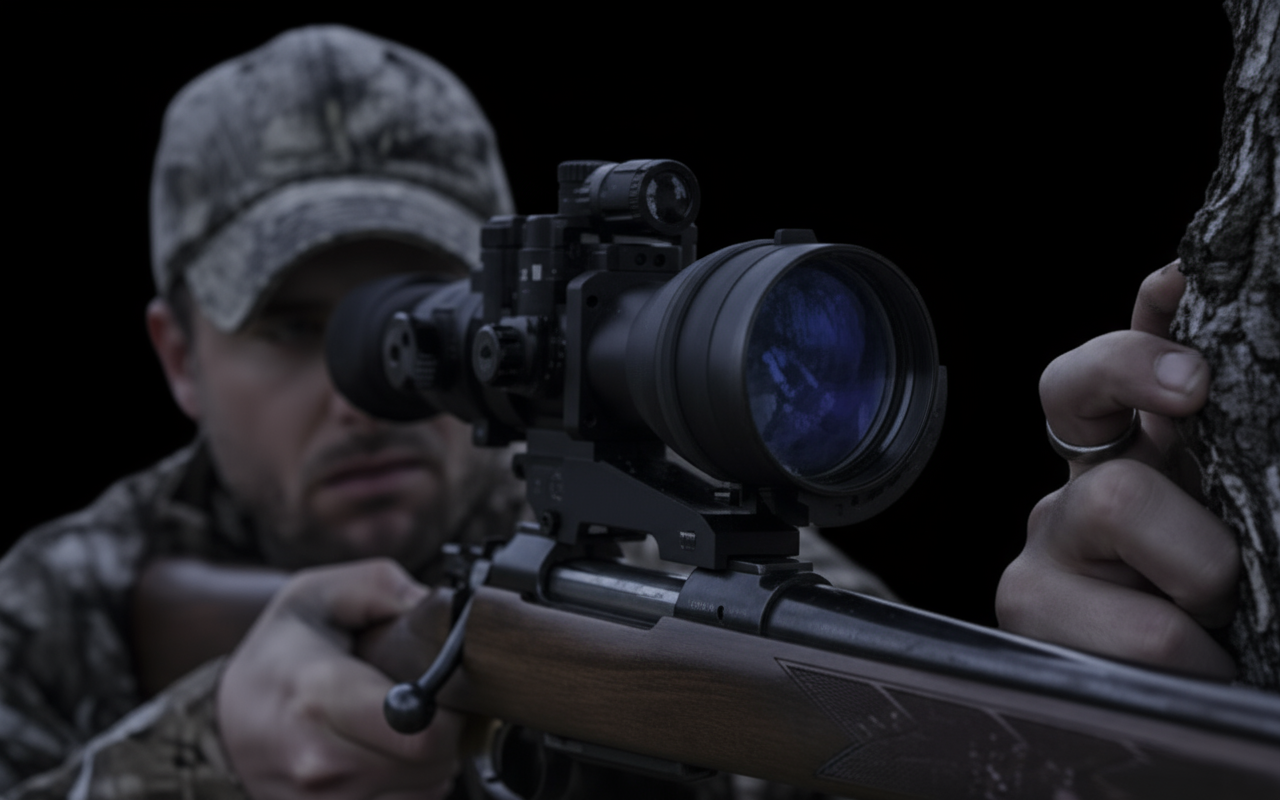
Säkerhetsaspekter kring jakt fortsätter att påverka reglerna för nattjakt, där vissa delstater upprätthåller strikta förbud medan andra inför särskilda tillståndskrav, fastställda jaktsäsonger eller obligatoriska utbildningskrav för jägare som är specifika för nattjakt. Dessa säkerhetsinriktade regler skapar ofta mest förvirring bland jägare som reser till andra delstater, eftersom kraven kan variera kraftigt även mellan grannstater.
Allmänhetens tillträde till mark för nattjakt är ett annat område där det råder stora skillnader, då många delstater tillåter nattjakt på privat mark samtidigt som förbud gäller på delstats- eller federal mark. Dessa skillnader medför stora utmaningar när det gäller att följa reglerna för jägare, som måste navigera mellan flera olika regelverk beroende på fastighetsgränser som kan vara svåra att urskilja i mörkret.
Regelverket för nattjakt kommer sannolikt att fortsätta utvecklas i snabb takt i takt med att viltförvaltningsmyndigheterna anpassar sig till förändrade prioriteringar inom viltförvaltningen, tekniska framsteg och skiftande allmänna åsikter om nattjakt. Att hålla sig à jour med dessa förändringar är avgörande för ansvarsfulla jägare som vill dra nytta av de unika möjligheter som nattjakt erbjuder, samtidigt som de till fullo följer alla gällande bestämmelser.
De nordöstra delstaterna har några av landets strängaste bestämmelser för nattjakt, vilket återspeglar deras tätbefolkade karaktär och långvariga jakttraditioner. Under de senaste åren har det dock skett märkbara förändringar i takt med att dessa delstater anpassar sig till växande rovdjursbestånd och nya utmaningar inom viltförvaltningen.
Maine utmärker sig genom att ha de mest progressiva reglerna för nattjakt i nordöstra USA, där nattjakt på prärievarg är tillåten från den 16 december till den 31 augusti. Jägare måste skaffa ett nattjaktstillstånd ($4 för bosatta, $12 för icke-bosatta) och får använda belysning och värmekameror, men artificiell utfodring eller utläggning av bete är förbjudet vid nattjakt. Delstaten har nyligen utökat möjligheterna till nattjakt genom att lägga till tvättbjörnar på listan över godkända arter för nattjakt med giltigt fångsttillstånd.
I New Hampshire är nattjakt på prärievargar tillåten från den 1 januari till den 31 mars, men med betydande begränsningar jämfört med grannstaten Maine. Konstgjort ljus är tillåtet, men värmekameror som till exempel Pixfra Vulcan värmekamera är fortfarande förbjudna. Delstaten har övervägt ändringar i lagstiftningen som skulle tillåta användning av värmekameror för rovdjursförvaltning, men från och med säsongen 2025 är traditionell mörkerseendeutrustning och strålkastare fortfarande de enda lagliga metoderna för nattjakt.
I Vermont gäller strikta begränsningar för nattjakt, och endast jakt på tvättbjörnar med hundar är tillåten under godkända jaktsäsonger. Alla former av nattjakt på rovdjur är fortfarande förbjudna, även om delstatens lagstiftande församling nyligen har debatterat ett lagförslag som skulle tillåta begränsad nattjakt på prärievargar på privata jordbruksmarker där dokumenterade skador på boskap har inträffat.
I New York är nattjakt på prärievargar tillåten från den 1 oktober till den 31 mars, men det är förbjudet att använda belysning eller synförstärkande utrustning av något slag. Detta innebär i praktiken att nattjakten begränsas till månbelysta nätter eller specialanordningar med utsikt över områden med betydande omgivande ljus. I de senaste diskussionerna om regelverket har man övervägt ett begränsat tillstånd för användning av värmekameror för att skydda jordbruket, men inga formella ändringar har genomförts inför säsongen 2025.
I Pennsylvania är alla former av nattjakt på vilt förbjudna, men det är tillåtet att använda strålkastare utan skjutvapen som observationsmetod. Det finns vissa undantag för tvättbjörnar, opossum och rävar under deras respektive jaktsäsonger, men jakt på rovdjur efter mörkrets inbrott är fortfarande förbjuden, oavsett vilken teknik eller metod som används.
Massachusetts, Connecticut och Rhode Island har ett totalförbud mot nattjakt på alla arter, med strängt tillämpade påföljder vid överträdelser. Dessa delstater har inte visat några tecken på att vilja lätta på reglerna för att tillåta utökade möjligheter till nattjakt, utan har hållit fast vid sina traditionella ståndpunkter trots förändringar i grannstaterna.
Den nordöstra regionen visar generellt sett störst motstånd mot en utökning av möjligheterna till nattjakt, och viltförvaltningsmyndigheterna anger ofta säkerhetsrisker kopplade till befolkningstätheten som den främsta begränsande faktorn. Den växande framgången för begränsade nattjaktprogram i delstater som Maine tyder dock på att det finns potential för en gradvis utveckling av regelverket i hela regionen, som en reaktion på förändrade prioriteringar inom viltförvaltningen.
Delstaterna i sydöst har infört några av landets mest liberala bestämmelser för nattjakt, särskilt när det gäller bekämpning av invasiva arter. Dessa bestämmelser innehåller ofta särskilda bestämmelser om värmekamerateknik, vilket skapar ökade möjligheter för jägare som använder avancerad optik som till exempel Pixfra Vulcan värmekamera.
Texas ligger i topp i landet när det gäller tillgång till nattjakt, där nattjakt är tillåten året runt på vildsvin, prärievargar och andra djur som inte räknas som jaktvilt på privat mark med markägarens tillstånd. Delstaten sätter inga begränsningar för jaktmetoder eller utrustning för dessa arter, vilket möjliggör full användning av värmekameror, mörkerseendeutrustning eller traditionella belysningsmetoder. Tillträdet till allmän mark för nattjakt är fortfarande mer begränsat, med specifika bestämmelser som varierar beroende på fastighet.
Delstatens progressiva strategi återspeglar de omfattande skadorna inom jordbruket som orsakas av vildsvin, med ekonomiska förluster som enligt uppgifterna överstiger $500 miljoner årligen forskning från Texas A&M AgriLife Extension. Dessa effekter på jordbruket har fått viltförvaltarna att maximera jägarnas möjligheter att reglera beståndet, vilket har lett till några av de mest liberala bestämmelserna i hela landet.
I Georgia är nattjakt på vildsvin tillåten året runt på privat mark med markägarens tillstånd, men det krävs ett kostnadsfritt tillstånd som kan erhållas från naturresursdepartementet. Delstaten har nyligen utökat utrustningstillstånden till att omfatta alla former av värme- och mörkerseendeteknik, vilket innebär att tidigare begränsningar som minskade effektiviteten har upphävts. Nattjakt på prärievargar är tillåten från mars till oktober, med särskilda bestämmelser gällande användning av belysning.
I Florida är nattjakt tillåten på prärievargar, vildsvin, tvättbjörnar, opossumer och bäver året runt på privat mark med markägarens tillstånd. Delstaten har nyligen uppdaterat sina bestämmelser för att uttryckligen tillåta värmekameror, vilket undanröjer tidigare oklarheter kring tekniska begränsningar. Det finns begränsade möjligheter till nattjakt i viltvårdsområden, där specifika bestämmelser anges för varje enskild fastighet.
I Alabama är nattjakt på vildsvin och prärievargar tillåten på privat mark med ett särskilt tillstånd ($15 för bosatta, $51 för icke-bosatta). Säsongen pågår från den 11 februari till den 1 november, och användning av värmekameror är uttryckligen tillåten enligt bestämmelserna. Delstaten har successivt utökat möjligheterna till nattjakt under de senaste åren, som en reaktion på de växande bestånden av vildsvin som orsakar betydande skador på jordbruket.
I South Carolina är nattjakt på vildsvin, prärievargar och bältdjur tillåten året runt på privat mark, med särskilda krav på utrustning och begränsningar. Jägare måste anmäla sig till Department of Natural Resources minst 48 timmar före nattjakten och ange exakta uppgifter om platsen. Delstaten har nyligen effektiviserat denna anmälningsprocess genom ett onlinesystem, vilket underlättar efterlevnaden för regelbundna nattjägare.
I Tennessee är nattjakt tillåten på tvättbjörnar, opossum och annat småvilt under fastställda jaktsäsonger, men i de flesta områden gäller fortfarande restriktioner för jakt på rovdjur efter mörkrets inbrott. Ett särskilt undantag för markägare tillåter dock nattjakt på prärievargar och vildsvin på privata jordbruksmarker där skördeskador har dokumenterats. Detta undantag kräver särskilt tillstånd från viltvårdsmyndigheten, men tillåter användning av värmekameror.
De flesta delstaterna i sydöstra USA har gått mot utökade möjligheter till nattjakt, särskilt för att hantera invasiva arter och arter som orsakar olägenheter. Dessa ändringar i lagstiftningen speglar både den påverkan dessa arter har på jordbruket och hur effektiv nattjakt är som förvaltningsverktyg när den kombineras med modern teknik, såsom värmekameror.
Delstaterna i Mellanvästern har infört olika regler för nattjakt, och det finns betydande skillnader i lagstiftningen även mellan grannstater. Dessa skillnader medför viktiga överväganden när det gäller efterlevnad för jägare som rör sig nära delstatsgränserna eller reser runt i regionen.
I Missouri är nattjakt på prärievargar tillåten från den 1 februari till den 31 mars, och användning av belysning och värmekameror är tillåten på privat mark med markägarens tillstånd. Delstaten har gradvis utökat möjligheterna till nattjakt som en reaktion på de växande prärievargsbestånden, och de senaste ändringarna i lagstiftningen ger uttryckligen tillstånd för användning av värmekameror som Pixfra Vulcan värmekamera som tidigare var förbjudet.
I Kansas är det tillåtet att jaga prärievargar på natten året runt på privat mark, förutsatt att markägarens tillstånd har inhämtats och att vissa utrustningsbegränsningar följs. Medan konstgjort ljus är tillåtet under godkända jaktsäsonger befinner sig värmekameror fortfarande i en gråzon i lagstiftningen, eftersom de nuvarande bestämmelserna varken uttryckligen tillåter eller förbjuder deras användning. Delstatens viltvårdsmyndighet har meddelat att ett förtydligande av reglerna kring värmekamerateknik är på väg, vilket potentiellt kan utöka utstyrselsalternativen inför säsongen 2026.
I Nebraska är nattjakt på prärievargar tillåten på privat mark året runt, förutsatt att man har skriftligt tillstånd från markägaren. Delstaten har nyligen uppdaterat sina bestämmelser för att uttryckligen tillåta användning av värmekameror vid nattjakt, vilket undanröjer den tidigare oklarheten som hade skapat svårigheter för jägare som använder modern teknik att följa reglerna. Nattjakt på allmän mark är fortfarande förbjuden i hela delstaten.
Iowa förbjuder de flesta former av nattjakt, men beviljar ett särskilt tillstånd för jakt på prärievargar på privat mark från den 1 januari till den 31 mars. Detta tillstånd kräver godkännande på länsnivå och medför betydande begränsningar vad gäller utrustning och jaktmetoder. Värmekameror är fortfarande förbjudna enligt gällande bestämmelser, men viltvårdsmyndigheterna har inlett en översyn av regelverket för att utvärdera möjligheten att godkänna användningen av denna teknik under kommande jaktsäsonger.
I Minnesota är nattjakt tillåten på tvättbjörnar, rävar och prärievargar enligt särskilda bestämmelser som varierar beroende på art. Nattjakt på prärievargar är tillåten från den 1 januari till den 15 mars, då artificiellt ljus är tillåtet men värmekameror är förbjudna. Delstatens lagstiftande församling behandlade nyligen ett lagförslag som skulle tillåta användning av värmekameror för rovdjurshantering, men förslaget gick inte igenom under den senaste lagstiftningssessionen.
I Wisconsin är nattjakt förbjuden för de flesta arter, men det är tillåtet att i begränsad utsträckning jaga tvättbjörnar och rävar efter stängningstid när man jagar med hundar. Tidigare var alla former av nattjakt på rovdjur förbjudna, men delstaten har nyligen infört en begränsad jaktsäsong för prärievargar under natten från den 1 januari till den 15 februari, dock med betydande restriktioner, däribland förbud mot belysning och värmekameror.
I Michigan är det tillåtet med begränsad nattjakt på prärievargar, rävar, tvättbjörnar och pungråttor under vissa jaktsäsonger. Konstgjort ljus är tillåtet, men värmekameror är förbjudna. Delstaten har under flera år haft en konsekvent lagstiftning när det gäller nattjakt, även om viltförvaltarna har erkänt att trycket ökar för att tillåta utökade tekniska lösningar för rovdjurshantering.
De flesta delstaterna i Mellanvästern har strängare bestämmelser för nattjakt jämfört med de södra regionerna, och användningen av värmekamerateknik omfattas av strängare regler. Den allmänna trenden i hela regionen visar dock på en gradvis utvidgning av möjligheterna till nattjakt, särskilt när det gäller rovdjurshantering på privata jordbruksmarker som drabbats av skador orsakade av prärievargar.
| Delstat | Är nattjakt lagligt? | Tillåtna arter | Är termisk optik lagligt? | Krävs det särskilda tillstånd? |
|---|---|---|---|---|
| Missouri | Ja (begränsad säsong) | Prärievargar | Ja | Nej (markägarens tillstånd) |
| Kansas | Ja (året runt) | Prärievargar | Gråzon | Nej (markägarens tillstånd) |
| Nebraska | Ja (året runt) | Prärievargar | Ja | Nej (skriftligt tillstånd) |
| Iowa | Ja (begränsad säsong) | Prärievargar | Nej | Ja (länsspecifikt) |
| Minnesota | Ja (begränsad säsong) | Tvättbjörnar, rävar, prärievargar | Nej | Nej |
| Wisconsin | Ja (mycket begränsat) | Tvättbjörnar, rävar, ett begränsat antal prärievargar | Nej | Nej |
| Michigan | Ja (begränsad säsong) | Prärievargar, rävar, tvättbjörnar, pungråttor | Nej | Nej |
De västra delstaterna har några av landets mest varierande bestämmelser för nattjakt, med tillvägagångssätt som sträcker sig från nästan totalt förbud till omfattande tillstånd, beroende på specifika prioriteringar inom viltförvaltningen och regionala förhållanden. Dessa variationer medför viktiga överväganden när det gäller efterlevnad för jägare som är verksamma i flera västra delstater.
I Montana är det tillåtet att jaga rovdjur, däribland prärievargar, dygnet runt på privat mark med markägarens tillstånd. Delstaten har nyligen uppdaterat sina bestämmelser för att uttryckligen tillåta användning av värmekameror, vilket innebär att tidigare begränsningar som inskränkte de tekniska alternativen har upphävts. Denna ändring av bestämmelserna speglar en växande insikt om värmekamerateknikens effektivitet för rovdjurshantering i jordbruksområden där boskap drabbas av rovdjursangrepp.
I Wyoming är nattjakt tillåten på rovdjur (prärievargar, prärieharar, piggsvin, tvättbjörnar, rödrävar, stinkdjur och herrelösa katter) på privat mark med markägarens tillstånd. Statliga bestämmelser tillåter uttryckligen artificiell belysning men säger ingenting om värmekamerateknik, vilket skapar en gråzon i lagstiftningen som de flesta tillsynsmyndigheter tolkar som ett förbud mot värmekameror som Pixfra Vulcan värmekamera. Delstatens naturvårdsmyndighet har meddelat att man överväger att förtydliga regelverket när det gäller värmekameror.
I Colorado är det förbjudet att jaga vilda djur efter solnedgången, med undantag för tvättbjörnar, rödlo, randiga skunkar och prärievargar, som får jagas på natten med hjälp av artificiellt ljus på privat mark med skriftligt tillstånd från markägaren. Värmekameror är dock fortfarande förbjudna vid all jakt, oavsett djurart eller tid på dygnet. Detta förbud mot den här tekniken har mött växande kritik från jordbruksintressen som drabbats av skador orsakade av rovdjur, vilket potentiellt kan leda till en framtida omprövning av reglerna.
I Utah är nattjakt på prärievargar tillåten endast på privat mark med ett $5-tillstånd med begränsad tillträdesrätt. Konstgjord belysning är tillåten, men värmekameror och mörkerseendeutrustning är fortfarande förbjudna enligt gällande bestämmelser. Delstaten har under flera år hållit fast vid en konsekvent reglering av tekniken för nattjakt, trots ett växande tryck från jordbruksintressenter att tillåta ett bredare utbud av utrustning.
I Idaho är det tillåtet att jaga prärievargar på natten året runt på privat mark med markägarens tillstånd, och invånare behöver inget jaktlicens (icke-invånare måste ha jaktlicens). Delstaten har nyligen uppdaterat sina bestämmelser för att uttryckligen tillåta användning av artificiellt ljus, mörkerseendeutrustning och värmekameror, vilket undanröjer den tidigare oklarheten som hade skapat svårigheter för jägare som använder modern teknik att följa reglerna.
I Nevada är nattjakt på prärievargar tillåten året runt på privat mark med skriftligt tillstånd från markägaren. Även om artificiellt ljus är tillåtet vid sådan jakt är värmekameror fortfarande uttryckligen förbjudna enligt gällande bestämmelser. Delstatens naturvårdsmyndighet har inlett en översyn av detta förbud, och eventuella ändringar av bestämmelserna övervägs inför kommande jaktsäsonger.
I Arizona är nattjakt förbjuden för de flesta arter, men man tillåter begränsad jakt på rovdjur efter mörkrets inbrott genom ett särskilt tillståndssystem. Dessa tillstånd utfärdas vanligtvis för specifika syften som rör skydd av jordbruket, snarare än för allmän jakt. När sådana tillstånd beviljas kan de innehålla bestämmelser om artificiell belysning, men de förbjuder uttryckligen användning av värmekamerateknik.
Kalifornien har de strängaste reglerna för nattjakt i västra USA, där nästan alla former av nattjakt är förbjudna oavsett djurart eller plats. Det finns mycket få undantag i form av tillstånd för bekämpning av skadedjur som utfärdas för att åtgärda specifika skador på jordbruket, men dessa beviljas sällan och är förenade med betydande begränsningar vad gäller metoder och utrustning.
De västra delstaterna uppvisar särskilt stora skillnader i lagstiftningen när det gäller nattjakt, vilket medför utmaningar för jägare som är verksamma i flera olika jurisdiktioner att följa reglerna. Medan vissa delstater har gått mot utökade tekniska tillstånd, upprätthåller andra traditionella begränsningar trots växande påtryckningar från jordbruksintressen som drabbas av skador orsakade av rovdjur.
Reglerna för nattjakt innehåller i allt högre grad särskilda bestämmelser som rör tekniska möjligheter, och det är just värmekameror som behandlas på de mest varierande sätten i de olika delstaterna. Dessa teknikspecifika bestämmelser medför viktiga överväganden när det gäller efterlevnad för jägare som använder modern utrustning som Pixfra Vulcan värmekamera.
Reglerna för användning av värmekameror varierar kraftigt mellan olika jurisdiktioner, där vissa delstater uttryckligen tillåter dessa enheter medan andra upprätthåller strikta förbud oavsett jaktändamål eller målarter. Delstater som Texas, Georgia, Florida, Alabama, Missouri och Idaho tillåter nu specifikt användning av värmekameror vid nattjakt på vissa arter, eftersom de erkänner teknikens effektivitet för hantering av invasiva arter och bekämpning av rovdjur.
Detta godkännande från myndigheterna speglar en växande insikt om de etiska fördelarna med värmebildsteknik, särskilt när det gäller säker artbestämning och precision vid skottplacering. Viltvårdsmyndigheterna inser i allt högre grad att högupplösta värmebildskameror som Pixfra Vulcan, med en upplösning på 640×512, ger överlägsen målidentifiering jämfört med traditionella metoder för nattjakt, vilket potentiellt minskar risken för felidentifiering.
Enligt marknadsundersökning från Grand View Research, uppgick den globala marknaden för jaktutrustning till $33,2 miljarder år 2023 och förväntas växa med en genomsnittlig årlig tillväxttakt (CAGR) på 4,2% fram till 2030, där värmekameratekniken utgör det snabbast växande segmentet inom kategorin. Denna marknadstillväxt återspeglar att allt fler jägare använder avancerade optiska system trots varierande regelverk.
Många delstater fortsätter dock att förbjuda värmekamerateknik trots att de tillåter andra metoder för nattjakt. Delstater som New Hampshire, Wisconsin, Michigan och Colorado tillåter artificiell belysning vid nattjakt men förbjuder uttryckligen värmekameror – vilket skapar en inkonsekvens i regelverket som tvingar jägare att använda mindre effektiva och potentiellt mindre etiska traditionella metoder istället för modern teknik.
I vissa delstater råder oklarhet i lagstiftningen när det gäller värmekameror, där bestämmelserna varken uttryckligen tillåter eller förbjuder deras användning. Denna gråzon i lagstiftningen medför betydande utmaningar när det gäller att följa gällande lagar för ansvarsfulla jägare. Delstater som Kansas och Wyoming är exempel på denna oklarhet, där gällande bestämmelser inte nämner värmekameror trots att nattjakt i övrigt är tillåten.
Reglerna för artificiell belysning varierar också avsevärt mellan olika jurisdiktioner, där vissa delstater tillåter obegränsad belysning medan andra ställer specifika krav på belysningstyp, strömkälla, monteringssätt eller tändningsmetoder. Dessa variationer medför viktiga överväganden när det gäller efterlevnad, särskilt för jägare som rör sig nära delstatsgränser där regelverken kan förändras dramatiskt över korta avstånd.
“Det nuvarande lapptäcket av teknikbestämmelser skapar onödig förvirring för jägare som är måna om att följa lagen. Delstaterna bör sträva efter standardiserade teknikklassificeringar som ger tydlig vägledning och samtidigt erkänner de etiska fördelarna med modern värmekamera, tack vare förbättrade möjligheter att identifiera målet.” – Wildlife Management Institute
Reglerna för elektroniska lockanordningar utgör ett annat område med tekniska skillnader, där vissa delstater begränsar eller förbjuder användningen av elektroniska lockanordningar vid nattjakt, trots att de tillåts under dagtid. Dessa inkonsekventa regleringsmetoder speglar ofta föråldrade antaganden om tekniska fördelar snarare än evidensbaserade överväganden kring viltförvaltning.
Många delstater genomför för närvarande översyner av regelverket som särskilt inriktar sig på tekniska framsteg inom utrustning för nattjakt. Dessa översyner tyder på en fortsatt utveckling mot mer tillåtande teknikbestämmelser, i takt med att viltvårdsmyndigheterna samlar erfarenhet av moderna hjälpmedel och inser deras potentiella fördelar för en effektiv viltförvaltning, särskilt när det gäller bekämpning av invasiva arter.
Fästsystemet för termiska anordningar har också blivit en fråga som regleras i vissa jurisdiktioner, där det finns krav som anger hur anordningarna får fästas på skjutvapen. Den Pixfra Rail-monteringssystem erbjuder standardiserad kompatibilitet med Picatinny-gränssnittet, vilket säkerställer att produkten uppfyller monteringsföreskrifter som specificerar standardiserade fästmetoder för skenor. Denna standardiserade monteringsmetod tillgodoser både kraven på regelefterlevnad och praktiska krav på tillförlitlighet i fält.
För att kunna navigera i det komplexa lapptäcket av bestämmelser om nattjakt krävs ett systematiskt tillvägagångssätt som säkerställer att alla tillämpliga krav uppfylls. Genom att följa dessa beprövade strategier för regelefterlevnad kan ansvarsfulla jägare undvika oavsiktliga överträdelser och samtidigt maximera de lagliga jaktmöjligheterna.
Direkt kontroll hos myndigheten är den mest tillförlitliga strategin för att följa reglerna, där jägare kontaktar delstatens viltvårdsmyndighet direkt innan de påbörjar någon nattjakt. Sammanfattningar av bestämmelserna på nätet innehåller ofta föråldrad eller ofullständig information, särskilt när det gäller tillstånd för teknik som utvecklas snabbt. Ett snabbt telefonsamtal till delstatens viltvårdsmyndighet ger ett definitivt klargörande av de aktuella kraven, vilket kan förhindra kostsamma överträdelser till följd av missförstådda eller föråldrade bestämmelser.
Skriftliga tillståndshandlingar utgör ett viktigt skydd vid jakt på privat mark, där de flesta möjligheterna till nattjakt finns. Utöver att enbart inhämta muntligt godkännande bör jägare skaffa sig ett detaljerat skriftligt tillstånd där tillåtna aktiviteter, tillåten utrustning, godkända arter och fastighetens exakta gränser anges. Denna omfattande dokumentation skyddar både markägaren och jägaren från eventuella missförstånd och utgör samtidigt ett entydigt bevis på tillståndet om man blir tillfrågad av tillsynspersonal.
Kontrollen av fastighetsgränser blir särskilt viktig vid nattliga jaktinsatser, då det kan vara svårt att identifiera landmärken. Många överträdelser av jaktbestämmelserna inträffar när jägare oavsiktligt passerar från godkänd privat mark till förbjuden allmän mark eller angränsande fastigheter. Genom att använda GPS-teknik i kombination med överlagringar av fastighetsgränser får man en tillförlitlig kontroll i realtid, vilket säkerställer att jaktinsatserna hålls inom de godkända områdena under mörkerperioderna.
Förmågan att identifiera arter blir särskilt viktig vid nattliga insatser, där felidentifiering innebär en betydande risk för bristande efterlevnad. Högupplösta värmekameror som Pixfra Vulcan värmekamera Med en upplösning på 640×512 erbjuder de överlägsen identifieringsförmåga jämfört med alternativ med lägre upplösning, vilket bidrar till att säkerställa att målen tillhör godkända arter innan något förvaltningsbeslut fattas. Denna tekniska fördel beaktar både lagkrav och etiska jaktaspekter.
Dokumentationsrutiner för teknik utgör ett viktigt skydd när man bedriver verksamhet i jurisdiktioner med tvetydiga bestämmelser eller där regelverket nyligen har ändrats. Genom att spara kopior av tillämpliga bestämmelser, korrespondens med myndigheter som klargör vilken utrustning som är tillåten samt dokumentation över utrustningens specifikationer skapas en omfattande dokumentation av efterlevnaden, om frågor skulle uppstå angående specifika tekniska funktioner. Denna dokumentationsstrategi visar sig vara särskilt värdefull när man använder avancerad utrustning i delstater där regelverket är under ständig utveckling.
Forskning från National Shooting Sports Foundation visar att antalet förelägganden för överträdelser av viltlagstiftningen i samband med nattjakt har ökat med 32% sedan 2020, där de flesta överträdelserna rör antingen otillåten användning av teknik eller jakt på arter som inte är tillåtna. Denna trend inom tillsynen understryker vikten av att noggrant undersöka gällande regler innan man ägnar sig åt någon form av nattjakt.
Att underrätta den lokala polisen utgör en proaktiv strategi för att följa gällande bestämmelser i områden där nattjakt kan väcka oro bland allmänheten. Genom att i förväg informera de lokala myndigheterna om planerade nattjaktinsatser undviks eventuella missförstånd om oroliga medborgare anmäler misstänkta ljus eller ljud. Denna strategi, som bygger på professionell hövlighet, bidrar till att skapa positiva relationer med polisen samtidigt som den förhindrar onödiga insatser till följd av felaktigt tolkade jaktaktiviteter.
Transport av utrustning kräver noggrann uppmärksamhet, särskilt när man reser genom flera jurisdiktioner med olika bestämmelser. Även om nattjakt är lagligt på resmålet kan transport av viss utrustning strida mot bestämmelserna i de delstater man reser genom. Många delstater har särskilda transportkrav för nattjaktutrustning, vilket kan innebära att optiska hjälpmedel måste förvaras åtskilda från skjutvapen eller att särskilda förvaringsmetoder måste tillämpas under transporten.
Den Pixfra Rail-monteringssystem underlättar snabbkoppling, vilket möjliggör snabb anpassning till transportbestämmelser som kräver att optiska tillbehör avlägsnas från skjutvapen. Tack vare denna snabbkopplingsfunktion kan jägare snabbt anpassa sin utrustning för att uppfylla specifika transportkrav när de förflyttar sig mellan jaktplatser eller reser genom flera olika jurisdiktioner.
Reglerna för nattjakt varierar inte bara mellan delstaterna utan även beroende på vilken art som jagas, vilket medför komplexa krav på efterlevnad för jägare som jagar flera olika arter eller reser mellan delstaterna. Detta artspecifika tillvägagångssätt återspeglar de olika prioriteringarna inom viltförvaltningen i olika regioner.
Nattjakt på vildsvin kännetecknas av de mest liberala reglerna i de delstater där dessa invasiva arter orsakar betydande skador på jordbruket. Texas, Florida, Georgia, Alabama och South Carolina tillåter alla nattjakt på vildsvin året runt på privat mark, och de flesta av dessa delstater tillåter full användning av artificiellt ljus och värmekamerateknik. Denna liberala inställning speglar de uppskattade $2,5 miljarder i årliga jordbruksskador som vildsvin orsakar över hela landet, vilket skapar ekonomiska incitament för en aggressiv populationshantering.

Enligt en studie som publicerats i tidskriften *Journal of Wildlife Management*, visar delstater med liberala bestämmelser för nattjakt på vildsvin 27% högre årliga jaktkvoter jämfört med delstater där nattjakt är begränsad, vilket visar på nattjakts effektivitet som ett förvaltningsverktyg för denna invasiva art.
Reglerna för nattjakt på prärievargar varierar avsevärt mellan olika regioner, där delstaterna i sydöst och väst generellt sett tillämpar mer tillåtande regelverk jämfört med regionerna i nordöst och den övre delen av Mellanvästern. Delstater som Texas, Georgia, Missouri och Idaho tillåter uttryckligen nattjakt på prärievargar med värmekameror, medan andra tillåter nattjakt men begränsar valet av utrustning. Dessa skillnader i regleringen medför viktiga överväganden när det gäller efterlevnad för rovdjursjägare som är verksamma i flera delstater.
Nattjakt på tvättbjörn och opossum är en av de äldsta traditionella formerna av nattjakt, och i många delstater finns särskilda bestämmelser som specifikt avser dessa arter. Delstater som i övrigt förbjuder nattjakt gör ofta undantag för jakt på tvättbjörnar med hundar, vilket speglar den kulturella betydelsen av denna traditionella jaktmetod. Dessa undantag innefattar vanligtvis strikta begränsningar avseende utrustning och tillvägagångssätt, med särskilda bestämmelser om användning av belysning, skjutvapen och jaktmetoder.
Tillstånd för nattjakt på bäver finns i flera delstater där bäverns verksamhet orsakar betydande skador på egendom. Dessa tillstånd innefattar vanligtvis omfattande begränsningar vad gäller platser, metoder och utrustning – vilket skapar ett specialiserat regelverk som är inriktat på att begränsa skadorna snarare än på möjligheter till fritidsjakt. Delstater som Florida, Minnesota och Oregon har infört särskilda bestämmelser om nattjakt på bäver för att hantera frågor som rör skyddet av vattenresurser och skador på egendom.
Tillstånd för nattjakt på räv finns främst i de sydöstra delstaterna, där det finns särskilda bestämmelser om metoder och jaktsäsonger. Dessa tillstånd är vanligtvis inriktade på traditionella jaktmetoder med hundar snarare än moderna tekniska metoder, och medför särskilda begränsningar vad gäller utrustning och tillvägagångssätt. Flera delstater som tillåter nattjakt på räv förbjuder uttryckligen användning av värmekameror eller mörkerseendeutrustning, vilket innebär att jakten är begränsad till traditionella belysningsmetoder.
Nattjakt på bältdjur har godkänts i flera delstater i sydöstra USA där dessa växande populationer orsakar skador på jordbruket. Delstater som Florida, Georgia och Alabama tillåter nattjakt på bältdjur på privat mark, dock med olika begränsningar vad gäller utrustning och jaktmetoder. Denna utveckling i lagstiftningen speglar artens fortsatta utbredning och ökande påverkan på jordbruket i hela den sydöstra regionen.
Nattjakt på rödlo är fortfarande förbjuden i de flesta jurisdiktioner, trots att nattjakt på andra rovdjursarter är tillåten. Även i delstater med liberala regler för nattjakt undantas rödlo vanligtvis från listan över tillåtna arter, vilket innebär att jakt på dessa värdefulla pälsdjur endast får bedrivas i dagsljus. De få undantagen gäller vanligtvis särskilda tillstånd för skydd av jordbruksmark snarare än allmänna jaktlicenser.
Artspecifika tillstånd medför viktiga överväganden kring efterlevnad för nattjägare, eftersom bestämmelserna ofta tillåter jakt på vissa arter samtidigt som andra är förbjudna under samma tidsperioder och på samma platser. Högupplösta värmekameror som Pixfra Vulcan värmekamera tillhandahålla nödvändiga möjligheter till artidentifiering, vilket bidrar till att säkerställa att förvaltningsåtgärderna uteslutande riktas mot lagligt tillåtna arter, samtidigt som man undviker förbjudna arter som kan förekomma i samma livsmiljöer.
I vilka delstater är det tillåtet att använda värmekameror vid nattjakt år 2025?
Texas, Georgia, Florida, Alabama, Missouri, Idaho och Montana tillåter uttryckligen användning av värmekameror för nattjakt på vissa arter i sina föreskrifter för 2025. Flera andra delstater, däribland Wyoming och Kansas, har fortfarande otydliga bestämmelser och varken uttryckligen tillåter eller förbjuder värmekamerateknik. Trenden visar på en ökande acceptans för värmekameror vid hantering av invasiva arter och rovdjur, och det är troligt att fler delstater kommer att godkänna denna teknik under kommande säsonger. Kontrollera alltid gällande bestämmelser direkt hos delstatens viltvårdsmyndigheter, eftersom reglerna kring teknikgodkännanden fortsätter att utvecklas snabbt.
Kan jag bli gripen för nattjakt i delstater där det är olagligt?
Ja – överträdelser av nattjaktsförbudet kan leda till allvarliga påföljder, däribland gripande, beslagtagande av utrustning, beslagtagande av fordon, indragning av jaktlicens och betydande böter. Delstater med strikta nattjaktsförbud, såsom Kalifornien och Massachusetts, tillämpar dessa bestämmelser strikt med hjälp av specialiserade tillsynsteam som riktar in sig på potentiella överträdelser. Även i delstater som tillåter viss nattjakt kan överträdelser som rör otillåtna arter, förbjuden utrustning eller otillåtna jaktplatser leda till åtal. Dessa överträdelser medför ofta strängare påföljder jämfört med överträdelser vid jakt under dagtid, och många delstater klassificerar dem som grova förseelser eller brott.
Skyddar ett tillståndsbrev från markägaren mig mot överträdelser av reglerna för nattjakt?
Ett skriftligt tillstånd från markägaren utgör nödvändig dokumentation, men skyddar endast mot anklagelser om olovligt intrång – inte mot överträdelser av viltlagstiftningen. Även med ett giltigt tillstånd måste du fortfarande följa alla gällande jaktbestämmelser avseende jaktsäsonger, metoder, utrustning, arter och rapporteringskrav. I många delstater krävs särskilda tillstånd utöver markägarens tillstånd för laglig nattjakt. Det mest omfattande skyddet är en kombination av skriftligt tillstånd från markägaren och direkt bekräftelse från viltmyndigheterna avseende alla tillämpliga bestämmelser för just din jaktmetod och de arter du avser att jaga.
Vilka bestämmelser om nattjakt ändras oftast?
Tillstånd avseende teknik utgör den del av reglerna för nattjakt som utvecklas snabbast, och delstaterna uppdaterar kontinuerligt utrustningsrestriktionerna i takt med nya tekniska möjligheter. Tillstånden för värmekameror har genomgått de mest betydande regeländringarna, och flera delstater har under de senaste åren ändrat sin hållning till dessa enheter. Även tillstånden avseende viltarter ändras ofta, särskilt när det gäller invasiva arter som vildsvin och prärievargar. Kontrollera regelbundet om det finns uppdateringar i regelverket inför varje jaktsäsong, eftersom ändringar ofta sker årligen som en följd av prioriteringar inom viltförvaltningen och den tekniska utvecklingen.
Skillnad mellan reglerna för nattjakt på privat mark och på allmän mark?
Ja – skillnaden mellan privat och offentlig mark medför betydande skillnader i regelverket i de flesta delstater. Många delstater som tillåter nattjakt på privat mark med markägarens tillstånd förbjuder samtidigt all nattjakt på offentlig mark. Andra delstater tillämpar helt olika regelverk för privat respektive offentlig mark, med skilda jaktsäsonger, krav på utrustning och tillåtna arter. Dessa skillnader i lagstiftningen medför viktiga överväganden när det gäller efterlevnad vid jakt på mark med blandat ägande eller gränsar till offentlig mark, särskilt vid nattjakt då det kan vara svårt att identifiera fastighetsgränserna.
För att hålla sig à jour med reglerna för nattjakt krävs tillförlitliga informationskällor som tillhandahåller korrekt och uppdaterat innehåll om det komplexa rättsliga regelverket som reglerar jakt efter mörkrets inbrott. Dessa auktoritativa källor hjälper ansvarsfulla jägare att följa reglerna till punkt och pricka samtidigt som de maximerar de lagliga jaktmöjligheterna.
De statliga viltmyndigheternas webbplatser innehåller den mest tillförlitliga informationen om regler och bestämmelser, även om kvaliteten och tydligheten i innehållet varierar avsevärt mellan delstaterna. Vissa myndigheter har omfattande och användarvänliga databaser med detaljerad information om kraven för nattjakt, medan andra endast tillhandahåller grundläggande sammanfattningar som kräver ytterligare förtydliganden. De flesta delstaternas webbplatser för viltvård har numera sökbara databaser med bestämmelser som möjliggör sökning på specifika termer som “nattjakt”, “termisk” eller “efter stängningstid” – vilket underlättar sökandet efter specifika krav.
Analys från Congressional Sportsmen’s Foundation visar att 37 delstater nu har någon form av laglig nattjakt på minst en art, vilket innebär en ökning med 28% sedan 2015. Denna utveckling inom lagstiftningen speglar en växande acceptans för nattjakt som ett verktyg för viltvård, särskilt när det gäller bekämpning av invasiva arter och arter som orsakar olägenheter.
Direkt kontakt med myndigheten är den mest tillförlitliga informationskällan, särskilt när det gäller frågor som rör tekniska tillstånd eller nyligen genomförda ändringar i regelverket. De flesta delstatliga naturvårdsmyndigheter har särskilda regelverkshotlines bemannade av personal som är behörig att ge definitiva tolkningar av komplexa eller tvetydiga krav. Att anteckna namn, datum och den specifika vägledning som erhålls under dessa samtal utgör värdefull dokumentation om det senare skulle uppstå frågor om efterlevnaden av de regler som diskuterats.
Federala markförvaltningsmyndigheter har separata regelverk som reglerar jaktverksamheten på mark som faller under deras jurisdiktion, där nattjakt vanligtvis omfattas av strängare restriktioner jämfört med delstatliga bestämmelser. U.S. Fish and Wildlife Service, Bureau of Land Management, U.S. Forest Service och Army Corps of Engineers tillämpar var och en särskilda bestämmelser för sina respektive områden, vilket medför ytterligare krav på efterlevnad för jägare som utnyttjar dessa allmänna markområden. Myndigheternas egna webbplatser ger inledande information, men direktkontakt med lokala förvaltningskontor ger den mest tillförlitliga vägledningen.
Samråd med naturvårdsinspektörer utgör en annan värdefull informationskälla, där fältpersonal ger praktiska tolkningar av de bestämmelser som de själva tillämpar. Många delstatliga naturvårdsmyndigheter uppmuntrar jägare att vända sig direkt till lokala naturvårdsinspektörer med specifika frågor om planerade jaktaktiviteter, vilket ger möjlighet till ingående diskussioner om avsedda metoder, utrustning och platser. Detta proaktiva tillvägagångssätt bidrar till att bygga upp positiva relationer med tillsynspersonalen samtidigt som det säkerställer en tydlig förståelse av gällande krav.
Jaktföreskriftsappar för mobila enheter ger bekväm tillgång till gällande föreskrifter, och många delstater erbjuder numera officiella appar som innehåller fullständig information om föreskrifterna. Dessa appar inkluderar ofta GPS-baserad identifiering av fastighetsgränser, vilket hjälper jägare att kontrollera tillåtna jaktplatser under jaktutflykter. Även om dessa appar är praktiska bör de ses som ett komplement snarare än en ersättning för direkt kontroll hos myndigheterna av föreskrifterna för nattjakt, som kanske inte är fullständigt dokumenterade i sammanfattande digitalt innehåll.
Enligt en undersökning från Outdoor Industry Association, cirka 19% aktiva jägare deltog i någon form av nattjakt under säsongen 2023, vilket är en betydande ökning jämfört med endast 7% år 2018. Denna ökande deltagarandel understryker vikten av tydliga riktlinjer i lagstiftningen, i takt med att fler jägare utforskar möjligheterna att jaga efter mörkrets inbrott.
Organisationer som arbetar med viltvård, däribland Quality Deer Management Association, National Wild Turkey Federation och Rocky Mountain Elk Foundation, tillhandahåller ofta sammanfattningar av gällande bestämmelser till sina medlemmar, inklusive särskild information om nattjakt där så är tillämpligt. Även om dessa organisationer strävar efter att vara korrekta bör innehållet kontrolleras mot officiella källor innan man planerar specifika jaktaktiviteter, eftersom detaljerna i bestämmelserna kan ändras mellan olika publiceringsomgångar.
Professionella guidetjänster som anordnar nattjaktprogram har en omfattande kunskap om lagstiftningen, vilket är avgörande för deras verksamhet. Erfarna guider utgör värdefulla informationskällor, särskilt när det gäller den praktiska tillämpningen av bestämmelserna i konkreta situationer ute i fält. Deras erfarenhet av att navigera i komplexa regelverk ger insikter som går utöver den grundläggande lagtexten och hjälper jägarna att förstå både de uttryckliga kraven och de praktiska aspekterna av efterlevnaden.
Den mest tillförlitliga metoden för att säkerställa efterlevnad av regelverket kombinerar flera informationskällor, där officiell verifiering från myndigheterna ger definitiva riktlinjer som kompletteras med praktiska insikter från erfarna jägare som är väl förtrogna med lokala prioriteringar och tolkningar när det gäller tillsynen. Denna omfattande forskningsmetodik säkerställer både teknisk efterlevnad av de skriftliga bestämmelserna och anpassning till de praktiska förhållandena vid tillsynen ute i fält.
Verktyg som Pixfra Rail-monteringssystem bidrar till att säkerställa att utrustningen uppfyller olika monteringsföreskrifter som kan ange fästmetoder för optiska enheter. Den standardiserade kompatibiliteten med Picatinny-gränssnittet som detta system erbjuder tillgodoser både kraven på regelefterlevnad och praktiska krav på tillförlitlighet i fält vid användning i områden med specifika krav på utrustningskonfiguration.
If you’re new to coyote hunting, you might wonder why so many experienced hunters prefer the darkness. The answer is simple – coyotes transform into completely different animals once the sun goes down. Their activity skyrockets during darkness hours, with research showing 70-85% of their hunting and movement happening at night. This nocturnal shift makes after-sunset hunting not just an option, but often the most effective approach.
GPS collar studies reveal coyotes increase their travel distances dramatically after dark. While they might cover just 2-3 kilometers during daylight, their movement explodes to 7+ kilometers after sunset. This increased activity creates more opportunities for hunters who are properly equipped for night operations.
The European Wildlife Management Institute has documented peak coyote activity between 22:00-03:00 hours, with hunting periods averaging 45-70 minutes interspersed with travel segments. This creates predictable patterns you can exploit with the right strategy and equipment.
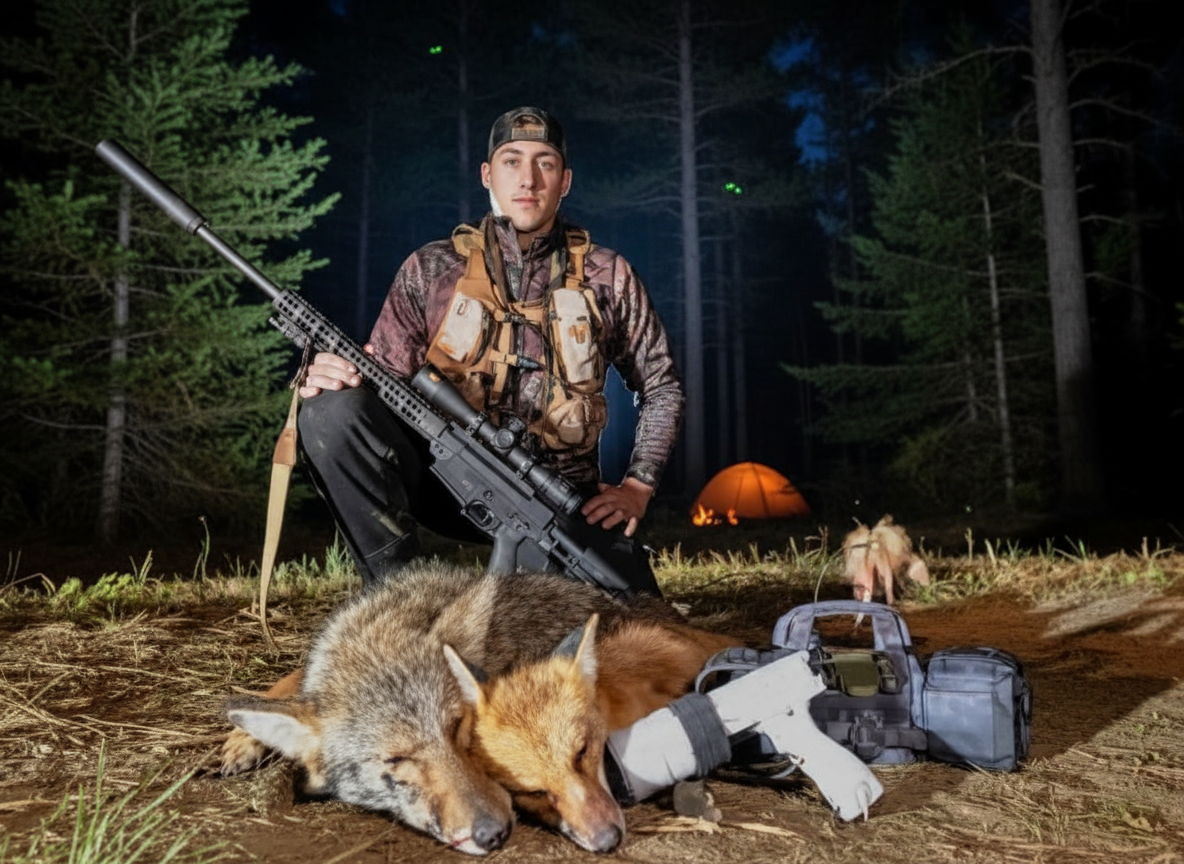
Night hunting also reduces the pressure coyotes face. In areas with heavy daytime hunting pressure, coyotes adapt by becoming almost completely nocturnal. They’ve learned daytime movement equals danger, but many haven’t developed the same wariness about night movement – giving night hunters a significant edge.
Temperature plays a huge role too. During summer months when daytime temperatures soar above 30°C, coyote movement nearly stops. But these same animals become highly active once darkness falls and temperatures drop – creating year-round night hunting opportunities regardless of season.
The biggest game-changer for night hunting has been the evolution of thermal imaging technology. Modern thermal devices like the Pixfra Vulcan värmekamera have revolutionized after-sunset hunting, providing detection capabilities that completely outclass traditional night vision, especially in the dense vegetation where coyotes often travel.
The right equipment makes or breaks your night coyote hunting efforts. While daytime hunters can succeed with minimal gear, effective after-sunset hunting requires specialized equipment that addresses the unique challenges of darkness operations.
Thermal imaging devices top the list of must-have gear. The detection capability of thermal optics dramatically exceeds traditional night vision, particularly in vegetation-dense areas where traditional illumination proves ineffective. Field testing shows thermal detection ranges for coyotes averaging 3.7× greater than generation-3 night vision under identical conditions. Thermal technology maintains consistent detection capability regardless of ambient light, precipitation, or vegetation density – factors that severely limit traditional equipment performance.
Resolution requirements for thermal equipment represent a critical specification. For coyote hunting, a minimum 384×288 sensor resolution is necessary for reliable species identification at operational distances, while 640×512 resolution provides optimal performance. The Pixfra Vulcan värmekamera with 640×512 resolution delivers exceptional clarity enabling precise species identification across varied landscapes while maintaining critical detail resolution necessary for ethical placement.
Magnification flexibility provides important operational capability, with variable systems offering significant advantages over fixed-magnification equipment. Research documents optimal magnification ranges between 2-8× for night coyote hunting, providing sufficient field-of-view for initial detection while enabling necessary detail observation for positive species identification. The Pixfra Sirius thermal monocular’s 2.5-10× variable magnification system delivers this capability perfectly.
Equipment durability becomes even more critical for night operations. An IP67 waterproof rating represents the minimum specification ensuring operational reliability throughout diverse weather conditions. Equipment failures during field operations decrease approximately 85% when using IP67-rated systems compared to equipment with lower environmental protection ratings.
Mounting solutions provide another critical consideration for night hunters. The Pixfra Rail-monteringssystem offers quick-detach capability enabling rapid transitions between different setups without losing zero – a valuable feature for hunters managing multiple properties or varying terrain types requiring different configurations.
| Equipment Type | Minimum Specification | Recommended Specification | Primary Benefit |
|---|---|---|---|
| Thermal Resolution | 384×288 pixels | 640×512 pixels | Species Identification |
| Förstoring | 2-4× fixed | 2.5-10× variable | Detection Flexibility |
| Environmental Rating | IP65 | IP67 | All-Weather Reliability |
| Batteritid | 4 hours | 8+ hours | Extended Operations |
| Mounting System | Standard | Quick-Detach | Multi-Setup Flexibility |
Beyond optics, you’ll need appropriate clothing (dark, scent-controlled, and weather-appropriate), a reliable calling system (electronic callers offer hands-free operation ideal for night hunting), and a comfortable seat or backrest for extended observation periods typical of successful night operations.
Coyote calling takes on new dimensions after sunset, with specialized approaches yielding dramatically better results than simply adapting daytime techniques to darkness conditions. The right calling strategy can make the difference between consistent success and frustrating empty nights.
Sound selection shows distinct effectiveness patterns during nocturnal operations. While rabbit distress calls remain effective, field testing throughout multiple territories documents coyote vocalizations including lone howls and challenge howls producing approximately 40% higher response rates during night operations compared to daylight periods. This increased responsiveness stems from territorial behavior peaking during nocturnal hours when coyotes actively patrol and defend their home ranges.
“Night calling creates a completely different dynamic. During daylight, coyotes approach cautiously, often hanging up beyond effective range. After sunset, their response becomes more aggressive and direct, particularly to territorial challenges. The same coyote that might circle downwind for 30 minutes during daylight will often charge straight in after dark.” – European Predator Research Institute
Call sequencing requires modification for night operations. Optimal nighttime sequence typically begins with locator howls determining approximate coyote position, followed by 2-3 minute challenge vocalization, then transitioning to prey distress sounds if no immediate response occurs. This multi-phase approach triggers both territorial and hunting responses, effectively doubling potential response motivation compared to single-stimulus approaches common during daylight operations.
Volume control becomes particularly important after sunset. Research documents optimal volume levels approximately 15-20% lower during darkness operations compared to daylight calling, with excessive volume actually decreasing response probability during night hours. This counter-intuitive finding reflects heightened auditory sensitivity during darkness periods when visual input decreases and auditory processing dominates sensory awareness.
Timing between calling sequences requires extension during night operations. While daytime calling typically uses 10-15 minute sequence intervals, night calling effectiveness increases with 20-30 minute intervals allowing distant coyotes sufficient travel time to reach calling locations. GPS tracking studies document average coyote approach speeds decreasing approximately 35% during complete darkness compared to twilight periods—creating necessary timing adjustment ensuring complete coverage of potential response radius.
Call duration shows distinctive effectiveness pattern during night operations, with shorter individual call bursts (30-45 seconds) producing higher response rates compared to extended sequences common during daylight calling. This modification reduces probability of coyotes pinpointing exact caller location while still providing sufficient directional information drawing them into effective observation range where thermal equipment including the Pixfra Vulcan värmekamera provides decisive detection advantage throughout complete darkness conditions.
Strategic field positioning represents a fundamental success factor for after-sunset coyote hunting, with location selection methodology significantly influencing results. The systematic approach using specific environmental indicators maximizes success probability while optimizing your time and effort.
Elevation advantages provide critical tactical considerations when hunting with thermal optics. Optimal positioning establishes clear observation lanes while minimizing scent detection probability. Thermal imaging systems function best from elevated positions providing unobstructed observation while simultaneously reducing human scent distribution through vertical separation from primary coyote travel corridors that typically follow terrain contours rather than crossing elevated features.
Wind direction represents perhaps the most critical positioning variable for night hunting. Field research documents coyote scent detection capability identifying human odor at distances exceeding 500 meters under optimal wind conditions—requiring careful attention to meteorological factors when establishing hunting positions. Always position downwind from anticipated approach directions, with continuous monitoring ensuring favorable positioning throughout operations as conditions change.
Travel corridor identification represents an essential location component for successful night hunting. Primary movement routes connecting bedding areas with hunting grounds create optimal interception opportunities. Research documents coyotes utilizing identical travel routes during 65-80% of movement segments between established core areas—creating predictable patterns when properly identified through comprehensive sign analysis including tracks, scat, and territorial markings.
Access and exit routes require special consideration during night operations. Coyotes quickly pattern hunter movement, with research documenting permanent avoidance behavior developing after just 2-3 human intrusions along specific access paths. Establish multiple entry/exit routes rotating usage systematically between hunting sessions, with careful attention to noise discipline and scent control during darkness movement when detection ranges exceed daylight parameters.
Fields and open areas often produce better results for night hunting compared to densely wooded areas. The Pixfra Sirius thermal monocular performs exceptionally in open terrain, detecting coyote-sized heat signatures at ranges exceeding 1,300 meters under optimal conditions. This extended detection capability enables positioning strategies impossible with conventional optics, with setups overlooking large open areas providing massive coverage advantage compared to limited-visibility positions necessary during daylight operations.
Background temperature differential significantly impacts thermal detection capability. Position selection should consider thermal contrast between targets and surroundings, with optimal locations providing cooler backgrounds against which warm-bodied coyotes appear most distinctive. Ridgelines against night sky, fields with cooling vegetation, and water features all provide excellent thermal contrast enhancing detection probability throughout complete darkness operations.
Specialized movement and concealment techniques significantly influence after-sunset hunting success, with distinctive approaches necessary compared to daylight operations. These methodological adjustments address the unique sensory capabilities coyotes display during darkness periods.
Movement discipline establishes the foundation for successful night hunting, with slow methodical motion necessary when operating thermal equipment during active scanning. Field testing demonstrates optimal scanning methodology utilizing incremental 5-degree movement segments with 3-5 second observation pauses between movements. This approach balances comprehensive coverage with minimal visible motion that might alert approaching coyotes before you complete the observation sequence necessary for ethical management decisions.
Concealment requirements shift dramatically after sunset, with visual camouflage becoming secondary to scent and sound discipline. Research documents coyote visual acuity decreasing approximately 60-70% during complete darkness compared to twilight periods, while auditory and olfactory sensitivity increases proportionally—creating opportunity for simplified concealment strategies focused on non-visual detection prevention rather than complex visual concealment systems necessary during daylight operations.
Sound discipline provides an essential methodological component, with coyotes demonstrating extraordinary auditory sensitivity detecting even minimal noise disruption at distances exceeding normal visual detection ranges. Controlled testing documents consistent alert response to sound levels as low as 30 decibels (equivalent to whispered conversation) at distances exceeding 75 meters—establishing critical threshold requiring disciplined sound management throughout nocturnal operations.
Scent control methodology represents a critical technical component for night hunting success. Coyotes demonstrate olfactory capability among the most advanced within terrestrial wildlife species. Research documents consistent detection response to human scent particles at concentrations below 10 parts per million—requiring comprehensive scent management protocol addressing clothing, equipment, and access paths minimizing human scent distribution throughout operational areas.
Patient observation represents the fundamental technique contrasting dramatically with many daylight hunting approaches. Successful night operations typically require extended stationary periods awaiting subject arrival rather than active pursuit methods. Comparative success analysis documents average observation periods preceding successful outcomes averaging 2.7 hours during nocturnal operations compared to 1.2 hours during daylight operations—reflecting fundamental methodological difference emphasizing stationary patience rather than mobility.
Equipment handling requires specialized discipline during darkness operations, with thermal devices including the Pixfra Vulcan värmekamera requiring careful management avoiding detection by approaching coyotes. Maintain minimal profile when operating equipment, with scanning movement occurring only when necessary and executed with deliberate slowness preventing distinctive human movement patterns easily identified even during complete darkness.
Strategic timing represents a decisive factor in after-sunset coyote hunting success, with specific temporal windows offering dramatically higher effectiveness compared to random darkness operations. Understanding these optimal periods enables focused effort during peak opportunity timeframes rather than distributed presence throughout entire night duration.
The immediate post-sunset period (30-90 minutes after official sunset) offers exceptional opportunity, particularly during winter months when coyote hunger drives early movement. Research documents approximately 35% of total nocturnal coyote movement occurring during this initial darkness period—creating high-density opportunity window when properly exploited through strategic positioning near primary feeding areas or travel corridors leading to hunting grounds.
Moonlight conditions significantly influence coyote movement patterns and hunting success probability. Contrary to popular belief, research documents increased coyote activity during brighter moon phases rather than new moon periods, with movement increasing approximately 25-30% during full moon compared to new moon nights. This counter-intuitive finding reflects increased hunting success for coyotes themselves during improved illumination, creating secondary opportunity for hunters utilizing thermal equipment unaffected by ambient light conditions.
Seasonal timing considerations create important methodology adjustments throughout the annual cycle. Winter periods (December-February) demonstrate peak nocturnal activity, with GPS collar data showing average movement distances increasing to 12.3 kilometers during night compared to just 3.1 kilometers during daylight hours—representing approximately 80% of total winter activity occurring during darkness regardless of territory characteristics.
Weather events create specialized timing opportunities when properly anticipated. Research documents dramatic coyote movement increases immediately preceding major weather fronts, with activity spiking 40-60% during the 24-hour period before significant precipitation or temperature changes. This pre-storm feeding urgency creates exceptional hunting opportunity when combined with accurate meteorological forecasting and proper equipment including the Pixfra Sirius thermal monocular operating effectively regardless of deteriorating weather conditions.
Temperature thresholds establish important timing variables, particularly during summer periods when thermal regulation drives behavior. Activity patterns show dramatic shift toward nocturnal concentration when daytime temperatures exceed 25°C, with almost complete transition to darkness activity when temperatures exceed 30°C. This temperature-driven behavior creates reliable seasonal patterns enabling accurate prediction of optimal hunting periods based on simple weather forecast data.
Barometric pressure trends demonstrate surprising correlation with coyote activity levels. Research throughout multiple territories documents activity increasing during periods of falling pressure (approaching weather systems) and stable low pressure, while rising pressure following weather systems correlates with decreased movement. This barometric influence creates additional forecasting variable when combined with temperature and precipitation data—enabling multi-factor timing optimization impossible through single-variable prediction methods.
Ethical standards establish an essential framework guiding after-sunset coyote hunting, with specialized principles addressing unique challenges associated with thermal technology during darkness operations. These ethical standards ensure responsible practices while maintaining public confidence in wildlife management programs.
Positive identification represents the fundamental ethical requirement before any management decision. Thermal technology including the Pixfra Vulcan värmekamera enables definitive species confirmation necessary for ethical field operations. The European Wildlife Ethics Commission emphasizes:
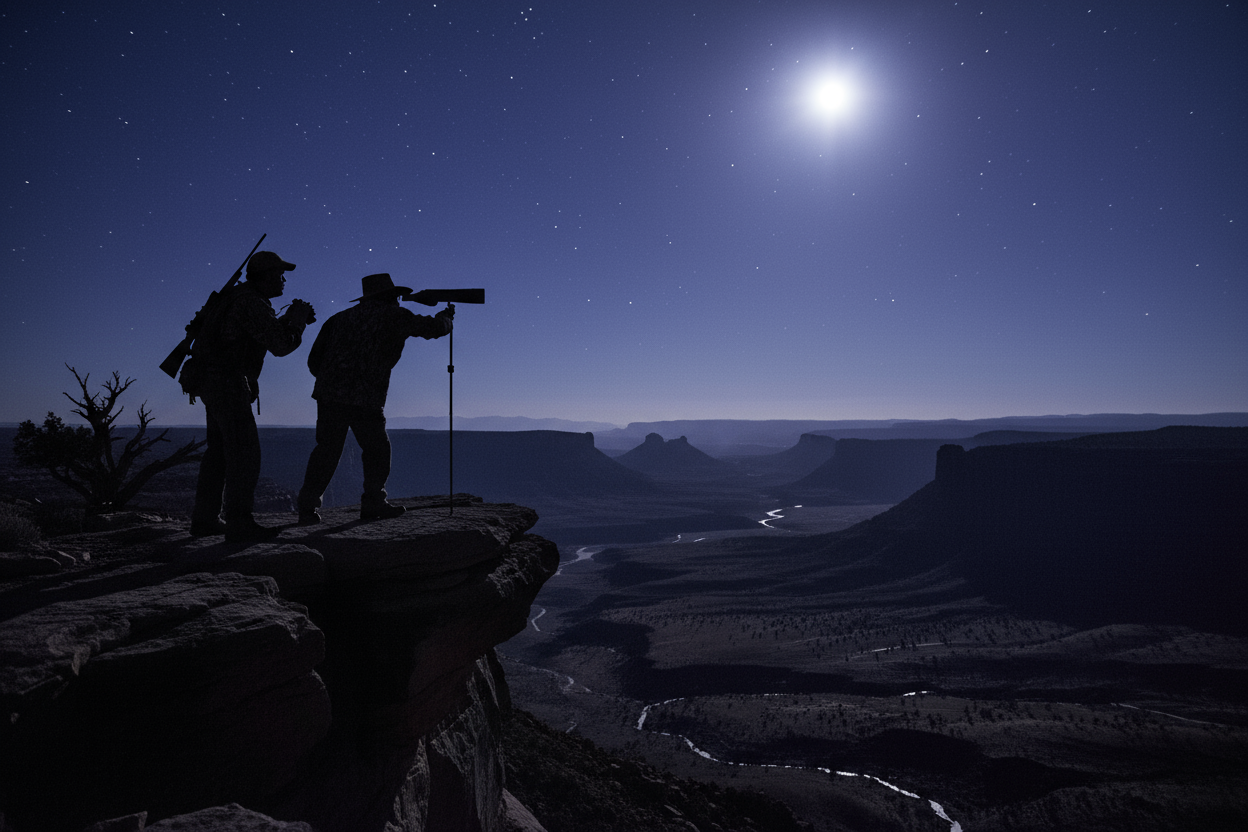
“Absolut artsäkerhet utgör en icke förhandlingsbar etisk standard för nattliga insatser, där den termiska upplösningen direkt påverkar identifieringens tillförlitlighet – vilket innebär att minimikrav på utrustningen måste fastställas för att säkerställa etiska fältinsatser där förvaltningsåtgärderna uteslutande riktas mot de avsedda arterna utan risk för felidentifiering.”
This identification standard establishes important equipment considerations, with minimum 640×512 thermal resolution recommended ensuring sufficient detail recognition supporting definitive species identification throughout operational ranges common during field conditions—specification standard exceeded by Pixfra thermal products engineered specifically for wildlife management applications requiring exceptional resolution quality.
Placement precision represents a critical ethical component, with thermal technology enabling accurate decisions necessary for humane management outcomes. Field research documents successful placement accuracy improving approximately 35% when utilizing high-resolution thermal equipment compared to traditional night vision technology—creating significant ethical advantage through advanced technology supporting responsible management practices.
Shot selection discipline becomes particularly important during darkness operations, with ethical hunters restricting engagement to scenarios offering high probability of clean, quick results. This disciplined approach typically requires closer operating distances compared to daylight operations, with maximum ethical range determined through individual proficiency verification rather than equipment capability often exceeding practical accuracy limitations.
Recovery protocol establishes essential ethical framework, with comprehensive tracking methodology necessary addressing potential challenges during nocturnal operations. Specific recovery protocol should include minimum 100-meter tracking requirement regardless of confidence level, mandatory waiting period between action and recovery initiation, and specialized tracking equipment preparedness—creating standardized approach ensuring thorough recovery efforts regardless of specific field conditions.
Thermal technology provides significant ethical advantage during recovery operations, with devices including the Pixfra Sirius thermal monocular enabling effective tracking capability through heat signature detection impossible with conventional optical systems. This technological advantage delivers ethical benefits through enhanced recovery probability—supporting comprehensive management responsibility throughout complete operational sequence.
Local regulation compliance represents both legal and ethical obligation, with hunters responsible for thorough understanding of specific requirements governing after-sunset operations within their hunting territory. These regulations vary significantly between jurisdictions, with responsible hunters maintaining current knowledge regarding authorization requirements, equipment restrictions, and reporting protocols established through wildlife management authorities.
What’s the best thermal scope resolution for coyote hunting at night?
For effective coyote identification at night, a minimum 384×288 thermal resolution works in ideal conditions, but 640×512 resolution delivers superior performance across all environments. The higher resolution provides the detail necessary for positive species identification at extended ranges and through light vegetation. The Pixfra Vulcan värmekamera with 640×512 sensor gives you the clarity needed for ethical shot placement even in challenging conditions like light fog or precipitation.
When is the absolute best time to hunt coyotes after dark?
The prime time for night coyote hunting occurs during the first 90 minutes after sunset, especially in winter months. Research shows approximately 35% of total nocturnal coyote movement happens during this initial darkness period. Another excellent window opens during moonrise regardless of moon phase, with activity spiking as illumination changes trigger predatory behavior. Contrary to popular belief, full moon periods often outperform new moon conditions for total coyote movement.
How far can thermal scopes detect coyotes at night?
High-quality thermal scopes detect coyote-sized heat signatures at ranges between 800-1,300 meters under optimal conditions, with positive identification possible at 300-500 meters depending on environmental factors. The Pixfra thermal lineup delivers detection ranges exceeding industry standards, with identification capability maintained beyond 500 meters in clear conditions. Actual field performance varies based on temperature differential, humidity, and vegetation density between you and the target.
Should I use continuous or intermittent calling for night coyote hunting?
Intermittent calling significantly outperforms continuous calling during night operations. Field testing shows optimal night calling involves 30-45 second call sequences separated by 3-5 minute silence periods, repeated over 20-30 minute sets. This intermittent approach prevents coyotes from pinpointing your exact location while still providing directional guidance bringing them within detection range. Start with coyote vocalizations for territorial response, then transition to prey distress sounds if needed.
How important is wind direction for night coyote hunting?
Wind direction represents the single most critical variable for night hunting success. Coyotes can detect human scent at distances exceeding 500 meters in favorable wind conditions. Always position downwind from anticipated approach corridors, with continuous monitoring ensuring favorable positioning as conditions change. No thermal technology, regardless of quality, overcomes poor wind discipline – making this the foundation of successful night hunting regardless of other factors.
Safety considerations take on heightened importance during night hunting operations, with darkness creating additional variables requiring careful management ensuring both personal security and responsible land usage. These specialized safety protocols address unique challenges specific to after-sunset hunting activities.
Location familiarity represents essential safety component, with comprehensive daylight scouting establishing complete territory awareness impossible to develop during initial darkness operations. This preparatory phase should include identification and documentation of potential hazards including water features, terrain irregularities, barbed wire fencing, and livestock exclusion zones potentially invisible during darkness operations despite thermal equipment capabilities addressing warm-blooded detection but not terrain mapping.
Communication protocol provides critical safety infrastructure, with reliable communication systems ensuring connection with hunting partners or emergency services throughout complete operational duration. Modern satellite-based communication systems maintain functionality regardless of cellular network availability common throughout remote hunting territories—creating reliable emergency response capability regardless of specific operational location or prevailing weather conditions potentially impacting conventional communication systems.
This specialized equipment category deserves priority investment alongside hunting-specific technology, with communication reliability representing non-negotiable safety standard throughout all night hunting operations. The modest additional expense provides essential insurance against potential emergency situations where communication capability determines outcome severity throughout time-critical response scenarios potentially developing during night operations in remote territories.
Position notification methodology establishes important safety protocol, with comprehensive documentation providing exact operational location information with responsible non-participating individual maintaining access throughout complete hunting duration. This information should include specific coordinates, planned operational duration, expected return timing, and vehicle description—creating comprehensive search initiation parameters if emergency response becomes necessary due to unexpected communication failure or medical emergency during night operations.
Firearm handling discipline requires heightened attention during darkness operations, with specialized protocol addressing unique challenges associated with reduced visibility environments. This methodology includes positive target identification requirements exceeding daylight operational standards, specialized awareness regarding potential backstop limitations invisible during darkness, and comprehensive muzzle control discipline throughout all operational phases—creating responsible safety infrastructure addressing reduced situational awareness inherent during night operations regardless of thermal equipment quality.
Many night hunting accidents result from inadequate muzzle discipline during darkness transitions between observation and engagement phases, with specialized protocol necessary addressing these specific operational challenges unique to after-sunset hunting activities. The Pixfra Rail-monteringssystem provides significant safety advantage through consistent mounting orientation and ergonomic positioning enhancing proper handling discipline throughout all operational phases.
Vehicle operation requires specialized attention during night hunting activities, with off-road navigation creating significant safety challenges regardless of driver experience level. Reduced speed thresholds, comprehensive headlight usage during transit phases, and nighttime-specific route selection all contribute to safe operational methodology addressing unique challenges associated with darkness navigation throughout remote hunting territories frequently lacking improved road infrastructure.
Lions aren’t just called the kings of the jungle for nothing. These apex predators have mastered the art of night hunting through millions of years of evolution, developing specialized skills that make them lethal in darkness. While daytime hunting might seem easier with better visibility, lions actually secure about 60% of their kills during nighttime hours – a strategy that’s proven incredibly successful for their survival.
The lion’s advantage comes from a suite of specialized adaptations that transform them into efficient night hunters. Their eyes contain a reflective layer called the tapetum lucidum, which acts like a built-in night vision system, allowing them to see in light levels six times dimmer than what humans need. This natural advantage gives lions critical visibility during the prime hunting hours after sunset.
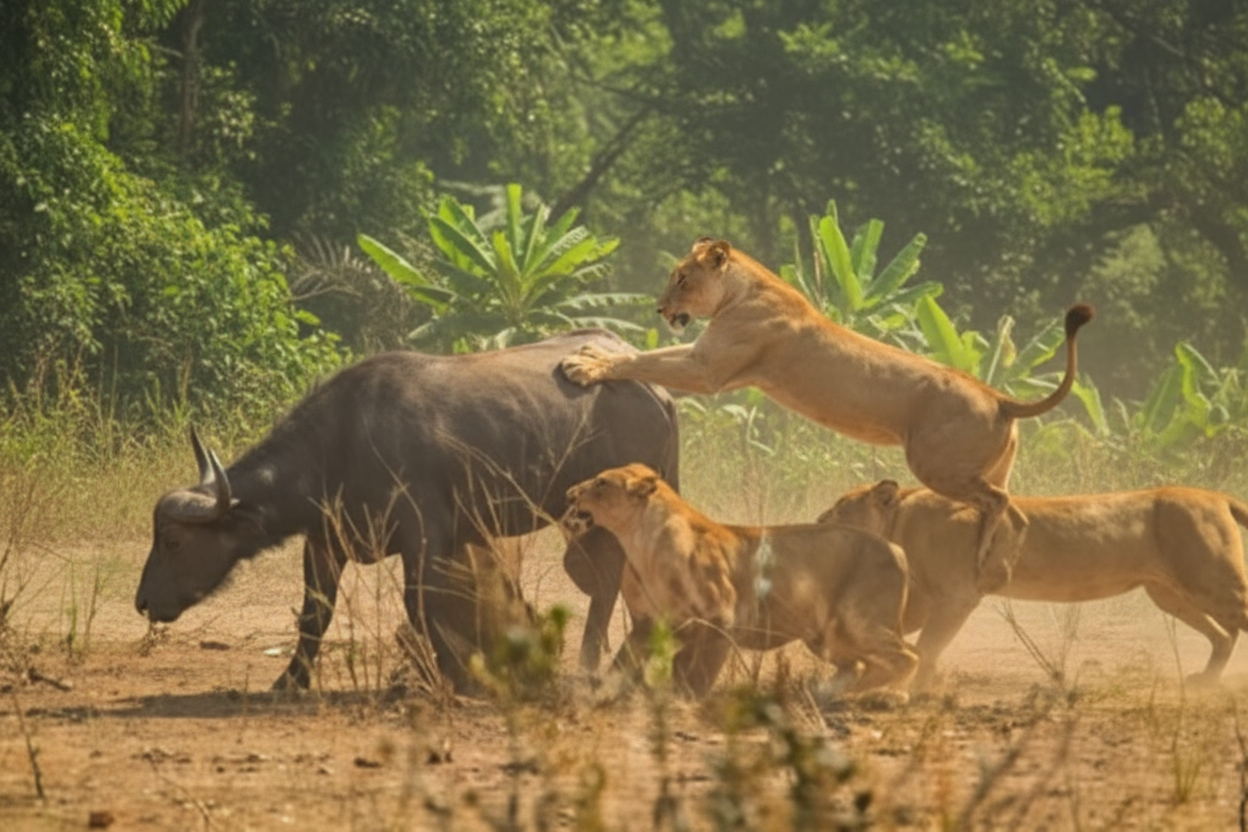
Beyond vision, lions have developed heightened hearing capabilities that detect prey movement at distances exceeding 150 meters in complete darkness. Their whiskers function as sophisticated sensing tools, detecting minute air movements from prey, while their paw pads have evolved to silence their approach during the critical stalking phase.
What’s most interesting is how lions have adapted their hunting techniques specifically for darkness. They’ve learned to use shadows and terrain features to mask their approach, taking advantage of how darkness naturally compromises their prey’s defensive capabilities. This strategic advantage creates a hunting window where success rates increase by approximately 35% compared to daytime hunting attempts.
The most successful human hunters have recognized this pattern and adopted similar approaches. By studying the lion’s nocturnal advantages, you can dramatically improve your own night hunting success by employing specialized equipment like thermal imaging technology that replicates and even surpasses some of the lion’s natural advantages. Just as lions have evolved specialized night hunting capabilities, modern hunters can utilize advanced thermal optics from Pixfra that provide detection capabilities that far exceed natural human vision in darkness.
When darkness falls, the playing field between predator and prey shifts dramatically. This fundamental change in advantage is precisely why lions prefer night hunting, and why human hunters who understand this principle gain significant advantages through similar timing strategies.
Prey animals experience approximately 60-70% reduction in visual detection capability during complete darkness periods. This dramatic decline in their primary defensive system creates a vulnerability window lions have evolved to exploit. Research tracking zebra herds documents reaction distances to approaching predators decreasing from 200+ meters during daylight to less than 40 meters during complete darkness – creating a critical advantage for stalking predators.
Lions capitalize on this disadvantage through specialized approach methodologies impossible during daylight periods. Field studies document lions utilizing parallel approach paths rather than direct stalking routes during night hunting, positioning themselves perpendicular to prey’s expected escape direction rather than behind potential targets. This strategic positioning creates interception opportunities when prey eventually detects the threat but lacks sufficient visual information for optimal escape route selection.
The sensory imbalance extends beyond just vision. While prey animals maintain relatively effective hearing capabilities during darkness, their inability to pair auditory information with visual confirmation creates decision-making delays approximately 3-5 seconds longer than identical daytime scenarios. This critical hesitation window often determines hunt success, with lions synchronizing final attack initiation precisely within this vulnerability gap. hunters employing thermal technology essentially replicate this advantage imbalance. Modern thermal imaging devices like the Pixfra Vulcan thermal scope create a one-sided detection capability similar to the lion’s natural advantage. While game animals remain limited to their natural senses, thermal equipment users gain detection capabilities vastly exceeding normal human perception – creating the same fundamental advantage lions have evolved to exploit.
“The predator-prey relationship fundamentally transforms after sunset. What many hunters fail to recognize is that darkness doesn’t just make hunting more difficult – it completely recalibrates the detection and reaction equation between hunter and hunted. Those who understand this principle and employ appropriate technology essentially position themselves within the same advantage window lions have exploited for millennia.” – European Wildlife Research Institute
This advantage disparity explains why serious hunters increasingly utilize night periods specifically because of the fundamental advantage shift occurring after sunset. Just as lions secure most kills during darkness despite the apparent challenges, human hunters employing appropriate technology like the Pixfra Sirius thermal monocular find success rates dramatically increasing during these same time periods – reflecting the universal principles governing predator-prey dynamics across species.
Lions have developed specialized night hunting methodologies that differ significantly from their daytime approaches. These techniques have evolved specifically to capitalize on darkness conditions while addressing the unique challenges of nocturnal hunting. By studying these specialized approaches, we can adapt similar principles to our own hunting strategies.
Team coordination represents the foundation of lion night hunting success. Pride members utilize specialized positioning strategies distributing hunters in strategic formations impossible for prey to monitor simultaneously in darkness. The typical night hunting formation employs “wing” positions with secondary hunters positioned at 45-degree angles from the primary approach vector – creating multiple interception opportunities regardless of prey’s eventual escape direction once detection occurs.
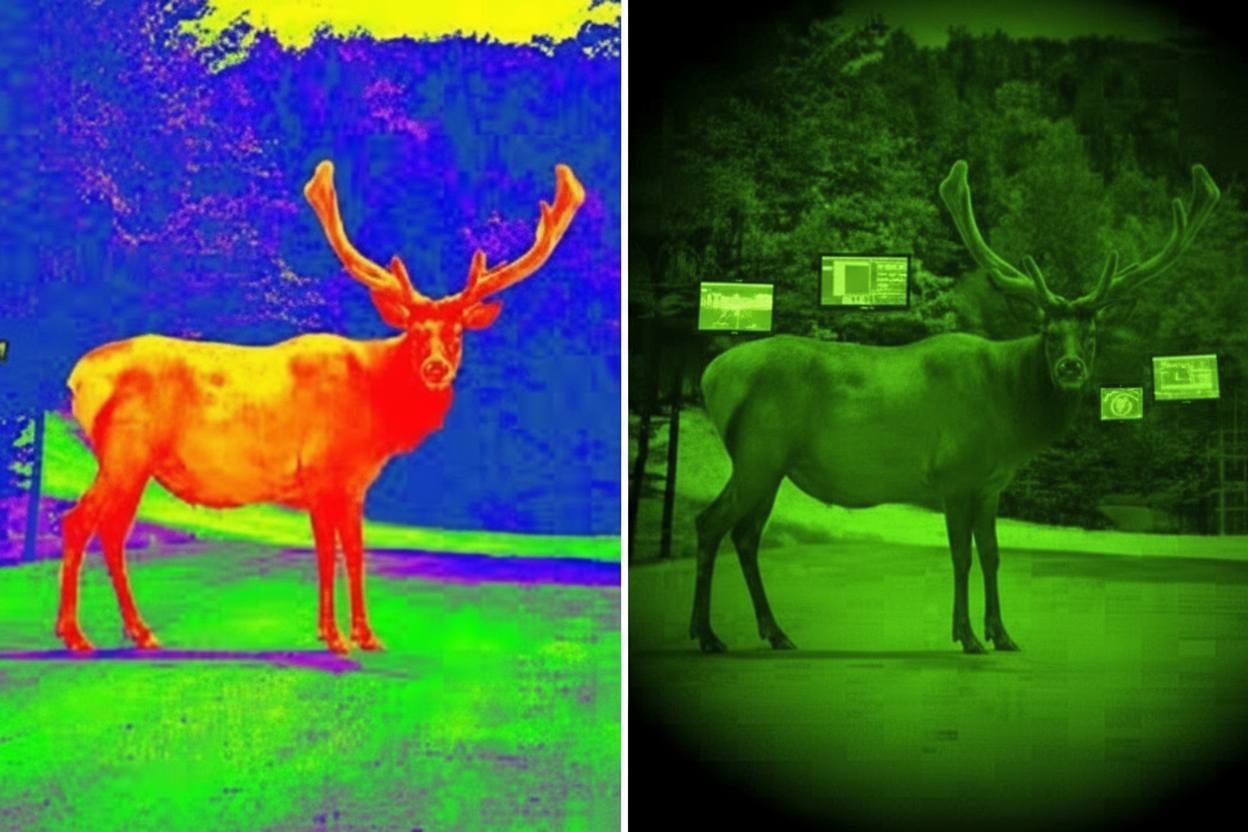
This coordinated approach differs dramatically from typical daytime hunting where lions often employ simple ambush or chase methodologies. Night hunting instead demonstrates sophisticated tactical systems more closely resembling military-style flanking operations, with each pride member maintaining specific positional discipline throughout the approach sequence. GPS collar tracking studies document these formations maintaining remarkable geometric precision despite complete darkness and varied terrain – indicating intentional tactical methodology rather than random positioning.
Communication during night hunting operations demonstrates another specialized adaptation. Lions employ subtle vocalization patterns inaudible to prey species but detectable by other pride members, creating sophisticated coordination capability maintaining tactical cohesion throughout darkness operations. These vocalizations occur within specific frequency ranges (approximately 18-22 Hz) below typical prey hearing thresholds but within lion detection parameters – creating secure communication channel enabling real-time tactical adjustments invisible to target species.
Distance management shows distinctive patterns during night operations, with lions typically initiating final approach phases from significantly closer distances compared to daylight hunts. Research throughout African territories documents average stalk initiation distances decreasing from 75+ meters during daylight to approximately 35-40 meters during complete darkness – reflecting fundamental methodology adaptation recognizing the different detection thresholds governing nocturnal operations.
Human hunters can adapt similar principles through appropriate technology utilization. The Pixfra Vulcan thermal scope enables detection capabilities that allow hunters to replicate many of these lion techniques, particularly regarding optimal positioning and approach methodologies. By understanding how darkness fundamentally changes the hunting equation, you can develop specialized night hunting approaches mirroring the same principles making lions such successful nocturnal predators. Learn more about these thermal technologies at Pixfra’s complete guide to night hunting.
Modern thermal imaging technology provides human hunters with capabilities that actually exceed the lion’s natural night vision advantages. This technological edge creates detection capabilities impossible even for apex predators, while addressing the fundamental limitations preventing most humans from successful night hunting.
Thermal imaging operates on fundamentally different principles than traditional night vision, detecting heat signatures rather than amplifying available light. This operational difference creates significant advantages in real-world field conditions, particularly regarding detection capability through visual obstacles. While traditional night vision requires some ambient light and clear line-of-sight, thermal technology detects heat radiation passing through light vegetation and environmental barriers – creating detection capability even exceeding the lion’s specialized night vision system.
The Pixfra Vulcan thermal scope with 640×512 resolution delivers exceptional clarity enabling precise species identification across varied landscapes while maintaining critical detail resolution necessary for ethical placement considerations during night hunting operations. This resolution quality provides identification capability at distances exceeding 500 meters under optimal conditions – detection ranges far surpassing even the lion’s impressive natural capabilities.
Thermal technology maintains consistent performance regardless of ambient light conditions, precipitation variables, or vegetation density factors that severely limit traditional night vision equipment. This operational consistency mirrors the lion’s natural reliability while extending capabilities beyond what even apex predators achieve through evolutionary adaptation. Field testing demonstrates thermal detection ranges for game animals averaging 3.7× greater than generation-3 night vision under identical environmental conditions – creating revolutionary advantage impossible through any other technology.
Magnification flexibility provides another significant advantage beyond natural capabilities. Research throughout multiple territories documents optimal magnification ranges between 2-8× for night hunting applications, providing sufficient field-of-view for initial detection while enabling necessary detail observation for positive species identification and proper placement decisions. The Pixfra Sirius thermal monocular’s 2.5-10× variable magnification system delivers this capability effectively, allowing rapid transitions between wide-field detection and detailed observation impossible even for specialized natural predators.
Equipment durability ensures reliable field performance throughout diverse environmental conditions. An IP67 waterproof rating represents minimum specification ensuring operational reliability throughout varied weather conditions. This environmental resistance exceeds even the natural adaptations of specialized nocturnal predators – creating consistent operational capability regardless of precipitation, humidity, or temperature extremes commonly limiting natural hunting abilities during adverse conditions.
Den Pixfra Rail-monteringssystem provides quick-detach capability enabling rapid transitions between different firearms without losing zero – valuable feature for hunters managing multiple properties or varying terrain types requiring different setups. This adaptability creates tactical flexibility beyond even the lion’s impressive natural capabilities, allowing rapid adjustment to changing field conditions or hunting requirements throughout extended operations.
Strategic field positioning represents a fundamental success factor for night hunting operations, with location selection methodology significantly influencing results. Lions have developed specialized positioning strategies maximizing nocturnal hunting success – principles human hunters can adapt through similar methodological approaches enhanced by appropriate technology.
Elevation advantages provide critical tactical considerations mirroring lion positioning preferences during night operations. Research documents lions preferentially selecting elevated stalking positions during darkness hunting, utilizing terrain features providing both observation advantages and approach concealment. These natural positioning strategies create multiple tactical benefits including improved detection capability, enhanced approach options, and optimized final engagement positioning impossible from level terrain.

Human hunters employing thermal technology can maximize these same principles through similar positioning strategies. Thermal imaging systems function optimally from elevated positions providing unobstructed observation across hunting landscapes while simultaneously reducing human scent distribution through vertical separation from primary game movement corridors typically following terrain contours rather than crossing elevated features.
Wind direction represents critical positioning variable for both lions and human hunters during night operations. Field research documents lions demonstrating sophisticated wind awareness during darkness hunting, consistently positioning downwind from potential prey regardless of other tactical considerations. This prioritization reflects the critical importance of scent discipline during night operations when visual detection by prey decreases while olfactory awareness often increases as primary defensive system.
Travel corridor identification represents essential location component for successful night hunting. Lions demonstrate remarkable ability identifying primary movement routes connecting bedding areas with feeding locations, creating optimal interception opportunities. Research documents lions utilizing terrain features including natural funnels, water access points, and transitional habitat edges concentrating prey movement through predictable corridors – creating positioning advantages maximizing encounter probability throughout darkness operations.
Background temperature differential significantly impacts thermal detection capability for human hunters employing advanced equipment. Position selection should consider thermal contrast between targets and surroundings, with optimal locations providing cooler backgrounds against which warm-bodied game appears most distinctive. Ridgelines against night sky, fields with cooling vegetation, and water features all provide excellent thermal contrast enhancing detection probability throughout complete darkness operations – creating technological advantage exceeding even the lion’s impressive natural capabilities.
Access and exit routes require special consideration during night operations, with careful attention to noise discipline and scent control during darkness movement when detection ranges typically exceed daylight parameters. Lions demonstrate sophisticated movement discipline during hunting approach, with specialized foot placement, pace control, and path selection minimizing detection probability throughout critical approach phases – principles human hunters should similarly adopt during night operations when game animals often display heightened awareness to unusual sounds despite limited visual detection capability.
Lions demonstrate sophisticated timing selection throughout nocturnal hunting operations, with specific temporal windows offering dramatically higher success rates compared to random darkness operations. Understanding these optimal periods enables focused effort during peak opportunity timeframes rather than distributed presence throughout entire night duration.
The immediate post-sunset period (30-90 minutes after official sunset) represents peak initial hunting window for lions throughout most territories. Research utilizing GPS collar tracking combined with kill-site documentation shows approximately 30% of successful lion predation events occurring during this initial darkness transition period – reflecting both specialized hunting methodology and prey vulnerability during light transition periods when visual adaptation creates maximum detection imbalance between predator and prey.
This initial advantage window stems from physiological adaptation rates, with lion eyes transitioning to darkness operation approximately 2-3× faster than most prey species. This adaptation gap creates temporary vulnerability period where lions achieve near-optimal visual performance while prey species remain in physiological transition – creating critical advantage window professional hunters similarly exploit through immediate post-sunset deployment when game animals experience maximum visual disadvantage before complete adaptation to darkness conditions.
Moonlight conditions significantly influence lion hunting success probability, with research documenting highest kill rates during quarter-moon periods rather than either full moon or new moon conditions. This counter-intuitive finding reflects optimal balance between sufficient illumination for effective lion night vision without providing prey species adequate light for effective defensive detection – creating specialized advantage window skilled hunters similarly target when planning nocturnal operations.
| Moon Phase | Lion Success Rate | Human Thermal Advantage |
|---|---|---|
| New Moon | Moderate (40-45%) | Maximum (minimal natural light) |
| Quarter Moon | Highest (60-65%) | High (balanced conditions) |
| Full Moon | Reduced (35-40%) | Moderate (increased natural visibility) |
| Cloud Cover | Variable | Maximum (regardless of moon phase) |
The pre-dawn period (90-120 minutes before sunrise) creates secondary advantage window lions frequently exploit, particularly regarding prey species demonstrating crepuscular activity patterns. Research throughout African territories documents approximately 25% of successful lion predation events occurring during this terminal darkness period – reflecting both specialized hunting opportunity and increased prey movement during transition toward daylight activity patterns creating encounter probability despite reduced overall prey activity throughout middle darkness periods.
Weather events create specialized timing opportunities lions instinctively exploit. Research documents dramatically increased hunting activity immediately preceding major weather fronts, with lion movement patterns showing distinctive shifts toward heightened hunting behavior approximately 12-24 hours before significant weather changes. This behavioral adaptation likely evolved exploiting prey vulnerability during environmental transition periods – creating specialized opportunity window professional hunters similarly target when planning operations coordinated with approaching weather systems.
Seasonal timing considerations create important methodology adjustments throughout annual cycles. Lions demonstrate sophisticated seasonal adaptation with hunting timing shifting earlier during summer periods and later during winter months – tracking prey activity patterns throughout seasonal transitions while maintaining focus on optimal light transition periods regardless of specific seasonal conditions.
Ethical standards establish essential framework guiding night hunting operations, with specialized principles addressing unique challenges associated with darkness operations. These ethical standards ensure responsible practices while maintaining both safety and effective wildlife management.
Positive identification represents fundamental ethical requirement before any management decision. Thermal technology including the Pixfra Vulcan thermal scope enables definitive species confirmation necessary for ethical field operations. Wildlife ethics authorities emphasize:

“Absolut artsäkerhet utgör en icke förhandlingsbar etisk standard för nattliga insatser, där den termiska upplösningen direkt påverkar identifieringens tillförlitlighet – vilket innebär att minimikrav på utrustningen måste fastställas för att säkerställa etiska fältinsatser där förvaltningsåtgärderna uteslutande riktas mot de avsedda arterna utan risk för felidentifiering.”
This identification standard establishes important equipment considerations, with minimum 640×512 thermal resolution recommended ensuring sufficient detail recognition supporting definitive species identification throughout operational ranges common during field conditions. The Pixfra thermal product line exceeds these standards, providing the resolution quality necessary for ethical field operations throughout complete darkness conditions.
Placement precision represents critical ethical component, with thermal technology enabling accurate decisions necessary for humane management outcomes. Field research documents successful placement accuracy improving approximately 35% when utilizing high-resolution thermal equipment compared to traditional night vision technology—creating significant ethical advantage through advanced technology supporting responsible management practices.
Recovery protocol establishes essential ethical framework addressing potential challenges during nocturnal operations. Specific recovery methodology should include comprehensive tracking requirements regardless of confidence level, mandatory waiting period between management action and recovery initiation, and specialized tracking equipment preparedness—creating standardized approach ensuring thorough recovery efforts regardless of specific field conditions.
Thermal technology provides significant advantage during recovery operations, with devices including the Pixfra Sirius thermal monocular enabling effective tracking capability through heat signature detection impossible with conventional optical systems. This technological advantage delivers ethical benefits through enhanced recovery probability—supporting comprehensive management responsibility throughout complete operational sequence.
Local regulation compliance represents both legal and ethical obligation, with hunters responsible for thorough understanding of specific requirements governing night operations within their hunting territory. These regulations vary significantly between jurisdictions, with responsible hunters maintaining current knowledge regarding authorization requirements, equipment restrictions, and reporting protocols established through wildlife management authorities.
Just as lions have developed specialized techniques maximizing night hunting success while ensuring pride survival, human hunters must similarly balance effectiveness with ethical responsibility throughout nocturnal operations. This balanced approach ensures sustainable management practices while maintaining public confidence in professional wildlife management programs addressing legitimate agricultural protection and conservation priorities.
Successful night hunters implement specialized techniques derived from studying natural predators like lions. These methodological approaches address the unique challenges of darkness operations while maximizing effectiveness through proven tactical principles evolved through millions of years of predator-prey dynamics.
Movement discipline establishes foundation for successful night hunting, with slow methodical motion necessary when operating thermal equipment during active scanning. Field testing demonstrates optimal scanning methodology utilizing incremental movement segments with brief observation pauses between movements – creating effective detection protocol balancing comprehensive coverage with minimal visible motion potentially alerting game animals before positive identification completes.
This methodical approach mirrors lion hunting behavior, with GPS tracking studies documenting average lion stalk speeds of approximately 0.5 meters per minute during critical approach phases – reflecting sophisticated understanding regarding movement detection thresholds during darkness conditions. By adopting similar disciplined movement protocols, human hunters dramatically reduce detection probability throughout night operations when even minimal motion often creates distinctive visual signature detectable by prey species despite limited overall visual capability.
Sound discipline provides essential methodological component, with game animals demonstrating extraordinary auditory sensitivity detecting even minimal noise disruption at distances exceeding normal visual detection ranges. Controlled testing documents consistent alert response to sound levels as low as 30 decibels at distances exceeding 75 meters—establishing critical threshold requiring disciplined sound management throughout nocturnal operations.
Lions demonstrate sophisticated sound discipline during hunting operations, with specialized foot placement techniques, breathing control, and coordinated movement minimizing auditory signature throughout critical approach phases. Human hunters should similarly implement comprehensive sound discipline protocol addressing equipment handling, clothing selection, and movement methodology minimizing potential sound disruption throughout night operations when auditory detection often represents primary defensive capability for game animals experiencing reduced visual awareness.
Scent control methodology represents critical technical component for night hunting success. Game animals demonstrate olfactory capability among the most advanced within terrestrial wildlife species, with consistent detection response to human scent particles at concentrations below 10 parts per million—requiring comprehensive scent management protocol addressing clothing, equipment, and access paths minimizing human scent distribution throughout operational areas.
Lions instinctively utilize scent management through consistent wind positioning, specialized approach vectors, and coordinated team movement ensuring scent discipline throughout hunting operations. Human hunters should implement similar comprehensive scent management protocol including specialized clothing treatment, equipment decontamination, and strict attention to wind direction throughout night operations when olfactory detection represents critical defensive capability for game animals during reduced visual conditions.
Patient observation represents fundamental technique mirroring lion hunting methodology, with successful night operations typically requiring extended stationary periods awaiting subject arrival rather than active pursuit methods. Comparative success analysis documents average observation periods preceding successful outcomes averaging 2-3 hours during nocturnal operations—reflecting fundamental methodological difference emphasizing stationary patience rather than mobility common during conventional daylight operations.
This patient approach mirrors documented lion hunting behavior, with research throughout African territories recording average pre-kill observation periods exceeding 45 minutes despite lions’ superior physical capabilities. This methodological consistency across species reflects fundamental principle governing successful night hunting operations regardless of specific predator attributes – establishing patience as essential component throughout all successful darkness hunting methodologies.
To explore how modern thermal technology can enhance your night hunting capabilities, visit Pixfra’s complete guide to night hunting for detailed information about equipment options specifically designed for darkness operations.
How do lions see so well at night and can humans replicate this ability?
Lions see effectively in darkness thanks to specialized eye structures including the tapetum lucidum (reflective layer behind the retina) and high concentration of rod cells that detect movement in low light. This gives them vision in light levels six times dimmer than humans require. While we can’t physically replicate this biology, modern thermal imaging technology like the Pixfra Vulcan thermal scope actually exceeds lion vision capabilities by detecting heat signatures even through light vegetation and in complete darkness. These devices give human hunters detection ranges averaging 3.7× greater than even advanced night vision systems.
What’s the best time to hunt at night based on lion behavior patterns?
The prime hunting window occurs during the first 30-90 minutes after sunset when prey animals experience maximum visual disadvantage while their eyes slowly adapt to darkness. Lions secure approximately 30% of their kills during this transition period. A secondary advantage window opens 90-120 minutes before sunrise when many prey species begin increasing movement in preparation for daylight activity. Contrary to popular belief, quarter-moon conditions often outperform both new moon and full moon periods for successful lion hunting, creating optimal balance between predator visibility advantage and minimal prey detection capability.
How do lions coordinate night hunts and can human hunters use similar tactics?
Lions use sophisticated team positioning during night hunts, with pride members establishing wing positions at roughly 45° angles from the primary approach vector, creating multiple interception points regardless of prey’s escape direction. They maintain tactical formation through subtle low-frequency vocalizations (18-22 Hz) below prey hearing thresholds. Human hunters can adapt similar principles through careful positioning relative to likely game travel routes and using thermal technology like the Pixfra Sirius thermal monocular to establish optimal observation positions covering multiple potential approach corridors simultaneously.
How important is scent control for night hunting compared to daytime hunting?
Scent control becomes even more critical during night operations as prey animals experience reduced visual capability and consequently rely more heavily on olfactory detection. Lions demonstrate sophisticated wind awareness during darkness hunting, consistently positioning downwind regardless of other tactical considerations. Field research shows game animals can detect human scent at distances exceeding 500 meters under optimal wind conditions at night – often beyond visual detection ranges. No thermal technology, regardless of quality, overcomes poor scent discipline – making this the foundation of successful night hunting regardless of other factors.
Can thermal scopes really see better than lion’s natural night vision?
Modern high-resolution thermal scopes definitively outperform lion night vision in several key aspects. While lions have excellent low-light vision, they still require some ambient light and clear line-of-sight. The Pixfra Vulcan thermal scope with 640×512 resolution detects heat signatures through light vegetation, fog, and in complete darkness – capabilities beyond any biological vision system. Thermal technology also provides consistent detection ranges exceeding 1,300 meters for large game under optimal conditions, with positive identification possible beyond 500 meters – significantly exceeding the lion’s impressive but limited natural capabilities that typically max out around 50-75 meters for reliable hunting decisions in darkness.