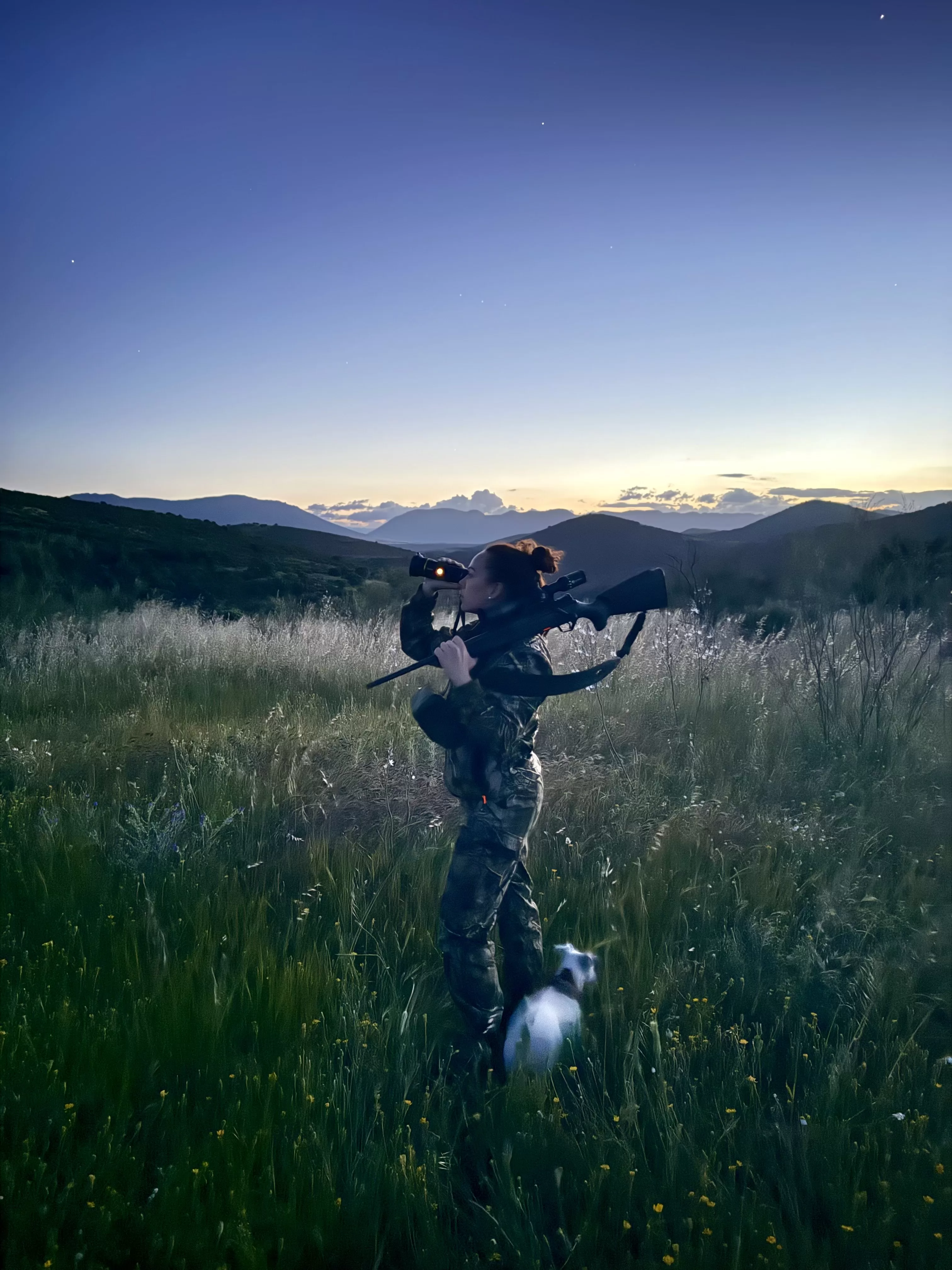

How to Sight in a Thermal Scope
Proper preparation forms the foundation for successful thermal scope zeroing that won’t break the bank,with key considerations differing significantly from conventional daylight optics. Before beginning the zeroing process, ensure all equipment is properly configured and environmental conditions are suitable for accurate results. Thermal scope battery charge should be confirmed at 100% before starting, as some thermal systems may exhibit slight zero shifts at different battery charge levels due to voltage variations affecting internal electronics. The Pixfra Mile 2 Series thermal riflescopes feature battery status indicators that should read full charge before zeroing begins. Allow appropriate warm-up time after powering on the thermal scope. Most thermal imaging systems require 5-10 minutes to reach thermal equilibrium and deliver stable imaging. Premium systems like the Pixfra Sirius Series incorporate temperature stabilization technology that reduces this requirement, but allowing complete sensor and electronics warm-up remains best practice for all thermal systems. Select appropriate ambient conditions for thermal scope zeroing. Ideal conditions include: Moderate ambient temperatures (10-20°C) Low humidity Minimal wind Overcast skies or morning/evening hours (to reduce solar heating effects) Thermal contrast on targets proves particularly important for precise zeroing. Standard paper targets provide minimal thermal contrast, making specialized thermal zeroing targets essential. These targets typically utilize materials with different thermal emissivity to create distinct temperature differentials that appear clearly in thermal imaging. The European Thermal Hunting Association notes: “Proper thermal targets with clear contrast are essential for precision zeroing, with 78% of European hunters reporting significantly improved zeroing accuracy when using specialized thermal targets versus improvised solutions.” Targets Target selection represents a critical element in thermal scope zeroing, as conventional paper targets visible to the naked eye often produce minimal thermal contrast through thermal imaging systems. Several specialized target options exist for thermal scope zeroing, each with specific advantages for European hunting applications.