We often think of mountain lions as silent shadows moving through the wilderness, but their hunting patterns reveal a lot more than just stealth. These powerful predators have adapted their behavior over thousands of years, and their nocturnal hunting habits are one of the most fascinating aspects of their survival strategy. If you’re out hiking at dusk or exploring wildlife areas, understanding when and how these big cats hunt can make a huge difference in both your safety and your appreciation for these amazing animals.

Mountain lions—also called cougars, pumas, or panthers—are some of North America’s most skilled hunters. Their hunting patterns aren’t random; they follow specific schedules that match their prey’s behavior, the time of day, and even human activity in their territory. Just like how we explored fox hunting at night behavior and techniques, mountain lions have their own unique strategies that help them succeed in the wild.
Mountain lions are primarily crepuscular, meaning they are most active around dawn and dusk. But here’s where it gets interesting—these cats are incredibly flexible with their schedules. However, mountain lions can also be nocturnal, especially in areas with significant human activity.
Think of them as having a preferred schedule but being willing to change it based on what’s happening around them. Their activity pattern varies from diurnality and cathemerality to crepuscularity and nocturnality between protected and non-protected areas, and is apparently correlated with the presence of other predators, prey availability, and human disturbance.
In many parts of North America, deer—their primary food source—are most active during twilight hours, so mountain lions time their hunts to match. This synchronization between predator and prey creates a natural rhythm in the ecosystem. The cats have excellent night vision that lets them hunt successfully in low-light conditions, giving them a serious advantage when the sun goes down.
When we talk about hunting, mountain lions follow some pretty specific patterns. Research has given us incredible insights into how these cats spend their nights. When hunting, mountain lions apparently stalked or sat in ambush for periods averaging 0.7 h and then moved a mean distance of 1.4 km (over 1.2 h) to another area; this pattern repeated about six times on nights when no prey was killed.

Imagine spending 45 minutes completely still, watching, waiting, then moving almost a mile to try again—and doing this six times in one night if you don’t catch anything. That’s the reality of mountain lion hunting. It’s not all action and chase; it’s mostly patience and precision.
Mothers of neonates hunted from dusk to midnight and then returned to the den; mothers spent increasing amounts of time at greater distances from the den during the first 8 weeks after giving birth. Female mountain lions with kittens have to balance hunting with parenting, so they adjust their schedules accordingly. This shows just how adaptable these animals are—they can change their entire routine based on their life stage and responsibilities.
The success rate matters too. On average, an adult mountain lion killed ca. 48 large and 58 small mammals/year and fed for an average of 2.9 days (SD = 1.1) on a single large mammal. So after a successful hunt, they’re not immediately back out there—they’ll feed on their kill for several days, reducing the need for constant hunting.
Here’s something wild that researchers have discovered: mountain lions in urban areas are shifting their schedules to avoid us. Mountain lions in the greater Los Angeles area that lived in regions with higher numbers of human hikers, cyclists, and joggers have become more nocturnal than those living in less busy areas.
The study authors monitored the movements of 22 mountain lions living in the Santa Monica Mountains and the surrounding region between 2011 and 2018. What they found was pretty remarkable. Generally, the mountain lions that live in areas with a lot of recreation—for example, Griffith Park or the Verdugo Mountains—are less likely to be active around dawn or dusk and are more likely to be active at nocturnal times.
The most nocturnal cats in the study were two males: P41 and the famous “Hollywood Cat” P22. The males P41 and “Hollywood Cat” P22 being the two most nocturnal lions in the study. Both of these males had small territories containing high levels of recreation and were surrounded by human development. These cats basically went full night-shift to avoid running into people during the day.
Female mountain lions responded differently though. Female mountain lions showed a different response to human activity, however, as they were less prone to increasing their nocturnal habits than the males. Why? Male mountain lions are a source of mortality for females and dependent kittens, and females in this system show evidence of avoiding habitats used by males. Diel activity of female mountain lions may be constrained by avoiding males such that they do not exhibit as strong of a response to humans. So females have to balance avoiding both humans AND male mountain lions, which limits how much they can change their schedules.
Mountain lion hunting is all about stealth and ambush. These aren’t endurance runners like wolves that chase prey for miles. Instead, they rely on getting close without being detected, then launching a short, explosive attack.
Their hunting style is perfectly suited for low-light conditions. They use available cover—rocks, trees, dense vegetation—to get within striking distance. The cats navigate their territory in a zigzag pattern, constantly scanning for movement, scent, or sound that might indicate prey nearby.
Once they spot a target, the waiting game begins. They might sit completely motionless for up to 45 minutes, watching their prey, calculating the perfect moment to strike. When they do attack, it’s quick and powerful—they can sprint up to 50 mph in short bursts and leap over 40 feet in a single bound.
After a successful kill, mountain lions often drag their prey to a secluded spot and cover it with leaves and debris. This caching behavior protects the carcass from scavengers and lets them return to feed over several days. It’s like having a refrigerator in the wild—they hide their food and come back for meals.
Mountain lion activity patterns aren’t set in stone—they shift based on what their prey is doing. It has been suggested that mountain lions (Puma concolor) follow the daily activity patterns of their main prey species. This makes total sense from a survival perspective—why hunt when your food isn’t around?
In the Sonoran Desert, researchers found something interesting about this prey-predator dance. Javelina shift from a diurnal activity pattern during winter months to a nocturnal pattern in the summer. So do mountain lions shift with them? The research shows they do adapt, but they also switch to other prey species that are active during their preferred hunting times.
Deer remain the primary food source for most mountain lions across North America. Since deer are generally crepuscular or nocturnal, mountain lions stick to those same time periods. But when prey patterns change seasonally or regionally, these cats show remarkable flexibility in adjusting their hunting schedules.
| Hunting Behavior | Duration/Distance | Success Pattern |
|---|---|---|
| Ambush/Stalk Period | 0.7 hours (42 minutes) | 6 attempts per unsuccessful night |
| Movement Between Spots | 1.4 km over 1.2 hours | Systematic territory coverage |
| Feeding Duration | 2.9 days average | After killing large prey |
| Mother with Kittens | Dusk to midnight | Returns to den regularly |
The good news is that mountain lions are doing the heavy lifting when it comes to coexistence. This flexibility we see in mountain lion activity is what allows us to share these natural areas together. Mountain lions are doing the work so that coexistence can happen.

But this adaptation comes at a cost. Even something as innocuous as recreation can add to these other stressors we’re bringing into their lives, potentially by altering the amount of energy they have to expend for hunting and other needs. When mountain lions have to hunt at times that aren’t optimal just to avoid humans, they’re using more energy and potentially catching less food.
For those of us who love the outdoors, understanding these patterns helps us be better neighbors to wildlife. Dawn and dusk remain prime mountain lion hours in most areas, so extra caution during those times makes sense. In urban areas where lions have shifted to nocturnal behavior, being careful while driving at night and keeping pets indoors after dark becomes even more important.
If you’re interested in wildlife photography or observation, check out more resources at Pixfra or explore the outdoor section for tips on safely experiencing nature.
What makes mountain lions such effective nocturnal hunters? It comes down to some serious biological advantages. Their eyes have a high concentration of rod cells and a reflective layer behind the retina called the tapetum lucidum. This gives them exceptional night vision—they can see about six times better than humans in low light.
Their other senses work overtime too. While smell isn’t their primary hunting tool, their hearing is incredibly acute. They can detect the slightest rustle of prey moving through vegetation, even in complete darkness. Their whiskers are sensitive to vibrations in the air, helping them navigate and detect movement around them.
Retractable claws allow silent movement—no clicking on rocks to give away their position. Their large paws act like snowshoes, distributing weight evenly and allowing them to move quietly across various terrain types. Every physical feature is optimized for ambush hunting in low-light conditions.
Q: What time of night do mountain lions hunt most actively? Mountain lions are most active during twilight hours—just after sunset and before sunrise—though they can hunt throughout the night. In areas with heavy human activity, they’ve shifted to being more active during the middle of the night, typically between 8 PM and 4 AM.
Q: Do mountain lions hunt every single night? No, mountain lions don’t hunt every night. After making a large kill like a deer, they’ll feed on that carcass for 2-3 days on average before hunting again. This means they might only actively hunt 2-3 times per week, depending on the size of their prey.
Q: Are you more likely to see a mountain lion at dawn or dusk? Traditionally, yes—dawn and dusk are peak activity times for mountain lions in remote areas. However, in regions with high human recreation, mountain lions have become more nocturnal and are actually more active in the middle of the night to avoid people during twilight hours.
Q: Can mountain lions see humans at night before we see them? Absolutely. Mountain lions have night vision roughly six times better than humans. They can see you long before you see them, which is actually one reason why mountain lion attacks are so rare—they know you’re there and typically choose to avoid you entirely.
Q: How far do mountain lions travel in one night while hunting? Research shows mountain lions move an average of 2.3 miles per day, with much of that movement happening at night. When actively hunting without success, they might cover 8-9 kilometers (about 5-6 miles) in a single night, moving between different ambush locations.
When darkness falls and most hunters head home, the real action with foxes is just beginning. Night hunting offers some of the most exciting opportunities to target these clever predators when they’re most active and vulnerable. We’ve put together everything you need to know about fox behavior after sunset and the techniques that’ll help you fill your tag when the sun goes down.

Foxes are naturally wired for the night shift. While you might spot one during the day, these animals truly come alive when darkness settles in. Both red and gray foxes spend their nights patrolling territories, searching for food, and staying alert to every sound and smell in their environment. Understanding what makes them tick after hours is your first step toward consistent success in the field. Similar to alligator hunting behaviors after sunset, foxes have adapted remarkably well to nocturnal activities.
Red foxes are predominantly nocturnal and prefer to hunt late in the evening through until the early hours of the morning, with more food in their stomachs at night than during the daytime. This isn’t just random behavior – there are solid biological reasons behind their nighttime activity. Most foxes patrol at least part of their territory each night, becoming acutely aware of where the best feeding sites are and when new food sources appear in the area.
The cover of darkness gives foxes a major advantage over their prey. Small mammals like mice, voles, and rabbits are active at night, making them easier targets. Plus, foxes feel safer moving through open areas when they can’t be spotted as easily by larger predators or humans. Varmints are very susceptible to being killed at night because they are more active, which means there will be more opportunities if you target the right areas.
Gray foxes show slightly different patterns than their red cousins. Gray foxes are mostly nocturnal, sticking closer to thick cover and wooded areas even after dark. Red foxes, on the other hand, will venture into open fields and edges more readily once the sun sets.
Foxes don’t just wander randomly through the night. They follow specific patterns based on food availability, weather conditions, and territorial boundaries. They have a keen sense of smell and this can lead them to carrion, even buried under several centimeters of snow or soil. Their noses are constantly working, picking up scents that guide them to their next meal.
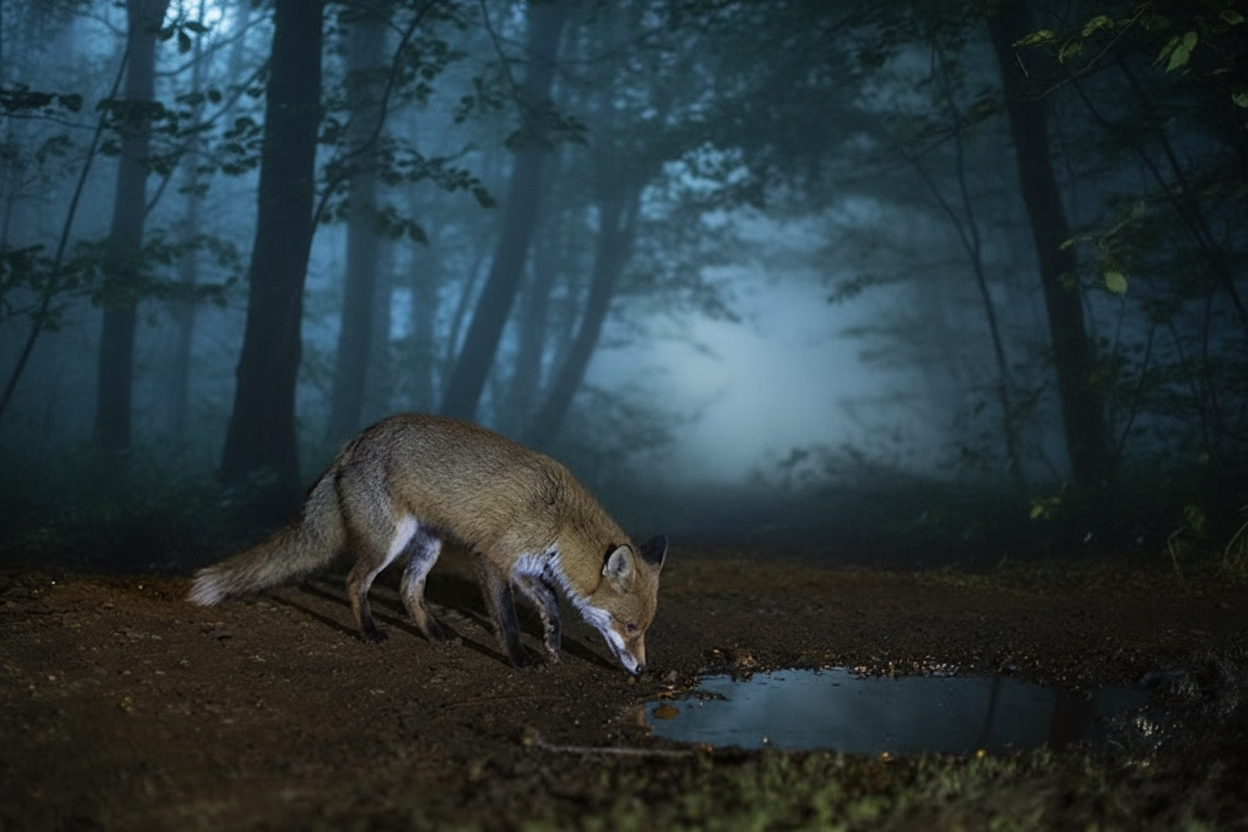
During nighttime hunts, foxes rely heavily on three senses: smell first, hearing second, and sight third. They’ll trot through their territory at a steady pace, sampling the air for fresh scents. When something catches their attention, they slow down, listen carefully, and use their excellent hearing to pinpoint exactly where prey is hiding. This is when you’ll see that classic “mousing pounce” – the fox jumps high and comes down with its front paws to trap whatever’s moving under the snow or grass.
Wind direction plays a massive role in fox behavior at night. Foxes almost always attempt to circle downwind of the sound source before approaching. They want to smell what’s making that noise before they commit to coming closer. This natural caution has kept foxes alive for thousands of years, and it’s something you absolutely need to account for when setting up your stand.
Moon phases affect fox activity too. Overall, rabbits and small mammals were eaten less often on nights when there was a full moon than during other moon phases, and in spring, foxes tended to eat rabbits more often on new moon nights. Some hunters find that full moons make foxes hunt earlier in the night when they have better visibility, while darker nights push activity into the pre-dawn hours.
You can’t hunt what you can’t see, and nighttime fox hunting demands specific equipment that works in low-light conditions. Here’s what you need in your kit:
Lighting Systems: This is where most hunters start. Red lights are preferred because they’re softer and less apt to spook a coyote or fox. White lights work but they need to be dimmed way down or you’ll send every fox running for cover. Green lights fall somewhere in the middle and can be effective depending on how much calling pressure the foxes in your area have experienced.
You should keep that light on no matter what, scanning the field or woods quickly, turning it on at the truck and not turning it off until you get back. This might seem counterintuitive, but keeping the light steady actually helps more than turning it on and off. Remember to leave the halo on the fox – the same thing that makes him a night hunter gives him the ability to see your vehicle unless the light is on him.
Night Vision and Thermal Optics: Technology has changed the game for predator hunting. Night hunting has gained popularity in recent years thanks to advancements in technology, and using night vision goggles and thermal imaging optics, hunters can track and hunt foxes under the cover of darkness, which not only increases the chances of a successful hunt but also adds an element of excitement. Thermal scopes let you spot heat signatures from foxes before they even enter your light range, giving you precious extra seconds to prepare.
Rifles and Shotguns: Many experienced hunters use the same rifle and cartridge for red fox, grey fox, coyotes, raccoons, and bobcats, such as a Ruger .204 rifle. A good all-around caliber gives you flexibility. Always take a shotgun too, because if you don’t, odds are that’s when a coyote or fox is going to come in too close for the rifle and you’ll need to make a quick shot.
Setting up with the wind in your face and the call positioned crosswind increases the odds of a fox stepping into your shooting lane. This setup accounts for that natural circling behavior foxes use to scent-check whatever’s making noise.
Location matters just as much at night as during the day. Gray foxes in Texas thrive in dense brush, rocky ridges, and thickets near water. Red foxes prefer field edges, fence lines, and areas where crops meet cover. Scout these spots during daylight and look for tracks, droppings, and feeding sign. Look for sign like tracks, scat, and feather piles, especially in areas where small game is plentiful, as travel corridors that connect food, cover, and den sites are prime places to intercept moving foxes. 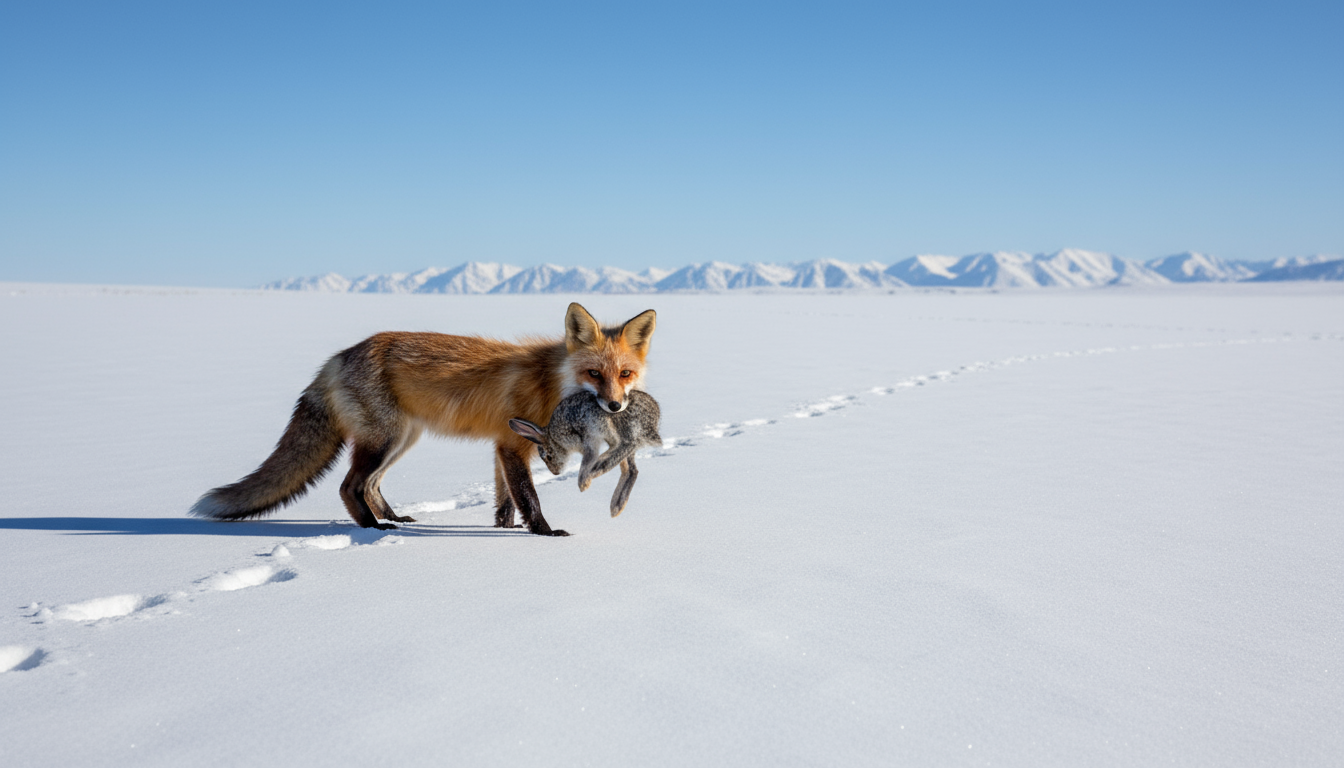
Elevation helps. Putting hunters in optimal locations, such as elevated ground, open pockets in the brush, or wide senderos, can significantly increase their chances of encountering gray foxes, as these spots offer improved visibility. You want to see as much area as possible when scanning with your light or thermal unit.
Calling foxes at night follows different rules than daytime stands. Keep call sequences short and focused, with brief pauses. Foxes can come racing in fast or sneak along the edge, so you need to be ready for both scenarios.
Best Call Sounds: Distressed rabbit, rodent, and bird calls are most effective, and electronic calls provide hands-free consistency and are preferred at night. Adding a few vocalizations like gray fox pup distress can trigger aggressive behavior during mating or territorial times. Don’t be afraid to switch things up if one sound isn’t producing.
Bringing along a hand call in addition to electronic calls is smart, because sometimes the cadence from a hand call can make all the difference in terms of getting a response from a predator. The biggest rule to follow is if they respond to a certain call, keep rolling with it until they stop responding.
Call Volume and Duration: Keep volume moderate in thick brush to avoid pushing animals too far. In wide open country, you can crank it up a bit to reach distant foxes. Most successful sequences run 10-20 minutes per stand. Space your sequences with pauses to listen for approach sounds, as night foxes often move in fast but may also hang up if they don’t see a target.
Foxes respond differently than coyotes when they come to a call. Gray foxes especially can be aggressive and bold, sometimes racing straight to the call without hesitation. Red foxes tend to be more cautious, hanging up at 50-100 yards to look things over before committing.
Once the critter is in your range or close enough that you want to take him, squeak, smooch, bark or do whatever necessary to stop him for the shot. A stopped fox gives you a much better target than one that’s moving, especially at night when precision matters even more.
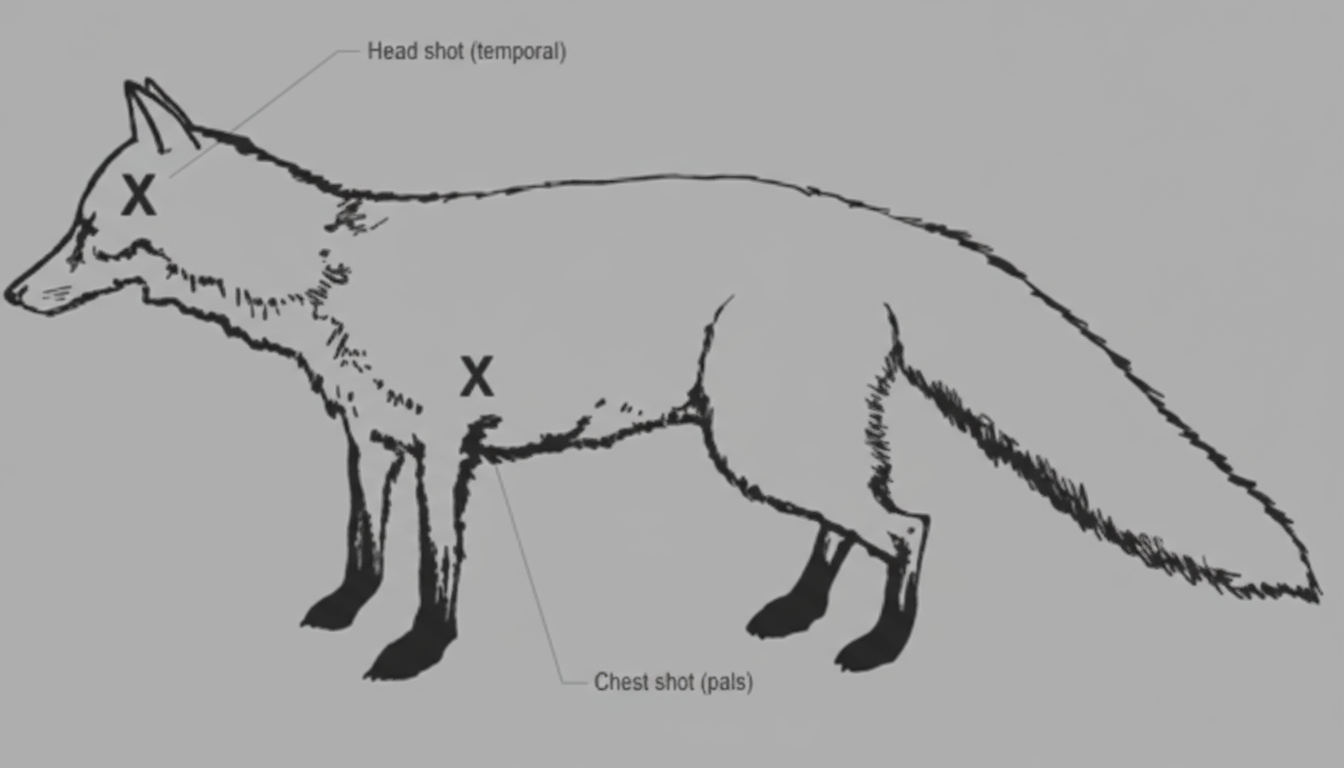
The downside of night calling is that if they turn away and bug out, you usually don’t get a shot like you sometimes do in the day. Once a fox decides something’s not right and turns to leave, they’re gone in seconds. This is why staying still and keeping your light technique smooth is so critical.
Remember to positively identify your target before shooting. Just because you are blowing or playing a call that attracts predators doesn’t mean that only predators could come in – many deer, dogs, house cats, pigs, and even a few calves come to the call. Take that extra second to make sure you’re looking at a fox before you pull the trigger.
Early mornings and late afternoons are ideal during legal shooting hours, and night hunting—where allowed—offers the most consistent action. The first few hours after dark and the last couple hours before dawn typically produce the most fox sightings.
Clear, calm nights with some moonlight offer excellent visibility, but foxes can be active in a variety of weather conditions, and nights following a cold front or light rain tend to increase activity. Cold weather makes foxes move more to find food and stay warm. Wind can work against you by carrying your scent, but it can also concentrate foxes in sheltered areas where they’re easier to pattern.
Late fall through winter brings the best conditions, as cold air helps sound travel farther and encourages daytime movement. The peak of breeding season, typically in January and February, can make foxes more responsive to vocalizations and bolder in their approach. This is prime time to be in the field if your state allows winter hunting.
Even experienced hunters make errors that cost them foxes. Here are the biggest ones to watch out for:
Moving the light too much: Constant scanning and jerky movements with your spotlight will alert foxes to your presence. Keep light movement slow and deliberate.
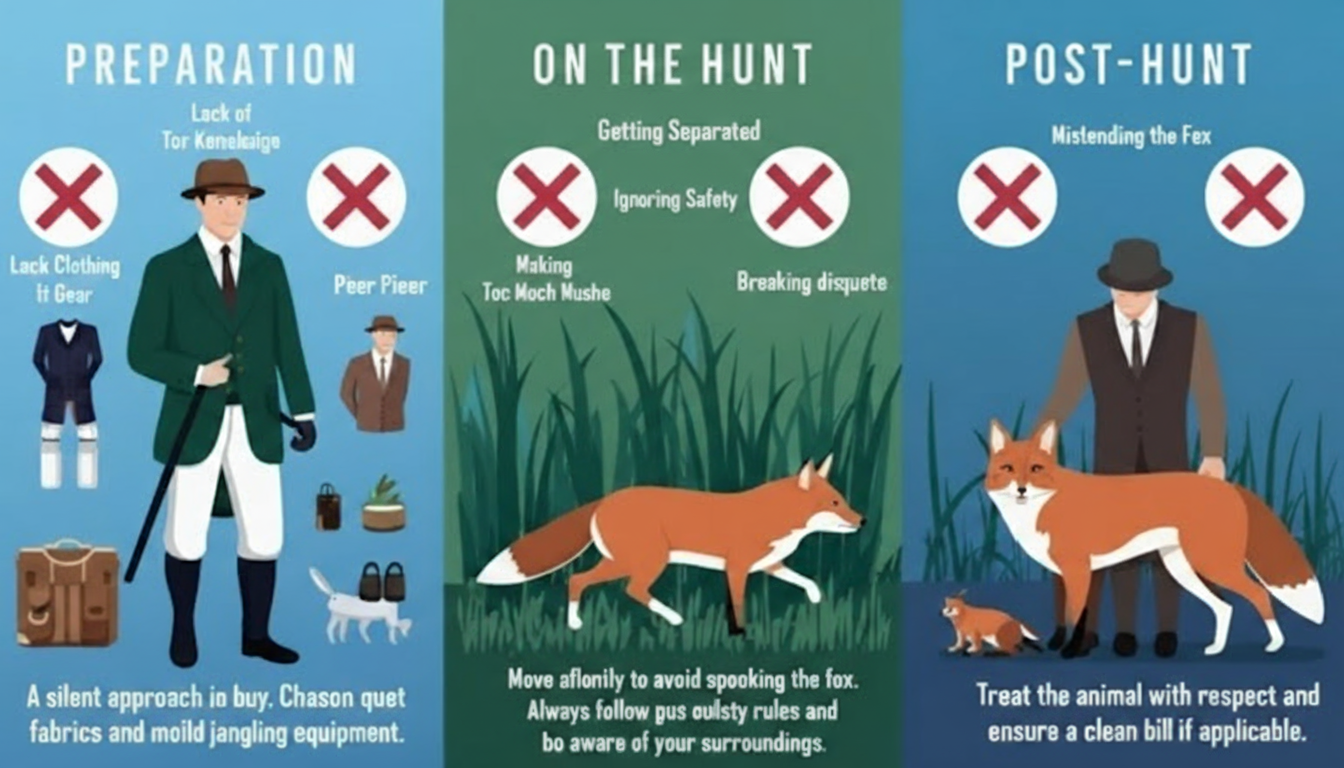
Wrong wind setup: This cannot be stressed enough. Set up with the wind wrong and you’ll educate foxes instead of harvesting them.
Overcalling: Just because you’re not seeing foxes doesn’t mean you should blast the call continuously. Give them time to respond and approach.
Ignoring the approach: Avoid walking through the area where you expect the animal to approach, and choose elevated or slightly open spots that give you a wide field of view while staying concealed. Your entry to the stand is almost as vital as the stand itself.
Being impatient: Foxes don’t always come running in the first five minutes. Sometimes they circle, sometimes they hang up, sometimes they take their sweet time. Patience pays off more often than not.
Before you head out for a night hunt, check your local regulations. Night hunting laws vary widely by state and even by county. Night hunting is legal in many Texas counties with the proper licenses and gear, including lights and thermal optics, but other states have strict prohibitions or require special permits.
Always confirm your backstop and know what’s beyond your target. Night hunting demands extra caution because visibility is limited. Practice ethical shot placement and only take shots you’re confident you can make cleanly. Recovery of animals is harder in the dark, so make good shots count.
What’s the best color light for hunting foxes at night?
Red lights are generally the best choice for hunting foxes at night because they’re less likely to spook incoming animals compared to white lights. Green lights can also work well, especially in areas with heavy hunting pressure. The key is keeping the light steady on the fox rather than switching it on and off, which can alert them to danger.
Do foxes respond better to calls at night than during the day?
Yes, foxes typically respond much better to calls at night when they’re naturally more active and hunting for food. They’re bolder under the cover of darkness and more willing to investigate sounds. Night hunting generally produces more consistent results than daytime calling, though early morning and late evening can also be productive.
Can you use thermal scopes for fox hunting at night?
Absolutely – thermal scopes and optics have become incredibly popular for night fox hunting. They let you spot foxes by their heat signature before they enter your light range, giving you advance warning and more time to prepare for the shot. Just make sure thermals are legal in your hunting area, as some states have restrictions on their use.
How long should you call on each stand when hunting foxes at night?
Most successful night stands run between 15-30 minutes. Foxes can respond quickly at night, sometimes showing up within the first few minutes, but they may also circle and take their time approaching. Keep call sequences short with pauses in between, and be patient enough to give distant foxes time to reach you.
What’s the biggest difference between hunting red fox and gray fox at night?
Gray foxes tend to stay in thicker cover and often respond more aggressively to calls, sometimes racing straight in without much caution. Red foxes prefer more open areas and edges, and they’re generally warier, often hanging up at a distance to assess the situation before committing. Gray foxes are also more nocturnal overall, while red foxes show more crepuscular (dawn/dusk) activity patterns.
When the sun dips below the horizon and darkness blankets Florida’s wetlands, something shifts in the waters. At night, alligators are most active, focusing on hunting and feeding from dusk to dawn. These prehistoric predators transform from lazy sunbathers into efficient killing machines, patrolling their territories with razor-sharp focus. If you’ve ever wondered what makes nighttime so special for these apex predators, you’re about to find out why the hours after sunset reveal their true nature.

Understanding alligator hunting behaviors after sunset isn’t just for hunters and wildlife enthusiasts—it’s essential knowledge for anyone living near or visiting gator country. Whether you’re planning your first nighttime adventure or just curious about these fascinating reptiles, we’re breaking down everything you need to know about what happens when gators come alive in the dark.
Although alligators basking in the sun are a common sight, making people think they are diurnal, they are actually nocturnal. But here’s where it gets interesting—their behavior isn’t quite black and white. According to scientific research, alligators are nocturnal, with an interesting tendency to be diurnal. They are most active at night but can also be active during the day.
Alligators are crepuscular animals, meaning they’re most active during dawn and dusk hours. This means you’ll see peak activity levels during those twilight periods when the sun is either rising or setting. During the day, gators spend most of their time basking in the sun to regulate their body temperature—a behavior called thermoregulation. But once darkness falls, they switch into hunting mode.
During the night, the alligator’s body adapts and becomes active enough to use more energy than during the day. This metabolic shift allows them to become the fearsome hunters they’re known to be. But the bottom line is that alligators are more active at night, making them more nocturnal than diurnal. Think of daytime as their rest and recharge period, while nighttime is when they get down to business.
At night, alligators become more active hunters. They patrol their territory, seeking prey along shorelines and in marshy areas. Their enhanced nighttime activity stems from cooler temperatures and reduced human disturbance. But the real magic happens thanks to their specialized adaptations that turn darkness into their biggest advantage.
The cooler nighttime temperatures play a huge role. So cooler dusk temperatures prompt increased movement and hunting. By limiting activity and tuning their temperatures, alligators save energy for hunting at night. During the scorching daytime hours, gators would overheat if they were constantly active. Night provides relief from the heat, allowing them to move freely without the risk of overheating.
Another factor is prey availability. Many potential prey species are also active at night, making it an opportune time for alligators to hunt. Fish, frogs, small mammals, and birds all become more active during twilight and nighttime hours, giving gators a buffet of options. The darkness also provides cover, making it easier for these ambush predators to catch their prey off guard.
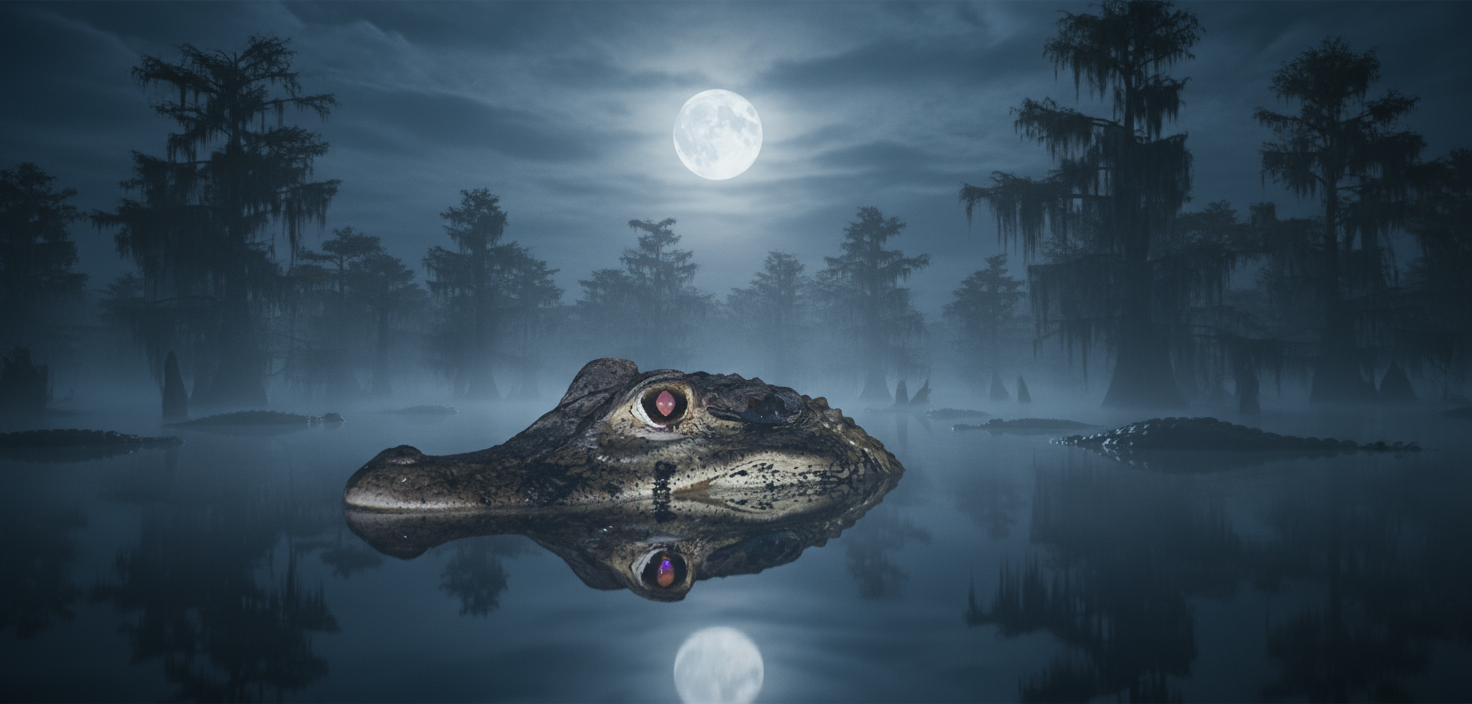
If you’ve ever gone out on the water after dark with a flashlight, you might have seen dozens of glowing red eyes staring back at you. That’s alligator eyeshine, and it’s one of the coolest adaptations these reptiles have. The “eye-shine” or tapetum lucidum is a unique part of the alligator eye that provides light-sensitive retinal cells with extra photon-photoreceptor stimulation.
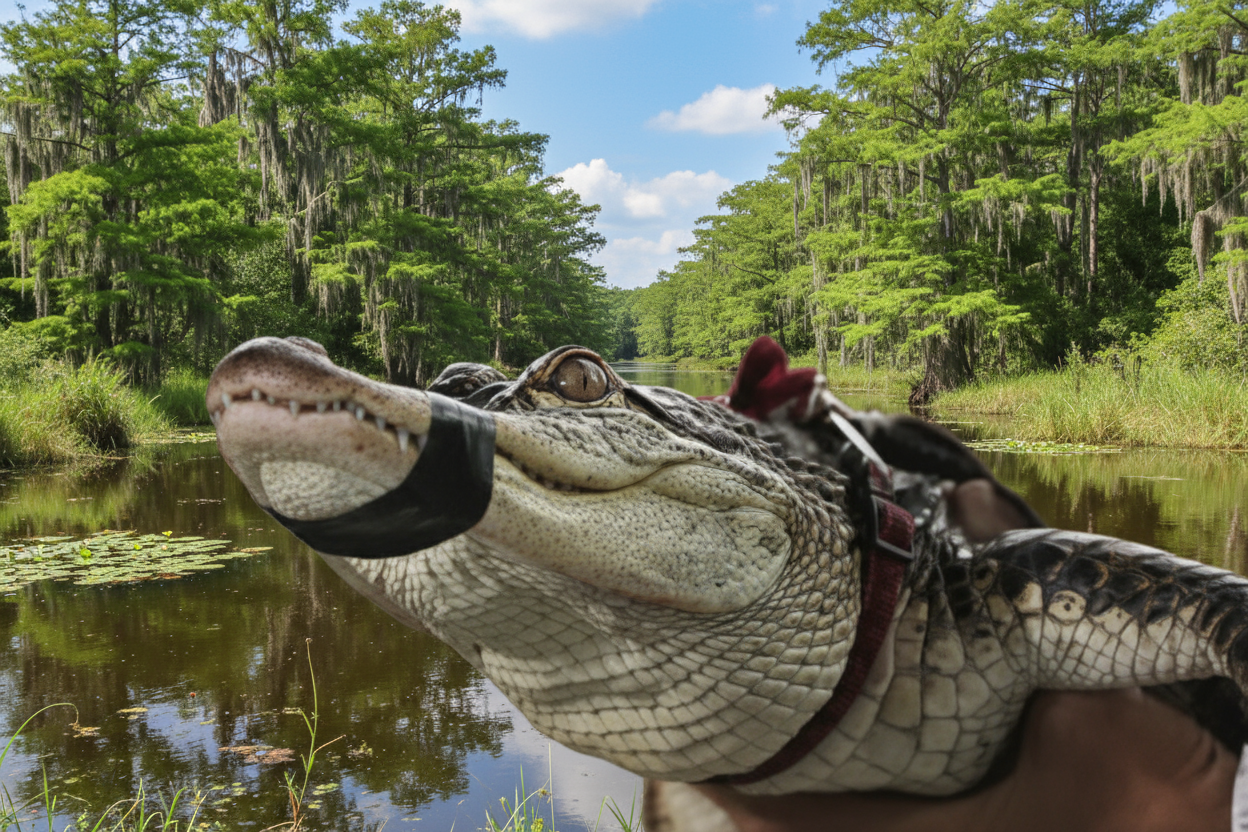
This reflective layer acts like a mirror, bouncing light back through the retina a second time. The layer is situated behind the photoreceptor cells in the retina and reflects light back, which increases the amount of light the alligator eye can detect. This dramatically improves an alligator’s vision in low light conditions, which is why gators are more active at night. Basically, they can see way better than us in the dark—like having built-in night vision goggles.
An alligator’s eyes will shine bright red when light is reflected off of them. This eyeshine is so distinctive that hunters and researchers use it to locate gators at night. In alligators, it glows red – one good way to locate alligators on a dark night. The greater the distance between its eyes, the longer the reptile, in this case, very long. So if you see two red dots far apart, you’re looking at a big gator.
For anyone interested in observing wildlife after dark, having the right equipment makes all the difference. A quality thermal monocular for hunting can help you spot these nocturnal predators from a safe distance, giving you a whole new perspective on their nighttime behaviors.
Alligators are nocturnal ambush predators, meaning they hunt primarily at night and rely on stealth and surprise. They usually lie in wait in murky, heavily vegetated swamps, marshes, or riverbanks, blending perfectly with their surroundings. Their hunting strategy is all about patience and precision.
Alligators primarily hunt at dusk or during the night. They lie motionless in wait for prey. This sit-and-wait approach is incredibly effective. A gator can remain perfectly still for hours, looking like nothing more than a log floating in the water. Then, when prey comes close enough—BAM—they strike with lightning speed.
But vision isn’t their only weapon. When the alligators are underwater, “they’re mainly relying on their mechanical sensory organs,” he explained. The animals have very sensitive pressure sensors in their snout that they use to detect vibrations around them. These sensors, called integumentary sense organs (ISOs), can detect the tiniest movements in the water. Even in complete darkness or murky water, a gator can sense a fish swimming nearby or a frog jumping into the water.
Interesting fact: Alligators attempted to capture prey most frequently during the night. However, research shows that while they hunt more often at night, alligators were most successful when hunting between 4:00 and 9:00 in the morning. This suggests that the early morning hours, right before and after sunrise, might actually be their sweet spot for successful kills.
During daylight hours, alligators often bask in the sun to regulate their body temperature. This thermoregulation behavior makes them more predictable in their positioning, as they seek out sunny spots along banks, logs, or shallow waters. If you’re out during the day, you’ll find gators lounging around, soaking up rays, and generally being lazy.
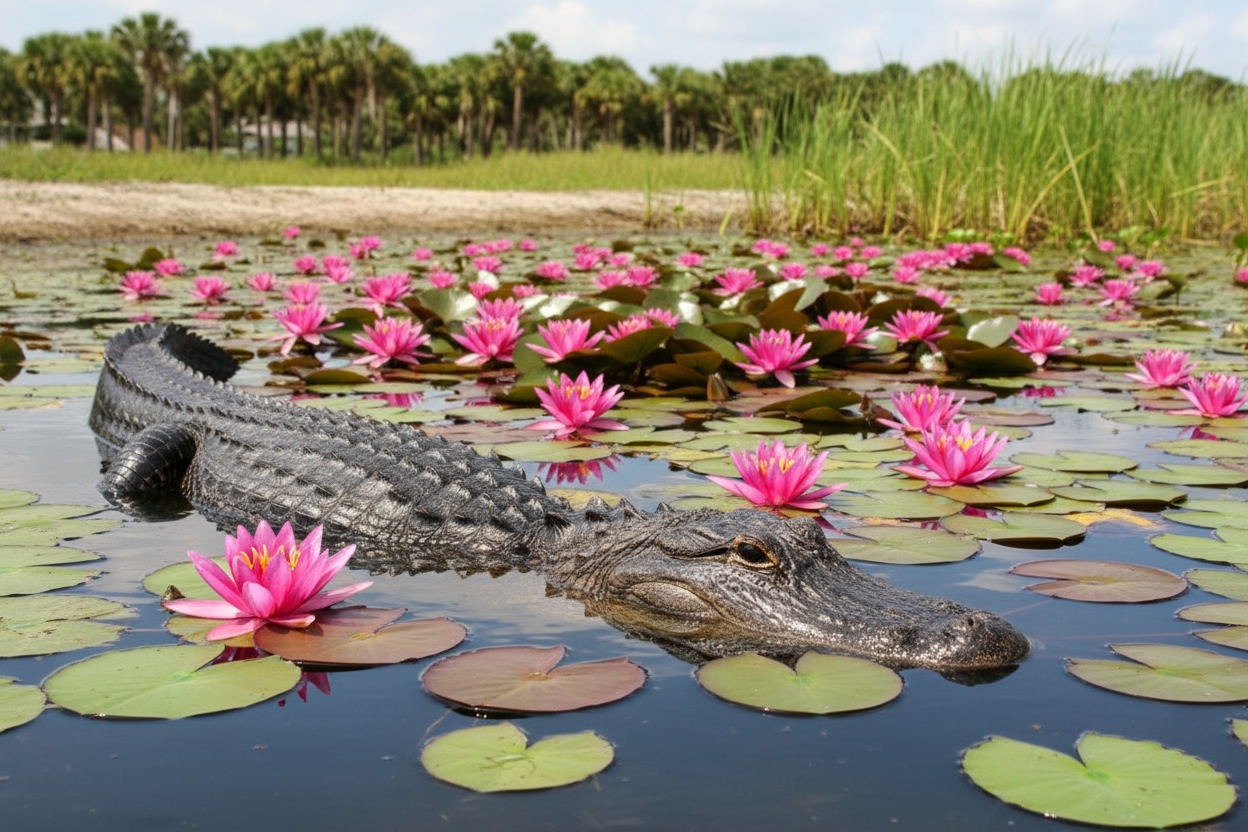
Daylight hunting offers the obvious advantage of clear visibility. You can easily identify alligators basking on banks, logs, or floating at the surface. This visual clarity allows for better shot placement and reduces the risk of mistaking debris for an alligator. For beginners, daytime offers a safer and more comfortable hunting experience.
But nighttime is when things get really interesting. Nighttime brings increased alligator movement and feeding behavior. Gators become more responsive to calls and bait during these active periods. Their hunting instincts are heightened, making them more likely to investigate disturbances or potential food sources. The cover of darkness also reduces human activity on waterways, creating a more natural environment where alligators feel secure moving through their territory.
Alligators are nocturnal by nature, meaning they are more active after sunset. Using artificial lights and proper baiting techniques increases the likelihood of a successful hunt. Night hunting requires different equipment and techniques, but it offers the advantage of targeting gators when they’re most active and alert.
Their prey selection seems to be determined primarily by size. An alligator’s diet depends on what is available to it, which means it will eat just about anything including fish, frogs, birds, turtles, insects, snakes, small mammals, other alligators, white-tailed deer, wild hogs, and sometimes people’s pets. These opportunistic feeders aren’t picky—if it moves and fits in their mouth, it’s on the menu.
The Crittercam results reveal that alligators are prolific hunters: “They’re attacking something once every two hours,” said study leader James Nifong, a doctoral candidate studying alligator ecology at the University of Florida in Gainesville. That’s a lot of hunting activity throughout the night. However, after a big meal, an alligator may lounge around for weeks before needing to feed again!
Their hunting methods are brutal and efficient. Once the prey is caught, it is typically swallowed whole. Alligators have tremendously powerful jaws that can crush turtle shells and the bones of small mammals. For larger prey that can’t be swallowed whole, the alligator will stash its kill underwater, pinning it under a submerged log or anywhere it can be wedged in for safe keeping.
Never feed gators or swim or wade in waters where large alligators are known or likely to occur, especially at dusk or night (when they naturally feed). This is seriously the most important safety tip. When gators are in hunting mode, they’re looking for anything that resembles prey.
Alligators are nocturnal hunters. That crystal-clear swimming hole you see by day may be a prime hunting ground for gators come twilight. Respect these hunters and avoid swimming between dusk and dawn. Even if you’ve swum in a spot during the day without seeing any gators, that doesn’t mean they won’t be there at night.

If you’re exploring gator territory after dark, whether for research, photography, or just adventure, check out Pixfra’s outdoor rail products for mounting your thermal imaging equipment. Having the right gear setup can make your nighttime wildlife observation both safer and more successful. You can also explore more about nocturnal predators and animals that hunt in darkness to understand how alligators fit into the broader ecosystem of nighttime hunters.
It is illegal to feed alligators. When humans feed alligators, it causes the alligators to lose their natural fear of humans and to associate humans with food. Fed gators become dangerous gators, and they usually end up being destroyed by wildlife officials. So if you see a gator, enjoy watching it from a safe distance, but never, ever feed it.
Seasonal patterns play a big role in alligator behavior. Florida alligators usually become most active during times when the temperatures are between 82 and 92 degrees Fahrenheit. They typically stop eating when the temperature drops under 70 degrees Fahrenheit and will become very sluggish when it’s less than 55 degrees Fahrenheit which may happen during some cold fronts in the winter months.
During warmer months—roughly from April through October—gators are at their most active. This coincides with their mating season, which runs from April through June. During these months, you’ll see increased nighttime activity as males patrol their territories and compete for females. After mating season ends, females build nests and guard their eggs, making them particularly aggressive and territorial.
As temperatures cool in late fall and winter, alligator activity drops significantly. They enter a state called brumation (similar to hibernation) where they become dormant and hide in gator holes or burrow into muddy banks. During these cooler months, nighttime hunting activity is minimal or nonexistent.
What time do alligators come out to hunt at night?
Alligators typically become most active right after sunset and remain active throughout the night until dawn. Peak hunting activity occurs during the twilight hours of dusk and the early morning hours just before sunrise, when prey animals are also most active.
Can alligators see you in the dark?
Yes, alligators have excellent night vision thanks to a special reflective layer called the tapetum lucidum in their eyes. This adaptation allows them to see much better than humans in low-light conditions, making them highly effective nocturnal hunters.
Why do alligator eyes glow red at night?
Alligator eyes glow red when light hits them because of the tapetum lucidum, a reflective layer behind their retinas. This layer bounces light back through the eye, improving their vision in darkness and creating the distinctive red eyeshine that hunters and wildlife observers use to spot them.
Are alligators more dangerous at night than during the day?
Yes, alligators are generally more dangerous at night because that’s when they’re actively hunting and feeding. They’re more alert, mobile, and aggressive after sunset. Swimming or being near the water’s edge during nighttime hours significantly increases the risk of an encounter with a hunting gator.
How far can you see alligator eyeshine at night?
With a powerful spotlight or flashlight, you can detect alligator eyeshine from several hundred yards away in optimal conditions. The distance between the two glowing red eyes can help you estimate the size of the alligator—the farther apart the eyes, the larger the gator.
When the sun sets and darkness blankets the landscape, a whole different world comes alive. While most of us are winding down for the evening, nocturnal predators are just getting started with their nightly hunt. These remarkable creatures have spent millions of years perfecting the art of hunting in darkness, developing extraordinary senses and abilities that make them some of nature’s most efficient killers. Whether you’re a wildlife enthusiast, a night hunter looking to understand your quarry better, or simply curious about the creatures that roam after dark, understanding these animals gives us a deeper appreciation for the complex ecosystem that thrives when we’re asleep.
Nocturnal animals aren’t just creatures that happen to stay up late—they’ve evolved specific biological adaptations that make nighttime their optimal hunting period. These animals have internal circadian rhythms that are essentially the opposite of ours, making them naturally alert and active when darkness falls. The advantages of being nocturnal are significant: less competition for food, cooler temperatures in hot climates, and most importantly, the cover of darkness to ambush unsuspecting prey. For predators specifically, the night offers a tactical advantage that diurnal hunters simply don’t have. Their prey might be sleeping, less alert, or struggling to see danger approaching. Evolution has shaped these hunters into perfectly designed nighttime killing machines, each species developing unique adaptations that suit their specific hunting style and environment. From the thermal-sensing abilities of some snakes to the incredible hearing of owls, nocturnal predators prove that you don’t need sunlight to be an apex predator. For those interested in observing these creatures, modern technology like lämpökamerat has revolutionized our ability to witness their nocturnal activities without disturbing their natural behavior.

The most striking feature of nocturnal predators is their sensory adaptations that allow them to navigate and hunt in near-total darkness. Vision is the most obvious adaptation—many nocturnal animals have significantly larger eyes relative to their body size compared to diurnal species. These enlarged eyes contain a higher concentration of rod cells, which are photoreceptors specialized for low-light conditions. Additionally, many nocturnal predators possess a reflective layer behind their retina called the tapetum lucidum, which acts like a mirror to bounce light back through the retina a second time, effectively doubling their ability to capture available light. This is what causes the characteristic “eyeshine” when you spot animals at night with a flashlight.
But vision is just one piece of the puzzle. Nocturnal predators often rely on a combination of enhanced senses working together to create a complete picture of their environment. Owls, for instance, have asymmetrical ear placement that allows them to pinpoint the exact location of a mouse rustling in grass with terrifying accuracy. Bats use echolocation, emitting high-frequency sounds and interpreting the echoes to create a “sound map” of their surroundings. Some snakes have heat-sensing pit organs that detect the infrared radiation emitted by warm-blooded prey, allowing them to “see” heat signatures in complete darkness. Cats and other feline predators have extremely sensitive whiskers that detect air currents and vibrations, helping them navigate tight spaces and sense nearby movement. These combined sensory superpowers make nocturnal predators incredibly effective hunters that we’re only beginning to fully understand.
When we talk about nocturnal predators, owls are often the first creatures that come to mind, and for good reason. These birds of prey are perhaps the most perfectly adapted aerial hunters of the night. With over 200 species worldwide, owls have diversified to fill various ecological niches, but they all share common adaptations that make them formidable predators. Their large, forward-facing eyes give them excellent binocular vision and depth perception, crucial for accurately judging distances when swooping down on prey. Some owl species can see in light levels 100 times dimmer than what humans need to see clearly.

What truly sets owls apart is their ability to fly in complete silence. Their flight feathers have specialized structures with soft fringes on the leading edges and a velvety surface that dampens sound, allowing them to approach prey without any warning whistle of wings. This silent flight, combined with their exceptional hearing, makes them devastating hunters. A barn owl, for example, can catch a mouse in complete darkness using hearing alone, pinpointing the location with such precision that it rarely misses. Great horned owls are powerful enough to take down prey much larger than themselves, including skunks, rabbits, and even other raptors. The great grey owl can hear a vole moving under two feet of snow and punch through the snow to grab it. These adaptations have made owls successful predators across diverse habitats, from Arctic tundra to tropical rainforests, cementing their reputation as one of nature’s most efficient nocturnal hunters.
While some big cats like lions and cheetahs are known for daytime hunting, many feline predators are actually most active during twilight hours and nighttime. Leopards, jaguars, tigers, and even smaller wild cats like bobcats and ocelots are predominantly nocturnal or crepuscular hunters. These cats possess the physical prowess, stealth, and sensory adaptations that make them among the most dangerous nocturnal predators on the planet. Their eyes contain a high concentration of rods and a well-developed tapetum lucidum, giving them vision that’s six to eight times better than humans in low light conditions. This means they can hunt effectively in conditions that would leave their prey essentially blind.
Beyond vision, big cats are masters of stealth and patience. Their retractable claws remain sharp because they’re kept sheathed when not in use, and their padded paws allow them to move in near silence. Leopards are particularly impressive nocturnal hunters, capable of dragging prey twice their weight up into trees to keep it safe from scavengers. They’re ambush predators that rely on getting as close as possible before launching a lightning-fast attack. Jaguars have the strongest bite force relative to size of any big cat, allowing them to pierce turtle shells and caiman skulls with ease—hunting tactics often employed during their nocturnal riverside patrols. In North America, bobcats and mountain lions (also called cougars or pumas) are skilled nocturnal hunters that can take down prey much larger than themselves. These solitary hunters exemplify the efficiency of nocturnal predation, using darkness as their ally to become nearly invisible until the moment they strike.
Bats represent one of the most diverse groups of nocturnal predators, with over 1,400 species found across the globe. While many people think of bats as simply flying rodents, they’re actually more closely related to primates and have evolved one of the most sophisticated hunting systems in the animal kingdom. Most insectivorous bats use echolocation—a biological sonar system where they emit high-frequency calls and listen for the echoes bouncing back from objects and prey. This allows them to build a three-dimensional sound picture of their environment with astonishing detail, detecting insects as small as mosquitoes in complete darkness.

The sophistication of bat echolocation is truly remarkable. Different species have evolved specialized calls optimized for their specific hunting environments and prey types. Bats hunting in open spaces use lower frequency calls that travel farther, while those navigating dense forest use higher frequency calls that provide more detail at shorter ranges. Some bats can adjust their call frequency in real-time to avoid interference from other bats hunting nearby. Certain species like the greater bulldog bat can even detect tiny ripples on water surfaces, allowing them to catch fish swimming just below the surface in complete darkness. Beyond echolocation, some bat species are formidable predators in other ways. The spectral bat and false vampire bat are carnivorous species that hunt other vertebrates including birds, rodents, and even other bats, using both echolocation and acute hearing to locate prey. Their role as nocturnal insect controllers is also ecologically vital, with some bat colonies consuming tons of insects nightly, making them valuable allies for farmers and reducing pest populations naturally.
When darkness falls, various snake species emerge as highly effective predators, particularly in warmer climates where nighttime activity helps them avoid overheating. Pit vipers, including rattlesnakes, copperheads, and cottonmouths, are among the most sophisticated nocturnal reptilian hunters. Their namesake “pits” are heat-sensing organs located between their eyes and nostrils that detect infrared radiation. These specialized organs are so sensitive they can detect temperature differences as small as 0.003 degrees Celsius, allowing them to create a thermal image of their surroundings and locate warm-blooded prey with deadly accuracy even in pitch-black conditions.
Pythons and boas, though lacking the specialized pit organs of pit vipers, are still effective nocturnal hunters with heat-sensitive scales around their lips that serve a similar function. These constrictors combine thermal sensing with other adaptations like excellent chemoreception through their flickering tongues, which collect scent particles from the air and transfer them to the Jacobson’s organ in the roof of their mouth. This gives them a detailed chemical map of their environment. Nocturnal hunting allows these snakes to target prey like rodents and birds that are resting and less vigilant after dark. Crocodilians, while not snakes, are also formidable nocturnal reptilian predators. Species like the American alligator and Nile crocodile are most active at night, using their excellent night vision, pressure-sensitive scales that detect water disturbances, and patient ambush tactics to catch prey coming to the water’s edge to drink. These ancient predators have remained virtually unchanged for millions of years, proving that their nocturnal hunting strategies are tremendously effective.
North America hosts a impressive variety of nocturnal predators that range from relatively harmless to genuinely dangerous. Understanding which predators are active in your area is important for anyone spending time outdoors after dark, whether you’re camping, hiking, or night hunting. The most dangerous nocturnal predator in most of the United States is arguably the American alligator, found throughout the southeastern states. These prehistoric predators are most active between dusk and dawn, particularly during warmer months, and are responsible for occasional attacks on humans and pets, especially near bodies of water.
Mountain lions (cougars) are another significant nocturnal threat across the western United States and increasingly in some eastern regions. While attacks on humans are rare, they do occur, particularly during dawn and dusk when these big cats are most active. Coyotes have expanded their range dramatically and are now found in all 49 continental states, becoming increasingly bold in urban and suburban areas where they hunt primarily at night. While typically not dangerous to adult humans, they pose a serious threat to pets and small children. Black bears, though omnivorous, are powerful predators that are often most active at night, especially in areas with human activity during the day. Bears searching for food can be dangerous if surprised or if they’ve become habituated to human food sources. Bobcats, while generally avoiding humans, are skilled nocturnal hunters throughout much of the country. Venomous snakes like rattlesnakes and copperheads are also active nocturnal hunters in many regions, and accidental encounters can result in dangerous bites. Understanding the nocturnal predators in your specific area and taking appropriate precautions—like making noise while hiking, securing food properly, and keeping pets indoors at night—significantly reduces the already small risk these animals pose.
The evolutionary adaptations that allow animals to thrive as nocturnal predators go far beyond just good night vision. These creatures have developed an entire suite of specialized characteristics that work together to make them supremely effective in darkness. Physiologically, many nocturnal predators have adapted their body temperatures and metabolic rates to function optimally during cooler nighttime hours. Some have evolved darker coloration that provides better camouflage in low-light conditions, while others have coloring that breaks up their outline, making them harder to spot.
Behavioral adaptations are equally important. Nocturnal predators often exhibit patience and energy conservation strategies, remaining motionless for extended periods before striking with explosive speed and precision. Many species have developed enhanced memory and spatial awareness, creating mental maps of their territories that allow them to navigate effectively even when visual cues are minimal. Some nocturnal hunters have also adapted their reproductive and social behaviors around nighttime activity, with many species communicating through sounds, scents, and other non-visual cues that work well in darkness. The hunting strategies themselves are often adapted for nighttime success—ambush predation becomes more effective when prey can’t see the attack coming, and persistence hunting works well when predators can track prey through the night without overheating. These combined adaptations demonstrate that becoming nocturnal isn’t just about staying awake at night; it’s about fundamentally restructuring biology, behavior, and hunting strategy to exploit a temporal niche that offers significant advantages to those adapted for it.
Not all nocturnal predators hunt in the dark for the same reasons, and the specific advantages vary considerably based on species, habitat, and prey type. For some predators, nighttime activity is primarily about temperature regulation. Desert-dwelling hunters like fennec foxes, many snake species, and certain cats avoid the brutal daytime heat that could lead to dangerous dehydration or heat exhaustion. The cooler nighttime temperatures allow them to be active and hunt without the physiological stress of extreme heat. In tropical regions, the temperature difference between day and night may be less dramatic, but reduced sun exposure still offers comfort advantages.
For other species, the darkness itself is the weapon. Predators that rely heavily on stealth and ambush tactics benefit enormously from reduced visibility that makes it harder for prey to detect their approach. The cover of night allows certain prey species to be more active as well, creating opportunities that don’t exist during daylight hours—essentially, some predators are nocturnal because their prey is nocturnal. Competition avoidance is another significant advantage. In ecosystems with multiple predator species, temporal partitioning—where different species are active at different times—reduces direct competition for the same resources. A hawk and an owl might hunt the same prey species in the same area, but because one hunts by day and the other by night, they’re not competing directly. Finally, for prey species that have become nocturnal, predators must follow or miss out on food sources. This predator-prey arms race has driven the evolution of increasingly sophisticated adaptations on both sides, creating the remarkable diversity of nocturnal life we see today.
What is the deadliest nocturnal predator in the world?
While “deadliest” can be measured in different ways, saltwater crocodiles and Nile crocodiles are among the most dangerous nocturnal predators to humans, responsible for hundreds of deaths annually. For sheer hunting efficiency within their ecosystems, owls, big cats like leopards and jaguars, and various snake species are all apex nocturnal predators. The answer really depends on whether you’re measuring danger to humans, hunting success rate, or ecological impact.
Why do predators hunt at night instead of during the day?
Predators hunt at night for several key advantages: darkness provides cover for stealthy approaches, many prey species are less alert or sleeping at night, nighttime temperatures are cooler which prevents overheating during physical exertion, there’s less competition from diurnal predators, and some prey species are only active at night. Many nocturnal predators have evolved specialized sensory adaptations that give them a significant advantage over their prey in low-light conditions.
Can nocturnal predators see in complete darkness?
No animal can see in truly complete darkness—vision requires at least some light. However, nocturnal predators have eyes adapted to function in extremely low light conditions that would appear pitch black to humans. Many species supplement vision with other senses: bats use echolocation, snakes use heat-sensing organs, and owls rely heavily on hearing. These combined sensory abilities allow them to hunt effectively in conditions humans would consider complete darkness.
What time are nocturnal predators most active?
Most nocturnal predators are most active during twilight hours—dusk and dawn—when there’s still some ambient light but prey animals are transitioning between day and night activities. These crepuscular periods offer optimal hunting conditions. However, many species remain active throughout the night, with activity levels often peaking around midnight and again before dawn. Activity patterns also vary by season, moon phase, weather conditions, and prey availability.
How do I stay safe from nocturnal predators when camping or hiking?
To stay safe around nocturnal predators, make noise while moving to avoid surprising animals, never approach or feed wildlife, store food properly in bear-proof containers or hung from trees, keep pets on leashes and indoors at night, carry a flashlight or headlamp, stay on established trails, camp in designated areas away from animal trails leading to water sources, and research which predators are common in your specific area so you can take appropriate precautions. Most nocturnal predators naturally avoid humans and attacks are extremely rare when proper precautions are followed.
Kun pimeys laskeutuu maisemaan, useimmat saalistajat joutuvat kohtaamaan merkittäviä rajoituksia. Mutta pöllöille yö on parasta metsästysaikaa. Nämä ainutlaatuiset linnut ovat kehittyneet ehkä planeettamme täydellisimmin suunnitelluiksi yöllisiksi saalistajiksi, jotka pystyvät paikantamaan ja saalistamaan saaliinsa olosuhteissa, joissa useimmat saalistajat olisivat käytännössä sokeita ja avuttomia.
Pöllöt edustavat luonnon huippua yölliseen metsästykseen erikoistuneissa sopeutumisissa. Toisin kuin muut saalistajat, jotka saattavat joutua tekemään kompromisseja päivä- ja yökykyjensä välillä, pöllöt ovat kehittyneet lähes yksinomaan pimeän jälkeisen metsästyksen tehokkuuden vuoksi. Niiden koko ruumiinrakenne – erikoistuneista höyhenistä epäsymmetrisiin korviin – palvelee yhtä ainoaa tarkoitusta: saaliin havaitsemista ja pyydystämistä mahdollisimman vähäisissä valaistusolosuhteissa mahdollisimman tehokkaasti.

Pöllöjen metsästystaidon todellinen mestaruus tulee selväksi, kun tarkastellaan niiden onnistumisprosentteja. Eri saalistajalajien metsästystehokkuutta seuranneet tutkimukset osoittavat, että joidenkin pöllölajien onnistumisprosentti lähestyy ihanteellisissa olosuhteissa 80%:tä – mikä ylittää reilusti useimpien nisäkkäiden saalistajille tyypillisen 10–20%:n onnistumisprosentin. Tämä poikkeuksellinen tehokkuus johtuu useista erikoistuneista sopeutumisista, jotka toimivat täydellisessä yhteistyössä, eikä se perustu yksittäiseen metsästysetuun.
Vaikuttavinta pöllöjen saalistuskäyttäytymisessä on se lähes täydellinen hiljaisuus, jolla ne toimivat. Vaikka saalistajat yhdistetään usein dramaattisiin takaa-ajoihin tai kiihkeisiin taisteluihin, pöllöt edustavat saalistuksen toista ääripäätä – ne hyödyntävät salamyhkäisyyttä, tarkkuutta ja yllätystä siinä määrin, että saaliseläimet eivät useinkaan huomaa pöllön läsnäoloa ennen kuin ne on jo saatu kiinni. Tämä metsästystapa vaatii huomattavia aistikykyjä yhdistettynä erityisiin fyysisiin sopeutumisiin, joita tarkastelemme tarkemmin.
Pöllöjen rooli yöllisinä huippupetojina muokkaa kokonaisia ekosysteemejä. Niiden metsästystaito auttaa pitämään jyrsijäkantoja kurissa, mikä vaikuttaa kaikkeen tautien leviämisestä siementen leviämismalleihin metsäekosysteemeissä. Yksi ainoa pöllöperhe voi syödä yli 3 000 jyrsijää vuodessa, mikä aiheuttaa ketjureaktioita koko ravintoketjussa. Tämän ekologisen vaikutuksen vuoksi pöllöjen metsästyskäyttäytymisen ymmärtäminen on merkityksellistä muunkin kuin pelkän ihailun vuoksi.
Yöhavainnointiteknologian kehitys on mullistanut käsityksemme pöllöjen metsästyksestä. Perinteiset, näkyvää valoa hyödyntävät tutkimusmenetelmät häiritsivät väistämättä luonnollista metsästyskäyttäytymistä, mikä johti havainnointivirheisiin, jotka vääristivät todellisia käyttäytymismalleja. Nykyaikaiset lämpökamerat, kuten Pixfra antaa tutkijoille mahdollisuuden dokumentoida kokonaisia metsästysvaiheita ilman, että pöllöt tai niiden saalis huomaavat heitä, mikä tarjoaa ennennäkemättömiä näkemyksiä niiden todellisesta metsästyskäyttäytymisestä.
Pöllöjen metsästyskäyttäytymisen kausivaihtelut paljastavat uuden ulottuvuuden niiden hienostuneisuudessa. Useimmat pöllölajit mukauttavat metsästyskäyttäytymistään vuodenkierron mukaan, ja toiminta on erityisen intensiivistä pesimäkaudella, jolloin niiden on huolehdittava kasvavista poikasistaan. GPS-seurantatutkimukset osoittavat, että jotkut lajit, kuten amerikanpöllö, voivat laajentaa metsästysalueitaan 30–40% näinä suurta tarvetta vaativina aikoina, mikä osoittaa niiden käyttäytymisen huomattavaa joustavuutta huolimatta niiden erikoistuneista metsästyssopeutumisista.
Metsästävien pöllöjen näkökyky on yksi eläinkunnan merkittävimmistä aistien sopeutumisista. Vaikka sanomme usein, että jollakin on “kotkan silmät” viitataksemme poikkeukselliseen näkökykyyn, pöllöillä on näkökykyyn liittyviä sopeutumia, jotka ovat kehittyneet nimenomaan vastaamaan niihin ainutlaatuisiin haasteisiin, joita saaliin paikantaminen äärimmäisen hämärissä olosuhteissa aiheuttaa – olosuhteissa, joissa jopa kotkatkin olisivat vaikeuksissa.
Pöllön silmän fyysinen rakenne eroaa huomattavasti ihmisen näköelimestä. Kun ihmisen silmät muodostavat noin 2% pään painosta, pöllön silmät voivat edustaa jopa 5% sen pään kokonaispainosta – tämä suhteeton painojakauma viittaa niiden evoluutiolliseen merkitykseen. Näissä ylisuurissa silmissä sarveiskalvo ja pupillit ovat silmän kokoon nähden huomattavasti suuremmat, mikä mahdollistaa valon maksimaalisen keräämisen. Pöllön silmien putkimainen muoto, toisin kuin ihmisen silmien pallomainen rakenne, luo suuremman etäisyyden mykiön ja verkkokalvon välille, jolloin silmä toimii käytännössä sisäänrakennettuna teleobjektiivina, joka suurentaa kuvia.
Ehkäpä tärkein tekijä pöllöjen pimeänäön taustalla on niiden poikkeuksellisen suuri sauvasolujen tiheys. Nämä erikoistuneet valosolut havaitsevat valoa ja liikettä, mutta eivät värejä, minkä vuoksi ne sopivat erinomaisesti hämäräolosuhteisiin. Ihmisen verkkokalvossa on noin 200 000 sauvasolua neliömillimetriä kohti, kun taas pöllön verkkokalvossa niitä on jopa 1 000 000 neliömillimetriä kohti. Tämä viisinkertainen tiheyden kasvu parantaa dramaattisesti pöllöjen kykyä havaita jopa vähäisimmänkin valon, joka heijastuu saaliseläimistä yöllä. Tämä sopeutuminen tapahtuu värinäköön vastuussa olevien kartiosolujen kustannuksella, mikä selittää, miksi pöllöt uhraavat värinäön saadakseen ylivoimaisen pimeänäön.
Pöllöjen silmien sijainti erottaa ne useimmista linnuista. Niiden eteenpäin suunnattu sijainti mahdollistaa binokulaarisen näön, jossa molempien silmien näkökentät limittyvät noin 70 asteen verran. Tämä järjestely tarjoaa poikkeuksellisen syvyysnäön – mikä on ratkaisevan tärkeää hyökkäysetäisyyden tarkalle arvioinnille metsästyksessä. Tämä eteenpäin suuntautunut sijoittelu rajoittaa kuitenkin ääreisnäköä, minkä pöllöt kompensoivat poikkeuksellisilla kaulan kiertomahdollisuuksillaan. Ne voivat kääntää päätään jopa 270 astetta, minkä ansiosta ne näkevät tehokkaasti taakseen liikuttamatta kehoaan ja vaarantamatta saaliin havaitsemista.
“Pöllöjen näköjärjestelmä on yksi evoluution merkittävimmistä aistien erikoistumisista. Ne eivät pelkästään näe yöllä paremmin kuin ihmiset – ne toimivat täysin erilaisessa visuaalisessa todellisuudessa, havainnoiden ja käsittelemällä valotietoa tasoilla, jotka meidän silmiemme näkökulmasta näyttäisivät täydelliseltä pimeydeltä. Yhdistettynä niiden muihin aistien sopeutumisiin tämä luo metsästysjärjestelmän, joka toimii biologisten mahdollisuuksien teoreettisilla rajoilla.” – Tohtori Amanda Chen, Raptor Research Institute
Pöllöjen silmien fovea-rakenne – alue, jolla näköterävyys on suurimmillaan – osoittaa lajien välillä mielenkiintoisia eroja, jotka heijastavat erilaisia metsästysstrategioita. Toisin kuin kotkat, joilla on kaksi foveaa (yksi etunäköön ja toinen ääreisnäköön), useimmilla pöllölajeilla on yksi ainoa, erittäin tiheä fovea, joka on optimoitu yksinomaan etunäköön ja iskun tarkkuuteen. Tämä edustaa toista evoluution aikaansaamaa kompromissia, jossa laajakulmainen katselukyky on uhrattu saaliin pyydystämiseen suoraan liittyvän alueen vertaansa vailla olevan tarkkuuden vuoksi.
Pöllöjen silmien valonvahvistuskyky ylittää ihmisen kyvyt huomattavasti. Vähimmäisvalokynnyksiä mittaavat tutkimukset osoittavat, että pöllöt pystyvät metsästämään tehokkaasti valaistusolosuhteissa, jotka ovat noin 10–100 kertaa hämärämpiä kuin mitä ihmiset tarvitsevat perusnäköön. Tämä poikkeuksellinen herkkyys johtuu osittain erikoistuneista entsyymeistä, jotka uudistavat valoa havaitsevia molekyylejä sauvasoluissa huomattavasti nopeammin kuin ihmisen silmissä, mikä mahdollistaa jatkuvan toiminnan äärimmäisen heikossa valaistuksessa. Tämän uudistumisnopeuden ansiosta pöllöt pystyvät säilyttämään näkökykynsä pitkäkestoisissa hämäräolosuhteissa, joissa ihmisen pimeänäkö heikkenisi asteittain.
Näistä merkittävistä sopeutumisista huolimatta pöllöt eivät luota pelkästään näköaistiinsa metsästäessään täydellisessä pimeydessä. Kun valaistusolosuhteet heikkenevät jopa niiden poikkeuksellisen herkän havaintokyvyn alapuolelle, ne siirtyvät saumattomasti varajärjestelmäänsä – poikkeuksellisiin kuuloaistiinsa. Nykyaikaiset lämpökuvauslaitteet, joita valmistavat esimerkiksi Pixfra jäljittelee näitä ominaisuuksia ja havaitsee saaliin lämpösignaalit, jotka jäisivät huomaamatta sekä ihmisen silmille että perinteisille yönäkölaitteille, jotka tarvitsevat jonkin verran ympäröivää valoa.
Se Pixfra Rail -kiinnitysjärjestelmä tarjoaa lämpökameralaitteille vakaan alustan, jonka avulla tutkijat ja luonnonharrastajat voivat tarkkailla näitä hämmästyttäviä näkökykyjä häiritsemättä pöllöjen luonnollista käyttäytymistä. Standardoitu Picatinny-liitäntä takaa yhteensopivuuden erilaisten havainnointilaitteiden kanssa, mikä helpottaa yksityiskohtaista dokumentointia siitä, miten pöllöt käyttävät poikkeuksellista näköään täydellisessä pimeydessä.
Metsästävien pöllöjen kuulo on kenties niiden merkittävin sopeutuma yösaaliin metsästämiseen. Vaikka niiden näkö toimii erinomaisesti hämärässä, niiden kuulo mahdollistaa saaliin paikantamisen äärimmäisen tarkasti täydellisessä pimeydessä tai silloin, kun saalis on piilossa kasvillisuuden, lumen tai lehtikarikkeen alla – olosuhteissa, joissa saaliin havaitseminen näköaistin avulla on mahdotonta valoherkkyydestä riippumatta.
Pöllöjen kuulon merkittävin piirre liittyy niiden korva-aukkojen epäsymmetriseen sijoittumiseen. Toisin kuin ihmisillä ja useimmilla eläimillä, joiden korvat sijaitsevat symmetrisesti pään molemmilla puolilla, monilla pöllölajeilla toinen korva-aukko sijaitsee kallossa toista korkeammalla. Tämä pystysuuntainen siirtymä aiheuttaa pieniä eroja äänen saapumisaikassa ja voimakkuudessa korvien välillä. Näiden erojen ansiosta pöllöt pystyvät paikantamaan äänilähteet kolmiulotteisessa tilassa hämmästyttävän tarkasti – paitsi suunnan myös tarkan etäisyyden ja syvyyden. Tätä tarkkuutta mittaavissa tutkimuksissa on todettu, että lapinpöllöt pystyvät paikantamaan hiiret tarkasti jopa 18 tuuman paksuisen lumikerroksen alta ilman minkäänlaisia visuaalisia vihjeitä.
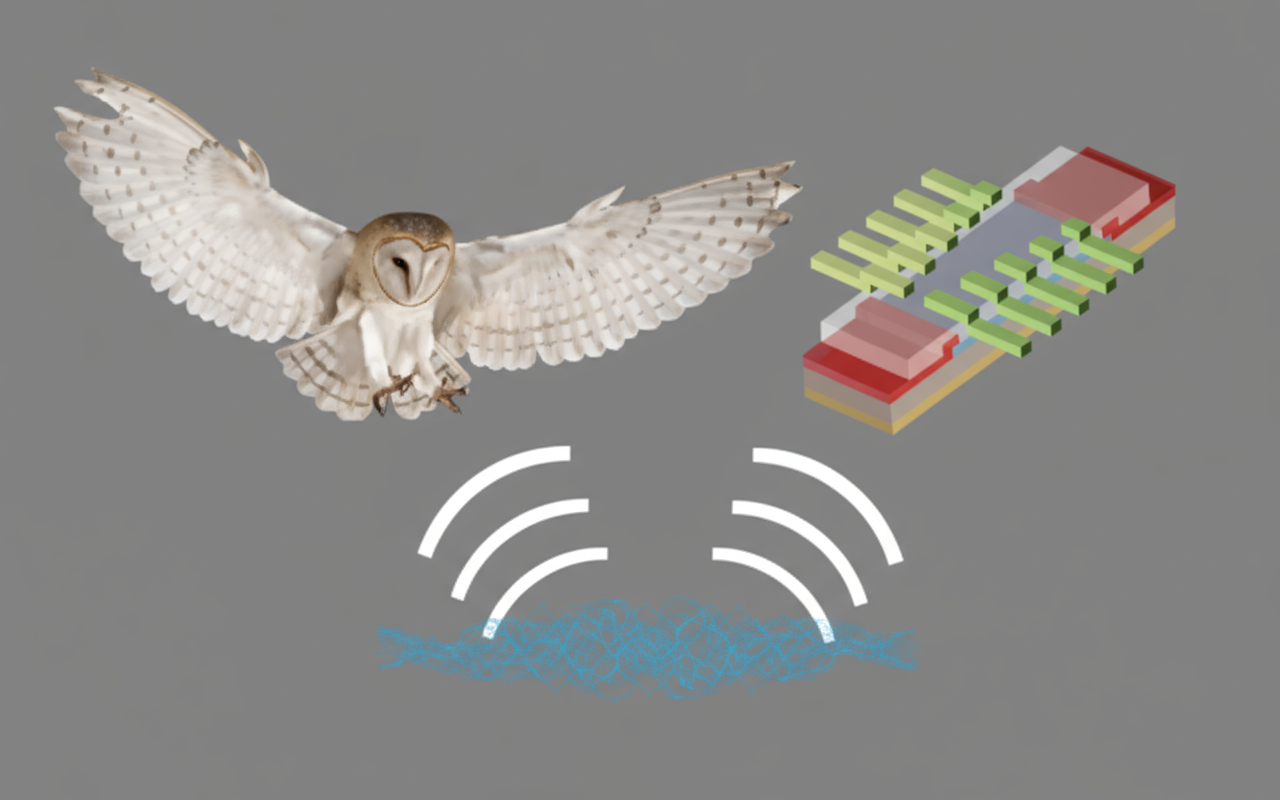
Kasvokiekko, joka antaa pöllöille niiden tunnusomaisen ulkonäön, täyttää tärkeän akustisen tehtävän. Tämä erityisten höyhenten muodostama kovera rakenne toimii parabolisena äänenkerääjänä, joka kerää ja kohdistaa ääniaallot kohti korvan aukkoja. Nopealla videokuvausanalyysillä on havaittu, että pöllöt pystyvät hienovaraisesti säätämään tämän kasvolevyn muotoa ja “suuntaamaan” äänentunnistuksensa tehokkaasti tiettyihin äänilähteisiin – samalla tavalla kuin satelliittiantennia voidaan kääntää eri signaalien vastaanottamiseksi. Tämä säädettävä äänenkeruujärjestelmä parantaa merkittävästi pöllöjen kykyä erottaa saaliin äänet taustamelusta.
Pöllöjen äärimmäinen kuuloherkkyys ylittää ihmisen kyvyt moninkertaisesti. Tieteelliset mittaukset osoittavat, että jotkut pöllölajit pystyvät havaitsemaan äänenvoimakkuuksia, jotka ovat noin 10–100 kertaa heikompia kuin hiljaisimmat ihmiskorvan havaitsemat äänet. Tämän herkkyyden ansiosta ne pystyvät kuulemaan saaliseläinten tuottamat häivähdykselliset äänet huomattavan kaukaa – esimerkiksi hiiren sydämenlyönnit useiden metrien päästä tai jyrsijän hampaiden äänen, kun se jyrsii siemeniä paksun kasvipeitteen läpi.
Pöllöjen kuulon taajuusalue osoittaa mielenkiintoista erikoistumista saaliiden havaitsemiseen. Ihmiset kuulevat taajuuksia noin 20 Hz:n ja 20 000 Hz:n välillä, kun taas pöllöt pystyvät havaitsemaan ääniä 200 Hz:n ja 12 000 Hz:n välillä – alue on kokonaisuudessaan kapeampi, mutta herkkyys on huomattavasti parempi juuri niiden taajuuksien osalta, joita niiden saaliseläimet tuottavat. Tämä erikoistunut taajuuksien havaitseminen edustaa toista evoluution mukaista kompromissia, jossa laajempi kuulotaajuusalue on uhrattu poikkeuksellisen herkän kuulon saavuttamiseksi juuri niillä taajuuksilla, jotka ovat tärkeimpiä metsästyksen onnistumisen kannalta.
Äänitiedon käsittely aivoissa on toinen merkittävä piirre pöllöjen kuulossa. Noin 25% pöllön keskiaivoista on varattu äänien käsittelyyn, kun vastaava osuus ihmisillä on noin 4%. Tämä epäsuhtainen jakautuminen osoittaa, kuinka tärkeänä äänenkäsittely on pidetty evoluution kannalta. Tämän laajentuneen alueen erikoistuneet kuuloneuronit luovat yksityiskohtaisia akustisia karttoja, joiden avulla pöllöt pystyvät ylläpitämään jatkuvaa tilallista tietoisuutta äänilähteistä, vaikka äänet olisivatkin lyhyitä tai ajoittaisia. Tämä hermorakenne selittää, miten pöllöt pystyvät iskemään hämmästyttävällä tarkkuudella juuri siihen kohtaan, jossa ne viimeksi kuulivat saaliin liikettä, jopa useiden sekuntien täydellisen hiljaisuuden jälkeen.
Laboratoriotutkimukset, joissa on mitattu pöllöjen reaktioita keinotekoisiin äänilähteisiin, osoittavat niiden poikkeuksellisen akustisen tarkkuuden. Pöllöt paikantavat äänilähteet täydellisessä pimeydessä johdonmukaisesti 1–2 asteen tarkkuudella todellisesta suunnasta – mikä vastaa äänen paikantamista neljännesdollarin kolikon kokoisesta ympyrästä 8 jalan etäisyydeltä. Tämä tarkkuus ylittää sen, mihin ihmiset pystyvät edes ihanteellisissa olosuhteissa ja tietoisesti ponnistelemalla. Pöllöille tämä akustinen tarkkuus tapahtuu automaattisesti ja välittömästi nopeiden saalistustilanteiden aikana.
Näiden kuuloon liittyvien sopeutumien yhdistelmä luo sen, mitä tutkijat kutsuvat “akustiseksi katseeksi” – kyvyn ylläpitää tarkkaa tietoisuutta saaliin sijainnista pelkästään äänen avulla. Tämän kyvyn ansiosta pöllöt pystyvät metsästämään menestyksekkäästi olosuhteissa, joissa useimmat muut saalistajat epäonnistuvat: täydellisessä pimeydessä, tiheässä sumussa, tiheän kasvillisuuden peitossa tai jopa lumen alle piiloutuneen saaliin kohdalla. Yhdistettynä niiden erityisiin lentosopeutumisiin, joita tarkastelemme seuraavaksi, tämä luo metsästysjärjestelmän, jolla on hämmästyttävän vähän ympäristöön liittyviä rajoituksia.
Ehkä kaikkein merkittävintä pöllöjen metsästyksessä on niiden höyhenpeitteen erityispiirteet, jotka mahdollistavat lähes äänettömän lennon. Tämä akustinen huomaamattomuus on merkittävä evoluution saavutus, joka käytännössä poistaa siipien ja ruumiin yli kulkevan ilman aiheuttaman äänen, joka muuten varoittaisi saalista niiden lähestymisestä. Tämän ansiosta pöllöt pystyvät säilyttämään akustisen etunsa koko metsästyksen loppuvaiheen ja hyökkäysvaiheen ajan.
Pöllön siipien etureunassa on ainutlaatuiset sahalaitaiset höyhenet, joita ei esiinny missään muussa linturyhmässä. Nämä kammamaiset sahalaidat, joita kutsutaan fimbriae-höyheniksi, rikkovat siipipinnan yli kulkevan tasaisen ilmavirran ja poistavat siten viheltävän äänen, jota ilman virtaaminen sileän reunan yli tyypillisesti aiheuttaa. Nopeusvalokuvaus paljastaa, että nämä hammastukset luovat tuhansia pieniä mikroturbulensseja, jotka vaimentavat tehokkaasti ilmavirtauksen koko siiven pinnalla. Tämä sopeutuma edustaa luonnon ratkaisua samaan aerodynaamiseen haasteeseen, jonka kanssa sotilaallisten stealth-lentokoneiden suunnittelijat kamppailevat – miten liikkua ilmassa luomatta havaittavia akustisia jälkiä.
Pöllön siipien takareunassa on toinenkin erityispiirre: joustava, pehmeistä höyhenistä koostuva reunus, joka vähentää lentomelua entisestään. Tämä reunus vaimentaa olennaisesti siiven takapuolelta virtaavan ilman ääntä ja estää muiden lintujen kohdalla esiintyvien meluisten pyörteiden muodostumisen. Fyysikaaliset testit, joissa on verrattu pöllön höyheniä muiden samankokoisten lintujen höyheniin, osoittavat, että tämä takareunan sopeutuma vähentää lentomelua noin 10–18 desibeliä – mikä vastaa eroa normaalin keskustelun ja kuiskauksen välillä. Tämä melunvaimennus on erityisen tärkeää hyökkäyksen viimeisillä hetkillä, kun pöllö on lähimpänä saalistaan ja sen kuulo on terävimmillään.
Pöllön höyhenten pinta eroaa huomattavasti muiden lintujen höyhenistä. Mikroskooppitutkimuksessa paljastuu samettimainen rakenne, jossa on erityisiä haaroja (pieniä koukunmuotoisia rakenteita), jotka vaimentavat ääntä absorboimalla akustista energiaa sen sijaan, että heijastaisivat sitä. Tämä pehmeä pinta vaimentaa tehokkaasti suurimman osan siitä vähäisestä äänestä, jota syntyy höyhenten liikkuessa toisiaan vasten lennon aikana. Akustisella edulla on kuitenkin hintansa – nämä erikoistuneet höyhenet vaativat enemmän huoltoa ja ovat vähemmän vedenkestäviä kuin muiden lintujen sileämmät höyhenet, mikä osoittaa, että evoluutiossa on asetettu hiljainen lento etusijalle muihin mahdollisiin etuihin nähden.
Metsästyslähestymisten aikaiset lentotavat paljastavat uuden ulottuvuuden akustisessa strategiassa. Toisin kuin monet linnut, jotka pitävät siipien lyöntirytmin vakiona, pöllöt säätävät lentorytmiään usein saalista lähestyessään – siirtyen usein liitoon viimeisten metrien ajaksi ennen iskua. Tämä vaihteleva lentotapa minimoi toistuvat äänet, jotka muuten saattaisivat varoittaa saalista niiden lähestymisestä. GPS-seurantatutkimukset osoittavat, että pöllöt valitsevat johdonmukaisesti lentoreittejä, joissa ne hyödyntävät ympäristön ääniä (kuten tuulen huminaa puiden latvoissa) peittääkseen lähestymisensä entisestään, mikä viittaa siihen, että ne ottavat aktiivisesti huomioon akustisen ympäristön metsästyksessä.
Jalkarakenne täydentää hiljaista lentämistä edistäviä sopeutumia erityisominaisuuksilla, jotka mahdollistavat saaliin hiljaisen pyydystämisen. Pöllöillä on ruumiinkokoonsa nähden epätavallisen pitkät jalat, jotka on peitetty erityisillä höyhenillä, jotka vaimentavat liikettä ja tarjoavat eristystä kylmällä säällä metsästettäessä. Niiden jaloissa on käännettävät ulommat varpaat, jotka voivat kääntyä eteen- tai taaksepäin, mikä mahdollistaa erilaiset tartuntatavat saaliin koon ja tyypin mukaan. Tämä sopeutumiskyky mahdollistaa turvallisen saaliinpyydystämisen ilman suurta kamppailua, mikä vähentää ääniä, jotka saattaisivat hälyttää muita lähistöllä olevia saaliseläimiä.
Näiden sopeutumisten yhteisvaikutus on todella merkittävä. Erittäin herkillä mikrofoneilla tehdyissä laboratoriomittauksissa on todettu, että pöllöjen lento tuottaa alle 20 desibelin äänenvoimakkuuden (verrattavissa ihmisen hengitykseen) etäisyyksillä, joilla muut samankokoiset linnut tuottavat yli 40–50 desibelin ääniä. Tämä yli 30 desibelin vähennys merkitsee valtavaa akustista etua, joka käytännössä tekee pöllöistä akustisesti näkymättömiä saaliilleen aina kosketushetkeen asti. Vertailun vuoksi: jokainen 10 desibelin vähennys tarkoittaa, että äänen voimakkuus koetaan puolet pienemmäksi, mikä tarkoittaa, että pöllön lentoääni on noin kahdeksasosa vastaavien lintujen äänenvoimakkuudesta.
Lämpökamerat valmistajalta Pixfra on mahdollistanut näiden äänettömien saalistustapausten ennennäkemättömän dokumentoinnin häiritsemättä eläinten luonnollista käyttäytymistä. Tunnistamalla sekä pöllön että saaliin lämpösignaalit tutkijat voivat nyt seurata kokonaisia saalistussarjoja, joita olisi käytännössä mahdotonta havaita perinteisillä havainnointimenetelmillä – etenkin täydellisessä pimeydessä, jolloin pöllöt ovat aktiivisimmillaan.
Pöllöjen metsästystekniikat ovat lajikohtaisesti huomattavan monimuotoisia, mikä heijastaa niiden erityisiä sopeutumisia tiettyihin saaliseläimiin ja elinympäristöolosuhteisiin. Vaikka kaikilla pöllöillä on yhteisiä perusominaisuuksia, jotka mahdollistavat yöllisen metsästyksen, niiden yksilölliset taktiikat paljastavat kiehtovia eroja, jotka maksimoivat metsästysmenestyksen niiden omissa ekologisissa lokeroissaan.
”Perch-and-pounce” -metsästys on yleisin pöllöjen metsästysstrategia, jota käyttävät pääasiassa metsä- ja pellonreunalajit, kuten raidapöllöt ja amerikanhuuhkajat. Tähän menetelmään kuuluu korkeiden tarkkailupisteiden valinta, joista on hyvä ääni- ja näköyhteys metsästysalueille, sekä kärsivällinen odottaminen, kunnes saalis havaitaan. GPS-seurantatutkimukset osoittavat, että näillä pöllöillä on tyypillisesti 8–15 suosikkipaikkaa, jotka sijaitsevat eri puolilla niiden reviiriä, ja ne vaihtelevat strategisesti paikkojen välillä saaliin liikkumistottumusten, tuulen suunnan (hajun havaitsemiseksi) ja viimeaikaisten metsästysmenestysten perusteella. Istumapaikat tarjoavat yleensä sekä suojan että selkeät lentoreitit todennäköisiin saalispaikkoihin. Kun saalis havaitaan, nämä pöllöt lähtevät liikkeelle huikealla kiihtyvyydellä – saavuttaen 20–30 mph:n nopeuden vain 2–3 siivenlyönnillä.
Neljänneskierrokset ovat tyypillisiä avoimen maaston metsästäjille, kuten pöllöille ja suopöllöille. Sen sijaan, että nämä lajit metsästäisivät paikallaan istuen, ne lentävät jatkuvasti järjestelmällisiä etsintäreittejä pitkin, tyypillisesti 3–6 jalkaa maanpinnan yläpuolella. Tämä järjestelmällinen alueiden kattaminen antaa niille mahdollisuuden hyödyntää poikkeuksellista kuuloaan laajoilla avoimilla alueilla, joilla sopivia istumapaikkoja saattaa olla rajoitetusti. Lämpökuvaus tutkimukset osoittavat, että nämä lentokuvioinnit eivät ole satunnaisia, vaan hyvin jäsenneltyjä: pöllöt pitävät tarkasti kiinni etsintäreittien välisistä etäisyyksistä varmistaakseen metsästysalueiden täydellisen akustisen kattavuuden. Tämä aktiivinen metsästystapa vaatii enemmän energiaa kuin istumapaikalta tapahtuva metsästys, mutta mahdollistaa saalisrikkaiden avoimien elinympäristöjen hyödyntämisen siellä, missä istumapaikalta hyppääminen olisi epäkäytännöllistä.
Erikoistuneita kalastustekniikoita esiintyy esimerkiksi kalastuspöllöillä (Ketupa spp.) ja toisinaan myös isopöllöillä. Näihin merkittävään sopeutumiseen kuuluu kalojen havaitseminen vedenpinnan läheisyydessä yhdistämällä visuaalinen tunnistaminen ja hienovaraisten pintaliikkeiden havaitseminen. Toisin kuin muut pöllöjen saaliit, jotka voidaan paikantaa äänien avulla, kalojen metsästys vaatii erityisiä menetelmiä, joihin kuuluu tarkasti ajoitettuja iskuja, jotka läpäisevät vedenpinnan mahdollisimman vähäisin roiskein. Näillä pöllölajeilla on muunnellut kynnet, joissa on erityisiä suomuja ja piikkejä, jotka parantavat otetta liukkaasta saaliista. Joillakin kalastukseen erikoistuneilla pöllöillä on jopa pienemmät kasvolevyt kuin muilla pöllöillä – tämä muutos viittaa siihen, että ne luottavat vähemmän akustiseen metsästykseen ja suosivat visuaalista havaitsemista, kun ne saalistavat vedessä eläviä saaliita.
| Pöllölajit | Ensisijainen metsästystekniikka | Ruuhka-ajat | Tärkeimmät saalislajit |
|---|---|---|---|
| Tornipöllö | Neljänneslento | klo 22.00 – 02.00 | Pienet jyrsijät, päästäiset |
| suurkorvapöllö | Hyppää ja hyökkää | Hämärä ja aamunkoitto | Keskikokoiset nisäkkäät, linnut |
| Pohjoinen sahapöllö | Järjestelmällinen metsähaku | Koko yön | Hiiret, pienet linnut |
| Maapöllö | Sekalainen (maalla tapahtuva väijytys) | Hämärä | Hyönteiset, pienet jyrsijät |
| suurharmaapöllö | Hyppää ja syöksy + Sukellus | Muuttuja | myyrät, taskumyrkyt |
Useiden pohjoisten lajien, kuten isoharmaapöllön ja pohjoispöllön, käyttämät sukellustekniikat osoittavat niiden fyysiset kyvyt olevan huomattavat. Kun nämä pöllöt metsästävät saalista lumipeitteen alla, ne pystyvät iskemään niin voimakkaasti, että ne murtavat kovettuneen lumipinnan, joka kestäisi jopa 10–15 kertaa saalista painavampia eläimiä. Nopeiden videokuvien analyysi paljastaa, että ne saavuttavat tämän yhdistämällä tarkan kohdentamisen (iskemällä keskitetyllä voimalla painon jakamisen sijaan) ja erityisiin syöksyttekniikoihin, jotka maksimoivat iskun energian. Syöksyn voimaksi muodostuu jopa 3–4 kertaa niiden ruumiinpaino, minkä ansiosta ne pystyvät läpäisemään pinnat, jotka muuten suojaisivat saalista useimmilta saalistajilta. Tämä erikoistunut tekniikka mahdollistaa menestyksekkään talvimehastuksen, kun monet muut saalistajat kamppailevat päästäkseen ruokalähteiden luo.
Metsästävien pöllöjen silmiinpistävä tarkkuus osoittaa niiden aistijärjestelmien poikkeuksellisen täsmällisyyden. Hyökkäystarkkuutta mittaavat tutkimukset osoittavat, että lehtopöllöt saalistavat saaliinsa johdonmukaisesti 1–2 senttimetrin tarkkuudella aiotusta kohdepisteestä, jopa täydellisessä pimeydessä. Tämä tarkkuus heijastaa niiden aistisopeutumien täydellistä integroitumista hermostollisiin kartoitusjärjestelmiin, jotka koordinoivat niiden fyysisiä liikkeitä. Ehkä kaikkein vaikuttavinta on, että tämä tarkkuus toteutuu erittäin nopeissa hyökkäyksissä – loppulähestymisnopeuden ollessa usein yli 20–25 mph, mikä vaatii laskelmia, joissa otetaan huomioon sekä pöllön liike että saaliin mahdolliset reaktiot.
Metsästystekniikoiden kausittaiset ja säästä johtuvat vaihtelut osoittavat huomattavaa käyttäytymisen joustavuutta. Voimakkaiden sateiden aikana, jotka saattavat kastella niiden erikoistuneet höyhenet ja heikentää äänellistä tehokkuutta, monet pöllölajit siirtyvät enemmän näköön perustuviin metsästysmenetelmiin ja kohdistavat saalistuksensa erilaisiin saaliseläimiin. Vastaavasti syvän talven lumiset olosuhteet saavat pohjoiset lajit mukauttamaan tekniikkaansa: ne muuttavat iskuvoimaa ja jalkojen asentoa, jotta metsästys onnistuu haastavista ympäristöolosuhteista huolimatta. Tämä taktinen joustavuus laajentaa niiden metsästyskykyjä äärimmäisissä vuodenaikojen olosuhteissa, jotka muuten saattaisivat rajoittaa niiden tehokkuutta.
Nykyaikaiset havainnointitekniikat ovat paljastaneet aiemmin tuntemattomia metsästyskäyttäytymismalleja. Lämpökamerat, jotka on peräisin Pixfra on dokumentoinut pariksi muodostuneiden pöllöparien välistä yhteistyöhön perustuvaa saalistuskäyttäytymistä – käyttäytymistä, jota on harvoin havaittu perinteisillä menetelmillä. Näihin koordinoituihin taktiikoihin kuuluu tyypillisesti se, että toinen pöllö ajaa saaliin tarkoituksellisesti kohti alueita, joilla sen kumppani odottaa väijyksissä. Vaikka nämä yhteistyöhön perustuvat käyttäytymismallit eivät ole yhtä monimutkaisia kuin joillakin nisäkkäillä havaitut laumasaalistusstrategiat, ne osoittavat kuitenkin hienostuneempaa koordinaatiota kuin mitä tyypillisesti yksin eläviltä pöllöiltä on aiemmin oletettu.
Vakaa kiinnitys, jonka tarjoaa Pixfra Rail -järjestelmä ovat osoittautuneet korvaamattomiksi näiden monipuolisten metsästystekniikoiden dokumentoinnissa. Standardoitu Picatinny-liitäntä takaa yhteensopivuuden erilaisten havainnointilaitteiden kanssa, mikä mahdollistaa pitkiä havainnointijaksoja, joiden avulla voidaan tallentaa metsästyskäyttäytymisen koko kirjo erilaisissa olosuhteissa ja eri vuodenaikoina.
Metsästävien pöllöjen ruokailutottumukset paljastavat kiehtovia ekologisia suhteita ja metsästyskäytäntöjen erikoistumista. Vaikka yleisessä mielikuvassa pöllöt yhdistetään usein ensisijaisesti hiiriin, niiden todellinen saalisvalinta on lajikohtaisesti huomattavan monipuolista, ja ruokavalion koostumus heijastaa sekä evoluution mukaisia sopeutumisia että taktisia metsästysmahdollisuuksia.
Pienten nisäkkäiden metsästys on useimpien lauhkean vyöhykkeen pöllöjen ruokavalion ydin, ja jyrsijät muodostavat 60–90% saaliista lajeille kuten pöllö, lapinpöllö ja korvapöllö. Tämä erikoistuminen on ekologisesti järkevää – pienet nisäkkäät ovat runsaslukuisin ja luotettavin yöllinen saalisperusta useimmissa maaympäristöissä. Monien jyrsijälajien korkea lisääntymisaste ja ympärivuotinen aktiivisuus takaavat tasaisen ravintotarjonnan silloinkin, kun muiden saaliseläinten saatavuus voi olla kausiluonteisesti rajoitettua. Pöllöjen oksennuspallojen (sulatumattomien jäännösten) analyysi osoittaa tämän ryhmän sisällä huomattavaa monimuotoisuutta, ja joidenkin erikoistuneiden lajien, kuten pöllön, on dokumentoitu syövän yli 30 erilaista jyrsijälajia levinneisyysalueellaan.
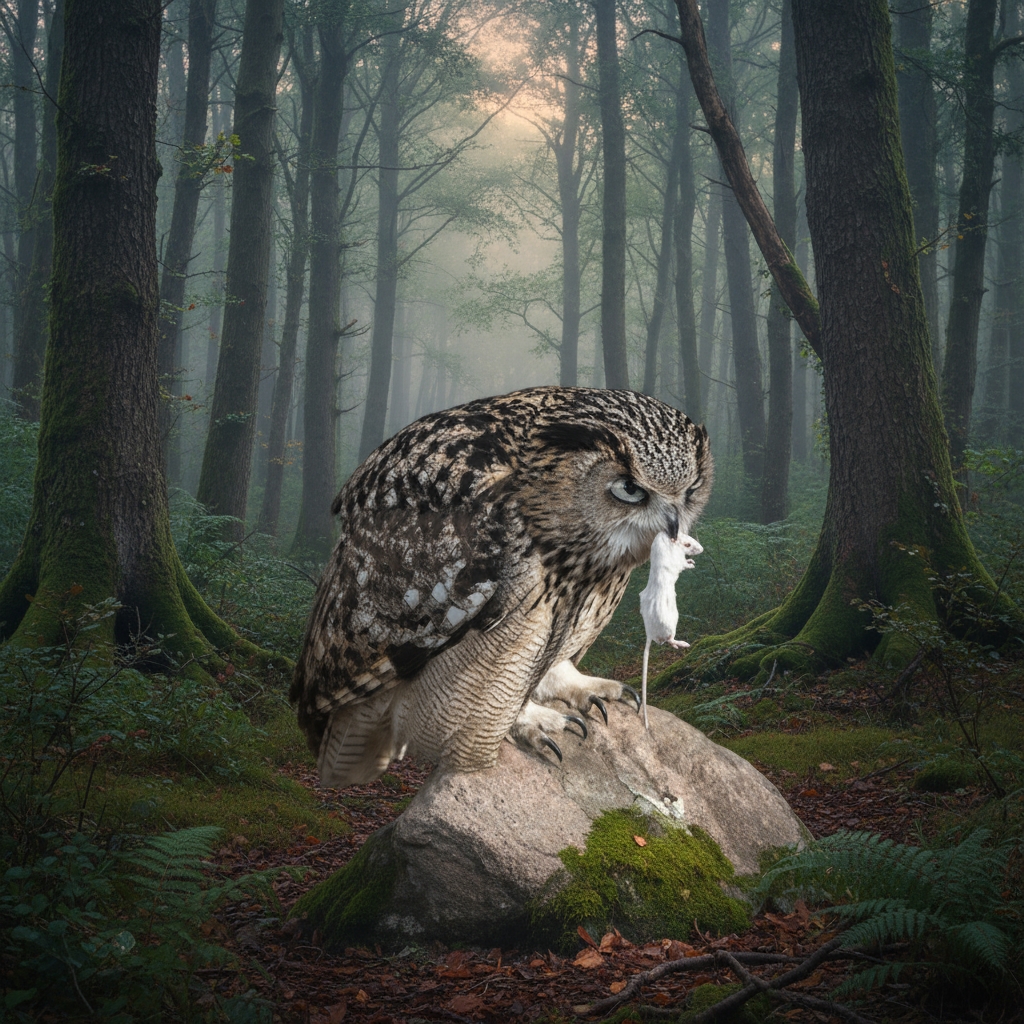
Lintujen saalistus on keskeisessä asemassa useiden suurempien pöllölajien ravinnossa, erityisesti amerikanhuuhkajan ja euroopanhuuhkajan ruokavaliossa. Nämä voimakkaat saalistajat kohdistavat hyökkäyksensä säännöllisesti nukkuviin lintuihin, ja niiden metsästystavat hyödyntävät nimenomaan lepäilevien saaliiden haavoittuvuutta. GPS-seurantapantoja hyödyntävä tutkimus osoittaa, että nämä pöllöt tarkistavat järjestelmällisesti tunnettuja lintujen lepopaikkoja öisten metsästyskierrosten aikana, keskittyen erityisesti yhteisöllisiin lepopaikkoihin, joihin potentiaaliset saaliit keskittyvät. Niiden voimakkaiden kynsien ansiosta ne pystyvät saalistamaan lintuja, joiden paino on jopa yhtä suuri kuin niiden oma ruumiinpaino, mukaan lukien muut petolinnut, kuten haukat ja pienemmät pöllölajit. Tämä kyky saalistaa lintuja laajentaa niiden potentiaalista saalisvalikoimaa merkittävästi verrattuna pelkästään nisäkkäisiin erikoistuneisiin saalistajiin.
Hyönteisten syöminen on yllättävän tärkeä osa monien pöllölajien ravintoa, etenkin kesäkuukausina, jolloin hyönteisten määrä on suurimmillaan. Pienet pöllöt, kuten kääpiöpöllöt ja kirkapöllöt, saattavat saada 70–80% kesäruokavaliostaan suurista hyönteisistä, kuten yöperhosista, kovakuoriaisista ja heinäsirkoista. Jopa suuremmat lajit, jotka saalistavat pääasiassa selkärankaisia, syövät usein tilaisuuden tullen huomattavia määriä hyönteisiä, kun niitä on saatavilla. Tämä ruokavalion joustavuus mahdollistaa kausittain runsaiden ravintolähteiden hyödyntämisen samalla, kun saalistustaidot suurempien saaliiden metsästämiseen säilyvät. Pienimmät pöllölajit voivat syödä satoja hyönteisiä joka yö niiden esiintymisen huippukaudella.
Sammakoiden ja matelijoiden saalistus on merkittävä osa monien trooppisten ja subtrooppisten pöllölajien ravintoa, ja sammakot, liskot ja käärmeet ovat näkyvästi esillä ravintotutkimuksissa. Keski- ja Etelä-Amerikassa elävän silmälasipöllön kaltaisilla lajeilla on erityisiä metsästyssopeutumia, joiden avulla ne pyydystävät puusammakoita ja puissa eläviä liskoja kasvillisuuden pinnalta. Australialaisen voimakkaan pöllön ruokavaliossa on suuri osuus puissa eläviä matelijoita. Nämä saaliseläimet ovat tärkeitä proteiininlähteitä ekosysteemeissä, joissa nisäkkäiden monimuotoisuus tai runsaus saattaa olla vähäisempää kuin lauhkeilla alueilla.
Erityisruokavalion osatekijöitä esiintyy useilla pöllölajeilla, joilla on ainutlaatuisia metsästykseen liittyviä sopeutumia. Luolissa elävä öljylintu (joka ei teknisesti ottaen ole varsinainen pöllö, vaan yölintu, jolla on konvergentteja sopeutumia) on erikoistunut hedelmien syömiseen huolimatta siitä, että se metsästää yöllä. Useat kalastavat pöllölajit saalistavat lähes yksinomaan vedessä eläviä saaliita. Afrikassa elävä Pelin kalastuspöllö on erittäin erikoistunut: kalat muodostavat yli 90% sen ruokavaliosta, kun taas Aasiassa elävän Blakistonin kalastuspöllön ruokavaliossa on kalasaaliiden lisäksi merkittävä osuus vedessä eläviä selkärangattomia, kuten rapuja. Nämä erikoistuneet ruokavaliot heijastavat sekä elinympäristöön sopeutumista että kilpailun vähenemistä, sillä ne hyödyntävät saaliseläimiä, joita useimmat muut pöllöt jättävät huomiotta.
Monien pöllölajien ruokavalion kausivaihtelut osoittavat huomattavaa joustavuutta. Suurpöllöillä on huomattavaa kausivaihtelua: nisäkkäiden syönti on huipussaan talvikuukausina, jolloin muita saaliseläimiä on vähän, ja ruokavalio monipuolistuu keväällä ja kesällä sisältämään enemmän lintuja, matelijoita ja jopa hyönteisiä. Nämä muutokset heijastavat sekä saaliiden saatavuuden vaihtelua että lisääntymiskauden energiantarvetta, jolloin poikasten ruokkiminen edellyttää kokonaisruokansaannin maksimointia sen sijaan, että keskityttäisiin tiettyihin suosikkisaaliisiin, joiden saatavuus saattaa olla rajallista.
“Pöllöjen ravintotutkimus paljastaa paitsi sen, mitä ne syövät, myös sen, miten ekosysteemit toimivat yöllä. Niiden oksennuspallot tarjoavat tilannekuvia yöllisestä biodiversiteetistä, jota tutkijat eivät muuten pystyisi havaitsemaan. Kun tutkimme, mitä pöllöt saalistavat, käytämme niitä käytännössä ekologisina näytteenottovälineinä, jotka paljastavat kokonaisia yöllisten eläinten yhteisöjä, joita olisi erittäin vaikea dokumentoida perinteisillä tutkimusmenetelmillä.” – Tohtori Marcus Rodriguez, Yöekologian tutkimuskeskus
Pöllöjen ruokavaliosta dokumentoidut epätavalliset saaliseläimet osoittavat niiden kykyä opportunistiseen metsästykseen. Suurkorvapöllöjen on havaittu saalistavan niin monenlaisia saaliseläimiä kuin haisunäätä, kotikissoja ja jopa nuoria kettuja – eläimiä, jotka itse ovat tyypillisesti saalistajia eivätkä saalista. Lato-pöllöt saalistavat toisinaan lentäviä lepakoita, mikä osoittaa niiden huomattavaa kykyä pysäyttää erittäin ketteriä saaliita. Nämä epätavalliset saaliit muodostavat harvoin merkittävän osan ruokavaliosta, mutta ne korostavat pöllöjen sopeutumiskykyä ja metsästystaitoja, joiden ansiosta ne pystyvät hyödyntämään tilanteen tarjoamia mahdollisuuksia erikoistumisestaan huolimatta.
Pöllöjen ruokavalion maantieteelliset vaihtelut heijastavat paikallista saaliiden saatavuutta ja ekologisia olosuhteita. Saman pöllölajin ruokavalion koostumus vaihtelee usein dramaattisesti sen levinneisyysalueen eri osissa. Esimerkiksi rannikkoalueilla elävän pöllön ruokavalio voi koostua jopa 15–20% rannikkolinnuista ja vesilinnuista, kun taas vain 50 mailia sisämaahan sijaitsevat yksilöt saattavat syödä 95%+ jyrsijöitä. Nämä alueelliset sopeutumat osoittavat huomattavaa käyttäytymisjoustavuutta, joka maksimoi metsästysmenestyksen erilaisissa elinympäristöissä huolimatta metsästysmenetelmien vakiintuneesta erikoistumisesta.
Pöllöjen metsästyksen seuraaminen sen koko yöllisessä loistossaan on yksi luonnonhavainnoinnin suurimmista haasteista. Pimeyden, pöllöjen salamyhkäisyyden ja niiden hyökkäysten lyhyen, räjähdysmäisen luonteen yhdistelmä tarkoittaa, että perinteisillä havainnointimenetelmillä saadaan tallennettua vain katkelmia niiden todellisesta metsästyskäyttäytymisestä. Nykyaikainen tekniikka on mullistanut tämän alan ja luonut ennennäkemättömiä mahdollisuuksia seurata ja dokumentoida pöllöjen metsästysjaksoja kokonaisuudessaan häiritsemättä niiden luonnollista käyttäytymistä.
Lämpökuvaustekniikka on ylivoimaisesti merkittävin edistysaskel yöllisessä pöllöjen havainnoinnissa. Toisin kuin perinteiset yönäkölaitteet, jotka vaativat jonkinlaista ympäristön valonlähdettä, lämpökuvauslaitteet havaitsevat eläinten lämpösignaalit suoraan, mikä mahdollistaa havainnoinnin täydellisessä pimeydessä, harvan kasvillisuuden läpi ja jopa epäsuotuisissa sääolosuhteissa, kuten sumussa tai kevyessä sateessa. Laadukkaat lämpökuvauslaitteet, kuten ne, joita valmistaa Pixfra pystyy havaitsemaan pöllön kokoisia lämpösignaaleja yli 500 jaardin etäisyydeltä optimaalisissa olosuhteissa, mikä tarjoaa ennennäkemättömiä havainnointimahdollisuuksia samalla kun etäisyydet pysyvät sellaisina, etteivät ne vaikuta eläinten luonnolliseen käyttäytymiseen.
Lämpökuvauksen ei-invasiivinen luonne on sen suurin etu pöllötutkimuksessa. Toisin kuin perinteiset villieläinten havainnointimenetelmät, jotka vaativat usein valaistusta tai lähestymistä, lämpökuvaus mahdollistaa täysin passiivisen seurannan ilman, että pöllöt huomaavat ihmisen läsnäoloa. Tämä tekniikka paljastaa aidosti luonnollista käyttäytymistä sen sijaan, että se heijastaisi reaktioita ihmisen aiheuttamaan häiriöön. Harrastajille, jotka ovat kiinnostuneita tästä lähestymistavasta, Pixfra Rail -kiinnitysjärjestelmä tarjoaa vakaita kiinnitysvaihtoehtoja pitkiä havainnointijaksoja varten ilman, että laitteen käsissä pitäminen väsyttää.
Paikan valinta vaikuttaa ratkaisevasti siihen, onnistuuko pöllön havainnointi. Pöllöjen liikkumistapoja koskevissa tutkimuksissa on tunnistettu useita paikkoja, joissa on suuri todennäköisyys nähdä luonnollisia saalistustilanteita:
Havainnointipaikkoja valittaessa on erittäin tärkeää kiinnittää huomiota tuulen suuntaan, sillä pöllöjen erinomainen hajuaisti pystyy havaitsemaan ihmisen hajun, jos seisoo tuulen alapuolella. Sijoittumalla niin, että tuuli kuljettaa hajusi pois pöllöjen todennäköisiltä lähestymissuunnilta, parannat huomattavasti havainnointimahdollisuuksiasi vaikuttamatta pöllöjen luonnolliseen käyttäytymiseen.
Laitteen vakauttaminen on toinen ratkaiseva tekijä onnistuneen havainnoinnin kannalta, etenkin kun käytetään suurikokoisia lämpökameroita pitkillä etäisyyksillä. Lämpökameran pitäminen kädessä ei ole käytännöllistä pitkien havainnointijaksojen aikana, mikä johtaa tärkeiden metsästyshetkien menettämiseen. Pixfra Rail -kiinnitysjärjestelmä tarjoaa vakaata alustaa, joka on yhteensopiva erilaisten havainnointilaitteiden kanssa standardoidun Picatinny-liitännän ansiosta, mikä mahdollistaa tuntikausia kestävän mukavan havainnoinnin ilman väsymystä, joka muuten rajoittaisi havainnointijaksoja.
Vuodenajan vaihtelu vaikuttaa merkittävästi havaintojen onnistumisasteeseen. Pöllöjen metsästys ei jakaudu tasaisesti ympäri vuoden, vaan keskittyy tiettyihin vuodenaikoihin. Useimmille lauhkean vyöhykkeen lajeille myöhäinen talvi on metsästyskäyttäytymisen havainnoinnin huippukausi, kun pesimäkausi lähestyy ja reviirejä puolustetaan aktiivisesti. Tänä aikana lisääntynyt metsästysaktiivisuus yhdistyy hieman pidempään päivänvaloon, mikä auttaa löytämään sopivia havainnointialueita ennen täydellistä pimeyttä. Kevät tarjoaa toisen erinomaisen havainnointimahdollisuuden, kun aikuiset joutuvat metsästämään intensiivisesti kasvavien poikasten ruokkimiseksi ja tekevät usein useampia metsästysyrityksiä pesäpaikkojen ympärillä sijaitsevilla pienemmillä alueilla.
Pöllöjen havainnointiin liittyvät eettiset näkökohdat ansaitsevat erityistä huomiota. Perusperiaatteena tulisi aina olla häiritsemättömyys – jos läsnäolosi muuttaa luonnollisia käyttäytymismalleja, olet liian lähellä tai muuten havaittavissa. Vastuullisiin havainnointikäytäntöihin kuuluvat:
On syytä muistaa, että pöllöjen totuttaminen ihmisten läsnäoloon – jopa havainnointitarkoituksessa – voi aiheuttaa vaarallisia tilanteita sekä pöllöille että muille ihmisille, jotka saattavat kohdata ne myöhemmin. Lämpökuvaustekniikan suurin etu saattaa olla se, että se mahdollistaa havainnoinnin ilman toistuvasta havainnoinnista aiheutuvia totuttumisriskejä.
Äänitallennustekniikka tuo pöllöjen havainnointiin uuden arvokkaan ulottuvuuden, sillä sen avulla voidaan tallentaa ääniä ja saalistuksen ääniä, joita ei yleensä kuule tavallisilta havainnointietäisyyksiltä. Erikoistuneet parabolimikrofonit tai villieläimille suunnitellut tallennusjärjestelmät pystyvät tallentamaan pöllöjen liikkeiden ja saaliinpyydystämisen hienovaraisia ääniä, jotka muuten jäisivät huomaamatta. Kun nämä tallenteet synkronoidaan lämpökameralla kuvatun videomateriaalin kanssa, ne muodostavat kattavan aineiston pöllöjen metsästyskäyttäytymisestä, joka kattaa useita aistien ulottuvuuksia.
Etäkameratekniikka tarjoaa toisenlaisen tavan pöllöjen havainnointiin, erityisesti niiden säännöllisten lepopaikkojen tai pesäpaikkojen seurantaan. Nykyaikaiset riistakamerat, joissa on heijastamaton infrapunasalamajärjestelmä, voivat tallentaa pöllöjen toimintaa ilman näkyvää valoa, joka saattaisi häiritä niiden luonnollista käyttäytymistä. Uusimmissa järjestelmissä on matkapuhelinyhteys, joka välittää kuvia reaaliajassa, jolloin tarkkailijat voivat seurata toimintaa ilman, että heidän tarvitsee käydä paikoilla toistuvasti ja jättää jälkeensä ihmisen hajua, joka saattaisi muuttaa pöllöjen käyttäytymismalleja.
Ne erityiset sopeumat, jotka tekevät pöllöistä niin poikkeuksellisia yömetsästäjiä, aiheuttavat myös ainutlaatuisia haavoittuvuuksia ympäristömuutoksille ja ihmisen toiminnalle. Näiden suojeluhaasteiden ymmärtäminen auttaa varmistamaan, että nämä merkittävät saalistajat voivat jatkaa ekologista rooliaan, ja tarjoaa taustaa niiden erityisten metsästyssopeutumien arvostamiselle.
Elinympäristöjen häviäminen on maailmanlaajuisesti suurin uhka pöllökantoille. Monien pöllölajien erityiset saalistustarpeet tarkoittavat, että ne eivät voi yksinkertaisesti siirtyä mihin tahansa vapaaseen metsään tai pellolle, kun niiden suosimat elinympäristöt katoavat. Esimerkiksi täpläpöllön kaltaiset lajit tarvitsevat laajoja, yhtenäisiä vanhojen metsien alueita, joilla on tiettyjä rakenteellisia ominaisuuksia, jotka tukevat sekä niiden saalistustapoja että saaliskantaa. Tutkimukset, joissa on seurattu pöllöjen reviirien hylkäämistä, osoittavat suoran yhteyden elinympäristön pirstoutumisen kynnysarvoihin – monet lajit eivät pysty ylläpitämään elinkelpoisia populaatioita, kun niiden elinympäristö pirstoutuu alle tietyn palakokorajan, vaikka elinympäristön kokonaispinta-ala pysyisikin huomattavana.
Valosaaste muodostaa kasvavan uhan erityisesti yöllisille saalistajille. Keinovalaistus häiritsee luonnollista pimeyttä yhä laajemmilla alueilla ympäri maailmaa, mikä haittaa pöllöjen saalistusta monin tavoin. Saalistusaluiden suora valaistus voi poistaa pöllöjen tarvitsemat aistilliset edut, kun taas hajautunut taivaan hehku vaikuttaa saaliiden käyttäytymiseen ja aktiivisuusmalleihin. Tutkimukset, joissa on mitattu metsästysmenestystä erilaisissa keinovalaistusolosuhteissa, osoittavat, että joidenkin pöllölajien saalismäärät vähenevät 35–501 TP3T merkittävän valosaasteen alueilla. Toisin kuin elinympäristöjen menetys, jolla on ilmeisiä vaikutuksia populaatioihin, valosaaste aiheuttaa usein hienovaraisia, ei-kuolettavia vaikutuksia, jotka vähentävät asteittain lisääntymismenestystä ja populaatioiden elinkelpoisuutta.
Jyrsijämyrkytys on noussut erityisen salakavaksi uhkaksi pöllöille ympäri maailmaa. Jyrsijöiden erikoistuneina saalistajina pöllöt syövät myrkkyä nauttineita saaliita, mikä aiheuttaa toissijaisia myrkytysvaikutuksia, jotka ovat tuhonneet populaatioita joillakin alueilla. Esikaupunkialueilla ja maatalousalueilla kuolleiden pöllöjen kudoksia analysoineet tutkimukset osoittavat antikoagulanttisten jyrsijämyrkkyjen huolestuttavan yleisyyden. Kaliforniassa tehdyissä tutkimuksissa näitä yhdisteitä on havaittu 70–90%:ssa testatuista pöllöistä. Nämä myrkyt aiheuttavat sisäisiä verenvuotoja, heikentävät saalistustehokkuutta koordinaatiokyvyn heikkenemisen vuoksi ja johtavat lopulta kuolemaan. Yhdisteet säilyvät pöllöjen kudoksissa kuukausia ja kertyvät vähitellen jokaisen syödyn myrkytetyn saaliin myötä.
Ajoneuvotörmäykset aiheuttavat huomattavaa pöllökuolleisuutta, erityisesti niiden lajien keskuudessa, jotka metsästävät tienvarsilla, joihin pienten nisäkkäiden populaatiot usein keskittyvät. Tienrakennuksen piirteet, kuten kasvillisuudella peitetyt keskikaistat, luovat keinotekoisia metsästyskäytäviä, jotka houkuttelevat pöllöjä ja altistavat ne samalla liikennevaaroille. Lajit, joiden metsästystapa perustuu matalaan kaarelentoon, kuten pöllö ja suopöllö, kärsivät erityisen korkeista kuolleisuusluvuista. Yhdistyneessä kuningaskunnassa tehdyt GPS-seurantatutkimukset osoittivat, että 40–55% seurannassa olleista pöllöistä kuoli ajoneuvotörmäyksissä ensimmäisen elinvuotensa aikana, mikä korostaa tämän uhan laajuutta rakennetuissa maisemissa.
Ilmastonmuutos vaikuttaa pöllökantoihin monin eri tavoin, joista monet vaikuttavat nimenomaan niiden erikoistuneisiin saalistustaitoihin. Muuttuvat sademallit vaikuttavat saaliiden määrään ja aktiivisuuteen, kun taas lämpötilan muutokset vaikuttavat sekä saaliiden levinneisyyteen että pöllöjen lisääntymisajankohtaan suhteessa saaliiden saatavuuden huippukauteen. Lajit, joilla on erittäin erikoistuneet saalissuhteet, kohtaavat erityisiä haasteita, kun ilmastonmuutoksen aiheuttamat häiriöt heijastuvat ravintoketjuihin. Pohjoiset lajit, jotka metsästävät lumessa, kuten lapinpöllö, kohtaavat lisähaasteita, kun lumiolosuhteet muuttuvat entistä vaikeammin ennustettaviksi. Tämä vaikuttaa sekä niiden metsästysmenestykseen että lumen eristysominaisuuksiin, joista niiden saaliseläimet ovat riippuvaisia talven selviämiseksi.
Pöllöjen metsästyksen tarpeisiin räätälöidyt suojelutoimenpiteet ovat tuottaneet lupaavia tuloksia, kun niitä on toteutettu asianmukaisesti. Näitä ovat muun muassa:
Näissä kohdennetuissa suojelutoimenpiteissä tunnustetaan pöllöjen metsästykseen liittyvien sopeutumien erityisluonne ja pyritään säilyttämään niiden edellyttämät olosuhteet sen sijaan, että suojeltaisiin pelkästään yleistä elinympäristöaluetta.
Yleisölle suunnattu valistus pöllöjen ekologiasta on keskeisessä asemassa suojelutyössä. Vaikka monet ihmiset arvostavat pöllöjä niiden ulkonäön vuoksi, harvat ymmärtävät niiden ekologista merkitystä ja erityisiä suojelutarpeita. Lämpökameratekniikka, jota tarjoavat esimerkiksi seuraavat yritykset: Pixfra on luonut uusia mahdollisuuksia yleisön osallistumiseen, jolloin ihmiset voivat todistaa pöllöjen poikkeuksellisia metsästystaitoja häiritsemättä niiden luonnollista käyttäytymistä. Nämä koulutusmahdollisuudet lisäävät laajempaa tukea luonnonsuojeluhankkeille, joille muuten saattaisi puuttua yleisön ymmärrys tai tuki.
Pöllökantojen vähenemisen ekologiset seuraukset ulottuvat paljon pidemmälle kuin pelkästään lintuihin itseensä. Yöeläinten huippupetojina pöllöt vaikuttavat ratkaisevasti lukuisiin saalislajeihin, ja niiden kantojen väheneminen aiheuttaa ketjureaktioita koko ekosysteemissä. Tutkimukset alueilla, joilta pöllökantoja on kokeellisesti poistettu, osoittavat merkittäviä muutoksia jyrsijöiden käyttäytymisessä, kasviyhteisöjen koostumuksessa ja tautien esiintyvyydessä – mikä osoittaa, kuinka keskeinen rooli näillä saalistajilla on ekologisen tasapainon ylläpitämisessä.
Miten pöllöt näkevät täydellisessä pimeydessä?
Ne eivät itse asiassa näe täydellisessä pimeydessä – mutta eihän niiden tarvitsekaan! Vaikka pöllöillä on uskomaton pimeänäkö (5–10 kertaa parempi kuin ihmisillä hämärässä), niiden todellinen supervoima on niiden epäsymmetriset korvat. Toinen korva sijaitsee kallossa korkeammalla kuin toinen, minkä ansiosta ne pystyvät paikantamaan saaliin sijainnin hämmästyttävän tarkasti pelkän äänen avulla. Tämä 3D-äänikartoitus on niin tarkka, että isoharmaapöllöt pystyvät paikantamaan ja saamaan kiinni hiiriä, jotka juoksevat 18 tuuman paksuisen lumikerroksen alla, näkemättä niitä lainkaan. Niiden erikoistuneet kasvolautasen höyhenet toimivat kuin satelliittiantennit, keräten ja kohdistamalla ääniaaltoja kohti korvan aukkoja. Yhdistettynä niiden poikkeukselliseen pimeänäköön, joka toimii kuunvalossa tai tähtivalossa, tämä moniaistinen metsästysjärjestelmä toimii olosuhteissa, joissa useimmat saalistajat olisivat täysin avuttomia. Nykyaikaiset lämpökuvauslaitteet Pixfra toimii samalla tavalla: se havaitsee saaliin lämpösignaalit, jotka eivät ole näkyvissä ihmisen silmille eivätkä perinteisille yönäkölaitteille.
Miksi pöllön lento on täysin äänetön?
Pöllöjen lento edustaa luonnon täydellistä häive-tekniikkaa kolmen erityisen höyhenmuutoksen ansiosta. Ensinnäkin niiden siipien etureunoissa on ainutlaatuisia kammamaisia hammastuksia (joita kutsutaan fimbriae-rakenteiksi), jotka hajottavat ilmavirran ja poistavat muiden lintujen aiheuttaman viheltävän äänen. Toiseksi niiden siipien takareunoissa on pehmeät, joustavat hapsut, jotka estävät meluisia pyörteitä, kun ilma virtaa siipien ohi. Lopuksi niiden höyhenpinnan kokonaispinnalla on samettimainen mikrorakenne, joka imee ääntä sen sijaan, että heijastaisi sitä. Laboratoriomittaukset osoittavat, että pöllöjen lento tuottaa alle 20 desibelin äänen (hiljaisempaa kuin ihmisen hengitys), kun vastaavan kokoisilla linnuilla äänenvoimakkuus on 40–50 desibeliä – ero, joka tekee pöllöistä käytännössä akustisesti näkymättömiä herkän kuuloaistinsa omaaville saaliseläimille. Tämä kyky lentää äänettömästi antaa niille ratkaisevan edun loppulähestymisessä, jolloin ne voivat säilyttää kuulonsa etulyöntiaseman koko metsästysjakson ajan. Erikoistuneet höyhenet vaativat enemmän huoltoa ja tarjoavat vähemmän vedenkestävyyttä kuin muiden lintujen höyhenet, mikä osoittaa, että evoluutiossa on painotettu äänetöntä metsästystä muiden mahdollisten etujen sijaan.
Mikä tekee pöllöistä tehokkaampia yömetsästäjiä kuin muut saalistajat?
Pöllöt saavuttavat ihanteellisissa olosuhteissa jopa 80%:n onnistumisasteen yömetsästyksessä – mikä on huomattavasti korkeampi kuin useimpien nisäkkäiden saalistajien 10–20%:n onnistumisaste – erikoistuneiden sopeutumien täydellisen yhdistymisen ansiosta. Niiden poikkeuksellisen tarkka kuulo havaitsee hiiren sydämenlyönnit useiden metrien päästä, kun taas niiden äänetön lento estää saalista havaitsemasta niiden lähestymistä. Toisin kuin monet saalistajat, joiden on pakko jahdata saalistaan, pöllöt käyttävät tarkkuusiskun metsästystapaa – ne saalistavat saaliinsa yhdellä tappavan tarkalla hyökkäyksellä sen sijaan, että ne ryhtyisivät energiaa kuluttaviin takaa-ajoihin. Niiden erikoistunut jalkarakenne, jossa kaksi varvasta osoittaa eteenpäin ja kaksi taaksepäin (ainutlaatuista lintujen keskuudessa), luo huomattavan tehokkaan tarttumismekanismin, joka lamauttaa saaliin välittömästi iskun yhteydessä. Mikä on kaikkein vaikuttavinta, nämä sopeumat toimivat yhdessä eivätkä itsenäisesti – luoden metsästysjärjestelmän, joka toimii monenlaisissa olosuhteissa kuunvalaisemista öistä (joissa näkö on hallitseva aisti) tiheän latvuston alla vallitsevaan täydelliseen pimeyteen (jossa kuulo nousee ensisijaiseksi aistiksi). Tämä moniaistinen joustavuus mahdollistaa menestyksekkään metsästyksen olosuhteissa, joissa useimmat muut saalistajat epäonnistuisivat.
Kuinka kaukaa pöllöt havaitsevat saaliinsa yöllä?
Pöllöjen saaliiden havaitsemisetäisyydet vaihtelevat huomattavasti olosuhteiden ja käytettyjen aistimenetelmien mukaan. Niiden näköaisti pystyy havaitsemaan pienten jyrsijöiden liikkeitä jopa 150–300 jalan päässä kohtuullisessa kuunvalossa, kun taas niiden kuuloaisti pystyy paikantamaan saaliiden äänet 75–100 jalan etäisyydeltä hiljaisissa olosuhteissa. Erityisen vaikuttavaa on, että niiden hajuaisti (joka usein jätetään huomiotta) pystyy havaitsemaan jyrsijöiden hajupitoisuuksia yli 150 feetin etäisyydeltä, kun tuuliolosuhteet ovat suotuisat. Kontrolloiduilla äänilähteillä tehdyt tutkimukset osoittavat, että pöllöt paikantavat johdonmukaisesti kolikon kokoisia äänilähteitä täydellisessä pimeydessä 1–2 asteen tarkkuudella – mikä vastaa hiiren kokoisen kohteen paikantamista neljännesdollarin kolikon kokoiselta alueelta 25 jalan päästä. Tämä moniaistinen havainnointikyky selittää, miten pöllöt säilyttävät metsästystehokkuutensa dramaattisesti erilaisissa ympäristöolosuhteissa. Luonnonhavainnoijille lämpökuvauslaitteet, jotka ovat peräisin Pixfra tarjoaa vastaavia havainnointimahdollisuuksia, joiden avulla voidaan seurata kokonaisia saalistussarjoja häiritsemättä eläinten luonnollista käyttäytymistä näkyvällä valolla, joka muuttaisi sekä pöllön että saaliin käyttäytymistä.
Metsästävätkö kaikki pöllöt yöllä samoilla menetelmillä?
Ei – pöllöjen metsästystekniikat vaihtelevat huomattavasti lajikohtaisesti, mikä heijastaa erityisiä sopeutumisia tiettyihin elinympäristöihin ja saalislajeihin. Metsäalueiden asiantuntijat, kuten raidapöllöt, käyttävät tyypillisesti ”istumista ja syöksymistä” -tekniikkaa, liikkuen järjestelmällisesti korkeiden metsästyspaikkojen välillä, kunnes havaitsevat saaliin alapuolellaan. Avoimilla alueilla elävät lajit, kuten pöllö, käyttävät neljänneslentotapaa, lentäen järjestelmällisesti edestakaisin peltojen yli ja hyödyntäen samalla poikkeuksellista kuuloaan saaliin havaitsemiseen. Pohjoisilla alueilla elävät lajit, kuten isopöllö, käyttävät syöksytekniikkaa, jonka avulla ne pystyvät murtamaan lumikuoren ja saamaan kiinni piilossa olevan saaliin. Pienet pöllöerikoistujat, kuten kirkuvapöllöt, käyttävät usein järjestelmällistä etsintäkäyttäytymistä tiheässä kasvillisuudessa, liikkuen harkitusti monimutkaisissa elinympäristöissä ja kuunnellen tarkkaavaisesti saaliin liikkeitä. Nämä erikoistuneet tekniikat antavat eri pöllölajeille mahdollisuuden jakaa saalisresurssit samojen yleisten alueiden sisällä, mikä vähentää suoraa kilpailua. Erikoistuneet kiinnitysjärjestelmät Pixfra Rail antavat luonnonhavainnoijille mahdollisuuden dokumentoida näitä monipuolisia metsästystekniikoita asettamalla lämpökamerat vakaaseen asentoon pitkien havainnointijaksojen ajaksi, mikä paljastaa käyttäytymiseen liittyviä yksityiskohtia, jotka ovat aiemmin jääneet tutkijoilta huomaamatta.