We often think of mountain lions as silent shadows moving through the wilderness, but their hunting patterns reveal a lot more than just stealth. These powerful predators have adapted their behavior over thousands of years, and their nocturnal hunting habits are one of the most fascinating aspects of their survival strategy. If you’re out hiking at dusk or exploring wildlife areas, understanding when and how these big cats hunt can make a huge difference in both your safety and your appreciation for these amazing animals.

Mountain lions—also called cougars, pumas, or panthers—are some of North America’s most skilled hunters. Their hunting patterns aren’t random; they follow specific schedules that match their prey’s behavior, the time of day, and even human activity in their territory. Just like how we explored fox hunting at night behavior and techniques, mountain lions have their own unique strategies that help them succeed in the wild.
Mountain lions are primarily crepuscular, meaning they are most active around dawn and dusk. But here’s where it gets interesting—these cats are incredibly flexible with their schedules. However, mountain lions can also be nocturnal, especially in areas with significant human activity.
Think of them as having a preferred schedule but being willing to change it based on what’s happening around them. Their activity pattern varies from diurnality and cathemerality to crepuscularity and nocturnality between protected and non-protected areas, and is apparently correlated with the presence of other predators, prey availability, and human disturbance.
In many parts of North America, deer—their primary food source—are most active during twilight hours, so mountain lions time their hunts to match. This synchronization between predator and prey creates a natural rhythm in the ecosystem. The cats have excellent night vision that lets them hunt successfully in low-light conditions, giving them a serious advantage when the sun goes down.
When we talk about hunting, mountain lions follow some pretty specific patterns. Research has given us incredible insights into how these cats spend their nights. When hunting, mountain lions apparently stalked or sat in ambush for periods averaging 0.7 h and then moved a mean distance of 1.4 km (over 1.2 h) to another area; this pattern repeated about six times on nights when no prey was killed.

Imagine spending 45 minutes completely still, watching, waiting, then moving almost a mile to try again—and doing this six times in one night if you don’t catch anything. That’s the reality of mountain lion hunting. It’s not all action and chase; it’s mostly patience and precision.
Mothers of neonates hunted from dusk to midnight and then returned to the den; mothers spent increasing amounts of time at greater distances from the den during the first 8 weeks after giving birth. Female mountain lions with kittens have to balance hunting with parenting, so they adjust their schedules accordingly. This shows just how adaptable these animals are—they can change their entire routine based on their life stage and responsibilities.
The success rate matters too. On average, an adult mountain lion killed ca. 48 large and 58 small mammals/year and fed for an average of 2.9 days (SD = 1.1) on a single large mammal. So after a successful hunt, they’re not immediately back out there—they’ll feed on their kill for several days, reducing the need for constant hunting.
Here’s something wild that researchers have discovered: mountain lions in urban areas are shifting their schedules to avoid us. Mountain lions in the greater Los Angeles area that lived in regions with higher numbers of human hikers, cyclists, and joggers have become more nocturnal than those living in less busy areas.
The study authors monitored the movements of 22 mountain lions living in the Santa Monica Mountains and the surrounding region between 2011 and 2018. What they found was pretty remarkable. Generally, the mountain lions that live in areas with a lot of recreation—for example, Griffith Park or the Verdugo Mountains—are less likely to be active around dawn or dusk and are more likely to be active at nocturnal times.
The most nocturnal cats in the study were two males: P41 and the famous “Hollywood Cat” P22. The males P41 and “Hollywood Cat” P22 being the two most nocturnal lions in the study. Both of these males had small territories containing high levels of recreation and were surrounded by human development. These cats basically went full night-shift to avoid running into people during the day.
Female mountain lions responded differently though. Female mountain lions showed a different response to human activity, however, as they were less prone to increasing their nocturnal habits than the males. Why? Male mountain lions are a source of mortality for females and dependent kittens, and females in this system show evidence of avoiding habitats used by males. Diel activity of female mountain lions may be constrained by avoiding males such that they do not exhibit as strong of a response to humans. So females have to balance avoiding both humans AND male mountain lions, which limits how much they can change their schedules.
Mountain lion hunting is all about stealth and ambush. These aren’t endurance runners like wolves that chase prey for miles. Instead, they rely on getting close without being detected, then launching a short, explosive attack.
Their hunting style is perfectly suited for low-light conditions. They use available cover—rocks, trees, dense vegetation—to get within striking distance. The cats navigate their territory in a zigzag pattern, constantly scanning for movement, scent, or sound that might indicate prey nearby.
Once they spot a target, the waiting game begins. They might sit completely motionless for up to 45 minutes, watching their prey, calculating the perfect moment to strike. When they do attack, it’s quick and powerful—they can sprint up to 50 mph in short bursts and leap over 40 feet in a single bound.
After a successful kill, mountain lions often drag their prey to a secluded spot and cover it with leaves and debris. This caching behavior protects the carcass from scavengers and lets them return to feed over several days. It’s like having a refrigerator in the wild—they hide their food and come back for meals.
Mountain lion activity patterns aren’t set in stone—they shift based on what their prey is doing. It has been suggested that mountain lions (Puma concolor) follow the daily activity patterns of their main prey species. This makes total sense from a survival perspective—why hunt when your food isn’t around?
In the Sonoran Desert, researchers found something interesting about this prey-predator dance. Javelina shift from a diurnal activity pattern during winter months to a nocturnal pattern in the summer. So do mountain lions shift with them? The research shows they do adapt, but they also switch to other prey species that are active during their preferred hunting times.
Deer remain the primary food source for most mountain lions across North America. Since deer are generally crepuscular or nocturnal, mountain lions stick to those same time periods. But when prey patterns change seasonally or regionally, these cats show remarkable flexibility in adjusting their hunting schedules.
| Hunting Behavior | Duration/Distance | Success Pattern |
|---|---|---|
| Ambush/Stalk Period | 0.7 hours (42 minutes) | 6 attempts per unsuccessful night |
| Movement Between Spots | 1.4 km over 1.2 hours | Systematic territory coverage |
| Feeding Duration | 2.9 days average | After killing large prey |
| Mother with Kittens | Dusk to midnight | Returns to den regularly |
The good news is that mountain lions are doing the heavy lifting when it comes to coexistence. This flexibility we see in mountain lion activity is what allows us to share these natural areas together. Mountain lions are doing the work so that coexistence can happen.

But this adaptation comes at a cost. Even something as innocuous as recreation can add to these other stressors we’re bringing into their lives, potentially by altering the amount of energy they have to expend for hunting and other needs. When mountain lions have to hunt at times that aren’t optimal just to avoid humans, they’re using more energy and potentially catching less food.
For those of us who love the outdoors, understanding these patterns helps us be better neighbors to wildlife. Dawn and dusk remain prime mountain lion hours in most areas, so extra caution during those times makes sense. In urban areas where lions have shifted to nocturnal behavior, being careful while driving at night and keeping pets indoors after dark becomes even more important.
If you’re interested in wildlife photography or observation, check out more resources at Pixfra or explore the outdoor section for tips on safely experiencing nature.
What makes mountain lions such effective nocturnal hunters? It comes down to some serious biological advantages. Their eyes have a high concentration of rod cells and a reflective layer behind the retina called the tapetum lucidum. This gives them exceptional night vision—they can see about six times better than humans in low light.
Their other senses work overtime too. While smell isn’t their primary hunting tool, their hearing is incredibly acute. They can detect the slightest rustle of prey moving through vegetation, even in complete darkness. Their whiskers are sensitive to vibrations in the air, helping them navigate and detect movement around them.
Retractable claws allow silent movement—no clicking on rocks to give away their position. Their large paws act like snowshoes, distributing weight evenly and allowing them to move quietly across various terrain types. Every physical feature is optimized for ambush hunting in low-light conditions.
Q: What time of night do mountain lions hunt most actively? Mountain lions are most active during twilight hours—just after sunset and before sunrise—though they can hunt throughout the night. In areas with heavy human activity, they’ve shifted to being more active during the middle of the night, typically between 8 PM and 4 AM.
Q: Do mountain lions hunt every single night? No, mountain lions don’t hunt every night. After making a large kill like a deer, they’ll feed on that carcass for 2-3 days on average before hunting again. This means they might only actively hunt 2-3 times per week, depending on the size of their prey.
Q: Are you more likely to see a mountain lion at dawn or dusk? Traditionally, yes—dawn and dusk are peak activity times for mountain lions in remote areas. However, in regions with high human recreation, mountain lions have become more nocturnal and are actually more active in the middle of the night to avoid people during twilight hours.
Q: Can mountain lions see humans at night before we see them? Absolutely. Mountain lions have night vision roughly six times better than humans. They can see you long before you see them, which is actually one reason why mountain lion attacks are so rare—they know you’re there and typically choose to avoid you entirely.
Q: How far do mountain lions travel in one night while hunting? Research shows mountain lions move an average of 2.3 miles per day, with much of that movement happening at night. When actively hunting without success, they might cover 8-9 kilometers (about 5-6 miles) in a single night, moving between different ambush locations.
Kiedy zapada zmrok i większość myśliwych wraca do domu, prawdziwa akcja z lisami dopiero się zaczyna. Polowanie nocne daje jedne z najbardziej ekscytujących okazji do upolowania tych sprytnych drapieżników, gdy są one najbardziej aktywne i podatne na atak. Zebraliśmy wszystko, co musisz wiedzieć o zachowaniu lisów po zachodzie słońca, oraz techniki, które pomogą ci wypełnić limit łowiecki po zapadnięciu słońca.

Lisy z natury są przystosowane do życia nocnego. Chociaż można je czasem dostrzec w ciągu dnia, zwierzęta te naprawdę ożywają dopiero po zapadnięciu zmroku. Zarówno lisy rude, jak i szare spędzają noce na patrolowaniu terytoriów, poszukiwaniu pożywienia oraz czujnym nasłuchiwaniu i wyczuwaniu każdego dźwięku i zapachu w swoim otoczeniu. Zrozumienie, co kieruje ich zachowaniem po zmroku, to pierwszy krok do osiągania stałych sukcesów w terenie. Podobnie jak zachowania aligatorów podczas polowania po zachodzie słońca, lisy niezwykle dobrze przystosowały się do życia nocnego.
Lisy rude są głównie nocne i najchętniej polują późnym wieczorem aż do wczesnych godzin porannych, a w nocy mają w żołądkach więcej pokarmu niż w ciągu dnia. Nie jest to bynajmniej przypadkowe zachowanie – za ich nocną aktywnością stoją solidne przyczyny biologiczne. Większość lisów każdej nocy patroluje przynajmniej część swojego terytorium, dzięki czemu doskonale orientują się, gdzie znajdują się najlepsze miejsca żerowania i kiedy w okolicy pojawiają się nowe źródła pożywienia.
Osłona ciemności daje lisom znaczną przewagę nad ofiarami. Małe ssaki, takie jak myszy, norniki i króliki, są aktywne w nocy, co sprawia, że łatwiej je upolować. Ponadto lisy czują się bezpieczniej, poruszając się po otwartych terenach, gdzie nie są tak łatwo dostrzegane przez większe drapieżniki lub ludzi. Szkodniki są bardzo narażone na zabicie w nocy, ponieważ są wtedy bardziej aktywne, co oznacza, że jeśli skupisz się na odpowiednich obszarach, pojawi się więcej możliwości.
Lisy szare mają nieco inne ubarwienie niż ich rudzi kuzyni. Lisy szare są głównie nocne, trzymając się bliżej gęstej roślinności i obszarów zalesionych nawet po zmroku. Lisy rude natomiast chętniej zapuszczają się na otwarte pola i na skraje lasów po zachodzie słońca.
Lisy nie wędrują po prostu bez celu w nocy. Poruszają się według określonych schematów, które zależą od dostępności pożywienia, warunków pogodowych i granic terytorialnych. Mają bardzo czuły węch, dzięki czemu potrafią wywęszyć padlinę, nawet jeśli jest ona zakopana pod kilkoma centymetrami śniegu lub ziemi. Ich nosy nieustannie pracują, wyczuwając zapachy, które prowadzą je do kolejnego posiłku.
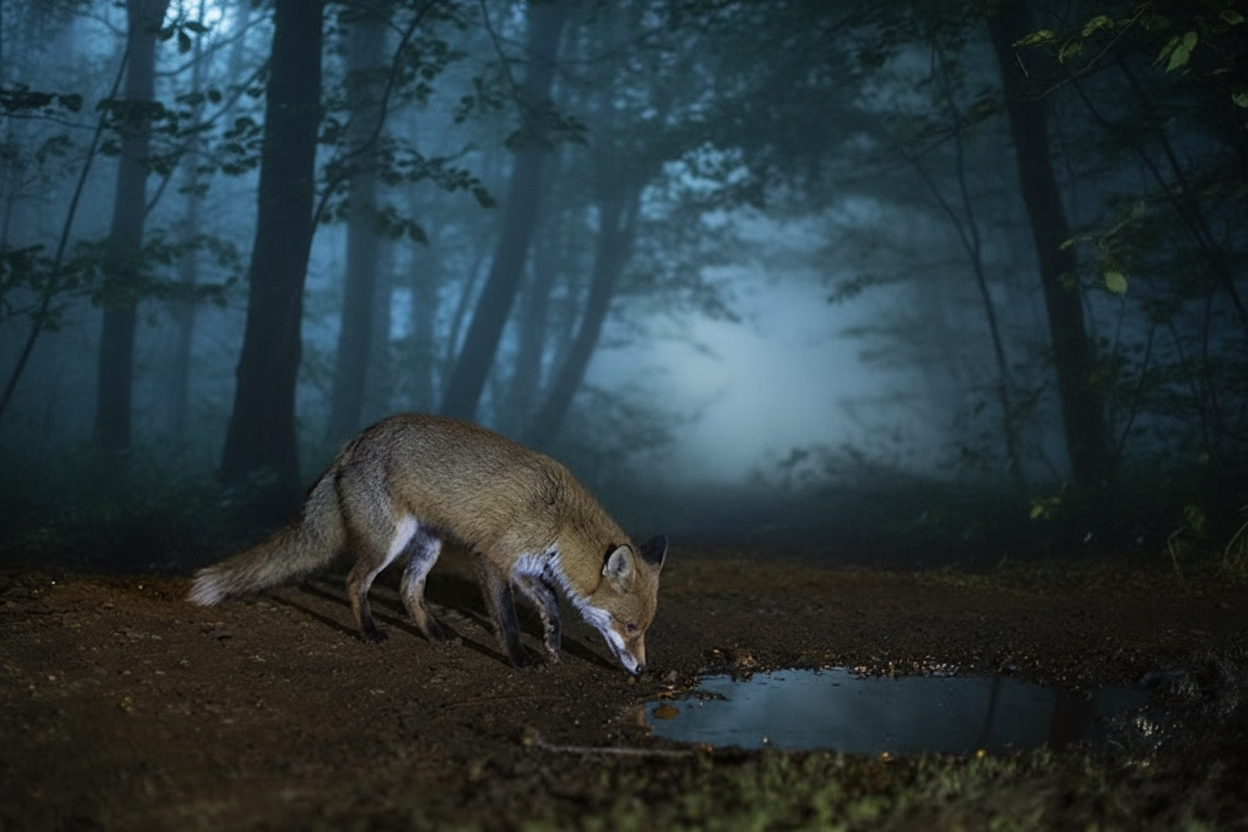
Podczas nocnych polowań lisy w dużym stopniu polegają na trzech zmysłach: przede wszystkim na węchu, następnie na słuchu, a na końcu na wzroku. Przemierzają swoje terytorium równomiernym krokiem, wąchając powietrze w poszukiwaniu świeżych zapachów. Kiedy coś przyciąga ich uwagę, zwalniają, nasłuchują uważnie i wykorzystują swój doskonały słuch, by dokładnie zlokalizować miejsce, w którym ukrywa się ofiara. Właśnie wtedy można zaobserwować klasyczny “skok na mysz” – lis wyskakuje wysoko w górę i opada przednimi łapami, by schwycić wszystko, co porusza się pod śniegiem lub trawą.
Kierunek wiatru odgrywa ogromną rolę w zachowaniu lisów w nocy. Lisy prawie zawsze próbują okrążyć źródło dźwięku z wiatrem, zanim się do niego zbliżą. Zanim zdecydują się podejść bliżej, chcą najpierw wyczuć, co wydaje ten dźwięk. Ta naturalna ostrożność pozwala lisom przetrwać od tysięcy lat i jest to coś, co koniecznie trzeba wziąć pod uwagę podczas przygotowywania stanowiska myśliwskiego.
Fazy księżyca mają również wpływ na aktywność lisów. Ogólnie rzecz biorąc, króliki i małe ssaki były zjadane rzadziej w noce pełni księżyca niż w innych fazach księżyca, a wiosną lisy miały tendencję do częstszego polowania na króliki w noce nowiu. Niektórzy myśliwi zauważają, że podczas pełni księżyca lisy polują wcześniej w nocy, kiedy mają lepszą widoczność, natomiast ciemniejsze noce sprawiają, że ich aktywność przesuwa się na godziny przed świtem.
Nie da się polować na to, czego nie widać, a nocne polowanie na lisy wymaga specjalistycznego sprzętu, który sprawdza się w warunkach słabego oświetlenia. Oto, co powinno znaleźć się w Twoim zestawie:
Systemy oświetleniowe: Właśnie od tego zaczyna większość myśliwych. Preferuje się czerwone światła, ponieważ są one łagodniejsze i rzadziej płoszą kojoty lub lisy. Białe światła działają, ale trzeba je znacznie przyciemnić, bo inaczej wszystkie lisy rzucą się do ucieczki. Zielone światła plasują się gdzieś pośrodku i mogą być skuteczne w zależności od tego, jak silna presja wabienia dotknęła lisy w Twojej okolicy.
Powinieneś mieć to światło włączone bez względu na wszystko – szybko rozglądaj się po polu lub lesie, włączaj je przy ciężarówce i nie wyłączaj, dopóki nie wrócisz. Może się to wydawać sprzeczne z intuicją, ale utrzymywanie stałego natężenia światła jest w rzeczywistości bardziej pomocne niż jego włączanie i wyłączanie. Pamiętaj, żeby nie wyłączać aureoli lisowi – to właśnie ta cecha, która czyni go nocnym łowcą, pozwala mu dostrzec twój pojazd, o ile światło nie pada bezpośrednio na niego.
Urządzenia noktowizyjne i termowizyjne: Technologia całkowicie zmieniła zasady polowania na drapieżniki. Polowanie nocne zyskało na popularności w ostatnich latach dzięki postępowi technologicznemu, a dzięki wykorzystaniu gogli noktowizyjnych i urządzeń termowizyjnych myśliwi mogą tropić i polować na lisy pod osłoną ciemności, co nie tylko zwiększa szanse na udane polowanie, ale także dodaje mu element emocji. Lunety termowizyjne pozwalają wykryć sygnatury cieplne lisów, zanim jeszcze znajdą się one w zasięgu światła, dając ci cenne dodatkowe sekundy na przygotowanie się.
Karabiny i strzelby: Wielu doświadczonych myśliwych używa tej samej strzelby i tego samego naboju do polowań na lisa rudego, lisa szarego, kojoty, szopy i rysie rude, na przykład strzelby Ruger kalibru .204. Dobry, uniwersalny kaliber zapewnia elastyczność. Zawsze zabieraj ze sobą też strzelbę, bo jeśli tego nie zrobisz, istnieje duże prawdopodobieństwo, że kojot lub lis zbliży się na odległość zbyt małą, by strzelić z karabinu, i będziesz musiał oddać szybki strzał.
Ustawienie się tak, by wiatr wiał ci w twarz, a przynęta znajdowała się pod kątem do kierunku wiatru, zwiększa prawdopodobieństwo, że lis wejdzie w linię strzału. Taka konfiguracja uwzględnia naturalne zachowanie lisów polegające na okrążaniu źródła hałasu w celu zbadania go za pomocą węchu.
Lokalizacja ma równie duże znaczenie w nocy, jak i w ciągu dnia. Lisy szare w Teksasie świetnie czują się w gęstych zaroślach, na skalistych grzbietach oraz w gęstwinach w pobliżu wody. Lisy rude preferują skraje pól, linie ogrodzeń oraz obszary, gdzie uprawy stykają się z zaroślami. Przeszukaj te miejsca w ciągu dnia i szukaj śladów, odchodów oraz oznak żerowania. Warto zwracać uwagę na ślady, odchody i stosy piór, zwłaszcza w miejscach, gdzie występuje dużo drobnej zwierzyny łownej, ponieważ korytarze migracyjne łączące miejsca żerowania, schronienia i legowiska są idealnymi miejscami do napotkania przemieszczających się lisów. 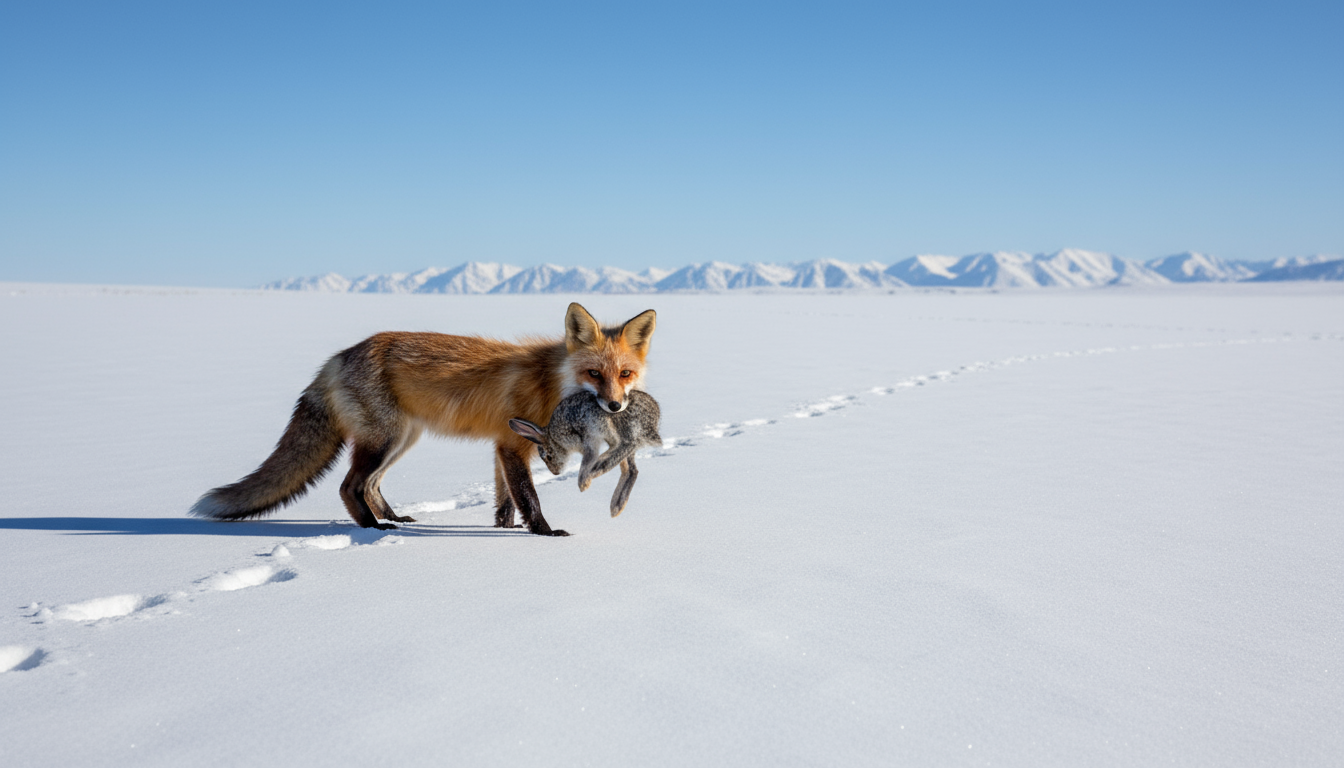
Wysokość nad poziomem morza ma znaczenie. Umieszczenie myśliwych w optymalnych miejscach, takich jak wzniesienia, otwarte przestrzenie wśród zarośli lub szerokie ścieżki, może znacznacznie zwiększają ich szanse na spotkanie z lisami szarymi, ponieważ miejsca te zapewniają lepszą widoczność. Podczas skanowania za pomocą latarki lub kamery termowizyjnej chcesz objąć jak największy obszar.
Nocne wabienie lisów rządzi się innymi zasadami niż polowania z czatowni w ciągu dnia. Sekwencje rozmów powinny być krótkie i konkretne, z niewielkimi przerwami. Lisy mogą wbiec z dużą prędkością lub skradać się wzdłuż skraju, więc trzeba być przygotowanym na obie te sytuacje.
Najlepsze dźwięki połączeń: Najskuteczniejsze są odgłosy królików, gryzoni i ptaków w niebezpieczeństwie, a elektroniczne urządzenia naśladujące odgłosy zapewniają stałą skuteczność bez konieczności używania rąk i są preferowane w nocy. Dodanie kilku odgłosów, takich jak krzyk młodej lisicy szarej w niebezpieczeństwie, może wywołać agresywne zachowanie w okresie godowym lub w okresie obrony terytorium. Nie bój się wprowadzać zmian, jeśli dane brzmienie nie spełnia oczekiwań.
Warto zabrać ze sobą sygnalizator ręczny jako uzupełnienie sygnalizatorów elektronicznych, ponieważ czasami rytm wydawany przez sygnalizator ręczny może mieć decydujące znaczenie dla uzyskania reakcji drapieżnika. Najważniejsza zasada, której należy przestrzegać, brzmi: jeśli reagują na określony sygnał, kontynuuj, dopóki nie przestaną reagować.
Liczba połączeń i czas trwania: W gęstym zaroślach należy utrzymywać umiarkowaną głośność, aby nie przepędzić zwierząt zbyt daleko. Na otwartym terenie można nieco zwiększyć głośność, aby dotrzeć do odległych lisów. Najskuteczniejsze sesje trwają od 10 do 20 minut na jedno stanowisko. W trakcie sekwencji należy robić przerwy, aby nasłuchiwać odgłosów zbliżających się lisów, ponieważ lisy nocne często poruszają się szybko, ale mogą też zatrzymać się, jeśli nie dostrzegą celu.
Lisy reagują inaczej niż kojoty, gdy zbliżają się do źródła dźwięku. Szczególnie lisy szare potrafią być agresywne i zuchwałe, czasami bez wahania pędząc prosto w kierunku źródła dźwięku. Lisy rude są zazwyczaj bardziej ostrożne – zatrzymują się w odległości 50–100 jardów, aby najpierw rozejrzeć się, zanim się zbliżą.
Gdy zwierzę znajdzie się w zasięgu lub na tyle blisko, że chcesz je upolować, piszcz, cmokaj, szczekaj lub zrób wszystko, co konieczne, by je zatrzymać i umożliwić oddanie strzału. Lis, który się zatrzymał, stanowi znacznie lepszy cel niż ten, który się porusza, zwłaszcza w nocy, kiedy precyzja ma jeszcze większe znaczenie.
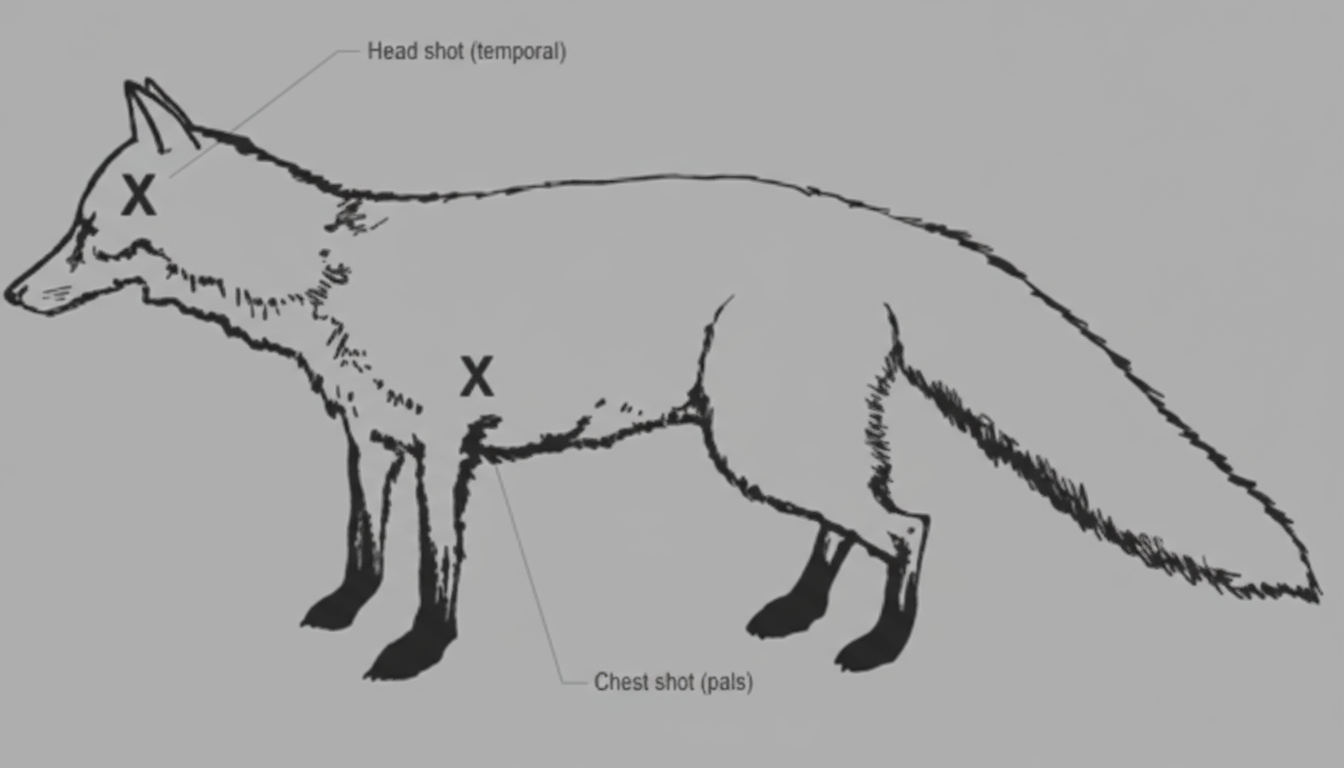
Wadą polowania nocnego jest to, że jeśli zwierzę odwróci się i ucieknie, zazwyczaj nie ma się okazji do oddania strzału, jak to czasem bywa w ciągu dnia. Gdy lis uzna, że coś jest nie tak, i odwróci się, by odejść, znika w ciągu kilku sekund. Dlatego tak ważne jest, by pozostać w bezruchu i płynnie posługiwać się latarką.
Pamiętaj, aby przed oddaniem strzału dokładnie zidentyfikować cel. To, że wydajesz dźwięk lub używasz sygnału wabiącego drapieżniki, nie oznacza, że mogą się pojawić wyłącznie drapieżniki – na ten sygnał przychodzi też wiele jeleni, psów, kotów domowych, świń, a nawet kilka cieląt. Zanim pociągniesz za spust, poświęć tę dodatkową sekundę, aby upewnić się, że masz przed sobą lisa.
Najlepszym czasem w ramach dozwolonych godzin polowań są wczesne poranki i późne popołudnia, a polowanie nocne – tam, gdzie jest dozwolone – zapewnia najbardziej stabilne wyniki. Najwięcej lisów można zazwyczaj zaobserwować w pierwszych godzinach po zmroku oraz w ostatnich godzinach przed świtem.
Czyste, spokojne noce z odrobiną blasku księżyca zapewniają doskonałą widoczność, ale lisy mogą być aktywne w różnych warunkach pogodowych, a noce po przejściu frontu zimnego lub po lekkim deszczu zazwyczaj zwiększają ich aktywność. Niska temperatura sprawia, że lisy poruszają się częściej, aby znaleźć pożywienie i utrzymać ciepło. Wiatr może działać na twoją niekorzyść, przenosząc twój zapach, ale może też sprawić, że lisy zgromadzą się w osłoniętych miejscach, gdzie łatwiej jest przewidzieć ich zachowanie.
Najlepsze warunki panują od późnej jesieni do zimy, ponieważ zimne powietrze sprzyja rozchodzeniu się dźwięku na większe odległości i zachęca do aktywności w ciągu dnia. Szczyt sezonu rozrodczego, który zazwyczaj przypada na styczeń i luty, może sprawić, że lisy będą bardziej wrażliwe na odgłosy i odważniejsze w zbliżaniu się. To idealny czas na polowanie, jeśli w danym stanie dozwolone są polowania zimowe.
Nawet doświadczeni myśliwi popełniają błędy, które kosztują ich utratę lisów. Oto najważniejsze z nich, na które należy uważać:
Zbyt częste przesuwanie światła: Ciągłe skanowanie otoczenia i gwałtowne ruchy latarką zaalarmują lisy o Twojej obecności. Poruszaj światłem powoli i w sposób przemyślany.
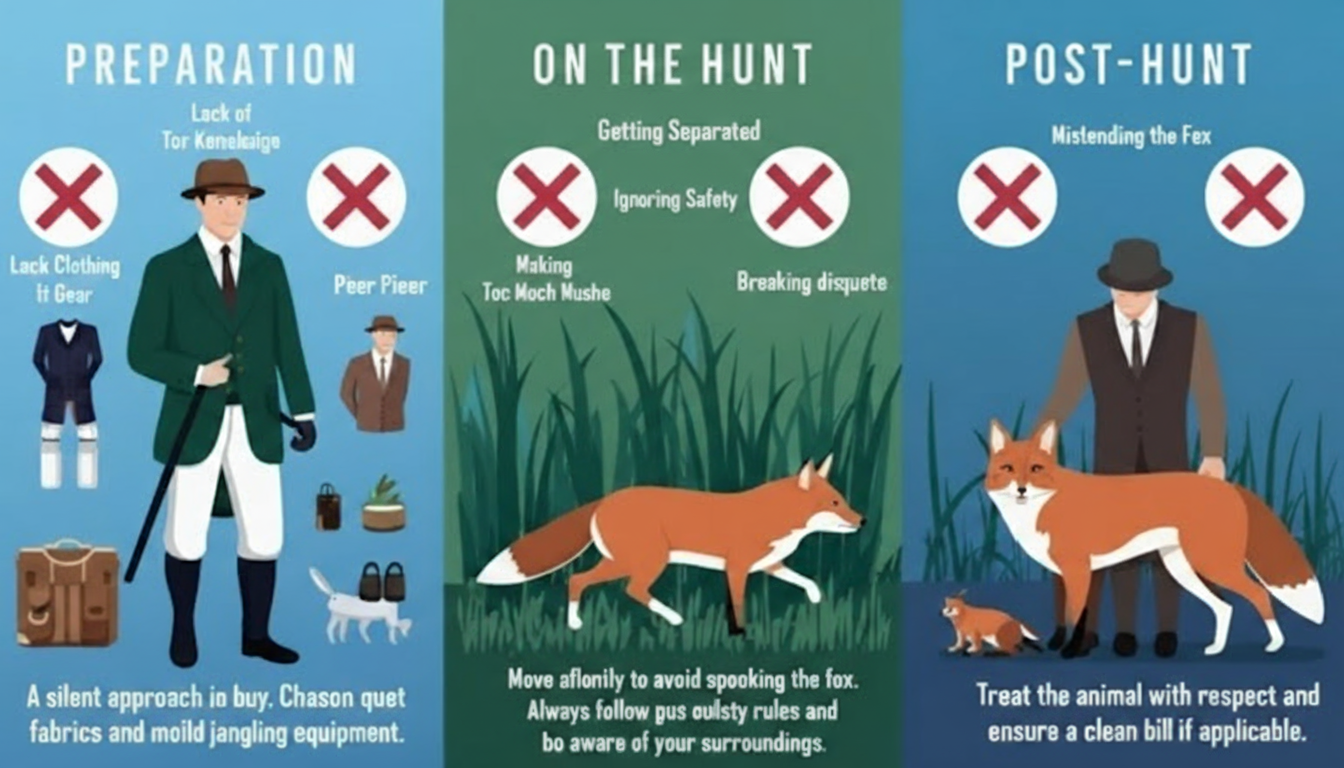
Nieprawidłowe ustawienie wiatru: Nie da się tego wystarczająco podkreślić. Jeśli ustawisz się pod niewłaściwym kątem względem wiatru, zamiast upolować lisy, nauczysz je, jak się zachować.
Nadmierne wywoływanie: To, że nie widzisz lisów, nie oznacza, że powinieneś nieustannie odtwarzać nagranie z odgłosami. Daj im czas na reakcję i zbliżenie się.
Pomijając to podejście: Należy unikać przechodzenia przez obszar, w którym spodziewasz się pojawienia się zwierzęcia, i wybierać miejsca położone wyżej lub nieco bardziej otwarte, które zapewniają szerokie pole widzenia, a jednocześnie pozwalają pozostać w ukryciu. Wejście na stoisko jest niemal tak samo ważne jak samo stoisko.
Niecierpliwość: Lisy nie zawsze pojawiają się już w ciągu pierwszych pięciu minut. Czasem krążą wokół, czasem się zawieszają, a czasem po prostu nie spieszą się. Cierpliwość zazwyczaj się opłaca.
Zanim wyruszysz na nocne polowanie, zapoznaj się z lokalnymi przepisami. Przepisy dotyczące polowań nocnych różnią się znacznie w zależności od stanu, a nawet od hrabstwa. Polowanie nocne jest dozwolone w wielu hrabstwach stanu Teksas, pod warunkiem posiadania odpowiednich zezwoleń i sprzętu, w tym lamp i urządzeń termowizyjnych, jednak w innych stanach obowiązują surowe zakazy lub wymagane są specjalne zezwolenia.
Zawsze upewnij się, gdzie znajduje się miejsce upadku zwierzęcia, i wiedz, co znajduje się za celem. Polowanie nocne wymaga szczególnej ostrożności ze względu na ograniczoną widoczność. Stosuj etyczne zasady celowania i oddawaj tylko te strzały, co do których masz pewność, że trafią czysto. Odzyskiwanie zwierząt w ciemności jest trudniejsze, więc zadbaj o to, by każdy celny strzał się liczył.
Jaki kolor światła najlepiej sprawdza się podczas nocnego polowania na lisy?
Czerwone światła są zazwyczaj najlepszym wyborem do nocnego polowania na lisy, ponieważ w porównaniu z białymi światłami rzadziej płoszą zbliżające się zwierzęta. Zielone światła również mogą się sprawdzić, zwłaszcza na obszarach o dużym natężeniu polowań. Najważniejsze jest, aby światło padało na lisa w sposób ciągły, a nie włączać je i wyłączać, co może zaalarmować zwierzę o niebezpieczeństwie.
Czy lisy lepiej reagują na nawoływania w nocy niż w ciągu dnia?
Tak, lisy zazwyczaj znacznie lepiej reagują na nawoływania w nocy, kiedy są naturalnie bardziej aktywne i polują na pożywienie. W ciemnościach są śmielsze i chętniej zbadają źródło dźwięków. Nocne polowanie zazwyczaj przynosi bardziej stabilne wyniki niż nawoływania w ciągu dnia, choć wczesny poranek i późny wieczór również mogą być owocne.
Czy można używać celowników termowizyjnych podczas nocnych polowań na lisy?
Oczywiście – celowniki termowizyjne i optyka stały się niezwykle popularne podczas nocnych polowań na lisy. Pozwalają one wykrywać lisy na podstawie ich sygnatury cieplnej, zanim znajdą się one w zasięgu światła, co daje ci wcześniejsze ostrzeżenie i więcej czasu na przygotowanie się do strzału. Upewnij się tylko, że używanie celowników termowizyjnych jest dozwolone na twoim terenie łowieckim, ponieważ w niektórych stanach obowiązują ograniczenia dotyczące ich stosowania.
Jak długo należy przebywać przy każdym stanowisku podczas nocnego polowania na lisy?
Najbardziej udane nocne polowania trwają od 15 do 30 minut. Lisy potrafią szybko reagować w nocy, czasami pojawiając się już w ciągu pierwszych kilku minut, ale mogą też krążyć wokół i nie spieszyć się z podejściem. Sekwencje nawoływań powinny być krótkie, z przerwami pomiędzy nimi, a ty musisz wykazać się cierpliwością, aby dać lisom znajdującym się w oddali czas na dotarcie do ciebie.
Jaka jest największa różnica między nocnym polowaniem na lisa rudego a lisem szarym?
Lisy szare zazwyczaj przebywają w gęstszym zaroślach i często reagują bardziej agresywnie na nawoływania, czasami rzucając się do ataku bez większej ostrożności. Lisy rude preferują bardziej otwarte tereny i skraje lasów; są też generalnie bardziej ostrożne i często zatrzymują się w pewnej odległości, aby ocenić sytuację, zanim się zdecydują. Lisy szare są również ogólnie bardziej nocne, podczas gdy lisy rude wykazują większą aktywność o świcie i zmierzchu.
When the sun dips below the horizon and darkness blankets Florida’s wetlands, something shifts in the waters. At night, alligators are most active, focusing on hunting and feeding from dusk to dawn. These prehistoric predators transform from lazy sunbathers into efficient killing machines, patrolling their territories with razor-sharp focus. If you’ve ever wondered what makes nighttime so special for these apex predators, you’re about to find out why the hours after sunset reveal their true nature.

Understanding alligator hunting behaviors after sunset isn’t just for hunters and wildlife enthusiasts—it’s essential knowledge for anyone living near or visiting gator country. Whether you’re planning your first nighttime adventure or just curious about these fascinating reptiles, we’re breaking down everything you need to know about what happens when gators come alive in the dark.
Although alligators basking in the sun are a common sight, making people think they are diurnal, they are actually nocturnal. But here’s where it gets interesting—their behavior isn’t quite black and white. According to scientific research, alligators are nocturnal, with an interesting tendency to be diurnal. They are most active at night but can also be active during the day.
Alligators are crepuscular animals, meaning they’re most active during dawn and dusk hours. This means you’ll see peak activity levels during those twilight periods when the sun is either rising or setting. During the day, gators spend most of their time basking in the sun to regulate their body temperature—a behavior called thermoregulation. But once darkness falls, they switch into hunting mode.
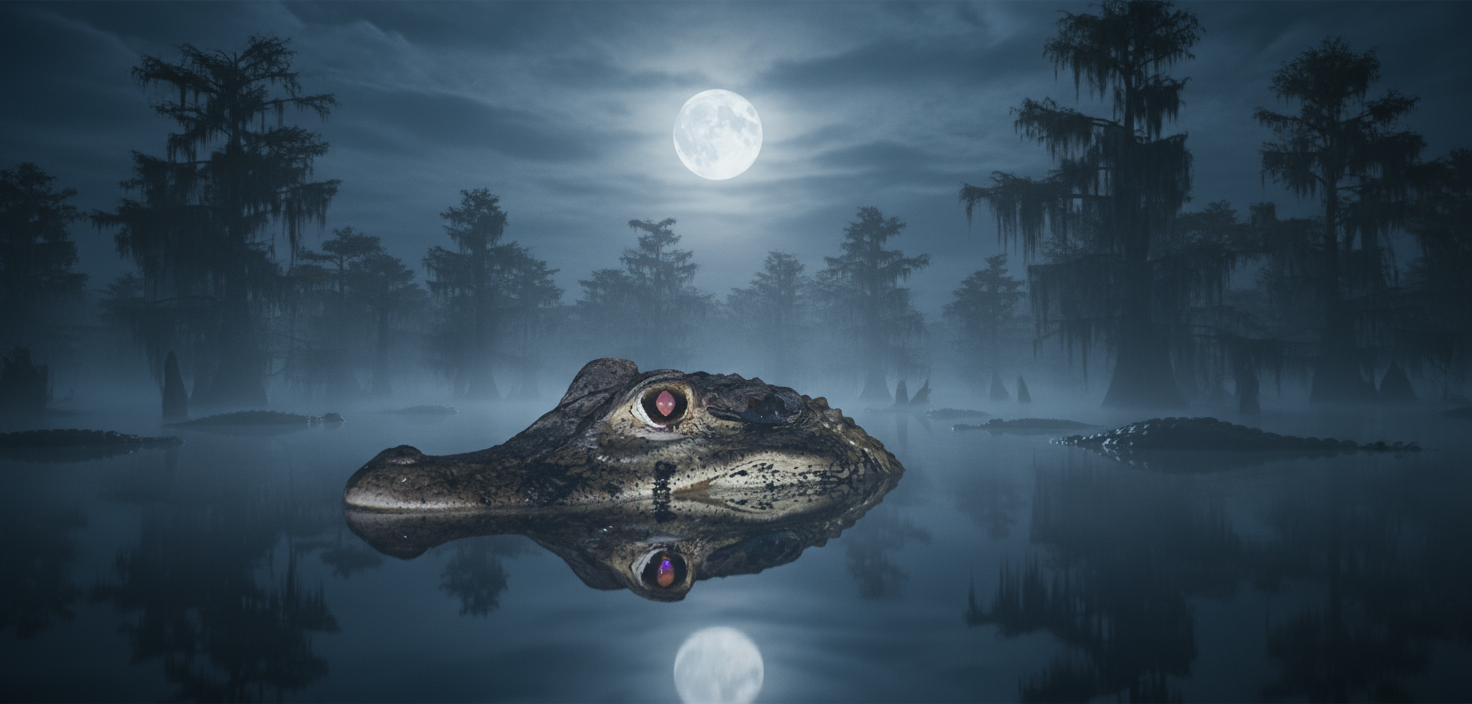
During the night, the alligator’s body adapts and becomes active enough to use more energy than during the day. This metabolic shift allows them to become the fearsome hunters they’re known to be. But the bottom line is that alligators are more active at night, making them more nocturnal than diurnal. Think of daytime as their rest and recharge period, while nighttime is when they get down to business.
At night, alligators become more active hunters. They patrol their territory, seeking prey along shorelines and in marshy areas. Their enhanced nighttime activity stems from cooler temperatures and reduced human disturbance. But the real magic happens thanks to their specialized adaptations that turn darkness into their biggest advantage.
The cooler nighttime temperatures play a huge role. So cooler dusk temperatures prompt increased movement and hunting. By limiting activity and tuning their temperatures, alligators save energy for hunting at night. During the scorching daytime hours, gators would overheat if they were constantly active. Night provides relief from the heat, allowing them to move freely without the risk of overheating.
Another factor is prey availability. Many potential prey species are also active at night, making it an opportune time for alligators to hunt. Fish, frogs, small mammals, and birds all become more active during twilight and nighttime hours, giving gators a buffet of options. The darkness also provides cover, making it easier for these ambush predators to catch their prey off guard.
If you’ve ever gone out on the water after dark with a flashlight, you might have seen dozens of glowing red eyes staring back at you. That’s alligator eyeshine, and it’s one of the coolest adaptations these reptiles have. The “eye-shine” or tapetum lucidum is a unique part of the alligator eye that provides light-sensitive retinal cells with extra photon-photoreceptor stimulation.
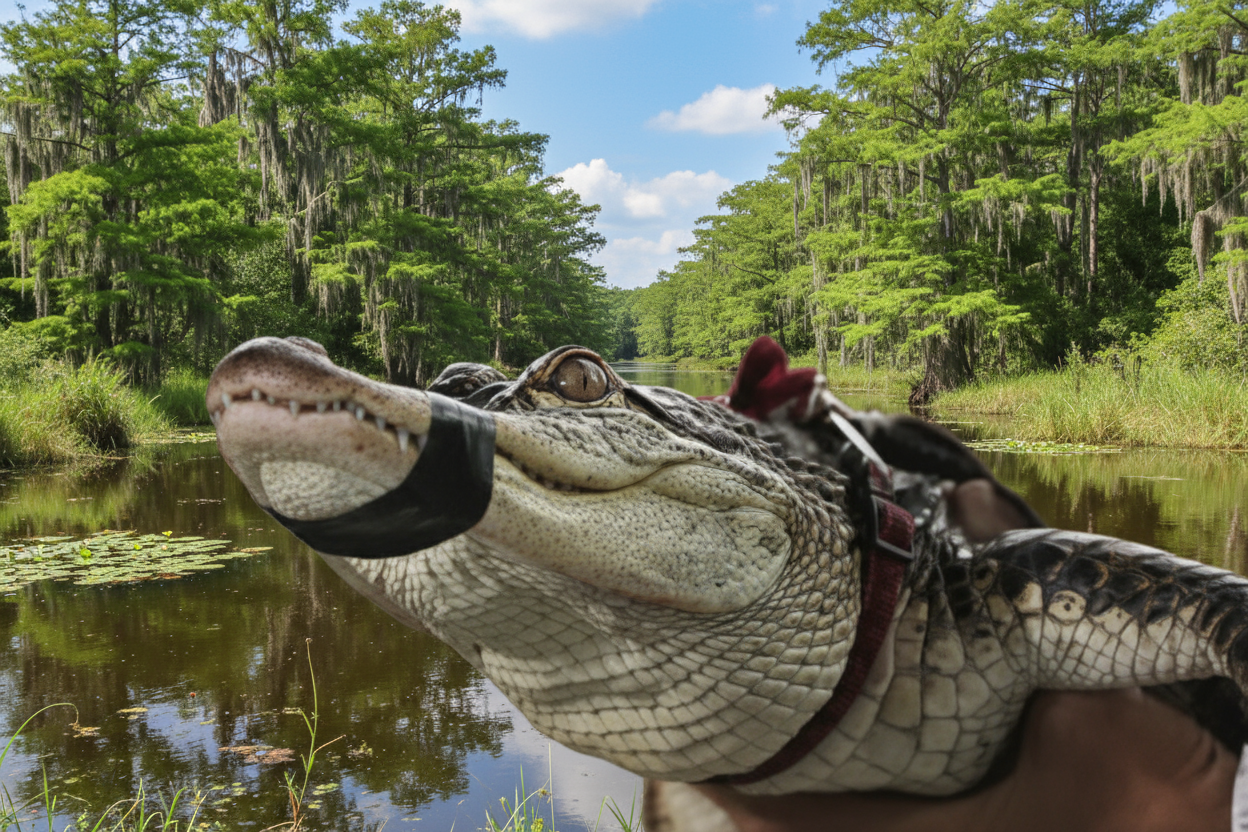
This reflective layer acts like a mirror, bouncing light back through the retina a second time. The layer is situated behind the photoreceptor cells in the retina and reflects light back, which increases the amount of light the alligator eye can detect. This dramatically improves an alligator’s vision in low light conditions, which is why gators are more active at night. Basically, they can see way better than us in the dark—like having built-in night vision goggles.
An alligator’s eyes will shine bright red when light is reflected off of them. This eyeshine is so distinctive that hunters and researchers use it to locate gators at night. In alligators, it glows red – one good way to locate alligators on a dark night. The greater the distance between its eyes, the longer the reptile, in this case, very long. So if you see two red dots far apart, you’re looking at a big gator.
For anyone interested in observing wildlife after dark, having the right equipment makes all the difference. A quality thermal monocular for hunting can help you spot these nocturnal predators from a safe distance, giving you a whole new perspective on their nighttime behaviors.
Alligators are nocturnal ambush predators, meaning they hunt primarily at night and rely on stealth and surprise. They usually lie in wait in murky, heavily vegetated swamps, marshes, or riverbanks, blending perfectly with their surroundings. Their hunting strategy is all about patience and precision.
Alligators primarily hunt at dusk or during the night. They lie motionless in wait for prey. This sit-and-wait approach is incredibly effective. A gator can remain perfectly still for hours, looking like nothing more than a log floating in the water. Then, when prey comes close enough—BAM—they strike with lightning speed.
But vision isn’t their only weapon. When the alligators are underwater, “they’re mainly relying on their mechanical sensory organs,” he explained. The animals have very sensitive pressure sensors in their snout that they use to detect vibrations around them. These sensors, called integumentary sense organs (ISOs), can detect the tiniest movements in the water. Even in complete darkness or murky water, a gator can sense a fish swimming nearby or a frog jumping into the water.
Interesting fact: Alligators attempted to capture prey most frequently during the night. However, research shows that while they hunt more often at night, alligators were most successful when hunting between 4:00 and 9:00 in the morning. This suggests that the early morning hours, right before and after sunrise, might actually be their sweet spot for successful kills.
During daylight hours, alligators often bask in the sun to regulate their body temperature. This thermoregulation behavior makes them more predictable in their positioning, as they seek out sunny spots along banks, logs, or shallow waters. If you’re out during the day, you’ll find gators lounging around, soaking up rays, and generally being lazy.
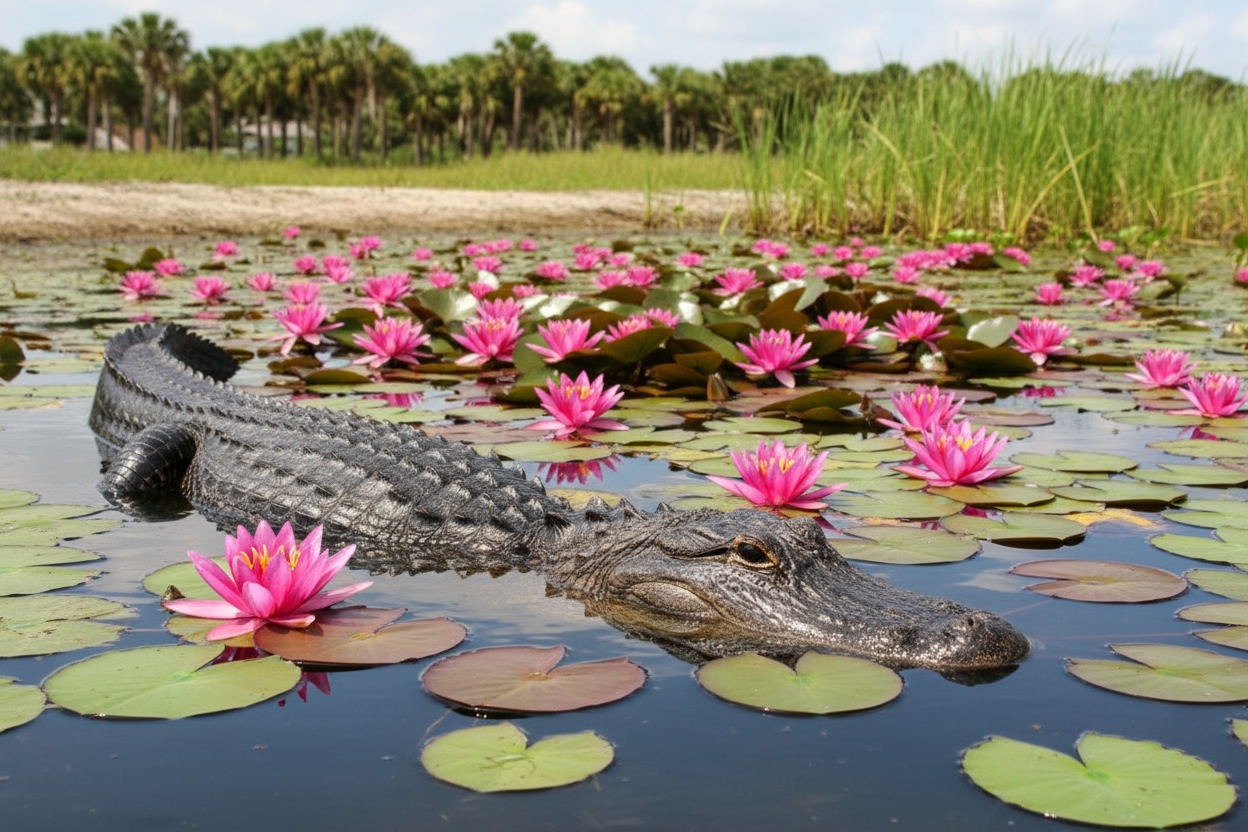
Daylight hunting offers the obvious advantage of clear visibility. You can easily identify alligators basking on banks, logs, or floating at the surface. This visual clarity allows for better shot placement and reduces the risk of mistaking debris for an alligator. For beginners, daytime offers a safer and more comfortable hunting experience.
But nighttime is when things get really interesting. Nighttime brings increased alligator movement and feeding behavior. Gators become more responsive to calls and bait during these active periods. Their hunting instincts are heightened, making them more likely to investigate disturbances or potential food sources. The cover of darkness also reduces human activity on waterways, creating a more natural environment where alligators feel secure moving through their territory.
Alligators are nocturnal by nature, meaning they are more active after sunset. Using artificial lights and proper baiting techniques increases the likelihood of a successful hunt. Night hunting requires different equipment and techniques, but it offers the advantage of targeting gators when they’re most active and alert.
Their prey selection seems to be determined primarily by size. An alligator’s diet depends on what is available to it, which means it will eat just about anything including fish, frogs, birds, turtles, insects, snakes, small mammals, other alligators, white-tailed deer, wild hogs, and sometimes people’s pets. These opportunistic feeders aren’t picky—if it moves and fits in their mouth, it’s on the menu.
The Crittercam results reveal that alligators are prolific hunters: “They’re attacking something once every two hours,” said study leader James Nifong, a doctoral candidate studying alligator ecology at the University of Florida in Gainesville. That’s a lot of hunting activity throughout the night. However, after a big meal, an alligator may lounge around for weeks before needing to feed again!
Their hunting methods are brutal and efficient. Once the prey is caught, it is typically swallowed whole. Alligators have tremendously powerful jaws that can crush turtle shells and the bones of small mammals. For larger prey that can’t be swallowed whole, the alligator will stash its kill underwater, pinning it under a submerged log or anywhere it can be wedged in for safe keeping.
Never feed gators or swim or wade in waters where large alligators are known or likely to occur, especially at dusk or night (when they naturally feed). This is seriously the most important safety tip. When gators are in hunting mode, they’re looking for anything that resembles prey.
Alligators are nocturnal hunters. That crystal-clear swimming hole you see by day may be a prime hunting ground for gators come twilight. Respect these hunters and avoid swimming between dusk and dawn. Even if you’ve swum in a spot during the day without seeing any gators, that doesn’t mean they won’t be there at night.

If you’re exploring gator territory after dark, whether for research, photography, or just adventure, check out Pixfra’s outdoor rail products for mounting your thermal imaging equipment. Having the right gear setup can make your nighttime wildlife observation both safer and more successful. You can also explore more about nocturnal predators and animals that hunt in darkness to understand how alligators fit into the broader ecosystem of nighttime hunters.
It is illegal to feed alligators. When humans feed alligators, it causes the alligators to lose their natural fear of humans and to associate humans with food. Fed gators become dangerous gators, and they usually end up being destroyed by wildlife officials. So if you see a gator, enjoy watching it from a safe distance, but never, ever feed it.
Seasonal patterns play a big role in alligator behavior. Florida alligators usually become most active during times when the temperatures are between 82 and 92 degrees Fahrenheit. They typically stop eating when the temperature drops under 70 degrees Fahrenheit and will become very sluggish when it’s less than 55 degrees Fahrenheit which may happen during some cold fronts in the winter months.
During warmer months—roughly from April through October—gators are at their most active. This coincides with their mating season, which runs from April through June. During these months, you’ll see increased nighttime activity as males patrol their territories and compete for females. After mating season ends, females build nests and guard their eggs, making them particularly aggressive and territorial.
As temperatures cool in late fall and winter, alligator activity drops significantly. They enter a state called brumation (similar to hibernation) where they become dormant and hide in gator holes or burrow into muddy banks. During these cooler months, nighttime hunting activity is minimal or nonexistent.
What time do alligators come out to hunt at night?
Alligators typically become most active right after sunset and remain active throughout the night until dawn. Peak hunting activity occurs during the twilight hours of dusk and the early morning hours just before sunrise, when prey animals are also most active.
Can alligators see you in the dark?
Yes, alligators have excellent night vision thanks to a special reflective layer called the tapetum lucidum in their eyes. This adaptation allows them to see much better than humans in low-light conditions, making them highly effective nocturnal hunters.
Why do alligator eyes glow red at night?
Alligator eyes glow red when light hits them because of the tapetum lucidum, a reflective layer behind their retinas. This layer bounces light back through the eye, improving their vision in darkness and creating the distinctive red eyeshine that hunters and wildlife observers use to spot them.
Are alligators more dangerous at night than during the day?
Yes, alligators are generally more dangerous at night because that’s when they’re actively hunting and feeding. They’re more alert, mobile, and aggressive after sunset. Swimming or being near the water’s edge during nighttime hours significantly increases the risk of an encounter with a hunting gator.
How far can you see alligator eyeshine at night?
With a powerful spotlight or flashlight, you can detect alligator eyeshine from several hundred yards away in optimal conditions. The distance between the two glowing red eyes can help you estimate the size of the alligator—the farther apart the eyes, the larger the gator.
Kiedy słońce zachodzi, a ciemność ogarnia krajobraz, ożywa zupełnie inny świat. Podczas gdy większość z nas przygotowuje się do wieczornego odpoczynku, nocne drapieżniki dopiero rozpoczynają swoje nocne polowanie. Te niezwykłe stworzenia spędziły miliony lat na doskonaleniu sztuki polowania w ciemności, rozwijając niezwykłe zmysły i umiejętności, które czynią je jednymi z najskuteczniejszych zabójców w naturze. Niezależnie od tego, czy jesteś miłośnikiem dzikiej przyrody, nocnym myśliwym pragnącym lepiej zrozumieć swoją zdobycz, czy po prostu ciekawi cię, jakie stworzenia przemierzają świat po zmroku – zrozumienie tych zwierząt pozwala nam głębiej docenić złożony ekosystem, który kwitnie, gdy my śpimy.
Zwierzęta nocne to nie tylko stworzenia, które po prostu długo nie kładą się spać — wykształciły one specyficzne przystosowania biologiczne, dzięki którym noc jest dla nich optymalnym okresem polowań. Zwierzęta te mają wewnętrzne rytmy dobowe, które są zasadniczo odwrotne do naszych, co sprawia, że po zapadnięciu zmroku są naturalnie czujne i aktywne. Zalety życia nocnego są znaczące: mniejsza konkurencja o pożywienie, niższe temperatury w gorącym klimacie, a przede wszystkim osłona ciemności, pozwalająca na zasadzkę na niczego niepodejrzewającą ofiarę. W przypadku drapieżników noc zapewnia przewagę taktyczną, której drapieżniki dzienne po prostu nie mają. Ich ofiary mogą spać, być mniej czujne lub mieć trudności z dostrzeżeniem zbliżającego się zagrożenia. Ewolucja ukształtowała te drapieżniki w doskonale zaprojektowane nocne maszyny do zabijania, a każdy gatunek wykształcił unikalne przystosowania dostosowane do swojego specyficznego stylu polowania i środowiska. Od zdolności wykrywania ciepła u niektórych węży po niesamowity słuch sów – nocne drapieżniki udowadniają, że nie trzeba światła słonecznego, by być drapieżnikiem szczytowym. Dla osób zainteresowanych obserwacją tych stworzeń nowoczesne technologie, takie jak celowniki termowizyjne zrewolucjonizowało nasze możliwości obserwowania ich nocnej aktywności bez zakłócania ich naturalnych zachowań.

Najbardziej charakterystyczną cechą nocnych drapieżników są ich przystosowania sensoryczne, które pozwalają im poruszać się i polować w niemal całkowitej ciemności. Wzrok jest najbardziej oczywistym przykładem takiego przystosowania — wiele zwierząt nocnych ma znacznie większe oczy w stosunku do wielkości ciała w porównaniu z gatunkami dziennymi. Te powiększone oczy zawierają większe stężenie komórek pręcikowych, które są fotoreceptorami przystosowanymi do warunków słabego oświetlenia. Ponadto wiele nocnych drapieżników posiada za siatkówką warstwę odbijającą światło, zwaną tapetum lucidum, która działa jak lustro, odbijając światło z powrotem przez siatkówkę po raz drugi, co skutecznie podwaja ich zdolność do wychwytywania dostępnego światła. To właśnie powoduje charakterystyczny “blask w oczach”, który widać, gdy nocą oświetla się zwierzęta latarką.
Jednak wizja to tylko jeden z elementów układanki. Nocne drapieżniki często polegają na połączeniu wyostrzonych zmysłów, które współdziałają, tworząc pełny obraz otaczającego je środowiska. Na przykład sowy mają asymetrycznie rozmieszczone uszy, co pozwala im z przerażającą dokładnością zlokalizować mysz szeleszczącą w trawie. Nietoperze korzystają z echolokacji, emitując dźwięki o wysokiej częstotliwości i interpretując echa, aby stworzyć “mapę dźwiękową” otoczenia. Niektóre węże posiadają organy do wykrywania ciepła, które rejestrują promieniowanie podczerwone emitowane przez ofiary stałocieplne, co pozwala im “widzieć” sygnatury cieplne w całkowitej ciemności. Koty i inne drapieżniki z rodziny kotowatych mają niezwykle czułe wąsy, które wykrywają prądy powietrza i drgania, pomagając im poruszać się w ciasnych przestrzeniach i wyczuwać ruch w pobliżu. Te połączone nadzwyczajne zdolności sensoryczne sprawiają, że nocne drapieżniki są niezwykle skutecznymi łowcami, których dopiero zaczynamy w pełni rozumieć.
Kiedy mówimy o nocnych drapieżnikach, często jako pierwsze przychodzą nam na myśl sowy – i nie bez powodu. Te ptaki drapieżne są prawdopodobnie najlepiej przystosowanymi nocnymi łowcami powietrznymi. Liczba gatunków sów na całym świecie przekracza 200, a dzięki tej różnorodności zajęły one różne nisze ekologiczne; wszystkie jednak cechują wspólne przystosowania, które czynią z nich groźnych drapieżników. Ich duże, skierowane do przodu oczy zapewniają im doskonałe widzenie obuoczne i postrzeganie głębi, co ma kluczowe znaczenie dla dokładnego oceny odległości podczas rzucania się na ofiarę. Niektóre gatunki sów widzą w warunkach oświetlenia 100 razy słabszym niż to, którego potrzebują ludzie, aby widzieć wyraźnie.

To, co naprawdę wyróżnia sowy, to ich zdolność do latania w całkowitej ciszy. Ich pióra lotne mają specjalną budowę – na krawędziach natarcia znajdują się miękkie frędzle, a ich aksamitna powierzchnia tłumi dźwięk, co pozwala im zbliżać się do ofiary bez wydawania ostrzegawczego świstu skrzydeł. Ten cichy lot w połączeniu z ich wyjątkowym słuchem sprawia, że są one zabójczymi łowcami. Na przykład sowa płomykówka potrafi upolować mysz w całkowitej ciemności, kierując się wyłącznie słuchem, i zlokalizować ją z taką precyzją, że rzadko kiedy jej nie trafia. Puchacz wielki jest na tyle silny, że potrafi upolować ofiary znacznie większe od siebie, w tym skunksy, króliki, a nawet inne drapieżniki. Sowa wielka szara potrafi usłyszeć nornicę poruszającą się pod dwoma stopami śniegu i przebić się przez śnieg, aby ją schwytać. Te przystosowania sprawiły, że sowy stały się skutecznymi drapieżnikami w różnorodnych siedliskach, od arktycznej tundry po tropikalne lasy deszczowe, umacniając ich reputację jako jednych z najbardziej wydajnych nocnych łowców w naturze.
Chociaż niektóre duże koty, takie jak lwy i gepardy, znane są z polowań w ciągu dnia, wiele drapieżnych kotów jest w rzeczywistości najbardziej aktywnych o zmierzchu i w nocy. Lamparty, jaguary, tygrysy, a nawet mniejsze dzikie koty, takie jak rysie rude i oceloty, są głównie nocnymi lub o zmierzchu polującymi drapieżnikami. Koty te posiadają sprawność fizyczną, zdolność do skradania się oraz przystosowanie zmysłów, które sprawiają, że należą do najniebezpieczniejszych nocnych drapieżników na naszej planecie. W ich oczach występuje wysokie stężenie pręcików oraz dobrze rozwinięta błona odblaskowa (tapetum lucidum), co zapewnia im widzenie od sześciu do ośmiu razy lepsze niż u ludzi w warunkach słabego oświetlenia. Oznacza to, że potrafią skutecznie polować w warunkach, w których ich ofiary byłyby praktycznie ślepe.
Oprócz doskonałego wzroku wielkie koty są mistrzami skradania się i cierpliwości. Ich chowane pazury pozostają ostre, ponieważ gdy nie są używane, są schowane w osłonach, a ich wyściełane łapy pozwalają im poruszać się niemal bezgłośnie. Lamparty są wyjątkowo imponującymi nocnymi łowcami, zdolnymi do wciągania na drzewa ofiar ważących dwa razy więcej od nich samych, aby uchronić je przed padlinożercami. Są to drapieżniki polujące z zasadzki, które przed przeprowadzeniem błyskawicznego ataku starają się zbliżyć do ofiary jak najbliżej. Jaguary mają największą siłę zgryzu w stosunku do wielkości spośród wszystkich dużych kotów, co pozwala im z łatwością przebijać skorupy żółwi i czaszki kajmanów – są to taktyki łowieckie często stosowane podczas ich nocnych patroli wzdłuż brzegów rzek. W Ameryce Północnej rysie rude i lwy górskie (zwane również kuguarami lub pumami) są zręcznymi nocnymi łowcami, którzy potrafią upolować ofiary znacznie większe od siebie. Te samotne drapieżniki są przykładem skuteczności nocnego polowania, wykorzystując ciemność jako sprzymierzeńca, by stać się niemal niewidzialnymi aż do momentu ataku.
Nietoperze stanowią jedną z najbardziej zróżnicowanych grup nocnych drapieżników, obejmującą ponad 1 400 gatunków występujących na całym świecie. Chociaż wiele osób postrzega nietoperze po prostu jako latające gryzonie, w rzeczywistości są one bliżej spokrewnione z naczelnymi i wykształciły jeden z najbardziej wyrafinowanych systemów łowieckich w królestwie zwierząt. Większość nietoperzy owadożernych korzysta z echolokacji – biologicznego systemu sonarowego, w ramach którego emitują sygnały o wysokiej częstotliwości i nasłuchują ech odbijających się od obiektów i ofiar. Pozwala im to stworzyć trójwymiarowy obraz akustyczny otoczenia z zadziwiającą szczegółowością, wykrywając w całkowitej ciemności nawet tak małe owady jak komary.

Złożoność echolokacji nietoperzy jest naprawdę niezwykła. Różne gatunki wykształciły wyspecjalizowane sygnały dźwiękowe, zoptymalizowane pod kątem ich konkretnych środowisk łowieckich i rodzajów ofiar. Nietoperze polujące na otwartych przestrzeniach wykorzystują sygnały o niższej częstotliwości, które docierają dalej, podczas gdy te poruszające się w gęstym lesie używają sygnałów o wyższej częstotliwości, które zapewniają większą szczegółowość na krótszych odległościach. Niektóre nietoperze potrafią dostosowywać częstotliwość swoich sygnałów w czasie rzeczywistym, aby uniknąć zakłóceń ze strony innych nietoperzy polujących w pobliżu. Niektóre gatunki, takie jak nietoperz wielki buldogowy, potrafią nawet wyczuwać najmniejsze zmarszczki na powierzchni wody, co pozwala im łapać ryby pływające tuż pod powierzchnią w całkowitej ciemności. Oprócz echolokacji niektóre gatunki nietoperzy są groźnymi drapieżnikami również z innych powodów. Nietoperz widmowy i nietoperz wampirzy to gatunki mięsożerne, które polują na inne kręgowce, w tym ptaki, gryzonie, a nawet inne nietoperze, wykorzystując zarówno echolokację, jak i wyostrzony słuch do lokalizowania ofiar. Ich rola jako nocnych pogromców owadów ma również kluczowe znaczenie ekologiczne – niektóre kolonie nietoperzy zjadają co noc tony owadów, co czyni je cennymi sprzymierzeńcami rolników i pozwala w naturalny sposób ograniczać populacje szkodników.
Gdy zapada zmrok, różne gatunki węży stają się niezwykle skutecznymi drapieżnikami, zwłaszcza w cieplejszym klimacie, gdzie nocna aktywność pozwala im uniknąć przegrzania. Żmije z rodziny grzechotnikowatych, w tym grzechotniki, miedzianogłowe i bawełnianogłowe, należą do najbardziej wyrafinowanych nocnych drapieżników wśród gadów. Ich charakterystyczne “dołki” to narządy wykrywające ciepło, znajdujące się między oczami a nozdrzami, które wykrywają promieniowanie podczerwone. Te wyspecjalizowane narządy są tak czułe, że potrafią wykryć różnice temperatur rzędu zaledwie 0,003 stopnia Celsjusza, co pozwala im tworzyć obraz termiczny otoczenia i lokalizować ofiary stałocieplne z zabójczą precyzją nawet w całkowitej ciemności.
Pytony i boa, choć nie posiadają wyspecjalizowanych narządów do wykrywania ciepła, charakterystycznych dla żmij z rodziny grzechotnikowatych, są mimo to skutecznymi nocnymi łowcami dzięki wrażliwym na ciepło łuskom wokół warg, które pełnią podobną funkcję. Te węże duszące łączą wykrywanie ciepła z innymi przystosowaniami, takimi jak doskonała chemorecepcja za pomocą migoczących języków, które zbierają cząsteczki zapachowe z powietrza i przekazują je do narządu Jacobsona znajdującego się w podniebieniu. Dzięki temu uzyskują szczegółową mapę chemiczną swojego otoczenia. Nocne polowania pozwalają tym wężom atakować ofiary, takie jak gryzonie i ptaki, które po zmroku odpoczywają i są mniej czujne. Krokodyle, choć nie są wężami, również należą do groźnych nocnych drapieżników z rzędu gadów. Gatunki takie jak aligator amerykański i krokodyl nilowy są najbardziej aktywne w nocy, wykorzystując swoje doskonałe widzenie w ciemności, wrażliwe na nacisk łuski wykrywające zaburzenia na powierzchni wody oraz cierpliwą taktykę zasadzki, aby schwytać ofiary zbliżające się do brzegu w celu napicia się. Te pradawne drapieżniki pozostały praktycznie niezmienione przez miliony lat, co dowodzi, że ich nocne strategie łowieckie są niezwykle skuteczne.
W Ameryce Północnej występuje imponująca różnorodność nocnych drapieżników, od stosunkowo nieszkodliwych po naprawdę niebezpieczne. Znajomość drapieżników występujących w danym regionie jest ważna dla każdego, kto spędza czas na świeżym powietrzu po zmroku – niezależnie od tego, czy chodzi o biwakowanie, wędrówki, czy polowanie nocne. Najniebezpieczniejszym nocnym drapieżnikiem na większości terytorium Stanów Zjednoczonych jest prawdopodobnie aligator amerykański, występujący w stanach południowo-wschodnich. Te prehistoryczne drapieżniki są najbardziej aktywne od zmierzchu do świtu, zwłaszcza w cieplejszych miesiącach, i odpowiadają za sporadyczne ataki na ludzi i zwierzęta domowe, szczególnie w pobliżu zbiorników wodnych.
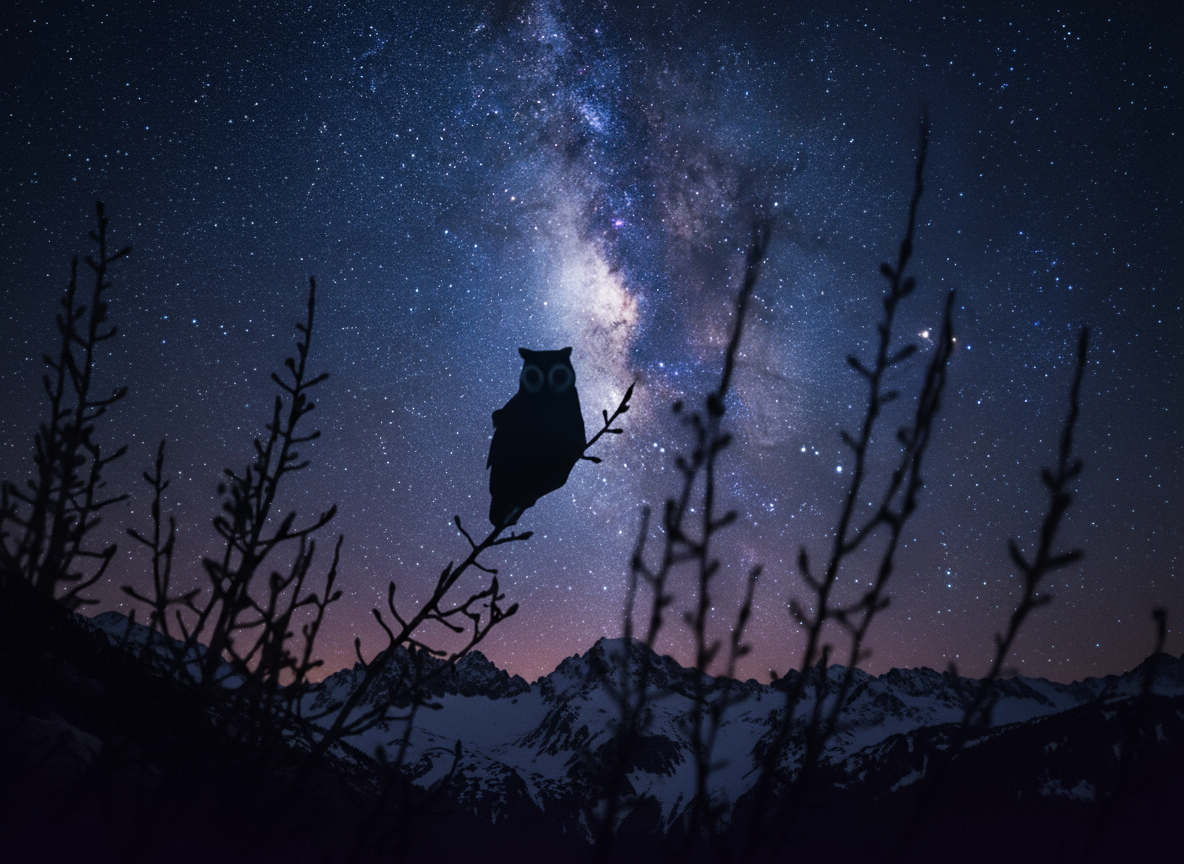
Pumy (kugary) stanowią kolejne poważne zagrożenie w nocy na terenie zachodnich Stanów Zjednoczonych, a w coraz większym stopniu także w niektórych regionach wschodnich. Chociaż ataki na ludzi zdarzają się rzadko, to jednak mają miejsce, zwłaszcza o świcie i o zmierzchu, kiedy te duże koty są najbardziej aktywne. Kojoty znacznie rozszerzyły swój zasięg występowania i obecnie występują we wszystkich 49 stanach kontynentalnych, stając się coraz bardziej śmiałe na obszarach miejskich i podmiejskich, gdzie polują głównie w nocy. Chociaż zazwyczaj nie stanowią zagrożenia dla dorosłych ludzi, stanowią poważne zagrożenie dla zwierząt domowych i małych dzieci. Niedźwiedzie czarne, choć są wszystkożerne, są potężnymi drapieżnikami, które często są najbardziej aktywne w nocy, zwłaszcza na obszarach, gdzie w ciągu dnia występuje aktywność ludzi. Niedźwiedzie poszukujące pożywienia mogą stanowić zagrożenie, jeśli zostaną zaskoczone lub jeśli przyzwyczaiły się do źródeł pożywienia pochodzących od ludzi. Ryś rudy, choć zazwyczaj unika ludzi, jest zręcznym nocnym łowcą na większości terytorium kraju. Jadowite węże, takie jak grzechotniki i miedzianogłowe, są również aktywnymi nocnymi łowcami w wielu regionach, a przypadkowe spotkania z nimi mogą skutkować niebezpiecznymi ukąszeniami. Znajomość nocnych drapieżników występujących w danym regionie oraz stosowanie odpowiednich środków ostrożności — takich jak hałasowanie podczas wędrówek, odpowiednie zabezpieczanie pożywienia oraz trzymanie zwierząt domowych w domu w nocy — znacznie zmniejsza i tak już niewielkie ryzyko, jakie stwarzają te zwierzęta.
Ewolucyjne przystosowania, które pozwalają zwierzętom odnosić sukcesy jako nocne drapieżniki, wykraczają daleko poza sam dobry wzrok w nocy. Stworzenia te wykształciły cały zestaw wyspecjalizowanych cech, które współdziałają, czyniąc je niezwykle skutecznymi w ciemności. Pod względem fizjologicznym wiele nocnych drapieżników dostosowało temperaturę ciała i tempo metabolizmu, aby optymalnie funkcjonować w chłodniejszych godzinach nocnych. Niektóre z nich wykształciły ciemniejsze ubarwienie, które zapewnia lepszy kamuflaż w warunkach słabego oświetlenia, podczas gdy inne mają ubarwienie rozbijające ich kontury, co sprawia, że trudniej je dostrzec.
Równie ważne są adaptacje behawioralne. Nocne drapieżniki często wykazują się cierpliwością i stosują strategie oszczędzania energii, pozostając nieruchome przez dłuższy czas, po czym atakują z niesamowitą szybkością i precyzją. Wiele gatunków wykształciło zaawansowaną pamięć i orientację przestrzenną, tworząc w umyśle mapy swoich terytoriów, które pozwalają im skutecznie poruszać się nawet przy minimalnych wskazówkach wizualnych. Niektóre nocne drapieżniki dostosowały również swoje zachowania rozrodcze i społeczne do aktywności nocnej, a wiele gatunków komunikuje się za pomocą dźwięków, zapachów i innych niewizualnych sygnałów, które sprawdzają się w ciemności. Same strategie łowieckie są często dostosowane do nocnych warunków – polowanie z zasadzki staje się skuteczniejsze, gdy ofiara nie widzi nadchodzącego ataku, a polowanie wytrwałościowe sprawdza się dobrze, gdy drapieżniki mogą śledzić ofiarę przez całą noc bez przegrzania się. Te połączone adaptacje pokazują, że przejście na tryb nocny to nie tylko kwestia czuwania w nocy; chodzi o fundamentalną przebudowę biologii, zachowania i strategii łowieckiej w celu wykorzystania niszy czasowej, która oferuje znaczące korzyści tym, którzy się do niej przystosowali.
Nie wszystkie nocne drapieżniki polują w ciemności z tych samych powodów, a konkretne korzyści różnią się znacznie w zależności od gatunku, siedliska i rodzaju ofiary. Dla niektórych drapieżników aktywność nocna służy przede wszystkim regulacji temperatury ciała. Mieszkające na pustyniach drapieżniki, takie jak lisy fenki, wiele gatunków węży i niektóre koty, unikają upałów panujących w ciągu dnia, które mogą prowadzić do niebezpiecznego odwodnienia lub wyczerpania cieplnego. Niższe temperatury w nocy pozwalają im być aktywnymi i polować bez fizjologicznego stresu związanego z ekstremalnym upałem. W regionach tropikalnych różnica temperatur między dniem a nocą może być mniej wyraźna, ale mniejsza ekspozycja na słońce nadal zapewnia korzyści w zakresie komfortu.
Dla innych gatunków sama ciemność stanowi broń. Drapieżniki, które w dużym stopniu polegają na skradaniu się i taktyce zasadzki, czerpią ogromne korzyści z ograniczonej widoczności, która utrudnia ofiarom wykrycie ich zbliżania się. Osłona nocy pozwala również niektórym gatunkom ofiar na większą aktywność, stwarzając możliwości, które nie istnieją w ciągu dnia — zasadniczo niektóre drapieżniki są nocne, ponieważ ich ofiary są nocne. Kolejną istotną zaletą jest unikanie konkurencji. W ekosystemach, w których występuje wiele gatunków drapieżników, podział czasowy – polegający na tym, że różne gatunki są aktywne w różnych porach – ogranicza bezpośrednią rywalizację o te same zasoby. Jastrząb i sowa mogą polować na ten sam gatunek ofiary na tym samym obszarze, ale ponieważ jeden poluje w dzień, a drugi w nocy, nie konkurują ze sobą bezpośrednio. Wreszcie, w przypadku gatunków ofiarnych, które stały się nocne, drapieżniki muszą dostosować się do ich trybu życia lub stracić źródła pożywienia. Ten wyścig zbrojeń między drapieżnikami a ofiarami doprowadził do ewolucji coraz bardziej wyrafinowanych adaptacji po obu stronach, tworząc niezwykłą różnorodność życia nocnego, którą obserwujemy dzisiaj.
Który nocny drapieżnik jest najgroźniejszy na świecie?
Chociaż “najbardziej śmiercionośne” można mierzyć na różne sposoby, krokodyle morskie i krokodyle nilowe należą do najniebezpieczniejszych dla ludzi drapieżników nocnych, odpowiedzialnych za setki ofiar śmiertelnych rocznie. Pod względem czystej skuteczności łowieckiej w swoich ekosystemach sowy, duże koty, takie jak lamparty i jaguary, oraz różne gatunki węży są szczytowymi drapieżnikami nocnymi. Odpowiedź naprawdę zależy od tego, czy mierzy się zagrożenie dla ludzi, wskaźnik skuteczności łowieckiej, czy też wpływ na ekosystem.
Dlaczego drapieżniki polują w nocy, a nie w ciągu dnia?
Drapieżniki polują nocą, czerpiąc z tego kilka kluczowych korzyści: ciemność zapewnia im osłonę umożliwiającą skradanie się do ofiary, wiele gatunków ofiar jest w nocy mniej czujnych lub śpi, nocne temperatury są niższe, co zapobiega przegrzaniu podczas wysiłku fizycznego, występuje mniejsza konkurencja ze strony drapieżników dziennych, a niektóre gatunki ofiar są aktywne wyłącznie w nocy. Wiele nocnych drapieżników wykształciło wyspecjalizowane przystosowania sensoryczne, które dają im znaczną przewagę nad ofiarami w warunkach słabego oświetlenia.
Czy nocne drapieżniki widzą w całkowitej ciemności?
Żadne zwierzę nie widzi w całkowitej ciemności — widzenie wymaga przynajmniej odrobiny światła. Jednak drapieżniki nocne mają oczy przystosowane do funkcjonowania w warunkach wyjątkowo słabego oświetlenia, które dla ludzi wydawałyby się całkowitą ciemnością. Wiele gatunków uzupełnia wzrok innymi zmysłami: nietoperze korzystają z echolokacji, węże z organów wykrywających ciepło, a sowy w dużym stopniu polegają na słuchu. Te połączone zdolności zmysłowe pozwalają im skutecznie polować w warunkach, które ludzie uznaliby za całkowitą ciemność.
O której godzinie drapieżniki nocne są najbardziej aktywne?
Większość nocnych drapieżników wykazuje największą aktywność w godzinach zmierzchu – o świcie i o zmierzchu – kiedy w otoczeniu jest jeszcze trochę światła, a zwierzęta będące ofiarami przechodzą z trybu dziennego do nocnego. Te okresy zmierzchowe zapewniają optymalne warunki do polowania. Jednak wiele gatunków pozostaje aktywnych przez całą noc, a poziom ich aktywności często osiąga szczyt około północy oraz ponownie przed świtem. Wzory aktywności różnią się również w zależności od pory roku, fazy księżyca, warunków pogodowych oraz dostępności ofiar.
Jak chronić się przed nocnymi drapieżnikami podczas biwakowania lub wędrówek?
Aby zapewnić sobie bezpieczeństwo w pobliżu nocnych drapieżników, należy hałasować podczas poruszania się, aby nie zaskoczyć zwierząt; nigdy nie zbliżać się do dzikich zwierząt ani ich nie karmić; przechowywać żywność w odpowiedni sposób – w pojemnikach zabezpieczonych przed niedźwiedziami lub zawieszonych na drzewach; trzymać zwierzęta domowe na smyczy, a w nocy w domu; nosić przy sobie latarkę lub czołówkę; poruszać się wyłącznie po wytyczonych szlakach, rozbijaj obóz w wyznaczonych miejscach, z dala od ścieżek zwierząt prowadzących do źródeł wody oraz dowiedz się, jakie drapieżniki występują w Twojej okolicy, abyś mógł podjąć odpowiednie środki ostrożności. Większość nocnych drapieżników z natury unika ludzi, a ataki są niezwykle rzadkie, gdy przestrzega się odpowiednich środków ostrożności.
When darkness falls across the landscape, most predators face significant limitations. But for owls, nighttime is prime hunting time. These extraordinary birds have evolved into what might be the most perfectly designed nocturnal hunters on our planet, capable of locating and capturing prey in conditions that would render most predators effectively blind and helpless.
Owls represent nature’s pinnacle of specialized night hunting adaptations. Unlike other predators that might compromise between daytime and nighttime capabilities, owls have evolved almost exclusively for after-dark hunting efficiency. Their entire physical structure – from specialized feathers to asymmetrical ears – serves a single purpose: to detect and capture prey in minimal light conditions with maximum effectiveness.

The true mastery of owl hunting becomes apparent when you consider their success rates. Studies tracking hunting efficiency across different predator species show that some owl species achieve success rates approaching 80% under ideal conditions – far exceeding the 10-20% success rates typical for most mammalian predators. This extraordinary efficiency stems from multiple specialized adaptations working in perfect concert rather than relying on a single hunting advantage.
Most impressive about owl hunting behavior is the near-complete silence with which they operate. While we often associate predators with dramatic chases or fierce struggles, owls represent the opposite end of the hunting spectrum – deploying stealth, precision, and surprise to such a degree that prey animals often remain unaware of the owl’s presence until the moment of capture. This hunting approach requires remarkable sensory capabilities combined with specialized physical adaptations that we’ll explore in depth.
The role of owls as nocturnal apex predators shapes entire ecosystems. Their hunting prowess helps control rodent populations, influencing everything from disease transmission to seed dispersal patterns in forest ecosystems. A single barn owl family can consume over 3,000 rodents annually, creating ripple effects throughout the food web. This ecological impact makes understanding owl hunting behavior relevant beyond mere fascination with their abilities.
Advances in night observation technology have revolutionized our understanding of owl hunting. Traditional research methods using visible light inevitably disturbed natural hunting behaviors, creating observation artifacts that misrepresented true patterns. Modern thermal imaging equipment like that from Pixfra allows researchers to document complete hunting sequences without detection by either owls or their prey, providing unprecedented insights into their true hunting behaviors.
The seasonal changes in owl hunting activity reveal another layer of sophistication. Most owl species adjust their hunting patterns throughout the annual cycle, with particularly intense activity during breeding seasons when they must provide for growing chicks. GPS tracking studies show some species like Great Horned Owls can expand their hunting territories by 30-40% during these high-demand periods, demonstrating remarkable behavioral flexibility despite their specialized hunting adaptations.
The visual capabilities of hunting owls represent one of the animal kingdom’s most remarkable sensory adaptations. While we often say someone has “eagle eyes” to denote exceptional vision, owls possess visual adaptations specifically evolved for the unique challenges of locating prey in extremely low-light conditions where even eagles would struggle to function.
The physical structure of the owl eye differs dramatically from human vision. While our eyes account for approximately 2% of our head weight, owl eyes can represent up to 5% of their total head weight – a disproportionate allocation that indicates their evolutionary priority. These oversized eyes feature significantly larger corneas and pupils relative to the eye size, allowing maximum light capture. The tubular shape of owl eyes, rather than the spherical structure of human eyes, creates greater distance between lens and retina, effectively functioning as a built-in telephoto lens that magnifies images.
Perhaps the most critical aspect of owl night vision involves their exceptional rod cell concentration. These specialized photoreceptor cells detect light and motion but not color, making them ideal for low-light conditions. While human retinas contain approximately 200,000 rods per square millimeter, owl retinas feature up to 1,000,000 rods per square millimeter. This five-fold density increase dramatically enhances their ability to detect even minimal light reflected from prey animals at night. This adaptation comes at the expense of cone cells (responsible for color vision), which explains why owls sacrifice color perception for superior night vision.
The position of owl eyes differentiates them from most birds. Their forward-facing placement creates binocular vision with approximately 70-degree overlap between the visual fields of both eyes. This arrangement provides exceptional depth perception – crucial for precisely judging striking distance when hunting. However, this frontal orientation limits peripheral vision, which owls compensate for with their extraordinary neck rotation capabilities. They can rotate their heads up to 270 degrees, allowing them to effectively see behind themselves without moving their bodies and potentially alerting prey.
“Owl visual systems represent one of evolution’s most remarkable sensory specializations. They don’t just see better than humans at night – they operate in a completely different visual realm, detecting and processing light information at levels that would appear as complete darkness to us. When combined with their other sensory adaptations, this creates a hunting system operating at the theoretical limits of biological possibility.” – Dr. Amanda Chen, Raptor Research Institute
The fovea structure within owl eyes – the region of highest visual acuity – shows interesting variations between species that reflect different hunting strategies. Unlike eagles that possess two foveal regions (one for forward vision, one for peripheral), most owl species have a single, highly concentrated fovea optimized exclusively for forward vision and striking accuracy. This represents another evolutionary trade-off, sacrificing wide-field scanning capabilities for unsurpassed precision in the area directly relevant to prey capture.
Light amplification capabilities within owl eyes far exceed human abilities. Research measuring minimum light thresholds shows that owls can effectively hunt in light conditions approximately 10-100 times dimmer than what humans require for basic functional vision. This extraordinary sensitivity comes partly from specialized enzymes that regenerate light-detecting molecules in rod cells much faster than in human eyes, allowing continuous function in extremely low light. This regeneration speed means owls can maintain visual function under sustained low-light conditions where human night vision would gradually deteriorate.
Despite these remarkable adaptations, owls don’t rely exclusively on vision when hunting in complete darkness. When light levels fall below even their exceptional detection thresholds, they seamlessly transition to their backup sensory system – their extraordinary hearing capabilities. Modern thermal imaging equipment from companies like Pixfra mimics these capabilities, detecting prey heat signatures that would be invisible to both human eyes and traditional night vision systems that require some ambient light.
Ten Pixfra Rail mounting system provides a stable platform for thermal imaging equipment that allows researchers and wildlife enthusiasts to observe these remarkable visual capabilities without disrupting the owls’ natural behavior. The standardized Picatinny interface ensures compatible mounting with various observation devices, facilitating detailed documentation of how owls use their extraordinary vision during complete darkness.
The auditory capabilities of hunting owls represent perhaps their most extraordinary adaptation for nocturnal hunting. While their vision excels in low light, their hearing allows them to locate prey with pinpoint accuracy in complete darkness or when prey is hidden under vegetation, snow, or leaf litter – conditions where visual detection becomes impossible regardless of light sensitivity.
The most distinctive feature of owl hearing involves the asymmetrical placement of their ear openings. Unlike humans and most animals with ears positioned symmetrically on both sides of the head, many owl species have one ear opening positioned higher on the skull than the other. This vertical offset creates minute differences in sound arrival time and intensity between the ears. These differences allow owls to triangulate sound sources with remarkable precision in three-dimensional space – not just direction but also exact distance and depth. Studies measuring this accuracy have documented Great Grey Owls precisely locating mice under 18 inches of snow with no visual cues whatsoever.
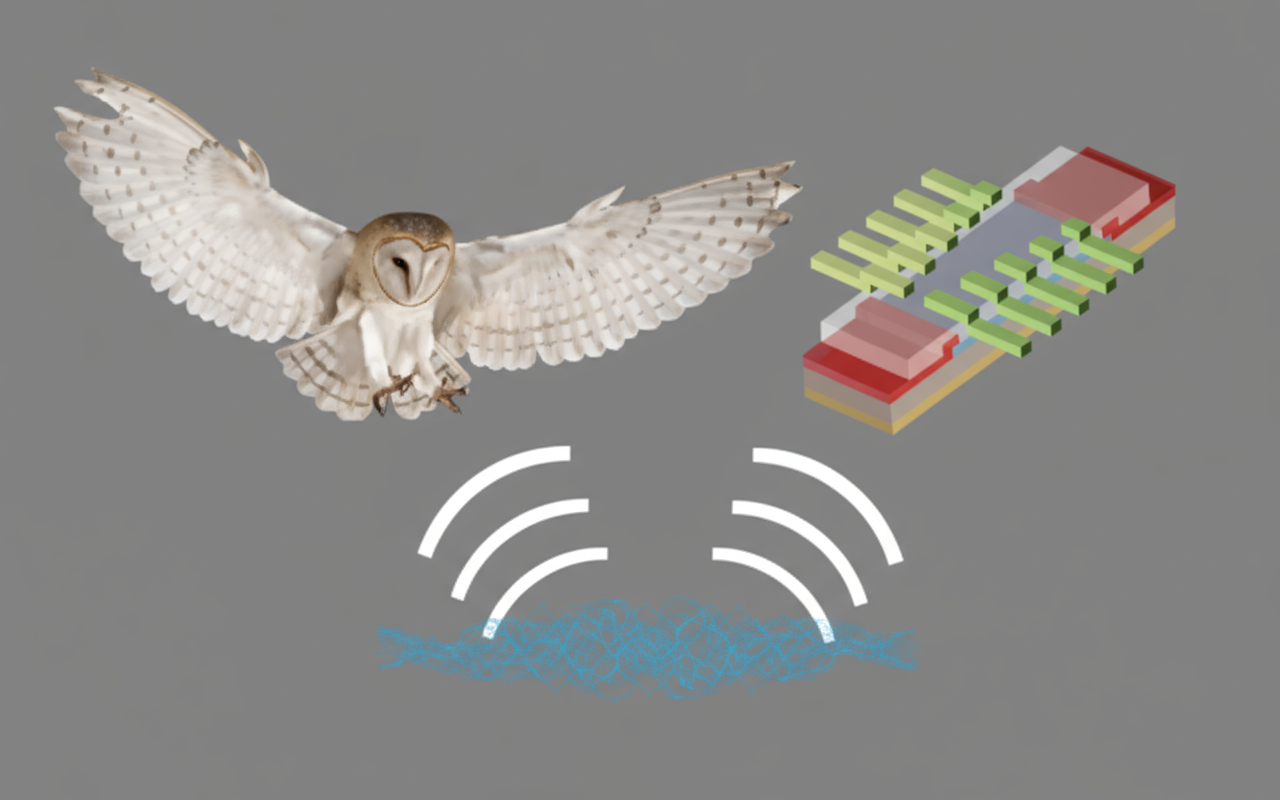
The facial disc structure that gives owls their distinctive appearance serves a critical acoustic function. This concave arrangement of specialized feathers acts as a parabolic sound collector, gathering and focusing sound waves toward the ear openings. High-speed video analysis shows owls can subtly adjust the shape of this facial disc, effectively “aiming” their acoustic reception toward specific sound sources – similar to how a satellite dish can be repositioned to capture different signals. This adjustable sound collection system significantly enhances their ability to isolate prey sounds from background noise.
The extreme sensitivity of owl hearing exceeds human capabilities by orders of magnitude. Scientific measurements demonstrate that some owl species can detect sound intensities approximately 10-100 times fainter than the quietest sounds detectable by human ears. This sensitivity allows them to hear the minuscule sounds produced by prey animals at considerable distances – a mouse’s heartbeat from several meters away or the sound of rodent teeth gnawing on seeds through substantial ground cover.
The frequency range of owl hearing shows interesting specialization for prey detection. While humans hear frequencies between approximately 20 Hz and 20,000 Hz, barn owls can detect sounds between 200 Hz and 12,000 Hz – a narrower overall range but with dramatically enhanced sensitivity within the specific frequencies produced by their prey animals. This specialized frequency detection represents another evolutionary trade-off, sacrificing broader hearing range for extraordinary sensitivity within the most relevant sound spectrum for hunting success.
Brain processing of auditory information represents another remarkable aspect of owl hearing. Approximately 25% of an owl’s midbrain is dedicated to auditory processing, compared to about 4% in humans. This disproportionate allocation demonstrates the evolutionary priority placed on sound processing. The specialized auditory neurons in this enlarged region create detailed acoustic maps allowing owls to maintain continuous spatial awareness of sound sources even when those sounds are brief or intermittent. This neural architecture explains how owls can strike with remarkable accuracy at the exact location where they last heard prey movement, even after complete silence for several seconds.
Laboratory studies measuring owl response to artificial sound sources demonstrate their extraordinary acoustic precision. Barn owls consistently locate sound sources within 1-2 degrees of the actual direction in complete darkness – the equivalent of pinpointing a sound within a circle the size of a quarter from 8 feet away. This precision exceeds what humans can achieve even under ideal conditions and with conscious effort. For owls, this level of acoustic accuracy happens automatically and instantaneously during high-speed hunting approaches.
The combination of these auditory adaptations creates what researchers call “acoustical gaze” – the ability to maintain precise awareness of prey location using sound alone. This capability means owls can successfully hunt in conditions that defeat most other predators: complete darkness, dense fog, heavy vegetation cover, or even prey hidden under snow. When combined with their specialized flight adaptations that we’ll explore next, this creates a hunting system with remarkably few environmental limitations.
Perhaps the most extraordinary aspect of owl hunting involves their specialized feather adaptations that create nearly silent flight. This acoustic stealth represents a remarkable evolutionary achievement, essentially eliminating the sound of air movement over their wings and body that would otherwise alert prey to their approach. The resulting silent flight capability allows owls to maintain their acoustic advantage throughout the final approach and strike phases of hunting.
The leading edge of owl wings features unique serrated feathers unlike those found in any other bird group. These comb-like serrations, called fimbriae, break up the smooth airflow over the wing surface, eliminating the whistling sound typically produced by air passing over a smooth edge. High-speed photography reveals these serrations creating thousands of tiny micro-turbulences that effectively silence the airflow across the entire wing surface. This adaptation represents nature’s solution to the same aerodynamic challenge that military stealth aircraft designers struggle with – how to move through air without creating detectable acoustic signatures.
The trailing edge of owl wings contains another specialized feature: a flexible fringe of soft feathers that further reduces flight noise. This fringe essentially muffles the sound of air flowing off the back of the wing, preventing the formation of noisy vortices that occur in other birds. Aerodynamic testing of owl feathers versus other birds of similar size shows this trailing edge adaptation reduces flight noise by approximately 10-18 decibels – the difference between a normal conversation and a whisper. This noise reduction proves particularly critical during the final moments of an attack when the owl is closest to prey with acute hearing.
The overall surface of owl feathers differs significantly from other birds. Microscopic examination reveals a velvety texture with specialised barbules (small hook-like structures) that dampen sound by absorbing acoustic energy rather than reflecting it. This soft surface effectively absorbs most of the minimal sound created by feathers moving against each other during flight. The acoustic benefit comes with a cost – these specialized feathers require more maintenance and are less water-resistant than the smoother feathers of other birds, demonstrating the evolutionary priority placed on silent flight over other potential advantages.
Flight patterns during hunting approaches show another layer of acoustic strategy. Unlike many birds that maintain constant wingbeat patterns, owls frequently adjust their flight cadence when approaching prey – often shifting to a gliding approach for the final meters before striking. This variable flight pattern minimizes repetitive sounds that might otherwise alert prey to their approach. GPS tracking studies show owls consistently selecting flight paths that take advantage of ambient sounds (like wind through trees) to further mask their approach, suggesting they actively consider the acoustic environment when hunting.
Foot structure complements the silent flight adaptations with specialized features for silent prey capture. Owls possess unusually long legs for their body size, covered with specially adapted feathers that both silence movement and provide insulation during cold weather hunting. Their feet feature reversible outer toes that can rotate forward or backward, allowing different grip configurations depending on prey size and type. This adaptability enables secure capture with minimal struggle, reducing sounds that might alert other nearby prey animals.
The combined result of these adaptations is truly remarkable. Laboratory measurements using highly sensitive microphones have documented owl flight producing sound levels below 20 decibels (comparable to human breathing) at distances where other birds of similar size produce sounds exceeding 40-50 decibels. This 30+ decibel reduction represents an enormous acoustic advantage, essentially making owls acoustically invisible to prey until the moment of contact. For context, each 10-decibel reduction represents a halving of perceived loudness, meaning owl flight registers approximately 1/8th as loud as comparable birds.
Thermal imaging equipment from Pixfra has enabled unprecedented documentation of these silent hunting approaches without disrupting natural behavior. By detecting the heat signatures of both owl and prey, researchers can now observe complete hunting sequences that would be virtually impossible to witness using traditional observation methods, particularly in complete darkness when owls are most active.
Owl hunting techniques show remarkable diversity across different species, reflecting specialized adaptations to particular prey types and habitat conditions. While all owls share core adaptations for nocturnal hunting, their specific tactical approaches reveal fascinating variations that maximize hunting success in their particular ecological niches.
Perch-and-pounce hunting represents the most common owl hunting strategy, employed primarily by woodland and field-edge species like Barred Owls and Great Horned Owls. This method involves selecting elevated observation points with good acoustic and visual coverage of hunting grounds, then waiting patiently until prey is detected. GPS tracking studies show these owls typically maintain a network of 8-15 preferred perches distributed throughout their territory, rotating between them strategically based on prey activity patterns, wind direction (for scent detection), and recent hunting success. The perches typically provide both concealment and clear flight paths to likely prey locations. Once prey is detected, these owls launch with remarkable acceleration – reaching speeds of 20-30 mph within just 2-3 wingbeats.
Quartering flight patterns characterize the hunting approach of open-country specialists like Barn Owls and Short-eared Owls. Rather than hunting from static perches, these species fly continuously along systematic search paths, typically 3-6 feet above ground level. This methodical coverage allows them to bring their exceptional hearing to bear across large open areas where suitable perches might be limited. Thermal imaging studies show these flight patterns aren’t random but highly structured, with owls maintaining precise spacing between search lines to ensure complete acoustic coverage of hunting territories. This active hunting approach requires greater energy expenditure than perch hunting but allows exploitation of prey-rich open habitats where the perch-and-pounce method would be impractical.
Specialized fishing techniques appear in species like Fishing Owls (Ketupa spp.) and occasionally Great Grey Owls. These remarkable adaptations involve detecting fish near water surfaces using a combination of visual identification and subtle surface movement detection. Unlike other owl prey that can be located acoustically, fish require specialized hunting approaches involving precisely timed strikes that penetrate water surfaces with minimal splash. These owl species possess modified talons with specialized scales and spicules that improve grip on slippery prey. Some fishing specialists even have reduced facial discs compared to other owls – a modification that suggests reduced reliance on acoustic hunting in favor of visual detection when targeting aquatic prey.
| Owl Species | Primary Hunting Technique | Peak Activity Hours | Main Prey Types |
|---|---|---|---|
| Barn Owl | Quartering Flight | 10 PM – 2 AM | Small rodents, shrews |
| Great Horned Owl | Perch-and-Pounce | Dusk and Dawn | Medium mammals, birds |
| Northern Saw-whet | Systematic Forest Search | All Night | Mice, small birds |
| Burrowing Owl | Mixed (Ground ambush) | Crepuscular | Insects, small rodents |
| Great Gray Owl | Perch-Pounce + Dive | Variable | Voles, pocket gophers |
Dive techniques used by several northern species like Great Gray and Boreal Owls show remarkable physical capabilities. When hunting prey beneath snow cover, these owls can strike with sufficient force to break through crusted snow surfaces that would support animals weighing 10-15 times more than their prey. High-speed video analysis reveals they achieve this through a combination of precise targeting (hitting with focused force rather than distributed weight) and specialized plunging techniques that maximize impact energy. The dive force generated can exceed 3-4 times their body weight, allowing them to punch through surfaces that would otherwise protect prey from most predators. This specialized technique enables winter hunting success when many other predators struggle to access food sources.
The striking accuracy of hunting owls demonstrates the extraordinary precision of their sensory systems. Research measuring strike precision shows Barn Owls consistently capturing prey within 1-2 centimeters of their intended target point, even in complete darkness. This accuracy reflects the perfect integration of their sensory adaptations with the neural mapping systems that coordinate their physical movements. Perhaps most impressive, this precision occurs during extremely high-speed attacks – with final approaches often exceeding 20-25 mph, requiring calculations that account for both the owl’s movement and potential prey responses.
Seasonal and weather-based variations in hunting techniques demonstrate considerable behavioral flexibility. During heavy rainfall that might dampen their specialized feathers and reduce acoustic efficiency, many owl species shift toward more visually-based hunting methods and target different prey types. Similarly, deep winter snow conditions trigger technique adaptations in northern species, with modifications to striking force and foot placement that maintain hunting success despite challenging environmental conditions. This tactical flexibility extends their hunting capabilities across seasonal extremes that might otherwise limit their effectiveness.
Modern observation technologies have revealed previously unknown hunting behaviors. Thermal equipment from Pixfra has documented cooperative hunting behaviors between mated owl pairs – behaviors rarely observed using traditional methods. These coordinated tactics typically involve one owl deliberately flushing prey toward areas where the partner waits in ambush. While not as complex as the pack hunting strategies seen in some mammals, these cooperative behaviors show more sophisticated coordination than previously attributed to typically solitary owls.
The stable mounting capabilities provided by the Pixfra Rail system have proven invaluable for documenting these varied hunting techniques. The standardized Picatinny interface ensures compatible mounting with various observation devices, allowing extended monitoring sessions that capture the full range of hunting behaviors across different conditions and seasons.
The dietary patterns of hunting owls reveal fascinating ecological relationships and hunting specializations. While popular imagination often associates owls primarily with mice, their actual prey selection shows remarkable diversity across species, with dietary compositions that reflect both evolutionary adaptations and tactical hunting opportunities.
Small mammal specialization represents the core dietary focus for most temperate zone owls, with rodents constituting 60-90% of prey items for species like Barn Owls, Great Gray Owls, and Long-eared Owls. This specialization makes ecological sense – small mammals represent the most abundant and reliable nocturnal prey base in most terrestrial ecosystems. The high reproductive rates and year-round activity patterns of many rodent species provide consistent food sources even when other prey might be seasonally limited. Analysis of owl pellets (regurgitated indigestible remains) shows remarkable diversity within this category, with some specialists like Barn Owls documented consuming over 30 different rodent species across their range.
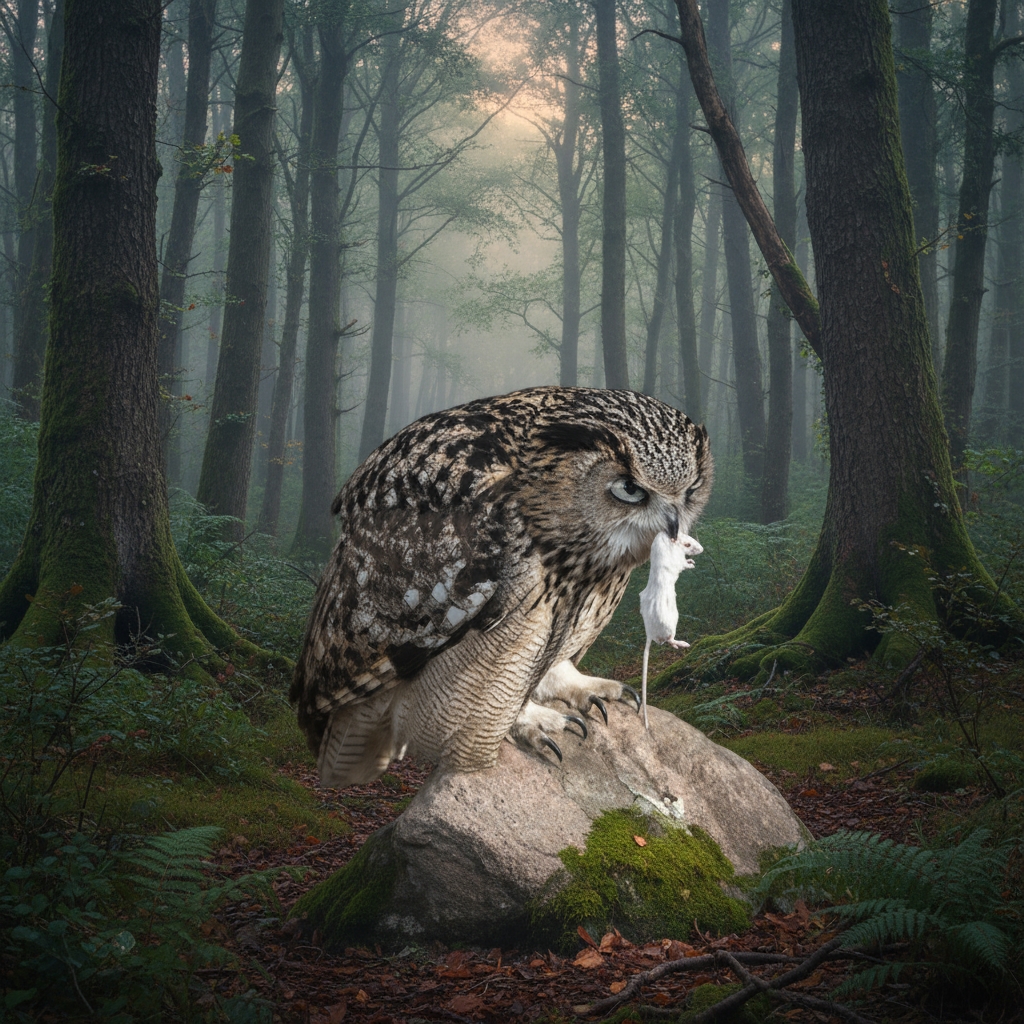
Bird predation features prominently in the diets of several larger owl species, particularly Great Horned Owls and Eurasian Eagle Owls. These powerful hunters regularly target sleeping birds, with hunting patterns that specifically exploit the vulnerability of roosting prey. Research using GPS tracking collars shows these owls systematically checking known bird roosting sites during their nightly hunting circuits, with particular focus on communal roosts that concentrate potential prey. Their powerful talons allow them to capture birds up to their own body weight, including other raptors like hawks and smaller owl species. This bird predation capability significantly expands their potential prey base beyond what’s available to strict mammal specialists.
Insect consumption plays a surprisingly important role for many owl species, particularly during summer months when insects reach peak abundance. Small owl specialists like Elf Owls and Screech Owls may derive 70-80% of their summer diet from large insects like moths, beetles, and grasshoppers. Even larger species that primarily target vertebrates often opportunistically consume substantial insect biomass when available. This dietary flexibility allows exploitation of seasonally abundant food sources while maintaining hunting skills for larger prey. The smallest owl species may consume hundreds of individual insects nightly during peak abundance periods.
Amphibian and reptile predation becomes significant in the diets of many tropical and subtropical owl species, with frogs, lizards, and snakes featuring prominently in dietary analyses. Species like the Spectacled Owl of Central and South America show specific hunting adaptations for capturing tree frogs and arboreal lizards from vegetation surfaces. The Australian Powerful Owl includes a high percentage of arboreal reptiles in its diet. These prey types provide important protein sources in ecosystems where mammal diversity or abundance might be lower than in temperate regions.
Specialized diet components appear in several owl species with unique hunting adaptations. The cave-dwelling Oilbird (technically not a true owl but a nightbird with convergent adaptations) specializes in fruit consumption despite hunting nocturnally. Several fishing owl species target aquatic prey almost exclusively. The Pel’s Fishing Owl of Africa shows extreme specialization, with fish constituting over 90% of its diet, while the Blakiston’s Fish Owl of Asia includes significant percentages of aquatic invertebrates like crabs alongside fish prey. These specialized diets reflect both habitat adaptations and reduced competition by exploiting prey types that most other owls ignore.
Seasonal dietary shifts demonstrate remarkable flexibility across many owl species. Great Horned Owls show substantial seasonal variation, with mammal consumption peaking during winter months when other prey is limited, then diversifying to include more birds, reptiles, and even insects during spring and summer. These shifts reflect both changing prey availability and the energetic demands of breeding seasons when provisioning nestlings requires maximizing overall food acquisition rather than specializing on preferred prey that might be limited in availability.
“Owl dietary analysis reveals not just what they eat, but how ecosystems function at night. Their pellets provide snapshots of nocturnal biodiversity otherwise invisible to researchers. When we study what owls hunt, we’re essentially using them as ecological sampling tools that reveal entire communities of nocturnal animals that would be extraordinarily difficult to document using traditional survey methods.” – Dr. Marcus Rodriguez, Nocturnal Ecology Research Center
Unusual prey items documented in owl diets demonstrate their opportunistic hunting capabilities. Great Horned Owls have been recorded taking prey as diverse as skunks, domestic cats, and even young foxes – animals that themselves are typically predators rather than prey. Barn Owls occasionally capture bats in flight, demonstrating remarkable interception capabilities against extremely agile prey. These unusual items rarely constitute significant dietary percentages but highlight the adaptability and hunting prowess that allows owls to exploit situational opportunities despite their specializations.
Geographic variations in owl diets reflect local prey availability and ecological conditions. The same owl species often shows dramatically different dietary compositions across different portions of its range. For example, Barn Owl diets in coastal regions may include up to 15-20% shorebirds and waterfowl, while individuals just 50 miles inland might consume 95%+ rodents. These regional adaptations demonstrate considerable behavioral flexibility that maximizes hunting success across diverse habitat conditions despite consistent hunting method specializations.
Witnessing owl hunting in its full nocturnal glory represents one of wildlife observation’s greatest challenges. The combination of darkness, owl stealth, and the brief, explosive nature of their attacks means that traditional observation methods capture only fragments of their true hunting behavior. Modern technology has revolutionized this field, creating unprecedented opportunities to witness and document complete owl hunting sequences without disturbing natural behaviors.
Thermal imaging technology represents the single most significant advancement for nocturnal owl observation. Unlike traditional night vision that requires some ambient light source, thermal devices detect the heat signatures of animals directly, allowing observation in complete darkness, through light vegetation, and even in adverse weather conditions like fog or light rain. High-quality thermal imaging equipment like that from Pixfra can detect owl-sized heat signatures at distances exceeding 500 yards under optimal conditions, providing unprecedented observation opportunities while maintaining distances that don’t influence natural behavior.
The non-invasive nature of thermal observation represents its greatest advantage for owl research. Unlike traditional wildlife viewing methods that often require lights or close approaches, thermal observation allows completely passive monitoring without alerting owls to human presence. This technology reveals truly natural behaviors rather than reactions to human disturbance. For enthusiasts interested in this approach, the Pixfra Rail mounting system provides stable mounting options for extended observation sessions without the fatigue of hand-holding equipment.
Location selection dramatically influences successful owl observation. Studies of owl movement patterns identify several high-probability locations for witnessing natural hunting sequences:
When selecting observation positions, maintaining awareness of wind direction proves essential, as owls’ excellent sense of smell can detect human scent if positioned downwind. Situating yourself with wind carrying your scent away from likely owl approach directions significantly improves observation opportunities without influencing natural behavior.
Equipment stabilization represents another critical factor for successful observation, particularly when using high-magnification thermal devices at extended distances. Hand-holding thermal optics becomes impractical during extended observation sessions, leading to missed opportunities during crucial hunting moments. The Pixfra Rail mounting system provides a stable platform compatible with various observation devices through its standardized Picatinny interface, enabling hours of comfortable observation without the fatigue that would otherwise limit viewing sessions.
Seasonal timing significantly impacts observation success rates. Owl hunting activity doesn’t distribute evenly throughout the year but concentrates during specific seasonal windows. For most temperate zone species, late winter represents the peak period for observing hunting behavior, as breeding season approaches and territories are actively defended. This period combines increased hunting activity with slightly longer daylight that helps locate likely observation areas before complete darkness. Spring brings another excellent observation window when adults must hunt intensively to feed growing nestlings, often making more hunting attempts within smaller geographic areas around nest sites.
The ethical considerations for owl observation deserve careful attention. The fundamental principle should always be non-disturbance – if your presence alters natural behavior patterns, you’re too close or otherwise detectable. Responsible observation practices include:
Remember that habituating owls to human presence, even for observation purposes, can create dangerous situations for both owls and other humans who may encounter them later. Thermal technology’s greatest advantage may be allowing observation without habituation risks that come with repeated detection.
Audio recording technology provides another valuable dimension for owl observation, documenting vocalizations and hunting sounds typically inaudible at normal observation distances. Specialized parabolic microphones or wildlife-specific recording systems can capture the subtle sounds of owl movements and prey capture events that would otherwise remain undetected. When synchronized with thermal video documentation, these recordings create comprehensive records of hunting behaviors that span multiple sensory dimensions.
Remote camera technologies offer another approach to owl observation, particularly for monitoring regular perching or nesting locations. Modern trail cameras with no-glow infrared flash systems can document owl activities without visible light that might disturb natural behavior. The latest systems include cellular connectivity that transmits images in real-time, allowing observers to monitor activity without repeatedly visiting sites and leaving human scent that might alter owl behavior patterns.
The specialized adaptations that make owls such extraordinary night hunters also create unique vulnerabilities to environmental changes and human activities. Understanding these conservation challenges helps ensure these remarkable predators can continue their ecological roles and provides context for appreciating their specialized hunting adaptations.
Habitat loss represents the most significant threat to owl populations globally. The specialized hunting requirements of many owl species mean they cannot simply relocate to any available woodland or field when their preferred habitats disappear. Species like the Spotted Owl require large contiguous tracts of old-growth forest with specific structural characteristics that support both their hunting techniques and prey base. Research tracking owl territory abandonment shows direct correlations with habitat fragmentation thresholds – many species cannot maintain viable populations when their habitat becomes fragmented below certain patch sizes, even if the total habitat area remains substantial.
Light pollution creates a growing threat specifically targeting nocturnal hunters. Artificial lighting disrupts natural darkness in expanding areas worldwide, interfering with owl hunting in multiple ways. Direct illumination of hunting areas can eliminate the sensory advantages owls depend on, while diffuse sky glow affects prey behavior and activity patterns. Studies measuring hunting success rates under different artificial lighting conditions show some owl species experience 35-50% reductions in prey capture rates in areas with significant light pollution. Unlike habitat loss that creates obvious population impacts, light pollution often produces subtle sub-lethal effects that gradually reduce reproductive success and population viability.
Rodenticide poisoning has emerged as a particularly insidious threat to owls worldwide. As specialized predators of rodents, owls consume prey that has ingested poison, creating secondary poisoning effects that have decimated populations in some regions. Research analyzing tissues from dead owls in suburban and agricultural areas shows alarming prevalence of anticoagulant rodenticide compounds, with studies in California documenting these compounds in 70-90% of owls tested. These poisons cause internal hemorrhaging, reduced hunting efficiency through impaired coordination, and ultimately death. The compounds persist in owl tissues for months, gradually accumulating with each poisoned prey item consumed.
Vehicle collisions cause significant owl mortality, particularly among species that hunt along roadside verges where small mammal populations often concentrate. Road design features like vegetated medians create artificial hunting corridors that attract owls while simultaneously exposing them to traffic hazards. Species with hunting styles involving low quartering flight, like Barn Owls and Short-eared Owls, suffer particularly high mortality rates. GPS tracking studies in the UK documented 40-55% of tracked Barn Owls dying from vehicle collisions within their first year, highlighting the magnitude of this threat in developed landscapes.
Climate change affects owl populations through multiple mechanisms, many specifically impacting their specialized hunting capabilities. Changing precipitation patterns alter prey abundance and activity, while temperature shifts affect both prey distribution and the timing of owl breeding relative to peak prey availability. Species with highly specialized prey relationships face particular challenges as climate disruptions cascade through food webs. Northern species that hunt through snow, like Great Gray Owls, face additional challenges as snow conditions become less predictable, affecting both their hunting success and the insulative properties of snow that their prey depend on for winter survival.
Conservation solutions specific to owl hunting needs have shown promising results when properly implemented. These include:
These targeted conservation approaches recognize the specialized nature of owl hunting adaptations and seek to preserve the conditions they require rather than simply protecting generic habitat area.
Public education about owl ecology plays a crucial role in conservation efforts. While many people appreciate owls aesthetically, fewer understand their ecological importance and specific conservation needs. Thermal imaging technology from companies like Pixfra has created new opportunities for public engagement, allowing people to witness the extraordinary hunting capabilities of owls without disturbing natural behaviors. These education opportunities build broader support for conservation initiatives that might otherwise lack public understanding or support.
The ecological consequences of owl population declines extend far beyond the birds themselves. As top nocturnal predators, owls exert controlling influences on numerous prey species, creating ripple effects throughout ecosystems when their populations decline. Research in areas where owl populations have been experimentally removed shows significant changes in rodent behavior, plant community composition, and disease prevalence – demonstrating the keystone role these predators play in maintaining ecological balance.
How can owls see in complete darkness?
They can’t actually see in complete darkness – but they don’t need to! While owls have incredible night vision (5-10 times better than humans in low light), their true superpower is their asymmetrical ears. One ear sits higher on their skull than the other, allowing them to triangulate prey location with astonishing precision using sound alone. This 3D acoustic mapping is so accurate that Great Gray Owls can locate and catch mice running beneath 18 inches of snow without seeing them at all. Their specialized facial disc feathers function like a satellite dish, collecting and focusing sound waves toward their ear openings. When combined with their exceptional night vision that can function in moonlight or starlight, this multi-sensory hunting system works in conditions that would leave most predators completely helpless. Modern thermal imaging equipment from Pixfra works similarly, detecting prey heat signatures that would be invisible to both human eyes and traditional night vision systems.
Why is owl flight completely silent?
Owl flight represents nature’s perfect stealth technology through three specialized feather adaptations. First, their leading wing edges have unique comb-like serrations (called fimbriae) that break up airflow and eliminate the whistling sound other birds create. Second, their trailing wing edges have soft flexible fringes that prevent noisy vortices as air flows off their wings. Finally, their overall feather surface has a velvet-like microstructure that absorbs rather than reflects sound. Laboratory measurements show owl flight produces sounds below 20 decibels (quieter than human breathing) compared to 40-50 decibels for similar-sized birds – a difference that makes them effectively acoustically invisible to prey with sensitive hearing. This silent flight capability provides their critical final approach advantage, allowing them to maintain their hearing advantage throughout the entire hunting sequence. The specialized feathers require more maintenance and provide less water resistance than other birds’ feathers, showing the evolutionary priority placed on silent hunting over other potential advantages.
What makes owls more efficient night hunters than other predators?
Owls achieve night hunting success rates up to 80% in ideal conditions – dramatically higher than most mammalian predators’ 10-20% success rates – through the perfect integration of specialized adaptations. Their exceptional hearing can detect a mouse heartbeat from several meters away, while their silent flight prevents prey from detecting their approach. Unlike many predators that must chase prey, owls employ precision strike hunting – capturing prey with a single deadly accurate attack rather than energy-intensive pursuits. Their specialized foot structure, with two toes pointing forward and two backward (unique among birds), creates a remarkably effective gripping mechanism that immediately immobilizes prey upon impact. Most impressively, these adaptations work in concert rather than independently – creating a hunting system that functions across varied conditions from moonlit nights (where vision dominates) to complete darkness under dense canopy (where hearing becomes primary). This multi-sensory flexibility allows successful hunting in conditions that would defeat most other predators.
How far can owls detect prey at night?
Owl prey detection distances vary dramatically depending on conditions and sensory methods used. Their visual system can detect small rodent movement up to 150-300 feet away under moderate moonlight, while their acoustic system can pinpoint prey sounds at distances of 75-100 feet in quiet conditions. Most impressively, their olfactory capabilities (often overlooked) can detect concentrations of rodent scent from distances exceeding 150 feet when wind conditions are favorable. Research using controlled sound sources shows Barn Owls consistently locate penny-sized sound sources in complete darkness with 1-2 degree accuracy – equivalent to targeting a mouse-sized object within a quarter-sized area from 25 feet away. This multi-sensory detection capability explains how owls maintain hunting effectiveness across dramatically different environmental conditions. For wildlife observers, thermal imaging equipment from Pixfra provides similar detection capabilities, allowing observation of complete hunting sequences without disrupting natural behaviors with visible light that would alter both owl and prey behavior.
Do all owls hunt using the same methods at night?
No – owl hunting techniques vary dramatically between species, reflecting specialized adaptations to particular habitats and prey types. Woodland specialists like Barred Owls typically employ perch-and-pounce techniques, systematically moving between elevated hunting posts until they detect prey below. Open-country specialists like Barn Owls use quartering flight patterns, flying methodically back and forth across fields while using their exceptional hearing to detect prey. Northern specialists like Great Gray Owls employ plunge-diving techniques that allow them to break through snow crust to capture hidden prey. Small owl specialists like Screech Owls often use systematic searching behaviors in dense vegetation, moving deliberately through complex habitats while listening intently for prey movements. These specialized techniques allow different owl species to partition hunting resources within the same general areas, reducing direct competition. The specialized mounting systems from Pixfra Rail allow wildlife observers to document these varied hunting techniques through stable positioning of thermal equipment during extended observation periods, revealing behavioral details previously invisible to researchers.