















Comment utiliser notre produit

Notre programme de partenariat local (LPP) a été soigneusement conçu pour offrir un soutien solide à nos partenaires les plus estimés sur le marché local.

Actualités et blogs de l'entreprise

Restez informé des dernières actualités de Pixfra, des présentations de ses produits et des informations sur l'univers de l'imagerie thermique.

Composition 26 (réserve)

Étude de cas : comment un dispositif thermique a permis d'économiser $5 000 en coûts énergétiques

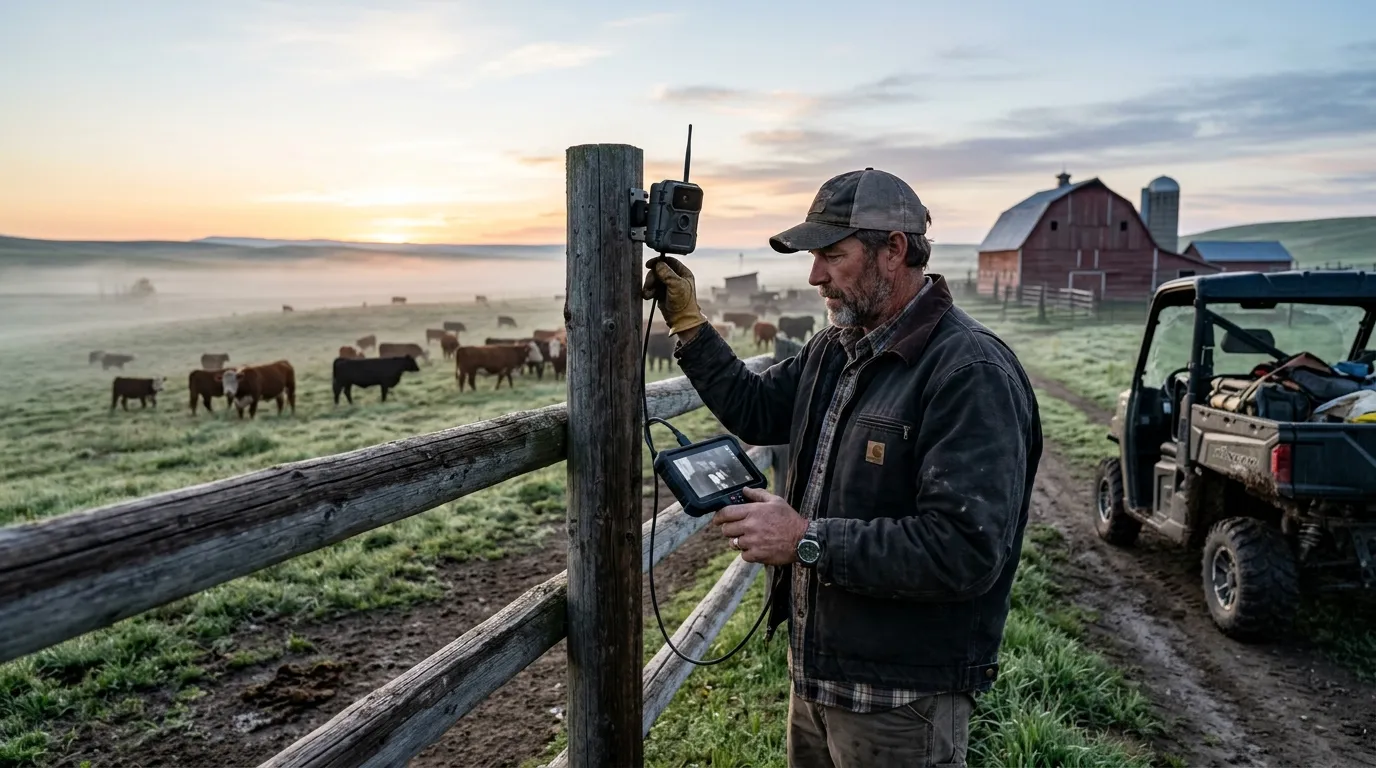
Aux États-Unis, les factures d'énergie grimpent en flèche, et la plupart des propriétaires n'ont aucune idée de la destination réelle de leur argent. Nous sommes Pixfra — nous fabriquons des monoculaires thermiques, des lunettes de visée thermiques et des accessoires thermiques à fixer sur les armes, destinés à un usage professionnel et en plein air — et nous avons pu constater par nous-mêmes à quel point l’imagerie thermique change la donne lorsqu’on l’utilise pour cibler le bon problème. Le problème énergétique caché que la plupart des propriétaires négligent Voici un chiffre qui en surprend plus d’un : un foyer américain moyen dépense désormais environ $163 par mois rien qu’en électricité. La facture d’électricité mensuelle moyenne aux États-Unis s’élève à $163 en juin 2026, sur la base d’un tarif résidentiel moyen de 18,05 ¢/kWh et d’une consommation mensuelle moyenne de 903 kWh. Et ce chiffre suit une courbe ascendante très marquée. La facture d’électricité moyenne des Américains a augmenté de 26% en cinq ans — passant de $129 par mois en 2022 à $163 par mois en 2026. Si l’on ajoute à cela les frais de gaz et d’eau, la facture moyenne des services publics d’un foyer américain s’élève à $610 par mois. Ces montants représentent des milliers de dollars chaque année — et une grande partie correspond à de l’énergie gaspillée dont vous ne voyez même pas sortir de chez vous. Alors, où passe toute cette énergie gaspillée ? À travers vos murs, vos fenêtres, votre grenier et chaque minuscule interstice et fissure dont vous ignoriez l’existence. Les déperditions thermiques peuvent représenter jusqu’à 50% de la consommation totale d’énergie d’un bâtiment ; leurs causes vont des fuites d’air par les cheminées, les combles et les évents muraux aux portes mal calfeutrées, en passant par des fenêtres à gaz argon défectueuses ou un manque d’isolation. Le problème, c’est que vous ne pouvez pas sentir un point froid derrière un mur ni voir l’air chaud s’échapper par une fente dans le plancher de votre grenier. C’est là qu’un appareil thermique entre en jeu. Chez Pixfra, nous avons bâti notre réputation sur une technologie exclusive de détection de la chaleur qui capte les différences de température les plus infimes
Les appareils thermiques haut de gamme valent-ils leur prix élevé ?

You’ve seen the price tags. A solid thermal monocular or scope can run you anywhere from a few hundred bucks to well over $5,000. And if you’re staring at those numbers wondering whether spending more actually gets you more, you’re not alone. We’re Pixfra, and we build thermal devices for hunters, wildlife watchers, and outdoor professionals — so we’ve got a front-row seat to this debate. Let’s break it all down. Why Thermal Devices Cost What They Do Before we get into whether a premium thermal device is worth your money, it helps to understand why these things cost more than a standard optic in the first place. A thermal device isn’t just a camera with a fancy filter. A thermal imaging scope combines specialized infrared materials, expensive sensing hardware, real-time processing, strict calibration, and recoil-rated durability in one hunting optic. That’s a lot of tech packed into a single piece of gear. At the core of every thermal device sits an infrared sensor — usually a microbolometer made from vanadium oxide or amorphous silicon. The heart of every thermal camera lies in its infrared sensor, and unlike a normal camera that depends on visible light, a thermal imager captures infrared radiation emitted by objects, requiring specialized materials and ultra-precise manufacturing. These sensors aren’t cheap to produce. The raw materials alone, like germanium used in high-quality thermal lenses, carry a steep cost. Germanium metal costs $1,500 per kg in its raw form, and when you add the price of refining and processing it into a high-performance lens, the total cost increases exponentially. Then add proprietary image processing algorithms, precision calibration for each individual unit, and housings built to handle drops, rain, dust, and recoil — and you start to see where the money goes. The good news? Prices have come

Case Study: How a Thermal Device Saved a Rescue Mission

When a rescue team gets the call that someone is missing in the backcountry at night, every minute matters. Traditional search methods — flashlights, headlamps, ground sweeps — are slow and burn through manpower fast. We at Pixfra have seen firsthand how thermal imaging technology changes the entire equation, turning what used to be a desperate guessing game into a fast, targeted operation. How Thermal Imaging Works in Search and Rescue Before we get into the case study itself, let’s cover the basics so you know exactly what’s happening when a thermal device hits the field during a rescue mission. Thermal cameras work by detecting infrared radiation emitted by all objects, including people and animals. That radiation gets converted into a thermal image, displaying varying temperatures in different colors. Warmer objects, such as a human body, appear brighter against cooler backgrounds. That’s the whole trick — your body is basically a beacon of heat in a cold landscape, and a thermal device picks that up whether it’s pitch black, foggy, or raining sideways. Search and rescue missions at night present unique challenges. Limited visibility, difficult terrain, and unpredictable weather can hinder even the most well-trained teams. Traditional night-vision devices and spotlights have their limitations, especially in environments like forests, mountains, or urban areas with obstructed views. This is exactly where a handheld thermal monocular or scope gives you an edge that nothing else can match. Unlike night vision, which needs at least some ambient light to work, thermal devices detect heat rather than light. That means total darkness, dense fog, and heavy rain don’t shut you down. This tech isn’t new, but what’s changed in 2026 is the accessibility. You no longer need a government budget to get a solid thermal device with high sensitivity and long detection range. Our

9 Practical Uses for a Handheld Thermal Device You Need to Know

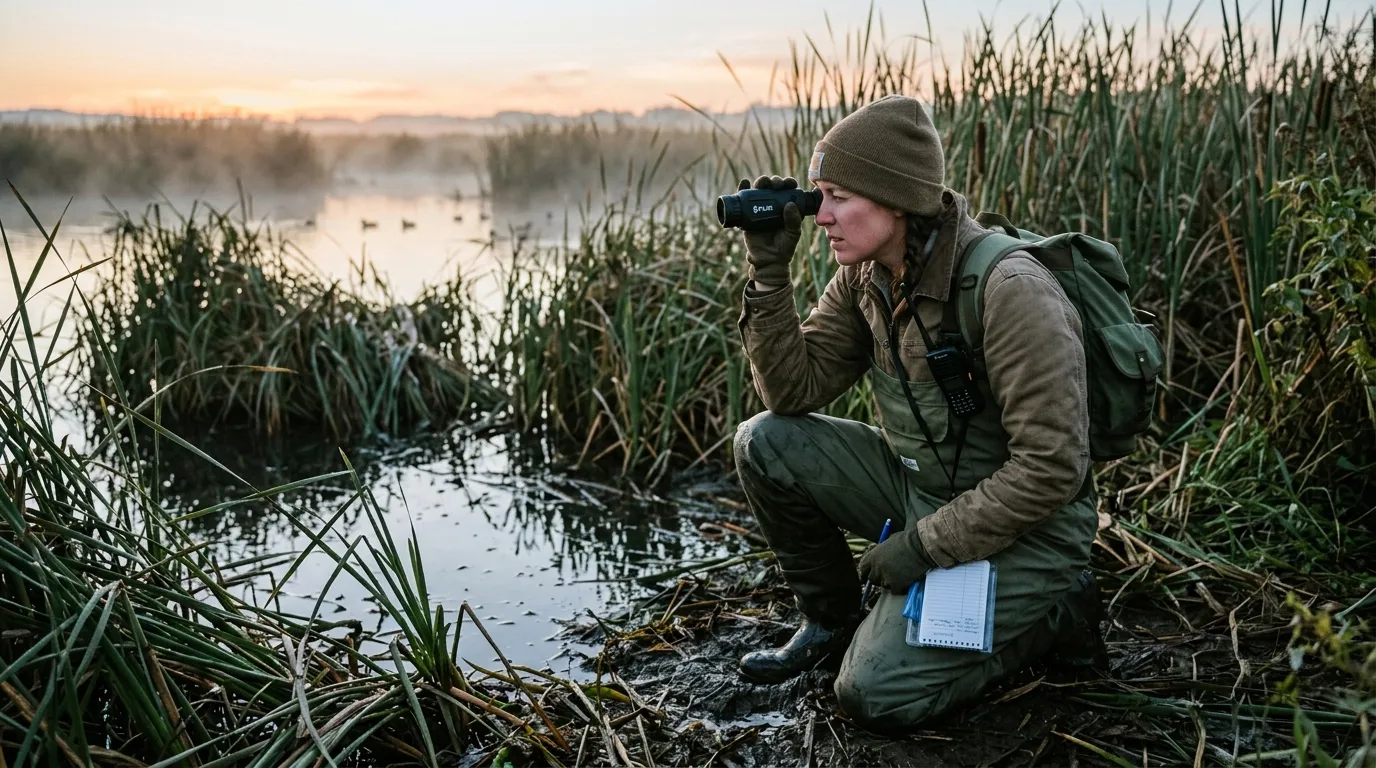
Most people hear “handheld thermal device” and think it’s just for hunters. But that’s only scratching the surface. A single handheld thermal monocular covers hunting, property security, wildlife observation, boating, search and rescue, camping, and utility inspection. Whether you’re scanning your back forty for coyotes at 2 AM, checking your home for heat leaks, or navigating a foggy trail in the backcountry, a thermal imager earns its place in your gear bag fast. At Pixfra, we build thermal monoculars, thermal scopes, thermal front attachments, and multispectral binoculars — all designed for real outdoor conditions. And we’ve seen firsthand just how many ways people put these devices to work outside of hunting season. Before we walk through all nine uses, it helps to know what separates a good handheld thermal device from a frustrating one. If you’re still sorting out what specs actually matter when you’re shopping, our guide on the top 6 features needed in the best thermal device in 2026 breaks down everything from NETD sensitivity to battery life and IP ratings — so you can match the right device to the job you need it for. Nighttime Hunting and Game Recovery This is the use case that put handheld thermal devices on the map, and it’s still the number-one reason people buy them. Thermal technology allows hunters to detect and track animals based on their body heat, irrespective of the lighting conditions, offering an undeniable advantage for nighttime hunting and wildlife observation. Whether you’re running hogs in Texas, calling coyotes in Kansas, or sitting a deer stand in Georgia, a thermal monocular lets you spot game before it spots you — in total darkness, through fog, and even in thick brush. Here’s how it works in practice: instead of picking up your rifle and swinging a scope left

Comment utiliser notre produit

Notre programme de partenariat local (LPP) a été soigneusement conçu pour offrir un soutien solide à nos partenaires les plus estimés sur le marché local.

Actualités et blogs de l'entreprise

Restez informé des dernières actualités de Pixfra, des présentations de ses produits et des informations sur l'univers de l'imagerie thermique.

Composition 26 (réserve)

Étude de cas : comment un dispositif thermique a permis d'économiser $5 000 en coûts énergétiques

Aux États-Unis, les factures d'énergie grimpent en flèche, et la plupart des propriétaires n'ont aucune idée de la destination réelle de leur argent. Nous sommes Pixfra — nous fabriquons des monoculaires thermiques, des lunettes de visée thermiques et des accessoires thermiques à fixer sur les armes, destinés à un usage professionnel et en plein air — et nous avons pu constater par nous-mêmes à quel point l’imagerie thermique change la donne lorsqu’on l’utilise pour cibler le bon problème. Le problème énergétique caché que la plupart des propriétaires négligent Voici un chiffre qui en surprend plus d’un : un foyer américain moyen dépense désormais environ $163 par mois rien qu’en électricité. La facture d’électricité mensuelle moyenne aux États-Unis s’élève à $163 en juin 2026, sur la base d’un tarif résidentiel moyen de 18,05 ¢/kWh et d’une consommation mensuelle moyenne de 903 kWh. Et ce chiffre suit une courbe ascendante très marquée. La facture d’électricité moyenne des Américains a augmenté de 26% en cinq ans — passant de $129 par mois en 2022 à $163 par mois en 2026. Si l’on ajoute à cela les frais de gaz et d’eau, la facture moyenne des services publics d’un foyer américain s’élève à $610 par mois. Ces montants représentent des milliers de dollars chaque année — et une grande partie correspond à de l’énergie gaspillée dont vous ne voyez même pas sortir de chez vous. Alors, où passe toute cette énergie gaspillée ? À travers vos murs, vos fenêtres, votre grenier et chaque minuscule interstice et fissure dont vous ignoriez l’existence. Les déperditions thermiques peuvent représenter jusqu’à 50% de la consommation totale d’énergie d’un bâtiment ; leurs causes vont des fuites d’air par les cheminées, les combles et les évents muraux aux portes mal calfeutrées, en passant par des fenêtres à gaz argon défectueuses ou un manque d’isolation. Le problème, c’est que vous ne pouvez pas sentir un point froid derrière un mur ni voir l’air chaud s’échapper par une fente dans le plancher de votre grenier. C’est là qu’un appareil thermique entre en jeu. Chez Pixfra, nous avons bâti notre réputation sur une technologie exclusive de détection de la chaleur qui capte les différences de température les plus infimes

Les appareils thermiques haut de gamme valent-ils leur prix élevé ?

You’ve seen the price tags. A solid thermal monocular or scope can run you anywhere from a few hundred bucks to well over $5,000. And if you’re staring at those numbers wondering whether spending more actually gets you more, you’re not alone. We’re Pixfra, and we build thermal devices for hunters, wildlife watchers, and outdoor professionals — so we’ve got a front-row seat to this debate. Let’s break it all down. Why Thermal Devices Cost What They Do Before we get into whether a premium thermal device is worth your money, it helps to understand why these things cost more than a standard optic in the first place. A thermal device isn’t just a camera with a fancy filter. A thermal imaging scope combines specialized infrared materials, expensive sensing hardware, real-time processing, strict calibration, and recoil-rated durability in one hunting optic. That’s a lot of tech packed into a single piece of gear. At the core of every thermal device sits an infrared sensor — usually a microbolometer made from vanadium oxide or amorphous silicon. The heart of every thermal camera lies in its infrared sensor, and unlike a normal camera that depends on visible light, a thermal imager captures infrared radiation emitted by objects, requiring specialized materials and ultra-precise manufacturing. These sensors aren’t cheap to produce. The raw materials alone, like germanium used in high-quality thermal lenses, carry a steep cost. Germanium metal costs $1,500 per kg in its raw form, and when you add the price of refining and processing it into a high-performance lens, the total cost increases exponentially. Then add proprietary image processing algorithms, precision calibration for each individual unit, and housings built to handle drops, rain, dust, and recoil — and you start to see where the money goes. The good news? Prices have come

Case Study: How a Thermal Device Saved a Rescue Mission

When a rescue team gets the call that someone is missing in the backcountry at night, every minute matters. Traditional search methods — flashlights, headlamps, ground sweeps — are slow and burn through manpower fast. We at Pixfra have seen firsthand how thermal imaging technology changes the entire equation, turning what used to be a desperate guessing game into a fast, targeted operation. How Thermal Imaging Works in Search and Rescue Before we get into the case study itself, let’s cover the basics so you know exactly what’s happening when a thermal device hits the field during a rescue mission. Thermal cameras work by detecting infrared radiation emitted by all objects, including people and animals. That radiation gets converted into a thermal image, displaying varying temperatures in different colors. Warmer objects, such as a human body, appear brighter against cooler backgrounds. That’s the whole trick — your body is basically a beacon of heat in a cold landscape, and a thermal device picks that up whether it’s pitch black, foggy, or raining sideways. Search and rescue missions at night present unique challenges. Limited visibility, difficult terrain, and unpredictable weather can hinder even the most well-trained teams. Traditional night-vision devices and spotlights have their limitations, especially in environments like forests, mountains, or urban areas with obstructed views. This is exactly where a handheld thermal monocular or scope gives you an edge that nothing else can match. Unlike night vision, which needs at least some ambient light to work, thermal devices detect heat rather than light. That means total darkness, dense fog, and heavy rain don’t shut you down. This tech isn’t new, but what’s changed in 2026 is the accessibility. You no longer need a government budget to get a solid thermal device with high sensitivity and long detection range. Our

9 Practical Uses for a Handheld Thermal Device You Need to Know

Most people hear “handheld thermal device” and think it’s just for hunters. But that’s only scratching the surface. A single handheld thermal monocular covers hunting, property security, wildlife observation, boating, search and rescue, camping, and utility inspection. Whether you’re scanning your back forty for coyotes at 2 AM, checking your home for heat leaks, or navigating a foggy trail in the backcountry, a thermal imager earns its place in your gear bag fast. At Pixfra, we build thermal monoculars, thermal scopes, thermal front attachments, and multispectral binoculars — all designed for real outdoor conditions. And we’ve seen firsthand just how many ways people put these devices to work outside of hunting season. Before we walk through all nine uses, it helps to know what separates a good handheld thermal device from a frustrating one. If you’re still sorting out what specs actually matter when you’re shopping, our guide on the top 6 features needed in the best thermal device in 2026 breaks down everything from NETD sensitivity to battery life and IP ratings — so you can match the right device to the job you need it for. Nighttime Hunting and Game Recovery This is the use case that put handheld thermal devices on the map, and it’s still the number-one reason people buy them. Thermal technology allows hunters to detect and track animals based on their body heat, irrespective of the lighting conditions, offering an undeniable advantage for nighttime hunting and wildlife observation. Whether you’re running hogs in Texas, calling coyotes in Kansas, or sitting a deer stand in Georgia, a thermal monocular lets you spot game before it spots you — in total darkness, through fog, and even in thick brush. Here’s how it works in practice: instead of picking up your rifle and swinging a scope left

Applications
Exploration en plein air
Chasse
Observation des animaux

L’imagerie thermique aide à détecter les personnes, les animaux et les objets dans l’obscurité et à mieux percevoir l’environnement lors des observations en extérieur.

Vous souhaitez en savoir plus ?

Veuillez activer JavaScript dans votre navigateur pour remplir ce formulaire.
=
Conditions de confidentialité

Manuel d'utilisation de Sirius et Sirius HD

Veuillez choisir la langue de votre choix.

Manuel d'utilisation de Draco

Veuillez choisir la langue de votre choix.

Manuel d'utilisation du Pegasus 2 LRF

Veuillez choisir la langue de votre choix.

Manuel d'utilisation de Pegasus

Veuillez choisir la langue de votre choix.

Manuel d'utilisation du Chiron LRF

Veuillez choisir la langue de votre choix.

Manuel d’utilisation Chiron

Veuillez choisir la langue de votre choix.

Manuel d'utilisation de Cetus

Veuillez choisir la langue de votre choix.

Manuel d'utilisation du Taurus et du Taurus LRF

Veuillez choisir la langue de votre choix.

Manuel d'utilisation de la série Ranger

Veuillez choisir la langue de votre choix.

Manuel d'utilisation de la série Mile 2

Veuillez choisir la langue de votre choix.

Manuel d'utilisation de la série Mile 3

Veuillez choisir la langue de votre choix.

Recevez les dernières actualités de Pixfra

Abonnez-vous à la newsletter Pixfra pour recevoir nos actualités produits, des conseils de plein air et des informations exclusives.

Veuillez activer JavaScript dans votre navigateur pour remplir ce formulaire.