Termékünk használata

Helyi partnerprogramunkat (LPP) gondosan úgy alakítottuk ki, hogy a helyi piacon legértékesebb partnereinknek hatékony támogatást nyújtson.

Céghírek és blogok

Legyen naprakész a Pixfra legújabb híreivel, termékbemutatóival és a hőképezés világába nyújtott betekintésekkel kapcsolatban.

26. csoport – biztonsági másolat

A legjobb hőérzékelő eszközök kutatási és mentési műveletekhez

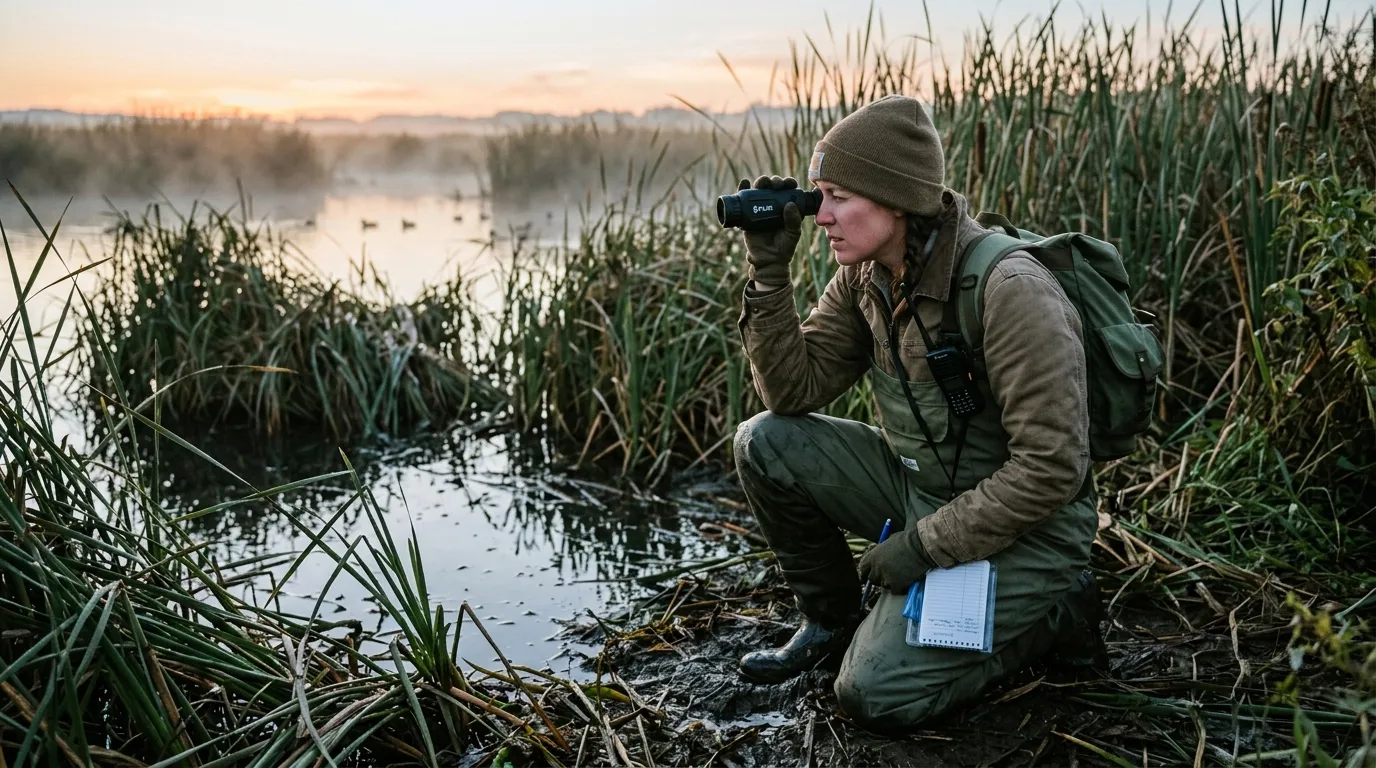
When someone goes missing in dense forest, heavy fog, or total darkness, every second counts. The best thermal devices for search and rescue operations give your team the ability to detect body heat through smoke, rain, foliage, and zero-light conditions — turning invisible heat signatures into clear, actionable images that save lives. At Pixfra, we build thermal monoculars, thermal scopes, thermal front attachments, and multispectral binoculars for exactly these kinds of high-stakes, real-world conditions. How Thermal Imaging Works in Search and Rescue Thermal imaging isn’t new to SAR teams, but the tech behind it has changed dramatically. Thermal imaging is deceptively simple yet profoundly effective. Unlike traditional cameras that capture visible light, thermal imagers detect infrared radiation — the heat emitted by all objects above absolute zero. An electronic sensor (thermal sensor, also known as a microbolometer) translates temperature differences between various surfaces into a visible image, displayed on a screen. That means your thermal device doesn’t need moonlight, flashlights, or any ambient light to work. The most critical advantage of thermal imaging is its ability to penetrate smoke and darkness. Unlike night-vision cameras that require and amplify existing light, thermal imagers operate in zero-light and can cut through smoke, haze, and fog. For SAR teams working wildfire zones, collapsed buildings, or backcountry wilderness at 3 AM, that advantage is the difference between finding someone and walking right past them. The use of thermal imaging cameras for search and rescue offers several real advantages: rapid identification of individuals (significantly reducing search times), enhanced situational awareness (helping teams assess surroundings and avoid hazards), non-intrusive searching (detecting heat without disturbing the environment), and increased success rates in locating missing persons. And this tech keeps getting more accessible. Handheld thermal imaging devices that can be purchased over the counter today make the early-2010s

Hőérzékelős monokuláris ROI a mezőgazdasági termelők számára: egy valós esettanulmány

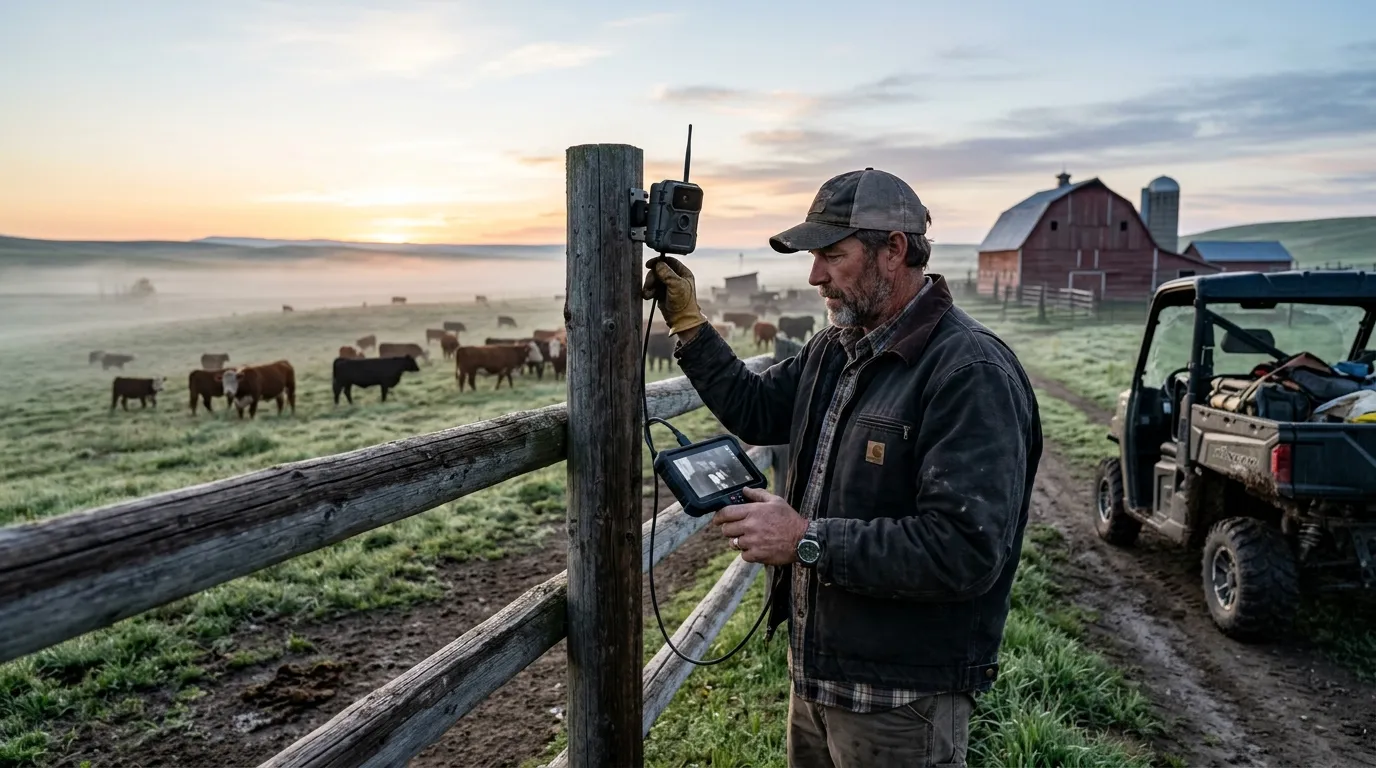
If you run a farm or ranch, you already know that losing even a handful of calves or lambs to predators can wipe out your margins for the season. And most of that damage happens at night, when you’re blind to it. We built this case study at Pixfra to show you — with real numbers — how a thermal monocular pays for itself on a working farm, often in just one season. Why Farmers Need Thermal Imaging Now Thermal monoculars used to be gear only military operators and big-budget hunters could afford. That’s not the case anymore. As thermal technology becomes more affordable and accessible, more people are discovering just how useful these tools are in everyday life. And farms are one of the places where they make the biggest financial dent. Farmers and ranchers have dozens of uses for thermal monoculars that save time and prevent losses. You can check on animals at night without disturbing the herd, spot a cow that’s separated from the group, or find one lying down when she shouldn’t be. You can scan fence lines for breaks, catch trespassers before they steal equipment, and spot coyotes stalking your calving pasture — all without a flashlight that gives your position away. Farmers use them to monitor livestock at night or detect predators around barns and fields. If you’ve been looking at the top features in the best thermal devices for 2026, you already know how much the technology has improved. Sensor resolution that used to cost $5,000+ is now in mid-range devices. NETD sensitivity has gotten sharp enough to pick up a sick calf’s fever from across a pasture. The gear has caught up with what farmers actually need — and the ROI case has never been stronger. The Cost of Doing Nothing: Predator

Case Study: How a Thermal Device Saved $5,000 in Energy Costs

Energy bills in the U.S. are climbing fast, and most homeowners have no idea where their money is actually going. We’re Pixfra — we build thermal monoculars, thermal scopes, and thermal front attachments for outdoor and professional use — and we’ve seen firsthand how thermal imaging changes the game when you point it at the right problem. The Hidden Energy Problem Most Homeowners Miss Here’s something that catches people off guard: the average American household now spends roughly $163 per month on electricity alone. The average monthly electric bill in the U.S. is $163 as of June 2026, based on an average residential electricity rate of 18.05¢/kWh and average monthly consumption of 903 kWh. And that number has been on a steep upward curve. The average American electric bill has risen 26% over five years — from $129/month in 2022 to $163/month in 2026. When you layer in gas and water costs, the average U.S. household utility bill is $610 per month. Those numbers add up to thousands of dollars every year — and a big chunk of it is wasted energy you never even see leaving your home. So where does all that wasted energy go? Through your walls, your windows, your attic, and every tiny gap and crack you didn’t know existed. Heat loss can account for up to 50% of total energy consumption in a building with causes ranging from air leakage through chimneys, attics and wall vents to badly sealed doorways and failing argon gas windows to missing insulation. The thing is, you can’t feel a cold spot behind a wall or see warm air slipping through a gap in your attic floor. That’s where a thermal device steps in. At Pixfra, we’ve built our reputation on proprietary heat-detection technology that picks up minute temperature differences

Termékünk használata

Helyi partnerprogramunkat (LPP) gondosan úgy alakítottuk ki, hogy a helyi piacon legértékesebb partnereinknek hatékony támogatást nyújtson.

Céghírek és blogok

Legyen naprakész a Pixfra legújabb híreivel, termékbemutatóival és a hőképezés világába nyújtott betekintésekkel kapcsolatban.

26. csoport – biztonsági másolat

A legjobb hőérzékelő eszközök kutatási és mentési műveletekhez

When someone goes missing in dense forest, heavy fog, or total darkness, every second counts. The best thermal devices for search and rescue operations give your team the ability to detect body heat through smoke, rain, foliage, and zero-light conditions — turning invisible heat signatures into clear, actionable images that save lives. At Pixfra, we build thermal monoculars, thermal scopes, thermal front attachments, and multispectral binoculars for exactly these kinds of high-stakes, real-world conditions. How Thermal Imaging Works in Search and Rescue Thermal imaging isn’t new to SAR teams, but the tech behind it has changed dramatically. Thermal imaging is deceptively simple yet profoundly effective. Unlike traditional cameras that capture visible light, thermal imagers detect infrared radiation — the heat emitted by all objects above absolute zero. An electronic sensor (thermal sensor, also known as a microbolometer) translates temperature differences between various surfaces into a visible image, displayed on a screen. That means your thermal device doesn’t need moonlight, flashlights, or any ambient light to work. The most critical advantage of thermal imaging is its ability to penetrate smoke and darkness. Unlike night-vision cameras that require and amplify existing light, thermal imagers operate in zero-light and can cut through smoke, haze, and fog. For SAR teams working wildfire zones, collapsed buildings, or backcountry wilderness at 3 AM, that advantage is the difference between finding someone and walking right past them. The use of thermal imaging cameras for search and rescue offers several real advantages: rapid identification of individuals (significantly reducing search times), enhanced situational awareness (helping teams assess surroundings and avoid hazards), non-intrusive searching (detecting heat without disturbing the environment), and increased success rates in locating missing persons. And this tech keeps getting more accessible. Handheld thermal imaging devices that can be purchased over the counter today make the early-2010s

Hőérzékelős monokuláris ROI a mezőgazdasági termelők számára: egy valós esettanulmány

If you run a farm or ranch, you already know that losing even a handful of calves or lambs to predators can wipe out your margins for the season. And most of that damage happens at night, when you’re blind to it. We built this case study at Pixfra to show you — with real numbers — how a thermal monocular pays for itself on a working farm, often in just one season. Why Farmers Need Thermal Imaging Now Thermal monoculars used to be gear only military operators and big-budget hunters could afford. That’s not the case anymore. As thermal technology becomes more affordable and accessible, more people are discovering just how useful these tools are in everyday life. And farms are one of the places where they make the biggest financial dent. Farmers and ranchers have dozens of uses for thermal monoculars that save time and prevent losses. You can check on animals at night without disturbing the herd, spot a cow that’s separated from the group, or find one lying down when she shouldn’t be. You can scan fence lines for breaks, catch trespassers before they steal equipment, and spot coyotes stalking your calving pasture — all without a flashlight that gives your position away. Farmers use them to monitor livestock at night or detect predators around barns and fields. If you’ve been looking at the top features in the best thermal devices for 2026, you already know how much the technology has improved. Sensor resolution that used to cost $5,000+ is now in mid-range devices. NETD sensitivity has gotten sharp enough to pick up a sick calf’s fever from across a pasture. The gear has caught up with what farmers actually need — and the ROI case has never been stronger. The Cost of Doing Nothing: Predator

Case Study: How a Thermal Device Saved $5,000 in Energy Costs

Energy bills in the U.S. are climbing fast, and most homeowners have no idea where their money is actually going. We’re Pixfra — we build thermal monoculars, thermal scopes, and thermal front attachments for outdoor and professional use — and we’ve seen firsthand how thermal imaging changes the game when you point it at the right problem. The Hidden Energy Problem Most Homeowners Miss Here’s something that catches people off guard: the average American household now spends roughly $163 per month on electricity alone. The average monthly electric bill in the U.S. is $163 as of June 2026, based on an average residential electricity rate of 18.05¢/kWh and average monthly consumption of 903 kWh. And that number has been on a steep upward curve. The average American electric bill has risen 26% over five years — from $129/month in 2022 to $163/month in 2026. When you layer in gas and water costs, the average U.S. household utility bill is $610 per month. Those numbers add up to thousands of dollars every year — and a big chunk of it is wasted energy you never even see leaving your home. So where does all that wasted energy go? Through your walls, your windows, your attic, and every tiny gap and crack you didn’t know existed. Heat loss can account for up to 50% of total energy consumption in a building with causes ranging from air leakage through chimneys, attics and wall vents to badly sealed doorways and failing argon gas windows to missing insulation. The thing is, you can’t feel a cold spot behind a wall or see warm air slipping through a gap in your attic floor. That’s where a thermal device steps in. At Pixfra, we’ve built our reputation on proprietary heat-detection technology that picks up minute temperature differences

Felhasználási területek
szabadtéri felfedezés
Vadászat
Állatmegfigyelés

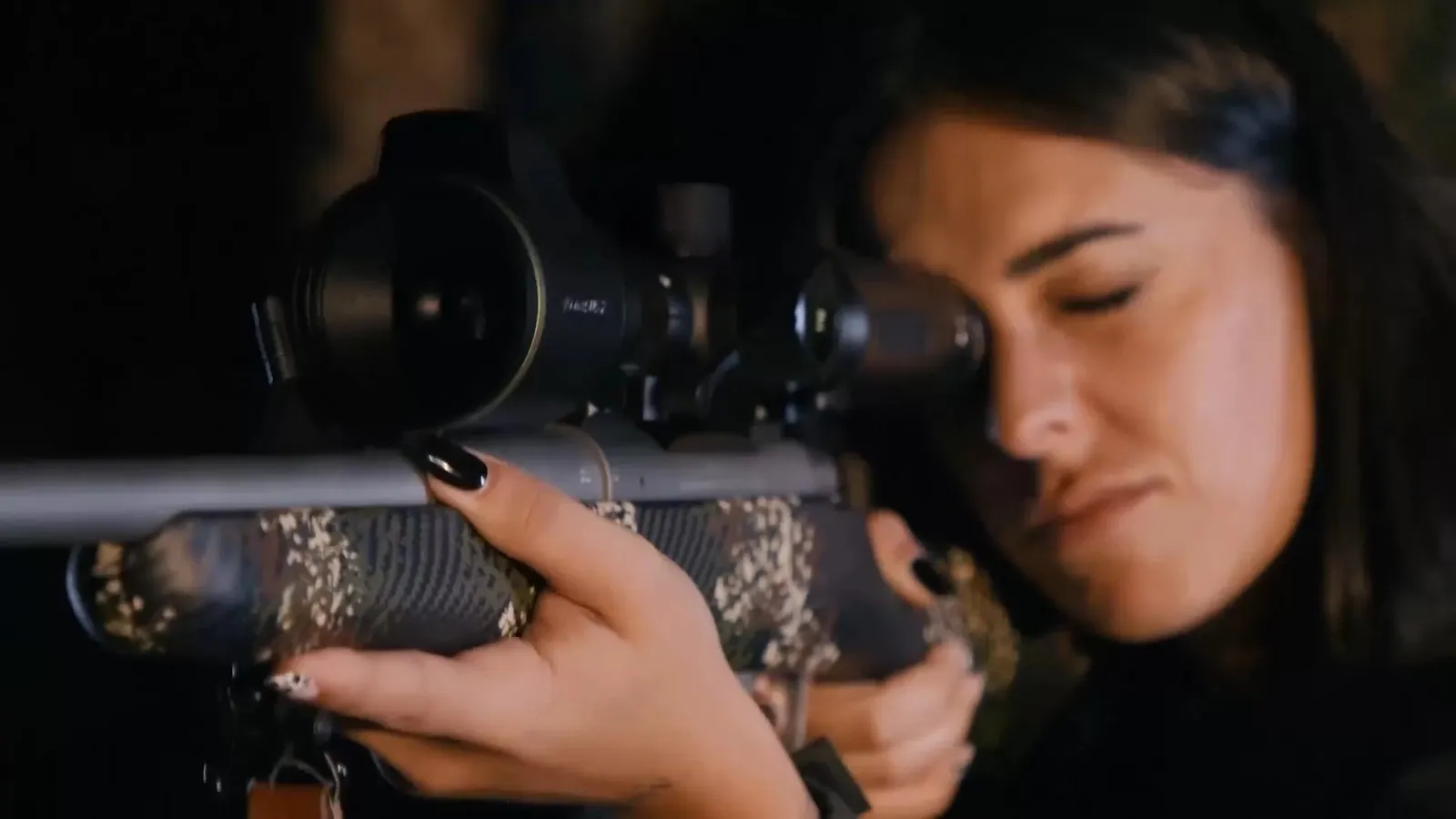
A kamerát úgy tervezték, hogy a nap bármely szakában javítsa a helyzetfelismerést; képes embereket, állatokat és tárgyakat észlelni teljes sötétségben, ködben vagy vakító fényben is, így a rendfenntartó szervek szakembereinek és a szabadtéri tevékenységek kedvelőinek megbízható hőképalkotást biztosít nehéz körülmények között is.

Remélem, hogy további információkat kapok

Az űrlap kitöltéséhez engedélyezze a JavaScript használatát a böngészőjében.
=
adatvédelmi feltételek

Sirius és Sirius HD felhasználói kézikönyv

Kérjük, válassza ki a kívánt nyelvet.

Draco használati útmutató

Kérjük, válassza ki a kívánt nyelvet.

Pegasus 2 LRF felhasználói kézikönyv

Kérjük, válassza ki a kívánt nyelvet.

Pegasus felhasználói kézikönyv

Kérjük, válassza ki a kívánt nyelvet.

Chiron LRF felhasználói kézikönyv

Kérjük, válassza ki a kívánt nyelvet.

Chiron felhasználói kézikönyv

Kérjük, válassza ki a kívánt nyelvet.

Cetus felhasználói kézikönyv

Kérjük, válassza ki a kívánt nyelvet.

Taurus és Taurus LRF felhasználói kézikönyv

Kérjük, válassza ki a kívánt nyelvet.

Ranger sorozat felhasználói kézikönyv

Kérjük, válassza ki a kívánt nyelvet.

Mile 2 sorozat felhasználói kézikönyv

Kérjük, válassza ki a kívánt nyelvet.

Mile 3 sorozat felhasználói kézikönyv

Kérjük, válassza ki a kívánt nyelvet.

Iratkozzon fel a Pixfra legfrissebb híreire

Iratkozzon fel a Pixfra hírlevelére, és maradjon naprakész a termékekkel kapcsolatos legfrissebb hírekkel, a szabadtéri tevékenységekkel kapcsolatos érdekességekkel és exkluzív újdonságokkal kapcsolatban.

Az űrlap kitöltéséhez engedélyezze a JavaScript használatát a böngészőjében.