











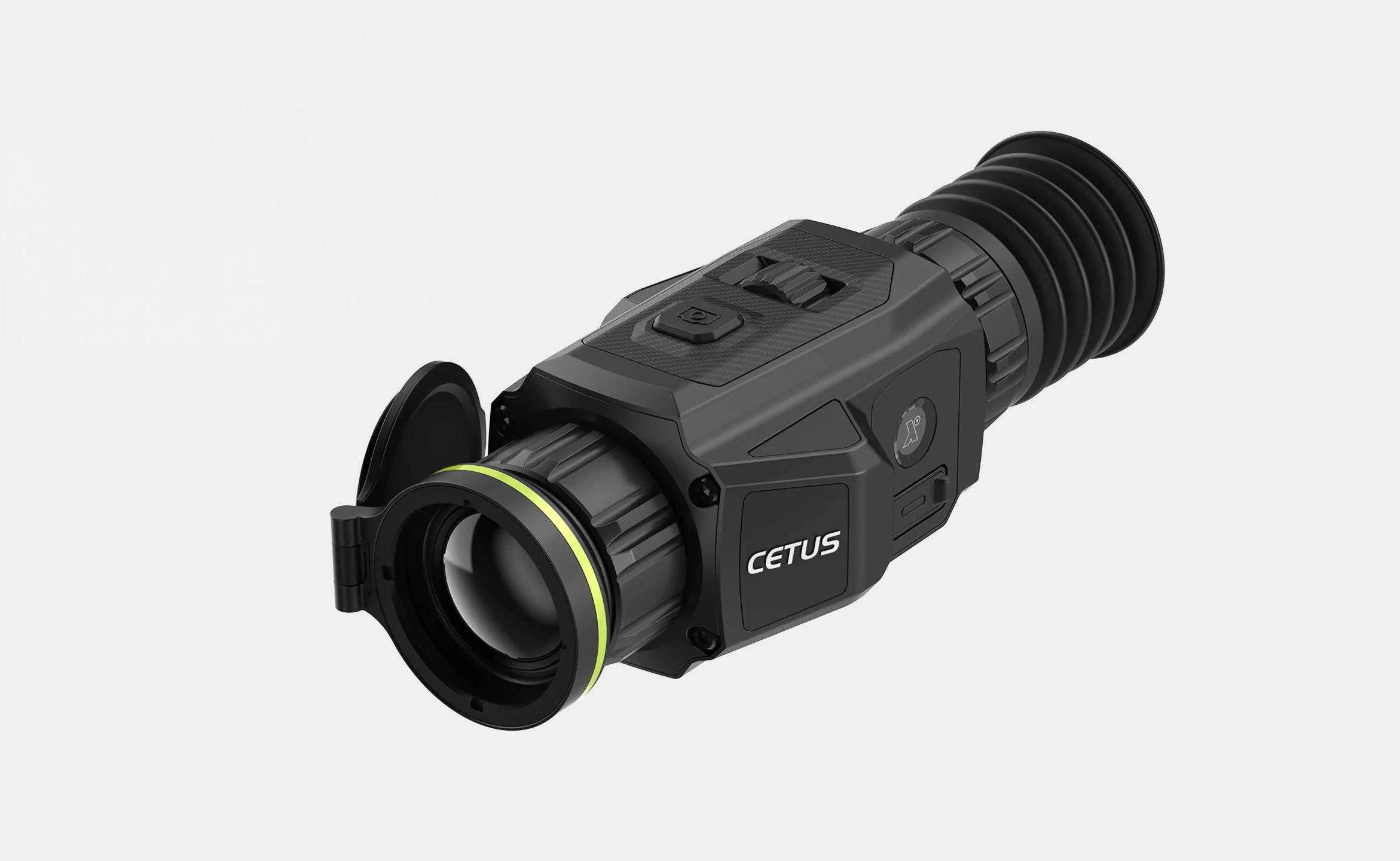
Termovizinių taikiklių baterijos veikimo laikas: atsarginės baterijos ir šaltis
Palyginkite termovizinių taikiklių baterijų veikimo laiką, pasirinkite savo modeliui tinkamas atsargines baterijas ir pasiruoškite išvykai šaltu oru.
Palyginkite termovizinių taikiklių baterijų veikimo laiką, pasirinkite savo modeliui tinkamas atsargines baterijas ir pasiruoškite išvykai šaltu oru.
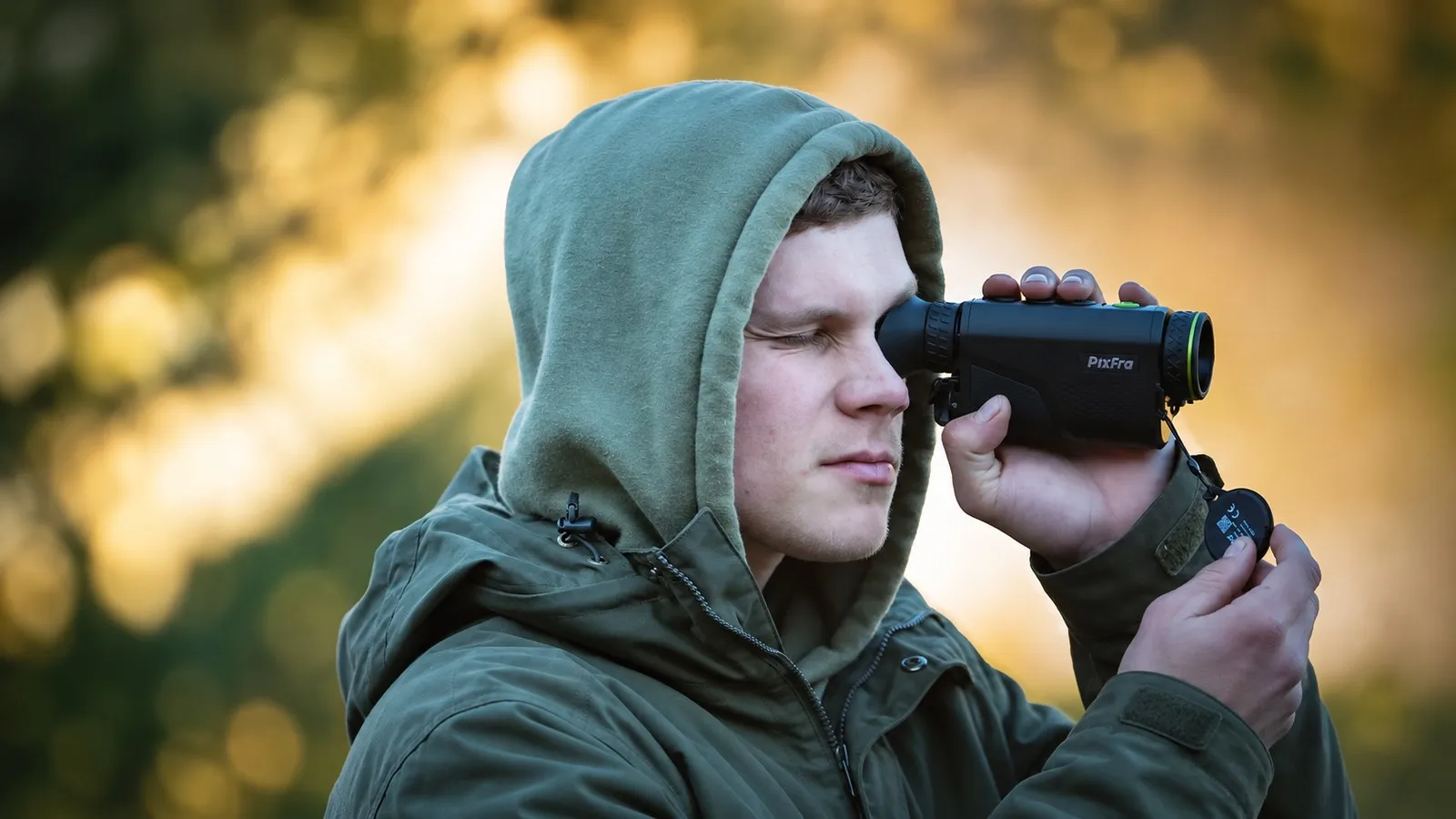
Pixfra Mile 3, Mile 2 ir Arc LRF: palyginkite atitinkamus 25 mm modelius pagal detektorių, NETD, matymo lauką, fokusavimą, baterijos duomenis, svorį ir lazerinį atstumo matavimą.
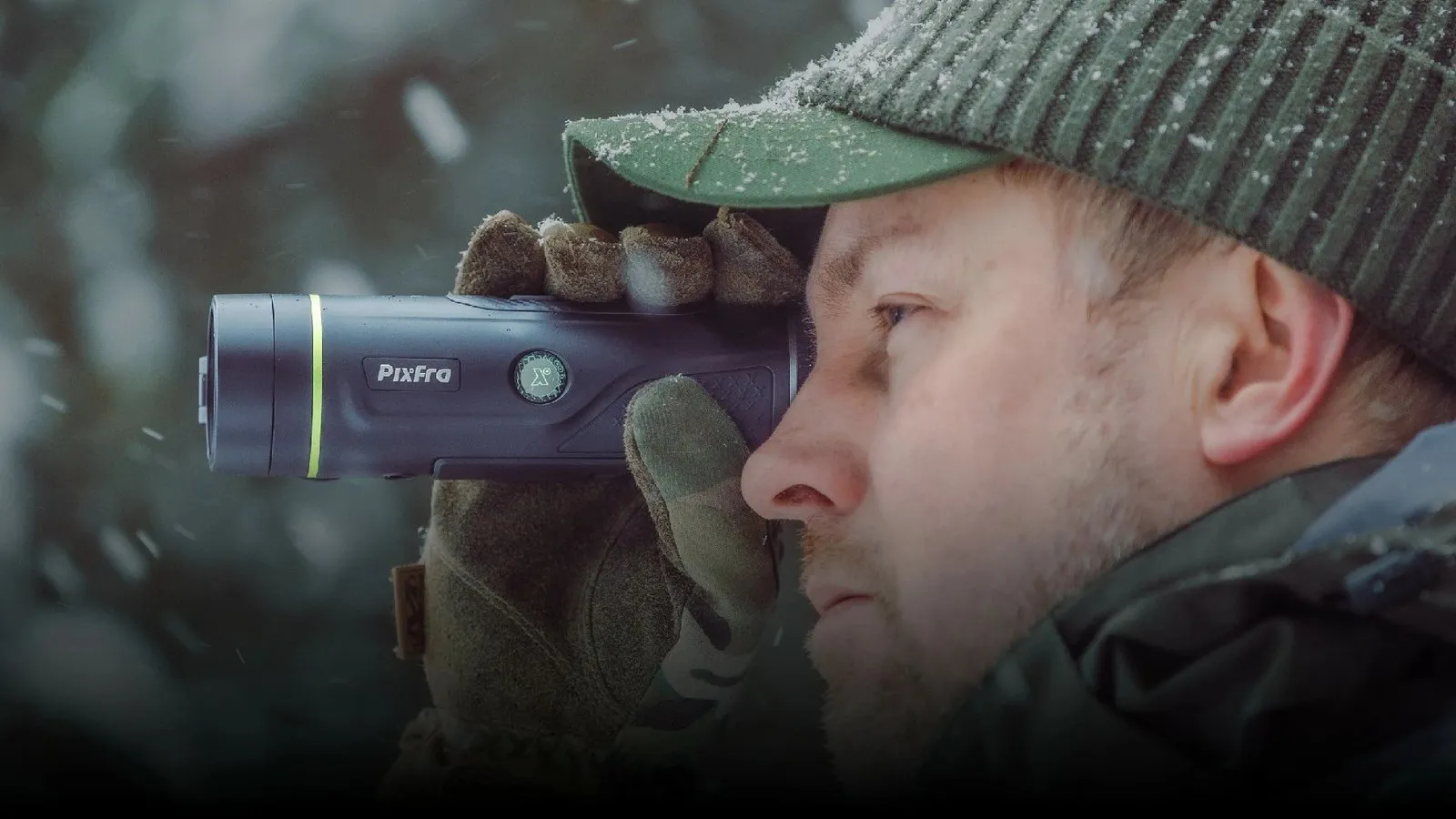
Stiklas, sienos ir vanduo nepraleidžia termovizoriaus fiksuojamos infraraudonosios spinduliuotės, o rūkas, lietus ir dūmai ją sugeria bei išsklaido. Sužinokite, ką iš tiesų matote ir kaip stebėti aplink šias kliūtis.
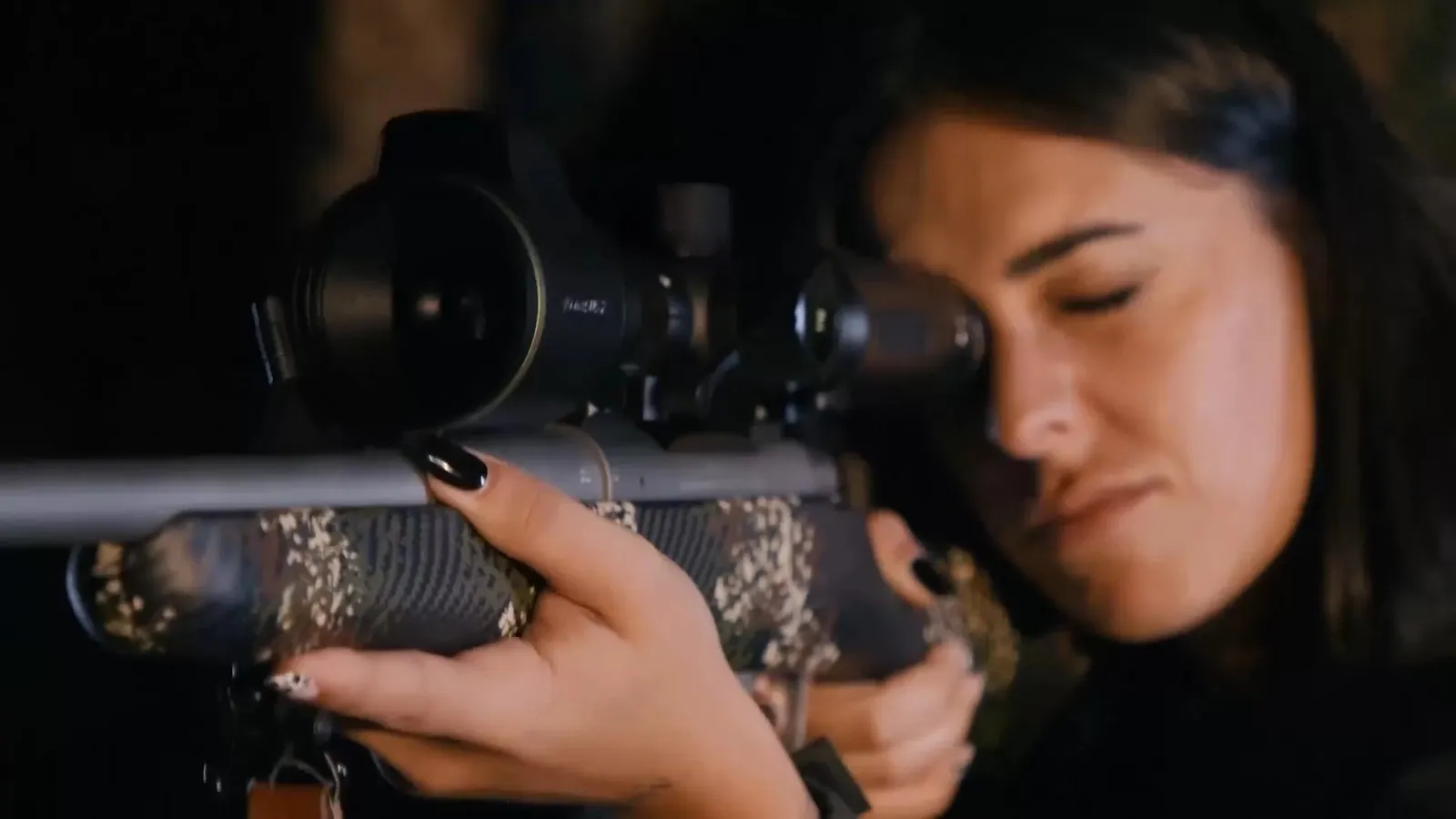
Ką gali termovizinis taikiklis su LRF – nuo lazerinio atstumo matavimo iki balistinių skaičiavimų. Šias funkcijas turi dvi „Pixfra“ serijos: „Pegasus 2 LRF“ ir „Chiron LRF“.
When someone goes missing in dense forest, heavy fog, or total darkness, every second counts. The best thermal devices for search and rescue operations give your team the ability to detect body heat through smoke, rain, foliage, and zero-light conditions — turning invisible heat signatures into clear, actionable images that save lives. At Pixfra, we build thermal monoculars, thermal scopes, thermal front attachments, and multispectral binoculars for exactly these kinds of high-stakes, real-world conditions. How Thermal Imaging Works in Search and Rescue Thermal imaging isn’t new to SAR teams, but the tech behind it has changed dramatically. Thermal imaging is deceptively simple yet profoundly effective. Unlike traditional cameras that capture visible light, thermal imagers detect infrared radiation — the heat emitted by all objects above absolute zero. An electronic sensor (thermal sensor, also known as a microbolometer) translates temperature differences between various surfaces into a visible image, displayed on a screen. That means your thermal device doesn’t need moonlight, flashlights, or any ambient light to work. The most critical advantage of thermal imaging is its ability to penetrate smoke and darkness. Unlike night-vision cameras that require and amplify existing light, thermal imagers operate in zero-light and can cut through smoke, haze, and fog. For SAR teams working wildfire zones, collapsed buildings, or backcountry wilderness at 3 AM, that advantage is the difference between finding someone and walking right past them. The use of thermal imaging cameras for search and rescue offers several real advantages: rapid identification of individuals (significantly reducing search times), enhanced situational awareness (helping teams assess surroundings and avoid hazards), non-intrusive searching (detecting heat without disturbing the environment), and increased success rates in locating missing persons. And this tech keeps getting more accessible. Handheld thermal imaging devices that can be purchased over the counter today make the early-2010s
If you run a farm or ranch, you already know that losing even a handful of calves or lambs to predators can wipe out your margins for the season. And most of that damage happens at night, when you’re blind to it. We built this case study at Pixfra to show you — with real numbers — how a thermal monocular pays for itself on a working farm, often in just one season. Why Farmers Need Thermal Imaging Now Thermal monoculars used to be gear only military operators and big-budget hunters could afford. That’s not the case anymore. As thermal technology becomes more affordable and accessible, more people are discovering just how useful these tools are in everyday life. And farms are one of the places where they make the biggest financial dent. Farmers and ranchers have dozens of uses for thermal monoculars that save time and prevent losses. You can check on animals at night without disturbing the herd, spot a cow that’s separated from the group, or find one lying down when she shouldn’t be. You can scan fence lines for breaks, catch trespassers before they steal equipment, and spot coyotes stalking your calving pasture — all without a flashlight that gives your position away. Farmers use them to monitor livestock at night or detect predators around barns and fields. If you’ve been looking at the top features in the best thermal devices for 2026, you already know how much the technology has improved. Sensor resolution that used to cost $5,000+ is now in mid-range devices. NETD sensitivity has gotten sharp enough to pick up a sick calf’s fever from across a pasture. The gear has caught up with what farmers actually need — and the ROI case has never been stronger. The Cost of Doing Nothing: Predator
Palyginkite termovizinių taikiklių baterijų veikimo laiką, pasirinkite savo modeliui tinkamas atsargines baterijas ir pasiruoškite išvykai šaltu oru.
Pixfra Mile 3, Mile 2 ir Arc LRF: palyginkite atitinkamus 25 mm modelius pagal detektorių, NETD, matymo lauką, fokusavimą, baterijos duomenis, svorį ir lazerinį atstumo matavimą.
Stiklas, sienos ir vanduo nepraleidžia termovizoriaus fiksuojamos infraraudonosios spinduliuotės, o rūkas, lietus ir dūmai ją sugeria bei išsklaido. Sužinokite, ką iš tiesų matote ir kaip stebėti aplink šias kliūtis.
Ką gali termovizinis taikiklis su LRF – nuo lazerinio atstumo matavimo iki balistinių skaičiavimų. Šias funkcijas turi dvi „Pixfra“ serijos: „Pegasus 2 LRF“ ir „Chiron LRF“.
When someone goes missing in dense forest, heavy fog, or total darkness, every second counts. The best thermal devices for search and rescue operations give your team the ability to detect body heat through smoke, rain, foliage, and zero-light conditions — turning invisible heat signatures into clear, actionable images that save lives. At Pixfra, we build thermal monoculars, thermal scopes, thermal front attachments, and multispectral binoculars for exactly these kinds of high-stakes, real-world conditions. How Thermal Imaging Works in Search and Rescue Thermal imaging isn’t new to SAR teams, but the tech behind it has changed dramatically. Thermal imaging is deceptively simple yet profoundly effective. Unlike traditional cameras that capture visible light, thermal imagers detect infrared radiation — the heat emitted by all objects above absolute zero. An electronic sensor (thermal sensor, also known as a microbolometer) translates temperature differences between various surfaces into a visible image, displayed on a screen. That means your thermal device doesn’t need moonlight, flashlights, or any ambient light to work. The most critical advantage of thermal imaging is its ability to penetrate smoke and darkness. Unlike night-vision cameras that require and amplify existing light, thermal imagers operate in zero-light and can cut through smoke, haze, and fog. For SAR teams working wildfire zones, collapsed buildings, or backcountry wilderness at 3 AM, that advantage is the difference between finding someone and walking right past them. The use of thermal imaging cameras for search and rescue offers several real advantages: rapid identification of individuals (significantly reducing search times), enhanced situational awareness (helping teams assess surroundings and avoid hazards), non-intrusive searching (detecting heat without disturbing the environment), and increased success rates in locating missing persons. And this tech keeps getting more accessible. Handheld thermal imaging devices that can be purchased over the counter today make the early-2010s
If you run a farm or ranch, you already know that losing even a handful of calves or lambs to predators can wipe out your margins for the season. And most of that damage happens at night, when you’re blind to it. We built this case study at Pixfra to show you — with real numbers — how a thermal monocular pays for itself on a working farm, often in just one season. Why Farmers Need Thermal Imaging Now Thermal monoculars used to be gear only military operators and big-budget hunters could afford. That’s not the case anymore. As thermal technology becomes more affordable and accessible, more people are discovering just how useful these tools are in everyday life. And farms are one of the places where they make the biggest financial dent. Farmers and ranchers have dozens of uses for thermal monoculars that save time and prevent losses. You can check on animals at night without disturbing the herd, spot a cow that’s separated from the group, or find one lying down when she shouldn’t be. You can scan fence lines for breaks, catch trespassers before they steal equipment, and spot coyotes stalking your calving pasture — all without a flashlight that gives your position away. Farmers use them to monitor livestock at night or detect predators around barns and fields. If you’ve been looking at the top features in the best thermal devices for 2026, you already know how much the technology has improved. Sensor resolution that used to cost $5,000+ is now in mid-range devices. NETD sensitivity has gotten sharp enough to pick up a sick calf’s fever from across a pasture. The gear has caught up with what farmers actually need — and the ROI case has never been stronger. The Cost of Doing Nothing: Predator