Laws about hunting may be quite different in various states, so it’s important to know them before you want to hunt. Coyotes demonstrate remarkable nocturnal adaptations enabling efficient hunting during darkness, with specialized sensory capabilities providing significant advantages over daylight operations. These evolutionary adaptations create distinctive behavioral patterns European wildlife managers must understand when implementing effective management strategies throughout expanding European territories where these adaptable predators increasingly establish populations.
Visual adaptations represent the most obvious nocturnal specialization, with coyote retinal structure featuring significantly higher rod:cone ratios compared to diurnal predators. The European Wildlife Biology Institute explains:
“Histological examination demonstrates coyote retinal tissue containing approximately 70-80% rod photoreceptors compared to 20-30% in predominantly diurnal canids, creating light sensitivity approximately 250× greater than human vision—enabling effective visual hunting during illumination conditions as low as 0.0001 lux equivalent to starlight under partial cloud cover.”
This extraordinary light sensitivity combines with specialized tapetum lucidum—reflective layer behind the retina effectively doubling available light by reflecting photons back through photoreceptor cells. Anatomical studies document coyote tapetum approximately 35% larger than domestic canids, with specialized cellular structure optimized for wavelengths dominant during twilight and moonlight conditions common throughout European habitats.
Auditory capabilities show similar nocturnal specialization, with coyotes detecting small rodent movement sounds at distances exceeding 50 meters under ideal conditions. Research conducted throughout European territories documents consistent ability isolating prey-generated sounds within 2-3 degrees directional accuracy—enabling precise movement toward concealed prey despite complete visual obscuration by vegetation or terrain features common throughout complex European landscapes.
Olfactory sensitivity demonstrates perhaps the most remarkable nocturnal adaptation, with scent detection capabilities approximately 100× greater than human perception. European predator researchers document consistent ability tracking prey across varied terrain utilizing scent trails 8-12+ hours old depending on environmental conditions—capability particularly valuable during complete darkness when visual hunting becomes impractical even with specialized night vision adaptations.
Coyote movement demonstrates distinct nocturnal patterns differing significantly from daylight behavior, with specialized travel strategies optimized for darkness conditions. Understanding these movement characteristics proves essential for European wildlife managers implementing effective observation and management programs throughout territories experiencing expanding coyote populations.
Territory utilization shifts dramatically between daylight and darkness periods, with GPS tracking studies conducted across European habitats documenting approximately 3.5× greater territory coverage during nocturnal periods compared to daylight activity. The European Predator Research Institute reports:
“Comparative movement analysis demonstrates average coyote travel distances increasing from 2.8 kilometers during daylight hours to 9.7 kilometers during complete darkness, with territorial coverage expanding proportionally through distinctive travel corridors optimized for concealment and prey density rather than energy efficiency prioritized during limited daylight movement.”
This expanded nocturnal territory creates important management implications, with individual coyotes potentially impacting significantly larger areas during darkness compared to daylight periods. European wildlife managers must account for this expanded impact radius when implementing management strategies based on territory calculations derived exclusively from daylight observation data that significantly underestimate actual territorial influence.
Travel corridor selection shows specialized nocturnal characteristics, with darkness movement preferentially following terrain features providing concealment advantages despite less efficient travel routes compared to direct paths typically selected during daylight periods. Research conducted throughout Central European agricultural landscapes documents consistent preference for hedgerow systems, drainage ditches, and woodland edges during nocturnal movement—creating predictable travel patterns when these landscape features are properly identified through comprehensive habitat analysis.
Speed variations demonstrate distinctive nocturnal patterns, with movement characterized by intermittent high-speed travel segments interspersed with stationary hunting periods rather than the consistent moderate-speed movement typical during daylight. Tracking data shows nocturnal speed alternating between complete immobility during 15-30 minute hunting periods and rapid movement exceeding 20 km/h during territory transition phases—creating challenging observation conditions requiring advanced technology capable of detecting both stationary concealed subjects and rapid movement across extended distances.
The Pixfra Sirius thermal monocular provides ideal capability for documenting these complex nocturnal movement patterns, with advanced detection range exceeding 1,300 meters for coyote-sized subjects combined with rapid target acquisition functionality critical for monitoring unpredictable high-speed movement segments. This technology enables comprehensive documentation of complete behavioral patterns impossible with conventional observation methods limited by human visual capability during darkness conditions.
Coyotes employ specialized nocturnal hunting techniques significantly different from daylight strategies, with darkness tactics optimized for their sensory advantages rather than adaptations of diurnal approaches. These specialized methods demonstrate remarkable effectiveness through evolutionary refinement specifically addressing nocturnal conditions.
Ambush hunting represents the primary nocturnal strategy, with coyotes utilizing terrain features and vegetation providing concealment while remaining motionless for extended periods awaiting prey movement within strike range. The European Wildlife Management Institute documents:
“Observational studies utilizing thermal imaging technology record average ambush periods lasting 22-37 minutes, with complete immobility maintained throughout observation despite environmental disturbances including wind, precipitation, and non-target wildlife movement—demonstrating extraordinary patience exceeding typical predator behavior documented among European native species.”
This ambush approach proves particularly effective for rodent predation, with success rates approximately 35-45% compared to 15-20% during active hunting strategies—creating strong selection pressure favoring this technique during darkness periods when prey detection capabilities favor stationary observation rather than active pursuit common during daylight hunting.
Cooperative hunting emerges during nocturnal periods despite coyotes’ reputation as predominantly solitary hunters, with darkness strategies frequently involving coordinated tactics between 2-3 individuals particularly when pursuing larger prey. Research throughout European territories documents cooperative techniques including drive hunting where individuals systematically push prey toward concealed partners, relay pursuit maintaining constant pressure despite individual fatigue, and specialized ambush positioning creating inescapable containment zones—sophisticated coordination impossible to document through conventional observation methods limited by human visual capability during darkness.
Hunting location selection demonstrates specialized nocturnal characteristics, with darkness operations concentrated in open agricultural areas despite predominantly woodland daytime habitat preference. This location shift reflects optimal sensory advantage utilization, with open areas providing maximum effectiveness for specialized night vision capabilities while minimizing advantages prey species might maintain in complex visual environments. European tracking studies document approximately 70% of successful nocturnal hunting events occurring in agricultural fields, pastures, and meadows compared to only 35% of daylight successes in similar habitats.
The following table summarizes key differences between daylight and nocturnal hunting strategies:
Hunting Aspect Daylight Strategy Nocturnal Strategy Adaptive Significance
Primary Technique Active Pursuit Ambush Predation Optimizes Sensory Advantages
Location Preference Woodland/Edge Open Agricultural Maximizes Visual Capability
Coordination Level Primarily Solitary Often Cooperative Increases Success Rate
Duration Brief Active Periods Extended Patience Adapts to Prey Availability
Success Rate 15-20% 35-45% Demonstrates Adaptive Value
Nocturnal hunting periods demonstrate distinctive prey selection patterns compared to daylight operations, with darkness activity focusing on specific species categories optimally hunted using specialized sensory capabilities. These selection patterns create important management implications throughout European territories experiencing increasing coyote populations.
Rodent species constitute approximately 65-75% of nocturnal prey acquisition compared to 30-40% during daylight periods, with European vole species (Microtus spp.) particularly represented throughout recovered stomach content analysis. The European Predator Diet Research Program explains:
“Comparative scat analysis from 340 samples collected throughout Central European territories demonstrates rodent representation increasing approximately 250% during nocturnal hunting periods compared to daylight samples, with frequency analysis indicating intentional targeting rather than opportunistic acquisition based on specialized hunting techniques documented through field observation.”
This concentration on rodent predation creates significant agricultural benefit potentially offsetting damage concerns, with individual coyotes documented consuming 1,500-2,000 rodents annually throughout European agricultural territories—substantial pest management contribution often overlooked during predator impact assessment focused exclusively on negative interactions with game species or livestock.
Lagomorph predation shows specialized nocturnal characteristics, with darkness hunting focusing on European rabbit (Oryctolagus cuniculus) and European hare (Lepus europaeus) utilizing different techniques than daylight pursuit. Nocturnal lagomorph hunting predominantly employs ambush tactics along established travel corridors rather than active pursuit common during daylight periods—creating higher success rates approximately 35-40% compared to 15-25% during daylight pursuit despite reduced encounter frequency.
Ground nesting birds demonstrate seasonal vulnerability to nocturnal predation particularly during spring nesting periods, with research throughout European territories documenting specialized hunting techniques specifically targeting ground nests during darkness periods when adult birds demonstrate reduced defensive capability. This seasonal predation creates important management considerations for conservation programs focused on ground nesting species throughout territories experiencing expanding coyote populations.
Thermal imaging technology provides revolutionary capability for documenting these nocturnal predator-prey interactions impossible to observe through conventional methods. The Pixfra Vulcan thermal scope enables comprehensive documentation of complete hunting sequences including initial detection, specialized approach techniques, and capture events—critical research capability for European wildlife managers developing effective conservation strategies throughout territories where these adaptable predators increasingly establish populations.
Coyote nocturnal behavior demonstrates significant seasonal variations throughout European territories, with distinctive patterns emerging across different annual periods based on prey availability, reproductive status, and environmental conditions. Understanding these seasonal variations proves essential for implementing effective management strategies throughout the annual cycle.
Winter periods (December-February) demonstrate peak nocturnal activity throughout European territories, with darkness activity increasing approximately 65-80% compared to daylight operations. The European Wildlife Tracking Project reports:
“GPS collar data analysis from 42 monitored adult coyotes throughout Central European territories demonstrates average winter nocturnal movement distances increasing to 12.3 kilometers compared to 3.1 kilometers during daylight hours—representing approximately 80% of total winter activity occurring during darkness periods regardless of territory characteristics or individual variations.”
This winter nocturnal concentration stems from multiple factors including increased caloric requirements during cold periods, reduced human disturbance during darkness, and improved hunting efficiency for rodent prey moving beneath snow cover detectable through specialized auditory capability rather than visual identification. European wildlife managers should emphasize winter nocturnal monitoring when assessing population dynamics, territory utilization, and predation impacts throughout managed territories.
Spring periods (March-May) demonstrate specialized nocturnal patterns associated with reproductive behavior, with distinctive territory utilization focusing activity near den sites during pup-rearing phases. Nocturnal hunting during this period shows significant strategy modification, with shorter hunting excursions averaging 3.5-5.8 kilometers radiating from den locations rather than extended territory patrolling common during non-reproductive periods—creating predictable activity patterns when den locations are properly identified through comprehensive habitat analysis.
Summer periods (June-August) demonstrate most balanced activity distribution between daylight and darkness operations, with nocturnal activity representing approximately 55-65% of total movement compared to 75-85% during winter periods. This more balanced distribution reflects extended daylight periods, increased prey availability reducing required hunting time, and juvenile dispersal behavior occurring across both daylight and darkness periods—creating the most challenging seasonal period for effective population monitoring requiring both diurnal and nocturnal observation capability.
Autumn periods (September-November) demonstrate transitional patterns gradually increasing nocturnal concentration as winter approaches, with darkness activity progressively expanding through extended hunting excursions preparing for winter food scarcity. European tracking studies document average nocturnal movement distances increasing from approximately 6.3 kilometers in early September to 10.5 kilometers by late November—representing critical pre-winter territorial assessment period when dominant individuals establish priority access to optimal hunting territories before winter food limitations create significant competitive pressure.
Coyotes demonstrate remarkable nocturnal adaptations enabling efficient hunting during darkness, with specialized sensory capabilities including enhanced night vision, extraordinary auditory precision, and exceptional olfactory sensitivity providing significant advantages over daylight operations. These evolutionary adaptations create distinctive behavioral patterns European wildlife managers must understand when implementing effective management strategies throughout expanding European territories.
Nocturnal movement patterns differ significantly from daylight behavior, with GPS tracking studies documenting approximately 3.5× greater territory coverage during darkness periods through distinctive travel corridors optimized for concealment and prey density. This expanded nocturnal territory creates important management implications, with individual coyotes potentially impacting significantly larger areas during darkness compared to daylight periods—requiring comprehensive monitoring strategies accounting for this expanded influence radius.
Specialized hunting techniques emerge during nocturnal periods, with ambush predation representing the primary darkness strategy compared to active pursuit common during daylight operations. This methodological shift optimizes sensory advantages while demonstrating success rates approximately 35-45% compared to 15-20% during active hunting strategies—creating strong selection pressure favoring specialized nocturnal hunting behavior throughout European territories offering suitable habitat conditions.
Prey selection demonstrates distinctive nocturnal patterns, with rodent species constituting approximately 65-75% of darkness prey acquisition compared to 30-40% during daylight periods. This concentration creates significant agricultural benefit potentially offsetting damage concerns, with individual coyotes documented consuming 1,500-2,000 rodents annually throughout European agricultural territories—substantial pest management contribution often overlooked during predator impact assessment.
Seasonal variations significantly influence nocturnal behavior, with winter periods demonstrating peak darkness activity representing approximately 80% of total movement during December-February throughout Central European territories. These seasonal patterns create important management implications, requiring adaptive strategies addressing distinctive behavioral characteristics emerging across different annual periods throughout European landscapes experiencing expanding coyote populations.
Advanced thermal imaging technology provides revolutionary capability for documenting these complex nocturnal behaviors impossible to observe through conventional methods limited by human visual capability during darkness conditions. This technology enables comprehensive behavioral documentation creating foundation for effective management strategies based on complete behavioral understanding rather than limited daylight observations providing only partial insight into these highly adaptable predators.
If you’re interested in exploring how Pixfra’s advanced thermal imaging solutions can enhance nocturnal wildlife observation and management capabilities throughout European territories, our European specialists are available to provide detailed information and territory-specific guidance. From the versatile Sirius thermal monocular ideal for mobile field research to the high-resolution Vulcan thermal scope providing comprehensive documentation capability, Pixfra offers complete thermal solutions engineered specifically for European wildlife applications.
Skontaktuj się już dziś z naszymi specjalistami ds. rynku europejskiego pod adresem info@pixfra.com lub odwiedź stronę pixfra.com, aby zapoznać się z pełną ofertą naszych produktów i dowiedzieć się więcej o tym, jak zostać partnerem dystrybucyjnym Pixfra w swoim regionie. Nasz zespół udzieli wyczerpujących informacji na temat naszej europejskiej infrastruktury serwisowej, specyfikacji technicznych oraz wskazówek dotyczących zastosowań w terenie, zapewniając optymalne wdrożenie rozwiązań termowizyjnych Pixfra w różnorodnych europejskich ekosystemach.
Kiedy znajdujesz się w całkowitej ciemności – niezależnie od tego, czy śledzisz dzikie zwierzęta, zabezpieczasz teren, czy też odkrywasz nieznane obszary – potrzebujesz technologii termowizyjnej, która Cię nie zawiedzie. Właśnie taką technologię stworzyliśmy w modelu Monokular termowizyjny Sirius HD 1280 – przełomowe urządzenie, które zapewnia profesjonalną detekcję termiczną na wyciągnięcie ręki.
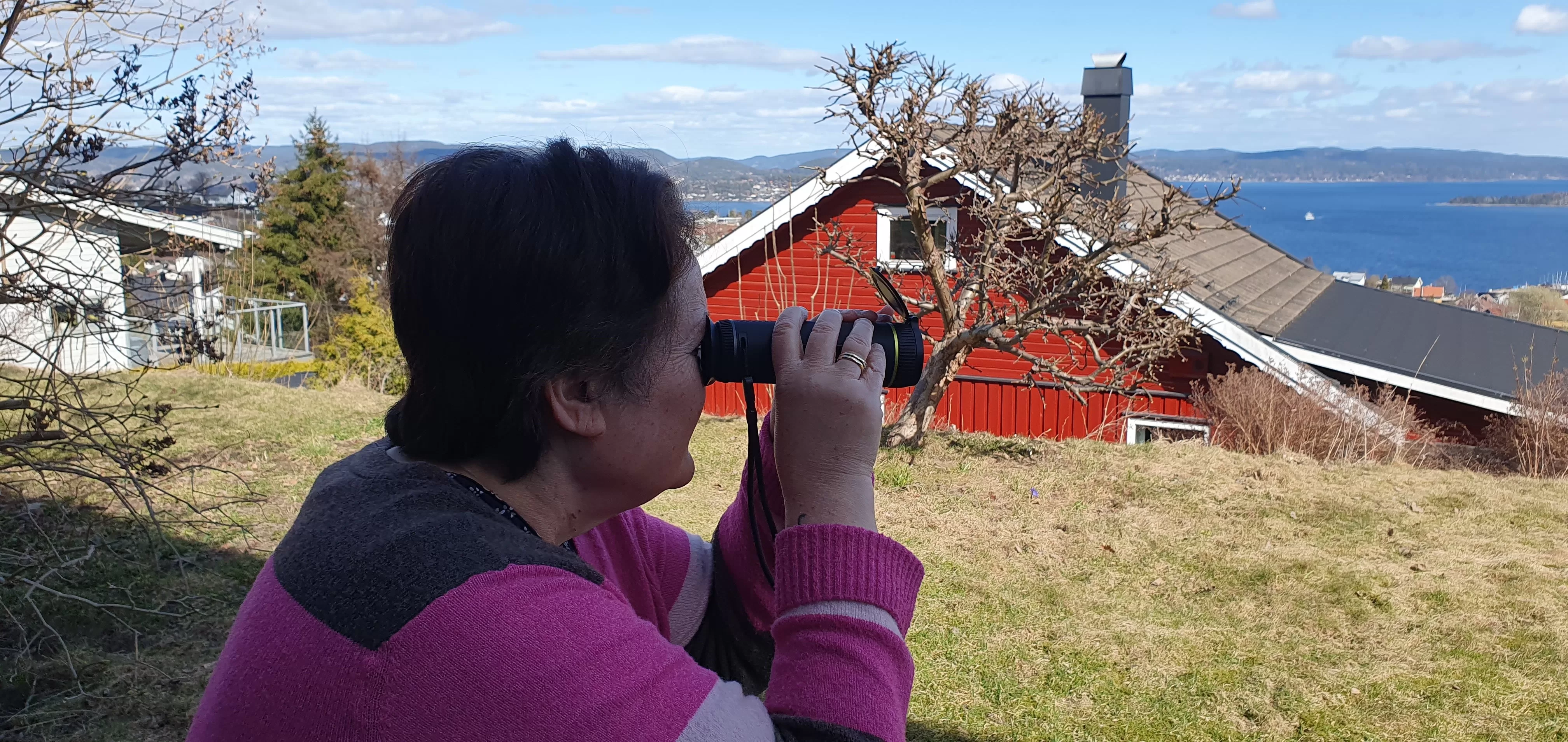 ?
?Seria Sirius HD to nowa era precyzyjnego wykrywania – i nie mówimy tego tylko po to, żeby brzmieć imponująco. Ten monokular termowizyjny łączy w sobie zaawansowaną technologię z wytrzymałą, przenośną konstrukcją, dzięki czemu można go faktycznie używać w rzeczywistych warunkach.
Sercem tego urządzenia jest Czujnik termiczny HD 1280×1024 – to wyższa rozdzielczość niż w przypadku większości urządzeń termowizyjnych tej klasy. Jeśli połączymy to z naszym Czułość NETD wynosząca 18 mK, uzyskasz obrazy termiczne tak wyraźne i szczegółowe, że zaczniesz się zastanawiać, jak dotąd radziłeś sobie bez nich. Niezależnie od tego, czy przeszukujesz gęsty las w poszukiwaniu dzikich zwierząt, czy monitorujesz rozległe otwarte tereny w celach bezpieczeństwa, każdy ślad cieplny jest widoczny z niezwykłą wyrazistością.
Ten niechłodzony detektor w płaszczyźnie ogniskowej z tlenkiem wanadu działa w zakresie spektralnym od 8 μm do 14 μm, co oznacza, że rejestruje pełne spektrum promieniowania cieplnego istotnego dla wykrywania w rzeczywistych warunkach. Nie kupujesz tylko urządzenia termowizyjnego – otrzymujesz precyzyjny przyrząd, który ujawnia to, czego nie widzą Twoje oczy.
W tym miejscu sprawa staje się naprawdę interesująca. Opracowaliśmy PIPS 2.0 (nasz ulepszony algorytm przetwarzania obrazu), który ma na celu zapewnienie, że Twoje obrazy termiczne będą lepsze niż jakiekolwiek, jakie dotychczas widziałeś. To nie tylko marketingowe slogany – ta technologia faktycznie optymalizuje sposób, w jaki postrzegasz świat termiczny.
PIPS 2.0 obsługuje optymalizacja zoomu elektronicznego, co oznacza, że podczas powiększania odległych obiektów obraz pozostaje ostry i nadający się do wykorzystania. To technologia redukcji szumów eliminuje ziarniste, zakłócone obrazy, które są zmorą tańszych urządzeń termowizyjnych. Stabilność obrazu gwarantuje, że obraz pozostaje stabilny, nawet gdy jesteś w ruchu lub występują wibracje. A poprawa szczegółowości uwidacznia subtelne wzory rozkładu ciepła, które inne urządzenia mogą całkowicie przeoczyć.
Co to oznacza dla Ciebie? Otrzymujesz zdjęcia termowizyjne, które są nie tylko funkcjonalne, ale także naprawdę przydatne przy podejmowaniu kluczowych decyzji w terenie.
Jedną z najfajniejszych funkcji tego Model PFI-SA70D czyli jego adaptacyjny system obiektywów o podwójnym polu widzenia 35 mm–70 mm. Pomyśl o tym jak o dwóch urządzeniach termowizyjnych w jednym – możesz płynnie przełączać się między skanowaniem szerokiego obszaru a szczegółową obserwacją celu bez utraty ani chwili.
Ten Ustawienie 35 mm zapewnia szeroki 25,4° poziome pole widzenia, idealny do przeglądania dużych obszarów i uzyskania ogólnego obrazu sytuacji. Gdy zauważysz coś interesującego, przejdź do Ustawienie 70 mm aby uzyskać węższy Pole widzenia 12,4° która pozwala zbliżyć odległe cele dzięki Powiększenie 2,41×.
Same soczewki zostały zaprojektowane z wykorzystaniem niepowtarzalne faktury które pozwalają szybko rozróżniać poszczególne ustawienia, nawet w całkowitej ciemności, gdy obsługujesz urządzenie na wyczucie. Te Model SA70D zawiera regulowana przysłona w zakresie od F0,9 do F1,1, optymalizując dopływ światła w różnych warunkach i zapewniając niezmiennie wysoką jakość zdjęć, niezależnie od tego, czy masz do czynienia z ekstremalnym zimnem, czy upałem.
Oto, co wyróżnia Sirius HD na tle konkurencji: zasięg wykrywania do 3600 metrów. Nie chodzi tu jednak o to, by ledwo zorientować się, że gdzieś tam może być coś ciepłego – chodzi o praktyczne wykrywanie, które pomaga podejmować konkretne decyzje.
Ten Model PFI-SA50 dostarcza Zasięg wykrywania 2600 m z jego Obiektyw 50 mm, podczas gdy PFI-SA70D przenosi to do 3600 m z jego Ustawienie 70 mm. Niezależnie od tego, czy skanujesz pola, lasy, pustynie czy łąki, zyskujesz zasięg niezbędny do poważnych eksploracji i monitoringu.
Nie chodzi tu tylko o to, by widzieć daleko – chodzi o to, by widzieć wyraźnie z daleka. Połączenie Czujnik HD, Przetwarzanie w systemie PIPS 2.0, oraz optyka precyzyjna oznacza, że wykrywanie obiektów z dużej odległości jest rzeczywiście przydatne, a nie tylko imponującymi liczbami w specyfikacji technicznej.
Musisz zobaczyć, co wykrywasz, i właśnie w tym pomaga nasze Wyświetlacz OLED o przekątnej 0,49 cala z Rozdzielczość 1920×1080 wchodzi do akcji. To nie jest jakiś malutki, trudny do odczytania ekran – to ogromny wyświetlacz, który ożywia obrazy termiczne, zapewniając ich żywą wyrazistość.
Zamieściliśmy sześć palet kolorów (biały gorący, czarny gorący, żelazna czerwień, alarm, szmaragdowy i bursztynowy), ponieważ różne sytuacje wymagają różnych trybów wyświetlania. Funkcja śledzenia gorących punktów pomaga szybko zidentyfikować najcieplejsze miejsca w polu widzenia, podczas gdy Zoom cyfrowy 1×, 2×, 4× i 8× pozwala zbliżyć się do obiektów bez utraty jakości obrazu.
Ten wbudowana pamięć o pojemności 64 GB oznacza, że możesz nagrywać filmy i robić zdjęcia tego, co widzisz. To Funkcja hotspotu Wi-Fi umożliwia udostępnianie zdjęć termowizyjnych i filmów zespołowi lub przeglądanie ich później na większych urządzeniach.
Kiedy jesteś w terenie, ostatnią rzeczą, jakiej byś chciał, jest sprzęt, który ci zawiedzie. Sirius HD wykorzystuje wymienne baterie typu 18650 które zapewniają 4,5 godziny ciągłej pracy w temperaturze 25°C przy wyłączonym Wi-Fi. Prawdziwe baterie do prawdziwego użytku – bez żadnych niestandardowych sztuczek, które mogą cię pozostawić na lodzie.
Ten Stopień ochrony IP67 oznacza to, że to urządzenie poradzi sobie z wszystkim, co rzuca mu natura. Deszcz, kurz, błoto – Sirius HD nadal działa, gdy inne urządzenia się poddają. Działa w temperatury od -30 °C do +55 °C (od -22 °F do +131 °F), więc niezależnie od tego, czy masz do czynienia z arktycznymi warunkami, czy pustynnym upałem, twój monokular termowizyjny będzie działał bez zarzutu.
Ten monokular termowizyjny nie jest przeznaczony dla każdego – jest przeznaczony dla osób, które potrzebują naprawdę zaawansowanych funkcji wykrywania termicznego. Myśliwi wykorzystaj to do śledzenia zwierzyny w całkowitej ciemności, nie zakłócając jej naturalnych wzorców zachowań. Specjaliści ds. bezpieczeństwa wykorzystują to rozwiązanie do monitorowania obwodu i wykrywania zagrożeń. Badacze dzikiej przyrody wykorzystują tę metodę do nieinwazyjnej obserwacji zwierząt i badań populacyjnych.
Miłośnicy aktywności na świeżym powietrzu oraz odkrywcy Uważamy to za nieocenione narzędzie do nawigacji i zapewnienia bezpieczeństwa w trudnych warunkach. Organy ścigania wykorzystuje go do działań obserwacyjnych i poszukiwawczych. Jeśli potrzebujesz widzieć w ciemności lub wykrywać sygnatury cieplne z dużej odległości, Sirius HD zapewni Ci wydajność, której szukasz.
| Funkcja | PFI-SA50 | PFI-SA70D |
|---|---|---|
| Rozdzielczość czujnika | 1280×1024 | 1280×1024 |
| Czułość (NETD) | ≤18 mK | ≤18 mK |
| Ogniskowa | 50 mm | 35 mm/70 mm |
| Zasięg wykrywania | 2 600 m | 1 800 m/3 600 m |
| Pole widzenia | 17.2°×13.8° | 25.4°×20.3°/12.4°×10° |
| Waga | 544 g | 908 g |
Urządzenie Sirius HD może wykrywać cele wielkości człowieka z odległości do 3600 metrów (w przypadku modelu SA70D), jednak rzeczywisty zasięg wykrywania zależy od wielkości celu, różnicy temperatur oraz warunków otoczenia. Aby zapewnić niezawodną identyfikację, należy liczyć się z efektywnym zasięgiem wynoszącym 1000–2000 metrów w przypadku celów wielkości człowieka.
Model SA50 jest wyposażony w stały obiektyw 50 mm o zasięgu wykrywania 2600 m, natomiast model SA70D posiada dwa obiektywy o ogniskowych 35 mm i 70 mm, umożliwiające zarówno skanowanie szerokokątne (35 mm), jak i wykrywanie na dużą odległość (70 mm, zasięg 3600 m). Model SA70D jest cięższy, ale bardziej wszechstronny.
Przy wyłączonym Wi-Fi urządzenie będzie działać nieprzerwanie przez około 4,5 godziny w normalnych temperaturach. Niskie temperatury skracają czas pracy baterii, a funkcje takie jak Wi-Fi, nagrywanie i częste korzystanie z menu powodują szybsze zużycie energii. W przypadku dłuższych sesji zalecamy zabranie ze sobą zapasowych baterii typu 18650.
Tak, klasa ochrony IP67 oznacza, że urządzenie jest wodoodporne i pyłoszczelne, a zakres temperatur roboczych od -30°C do +55°C obejmuje większość rzeczywistych warunków. Urządzenie działa bez zarzutu w deszczu, śniegu i przy ekstremalnych upałach, w których inne urządzenia optyczne zawodzą.
Czujnik HD o rozdzielczości 1280×1024 w połączeniu z technologią przetwarzania PIPS 2.0 zapewnia znacznie ostrzejszy obraz niż standardowe urządzenia termowizyjne o rozdzielczości 384×288 lub 640×480. Zauważysz wyraźniejsze szczegóły, lepszy kontrast i więcej użytecznych obrazów z dużej odległości – różnica jest od razu widoczna.
Monokular termowizyjny Sirius HD 1280 stanowi najnowocześniejsze osiągnięcie w dziedzinie technologii termowizyjnej i został zaprojektowany z myślą o profesjonalistach oraz pasjonatach, którzy oczekują tego, co najlepsze. Nie zadowalaj się urządzeniami, które ledwo działają, gdy najbardziej ich potrzebujesz.
[Zapoznaj się z pełną ofertą serii Sirius HD i już dziś znajdź idealne rozwiązanie termiczne dla siebie] – bo gdy zapada zmrok, potrzebujesz technologii, która sprosta temu wyzwaniu.
Poznaj przyszłość detekcji termicznej dzięki Pixfra – gdzie innowacyjność łączy się z niezawodnością w każdym tworzonym przez nas urządzeniu.