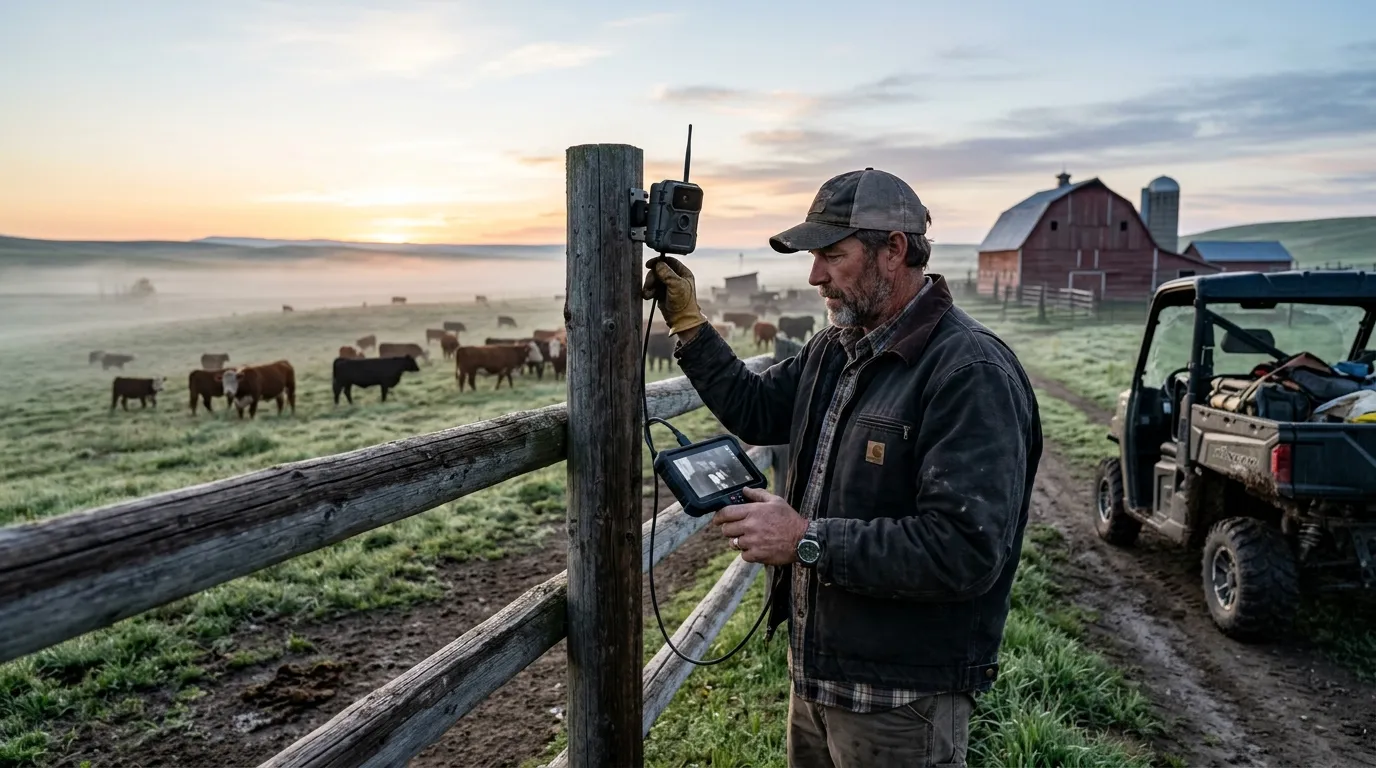









Case Study: How a Thermal Device Saved $5,000 in Energy Costs
Energy bills in the U.S. are climbing fast, and most homeowners have no idea where their money is actually going. We’re Pixfra — we build thermal monoculars, thermal scopes, and thermal front attachments for outdoor and professional use — and we’ve seen firsthand how thermal imaging changes the game when you point it at the right problem. The Hidden Energy Problem Most Homeowners Miss Here’s something that catches people off guard: the average American household now spends roughly $163 per month on electricity alone. The average monthly electric bill in the U.S. is $163 as of June 2026, based on an average residential electricity rate of 18.05¢/kWh and average monthly consumption of 903 kWh. And that number has been on a steep upward curve. The average American electric bill has risen 26% over five years — from $129/month in 2022 to $163/month in 2026. When you layer in gas and water costs, the average U.S. household utility bill is $610 per month. Those numbers add up to thousands of dollars every year — and a big chunk of it is wasted energy you never even see leaving your home. So where does all that wasted energy go? Through your walls, your windows, your attic, and every tiny gap and crack you didn’t know existed. Heat loss can account for up to 50% of total energy consumption in a building with causes ranging from air leakage through chimneys, attics and wall vents to badly sealed doorways and failing argon gas windows to missing insulation. The thing is, you can’t feel a cold spot behind a wall or see warm air slipping through a gap in your attic floor. That’s where a thermal device steps in. At Pixfra, we’ve built our reputation on proprietary heat-detection technology that picks up minute temperature differences