
How to use our product

Our Local Partner Program (LPP) has been meticulously designed to provide robust support to our most esteemed partners in the local market.

Become a Dealer

Our Local Partner Program (LPP) has been meticulously designed to provide robust support to our most esteemed partners in the local market.

编组 26备份

Are Thermal Monoculars Legal?

The legality of thermal monoculars varies significantly across European jurisdictions, with regulations typically structured around intended use cases rather than the technology itself. This nuanced regulatory approach creates a complex landscape for both users and distributors of the best thermal imaging monoculars. In most European countries, the possession of thermal monoculars as observation devices is generally permitted for civilians, but specific use cases—particularly hunting applications—may be subject to additional regulations or restrictions. The European regulatory framework typically distinguishes between thermal devices designed primarily for observation (such as handheld thermal monoculars) and those specifically engineered for weapons mounting (thermal riflescopes). The Pixfra Mile 2 Series thermal monocular, for instance, is designed as a dedicated observation platform without weapon mounting interfaces, positioning it differently in regulatory classifications compared to purpose-built thermal weapon sights. This regulatory distinction is reflected in the European Commission’s dual-use goods framework, which categorizes thermal imaging equipment based on technical specifications and intended applications. According to the European Union Exports Control Regulation (EC) No 428/2009: “Thermal imaging equipment falls under varying levels of regulatory oversight depending on technical specifications, intended use, and country-specific implementation of EU directives.” Understanding these distinctions is essential for legal compliance across European markets, particularly for distributors and commercial users of thermal imaging technology. Country Regulations Thermal monocular regulations vary significantly across major European hunting markets, reflecting different approaches to wildlife management, hunting traditions, and security considerations. This regulatory diversity necessitates country-specific compliance strategies for both users and distributors. France implements a relatively permissive approach to thermal observation devices, with thermal monoculars like the Pixfra Mile 2 Series generally permitted for civilian ownership and use in observation applications. However, the use of thermal imaging for hunting activities is more strictly regulated, with the French Environmental Code generally prohibiting thermal devices for hunting except under specific
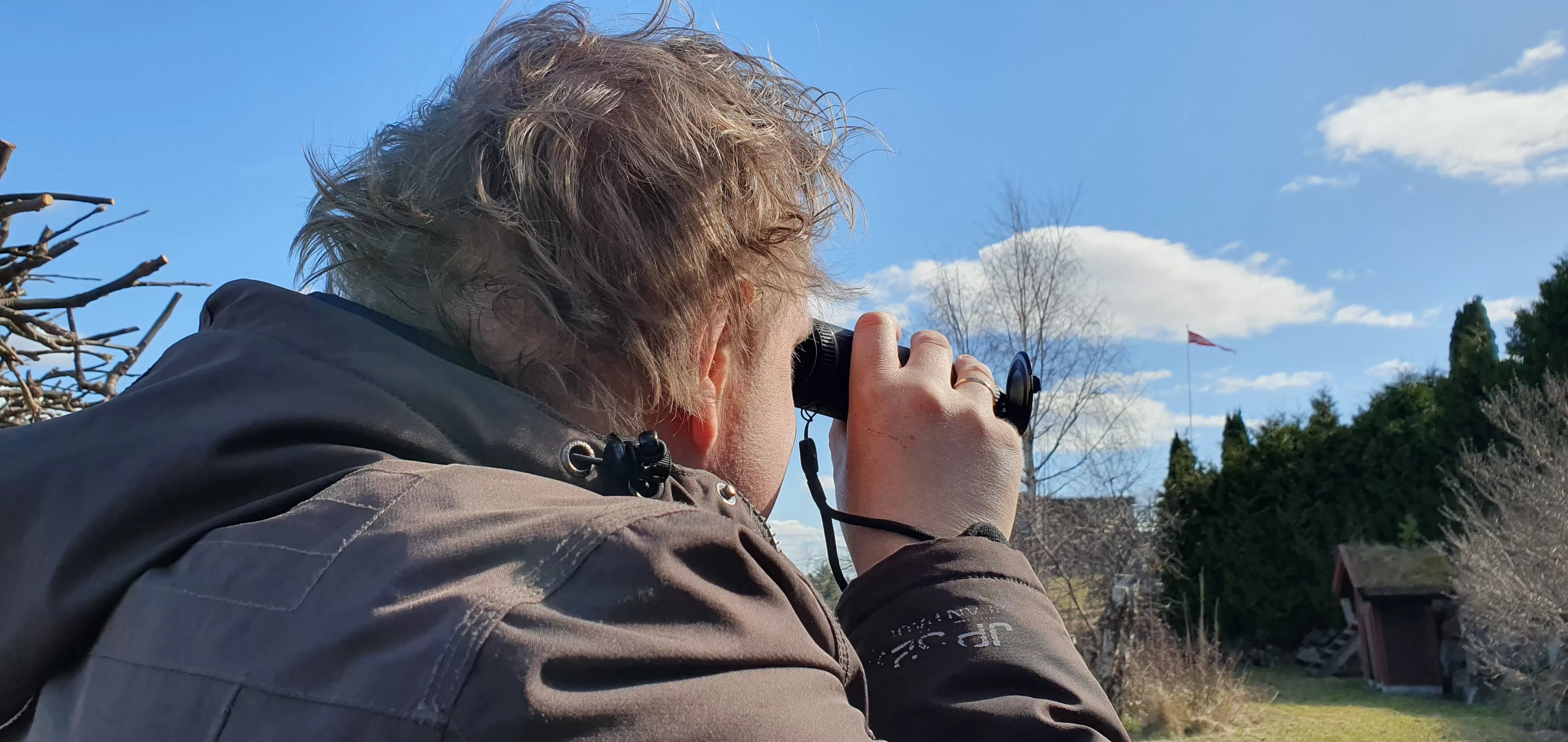

Best Thermal Imaging Monoculars for European Hunting

The foundation of any premium thermal imaging monocular lies in its sensor technology, which directly determines detection capability, image quality, and overall performance. Modern thermal monoculars utilize uncooled microbolometer arrays, with significant performance differences emerging based on resolution, pixel pitch, and thermal sensitivity.Unlike tranditional night vision,which relies on amplifying ambient light,thermal imaging detects infrared radiation emitted by objects themselves. Resolution represents the most immediately apparent specification, with current market offerings ranging from entry-level 256×192 sensors to premium 640×512 arrays. The difference between these resolutions becomes particularly significant at extended distances, where higher resolution sensors provide substantially more detail for positive identification of game animals. The Pixfra Mile 2 Series offers both 256×192 and 384×288 configurations, while the more advanced Sirius Series delivers exceptional detail with its 640×512 sensor array. Equally important but often overlooked is thermal sensitivity, measured as Noise Equivalent Temperature Difference (NETD) in millikelvin (mK). This specification indicates the minimum temperature difference the sensor can detect, with lower values representing superior performance. Premium European-market thermal monoculars achieve sensitivities of ≤25mK, with top-tier models like the Pixfra Sirius S650D reaching exceptional ≤18mK NETD. This superior sensitivity enables detection of subtle temperature differentials that would remain invisible to less sensitive systems, particularly critical for identifying partially obscured game in complex thermal environments. According to research from the European Hunting Technology Institute: “Sensor resolution and thermal sensitivity represent the two most significant predictors of field performance in thermal monoculars, with high-resolution/high-sensitivity combinations delivering 76% greater effective detection ranges compared to entry-level specifications.” Optical System While sensor technology provides the foundation for thermal performance, the optical system plays an equally crucial role in determining the practical utility of thermal monoculars in field conditions. Premium optical designs must balance multiple competing priorities including magnification, field of view, and form factor. Objective lens diameter

Thermal Imaging VS Night Vision: What Are the Difference

Thermal Imaging VS Night Vision: What Are the Difference

Night vision and thermal imaging operate on fundamentally different principles, despite often being confused in discussions about low-light observation capabilities. These core technological differences determine which system best serves specific hunting applications. Night vision technology uses image intensifier tubes that amplify existing ambient light, particularly near-infrared light invisible to the human eye. These systems collect available photons through an objective lens, convert them to electrons at a photocathode, multiply these electrons through a microchannel plate, and convert them back to visible light on a phosphor screen. Modern generation 3+ and 4 tubes can amplify light approximately 20,000-50,000 times, enabling vision in environments with minimal ambient light. Thermal imaging detects mid- to long-wave infrared radiation (heat) naturally emitted by all objects with temperatures above absolute zero. Systems like the Pixfra Sirius Series utilize microbolometer sensors that detect minute temperature differences—as sensitive as ≤18mK NETD (Noise Equivalent Temperature Difference)—creating visual representations based on these temperature variations. Thermal imaging requires no light source whatsoever, as it visualizes heat rather than light. According to research published by the European Optical Technology Institute: “The selection between night vision and thermal imaging represents not merely a choice between competing products but a decision between fundamentally different sensing methodologies with distinct operational capabilities and limitations.” Environmental Performance The operational effectiveness of night vision and thermal imaging varies dramatically across different environmental conditions, representing one of the most significant practical distinctions when applied to hunting scenarios. Night vision technology, dependent on ambient light amplification, faces several environmental limitations: Complete Darkness: Severely degraded performance in zero ambient light conditions Fog/Smoke/Dust: Significantly reduced effectiveness as these particles block light transmission Heavy Rain: Substantially diminished performance as water droplets scatter available light Dense Vegetation: Limited ability to detect subjects behind light foliage Thermal imaging, detecting heat signatures rather than light, offers

Tennessee Coyote Hunting at Night

Tennessee’s approach to coyote management represents an instructive case study for European wildlife managers and hunters dealing with predator populations. The southeastern U.S. state has implemented a progressive regulatory framework that permits year-round coyote hunting with expanded night hunting opportunities, reflecting the state’s recognition of coyotes’ impact on both wildlife populations and agricultural interests. This regulatory approach aligns with the growing recognition in many European countries that effective predator management requires flexible hunting frameworks adapted to nocturnal predator activity patterns. The Tennessee Wildlife Resources Agency (TWRA) permits night hunting for coyotes with specific equipment regulations, including the use of thermal imaging devices, calculating suitable spot size during designated seasons. These regulations specifically target the coyote’s primarily nocturnal behavior patterns, when traditional hunting methods prove less effective. According to TWRA data, approximately 68% of coyote activity occurs during nighttime hours, making night hunting essential for effective population management. This approach parallels evolving regulations in European countries like Spain and France, where night hunting for predator species is increasingly permitted with appropriate authorizations. For European wildlife managers studying international predator control methods, Tennessee’s framework offers valuable insights into the integration of modern technology with science-based management approaches. Why Coyote Management Matters The ecological context driving Tennessee’s coyote management strategy has significant parallels to predator management challenges facing European regions. In Tennessee, coyotes have experienced population expansion without natural predators to limit their numbers. Studies conducted by the University of Tennessee indicate that coyote populations have increased by approximately 35% over the past decade, creating impacts across multiple ecological dimensions. Key ecological impacts documented in Tennessee include: Wildlife Population Effects: Research indicates that coyotes account for up to 74% of fawn mortality in some Tennessee regions, significantly impacting deer population recruitment. Agricultural Losses: Tennessee farmers report annual livestock losses valued at approximately $1.8

pixfra exhibition in Slovakia

Pixfra Takes Innovation on the Road with Mobile Exhibition Vehicle in Slovakia

  Pixfra Technology, the thermal imaging specialist known for its award-winning outdoor products, is breaking new ground in product demonstrations with an innovative mobile exhibition concept in Slovakia. The company’s local distributor has introduced a custom brand exhibition vehicle that transforms traditional trade show participation. This unique setup features a dedicated exhibition trailer specifically designed to showcase Pixfra’s extensive thermal imaging product portfolio. The trailer, which can be opened to create an instant showroom, is pulled by a black transport vehicle, creating a mobile exhibition space that can travel directly to customers and events. “This mobile exhibition approach represents the future of trade show participation,” explained the Slovakia distributor. “Instead of renting expensive booth space at exhibitions, we can now bring the entire Pixfra experience directly to our customers, allowing them to experience our products in various locations.” The mobile showroom features Pixfra’s latest thermal imaging innovations, including the compact Mile 2 series monocular that recently won the prestigious Red Dot Design Award 2024. With its 640×512 pixel sensor, 25mm lens, and exceptional thermal sensitivity of less than 25mK, the Mile 2 weighs just 320 grams while delivering detection capabilities up to 1,300 meters. The device offers 6.5 hours of battery life, making it perfect for extended outdoor use. Visitors to the mobile exhibition can explore Pixfra’s complete product range, from the high-performance Sirius HD series with its 1280×1024 HD sensor, to the versatile Taurus thermal front attachments, and the advanced Chiron LRF series with integrated laser rangefinder capabilities. Founded in 2015 and headquartered in Hangzhou, China, Pixfra has rapidly grown to serve over 150 countries with its thermal imaging solutions. The company’s products are widely used in wildlife observation, outdoor sports, emergency management, and various industrial applications. This mobile exhibition initiative in Slovakia demonstrates Pixfra’s commitment to innovative customer

How to Calculate Spot Size in Thermal Imaging

In thermal imaging technology, spot size is one of the parameters that directly impacts detection capability, measurement accuracy, and overall system performance. Put simply, spot size refers to the smallest area that a thermal imaging system can effectively resolve at a given distance. This parameter determines what objects can be detected and accurately measured in a thermal image, making it essential knowledge for anyone seeking optimal performance from thermal devices. The physical principles behind spot size relate to the optical resolution of the system, which is influenced by the detector resolution, lens quality, and distance to the target. As distance increases, the spot size grows proportionally, reducing the ability to detect smaller objects or temperature differences. This relationship follows optical physics principles where the smallest resolvable detail is limited by both the optical system and the fundamental wave properties of infrared radiation. According to research published by the European Institute of Thermal Imaging: “Insufficient understanding of spot size calculations accounts for approximately 64% of accuracy issues reported in field-deployed thermal imaging systems, particularly in applications requiring precise measurement or small target detection.” For users of advanced thermal systems like the Pixfra Sirius HD Series with its 1280×1024 HD sensor, understanding spot size calculation ensures the full capabilities of these high-resolution systems can be leveraged for maximum detection performance at optimal operational distances. How to do Spot Size Calculation The calculation of spot size in thermal imaging follows a straightforward mathematical relationship that connects optical parameters with measurement distance. The basic formula for calculating spot size is: Spot Size = (Distance to Target × IFOV) Where IFOV (Instantaneous Field of View) represents the angular resolution of the system measured in milliradians (mrad) or degrees. The IFOV is determined by the detector size and the focal length of the optics: IFOV =

Application Scenarios
outdoor exploration
Hunting
Animal Observation

Designed to increase situational awareness at any time of day, the camera can detect humans, animals, and objects in complete darkness, haze, or through glaring light, equipping law enforcement professionals,  and outdoor enthusiasts with reliable thermal imaging in tough conditions.

Hope to Receive More Information

Please enable JavaScript in your browser to complete this form.
=
privacy terms