















Sådan bruger du vores produkt

Vores Local Partner Program (LPP) er omhyggeligt udformet med henblik på at yde solid støtte til vores mest værdsatte partnere på det lokale marked.

Company News & Blogs

Hold dig opdateret med Pixfras seneste nyheder, produktartikler og indblik i verdenen inden for termografi.

Gruppering 26 – backup

Casestudie: Hvordan et termisk anlæg sparede $5.000 i energiomkostninger

Energiregningerne i USA stiger hurtigt, og de fleste husejere har ingen anelse om, hvor deres penge egentlig går hen. Vi er Pixfra – vi fremstiller termiske monokularer, termiske kikkerter og termiske frontmonterede enheder til udendørs og professionelt brug – og vi har med egne øjne set, hvordan termisk billedbehandling ændrer spillereglerne, når man retter den mod det rigtige problem. Det skjulte energiproblem, som de fleste husejere overser Her er noget, der overrasker mange: Den gennemsnitlige amerikanske husstand bruger nu cirka $163 om måneden alene på elektricitet. Den gennemsnitlige månedlige elregning i USA er $163 pr. juni 2026, baseret på en gennemsnitlig elpris for private på 18,05¢/kWh og et gennemsnitligt månedligt forbrug på 903 kWh. Og dette tal har været i en kraftig opadgående kurve. Den gennemsnitlige amerikanske elregning er steget med 26% over fem år — fra $129/måned i 2022 til $163/måned i 2026. Når man lægger udgifterne til gas og vand oveni, ligger den gennemsnitlige amerikanske husholdningsregning på $610 om måneden. Disse tal løber op i tusindvis af dollars hvert år – og en stor del af det er spildt energi, som du aldrig engang ser forlade dit hjem. Så hvor forsvinder al den spildte energi hen? Gennem dine vægge, dine vinduer, dit loft og alle de små sprækker og revner, du ikke engang vidste eksisterede. Varmetab kan udgøre op til 50% af det samlede energiforbrug i en bygning, med årsager, der spænder fra luftlækage gennem skorstene, loftsrum og vægventiler til dårligt tætnede døråbninger, defekte argonvinduer og manglende isolering. Sagen er, at du ikke kan mærke et koldt sted bag en væg eller se varm luft sive ud gennem en sprække i dit loftsgulv. Det er her, et termisk måleinstrument kommer ind i billedet. Hos Pixfra har vi opbygget vores omdømme på vores egenudviklede varmedetekteringsteknologi, der registrerer selv de mindste temperaturforskelle
Are High-End Thermal Devices Worth the Premium Price Tag?

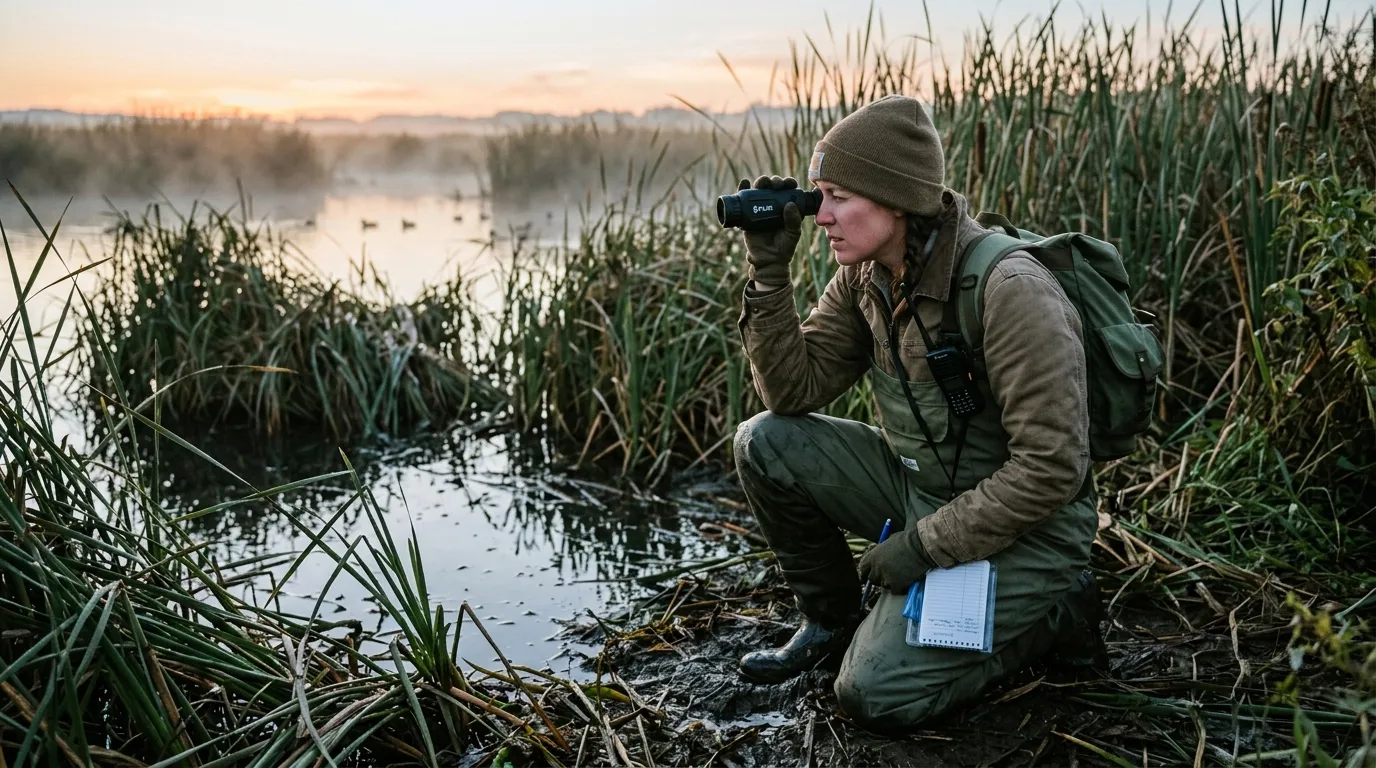
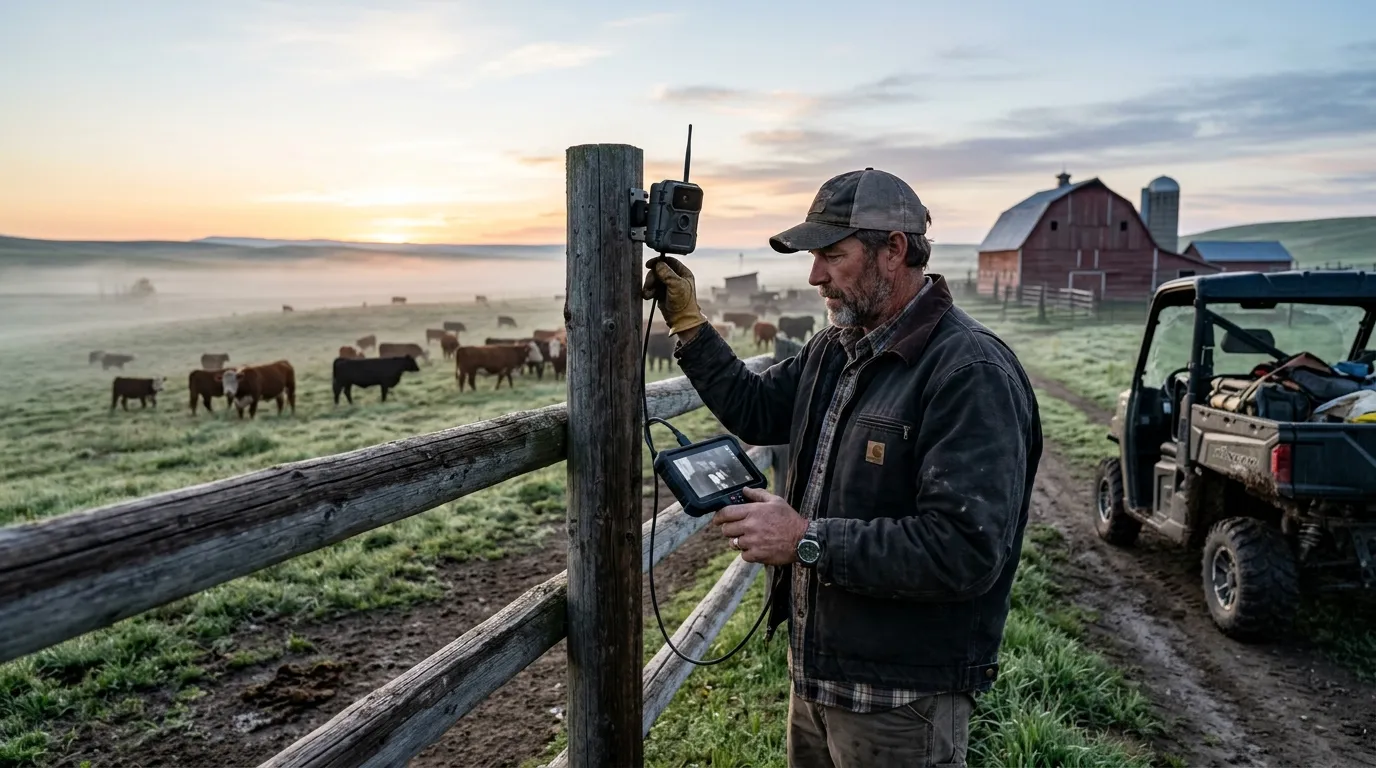
You’ve seen the price tags. A solid thermal monocular or scope can run you anywhere from a few hundred bucks to well over $5,000. And if you’re staring at those numbers wondering whether spending more actually gets you more, you’re not alone. We’re Pixfra, and we build thermal devices for hunters, wildlife watchers, and outdoor professionals — so we’ve got a front-row seat to this debate. Let’s break it all down. Why Thermal Devices Cost What They Do Before we get into whether a premium thermal device is worth your money, it helps to understand why these things cost more than a standard optic in the first place. A thermal device isn’t just a camera with a fancy filter. A thermal imaging scope combines specialized infrared materials, expensive sensing hardware, real-time processing, strict calibration, and recoil-rated durability in one hunting optic. That’s a lot of tech packed into a single piece of gear. At the core of every thermal device sits an infrared sensor — usually a microbolometer made from vanadium oxide or amorphous silicon. The heart of every thermal camera lies in its infrared sensor, and unlike a normal camera that depends on visible light, a thermal imager captures infrared radiation emitted by objects, requiring specialized materials and ultra-precise manufacturing. These sensors aren’t cheap to produce. The raw materials alone, like germanium used in high-quality thermal lenses, carry a steep cost. Germanium metal costs $1,500 per kg in its raw form, and when you add the price of refining and processing it into a high-performance lens, the total cost increases exponentially. Then add proprietary image processing algorithms, precision calibration for each individual unit, and housings built to handle drops, rain, dust, and recoil — and you start to see where the money goes. The good news? Prices have come

Case Study: How a Thermal Device Saved a Rescue Mission

When a rescue team gets the call that someone is missing in the backcountry at night, every minute matters. Traditional search methods — flashlights, headlamps, ground sweeps — are slow and burn through manpower fast. We at Pixfra have seen firsthand how thermal imaging technology changes the entire equation, turning what used to be a desperate guessing game into a fast, targeted operation. How Thermal Imaging Works in Search and Rescue Before we get into the case study itself, let’s cover the basics so you know exactly what’s happening when a thermal device hits the field during a rescue mission. Thermal cameras work by detecting infrared radiation emitted by all objects, including people and animals. That radiation gets converted into a thermal image, displaying varying temperatures in different colors. Warmer objects, such as a human body, appear brighter against cooler backgrounds. That’s the whole trick — your body is basically a beacon of heat in a cold landscape, and a thermal device picks that up whether it’s pitch black, foggy, or raining sideways. Search and rescue missions at night present unique challenges. Limited visibility, difficult terrain, and unpredictable weather can hinder even the most well-trained teams. Traditional night-vision devices and spotlights have their limitations, especially in environments like forests, mountains, or urban areas with obstructed views. This is exactly where a handheld thermal monocular or scope gives you an edge that nothing else can match. Unlike night vision, which needs at least some ambient light to work, thermal devices detect heat rather than light. That means total darkness, dense fog, and heavy rain don’t shut you down. This tech isn’t new, but what’s changed in 2026 is the accessibility. You no longer need a government budget to get a solid thermal device with high sensitivity and long detection range. Our

9 praktiske anvendelsesmuligheder for en håndholdt termisk enhed, du bør kende til

Most people hear “handheld thermal device” and think it’s just for hunters. But that’s only scratching the surface. A single handheld thermal monocular covers hunting, property security, wildlife observation, boating, search and rescue, camping, and utility inspection. Whether you’re scanning your back forty for coyotes at 2 AM, checking your home for heat leaks, or navigating a foggy trail in the backcountry, a thermal imager earns its place in your gear bag fast. At Pixfra, we build thermal monoculars, thermal scopes, thermal front attachments, and multispectral binoculars — all designed for real outdoor conditions. And we’ve seen firsthand just how many ways people put these devices to work outside of hunting season. Before we walk through all nine uses, it helps to know what separates a good handheld thermal device from a frustrating one. If you’re still sorting out what specs actually matter when you’re shopping, our guide on the top 6 features needed in the best thermal device in 2026 breaks down everything from NETD sensitivity to battery life and IP ratings — so you can match the right device to the job you need it for. Nighttime Hunting and Game Recovery This is the use case that put handheld thermal devices on the map, and it’s still the number-one reason people buy them. Thermal technology allows hunters to detect and track animals based on their body heat, irrespective of the lighting conditions, offering an undeniable advantage for nighttime hunting and wildlife observation. Whether you’re running hogs in Texas, calling coyotes in Kansas, or sitting a deer stand in Georgia, a thermal monocular lets you spot game before it spots you — in total darkness, through fog, and even in thick brush. Here’s how it works in practice: instead of picking up your rifle and swinging a scope left

Sådan bruger du vores produkt

Vores Local Partner Program (LPP) er omhyggeligt udformet med henblik på at yde solid støtte til vores mest værdsatte partnere på det lokale marked.

Company News & Blogs

Hold dig opdateret med Pixfras seneste nyheder, produktartikler og indblik i verdenen inden for termografi.

Gruppering 26 – backup

Casestudie: Hvordan et termisk anlæg sparede $5.000 i energiomkostninger

Energiregningerne i USA stiger hurtigt, og de fleste husejere har ingen anelse om, hvor deres penge egentlig går hen. Vi er Pixfra – vi fremstiller termiske monokularer, termiske kikkerter og termiske frontmonterede enheder til udendørs og professionelt brug – og vi har med egne øjne set, hvordan termisk billedbehandling ændrer spillereglerne, når man retter den mod det rigtige problem. Det skjulte energiproblem, som de fleste husejere overser Her er noget, der overrasker mange: Den gennemsnitlige amerikanske husstand bruger nu cirka $163 om måneden alene på elektricitet. Den gennemsnitlige månedlige elregning i USA er $163 pr. juni 2026, baseret på en gennemsnitlig elpris for private på 18,05¢/kWh og et gennemsnitligt månedligt forbrug på 903 kWh. Og dette tal har været i en kraftig opadgående kurve. Den gennemsnitlige amerikanske elregning er steget med 26% over fem år — fra $129/måned i 2022 til $163/måned i 2026. Når man lægger udgifterne til gas og vand oveni, ligger den gennemsnitlige amerikanske husholdningsregning på $610 om måneden. Disse tal løber op i tusindvis af dollars hvert år – og en stor del af det er spildt energi, som du aldrig engang ser forlade dit hjem. Så hvor forsvinder al den spildte energi hen? Gennem dine vægge, dine vinduer, dit loft og alle de små sprækker og revner, du ikke engang vidste eksisterede. Varmetab kan udgøre op til 50% af det samlede energiforbrug i en bygning, med årsager, der spænder fra luftlækage gennem skorstene, loftsrum og vægventiler til dårligt tætnede døråbninger, defekte argonvinduer og manglende isolering. Sagen er, at du ikke kan mærke et koldt sted bag en væg eller se varm luft sive ud gennem en sprække i dit loftsgulv. Det er her, et termisk måleinstrument kommer ind i billedet. Hos Pixfra har vi opbygget vores omdømme på vores egenudviklede varmedetekteringsteknologi, der registrerer selv de mindste temperaturforskelle

Are High-End Thermal Devices Worth the Premium Price Tag?

You’ve seen the price tags. A solid thermal monocular or scope can run you anywhere from a few hundred bucks to well over $5,000. And if you’re staring at those numbers wondering whether spending more actually gets you more, you’re not alone. We’re Pixfra, and we build thermal devices for hunters, wildlife watchers, and outdoor professionals — so we’ve got a front-row seat to this debate. Let’s break it all down. Why Thermal Devices Cost What They Do Before we get into whether a premium thermal device is worth your money, it helps to understand why these things cost more than a standard optic in the first place. A thermal device isn’t just a camera with a fancy filter. A thermal imaging scope combines specialized infrared materials, expensive sensing hardware, real-time processing, strict calibration, and recoil-rated durability in one hunting optic. That’s a lot of tech packed into a single piece of gear. At the core of every thermal device sits an infrared sensor — usually a microbolometer made from vanadium oxide or amorphous silicon. The heart of every thermal camera lies in its infrared sensor, and unlike a normal camera that depends on visible light, a thermal imager captures infrared radiation emitted by objects, requiring specialized materials and ultra-precise manufacturing. These sensors aren’t cheap to produce. The raw materials alone, like germanium used in high-quality thermal lenses, carry a steep cost. Germanium metal costs $1,500 per kg in its raw form, and when you add the price of refining and processing it into a high-performance lens, the total cost increases exponentially. Then add proprietary image processing algorithms, precision calibration for each individual unit, and housings built to handle drops, rain, dust, and recoil — and you start to see where the money goes. The good news? Prices have come

Case Study: How a Thermal Device Saved a Rescue Mission

When a rescue team gets the call that someone is missing in the backcountry at night, every minute matters. Traditional search methods — flashlights, headlamps, ground sweeps — are slow and burn through manpower fast. We at Pixfra have seen firsthand how thermal imaging technology changes the entire equation, turning what used to be a desperate guessing game into a fast, targeted operation. How Thermal Imaging Works in Search and Rescue Before we get into the case study itself, let’s cover the basics so you know exactly what’s happening when a thermal device hits the field during a rescue mission. Thermal cameras work by detecting infrared radiation emitted by all objects, including people and animals. That radiation gets converted into a thermal image, displaying varying temperatures in different colors. Warmer objects, such as a human body, appear brighter against cooler backgrounds. That’s the whole trick — your body is basically a beacon of heat in a cold landscape, and a thermal device picks that up whether it’s pitch black, foggy, or raining sideways. Search and rescue missions at night present unique challenges. Limited visibility, difficult terrain, and unpredictable weather can hinder even the most well-trained teams. Traditional night-vision devices and spotlights have their limitations, especially in environments like forests, mountains, or urban areas with obstructed views. This is exactly where a handheld thermal monocular or scope gives you an edge that nothing else can match. Unlike night vision, which needs at least some ambient light to work, thermal devices detect heat rather than light. That means total darkness, dense fog, and heavy rain don’t shut you down. This tech isn’t new, but what’s changed in 2026 is the accessibility. You no longer need a government budget to get a solid thermal device with high sensitivity and long detection range. Our

9 praktiske anvendelsesmuligheder for en håndholdt termisk enhed, du bør kende til

Most people hear “handheld thermal device” and think it’s just for hunters. But that’s only scratching the surface. A single handheld thermal monocular covers hunting, property security, wildlife observation, boating, search and rescue, camping, and utility inspection. Whether you’re scanning your back forty for coyotes at 2 AM, checking your home for heat leaks, or navigating a foggy trail in the backcountry, a thermal imager earns its place in your gear bag fast. At Pixfra, we build thermal monoculars, thermal scopes, thermal front attachments, and multispectral binoculars — all designed for real outdoor conditions. And we’ve seen firsthand just how many ways people put these devices to work outside of hunting season. Before we walk through all nine uses, it helps to know what separates a good handheld thermal device from a frustrating one. If you’re still sorting out what specs actually matter when you’re shopping, our guide on the top 6 features needed in the best thermal device in 2026 breaks down everything from NETD sensitivity to battery life and IP ratings — so you can match the right device to the job you need it for. Nighttime Hunting and Game Recovery This is the use case that put handheld thermal devices on the map, and it’s still the number-one reason people buy them. Thermal technology allows hunters to detect and track animals based on their body heat, irrespective of the lighting conditions, offering an undeniable advantage for nighttime hunting and wildlife observation. Whether you’re running hogs in Texas, calling coyotes in Kansas, or sitting a deer stand in Georgia, a thermal monocular lets you spot game before it spots you — in total darkness, through fog, and even in thick brush. Here’s how it works in practice: instead of picking up your rifle and swinging a scope left

Anvendelsesområder
Udforsk naturen
Jagt
Dyreobservation

Termisk billeddannelse hjælper med at opdage mennesker, dyr og genstande i mørke og giver bedre overblik over omgivelserne ved observation i naturen.

Vil du vide mere?

Du skal aktivere JavaScript i din browser for at kunne udfylde denne formular.
=
fortrolighedsbetingelser

Brugervejledning til Sirius og Sirius HD

Vælg venligst dit foretrukne sprog.

Draco-brugervejledning

Vælg venligst dit foretrukne sprog.

Pegasus 2 LRF Brugervejledning

Vælg venligst dit foretrukne sprog.

Pegasus-brugervejledning

Vælg venligst dit foretrukne sprog.

Brugervejledning til Chiron LRF

Vælg venligst dit foretrukne sprog.

Chiron – brugervejledning

Vælg venligst dit foretrukne sprog.

Cetus-brugervejledning

Vælg venligst dit foretrukne sprog.

Taurus & Taurus LRF Brugervejledning

Vælg venligst dit foretrukne sprog.

Brugervejledning til Ranger-serien

Vælg venligst dit foretrukne sprog.

Brugervejledning til Mile 2-serien

Vælg venligst dit foretrukne sprog.

Brugervejledning til Mile 3-serien

Vælg venligst dit foretrukne sprog.

Få de seneste nyheder fra Pixfra

Tilmeld dig Pixfras nyhedsbrev, og få produktnyheder, tips til friluftslivet og eksklusive opdateringer direkte fra os.

Du skal aktivere JavaScript i din browser for at kunne udfylde denne formular.