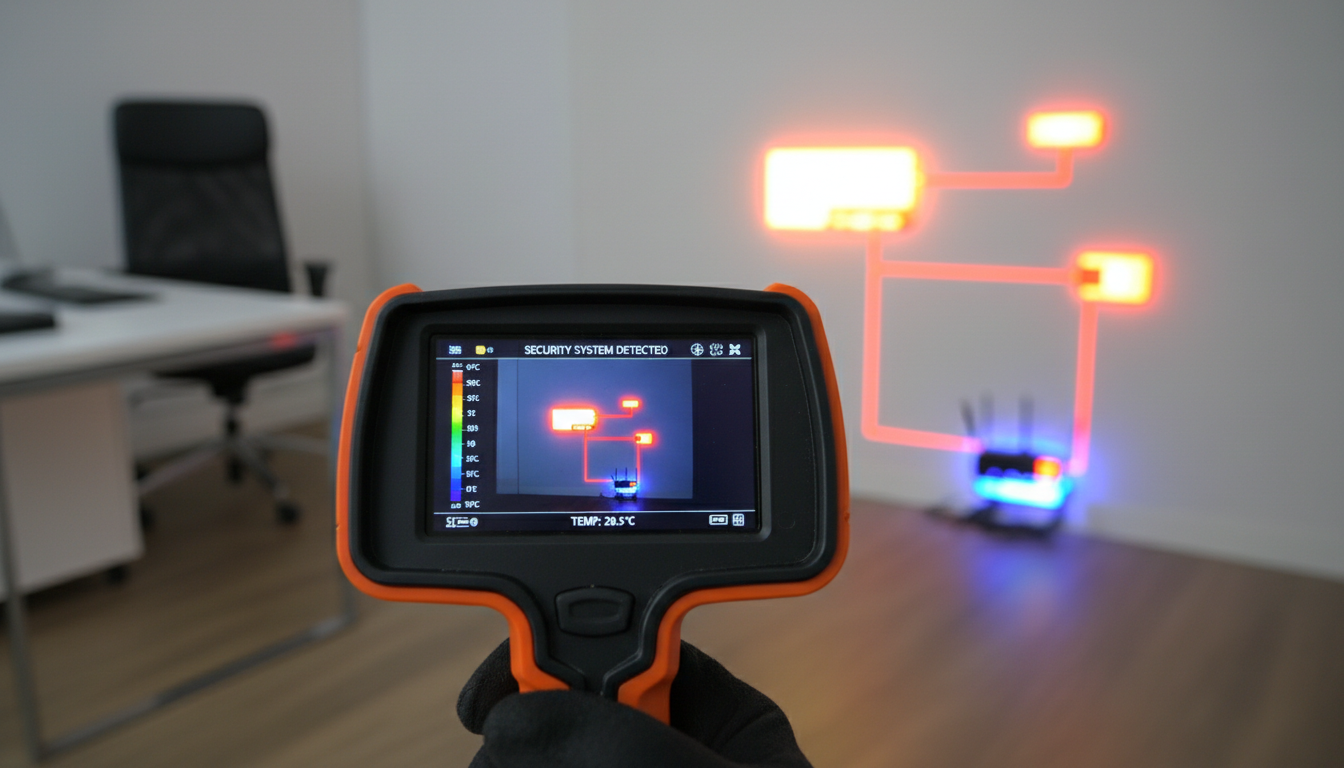
Security professionals and privacy-conscious individuals face a growing challenge: hidden surveillance devices. As these gadgets get smaller and easier to conceal, detection methods need to keep pace. Thermal imaging cameras have emerged as a potential solution, but how well do they actually work?
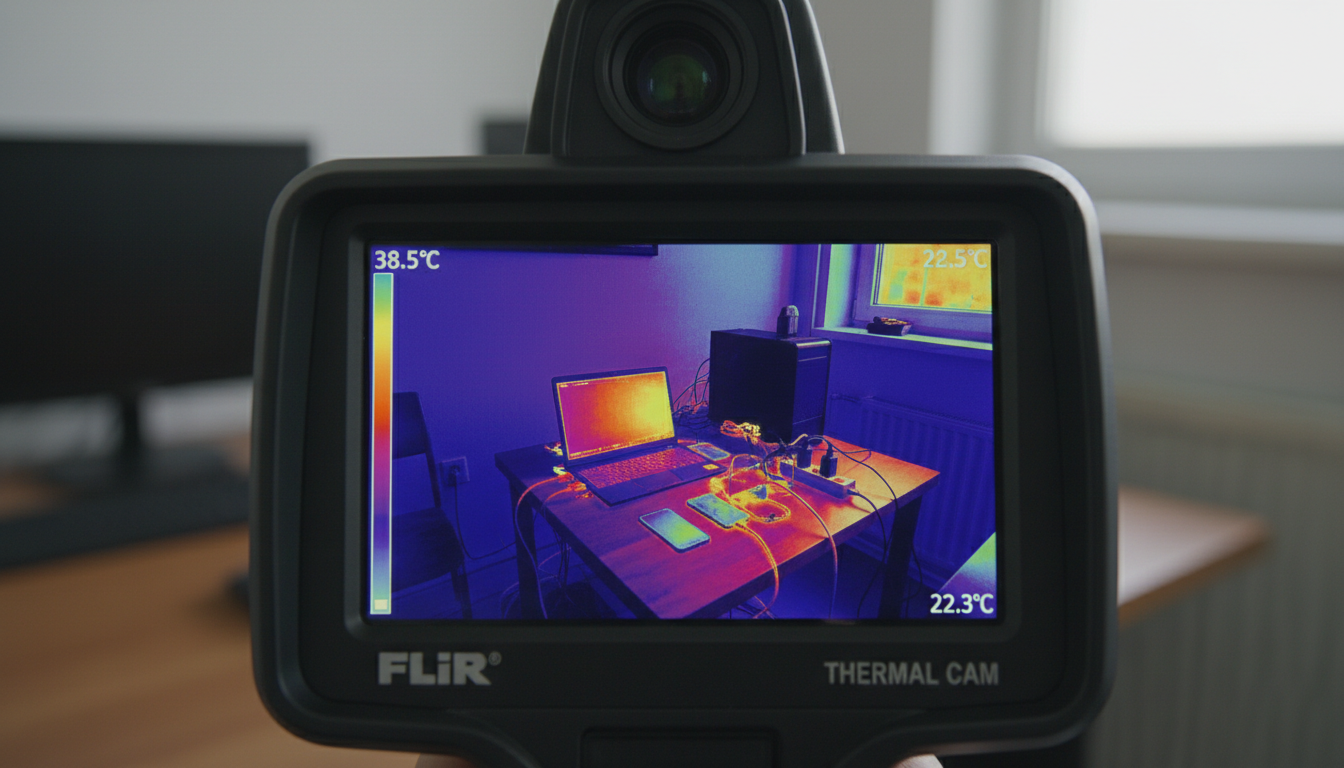
Thermal imaging cameras work differently from standard security cameras. Instead of capturing visible light, they translate thermal energy (heat) into visible light to analyze objects or scenes, displaying temperature profiles as thermal images. Every electronic device generates heat when powered on, which creates a detectable signature.
These cameras can detect surveillance devices the moment they’re powered on, and even if a device has been hidden for an extended period, once activated, it will emit heat that can be detected. This makes them particularly useful for remote visual inspection devices that combine multiple detection capabilities.
The science is straightforward: thermal imaging cameras detect infrared radiation emitted by all objects with a temperature above absolute zero. Security devices like hidden cameras, motion sensors, and recording equipment all produce heat during operation. Digital camera sensors always have an elevated temperature compared to ambient temperatures, making them stand out on thermal scans.
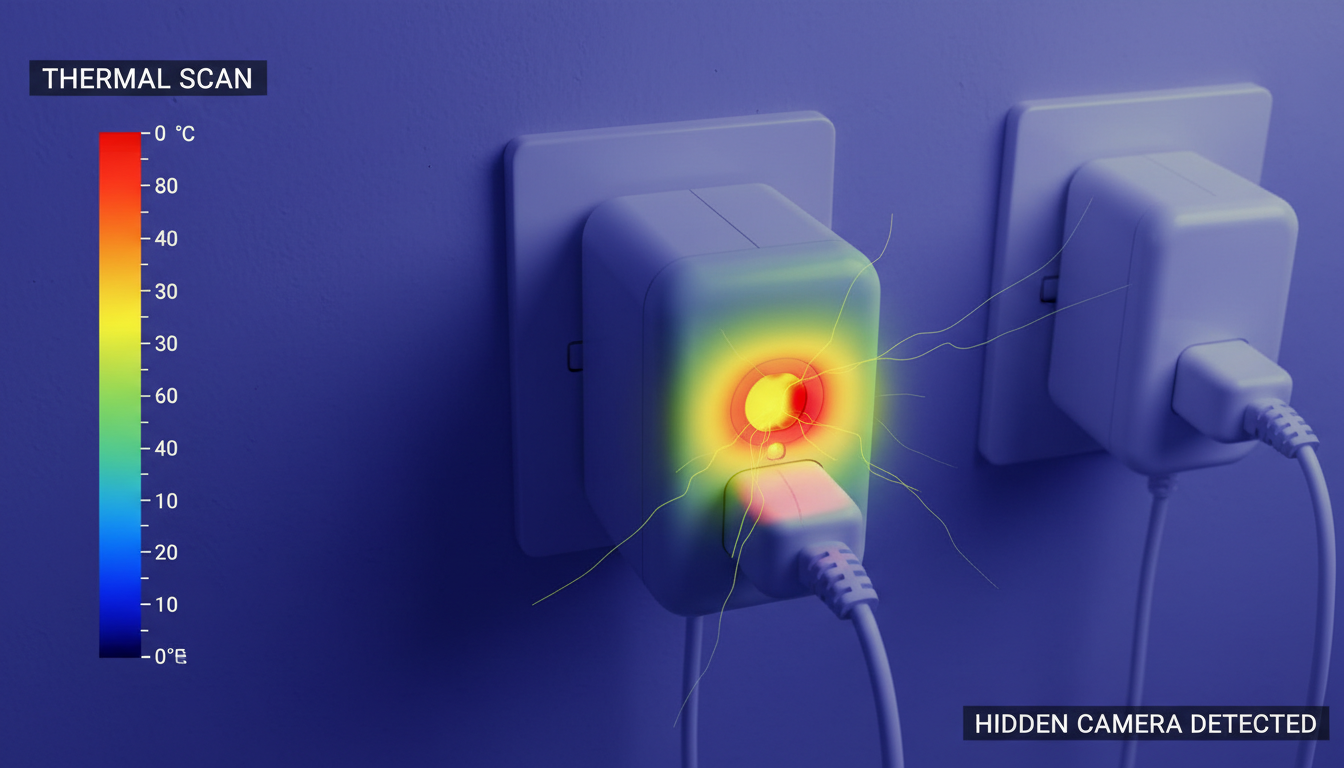
Thermal cameras excel at finding powered electronic equipment. They’re great for locating spy cameras hidden in hotels or short-term rentals, revealing water leaks in houses, and finding overheating electrical components. You’ll likely spot wall plugs, computers, and televisions showing elevated temperatures, which is normal.
The camera’s thermal sensitivity determines its ability to detect small temperature differences, which is critical for spotting low-power electronics like bugs, hidden cameras, or wiring, and the lower the NETD value, the better the camera can detect subtle heat signatures from surveillance equipment.
Research backs this up. HeatDeCam, a thermal-imagery-based detector, achieved over 95% accuracy in detecting hidden cameras. Spy cameras disguised as charger plugs exhibit additional uneven heat distribution compared to regular charger plugs because they have to add unique hardware components like SD cards and image sensors without changing the original form factor.
Professionals using thermal imaging devices like the Sirius HD can scan rooms for unusual heat patterns that indicate hidden electronics. Look for small spots of elevated temperature in unexpected places—especially near private areas like bedrooms or bathrooms.
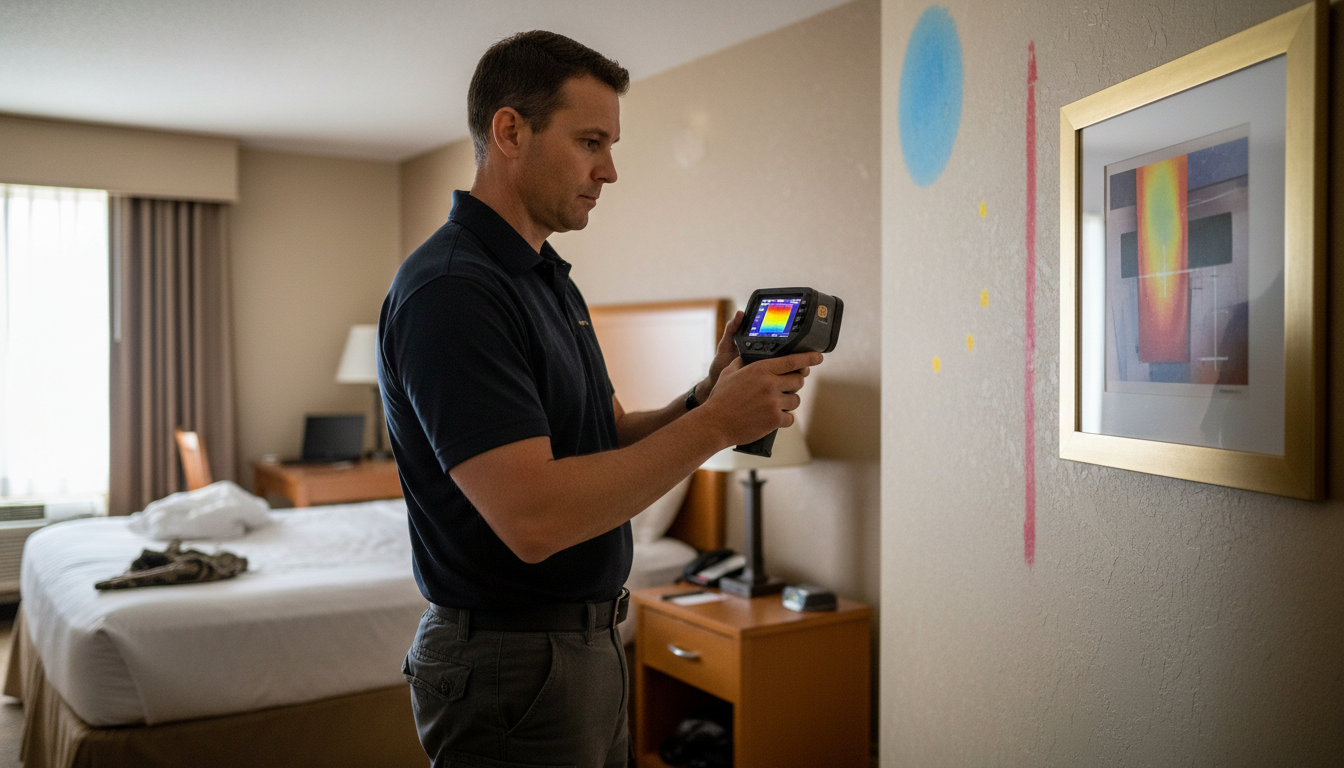
Thermal cameras aren’t perfect. In general, a thermal camera can’t detect hidden cameras if those devices aren’t powered on or generating sufficient heat. Devices in standby mode or those designed with heat-dissipating features become harder to spot.
You may encounter problems when the surroundings or backgrounds are the same temperature as an object in the image, and during very hot days, thermal cameras may be unable to distinguish an object from its surroundings. Temperature contrast matters more than absolute heat levels.
Thermal cameras cannot see through walls—they detect the thermal radiation emitted from surfaces, so they can only visualize heat patterns on the surface of objects. Glass and aluminum foil also block infrared rays, making detection impossible through these materials.
Another challenge: thermal cameras do not capture visible light, so details such as faces, license plates, or clothing color are not visible, making identification difficult. They’re better for detecting and tracking than recognition.
Thermal cameras help identify unusual heat patterns in the environment—a warm spot on a wall may suggest a hidden device, or a cooler area might indicate tampering or a secret compartment, and they provide a quick way to scan large areas. Security professionals can instantly identify potential heat sources by pointing the camera at a wall or room.
For professional security work, advanced thermal cameras like the Pegasus 2 LRF offer the resolution and sensitivity needed for thorough inspections. Higher resolution allows for clearer images and better detection of smaller or more subtle thermal signatures, which is especially important for checking devices hidden behind objects or in complex environments.
Thermal cameras provide a level of discretion that traditional surveillance systems cannot, and since they don’t rely on visible light, intruders are unlikely to see the camera or know they’re being monitored. This makes them valuable for covert operations.
When selecting a thermal camera for security device detection, specs matter. At least 256×192 pixels resolution is recommended, with 320×240 or higher preferred. Frame rate affects how quickly you can scan an area, with 25Hz or higher being standard.
A narrower FOV (closer to 30°) is ideal for pinpoint accuracy and focused inspections, while a wider FOV (closer to 50°) can help you scan large areas quickly. Depending on your inspection needs, you might need both capabilities.
Advanced thermal cameras offer “fusion” modes that combine thermal and visible light images, making it easier to detect hidden devices when combined with visual inspections. These hybrid systems, like the Draco model, give you the best of both worlds.
Battery life matters for field work. Professional models typically offer 4-6 hours of operation. Look for waterproof ratings (IP65 or higher) if you’ll be working outdoors or in harsh conditions.
To find a spy camera in a room, you just scan the room with a thermal camera, looking for small spots of elevated temperature. If you find something odd, usually with a small glass lens that you don’t think should be receiving an electrical signal and is showing an elevated temperature, it might be a spy camera.
Start your scan methodically. Check common hiding spots: smoke detectors, air vents, electrical outlets, decorative items, and anywhere with a small hole or lens. Move slowly and give the camera time to register temperature differences.
Thermal cameras enable early detection of surveillance devices, allowing countermeasures to be implemented promptly, and even low-power or low-heat devices can be identified early in the process. Time your scans for when you expect devices to be active—most surveillance equipment runs continuously or on motion activation.
For professionals, specialized tools like the IR Torch combine thermal imaging with other detection methods for comprehensive sweeps. Multiple detection vectors increase your chances of finding hidden devices.
Thermal imaging cameras offer a powerful tool for detecting security devices, but they’re not magic. They work best on powered electronics that generate detectable heat signatures. Professional-grade models with high sensitivity, good resolution, and fusion modes provide the most reliable results. While limitations exist—especially with unpowered devices or high-temperature environments—thermal cameras remain one of the most effective counter-surveillance tools available. Whether you’re checking a hotel room or conducting professional security sweeps, understanding what thermal cameras can and can’t detect helps set realistic expectations and develop effective inspection strategies.
Can thermal cameras detect hidden cameras that are turned off?
No, thermal cameras can’t reliably detect hidden cameras that are completely powered off. They work by identifying heat signatures from active electronics. If a surveillance device isn’t generating heat, it won’t show up on thermal scans. You’ll need to power on the device or use other detection methods like RF detectors for wireless cameras or physical visual inspections.
What’s the difference between thermal cameras and night vision for finding security devices?
Thermal cameras detect heat signatures and work in total darkness without any light source. Night vision cameras amplify existing light and need at least some ambient light or infrared illuminators to function. For finding hidden security devices, thermal cameras are more effective because electronic components generate heat regardless of lighting conditions. Night vision won’t help you spot a hidden camera inside a clock or smoke detector.
How close do I need to be for a thermal camera to detect a hidden device?
Detection distance depends on your thermal camera’s resolution and sensitivity. Consumer-grade models work best within 10-15 feet for small devices like hidden cameras. Professional models can detect heat signatures from farther away, but for counter-surveillance work, closer is better. Scan slowly from 3-10 feet away for optimal results. Higher resolution cameras (320×240 or better) can spot smaller temperature differences at greater distances.
Will glass block thermal cameras from detecting devices behind it?
Yes, glass blocks infrared radiation, making it impossible for thermal cameras to see through windows or glass barriers. The camera will only show the temperature of the glass surface itself, not objects behind it. This limitation also applies to some plastics and reflective materials like aluminum foil. If you suspect a device is behind glass, you’ll need to use different detection methods or physically access the area.
Are thermal cameras better than RF detectors for finding spy cameras?
Both tools have strengths. Thermal cameras detect any powered electronic device, including wired cameras that don’t emit radio frequencies. RF detectors find wireless cameras and transmitters but miss hardwired devices. For comprehensive counter-surveillance, professionals use both methods together. Thermal cameras excel at spotting disguised devices based on heat patterns, while RF detectors identify wireless transmission signals. The best approach combines multiple detection techniques.
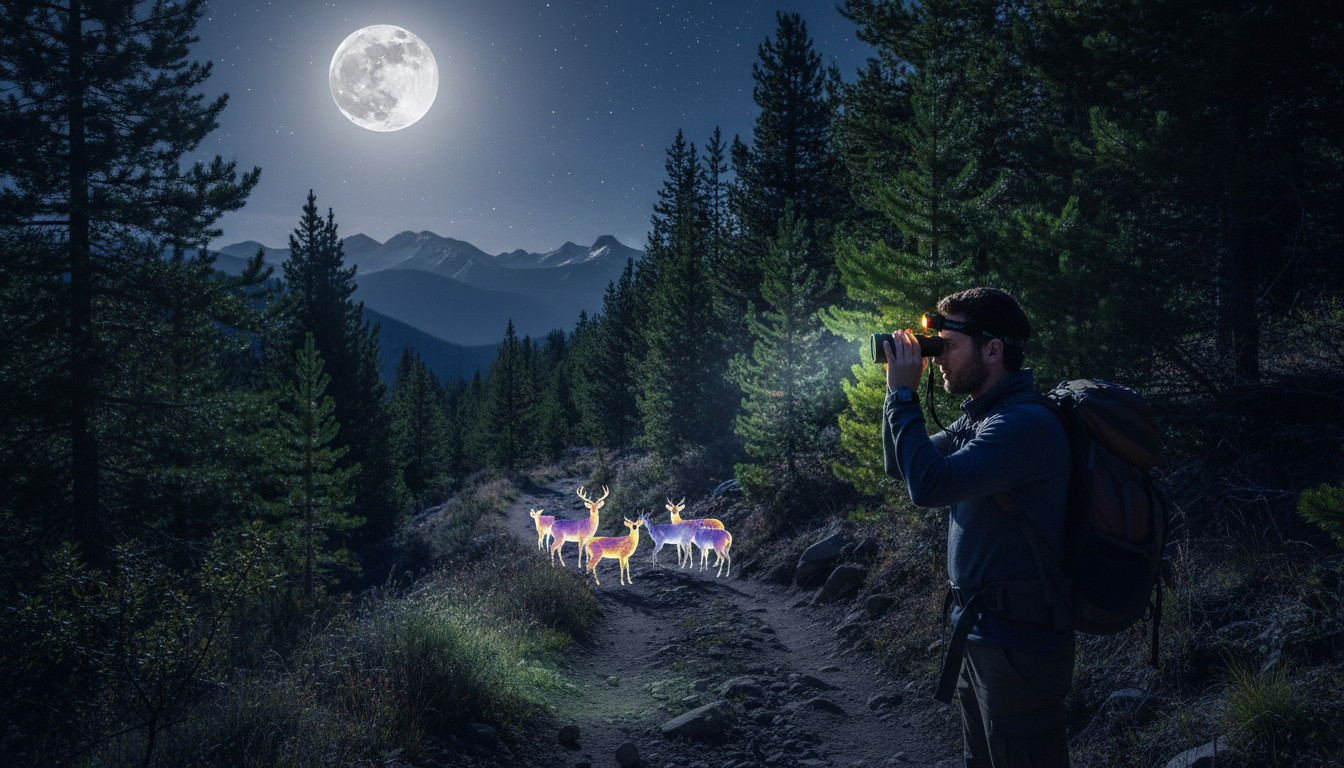
More than half of all wildlife species are active at night, but most hikers never get to see them. We spend our days on the trail watching for deer and birds, then pack up before sunset—missing an entire world of nocturnal activity happening right under our noses.
The short answer? Yes, you can absolutely observe wildlife while hiking at night. In fact, nighttime offers some of the best opportunities to spot animals that stay hidden during daylight hours. From owls hunting in the darkness to foxes trotting along forest edges, the nocturnal world is far more active than most people realize.
But night hiking for wildlife isn’t the same as a daytime hike. You’ll need different gear, a shift in your approach, and a solid understanding of safety practices. Here’s what we’ve learned from our own nighttime adventures and what works when you want to see wildlife after dark.
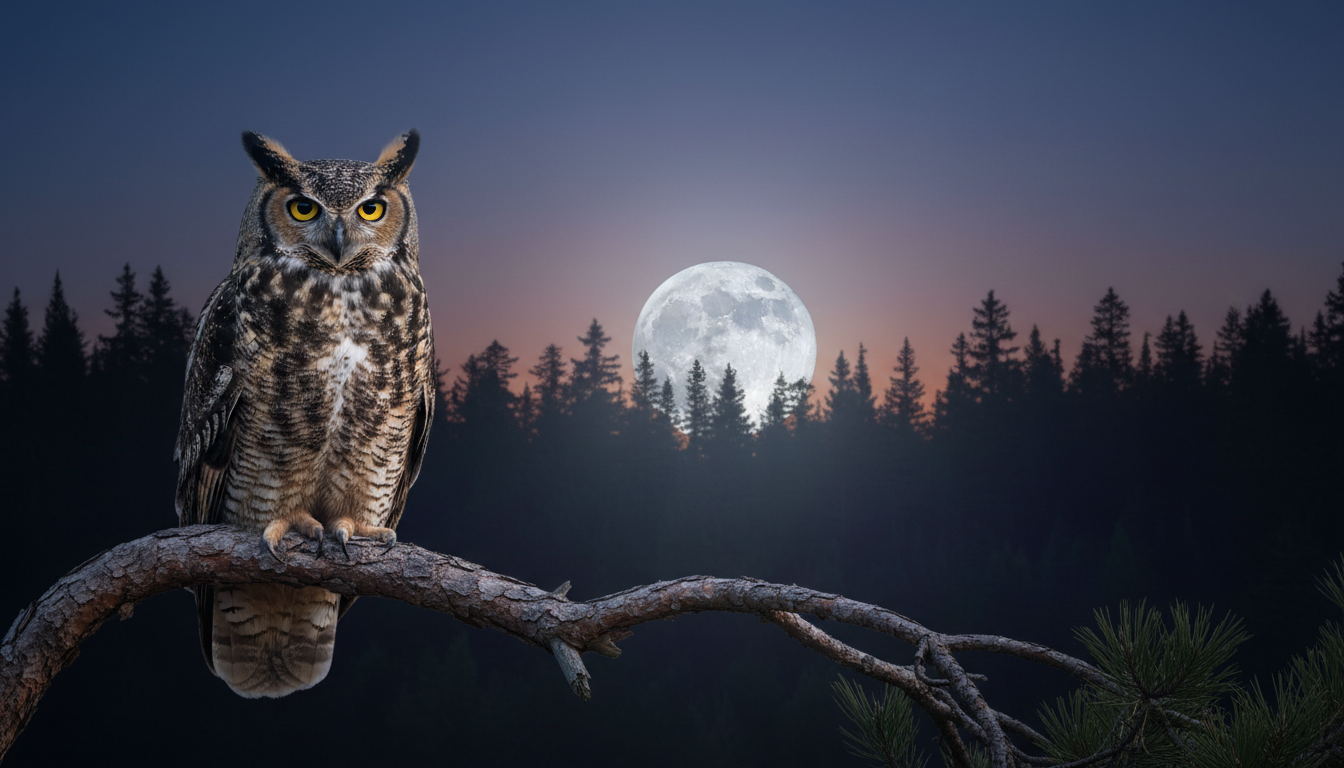
The forest comes alive at night. Creatures that spend daylight hours hiding in burrows, trees, and dense brush emerge to hunt, forage, and move through their territories.
Owls are some of the most common nocturnal sightings. Great horned owls, barn owls, and screech owls hunt rodents and small mammals throughout the night. You’ll often hear them before you see them—their distinctive hoots and calls echo through dark forests. Bats dart overhead, eating insects by the hundreds. Deer become more active during twilight hours and continue moving through the night, especially in areas with heavy daytime human traffic.
Raccoons, opossums, and skunks are opportunistic feeders that prefer nighttime activity. Foxes—both red and gray varieties—hunt small prey along trail edges. In some regions, you might spot bobcats, coyotes, or even bears, though these encounters are less common. Porcupines, badgers, and various rodent species also join the nighttime activity.
Many of these animals have excellent camouflage that makes them nearly invisible during the day. At night, with the right equipment and techniques, they’re often easier to detect than you’d think.
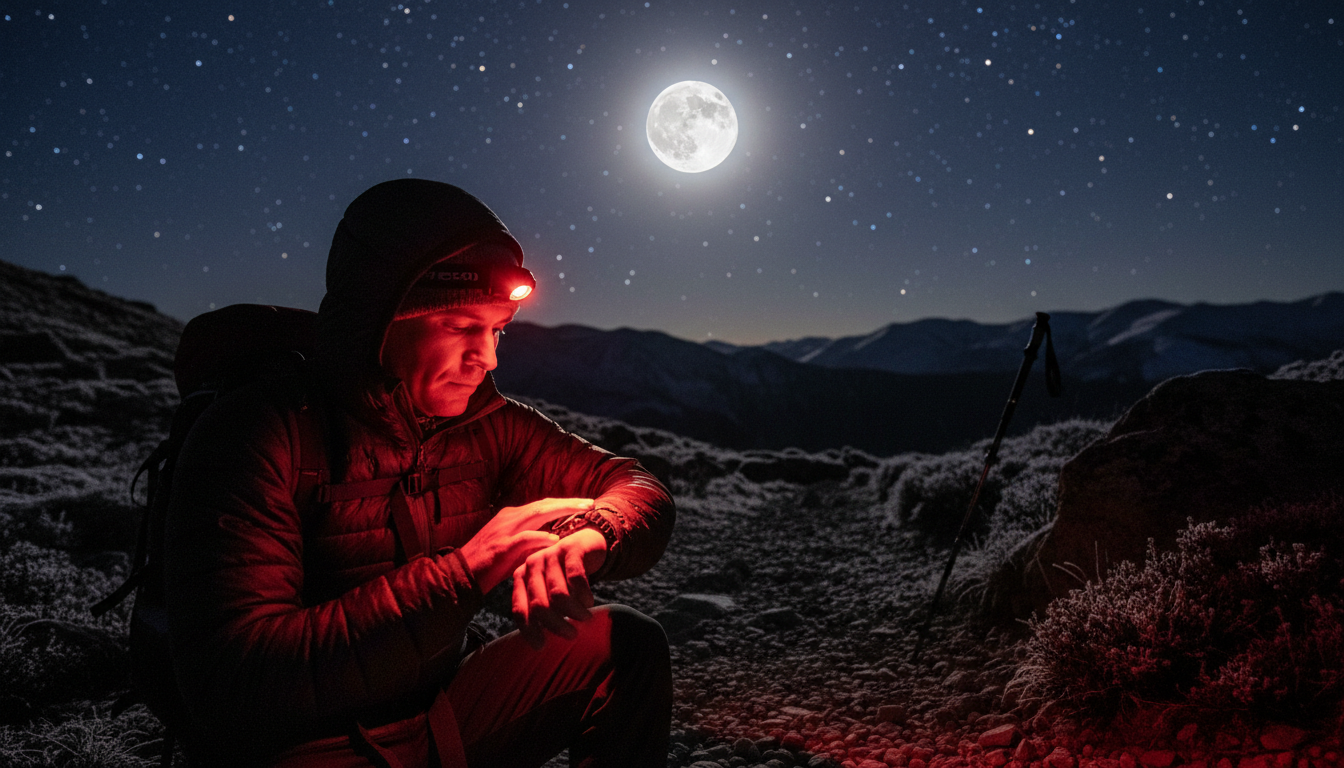
Timing matters when you’re hoping to observe nocturnal wildlife. We’ve found that the transition periods—dusk and dawn—offer the highest activity levels. These “between times” bring out both crepuscular animals (active at twilight) and truly nocturnal species starting their nightly routines.
Full moon nights provide natural illumination that helps you navigate trails while still allowing your eyes to adjust to darkness. Moonlight creates enough visibility to see animal silhouettes and movement without needing constant artificial light. Plan your hikes around the lunar calendar for the best natural viewing conditions.
Seasonal considerations also play a role. Spring and early summer bring increased activity as animals raise young and take advantage of longer nights. Fall sees animals preparing for winter, leading to more foraging behavior. Winter nights can be productive too, especially in areas where snow reflects available light and makes tracks easy to follow.
Avoid hiking during storms or heavy rain—wildlife activity drops significantly in poor weather, and trail conditions become dangerous.
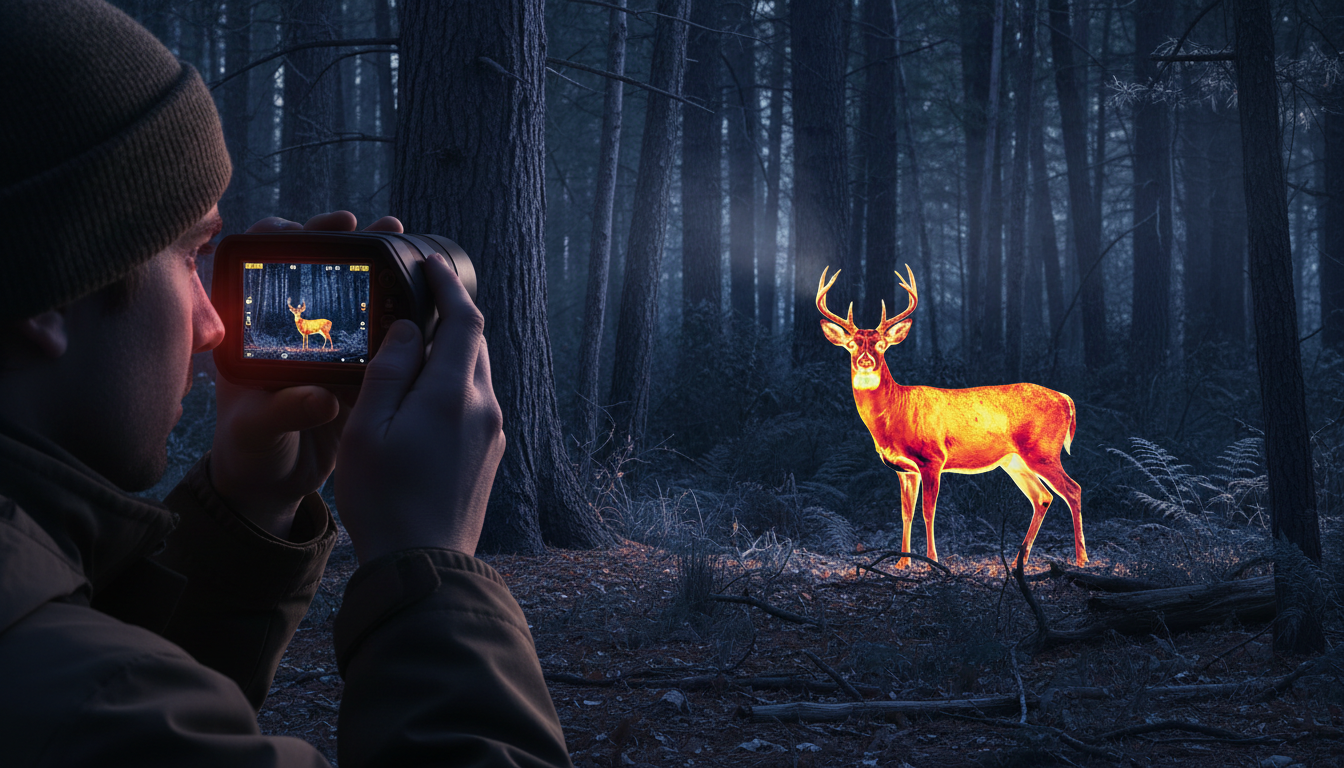
The right equipment transforms night hiking from a stumbling adventure into a genuine wildlife observation opportunity. We rely on headlamps with red-light settings, which preserve night vision while providing enough illumination for navigation. White light destroys the night vision your eyes spend 30-45 minutes developing, forcing you to start the adjustment process over with every use.
Thermal imaging technology has changed the game for nighttime wildlife observation. Devices like the Pixfra Sirius HD detect heat signatures from animals, making them visible even in complete darkness. Unlike traditional night vision that requires ambient light, thermal imaging works by sensing infrared radiation emitted by warm-blooded creatures.
We’ve used the Pixfra Pegasus 2 LRF on multi-day trips and found its extended detection range incredibly useful for scanning meadows and clearings where deer and other large mammals feed. For closer observation, compact options like the Draco fit easily in a jacket pocket without adding bulk to your pack.
Bring extra batteries or a power bank—nothing’s worse than losing your thermal capability halfway through a night hike. A detailed trail map, compass, and GPS device are non-negotiable safety items. Dress in layers; nighttime temperatures drop significantly, even during summer months.
Night hiking carries different risks than daytime excursions. We always hike in groups when possible—multiple sets of eyes and ears increase safety and reduce the chance of getting lost. Solo night hiking is doable but requires extra caution and preparation.
Make noise while you hike. This seems counterintuitive when you’re trying to observe wildlife, but it’s the safest approach in areas with bears or mountain lions. Talk with your hiking partners, sing occasionally, or call out “hey” every few minutes. Most animals will move away before you ever see them, which is actually the goal—surprise encounters with large predators are dangerous for everyone involved.
Stick to familiar trails, especially when you’re new to night hiking. A route you’ve walked dozens of times during the day becomes disorienting in darkness. Trail markers are harder to spot, and wrong turns happen easily. Start with short, simple hikes and gradually work up to longer distances.
Research the wildlife in your specific area before heading out. Know what animals are present, understand their behavior, and learn appropriate responses for encounters. Carry bear spray in bear country and keep it accessible—not buried in your pack.
Move slowly and deliberately. Rocks, roots, and uneven terrain that you’d easily navigate during the day become tripping hazards at night. We hike at roughly half our normal daytime pace, which also gives us more time to actually observe the wildlife we came to see.
Seeing nocturnal animals requires patience and a different sensory approach. Your eyes need time to adjust—at least 30 minutes in darkness before your night vision reaches full capability. Even a quick glance at a bright phone screen resets this process.
Use your peripheral vision. The rod cells in your eyes that detect movement and shapes in low light are concentrated around the edges of your retina, not the center. Instead of staring directly at something, try looking slightly to the side. This technique reveals movement and shapes that disappear when you look straight at them.
Listen more than you look. Night hiking forces you to rely on hearing, and you’ll be surprised how much information your ears provide. The snap of a twig, rustling leaves, or a splash near water all indicate animal presence. Cup your hands behind your ears to amplify distant sounds—it actually works.
Move during active periods, then stop and stay still. We’ll hike for 10-15 minutes, then find a good vantage point and simply wait. Animals that moved away from the noise of our approach often return within 10-20 minutes if you remain quiet and motionless.
Watch for eyeshine. When you do use your light, many animals’ eyes reflect it back with a distinctive glow. Different species produce different colored eyeshine—deer show white or pale yellow, while raccoons reflect bright yellow-green.
Observing wildlife while hiking at night opens up a completely different outdoor experience. The nocturnal world is active, diverse, and accessible to anyone willing to adjust their approach and gear up properly. From common species like owls and raccoons to more elusive creatures like foxes and bobcats, there’s an entire ecosystem operating after sunset.
Success comes down to preparation: know your trails, bring the right equipment, understand the animals in your area, and prioritize safety. Start with short hikes on familiar paths during full moon periods. As you gain experience and confidence, you’ll develop an intuition for where and when to find nocturnal wildlife.
The darkness that once seemed limiting becomes an advantage. With thermal imaging, proper lighting, and patience, you’ll see animals that remain hidden from daytime hikers. And you’ll gain a deeper appreciation for just how alive the natural world is when most humans are asleep.
Is it safe to hike at night to see wildlife?
Yes, with proper preparation. Hike in groups when possible, make periodic noise to avoid surprising large animals, stick to familiar trails, and research the wildlife in your area beforehand. Carry appropriate safety gear including a reliable light source, navigation tools, and bear spray in bear country. Most wildlife encounters at night are harmless if you follow basic safety protocols and give animals space.
What animals are most commonly seen on night hikes?
Owls, bats, deer, raccoons, opossums, foxes, and skunks are the most frequently observed nocturnal animals. Depending on your region, you might also see coyotes, bobcats, porcupines, badgers, or various rodent species. Over 50% of wildlife species are active at night, so you’ll often see more animal diversity during nighttime hikes than daytime ones.
Do I need special equipment to observe wildlife at night?
A headlamp with a red-light setting is the minimum requirement—it preserves your night vision while providing illumination. Thermal imaging devices dramatically improve your ability to spot animals in complete darkness by detecting their heat signatures. You’ll also want extra batteries, navigation tools, appropriate clothing for cooler temperatures, and a detailed trail map.
When is the best time of night to see wildlife?
Dusk and dawn offer peak activity as crepuscular and nocturnal animals begin their routines. Full moon nights provide natural illumination that helps both navigation and observation. Many nocturnal animals remain active throughout the night, but the hours just after sunset and before sunrise typically show the highest wildlife movement and feeding behavior.
How long does it take for eyes to adjust to darkness?
Your eyes need 30-45 minutes to fully adjust to darkness and develop maximum night vision. Even a brief exposure to bright white light—including phone screens or headlamps—resets this process, requiring another 30 minutes to regain full adjustment. This is why red lights are recommended; they provide visibility without destroying your natural night vision adaptation.
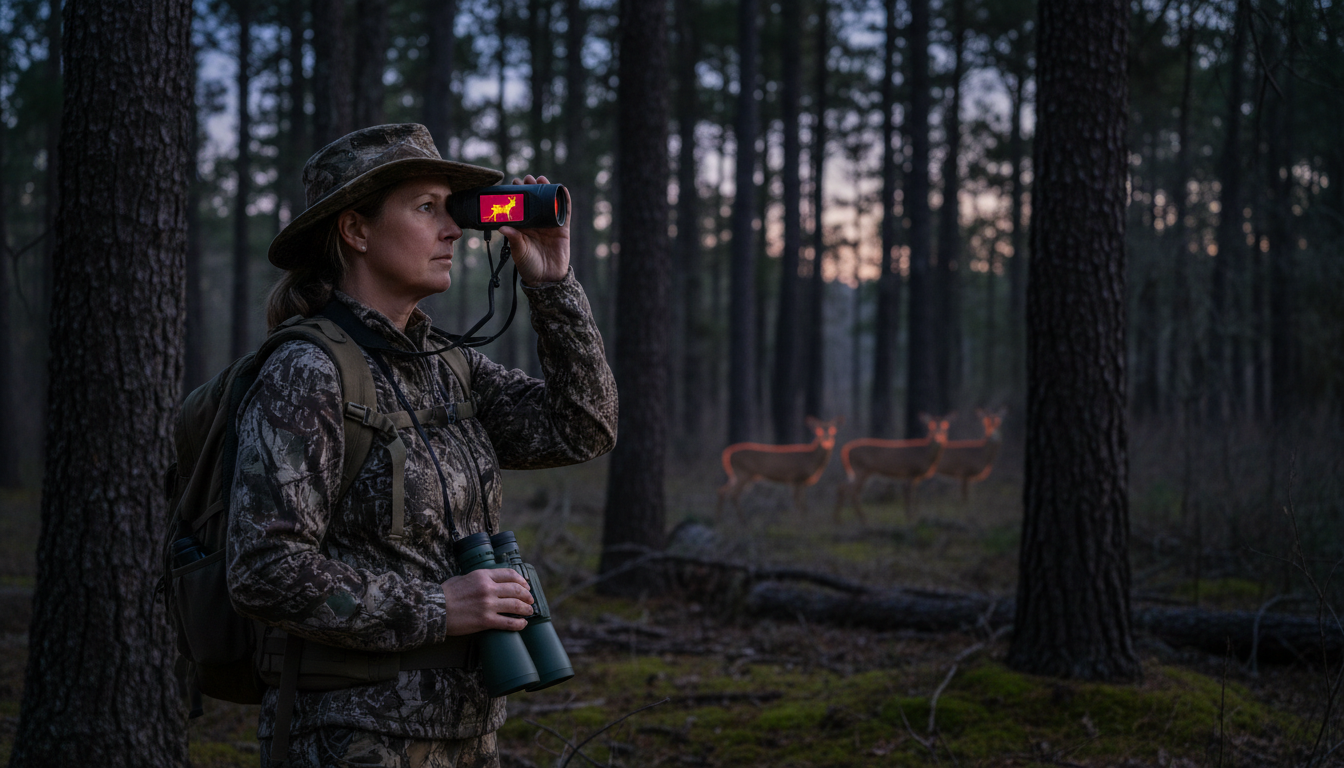
Ever missed spotting a deer because it blended too well into the brush? Or wondered what’s rustling around your backyard after dark? The right observation gear changes everything. We’ve spent years testing equipment in the field, and we’re here to share what actually works for spotting wildlife—without the gear-snob talk.
Whether you’re tracking nocturnal animals, birdwatching at dawn, or just curious about your local ecosystem, modern technology makes it easier than ever to connect with nature on your terms. Let’s break down the tools that’ll take your wildlife watching from guesswork to real-time observation.
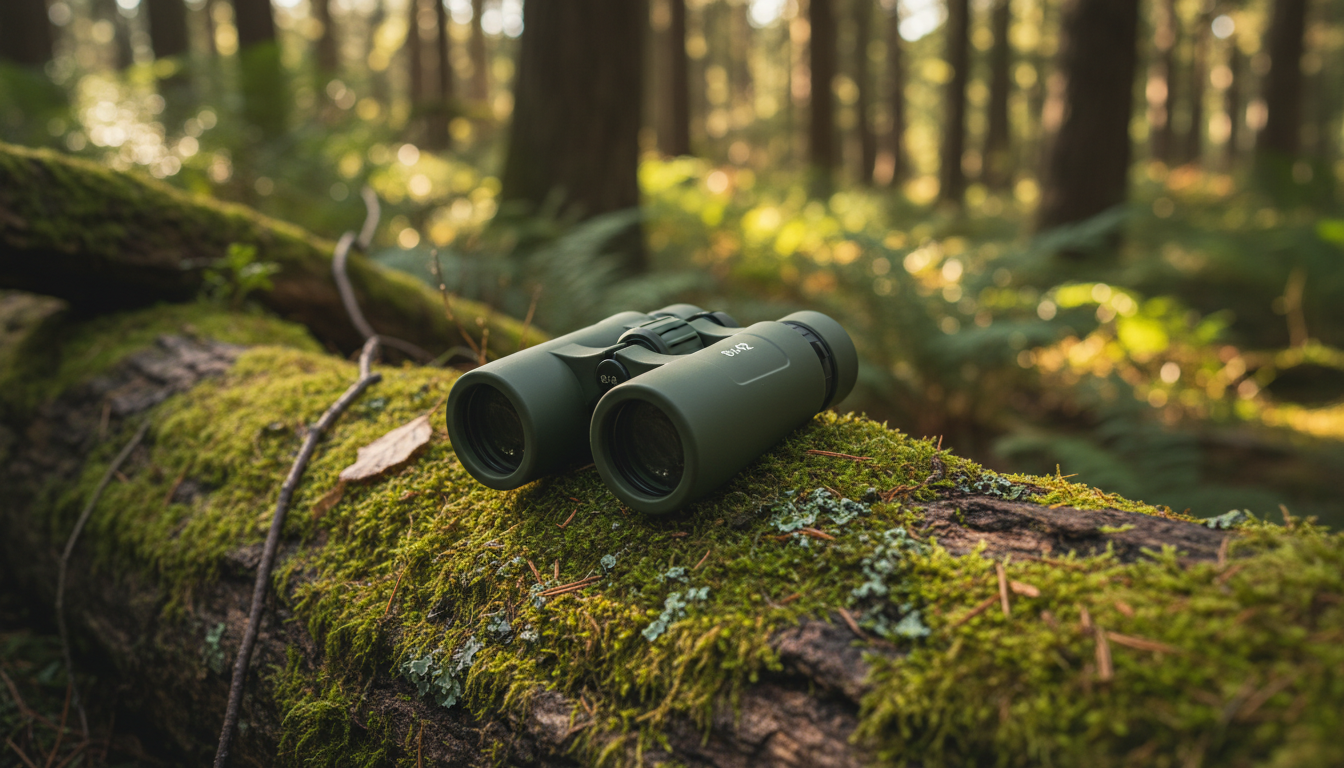
Binoculars are a must-have for any nature watcher or birder. But forget the expensive models that require a mortgage. What matters is finding a pair that’s lightweight, waterproof, and has moderate magnification—typically 8x or 10x power.
Here’s the deal with binocular specs: those numbers like 8×42 tell you the magnification (8x) and the lens diameter in millimeters (42mm). Bigger lenses gather more light, which helps in low-light conditions like early morning or dusk. We recommend starting with an 8×42 configuration for most wildlife watching—it’s the sweet spot between power and stability.
Look for models with good grip, especially if you’re planning multi-hour observation sessions. Your hands will thank you. And waterproofing isn’t just nice to have—it’s a must when weather turns or you’re near water.
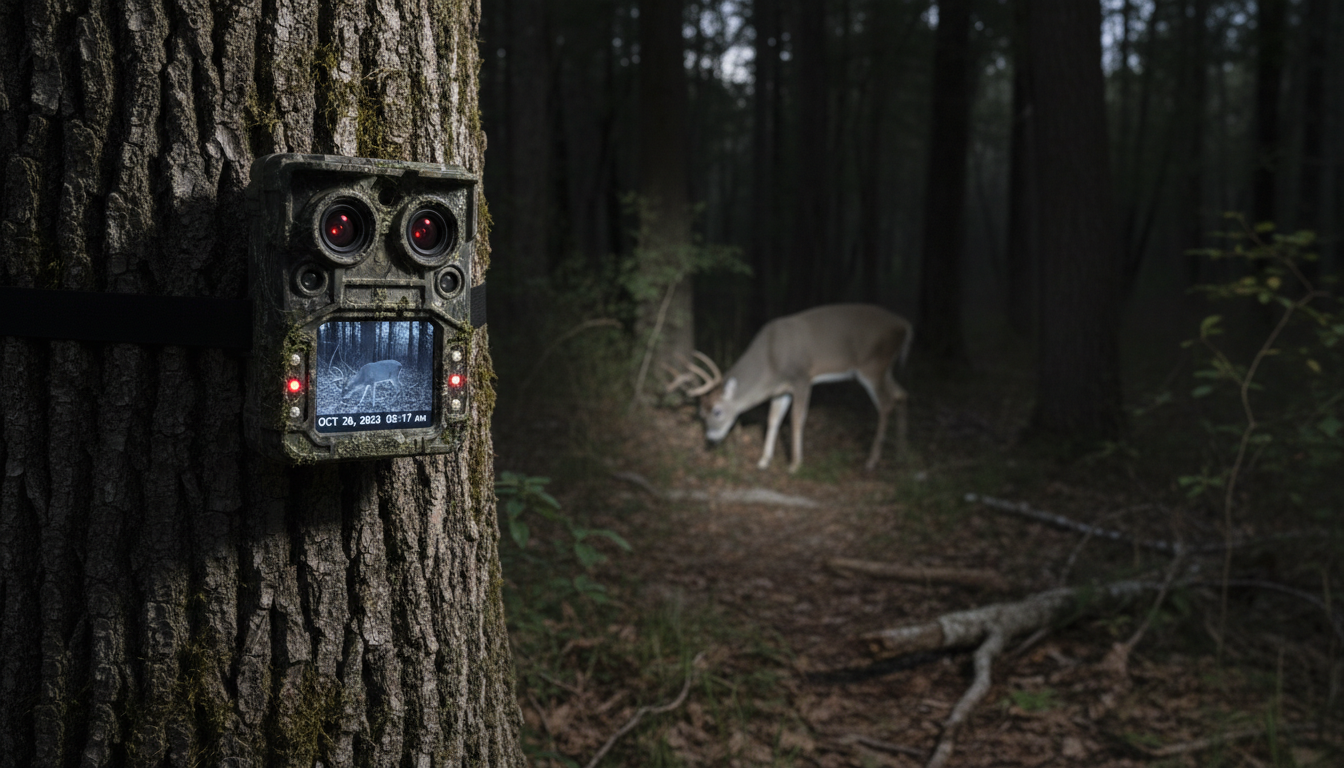
Trail cameras are a wonderful way to capture wildlife without disturbing it, as they are placed in strategic locations and set to take pictures or video whenever they detect motion. These weatherproof cameras have become surprisingly affordable and user-friendly.
Modern trail cameras offer features like fast trigger speeds (under 0.5 seconds), high-resolution sensors, and night vision capabilities. Some even have cellular connectivity that sends images straight to your phone. Battery life on quality models can last weeks, making them perfect for long-term monitoring of animal patterns.
Set them up near trails, water sources, or feeding areas. You’ll be amazed at what passes by when you’re not around.
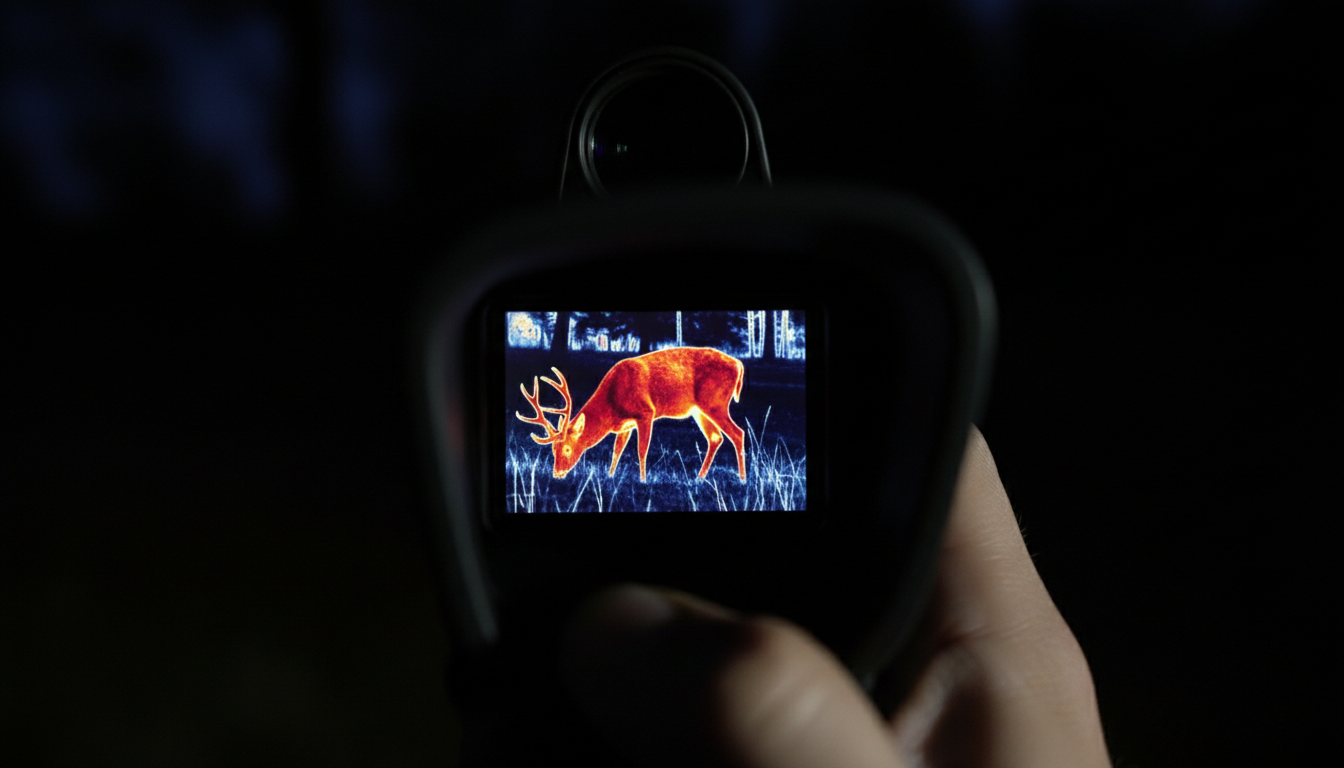
This is where things get interesting. Technologie d'imagerie thermique has changed the game for wildlife observation. Thermal imaging cameras see through darkness and ignore visual camouflage, and unlike all other nighttime vision systems, they require no light whatsoever to produce a clear image.
Thermal devices detect heat signatures—not light. That means total darkness, fog, or light vegetation won’t stop you from spotting animals. We’ve found thermal imaging particularly valuable for nocturnal species like owls, bats, and foxes that are nearly impossible to observe with traditional methods.
Thermals can work just as well in daytime as at nighttime, as it matters much less what time of day it is, and much more what the temperature differential is. On cold days, warm-blooded animals stand out brilliantly even at noon.
Products like the Pixfra Sirius HD, Draco, or Pegasus 2 LRF offer different ranges and features depending on your budget and observation needs. Pairing thermal with traditional optics—using thermal to locate, then binoculars to identify—gives you the best of both worlds.
When binoculars don’t cut it distance-wise, spotting scopes step in. These are essentially small telescopes that excel at observing distant birds, waterfowl, or wildlife across open terrain.
Spotting scopes typically offer magnifications from 15x to 60x and require a tripod for stable viewing. They perform well in low-light conditions when paired with larger objective lenses. The downside? They’re bulkier and less portable than binoculars, so they’re best for stationary observation points.
Pair your scope with a quality tripod—shaky images at high magnification are useless.
Magnifying Glasses: Don’t overlook the micro-world. A simple magnifying glass opens up observation of insects, plants, and small creatures that are easy to miss.
Weatherproof Field Notebooks: Apps are great, but a waterproof notebook never runs out of battery. Record what you see, when, and where. Over time, you’ll build a valuable personal database of wildlife patterns.
GPS Devices: Track your locations and mark spots where you’ve seen specific species. This data helps you return to productive areas and understand animal territories.
Quality Backpack: You need somewhere to carry all this gear. Look for cases with waterproof ratings (IP67 or higher), foam padding, and customizable compartments. Your expensive optics deserve protection from the elements.
People often confuse these two technologies. Night vision amplifies existing light—it needs at least some ambient light to work. Thermal imaging doesn’t use any light – it detects heat signatures, which means thermal can see in absolute darkness and through light cover like grass or fog, which night vision cannot do.
For wildlife observation, thermal wins for pure detection capability. For species identification at closer ranges, night vision or quality binoculars provide better detail. Many serious observers use both.
Start simple. If you’re new to wildlife watching, begin with quality 8×42 binoculars and a field guide for your region. That’s enough to get you started and hooked.
As your interest grows, add a trail camera to monitor a specific area. This passive observation teaches you about animal behavior and patterns without requiring your constant presence.
When you’re ready to explore nocturnal wildlife or want to spot camouflaged animals, invest in thermal imaging. The Torche IR ou ARC LRF offer different approaches to low-light observation.
Quick Setup Recommendation:
Remember: the best tool is the one you’ll actually use. Don’t buy equipment that’s so complicated or heavy you’ll leave it home.
Better tools mean you can observe from farther away—and you should. Just because you can see that sleeping deer in the dark doesn’t mean you should approach and startle it. Maintain respectful distances, especially during breeding seasons or with protected species.
Your gear should help you appreciate wildlife without disturbing their natural behaviors. Stay quiet, move slowly, and remember you’re visiting their home.
The best tools for wildlife observation depend on what you want to see and when. Binoculars remain the foundation for any setup, offering versatility and portability. Trail cameras provide 24/7 monitoring without your presence. And thermal imaging opens up the nocturnal world in ways traditional optics simply can’t match.
Start with the basics, learn what works for your local environment and target species, then expand your kit as needed. Technology has made wildlife observation more accessible than ever—the hard part is choosing where to start watching. But that’s the fun part.
Grab your gear and get out there. The wildlife won’t watch itself.
What’s the best magnification for wildlife binoculars?
For most wildlife watching, 8x or 10x magnification works best. Higher magnification makes the image shakier and reduces your field of view, making it harder to locate and track moving animals. An 8×42 or 10×42 setup balances magnification, brightness, and stability well.
Can thermal imaging work during the day?
Yes, thermal imaging works any time there’s a temperature difference between the animal and its surroundings. On cold days, thermal can be just as effective at noon as midnight. It’s particularly useful for spotting animals hidden in tall grass or dense vegetation, regardless of lighting conditions.
How far can trail cameras detect motion?
Most quality trail cameras detect motion up to 60-80 feet, though this varies by model. Detection range depends on the camera’s sensor sensitivity and the size of the animal. Look for cameras with trigger speeds under 0.5 seconds to avoid missing fast-moving wildlife.
Do I need waterproof binoculars for wildlife watching?
We strongly recommend waterproof binoculars. Weather changes quickly outdoors, and moisture can permanently damage non-waterproof optics. Even morning dew or high humidity can be problematic. The small price premium for waterproofing is worth it for long-term reliability.
What’s the difference between thermal imaging and night vision?
Night vision amplifies existing light, so it needs at least minimal ambient light to function. Thermal imaging detects heat signatures and works in complete darkness. Thermal can also see through light fog, rain, and vegetation. For pure detection capability, thermal is superior, but night vision often provides clearer detail for species identification.
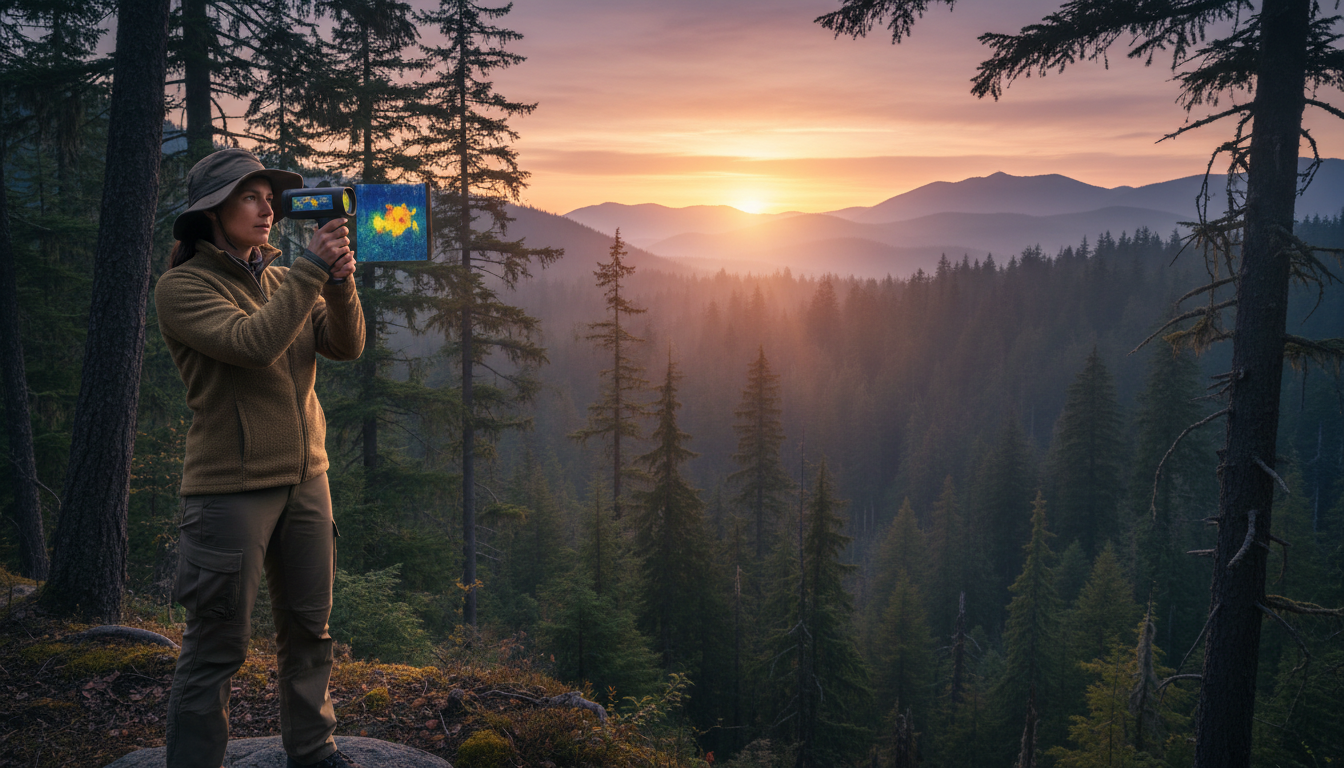
Watching wildlife has changed a lot in recent years. Thanks to thermal imaging cameras, we can now observe animals in complete darkness, through fog, and even when they’re perfectly camouflaged in dense vegetation. These devices detect heat instead of visible light, making them perfect for spotting nocturnal creatures and tracking elusive species without disturbing their natural behaviors.
Whether you’re a wildlife enthusiast, researcher, or photographer, thermal cameras open up a whole new world of observation possibilities. We’ll walk you through everything you need to know about using these cameras for wildlife work—from how they function to choosing the right model for your needs.
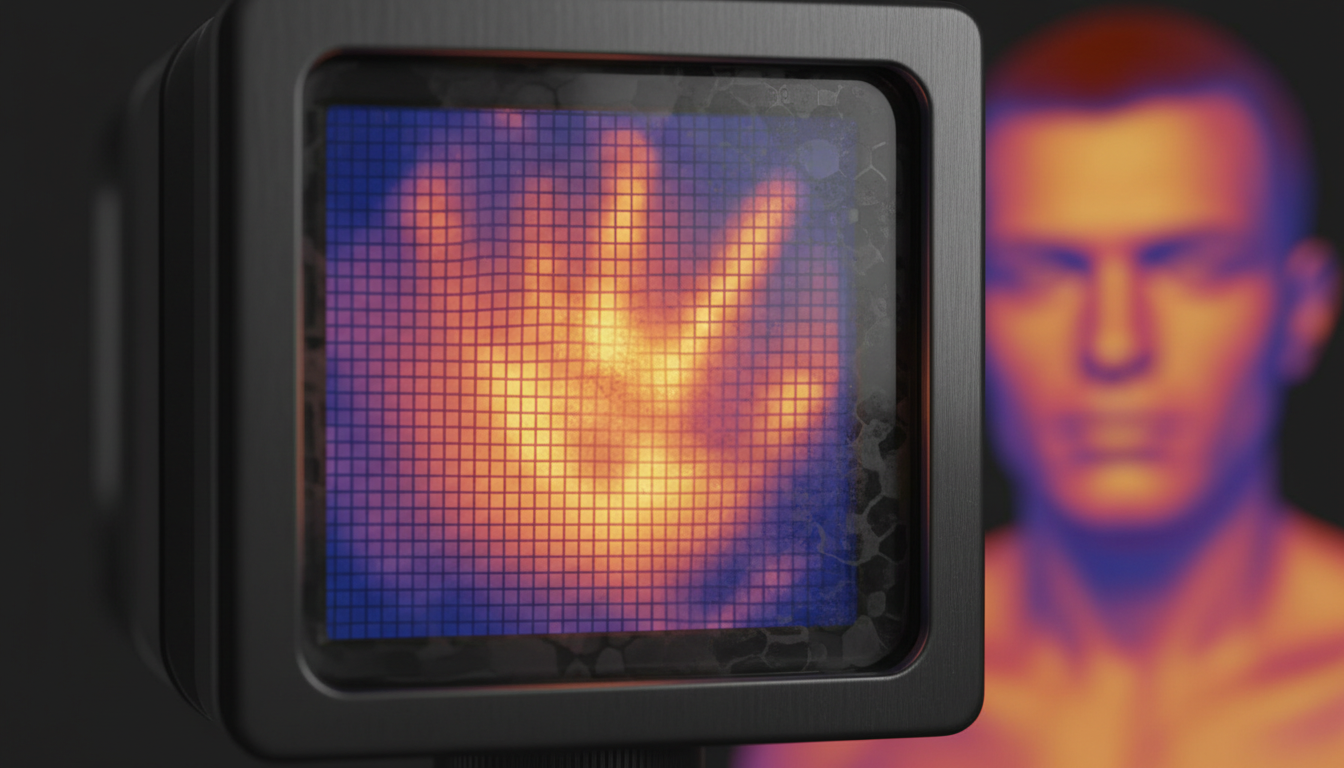
Thermal imaging cameras use infrared sensors to detect heat emitted by objects, animals, or people, converting these heat signatures into a visual image. The thermal imaging detector records minute differences in the heat emission and translates that information into a visible image.
Unlike traditional night vision that amplifies ambient light, thermal devices do not require any light at all—they rely solely on heat, which means you can get a clear picture in complete darkness as well as in daylight. The fact that it relies on thermal contrast instead of visible contrast means that thermal imaging cameras provide perfect vision even when camouflage or darkness render normal eyesight completely useless.
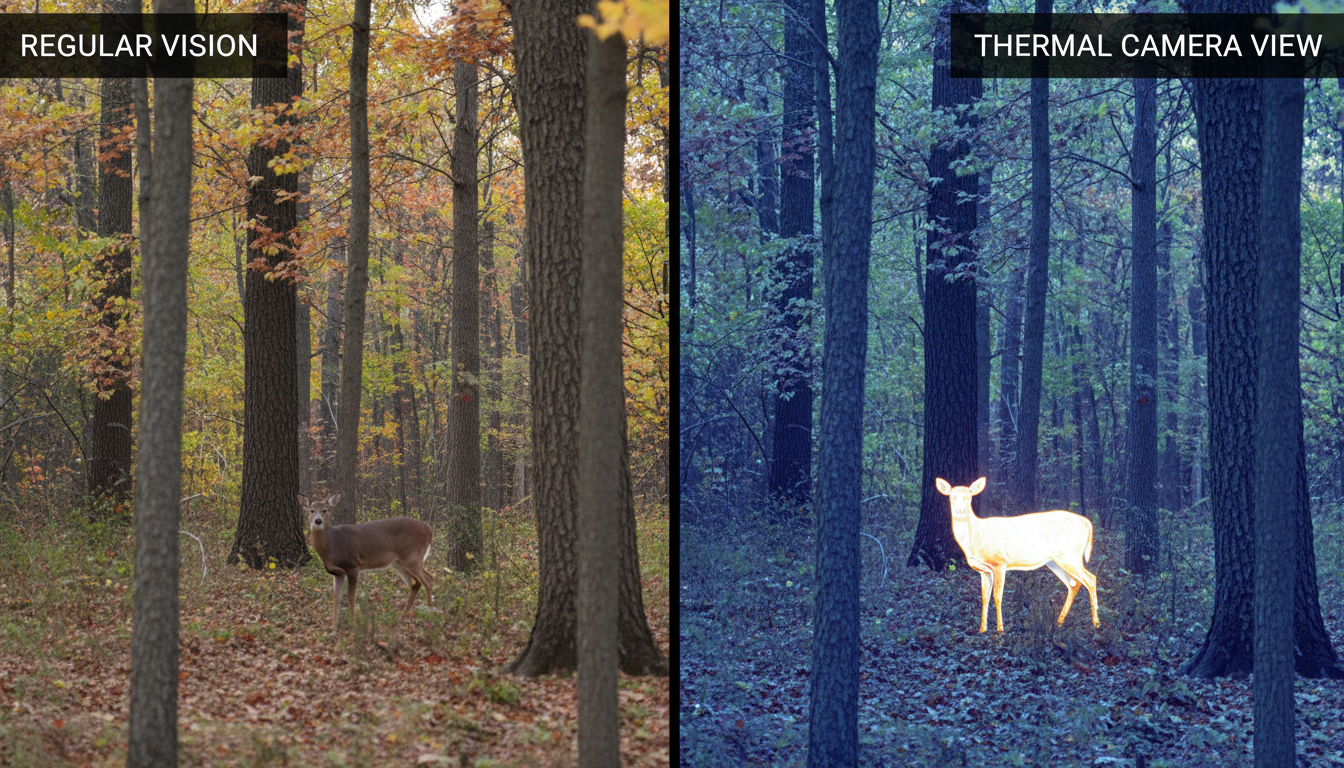
When you look through a thermal camera, warm-blooded animals appear bright (often white or glowing) against cooler backgrounds. Even the most camouflaged animals become visible to the observer. This makes thermal imaging perfect for detecting wildlife that would otherwise remain completely hidden.
Spotting Nocturnal Animals
Many animals are nocturnal or crepuscular (active at dawn/dusk), and thermal cameras excel at revealing nocturnal creatures because they don’t need light at all. A hedgehog rustling in the hedgerow or a barn owl perched in a dark tree will light up in your thermal viewer, appearing as a bright silhouette against cooler backgrounds—even tiny bats can be detected by their warmth when they emerge at night.
Seeing Through Camouflage
Thermal imaging cameras are highly effective at spotting concealed animals by differentiating their heat signatures from the surrounding environment and can be used to detect wildlife within complex habitats such as dense vegetation. Because most wildlife has very good camouflage many of them remain undetected if you use traditional means such as binoculars or light amplifying vision systems, but with a thermal imaging camera, even the most camouflaged animals become visible.
Non-Invasive Observation
A huge benefit for wildlife enthusiasts and conservationists is that thermal imaging allows you to observe animals without disturbing them—there’s no need for bright spotlights or intrusive approaches, and animals usually cannot detect thermal cameras since they emit no visible light and minimal noise. Since thermal devices detect heat passively without emitting any light or energy, they are undetectable by animals.
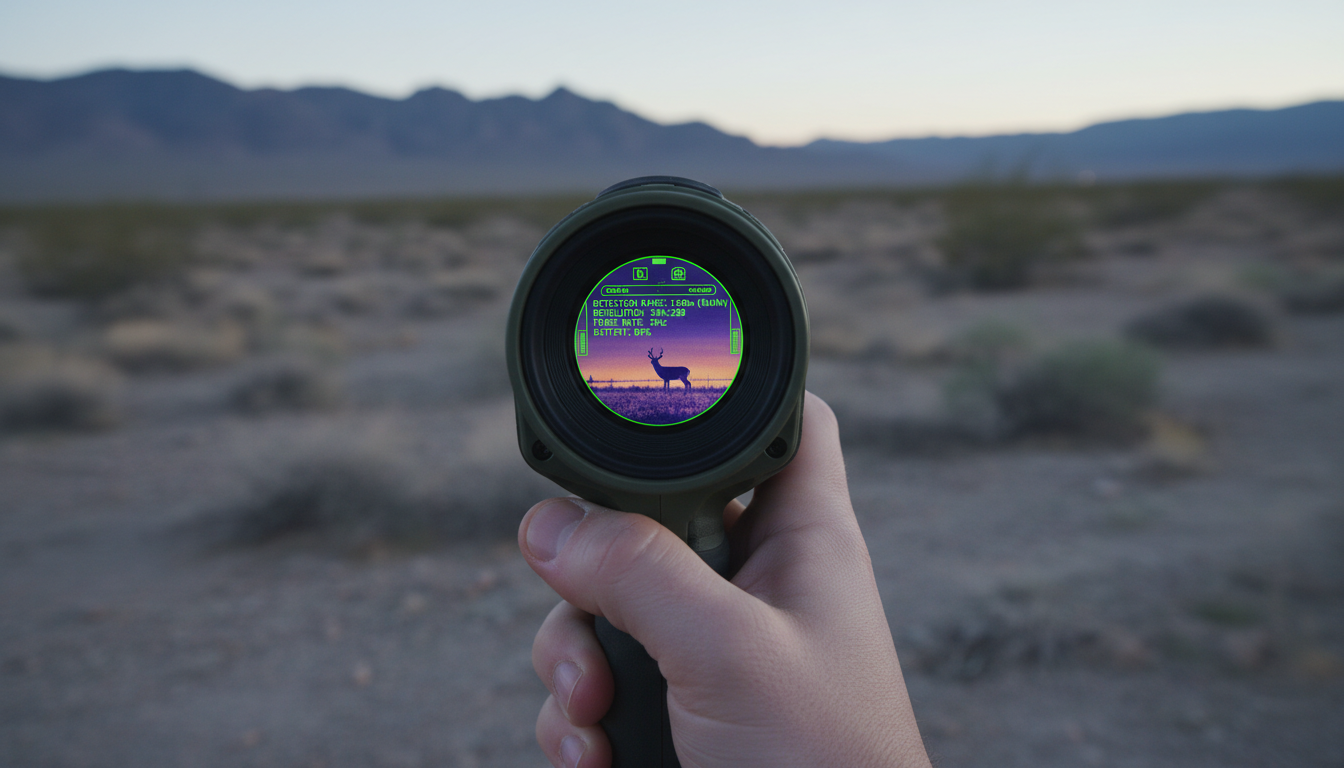
When selecting a thermal camera for wildlife observation, several factors matter:
Resolution and Image Quality
Lower NETD numbers (such as sub-25mK NETD) mean the thermal camera is more sensitive, offering a clearer image, while an imager with a higher NETD value shows less noticeable temperature differences. Higher resolution sensors provide more detail, which helps when you’re trying to identify specific species or observe behaviors.
Portée de détection
Many entry-level models now offer detection ranges exceeding 1km, and these cameras can cover wide areas, depending on their specifications, enabling researchers and conservationists to monitor large regions effectively. Think about the distances you’ll typically be observing from—whether you need long-range capabilities or close-up detail.
Battery Life and Durability
It’s worth checking the battery life of a thermal imager before you buy, to ensure it can keep up on your all-night wildlife-watching sprees. A thermal camera for animals should be durable enough to withstand environmental conditions, such as rain, dust, or extreme temperatures—look for a camera that is weatherproof and rugged.
Recording Features
Thermal imaging cameras often have both photo and video recording capabilities, which serve multiple purposes in wildlife conservation—fundamentally creating visual evidence of species and their behavior, and enabling counting of large animal groups, supporting population monitoring efforts.
For those serious about wildlife observation, we offer several models designed for outdoor use. Our Sirius HD et Pegasus 2 LRF provide excellent detection ranges and image clarity for spotting animals at distance. The Draco offers a compact solution for those who prioritize portability. You can explore our full range of thermal imaging applications to find the right fit.
Optimal Timing
Early mornings and dusk are prime times for observing wildlife, as animals are more active. On wet nights with drizzle or after rain everything is more or less the same temperature so you don’t have to get distracted by warm rocks, and you can keep using the imager into the morning hours longer.
Weather Considerations
If you are looking for arboreal mammals, overcast nights are much better because tree branches show up as hot against clear sky. When observing wildlife in rain, fog, mist and so on, devices with a higher NETD value are less effective as the weather may be cold enough to mask the heat source—the lower the NETD value of the sensor, the less “noise” in the image and the more able the camera is to deliver a clear image of the target, even with lots of adverse weather conditions.
Scanning Techniques
Spend time scanning slowly and train yourself to recognize animal shapes in thermal—for example, a rabbit might appear as a small oval hot spot with cooler ears, whereas a fox will have a distinct elongated shape with a hotter core. Move the camera steadily across the landscape rather than rushing, as small movements can easily be missed.
Color Palette Settings
Many thermal imaging systems have movable brightness, contrast, and color pallet settings—that is, white-hot, black-hot, and rainbow—and white-hot and black-hot settings are often more effective for spotting animals at night. Experiment with different palettes to see what works best in your specific environment.
Maintain Safe Distances
Thermal imaging devices allow you to observe animals without getting too close, reducing stress on the wildlife, and you should always observe quietly and avoid sudden movements or noises that could startle animals. While thermal imaging allows for observation from afar, always maintain a safe distance to avoid disturbing the animals—the range will enable you to stay far enough away for animals to remain undisturbed while still effectively observing them.
Respect Sensitive Areas
Nesting sites and dens are sensitive areas where animals are especially vulnerable, so avoid prolonged observation in these areas to prevent stress or abandonment by the animals. Thermal imaging cameras can detect the heat that permeates through a den or nest due to the warmth of the animal inside, meaning dens, roosts and nests can be observed from a distance to detect the presence of an animal and observe when it enters and exits—this approach minimizes disturbance to animals by replacing invasive approaches such as physically checking a den for the presence of a species.
Know Local Regulations
Some areas restrict the use of thermal imaging devices for wildlife observation, so research local laws and guidelines to ensure your observation practices comply with regulations. Different regions have different rules about wildlife monitoring, especially around protected species.
Thermal imaging cameras, with their “passive detection” capability, enable long-distance, covert recording of natural animal behavior and provide researchers and conservationists with authentic, objective, and continuous observational data. Thermal cameras are now used in conservation to track endangered species and support anti-poaching efforts, with rangers using thermal imagers to scan large areas for the heat signatures of animals or potential poachers.
Researchers can use thermal cameras for data collection, allowing them to study animal behavior, migration patterns, and population health. Observing animal behavior at night or in dense forests becomes easier with thermal imaging, as researchers can monitor feeding habits, mating behaviors, and predator-prey interactions without disturbing the animals.
Thermal imaging cameras have transformed how we observe and study wildlife. They work in total darkness, see through camouflage, and let us watch animals from safe distances without disturbing their natural behaviors. The technology has become more accessible and affordable, making it available to wildlife enthusiasts and professionals alike.
When choosing a thermal camera, focus on your specific needs—detection range, image quality, battery life, and durability all matter. Practice using your device in different conditions and weather to get the best results. Most importantly, always observe ethically by maintaining safe distances, respecting sensitive areas, and following local regulations.
Whether you’re tracking nocturnal mammals, documenting rare species, or simply enjoying wildlife at night, thermal imaging opens up observation possibilities that were impossible just a few years ago. The heat signatures these cameras reveal tell stories about animal behavior, habitat use, and ecosystem health that we couldn’t access any other way.
Can thermal cameras see animals through walls or solid objects?
No, thermal cameras cannot see through solid walls or dense objects. They detect heat signatures on surfaces, not what’s behind them. However, if an animal’s warmth has heated up the surface of a wall or den entrance over time, the camera can detect that temperature difference on the surface itself. This makes thermal imaging useful for locating nests or dens without directly seeing inside.
Do thermal cameras work better at night than during the day?
Thermal cameras work both day and night since they detect heat, not visible light. At night, they often provide clearer images because the environment cools down, creating better thermal contrast between warm-blooded animals and their surroundings. During hot days, everything can be warm, making it harder to distinguish animals from the background.
What’s the difference between thermal imaging and night vision?
Night vision amplifies existing light (like moonlight or starlight) to create a visible image, so it needs at least some light to function. Thermal imaging detects heat signatures and works in complete darkness without any light source. Thermal cameras can also see through fog, light rain, and vegetation better than night vision devices because they’re detecting heat, not reflected light.
How far can a thermal camera detect wildlife?
Detection range varies widely based on the camera’s specifications and the size of the animal. Entry-level models can detect large animals like deer at 300-500 meters, while high-end models can exceed 1 kilometer. Smaller animals like rabbits or foxes have shorter detection ranges. Weather conditions, humidity, and the temperature difference between the animal and environment also affect detection distance.
Will using a thermal camera disturb or scare wildlife?
No, thermal cameras are completely passive devices that don’t emit any light, sound, or energy that animals can detect. They simply receive heat signatures, making them ideal for non-invasive observation. Animals cannot sense when you’re using a thermal camera, though they may still detect you through movement, sound, or scent, so you should still practice quiet observation techniques.
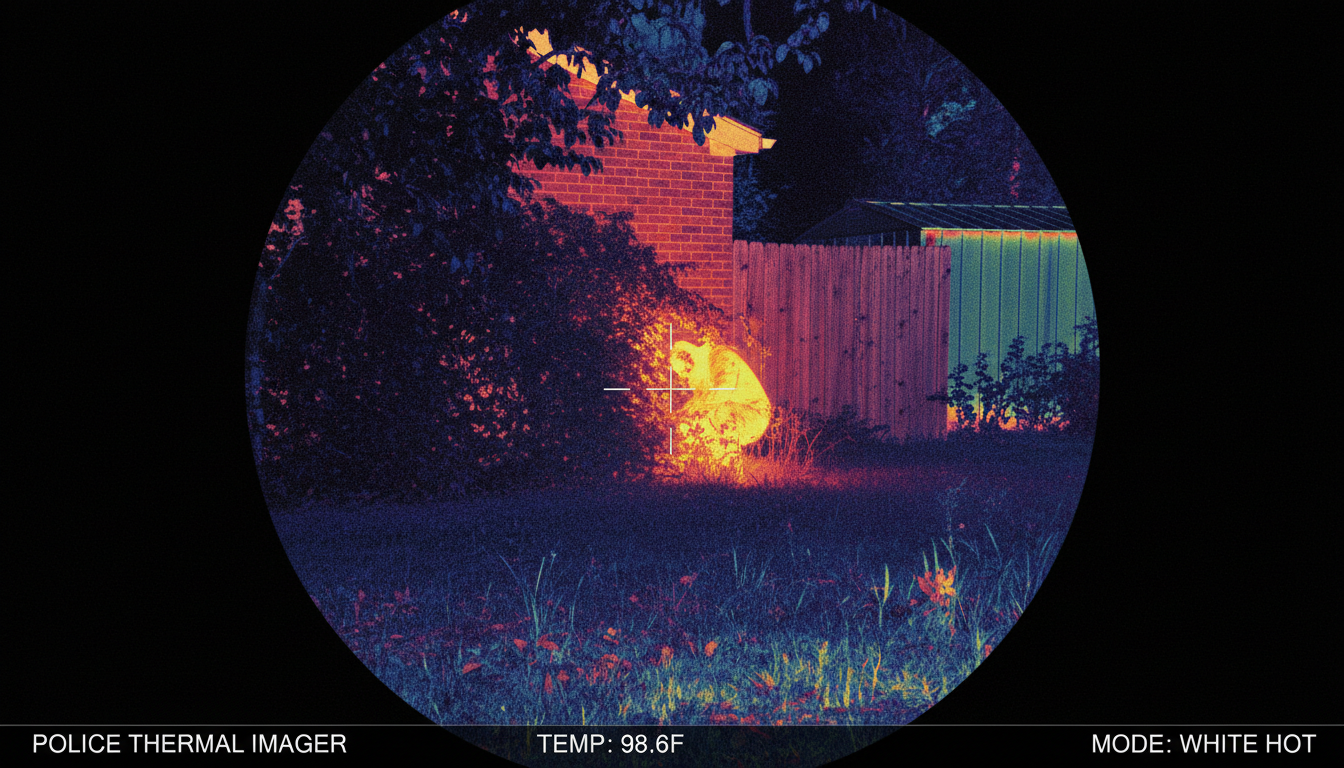
Police departments across the country face challenges that stretch beyond what the human eye can see. Darkness, dense foliage, smoke, and fog can turn routine operations into high-risk situations. That’s where thermal imaging technology steps in. We’ve seen this technology transform from an expensive specialty tool into practical equipment that helps officers work safer and smarter every day.
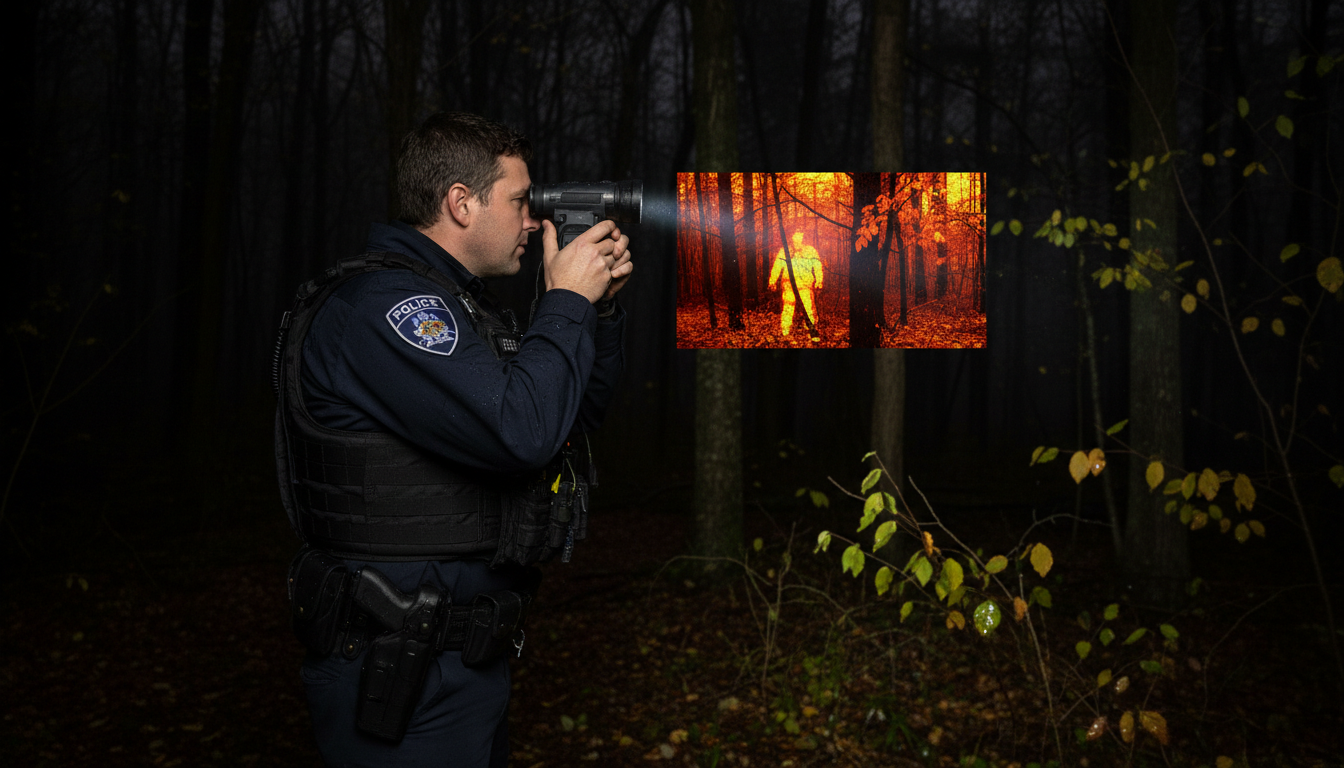
Officers use thermal imaging to locate individuals during foot chases and hidden search scenarios, with one Texas officer noting that suspects were often “just feet away” from colleagues before thermal optics pinpointed their exact location. While most people understand how to hide from sight, they rarely consider hiding their body heat, making detection, tracking and apprehension easier when flashlights fail.
Thermal cameras help officers track, locate and capture criminals in adverse weather conditions, dense foliage, woodland and various other factors that contribute to criminals remaining hidden. One officer located and apprehended around 5-6 suspects over several years, excluding countless instances where the devices aided in smaller investigations. The technology works because suspects focus on visual concealment without realizing their body heat gives away their position.
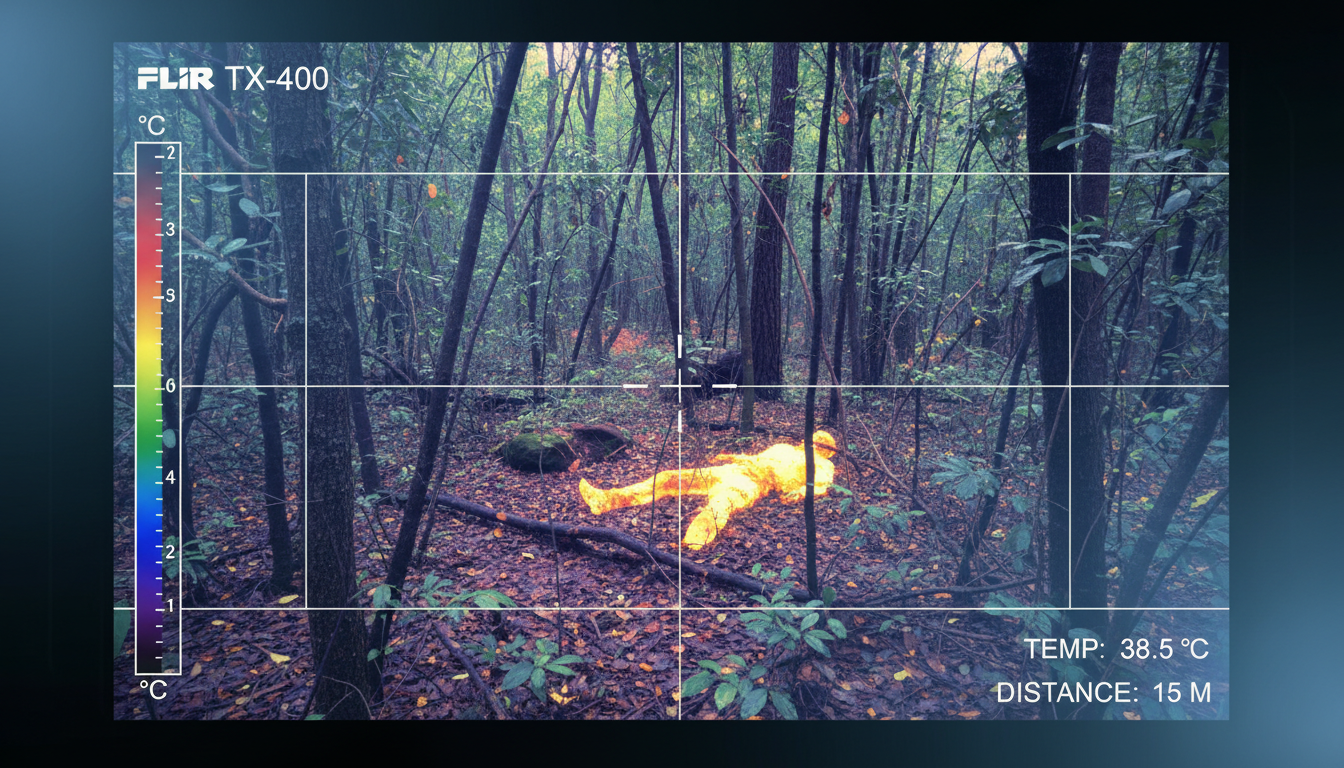
Whether it’s a lost child or a disoriented elderly adult, victims can be located more quickly and at less risk with thermal imagers that overcome challenges of low-light situations and environmental conditions like fog or smoke. Many thermal images will detect a human at 600 yards or more, turning what could be hours of searching into minutes.
Time matters in these situations. When a patient disappeared in grounds the size of a few football pitches, thick with woodland and foliage in pitch black conditions, thermal imaging drastically reduced search time by allowing officers to scan and rule out large areas very quickly. This speed can mean the difference between life and death.
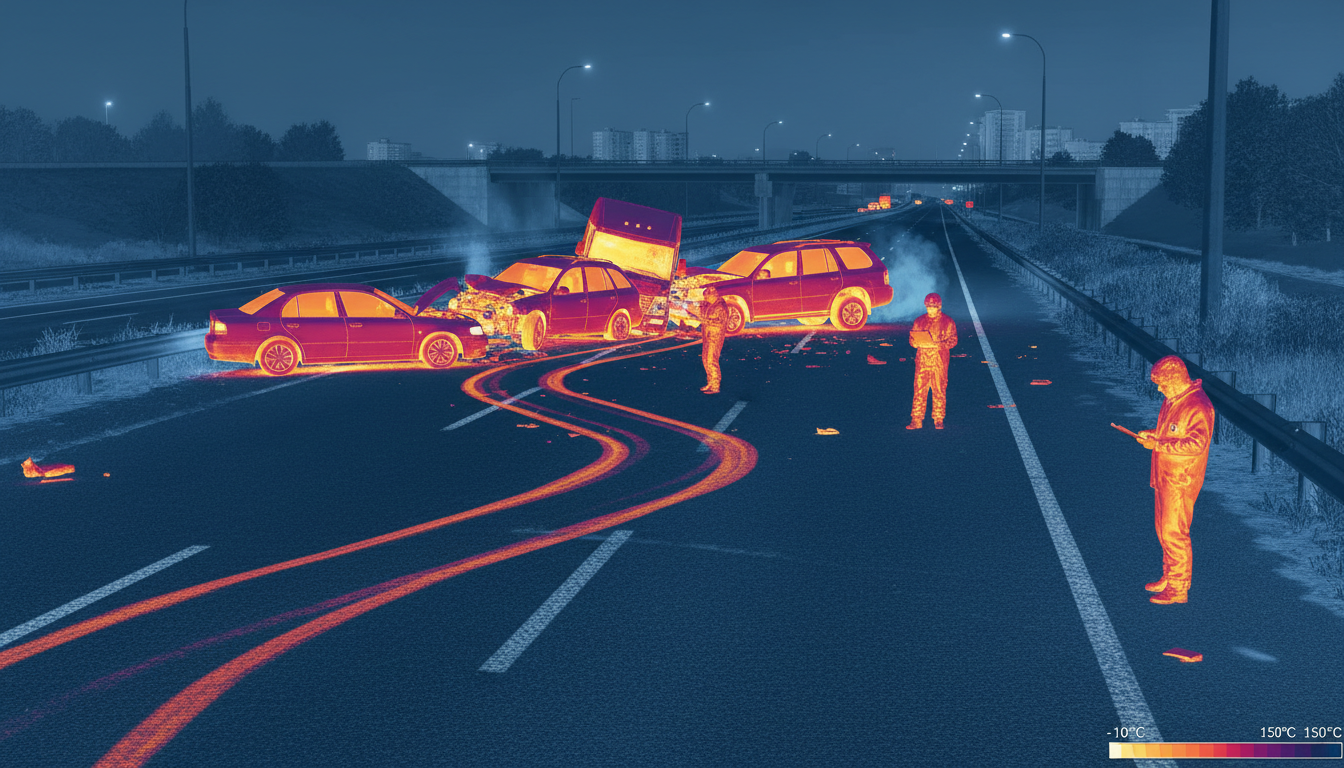
Officers can locate and measure skid marks beyond what’s visible on the pavement, seeing heat signatures left by rubber too thin to see with the naked eye, with marks detectable long after the accident and ABS brakes leaving thermal signatures investigators can use for reconstruction. Investigators use thermal imagers to identify direction of travel, where a vehicle left the roadway, how long it was braking, and to locate victims or belongings that may have been ejected.
When pursuing suspects with intelligence advising a strong chance they may be armed, thermal cameras allow officers to quickly scan the roadside for objects with residual heat after a weapon is discarded, as items held in the hand or on the body stay identifiable for some time. Modern thermal imaging technology has made these applications more accessible to departments of all sizes.
Because thermal imagers don’t require light and only receive heat energy, officers can observe potential criminal activity from a distance, watching activity and building reasonable suspicion or probable cause, with imagery recorded for evidence or used to justify specific interaction. Since thermal imagers don’t project any beam, suspects are unaware they’re being monitored, allowing officers to regain the upper hand.
Officers on patrol can quickly scan between homes and buildings, see suspects hiding in dark garages and under vehicles, identify recently driven vehicles, and go undetected in total darkness while searching for prowlers and other criminal activity. The technology lets officers remain undetected as they perform risk assessments and see potential danger before it sees them. Devices like the Pegasus 2 LRF et Sirius HD bring these capabilities to patrol officers.
Thermal technology in aircraft like helicopters offers an expanded field of view not limited by buildings, foliage or other land obstacles, accurately tracking criminal movements through an environment and easily keeping pace with fast-moving cars while relaying information to ground officers. A sheriff’s lieutenant flying overhead in an agency helicopter used his monocular to direct deputies to the precise location of suspects.
This aerial perspective changes the game for pursuits and wide-area searches. Ground units can position themselves based on real-time thermal intelligence from above, turning chaotic pursuits into coordinated operations. The coordination between air and ground units means suspects have fewer escape options.
Thermal imagers contribute to officer safety at collision scenes by identifying fluid leaks or downed power lines, and when entering fields or yards, help identify fences, dogs and other hazards lurking beyond flashlight range, plus identify people who may be hiding or observing in obscurity. During ground operations at night, officers using thermal imagers are less exposed to danger, with covert surveillance, area and building sweeps, and fugitive searches all made safer because officers can see better with infrared vision.
Being able to assess a scene before entering changes risk calculations. Officers can identify threats, count suspects, and plan their approach with better information. This advance knowledge helps prevent ambushes and reduces the chance of walking into dangerous situations unprepared.
Thermal imaging has moved from specialty equipment to practical tools that officers use daily. From tracking suspects who think darkness provides cover, to finding missing children in minutes instead of hours, to reconstructing accidents with invisible evidence, the technology delivers results that save lives and solve cases. The ability to quickly assess and scan an area has enhanced officers’ confidence and efficiency, reducing time spent in potentially hazardous situations, with the technology having potential to save lives by preemptively identifying threats. We’re seeing departments of all sizes adopt thermal technology as they recognize its value for routine patrol, not just tactical teams. The real success stories come from officers who can go home safely and communities where missing people are found before tragedy strikes.
Can thermal imaging see through walls?
No, thermal imaging cannot see through solid walls or structures. However, it can detect areas where earth has been disturbed or structural changes in walls that create heat signature differences, potentially indicating where evidence may be buried or hidden compartments exist. The technology detects heat signatures on surfaces, not through them.
How does thermal imaging differ from night vision for police work?
Thermal imaging cameras detect heat and enable officers to see in complete darkness, unlike night vision cameras which require ambient light and don’t retain clarity in all lighting conditions. Thermal imagers see temperature differences invisible to human eyes and work perfectly in the absence of visible light, giving them advantages over night vision. Thermal works in fog, smoke, and total darkness where night vision fails.
How long can thermal imaging detect residual heat from suspects or evidence?
Objects or surfaces that have recently been in contact with something hot remain hot enough to clearly stand out when viewed with a thermal imaging camera even when no longer in contact with the heat source. Officers can look for residual heat signatures on seats that were recently vacated or see residual heat left by footprints to hiding places or escape routes. Detection time depends on environmental conditions but can last several minutes to hours.
What types of weather conditions affect thermal imaging performance?
Thermal imaging cameras produce sharp images day or night, need no visible light, and can see in almost all weather conditions, light fog and smoke included, and even through light foliage. Heavy rain, dense fog, or extreme weather can reduce range and clarity, but thermal still outperforms visual observation and standard cameras in these conditions. The technology maintains functionality where other methods fail completely.
Are thermal imaging devices expensive for police departments?
While the technology is not cheap, with handheld or car-mounted systems retailing for $10,000 to $12,000, prices have decreased as the technology matures. Thermal imaging devices are usually associated with special operations like tactical teams, but thermal is both useful and cost-effective, making the technology valuable for uniformed patrol. Many departments find the investment justified by improved outcomes and officer safety.
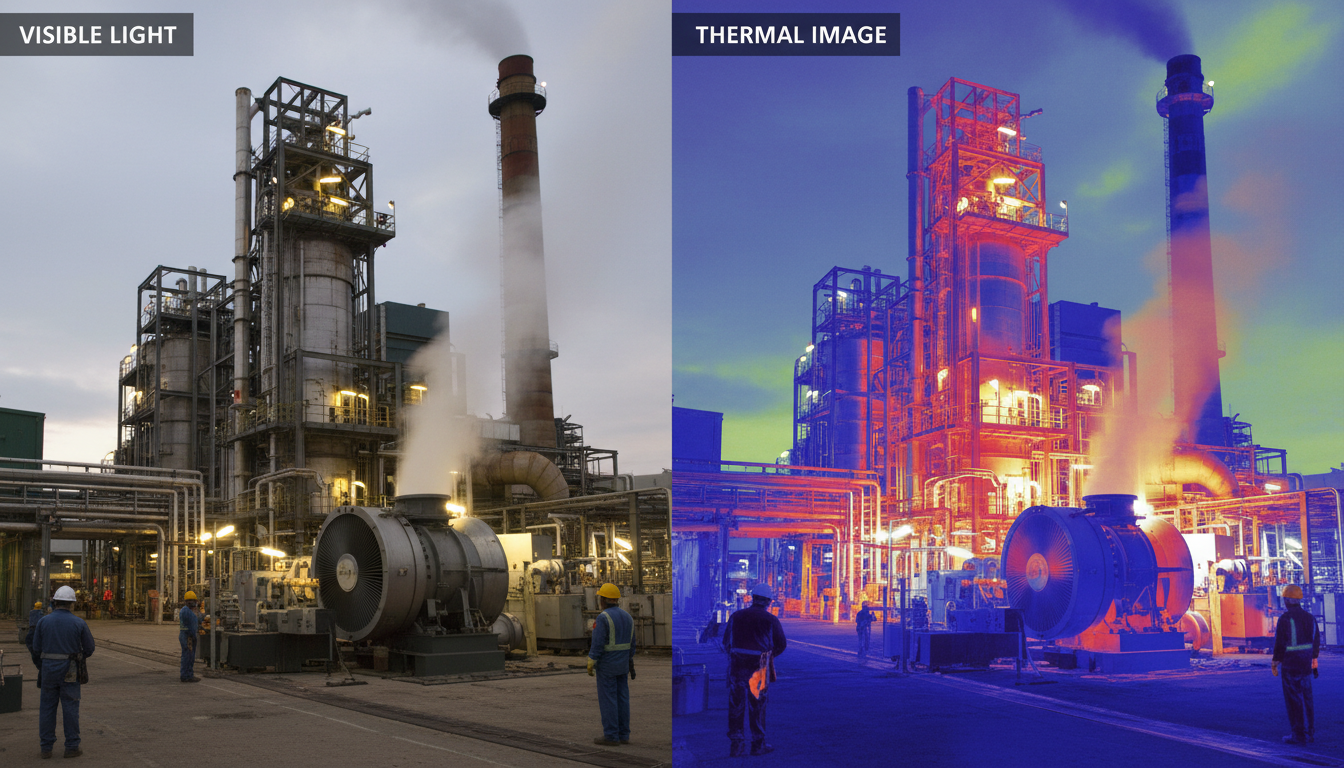
Thermal imaging technology has come a long way since its military origins. What once required liquid nitrogen cooling and cost more than a car now fits in the palm of your hand. These devices detect infrared radiation—heat emitted by all objects above absolute zero—and convert it into visible images that reveal temperature differences invisible to the naked eye.
Today, thermal cameras serve dozens of industries and help solve real-world problems in ways we couldn’t have imagined a decade ago. From spotting game in total darkness to preventing electrical fires before they start, these tools deliver insights that save time, money, and lives. Let’s break down where thermal imaging makes the biggest impact and why it’s become such a game-changer across so many fields.
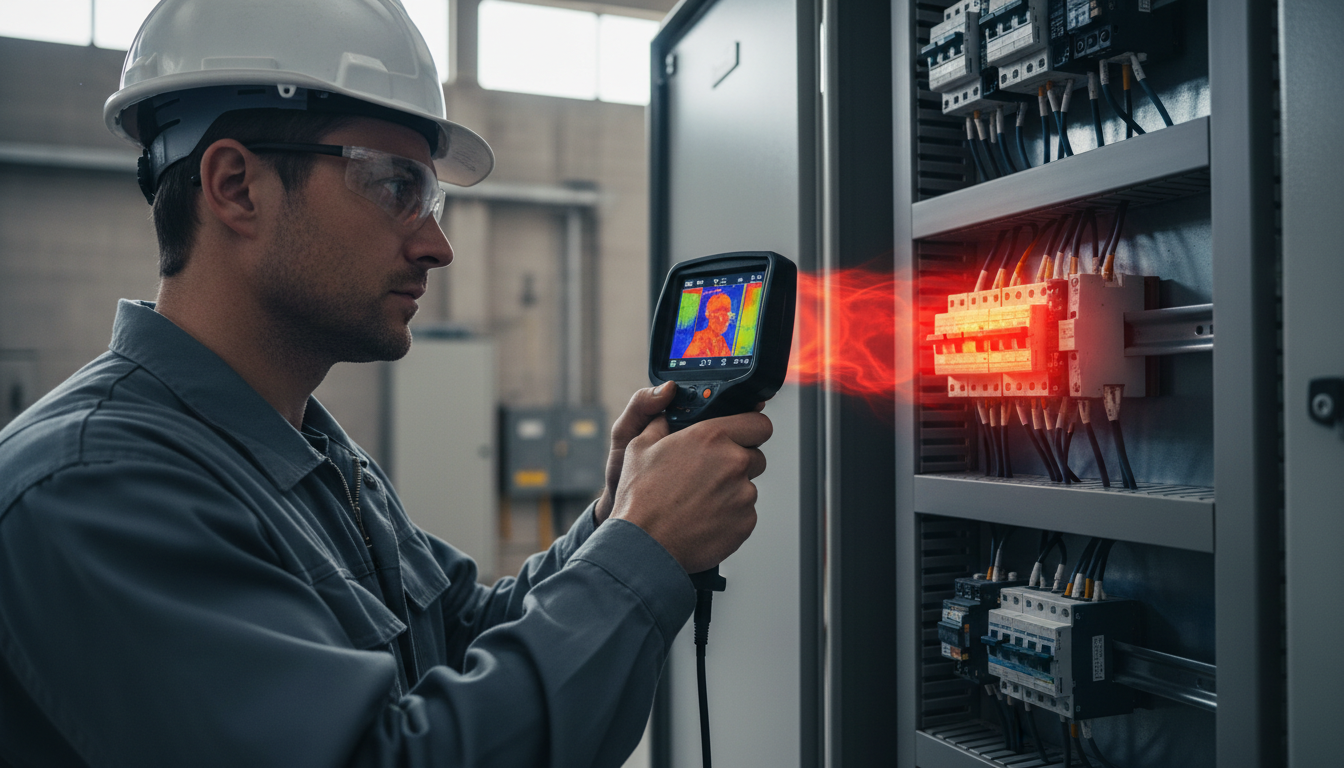
In the industrial sector, thermal imaging cameras are used for preventive maintenance by detecting overheating in machinery or electrical circuits, which helps companies avoid expensive downtime and safety hazards. Electrical wiring involves many discrete physical connections, and the quality of these connections depends on very low electrical resistance—continued electrical efficiency depends on this low contact resistance.
When electrical current passes through a resistor, it dissipates some power as heat—if connection quality degrades, it becomes an energy dissipating device as electrical resistance increases, exhibiting ohmic heating. Thermal cameras spot these hot spots before they become fire hazards. A thermal imager picks up heat created by forces like friction, giving insight into machinery soundness. Beyond electrical systems, infrared imaging is widely used to detect gas leaks—when pointed at a surface with a leak, it shows temperature difference caused by pressure variance.
Key industrial applications:
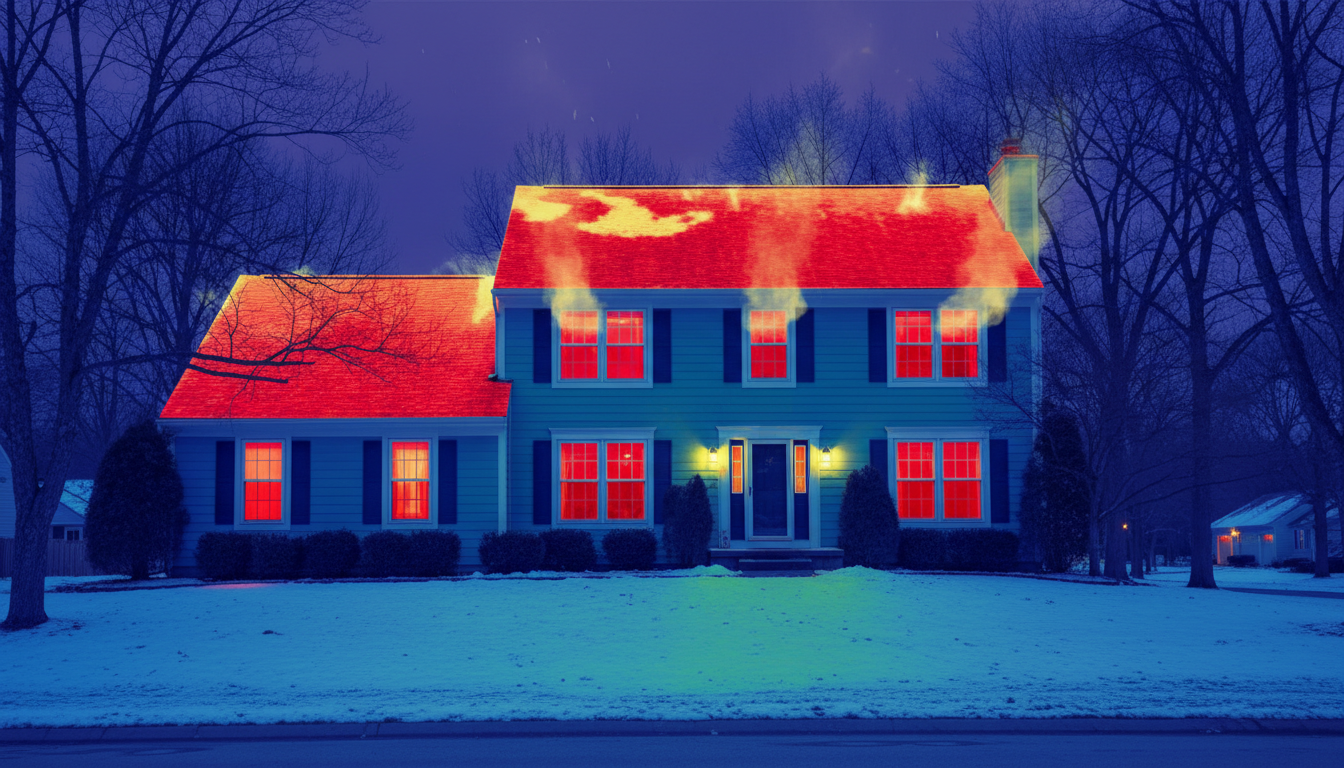
The building sector has widely embraced thermal imaging, where it provides an overview of entire building energy performance—users can pinpoint thermal anomalies in walls or roof and reveal heat leaks or insulation flaws. Homeowners and energy auditors rely on thermal cameras to identify air gaps and poorly insulated areas that drive up heating and cooling costs.
In the building industry, thermal imaging is used to detect heat loss, poor insulation, and water leaks, making it a vital tool in energy audits and building inspections. Thermal imaging can help professionals troubleshoot weaknesses in building structural integrity, especially in case of water ingress—tracking down causes of leaks or damp. We’ve seen thermal inspections catch problems that would have cost thousands more if discovered later.
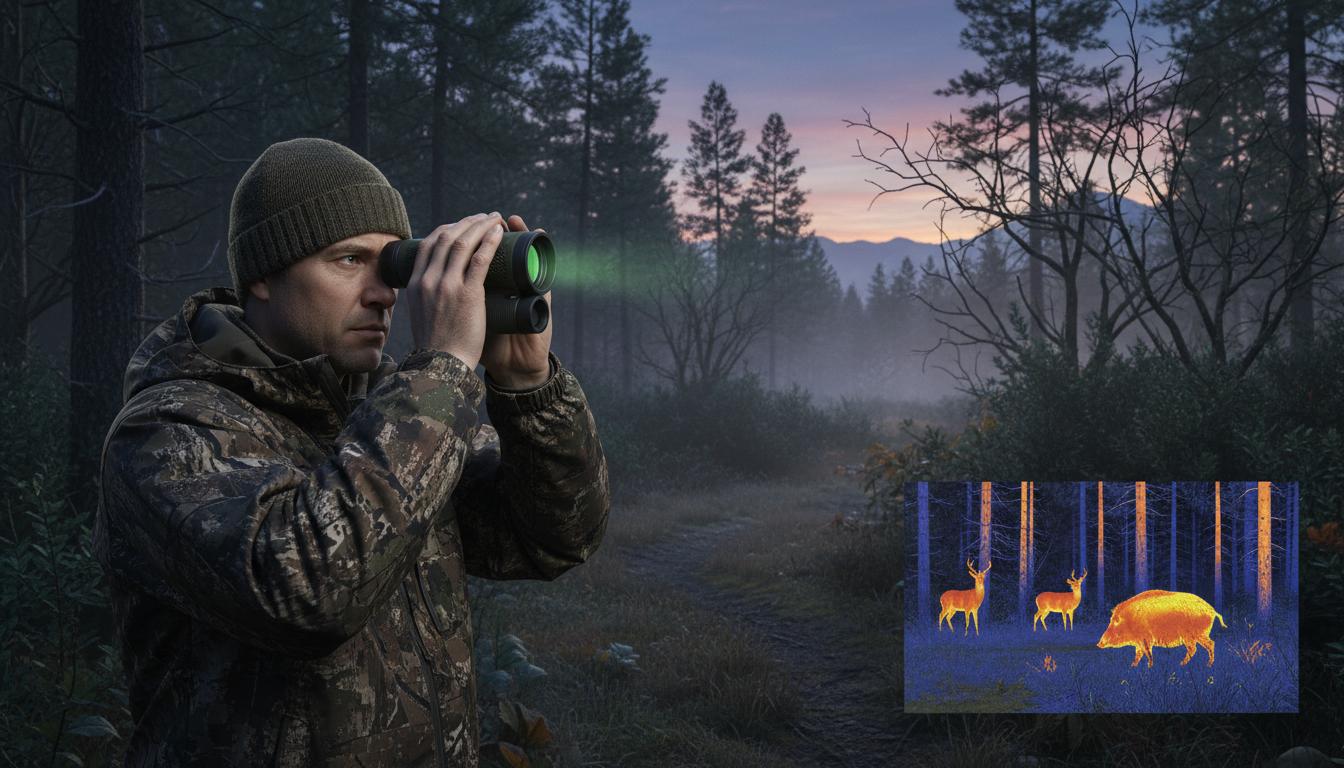
Outdoor enthusiasts and hunters have adopted thermal technology at a rapid pace. Thermal vision doesn’t need any light source, allowing hunters to identify game in low visibility and operate undetected in total darkness. These devices detect heat instead of light, so they work day or night, piercing through darkness, fog, and even camouflage to reveal animals that would otherwise remain hidden.
For wildlife research and conservation, thermal radiation can penetrate smokes, aerosols, dust, and mists more effectively than visible radiation so animals can be detected over a wide range of normally troublesome atmospheric conditions. It’s a completely passive technique capable of imaging under both daytime and night-time conditions, minimizing disruptions and stressful disturbances to wildlife during data collection. Whether you’re tracking deer with our Sirius HD thermal monocular or observing nocturnal animals, thermal imaging opens up a new dimension of outdoor experience.
Thermal imaging cameras are used to detect intruders and potential security threats in sensitive locations such as power plants, government buildings, airports, military installations, and other areas requiring high-level security. The cameras detect body heat of potential intruders and can be used in both day and night conditions—they also have the ability to detect movement and identify objects.
In security applications, thermal imaging can detect intruders, helping prevent theft and sabotage—in production environments, it can help prevent hazards by quickly identifying potential issues such as electrical fires, leaks, or overheating machinery. Thermal imaging can detect humans, animals, and other objects even in adverse weather and light conditions. One major advantage? While it can determine a person’s shape and size, it doesn’t allow for clear identification, so privacy is always guaranteed.
In the medical industry, thermal imaging can reveal inflamed tissue, detect muscle injuries or diabetes, monitor peripheral circulation disorders, identify tumors, and so on. Since it’s a non-contact, non-invasive technology, it’s effective across organs and their systems—circulatory problems and inflammatory conditions can be diagnosed by abnormal thermal patterns, whereas cancerous tissues often have higher temperature than surrounding tissues.
Thermal cameras, also known as infrared thermographic systems, are used by healthcare providers across the U.S. as an efficient, non-invasive way to measure surface body temperature and detect potential fevers early. When used as a medical device, thermal imaging can be a valuable screening tool to measure human body temperature related to possible infection or illness—this technology is convenient and efficient, performed in a touchless manner providing results in seconds to identify candidates for further diagnostic testing.
Thermal imaging provides emergency responders and rescue services with a way to shield the public against harm—thermography systems are essential for detecting fire outbreaks. With their ability to perform contactless temperature measurements, thermal cameras can help prevent fires by detecting hotspots before they turn into a full-blown blaze.
Thermal imaging truly comes into own with its ability to detect a fire inside a building before the flames are visible from the outside. Firefighters use thermal cameras to locate victims in smoke-filled buildings and identify the source of fires behind walls. Thermal cameras detect human or animal presence in search and rescue operations and hot spot detection in forest fire management. The technology has become standard equipment for first responders who need to work quickly in low-visibility conditions.
The surface temperature of objects can be extracted and analyzed from target images captured by infrared thermal imagers—this feature can be applied to fire prevention. In large-scale forests, invisible hidden fires are likely to cause large fires, difficult to detect in time only by manual monitoring—high-sensitivity infrared thermal imagers can examine monitoring targets in real time, and if target temperature exceeds the upper limit, an alarm message will be sent.
Researchers use thermal cameras for wildlife population studies, habitat monitoring, and tracking animal behavior patterns. Researchers use animal detection cameras to track animals in their natural habitats, studying their movement patterns, habits, and populations. The thermal system can detect heat signatures of all animals—the benefit of using a drone imager is monitoring animals in their natural habitat without disturbing them, especially at night.
Thermal imaging technology applications span far beyond their original military purpose. From preventing equipment failures and reducing energy waste to protecting wildlife and saving lives, these cameras deliver value across virtually every industry. The technology continues to improve—better resolution, longer battery life, and more affordable prices put thermal imaging within reach for professionals and enthusiasts alike.
What makes thermal imaging so versatile is its fundamental advantage: it sees heat signatures that remain invisible to conventional cameras and the human eye. Whether you’re inspecting electrical systems, exploring thermal options for outdoor adventures, or conducting medical screenings, thermal cameras provide actionable insights that simply weren’t possible before. As the technology becomes more accessible, we expect to see even more innovative applications emerge in the coming years.
What’s the difference between thermal imaging and night vision?
Night vision amplifies available light to create an image, so it needs at least some light to function. Thermal imaging detects infrared radiation (heat) emitted by objects themselves, working in total darkness without any external light source. Thermal cameras see through fog, smoke, and light vegetation better than night vision because they’re detecting heat signatures rather than reflected light.
Can thermal cameras see through walls?
No, thermal cameras cannot see through solid walls. They detect infrared radiation from surfaces, so they show the temperature of the wall surface itself. However, if there’s a significant temperature difference—like a hot water pipe or electrical issue creating heat—the thermal camera will show that heat pattern on the wall’s surface. This makes them great for finding problems behind walls, but they don’t provide x-ray vision.
How far can thermal cameras detect animals or people?
Detection distance depends on sensor resolution, lens size, and environmental conditions. Entry-level handheld thermal monoculars typically detect human-sized heat signatures at 100-300 yards, while high-end professional units can detect large animals at distances over 1,800 yards (over a mile). Factors like humidity, rain, and target size all affect maximum detection range.
Are thermal cameras legal for hunting?
Legality varies by location and species. In the United States, federal regulations generally allow thermal devices for hunting, but individual states have their own rules. Some states permit thermal imaging for certain pest species but prohibit it for big game. Always check your local hunting regulations before using thermal equipment in the field, as laws continue to evolve as the technology becomes more common.
What’s the typical lifespan of a thermal imaging camera?
Quality thermal cameras can last 10-15 years or more with proper care. The thermal sensor itself is solid-state and has no moving parts, making it quite durable. Battery life and electronic components typically fail before the sensor does. Most manufacturers offer warranties ranging from 2-5 years. Regular firmware updates and proper storage (avoiding extreme temperatures when not in use) help extend the useful life of thermal imaging devices.