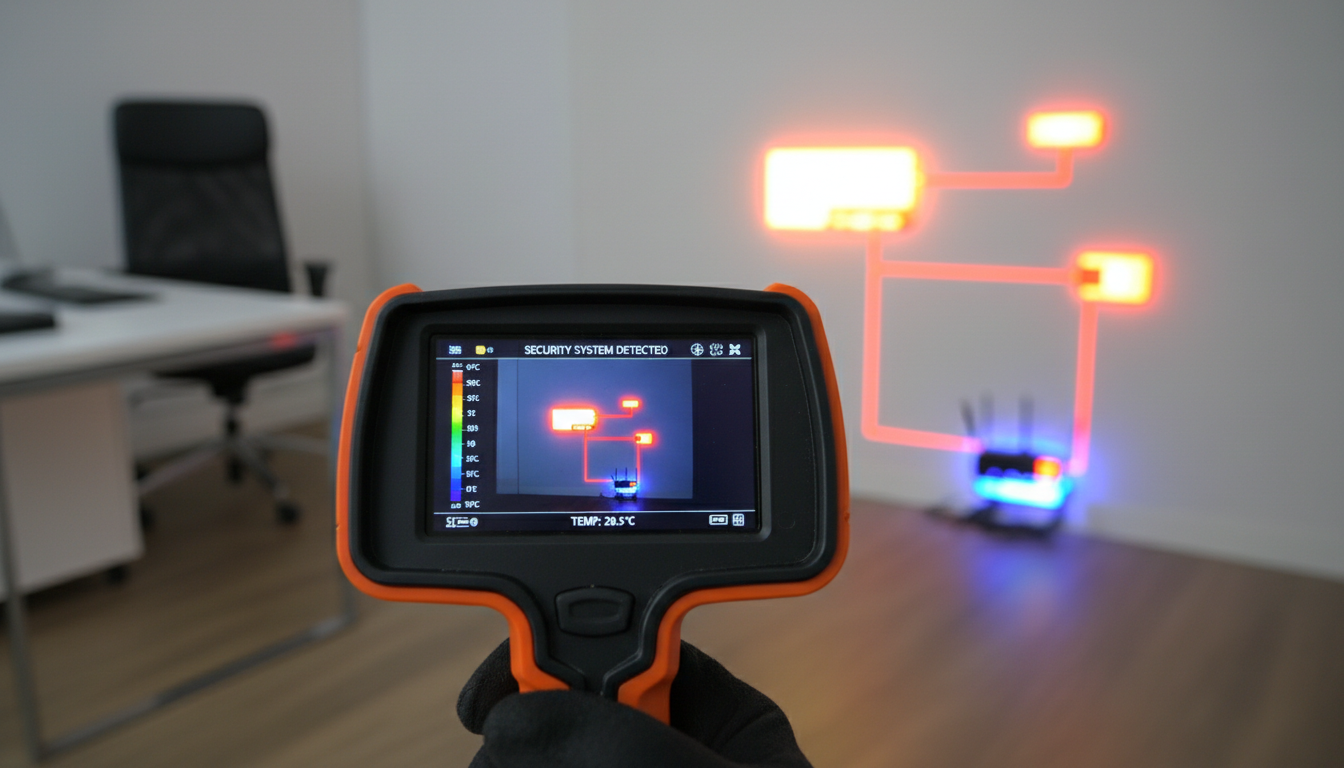
Security professionals and privacy-conscious individuals face a growing challenge: hidden surveillance devices. As these gadgets get smaller and easier to conceal, detection methods need to keep pace. Thermal imaging cameras have emerged as a potential solution, but how well do they actually work?
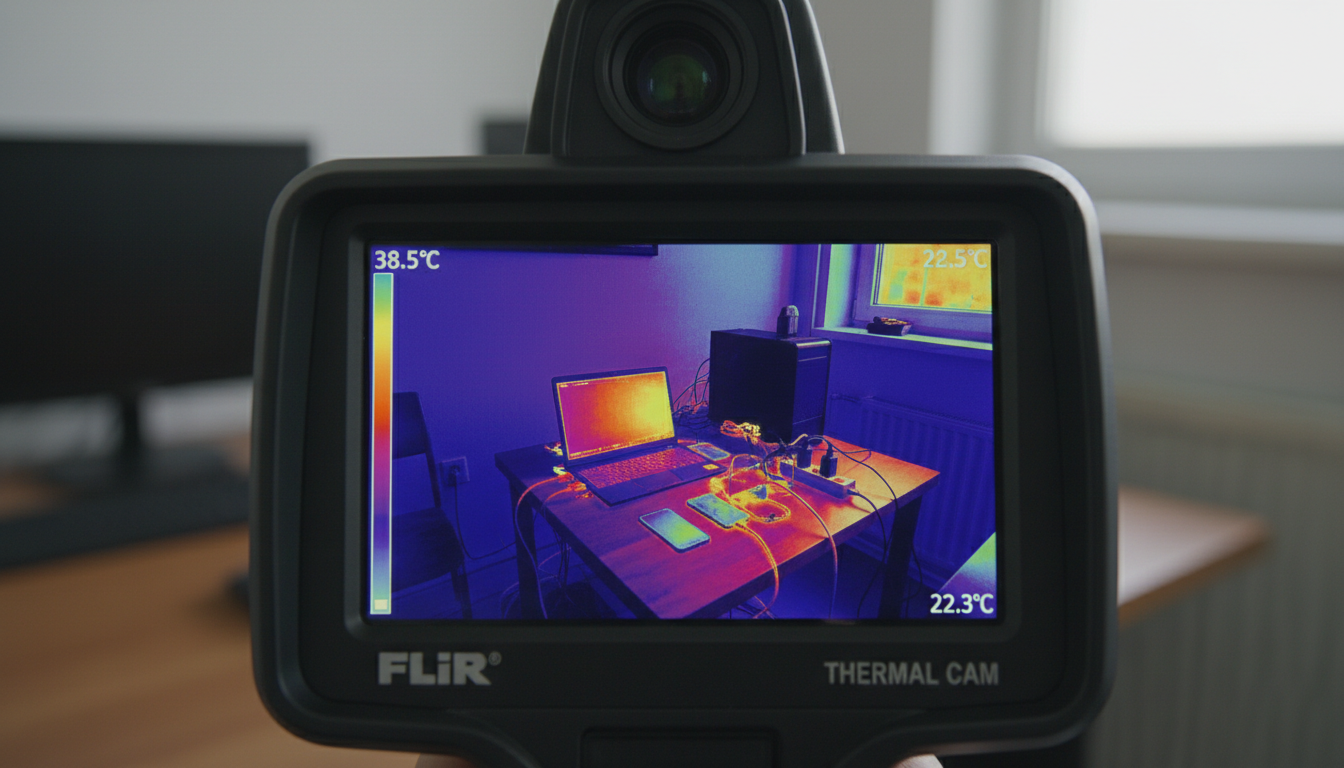
Thermal imaging cameras work differently from standard security cameras. Instead of capturing visible light, they translate thermal energy (heat) into visible light to analyze objects or scenes, displaying temperature profiles as thermal images. Every electronic device generates heat when powered on, which creates a detectable signature.
These cameras can detect surveillance devices the moment they’re powered on, and even if a device has been hidden for an extended period, once activated, it will emit heat that can be detected. This makes them particularly useful for remote visual inspection devices that combine multiple detection capabilities.
The science is straightforward: thermal imaging cameras detect infrared radiation emitted by all objects with a temperature above absolute zero. Security devices like hidden cameras, motion sensors, and recording equipment all produce heat during operation. Digital camera sensors always have an elevated temperature compared to ambient temperatures, making them stand out on thermal scans.
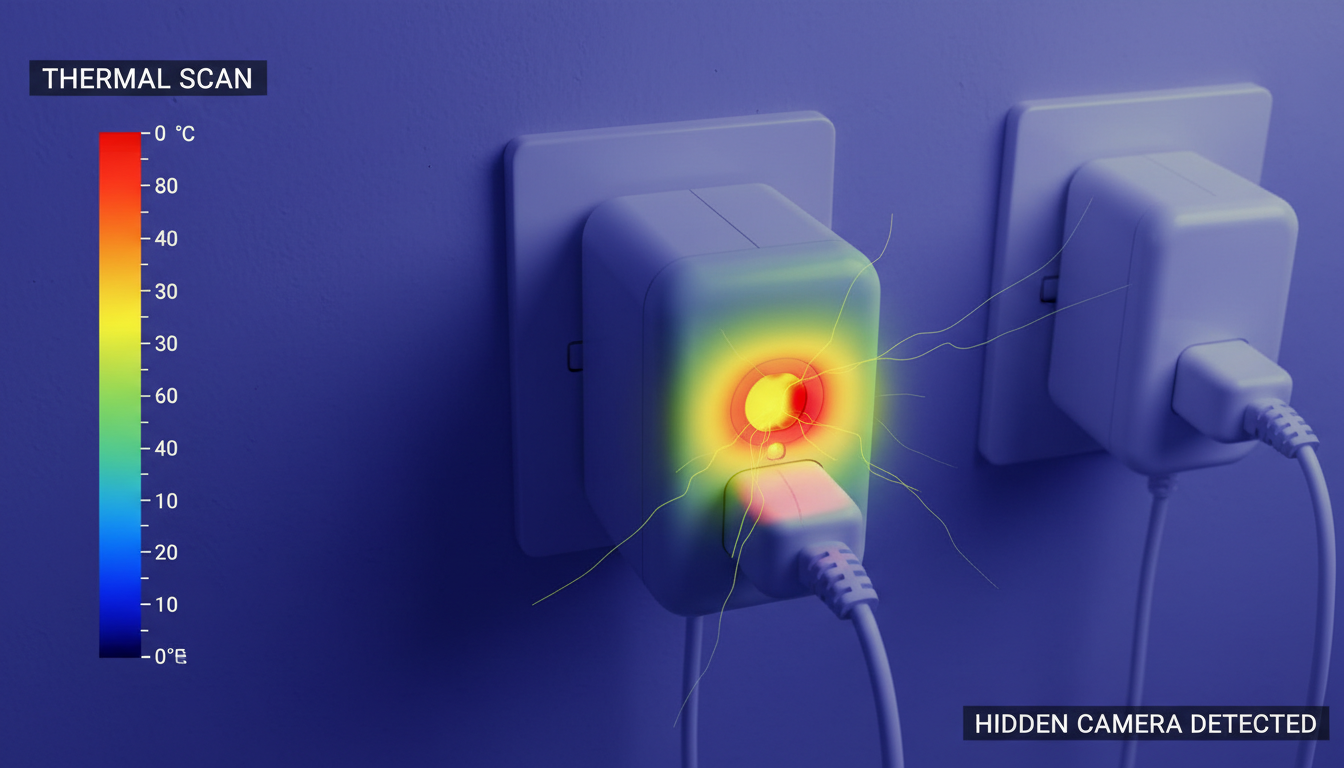
Thermal cameras excel at finding powered electronic equipment. They’re great for locating spy cameras hidden in hotels or short-term rentals, revealing water leaks in houses, and finding overheating electrical components. You’ll likely spot wall plugs, computers, and televisions showing elevated temperatures, which is normal.
The camera’s thermal sensitivity determines its ability to detect small temperature differences, which is critical for spotting low-power electronics like bugs, hidden cameras, or wiring, and the lower the NETD value, the better the camera can detect subtle heat signatures from surveillance equipment.
Research backs this up. HeatDeCam, a thermal-imagery-based detector, achieved over 95% accuracy in detecting hidden cameras. Spy cameras disguised as charger plugs exhibit additional uneven heat distribution compared to regular charger plugs because they have to add unique hardware components like SD cards and image sensors without changing the original form factor.
Professionals using thermal imaging devices like the Sirius HD can scan rooms for unusual heat patterns that indicate hidden electronics. Look for small spots of elevated temperature in unexpected places—especially near private areas like bedrooms or bathrooms.
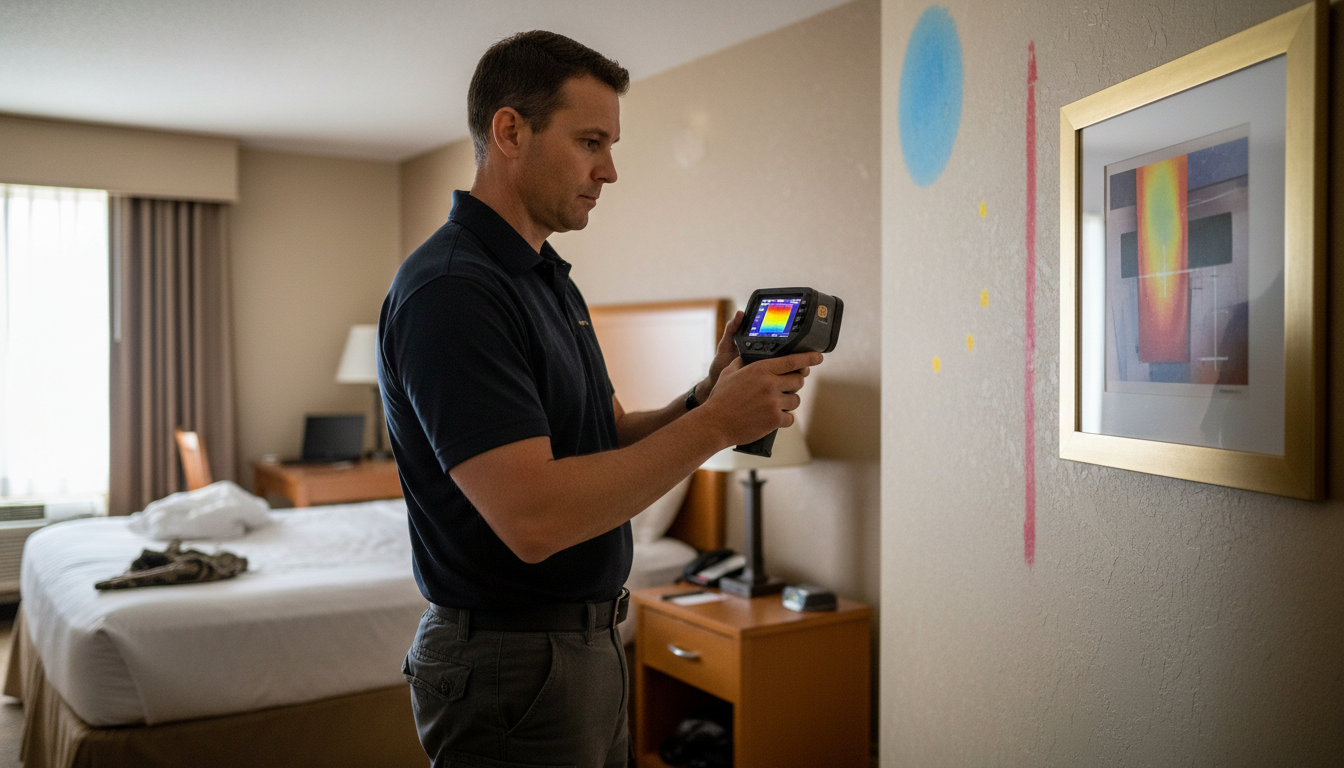
Thermal cameras aren’t perfect. In general, a thermal camera can’t detect hidden cameras if those devices aren’t powered on or generating sufficient heat. Devices in standby mode or those designed with heat-dissipating features become harder to spot.
You may encounter problems when the surroundings or backgrounds are the same temperature as an object in the image, and during very hot days, thermal cameras may be unable to distinguish an object from its surroundings. Temperature contrast matters more than absolute heat levels.
Thermal cameras cannot see through walls—they detect the thermal radiation emitted from surfaces, so they can only visualize heat patterns on the surface of objects. Glass and aluminum foil also block infrared rays, making detection impossible through these materials.
Another challenge: thermal cameras do not capture visible light, so details such as faces, license plates, or clothing color are not visible, making identification difficult. They’re better for detecting and tracking than recognition.
Thermal cameras help identify unusual heat patterns in the environment—a warm spot on a wall may suggest a hidden device, or a cooler area might indicate tampering or a secret compartment, and they provide a quick way to scan large areas. Security professionals can instantly identify potential heat sources by pointing the camera at a wall or room.
For professional security work, advanced thermal cameras like the Pegasus 2 LRF offer the resolution and sensitivity needed for thorough inspections. Higher resolution allows for clearer images and better detection of smaller or more subtle thermal signatures, which is especially important for checking devices hidden behind objects or in complex environments.
Thermal cameras provide a level of discretion that traditional surveillance systems cannot, and since they don’t rely on visible light, intruders are unlikely to see the camera or know they’re being monitored. This makes them valuable for covert operations.
When selecting a thermal camera for security device detection, specs matter. At least 256×192 pixels resolution is recommended, with 320×240 or higher preferred. Frame rate affects how quickly you can scan an area, with 25Hz or higher being standard.
A narrower FOV (closer to 30°) is ideal for pinpoint accuracy and focused inspections, while a wider FOV (closer to 50°) can help you scan large areas quickly. Depending on your inspection needs, you might need both capabilities.
Advanced thermal cameras offer “fusion” modes that combine thermal and visible light images, making it easier to detect hidden devices when combined with visual inspections. These hybrid systems, like the Draco model, give you the best of both worlds.
Battery life matters for field work. Professional models typically offer 4-6 hours of operation. Look for waterproof ratings (IP65 or higher) if you’ll be working outdoors or in harsh conditions.
To find a spy camera in a room, you just scan the room with a thermal camera, looking for small spots of elevated temperature. If you find something odd, usually with a small glass lens that you don’t think should be receiving an electrical signal and is showing an elevated temperature, it might be a spy camera.
Start your scan methodically. Check common hiding spots: smoke detectors, air vents, electrical outlets, decorative items, and anywhere with a small hole or lens. Move slowly and give the camera time to register temperature differences.
Thermal cameras enable early detection of surveillance devices, allowing countermeasures to be implemented promptly, and even low-power or low-heat devices can be identified early in the process. Time your scans for when you expect devices to be active—most surveillance equipment runs continuously or on motion activation.
For professionals, specialized tools like the IR Torch combine thermal imaging with other detection methods for comprehensive sweeps. Multiple detection vectors increase your chances of finding hidden devices.
Thermal imaging cameras offer a powerful tool for detecting security devices, but they’re not magic. They work best on powered electronics that generate detectable heat signatures. Professional-grade models with high sensitivity, good resolution, and fusion modes provide the most reliable results. While limitations exist—especially with unpowered devices or high-temperature environments—thermal cameras remain one of the most effective counter-surveillance tools available. Whether you’re checking a hotel room or conducting professional security sweeps, understanding what thermal cameras can and can’t detect helps set realistic expectations and develop effective inspection strategies.
Can thermal cameras detect hidden cameras that are turned off?
No, thermal cameras can’t reliably detect hidden cameras that are completely powered off. They work by identifying heat signatures from active electronics. If a surveillance device isn’t generating heat, it won’t show up on thermal scans. You’ll need to power on the device or use other detection methods like RF detectors for wireless cameras or physical visual inspections.
What’s the difference between thermal cameras and night vision for finding security devices?
Thermal cameras detect heat signatures and work in total darkness without any light source. Night vision cameras amplify existing light and need at least some ambient light or infrared illuminators to function. For finding hidden security devices, thermal cameras are more effective because electronic components generate heat regardless of lighting conditions. Night vision won’t help you spot a hidden camera inside a clock or smoke detector.
How close do I need to be for a thermal camera to detect a hidden device?
Detection distance depends on your thermal camera’s resolution and sensitivity. Consumer-grade models work best within 10-15 feet for small devices like hidden cameras. Professional models can detect heat signatures from farther away, but for counter-surveillance work, closer is better. Scan slowly from 3-10 feet away for optimal results. Higher resolution cameras (320×240 or better) can spot smaller temperature differences at greater distances.
Will glass block thermal cameras from detecting devices behind it?
Yes, glass blocks infrared radiation, making it impossible for thermal cameras to see through windows or glass barriers. The camera will only show the temperature of the glass surface itself, not objects behind it. This limitation also applies to some plastics and reflective materials like aluminum foil. If you suspect a device is behind glass, you’ll need to use different detection methods or physically access the area.
Are thermal cameras better than RF detectors for finding spy cameras?
Both tools have strengths. Thermal cameras detect any powered electronic device, including wired cameras that don’t emit radio frequencies. RF detectors find wireless cameras and transmitters but miss hardwired devices. For comprehensive counter-surveillance, professionals use both methods together. Thermal cameras excel at spotting disguised devices based on heat patterns, while RF detectors identify wireless transmission signals. The best approach combines multiple detection techniques.
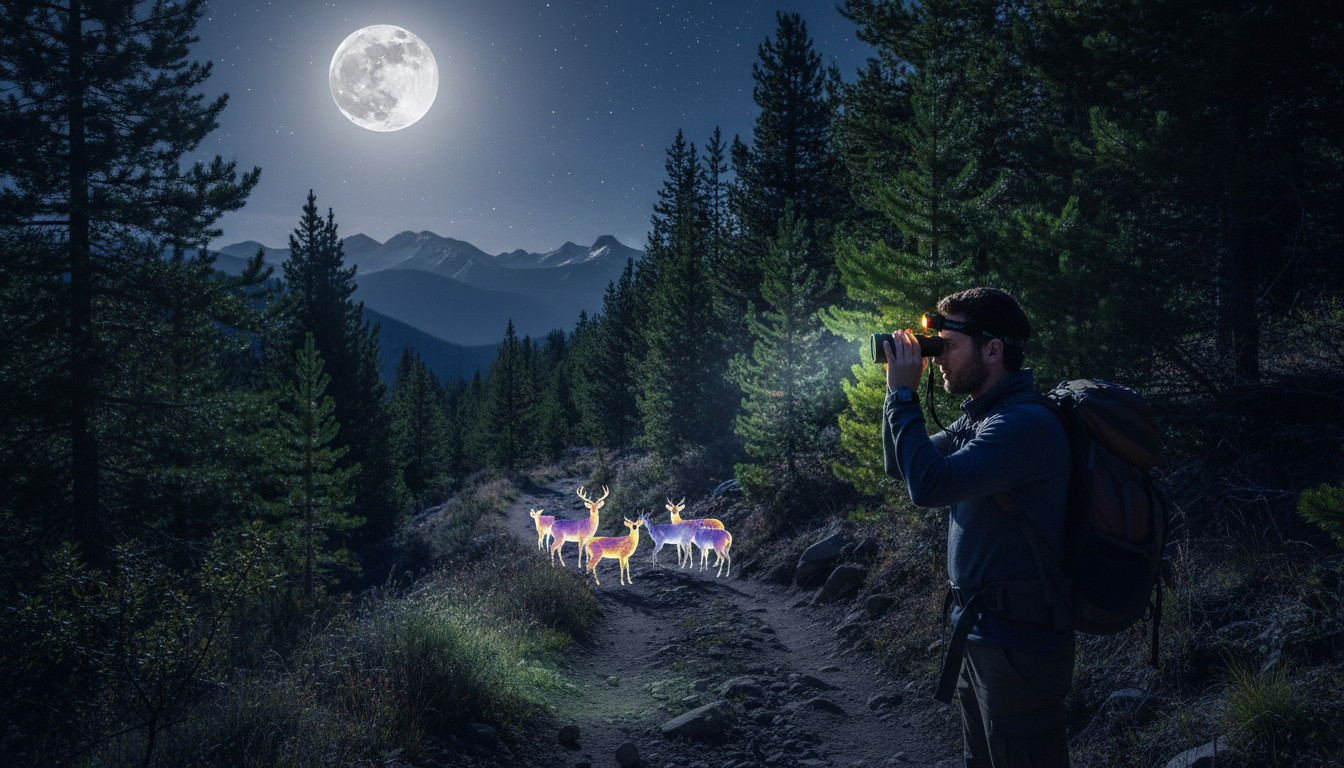
Più della metà di tutte le specie selvatiche è attiva di notte, ma la maggior parte degli escursionisti non ha mai modo di vederle. Trascorriamo le nostre giornate sui sentieri alla ricerca di cervi e uccelli, poi raccogliamo le nostre cose prima del tramonto, perdendoci così un intero mondo di attività notturna che si svolge proprio sotto i nostri occhi.
La risposta breve? Sì, è assolutamente possibile osservare la fauna selvatica durante un'escursione notturna. Anzi, la notte offre alcune delle migliori opportunità per avvistare animali che rimangono nascosti durante le ore diurne. Dai gufi a caccia nell'oscurità alle volpi che trotterellano ai margini del bosco, il mondo notturno è molto più attivo di quanto la maggior parte delle persone creda.
Ma un’escursione notturna alla scoperta della fauna selvatica non è la stessa cosa di un’escursione diurna. Servono attrezzature diverse, un approccio diverso e una solida conoscenza delle norme di sicurezza. Ecco cosa abbiamo imparato dalle nostre avventure notturne e cosa funziona quando si vuole osservare la fauna selvatica dopo il tramonto.
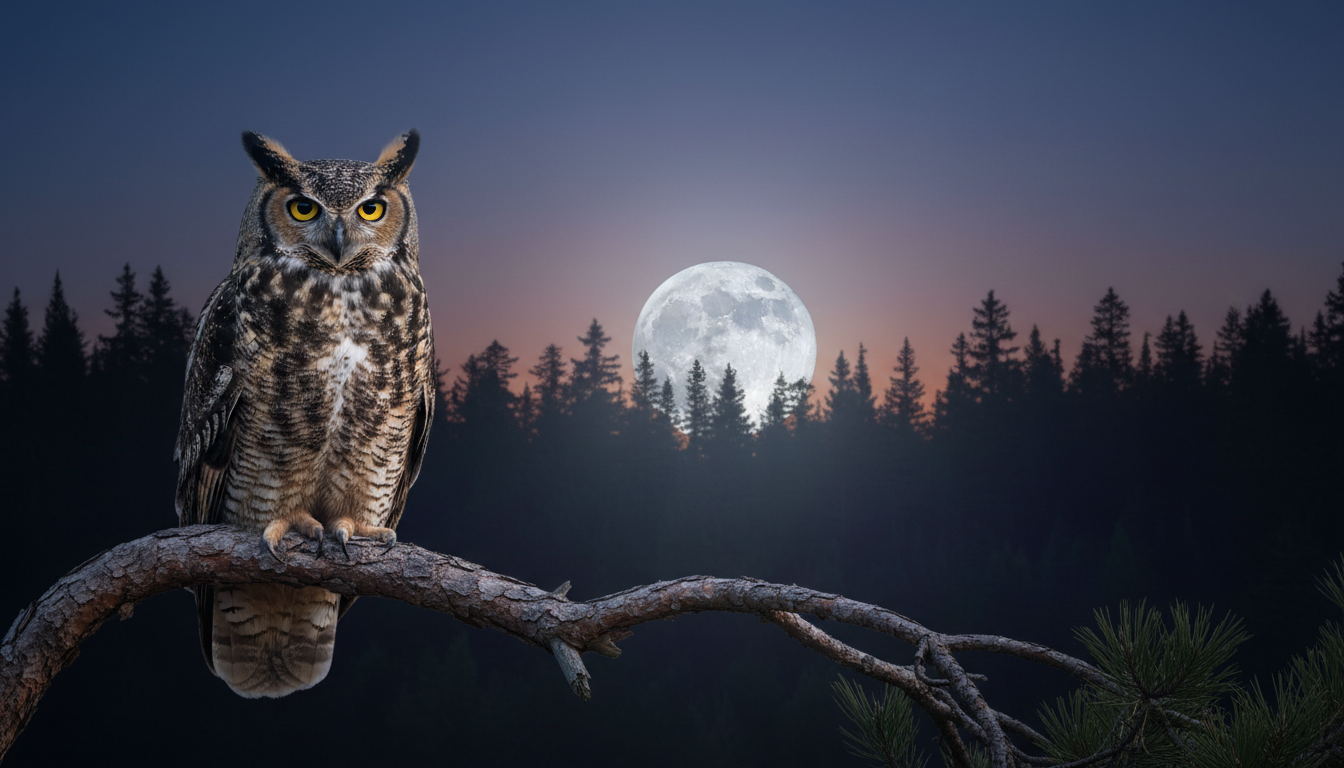
Di notte la foresta si anima. Le creature che durante il giorno trascorrono il tempo nascoste nelle tane, sugli alberi e tra la fitta boscaglia escono per cacciare, cercare cibo e spostarsi nei propri territori.
I gufi sono tra gli animali notturni che si avvistano più spesso. Il gufo reale, il barbagianni e il gufo stridulo cacciano roditori e piccoli mammiferi per tutta la notte. Spesso li sentirete prima ancora di vederli: i loro caratteristici versi e richiami riecheggiano nelle foreste buie. I pipistrelli sfrecciano in cielo, nutrendosi di centinaia di insetti. I cervi diventano più attivi durante le ore del crepuscolo e continuano a muoversi per tutta la notte, specialmente nelle zone con un intenso traffico umano durante il giorno.
Procioni, opossum e puzzole sono animali opportunisti che prediligono l’attività notturna. Le volpi — sia quelle rosse che quelle grigie — cacciano piccole prede lungo i bordi dei sentieri. In alcune regioni è possibile avvistare linci rosse, coyote o persino orsi, anche se questi incontri sono meno frequenti. Anche i porcospini, i tassi e varie specie di roditori partecipano all’attività notturna.
Molti di questi animali dispongono di un eccellente mimetismo che li rende quasi invisibili durante il giorno. Di notte, con l'attrezzatura e le tecniche giuste, sono spesso più facili da individuare di quanto si possa pensare.
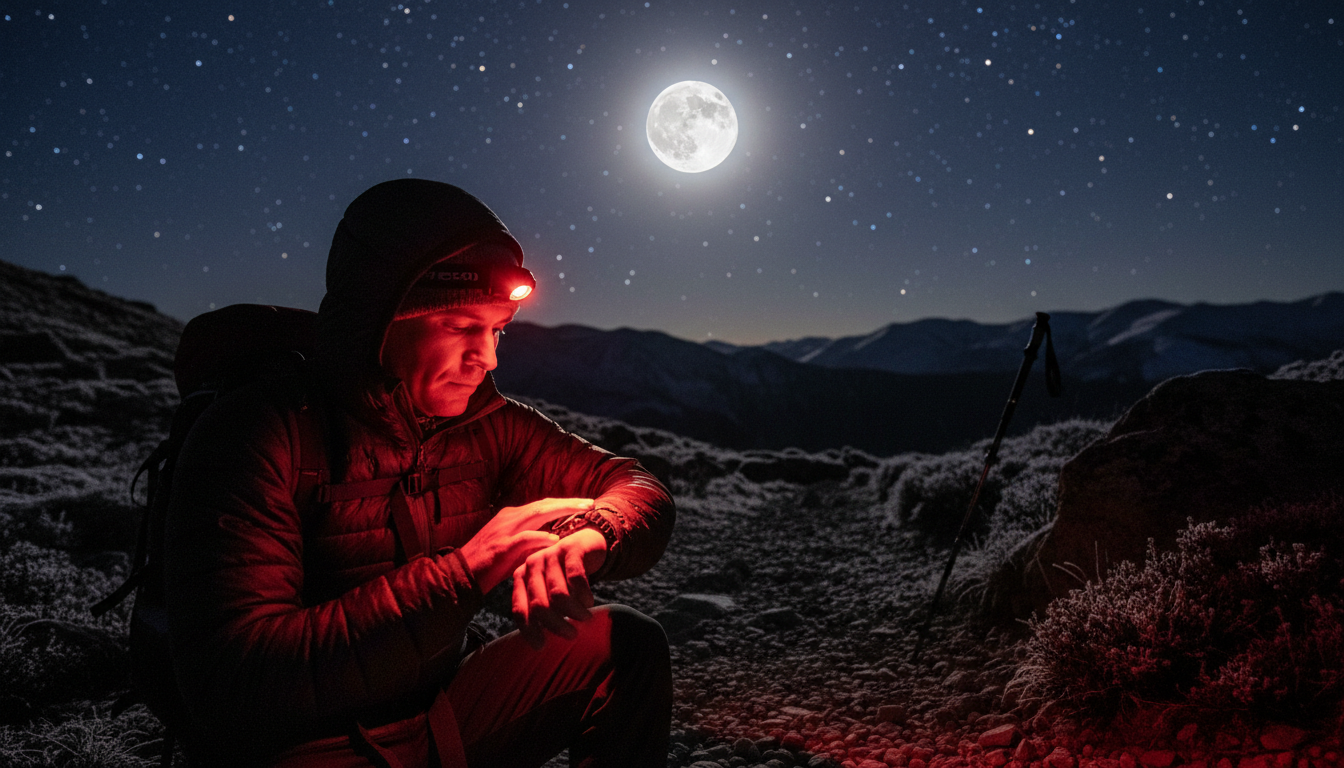
Quando si desidera osservare la fauna selvatica notturna, la scelta del momento giusto è fondamentale. Abbiamo scoperto che i periodi di transizione — il crepuscolo e l’alba — sono quelli in cui si registra il massimo livello di attività. Questi “momenti di transizione” attirano sia gli animali crepuscolari (attivi al crepuscolo) sia le specie veramente notturne che iniziano le loro attività notturne.
Le notti di luna piena offrono un'illuminazione naturale che ti aiuta a orientarti lungo i sentieri, consentendo al contempo ai tuoi occhi di abituarsi all'oscurità. La luce della luna garantisce una visibilità sufficiente per distinguere le sagome e i movimenti degli animali senza bisogno di una luce artificiale costante. Organizza le tue escursioni in base al calendario lunare per godere delle migliori condizioni di visibilità naturali.
Anche i fattori stagionali hanno la loro importanza. La primavera e l’inizio dell’estate portano con sé un aumento dell’attività, poiché gli animali allevano i piccoli e approfittano delle notti più lunghe. In autunno gli animali si preparano per l’inverno, il che comporta un aumento dei comportamenti di ricerca del cibo. Anche le notti invernali possono essere produttive, specialmente nelle zone in cui la neve riflette la luce disponibile e rende le tracce facili da seguire.
Si sconsiglia di fare escursioni in caso di temporali o piogge intense: in condizioni meteorologiche avverse l’attività della fauna selvatica diminuisce notevolmente e le condizioni dei sentieri diventano pericolose.
L'attrezzatura giusta trasforma un'escursione notturna da un'avventura piena di ostacoli a una vera e propria occasione per osservare la fauna selvatica. Noi utilizziamo lampade frontali dotate di modalità luce rossa, che preservano la visione notturna fornendo al contempo un'illuminazione sufficiente per orientarsi. La luce bianca distrugge la visione notturna che i tuoi occhi impiegano 30-45 minuti a sviluppare, costringendoti a ricominciare da capo il processo di adattamento ogni volta che le utilizzi.
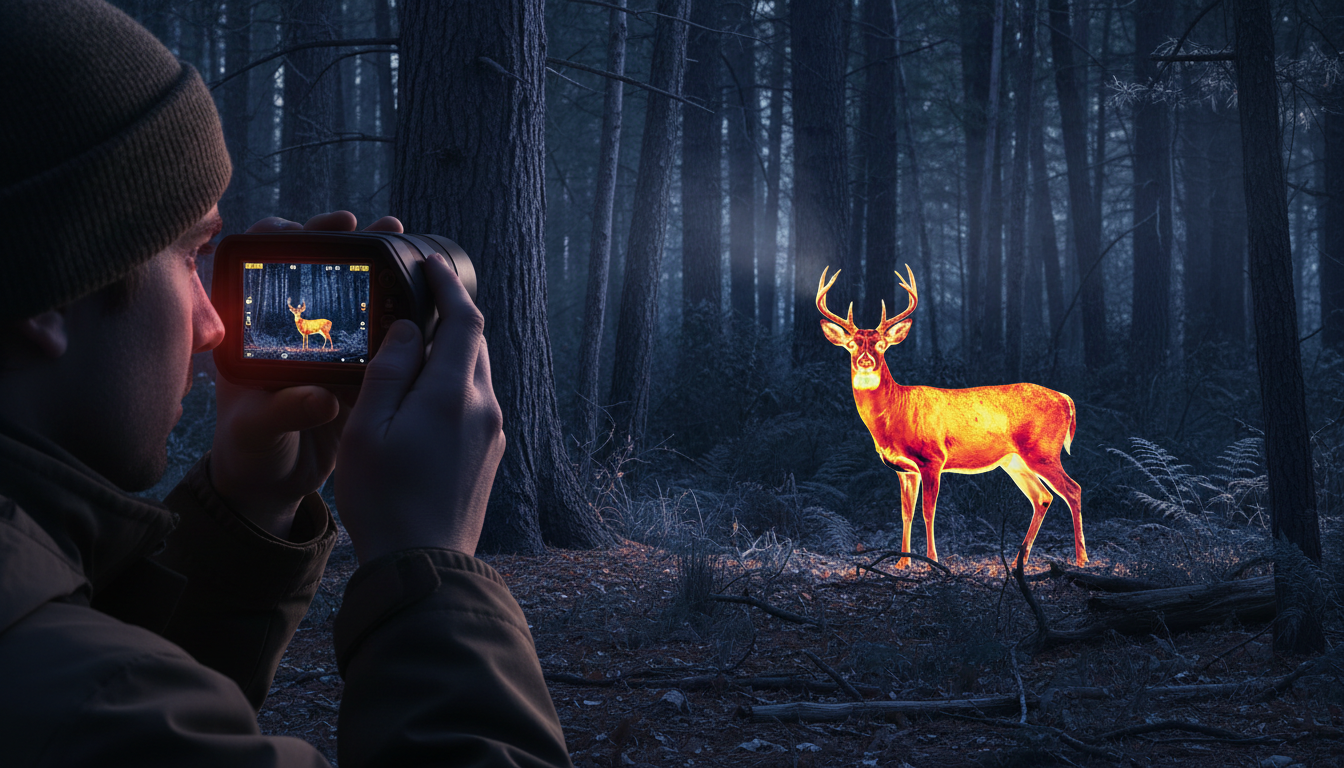
La tecnologia di imaging termico ha rivoluzionato l'osservazione notturna della fauna selvatica. Dispositivi come il Pixfra Sirius HD rilevano le tracce termiche degli animali, rendendoli visibili anche nell’oscurità più totale. A differenza dei tradizionali dispositivi di visione notturna, che richiedono luce ambientale, termografia funziona rilevando la radiazione infrarossa emessa dagli animali a sangue caldo.
Abbiamo utilizzato il Pixfra Pegasus 2 LRF durante le escursioni di più giorni e ho trovato incredibilmente utile la sua portata di rilevamento estesa per scrutare prati e radure dove si nutrono cervi e altri grandi mammiferi. Per un’osservazione più ravvicinata, le opzioni compatte come il Draco stanno comodamente nella tasca della giacca senza appesantire lo zaino.
Portate con voi batterie di ricambio o un power bank: non c’è niente di peggio che rimanere senza batteria a metà di un’escursione notturna. Una mappa dettagliata del sentiero, una bussola e un dispositivo GPS sono elementi di sicurezza indispensabili. Vestitevi a strati; le temperature notturne scendono notevolmente, anche nei mesi estivi.
Le escursioni notturne comportano rischi diversi rispetto a quelle diurne. Quando possibile, camminiamo sempre in gruppo: avere più paia di occhi e orecchie aumenta la sicurezza e riduce il rischio di perdersi. Le escursioni notturne in solitaria sono fattibili, ma richiedono maggiore cautela e una preparazione più accurata.
Fate rumore mentre camminate. Può sembrare controintuitivo quando si cerca di osservare la fauna selvatica, ma è l’approccio più sicuro nelle zone in cui sono presenti orsi o puma. Parlate con i vostri compagni di escursione, cantate di tanto in tanto o gridate “ehi” ogni pochi minuti. La maggior parte degli animali si allontanerà prima ancora che riusciate a vederli, il che è in realtà l’obiettivo: gli incontri a sorpresa con grandi predatori sono pericolosi per tutti i soggetti coinvolti.
Attenetevi ai sentieri che conoscete bene, soprattutto se siete alle prime armi con le escursioni notturne. Un percorso che avete percorso decine di volte di giorno può disorientarvi al buio. I segnali lungo il sentiero sono più difficili da individuare ed è facile sbagliare strada. Iniziate con escursioni brevi e semplici, per poi passare gradualmente a distanze più lunghe.
Prima di partire, informati sulla fauna selvatica presente nella tua zona. Scopri quali animali ci sono, cerca di capire il loro comportamento e impara come reagire in caso di incontro. Nelle zone frequentate dagli orsi, porta con te uno spray anti-orso e tienilo a portata di mano, non nascosto nello zaino.
Muovetevi lentamente e con cautela. Rocce, radici e terreni irregolari che di giorno si superano facilmente, di notte diventano ostacoli che possono farvi inciampare. Camminiamo a circa la metà del nostro ritmo normale diurno, il che ci dà anche più tempo per osservare davvero la fauna selvatica che siamo venuti a vedere.
Per avvistare gli animali notturni occorrono pazienza e un approccio sensoriale diverso. Gli occhi hanno bisogno di tempo per adattarsi: almeno 30 minuti al buio prima che la visione notturna raggiunga la piena funzionalità. Anche solo uno sguardo veloce allo schermo luminoso di un telefono azzerano questo processo.
Usa la visione periferica. I bastoncelli presenti negli occhi, che rilevano i movimenti e le forme in condizioni di scarsa illuminazione, sono concentrati ai margini della retina, non al centro. Invece di fissare direttamente un oggetto, prova a guardare leggermente di lato. Questa tecnica permette di cogliere movimenti e forme che sfuggono quando li si guarda direttamente.
Ascolta più di quanto guardi. Le escursioni notturne ti costringono a fare affidamento sull’udito e rimarrai sorpreso da quante informazioni ti forniscono le tue orecchie. Lo scricchiolio di un ramoscello, il fruscio delle foglie o uno sciabordio vicino all’acqua sono tutti segnali della presenza di animali. Metti le mani a coppa dietro le orecchie per amplificare i suoni lontani: funziona davvero.
Muovetevi durante i periodi di attività, poi fermatevi e rimanete immobili. Cammineremo per 10-15 minuti, poi troveremo un buon punto di osservazione e aspetteremo semplicemente. Gli animali che si sono allontanati per sfuggire al rumore del nostro avvicinarsi spesso tornano entro 10-20 minuti se si rimane in silenzio e immobili.
Fai attenzione al riflesso negli occhi. Quando usi la torcia, gli occhi di molti animali riflettono la luce con un bagliore caratteristico. A seconda della specie, il colore del riflesso varia: i cervi lo riflettono bianco o giallo pallido, mentre i procioni lo riflettono di un giallo-verde brillante.
Osservare la fauna selvatica durante un’escursione notturna offre un’esperienza all’aria aperta completamente diversa. Il mondo notturno è vivace, variegato e accessibile a chiunque sia disposto ad adattare il proprio approccio e a munirsi dell’attrezzatura adeguata. Dalle specie più comuni, come gufi e procioni, alle creature più elusive, come volpi e linci rosse, c’è un intero ecosistema che si anima dopo il tramonto.
Il successo dipende dalla preparazione: conosci i sentieri, porta con te l'attrezzatura giusta, impara a conoscere gli animali della tua zona e dai la priorità alla sicurezza. Inizia con brevi escursioni su sentieri che conosci bene durante i periodi di luna piena. Man mano che acquisirai esperienza e sicurezza, svilupperai un'intuizione su dove e quando trovare la fauna selvatica notturna.
L’oscurità, che un tempo sembrava un limite, diventa un vantaggio. Grazie alle telecamere termiche, a un’illuminazione adeguata e alla pazienza, potrai avvistare animali che rimangono nascosti agli escursionisti diurni. E potrai apprezzare ancora di più quanto sia vivo il mondo naturale quando la maggior parte degli esseri umani dorme.
È sicuro fare escursioni notturne per osservare la fauna selvatica?
Sì, con una preparazione adeguata. Se possibile, camminate in gruppo, fate rumore di tanto in tanto per evitare di sorprendere animali di grossa taglia, seguite sentieri conosciuti e informatevi in anticipo sulla fauna selvatica della zona. Portate con voi l’attrezzatura di sicurezza adeguata, tra cui una fonte di luce affidabile, strumenti di orientamento e spray anti-orso nelle zone in cui sono presenti gli orsi. La maggior parte degli incontri con la fauna selvatica di notte è innocua se si seguono le norme di sicurezza di base e si lascia spazio agli animali.
Quali sono gli animali che si vedono più spesso durante le escursioni notturne?
Gufi, pipistrelli, cervi, procioni, opossum, volpi e puzzole sono gli animali notturni più comunemente avvistati. A seconda della regione, potresti anche incontrare coyote, linci rosse, istrici, tassi o varie specie di roditori. Oltre 50% di specie selvatiche sono attive di notte, quindi durante le escursioni notturne si osserva spesso una maggiore varietà di animali rispetto a quelle diurne.
È necessaria un'attrezzatura speciale per osservare la fauna selvatica di notte?
Una lampada frontale dotata di modalità luce rossa è il requisito minimo: consente di preservare la visione notturna fornendo al contempo l’illuminazione necessaria. I dispositivi di imaging termico migliorano notevolmente la capacità di individuare gli animali nell’oscurità totale, rilevandone le tracce termiche. È inoltre consigliabile munirsi di batterie di ricambio, strumenti di navigazione, abbigliamento adeguato alle temperature più fresche e una mappa dettagliata dei sentieri.
Qual è il momento migliore della notte per osservare la fauna selvatica?
Il tramonto e l’alba sono i momenti di massima attività, quando gli animali crepuscolari e notturni iniziano le loro attività quotidiane. Le notti di luna piena offrono un’illuminazione naturale che facilita sia l’orientamento che l’osservazione. Molti animali notturni rimangono attivi per tutta la notte, ma le ore immediatamente successive al tramonto e precedenti all’alba sono in genere quelle in cui si registra il maggior movimento della fauna selvatica e il picco dei comportamenti alimentari.
Quanto tempo impiegano gli occhi ad abituarsi al buio?
Gli occhi hanno bisogno di 30-45 minuti per adattarsi completamente al buio e sviluppare la massima visione notturna. Anche una breve esposizione a una luce bianca intensa — compresi gli schermi dei telefoni o le lampade frontali — interrompe questo processo, richiedendo altri 30 minuti per recuperare il pieno adattamento. Ecco perché si consigliano le luci rosse: garantiscono visibilità senza compromettere il naturale adattamento della vista alla notte.
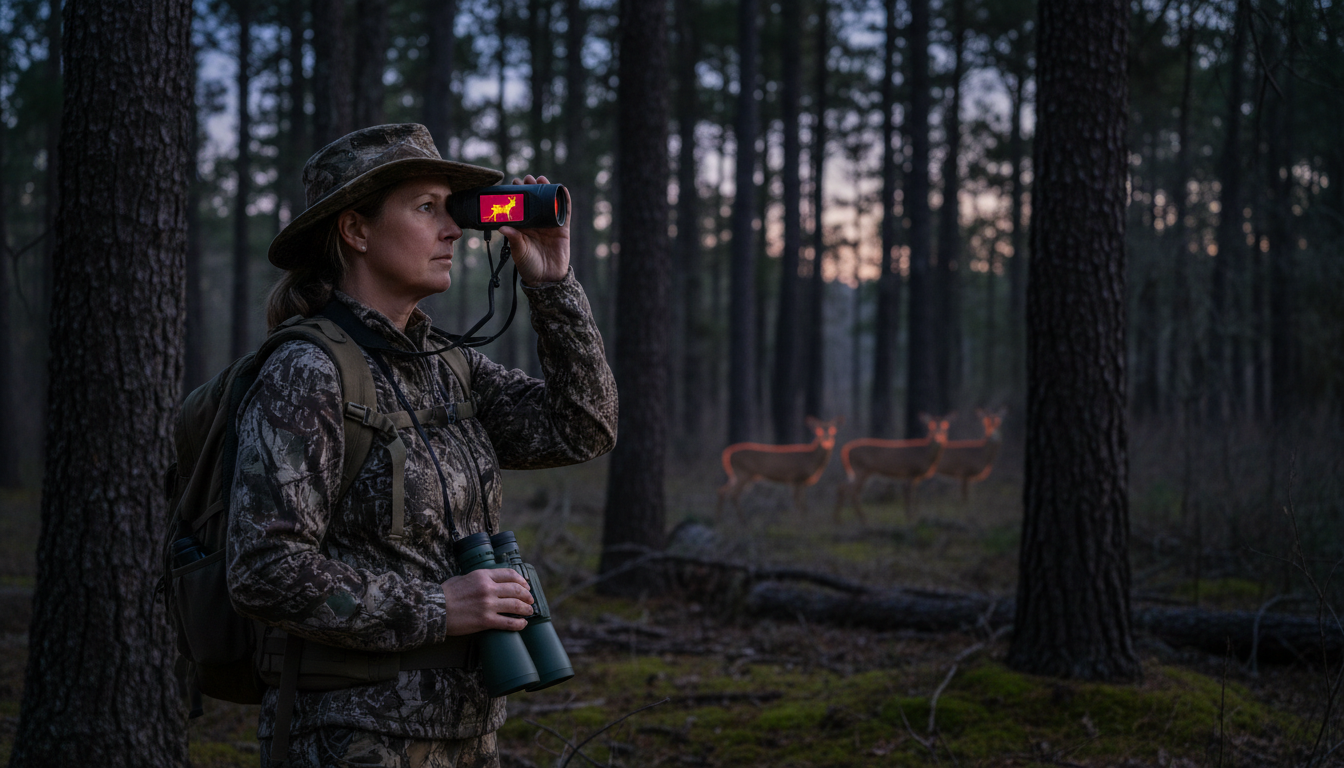
Ti è mai capitato di non riuscire a individuare un cervo perché si mimetizzava troppo bene tra i cespugli? O ti sei mai chiesto cosa fosse quel fruscio nel tuo giardino dopo il tramonto? L’attrezzatura giusta per l’osservazione fa la differenza. Abbiamo trascorso anni a testare l’attrezzatura sul campo e siamo qui per condividere ciò che funziona davvero per avvistare la fauna selvatica, senza discorsi da snob.
Che tu stia seguendo le tracce di animali notturni, osservando gli uccelli all’alba o semplicemente sia curioso di scoprire l’ecosistema locale, la tecnologia moderna rende più facile che mai entrare in contatto con la natura secondo le tue esigenze. Vediamo insieme quali strumenti ti permetteranno di passare da un’osservazione approssimativa a un’osservazione in tempo reale della fauna selvatica.
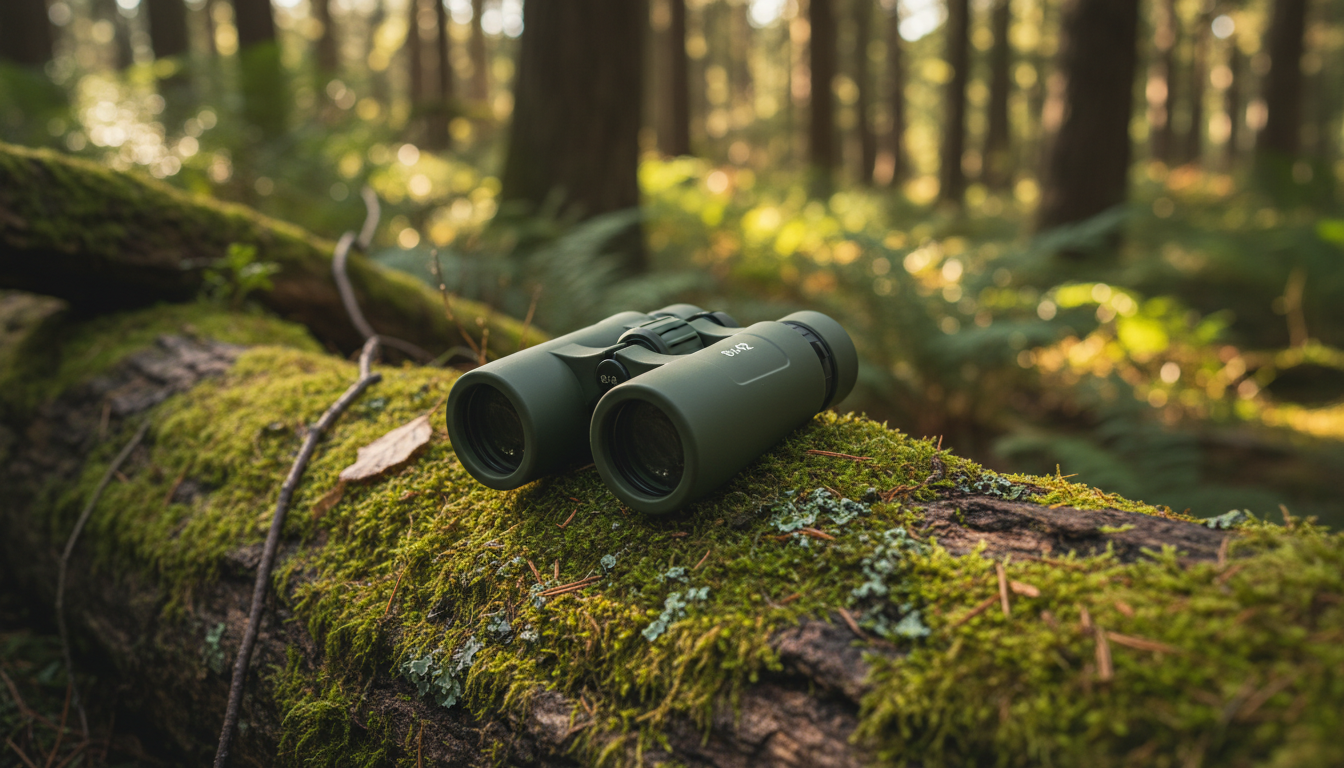
Il binocolo è un accessorio indispensabile per chiunque ami osservare la natura o per gli appassionati di birdwatching. Ma lasciamo perdere i modelli costosi che richiedono un mutuo. Ciò che conta è trovare un binocolo leggero, impermeabile e con un ingrandimento moderato, in genere 8x o 10x.
Ecco come funzionano le specifiche dei binocoli: quei numeri, come 8×42, indicano l’ingrandimento (8x) e il diametro delle lenti in millimetri (42 mm). Le lenti più grandi raccolgono più luce, il che è utile in condizioni di scarsa illuminazione, come al mattino presto o al tramonto. Consigliamo di iniziare con una configurazione 8×42 per la maggior parte delle osservazioni della fauna selvatica: rappresenta il giusto compromesso tra potenza e stabilità.
Cerca modelli con una buona presa, soprattutto se hai in programma sessioni di osservazione che durano diverse ore. Le tue mani te ne saranno grate. E l’impermeabilità non è solo un optional: è indispensabile quando il tempo cambia o quando ti trovi vicino all’acqua.
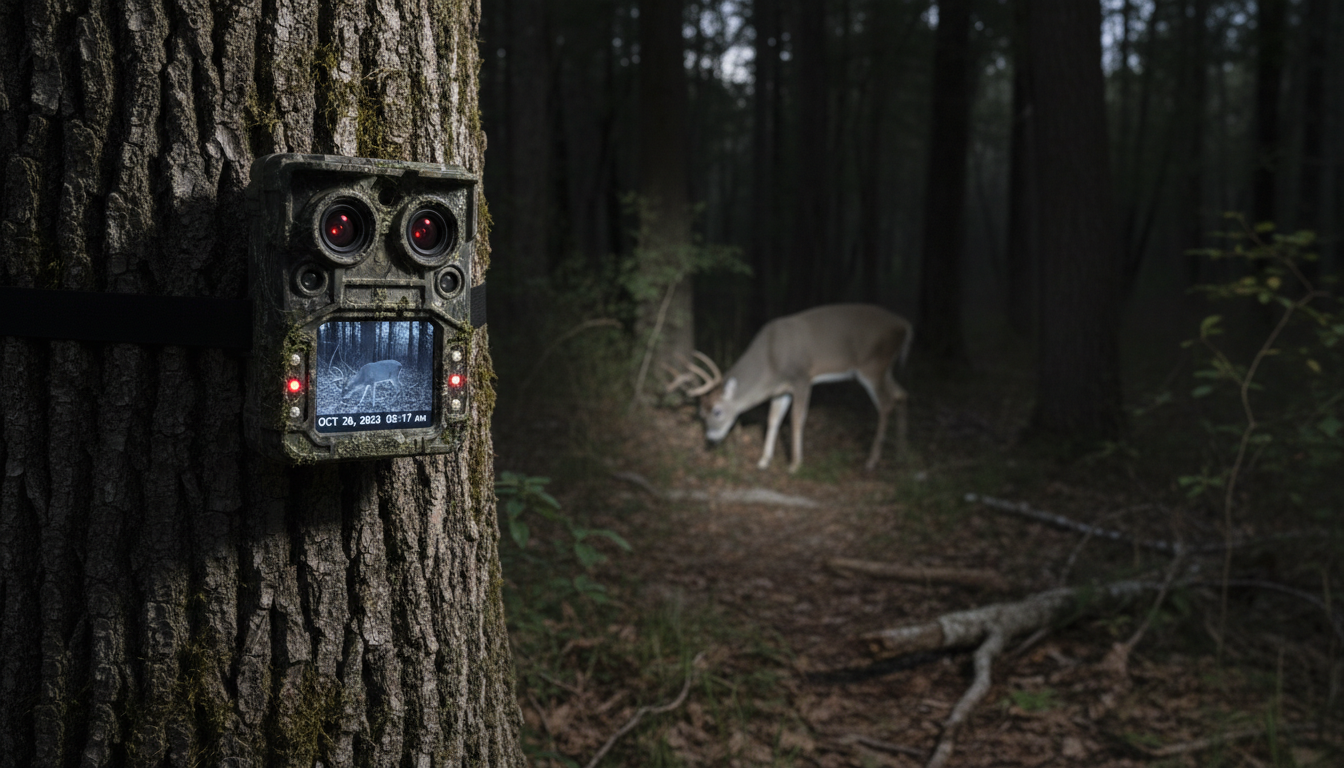
Le fotocamere da caccia sono un ottimo modo per immortalare la fauna selvatica senza disturbarla, poiché vengono posizionate in punti strategici e impostate per scattare foto o registrare video ogni volta che rilevano un movimento. Queste telecamere resistenti alle intemperie sono diventate sorprendentemente convenienti e facili da usare.
Le moderne fotocamere da sentiero offrono caratteristiche quali tempi di scatto rapidi (meno di 0,5 secondi), sensori ad alta risoluzione e funzionalità di visione notturna. Alcune dispongono persino di connettività cellulare che invia le immagini direttamente sul telefono. La durata della batteria nei modelli di qualità può arrivare a diverse settimane, rendendoli perfetti per il monitoraggio a lungo termine dei comportamenti degli animali.
Posizionali vicino ai sentieri, alle fonti d’acqua o alle zone di alimentazione. Rimarrai stupito da ciò che passa di lì quando non ci sei.
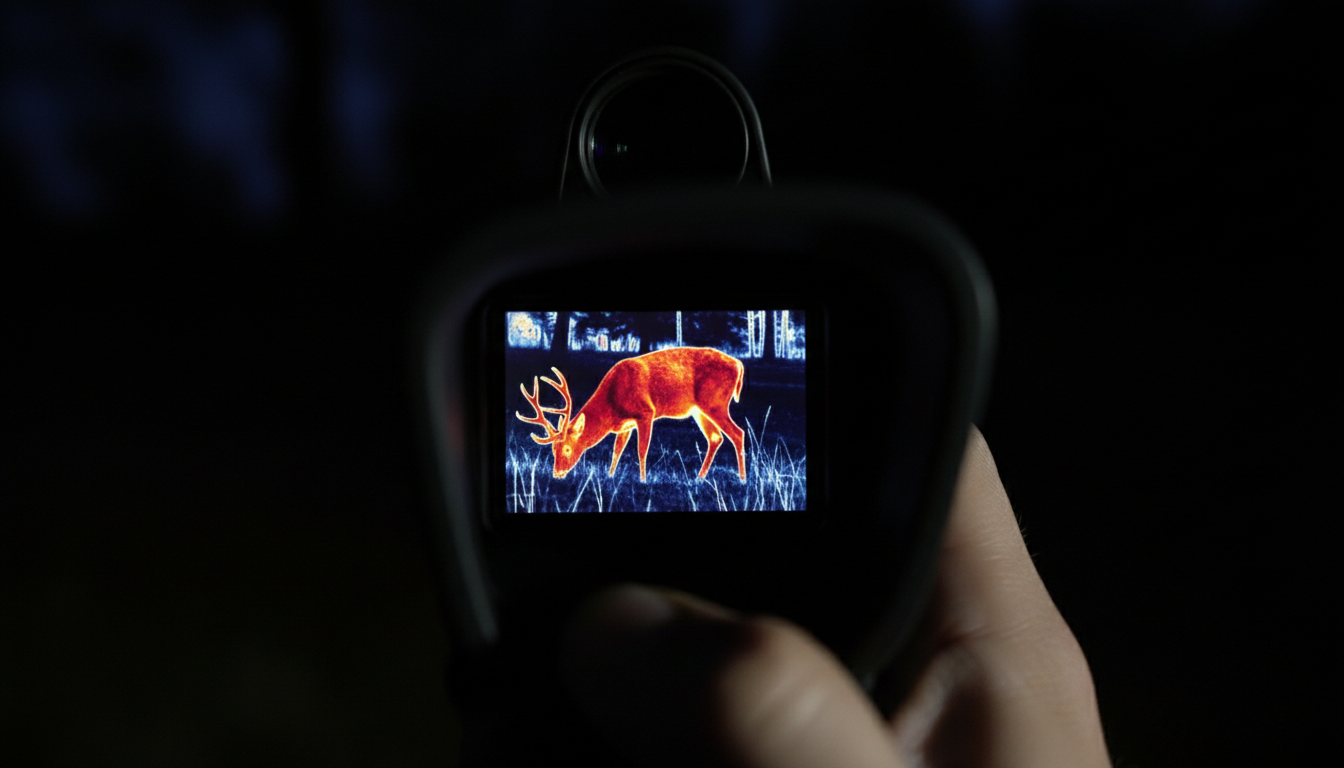
È qui che la cosa si fa interessante. Tecnologia di imaging termico ha rivoluzionato il modo di osservare la fauna selvatica. Le termocamere vedono nell'oscurità e non si lasciano ingannare dal camuffamento visivo e, a differenza di tutti gli altri sistemi di visione notturna, non necessitano di alcuna fonte di luce per produrre un'immagine nitida.
I dispositivi termici rilevano le tracce termiche, non la luce. Ciò significa che il buio totale, la nebbia o la vegetazione rada non vi impediranno di individuare gli animali. Abbiamo riscontrato che la termografia è particolarmente utile per le specie notturne come gufi, pipistrelli e volpi, che sono quasi impossibili da osservare con i metodi tradizionali.
I dispositivi termici funzionano altrettanto bene sia di giorno che di notte, poiché ciò che conta non è tanto l'ora del giorno, quanto piuttosto il differenziale di temperatura. Nelle giornate fredde, gli animali a sangue caldo risaltano chiaramente anche a mezzogiorno.
Prodotti come il Pixfra Sirius HD, Draco, oppure Pegasus 2 LRF offrono diverse gamme e caratteristiche a seconda del budget e delle esigenze di osservazione. Abbinare le immagini termiche alle ottiche tradizionali — utilizzando le immagini termiche per individuare e poi il binocolo per identificare — consente di ottenere il meglio di entrambi i mondi.
Quando il binocolo non basta per le grandi distanze, entrano in gioco i cannocchiali. Si tratta essenzialmente di piccoli telescopi particolarmente adatti all’osservazione di uccelli, uccelli acquatici o fauna selvatica in lontananza su terreni aperti.
I cannocchiali da osservazione offrono in genere ingrandimenti compresi tra 15x e 60x e richiedono l'uso di un treppiede per garantire una visione stabile. Offrono ottime prestazioni in condizioni di scarsa illuminazione se abbinati a lenti obiettivo di grandi dimensioni. Il lato negativo? Sono più ingombranti e meno portatili dei binocoli, quindi sono più adatti a punti di osservazione fissi.
Abbina il tuo cannocchiale a un treppiede di qualità: le immagini mosse ad alto ingrandimento sono inutili.
Lenti di ingrandimento: Non trascurare il microcosmo. Una semplice lente d’ingrandimento ti permette di osservare insetti, piante e piccoli animaletti che altrimenti sfuggirebbero facilmente alla tua attenzione.
Taccuini da campo resistenti alle intemperie: Le app sono fantastiche, ma un taccuino impermeabile non rimane mai senza batteria. Annota ciò che vedi, quando e dove. Col tempo, creerai un prezioso database personale sui comportamenti della fauna selvatica.
Dispositivi GPS: Tieni traccia dei luoghi in cui ti trovi e segna i punti in cui hai avvistato specie specifiche. Questi dati ti aiutano a tornare nelle zone più produttive e a comprendere i territori degli animali.
Zaino di qualità: Ti serve un posto dove trasportare tutta questa attrezzatura. Cerca custodie con grado di impermeabilità (IP67 o superiore), imbottitura in schiuma e scomparti personalizzabili. Le tue costose ottiche meritano di essere protette dagli agenti atmosferici.
Spesso si fa confusione tra queste due tecnologie. La visione notturna amplifica la luce già presente: per funzionare, ha bisogno di almeno un po’ di luce ambientale. La termografia non utilizza alcuna fonte di luce: rileva le tracce termiche, il che significa che è in grado di vedere nell’oscurità totale e attraverso ostacoli leggeri come l’erba o la nebbia, cosa che la visione notturna non è in grado di fare.
Per l'osservazione della fauna selvatica, le telecamere termiche sono le migliori in termini di capacità di rilevamento. Per l'identificazione delle specie a distanze più ravvicinate, i dispositivi di visione notturna o un binocolo di qualità offrono una maggiore precisione nei dettagli. Molti osservatori esperti utilizzano entrambi.
Inizia con qualcosa di semplice. Se sei alle prime armi con l'osservazione della fauna selvatica, inizia con un binocolo 8×42 di buona qualità e una guida naturalistica della tua regione. È tutto ciò che ti serve per iniziare e farti appassionare.
Man mano che il tuo interesse cresce, aggiungi una fotocamera da caccia per monitorare un’area specifica. Questo tipo di osservazione passiva ti permette di conoscere il comportamento e le abitudini degli animali senza richiedere la tua presenza costante.
Quando sei pronto a esplorare la fauna selvatica notturna o vuoi avvistare animali mimetizzati, acquista una termocamera. La Torcia IR oppure ARC LRF offrono diversi approcci all'osservazione in condizioni di scarsa illuminazione.
Consigli per una configurazione rapida:
Ricorda: lo strumento migliore è quello che userai davvero. Non comprare attrezzature così complicate o pesanti da costringerti a lasciarle a casa.
Strumenti migliori ti consentono di osservare da più lontano — e dovresti farlo. Solo perché riesci a vedere quel cervo che dorme al buio non significa che dovresti avvicinarti e spaventarlo. Mantenere le distanze di sicurezza, soprattutto durante la stagione riproduttiva o in presenza di specie protette.
L'attrezzatura che utilizzi dovrebbe aiutarti ad apprezzare la fauna selvatica senza interferire con i suoi comportamenti naturali. Mantieni il silenzio, muoviti con calma e ricorda che sei ospite nella loro casa.
Gli strumenti migliori per l’osservazione della fauna selvatica dipendono da ciò che si desidera vedere e dal momento in cui lo si desidera. Il binocolo rimane l’elemento fondamentale di qualsiasi attrezzatura, grazie alla sua versatilità e portabilità. Le fotocamere da sentiero consentono un monitoraggio 24 ore su 24, 7 giorni su 7, senza la vostra presenza. E la termografia svela il mondo notturno in modi che l’ottica tradizionale semplicemente non può eguagliare.
Inizia dalle basi, scopri cosa funziona meglio nel tuo ambiente locale e per le specie che ti interessano, poi amplia la tua attrezzatura in base alle necessità. La tecnologia ha reso l’osservazione della fauna selvatica più accessibile che mai: la parte difficile è scegliere da dove iniziare. Ma è proprio questa la parte divertente.
Prendi l'attrezzatura e vai là fuori. La fauna selvatica non si osserva da sola.
Qual è l'ingrandimento ideale per un binocolo da osservazione della fauna selvatica?
Per la maggior parte delle attività di osservazione della fauna selvatica, un ingrandimento di 8x o 10x è l’ideale. Un ingrandimento maggiore rende l’immagine più mossa e riduce il campo visivo, rendendo più difficile individuare e seguire gli animali in movimento. Un binocolo 8×42 o 10×42 offre un buon equilibrio tra ingrandimento, luminosità e stabilità.
La termografia funziona anche di giorno?
Sì, la termografia funziona ogni volta che c'è una differenza di temperatura tra l'animale e l'ambiente circostante. Nelle giornate fredde, la termografia può essere efficace tanto a mezzogiorno quanto a mezzanotte. È particolarmente utile per individuare animali nascosti nell'erba alta o nella vegetazione fitta, indipendentemente dalle condizioni di luce.
Fino a che distanza le fotocamere da sentiero sono in grado di rilevare un movimento?
La maggior parte delle fotocamere da caccia di qualità rileva i movimenti fino a 60-80 piedi di distanza, anche se questo dato varia a seconda del modello. Il raggio di rilevamento dipende dalla sensibilità del sensore della fotocamera e dalle dimensioni dell’animale. È consigliabile scegliere fotocamere con tempi di scatto inferiori a 0,5 secondi per evitare di perdere di vista gli animali selvatici che si muovono rapidamente.
Mi servono un binocolo impermeabile per osservare la fauna selvatica?
Consigliamo vivamente di utilizzare binocoli impermeabili. All’aperto le condizioni meteorologiche cambiano rapidamente e l’umidità può danneggiare in modo irreversibile le ottiche non impermeabili. Anche la rugiada mattutina o un’elevata umidità possono causare problemi. Il leggero sovrapprezzo per l’impermeabilità è ben ripagato dall’affidabilità a lungo termine.
Qual è la differenza tra la termografia e la visione notturna?
La visione notturna amplifica la luce presente, quindi necessita di almeno un minimo di luce ambientale per funzionare. La termografia rileva le tracce termiche e funziona nel buio più totale. La termografia è inoltre in grado di vedere attraverso la nebbia leggera, la pioggia e la vegetazione. In termini di pura capacità di rilevamento, la termografia è superiore, ma la visione notturna spesso fornisce dettagli più nitidi per l’identificazione delle specie.
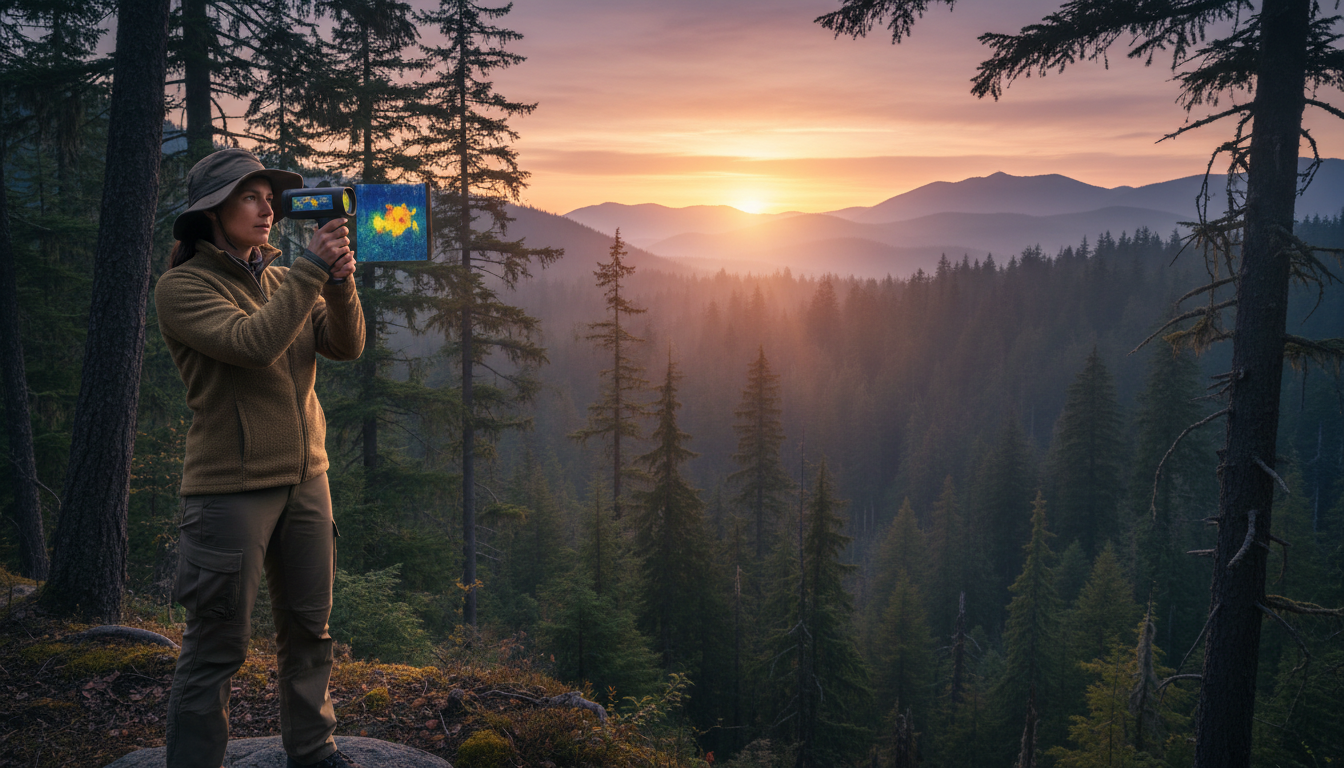
Watching wildlife has changed a lot in recent years. Thanks to thermal imaging cameras, we can now observe animals in complete darkness, through fog, and even when they’re perfectly camouflaged in dense vegetation. These devices detect heat instead of visible light, making them perfect for spotting nocturnal creatures and tracking elusive species without disturbing their natural behaviors.
Whether you’re a wildlife enthusiast, researcher, or photographer, thermal cameras open up a whole new world of observation possibilities. We’ll walk you through everything you need to know about using these cameras for wildlife work—from how they function to choosing the right model for your needs.
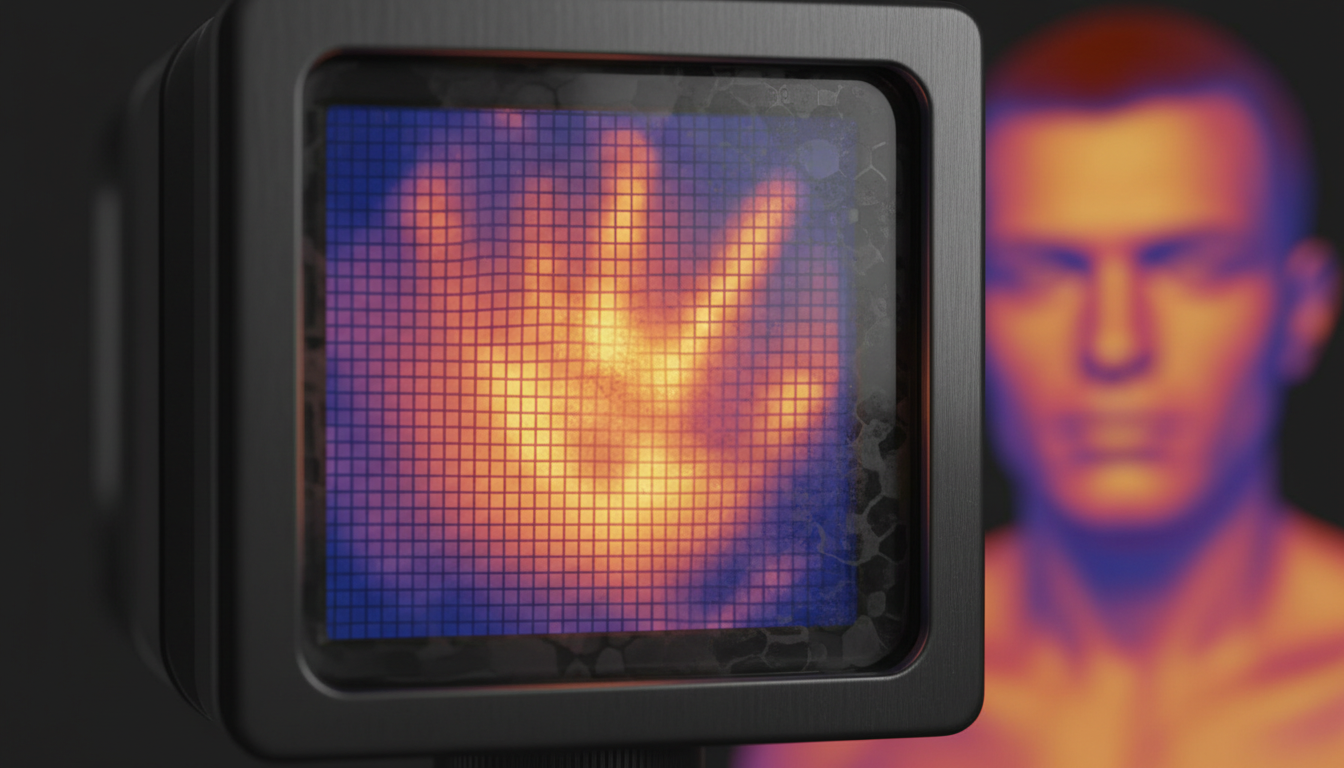
Thermal imaging cameras use infrared sensors to detect heat emitted by objects, animals, or people, converting these heat signatures into a visual image. The thermal imaging detector records minute differences in the heat emission and translates that information into a visible image.
Unlike traditional night vision that amplifies ambient light, thermal devices do not require any light at all—they rely solely on heat, which means you can get a clear picture in complete darkness as well as in daylight. The fact that it relies on thermal contrast instead of visible contrast means that thermal imaging cameras provide perfect vision even when camouflage or darkness render normal eyesight completely useless.
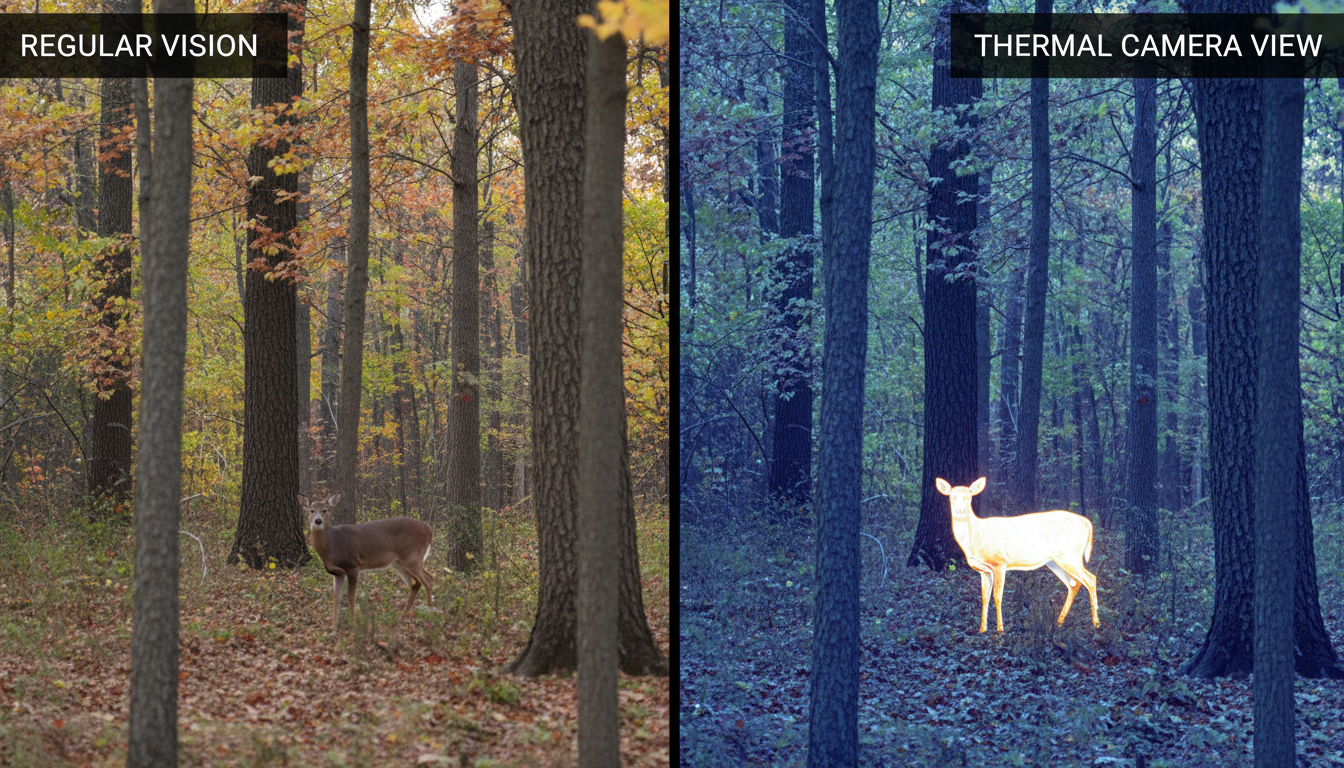
When you look through a thermal camera, warm-blooded animals appear bright (often white or glowing) against cooler backgrounds. Even the most camouflaged animals become visible to the observer. This makes thermal imaging perfect for detecting wildlife that would otherwise remain completely hidden.
Spotting Nocturnal Animals
Many animals are nocturnal or crepuscular (active at dawn/dusk), and thermal cameras excel at revealing nocturnal creatures because they don’t need light at all. A hedgehog rustling in the hedgerow or a barn owl perched in a dark tree will light up in your thermal viewer, appearing as a bright silhouette against cooler backgrounds—even tiny bats can be detected by their warmth when they emerge at night.
Seeing Through Camouflage
Thermal imaging cameras are highly effective at spotting concealed animals by differentiating their heat signatures from the surrounding environment and can be used to detect wildlife within complex habitats such as dense vegetation. Because most wildlife has very good camouflage many of them remain undetected if you use traditional means such as binoculars or light amplifying vision systems, but with a thermal imaging camera, even the most camouflaged animals become visible.
Non-Invasive Observation
A huge benefit for wildlife enthusiasts and conservationists is that thermal imaging allows you to observe animals without disturbing them—there’s no need for bright spotlights or intrusive approaches, and animals usually cannot detect thermal cameras since they emit no visible light and minimal noise. Since thermal devices detect heat passively without emitting any light or energy, they are undetectable by animals.
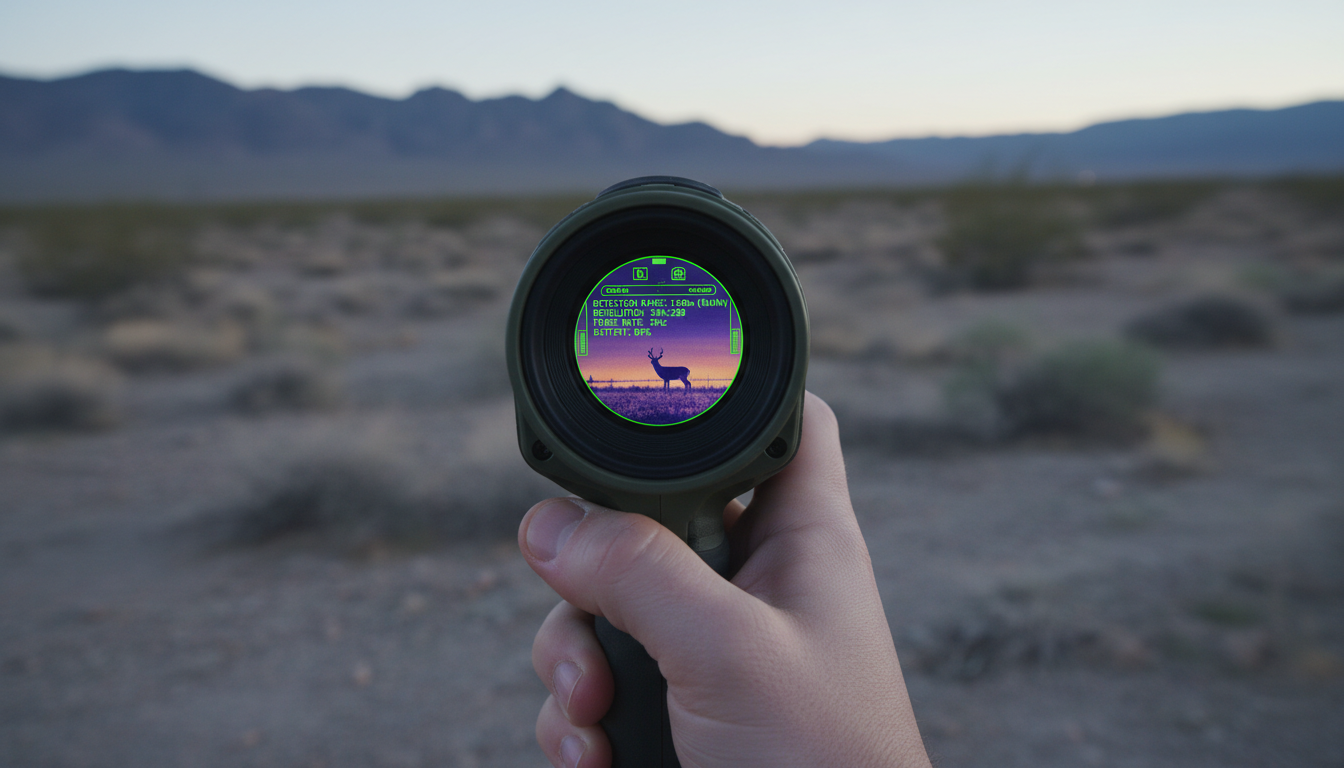
When selecting a thermal camera for wildlife observation, several factors matter:
Resolution and Image Quality
Lower NETD numbers (such as sub-25mK NETD) mean the thermal camera is more sensitive, offering a clearer image, while an imager with a higher NETD value shows less noticeable temperature differences. Higher resolution sensors provide more detail, which helps when you’re trying to identify specific species or observe behaviors.
Portata di rilevamento
Many entry-level models now offer detection ranges exceeding 1km, and these cameras can cover wide areas, depending on their specifications, enabling researchers and conservationists to monitor large regions effectively. Think about the distances you’ll typically be observing from—whether you need long-range capabilities or close-up detail.
Battery Life and Durability
It’s worth checking the battery life of a thermal imager before you buy, to ensure it can keep up on your all-night wildlife-watching sprees. A thermal camera for animals should be durable enough to withstand environmental conditions, such as rain, dust, or extreme temperatures—look for a camera that is weatherproof and rugged.
Recording Features
Thermal imaging cameras often have both photo and video recording capabilities, which serve multiple purposes in wildlife conservation—fundamentally creating visual evidence of species and their behavior, and enabling counting of large animal groups, supporting population monitoring efforts.
For those serious about wildlife observation, we offer several models designed for outdoor use. Our Sirius HD e Pegasus 2 LRF provide excellent detection ranges and image clarity for spotting animals at distance. The Draco offers a compact solution for those who prioritize portability. You can explore our full range of thermal imaging applications to find the right fit.
Optimal Timing
Early mornings and dusk are prime times for observing wildlife, as animals are more active. On wet nights with drizzle or after rain everything is more or less the same temperature so you don’t have to get distracted by warm rocks, and you can keep using the imager into the morning hours longer.
Weather Considerations
If you are looking for arboreal mammals, overcast nights are much better because tree branches show up as hot against clear sky. When observing wildlife in rain, fog, mist and so on, devices with a higher NETD value are less effective as the weather may be cold enough to mask the heat source—the lower the NETD value of the sensor, the less “noise” in the image and the more able the camera is to deliver a clear image of the target, even with lots of adverse weather conditions.
Scanning Techniques
Spend time scanning slowly and train yourself to recognize animal shapes in thermal—for example, a rabbit might appear as a small oval hot spot with cooler ears, whereas a fox will have a distinct elongated shape with a hotter core. Move the camera steadily across the landscape rather than rushing, as small movements can easily be missed.
Color Palette Settings
Many thermal imaging systems have movable brightness, contrast, and color pallet settings—that is, white-hot, black-hot, and rainbow—and white-hot and black-hot settings are often more effective for spotting animals at night. Experiment with different palettes to see what works best in your specific environment.
Maintain Safe Distances
Thermal imaging devices allow you to observe animals without getting too close, reducing stress on the wildlife, and you should always observe quietly and avoid sudden movements or noises that could startle animals. While thermal imaging allows for observation from afar, always maintain a safe distance to avoid disturbing the animals—the range will enable you to stay far enough away for animals to remain undisturbed while still effectively observing them.
Respect Sensitive Areas
Nesting sites and dens are sensitive areas where animals are especially vulnerable, so avoid prolonged observation in these areas to prevent stress or abandonment by the animals. Thermal imaging cameras can detect the heat that permeates through a den or nest due to the warmth of the animal inside, meaning dens, roosts and nests can be observed from a distance to detect the presence of an animal and observe when it enters and exits—this approach minimizes disturbance to animals by replacing invasive approaches such as physically checking a den for the presence of a species.
Know Local Regulations
Some areas restrict the use of thermal imaging devices for wildlife observation, so research local laws and guidelines to ensure your observation practices comply with regulations. Different regions have different rules about wildlife monitoring, especially around protected species.
Thermal imaging cameras, with their “passive detection” capability, enable long-distance, covert recording of natural animal behavior and provide researchers and conservationists with authentic, objective, and continuous observational data. Thermal cameras are now used in conservation to track endangered species and support anti-poaching efforts, with rangers using thermal imagers to scan large areas for the heat signatures of animals or potential poachers.
Researchers can use thermal cameras for data collection, allowing them to study animal behavior, migration patterns, and population health. Observing animal behavior at night or in dense forests becomes easier with thermal imaging, as researchers can monitor feeding habits, mating behaviors, and predator-prey interactions without disturbing the animals.
Thermal imaging cameras have transformed how we observe and study wildlife. They work in total darkness, see through camouflage, and let us watch animals from safe distances without disturbing their natural behaviors. The technology has become more accessible and affordable, making it available to wildlife enthusiasts and professionals alike.
When choosing a thermal camera, focus on your specific needs—detection range, image quality, battery life, and durability all matter. Practice using your device in different conditions and weather to get the best results. Most importantly, always observe ethically by maintaining safe distances, respecting sensitive areas, and following local regulations.
Whether you’re tracking nocturnal mammals, documenting rare species, or simply enjoying wildlife at night, thermal imaging opens up observation possibilities that were impossible just a few years ago. The heat signatures these cameras reveal tell stories about animal behavior, habitat use, and ecosystem health that we couldn’t access any other way.
Can thermal cameras see animals through walls or solid objects?
No, thermal cameras cannot see through solid walls or dense objects. They detect heat signatures on surfaces, not what’s behind them. However, if an animal’s warmth has heated up the surface of a wall or den entrance over time, the camera can detect that temperature difference on the surface itself. This makes thermal imaging useful for locating nests or dens without directly seeing inside.
Do thermal cameras work better at night than during the day?
Thermal cameras work both day and night since they detect heat, not visible light. At night, they often provide clearer images because the environment cools down, creating better thermal contrast between warm-blooded animals and their surroundings. During hot days, everything can be warm, making it harder to distinguish animals from the background.
Qual è la differenza tra la termografia e la visione notturna?
Night vision amplifies existing light (like moonlight or starlight) to create a visible image, so it needs at least some light to function. Thermal imaging detects heat signatures and works in complete darkness without any light source. Thermal cameras can also see through fog, light rain, and vegetation better than night vision devices because they’re detecting heat, not reflected light.
How far can a thermal camera detect wildlife?
Detection range varies widely based on the camera’s specifications and the size of the animal. Entry-level models can detect large animals like deer at 300-500 meters, while high-end models can exceed 1 kilometer. Smaller animals like rabbits or foxes have shorter detection ranges. Weather conditions, humidity, and the temperature difference between the animal and environment also affect detection distance.
Will using a thermal camera disturb or scare wildlife?
No, thermal cameras are completely passive devices that don’t emit any light, sound, or energy that animals can detect. They simply receive heat signatures, making them ideal for non-invasive observation. Animals cannot sense when you’re using a thermal camera, though they may still detect you through movement, sound, or scent, so you should still practice quiet observation techniques.
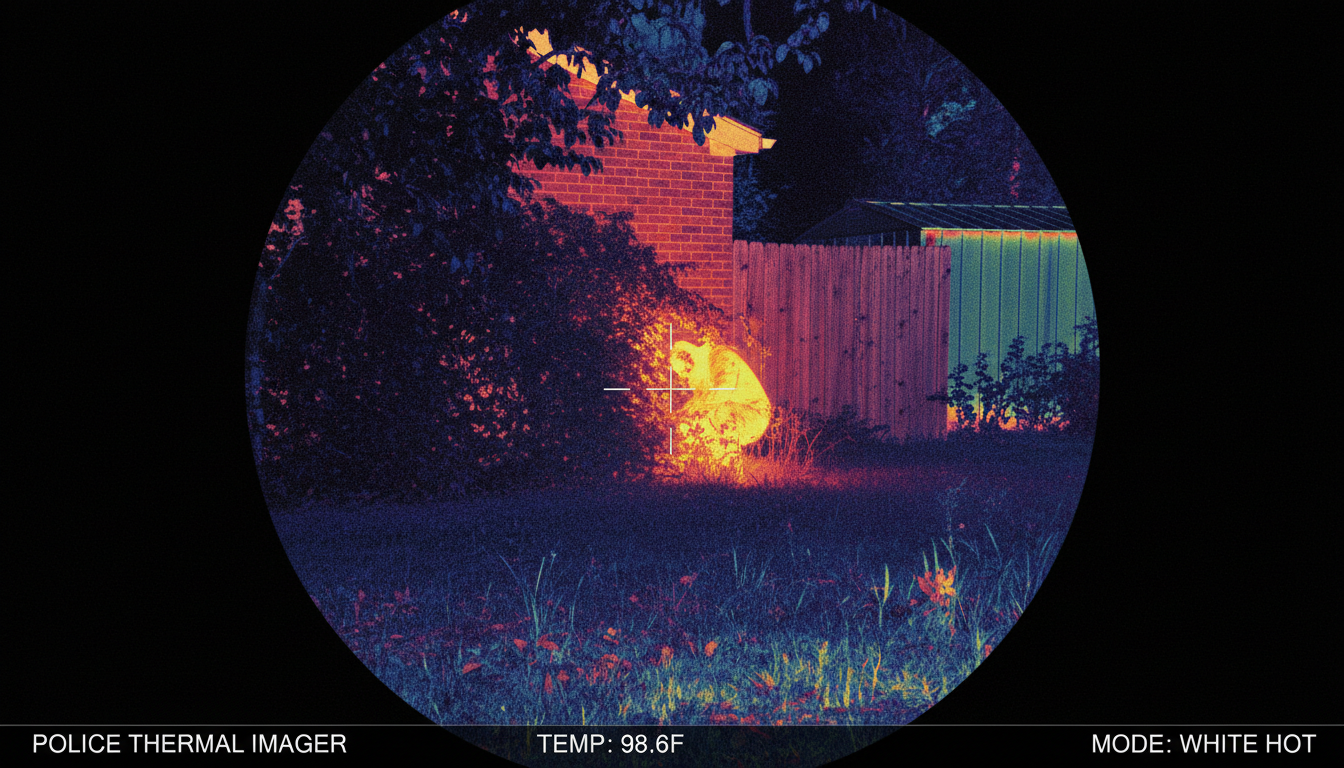
Police departments across the country face challenges that stretch beyond what the human eye can see. Darkness, dense foliage, smoke, and fog can turn routine operations into high-risk situations. That’s where thermal imaging technology steps in. We’ve seen this technology transform from an expensive specialty tool into practical equipment that helps officers work safer and smarter every day.
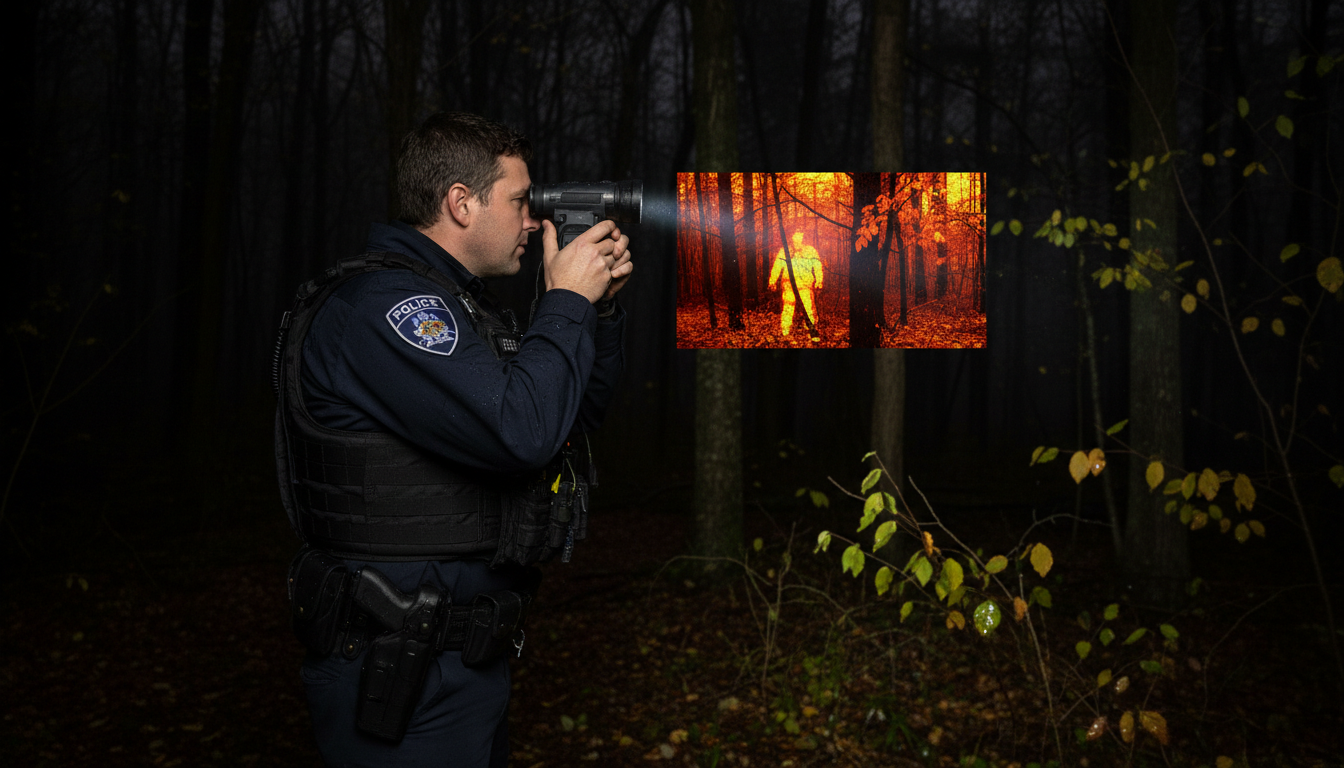
Officers use thermal imaging to locate individuals during foot chases and hidden search scenarios, with one Texas officer noting that suspects were often “just feet away” from colleagues before thermal optics pinpointed their exact location. While most people understand how to hide from sight, they rarely consider hiding their body heat, making detection, tracking and apprehension easier when flashlights fail.
Thermal cameras help officers track, locate and capture criminals in adverse weather conditions, dense foliage, woodland and various other factors that contribute to criminals remaining hidden. One officer located and apprehended around 5-6 suspects over several years, excluding countless instances where the devices aided in smaller investigations. The technology works because suspects focus on visual concealment without realizing their body heat gives away their position.
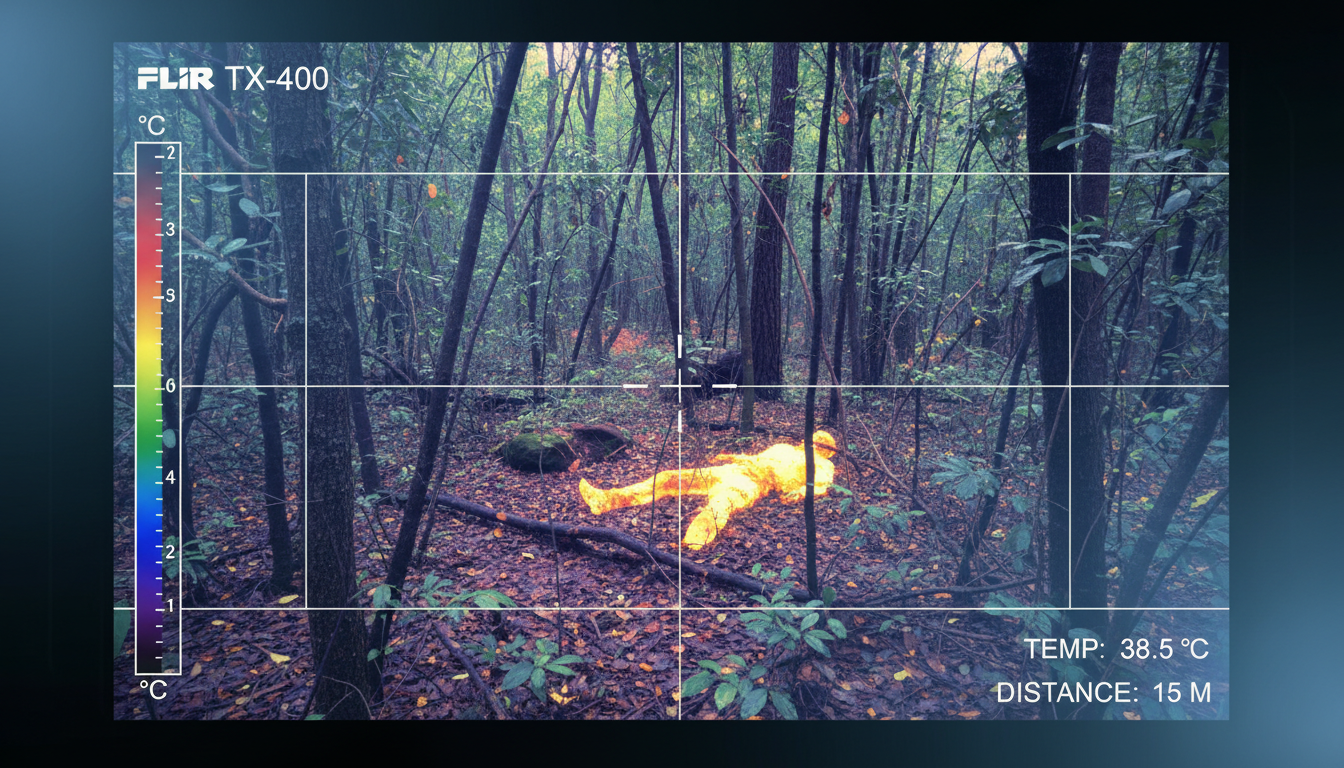
Whether it’s a lost child or a disoriented elderly adult, victims can be located more quickly and at less risk with thermal imagers that overcome challenges of low-light situations and environmental conditions like fog or smoke. Many thermal images will detect a human at 600 yards or more, turning what could be hours of searching into minutes.
Time matters in these situations. When a patient disappeared in grounds the size of a few football pitches, thick with woodland and foliage in pitch black conditions, thermal imaging drastically reduced search time by allowing officers to scan and rule out large areas very quickly. This speed can mean the difference between life and death.
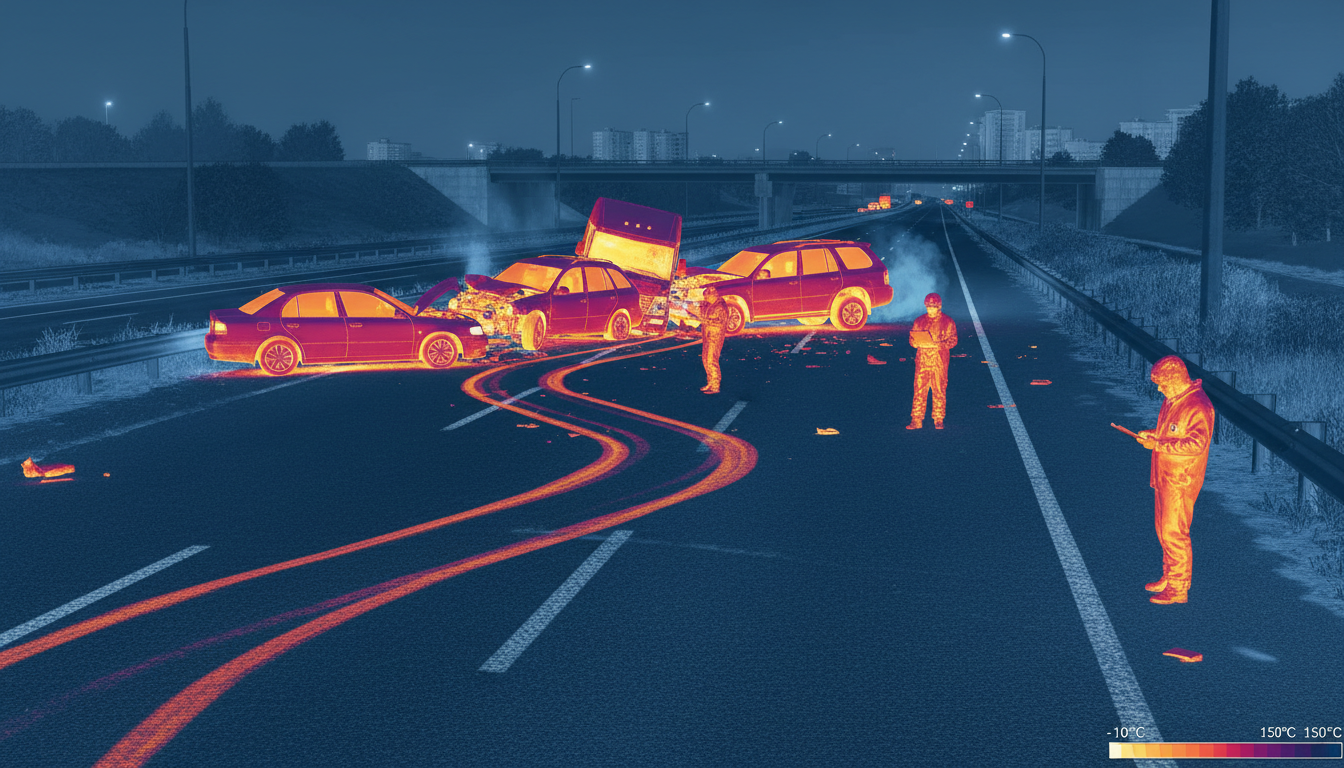
Officers can locate and measure skid marks beyond what’s visible on the pavement, seeing heat signatures left by rubber too thin to see with the naked eye, with marks detectable long after the accident and ABS brakes leaving thermal signatures investigators can use for reconstruction. Investigators use thermal imagers to identify direction of travel, where a vehicle left the roadway, how long it was braking, and to locate victims or belongings that may have been ejected.
When pursuing suspects with intelligence advising a strong chance they may be armed, thermal cameras allow officers to quickly scan the roadside for objects with residual heat after a weapon is discarded, as items held in the hand or on the body stay identifiable for some time. Modern thermal imaging technology has made these applications more accessible to departments of all sizes.
Because thermal imagers don’t require light and only receive heat energy, officers can observe potential criminal activity from a distance, watching activity and building reasonable suspicion or probable cause, with imagery recorded for evidence or used to justify specific interaction. Since thermal imagers don’t project any beam, suspects are unaware they’re being monitored, allowing officers to regain the upper hand.
Officers on patrol can quickly scan between homes and buildings, see suspects hiding in dark garages and under vehicles, identify recently driven vehicles, and go undetected in total darkness while searching for prowlers and other criminal activity. The technology lets officers remain undetected as they perform risk assessments and see potential danger before it sees them. Devices like the Pegasus 2 LRF e Sirius HD bring these capabilities to patrol officers.
Thermal technology in aircraft like helicopters offers an expanded field of view not limited by buildings, foliage or other land obstacles, accurately tracking criminal movements through an environment and easily keeping pace with fast-moving cars while relaying information to ground officers. A sheriff’s lieutenant flying overhead in an agency helicopter used his monocular to direct deputies to the precise location of suspects.
This aerial perspective changes the game for pursuits and wide-area searches. Ground units can position themselves based on real-time thermal intelligence from above, turning chaotic pursuits into coordinated operations. The coordination between air and ground units means suspects have fewer escape options.
Thermal imagers contribute to officer safety at collision scenes by identifying fluid leaks or downed power lines, and when entering fields or yards, help identify fences, dogs and other hazards lurking beyond flashlight range, plus identify people who may be hiding or observing in obscurity. During ground operations at night, officers using thermal imagers are less exposed to danger, with covert surveillance, area and building sweeps, and fugitive searches all made safer because officers can see better with infrared vision.
Being able to assess a scene before entering changes risk calculations. Officers can identify threats, count suspects, and plan their approach with better information. This advance knowledge helps prevent ambushes and reduces the chance of walking into dangerous situations unprepared.
Thermal imaging has moved from specialty equipment to practical tools that officers use daily. From tracking suspects who think darkness provides cover, to finding missing children in minutes instead of hours, to reconstructing accidents with invisible evidence, the technology delivers results that save lives and solve cases. The ability to quickly assess and scan an area has enhanced officers’ confidence and efficiency, reducing time spent in potentially hazardous situations, with the technology having potential to save lives by preemptively identifying threats. We’re seeing departments of all sizes adopt thermal technology as they recognize its value for routine patrol, not just tactical teams. The real success stories come from officers who can go home safely and communities where missing people are found before tragedy strikes.
Can thermal imaging see through walls?
No, thermal imaging cannot see through solid walls or structures. However, it can detect areas where earth has been disturbed or structural changes in walls that create heat signature differences, potentially indicating where evidence may be buried or hidden compartments exist. The technology detects heat signatures on surfaces, not through them.
How does thermal imaging differ from night vision for police work?
Thermal imaging cameras detect heat and enable officers to see in complete darkness, unlike night vision cameras which require ambient light and don’t retain clarity in all lighting conditions. Thermal imagers see temperature differences invisible to human eyes and work perfectly in the absence of visible light, giving them advantages over night vision. Thermal works in fog, smoke, and total darkness where night vision fails.
How long can thermal imaging detect residual heat from suspects or evidence?
Objects or surfaces that have recently been in contact with something hot remain hot enough to clearly stand out when viewed with a thermal imaging camera even when no longer in contact with the heat source. Officers can look for residual heat signatures on seats that were recently vacated or see residual heat left by footprints to hiding places or escape routes. Detection time depends on environmental conditions but can last several minutes to hours.
What types of weather conditions affect thermal imaging performance?
Thermal imaging cameras produce sharp images day or night, need no visible light, and can see in almost all weather conditions, light fog and smoke included, and even through light foliage. Heavy rain, dense fog, or extreme weather can reduce range and clarity, but thermal still outperforms visual observation and standard cameras in these conditions. The technology maintains functionality where other methods fail completely.
Are thermal imaging devices expensive for police departments?
While the technology is not cheap, with handheld or car-mounted systems retailing for $10,000 to $12,000, prices have decreased as the technology matures. Thermal imaging devices are usually associated with special operations like tactical teams, but thermal is both useful and cost-effective, making the technology valuable for uniformed patrol. Many departments find the investment justified by improved outcomes and officer safety.
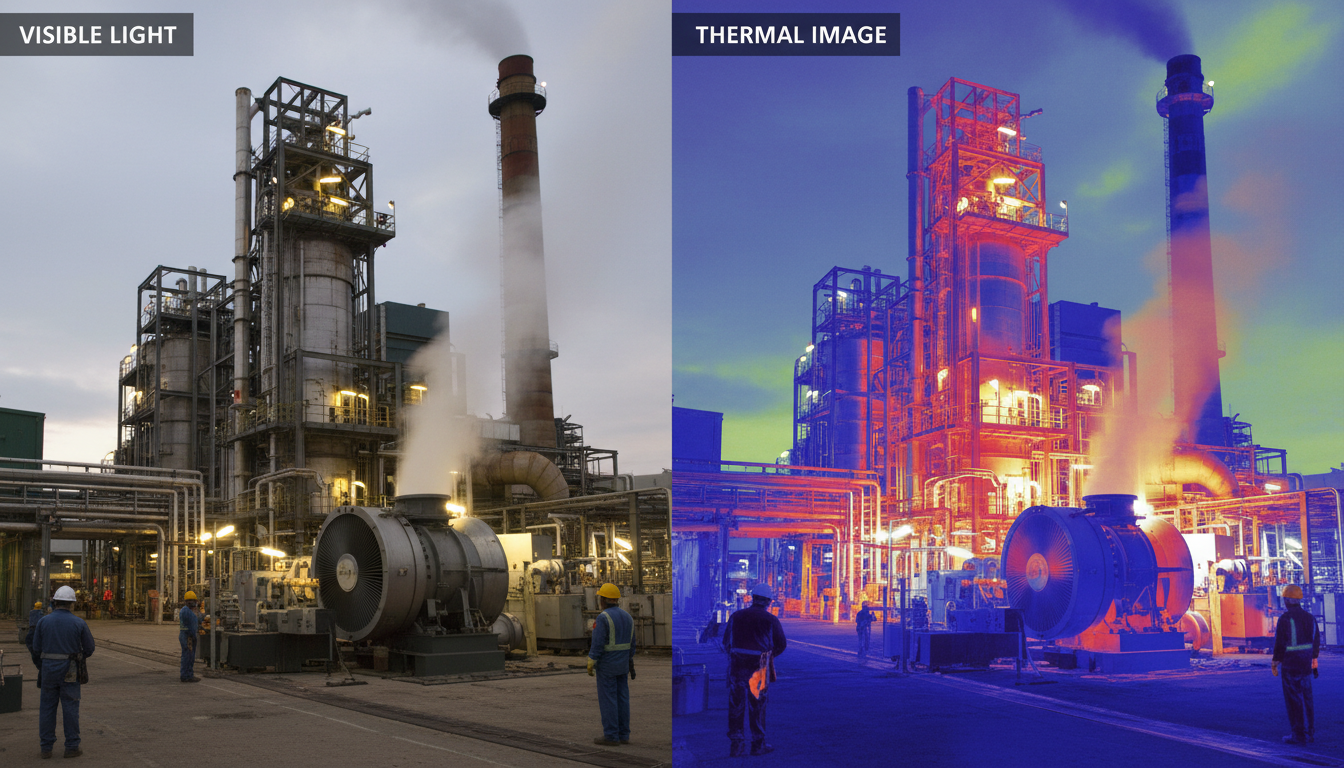
Thermal imaging technology has come a long way since its military origins. What once required liquid nitrogen cooling and cost more than a car now fits in the palm of your hand. These devices detect infrared radiation—heat emitted by all objects above absolute zero—and convert it into visible images that reveal temperature differences invisible to the naked eye.
Today, thermal cameras serve dozens of industries and help solve real-world problems in ways we couldn’t have imagined a decade ago. From spotting game in total darkness to preventing electrical fires before they start, these tools deliver insights that save time, money, and lives. Let’s break down where thermal imaging makes the biggest impact and why it’s become such a game-changer across so many fields.
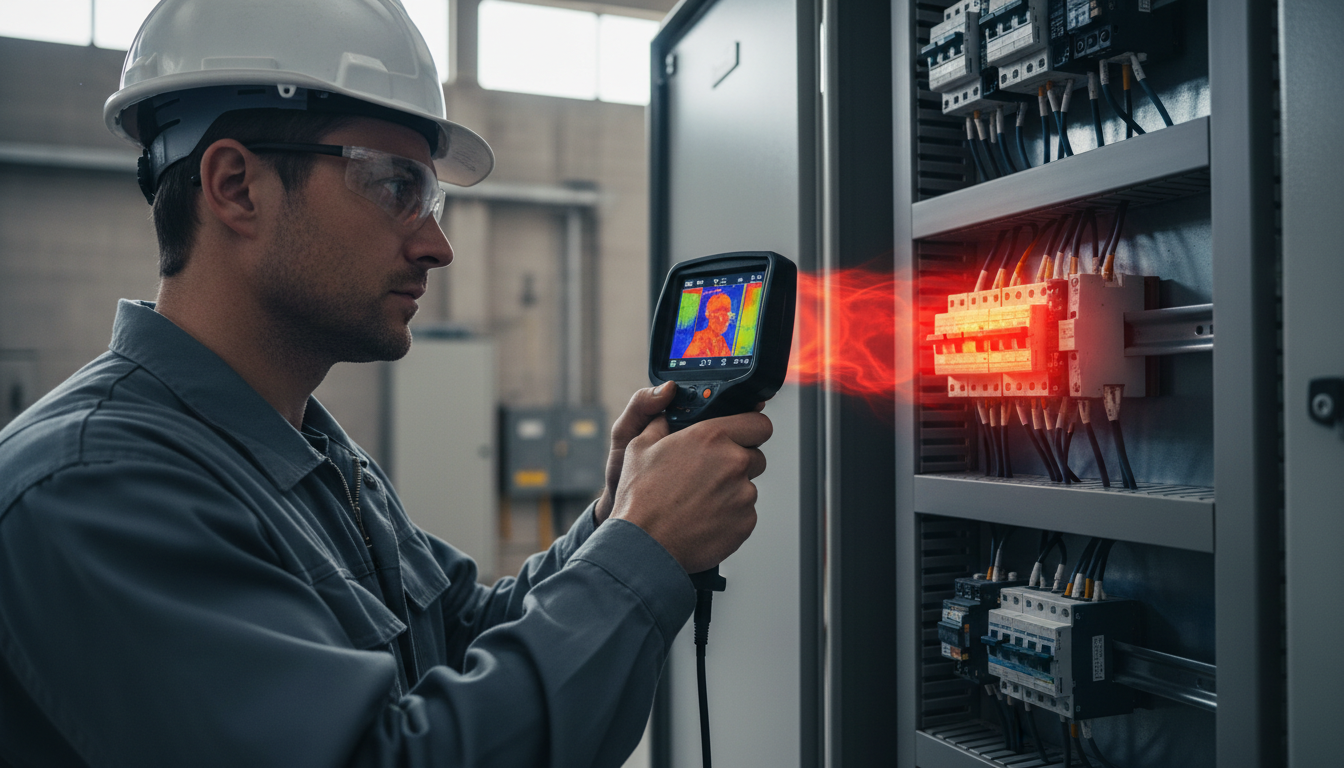
In the industrial sector, thermal imaging cameras are used for preventive maintenance by detecting overheating in machinery or electrical circuits, which helps companies avoid expensive downtime and safety hazards. Electrical wiring involves many discrete physical connections, and the quality of these connections depends on very low electrical resistance—continued electrical efficiency depends on this low contact resistance.
When electrical current passes through a resistor, it dissipates some power as heat—if connection quality degrades, it becomes an energy dissipating device as electrical resistance increases, exhibiting ohmic heating. Thermal cameras spot these hot spots before they become fire hazards. A thermal imager picks up heat created by forces like friction, giving insight into machinery soundness. Beyond electrical systems, infrared imaging is widely used to detect gas leaks—when pointed at a surface with a leak, it shows temperature difference caused by pressure variance.
Key industrial applications:
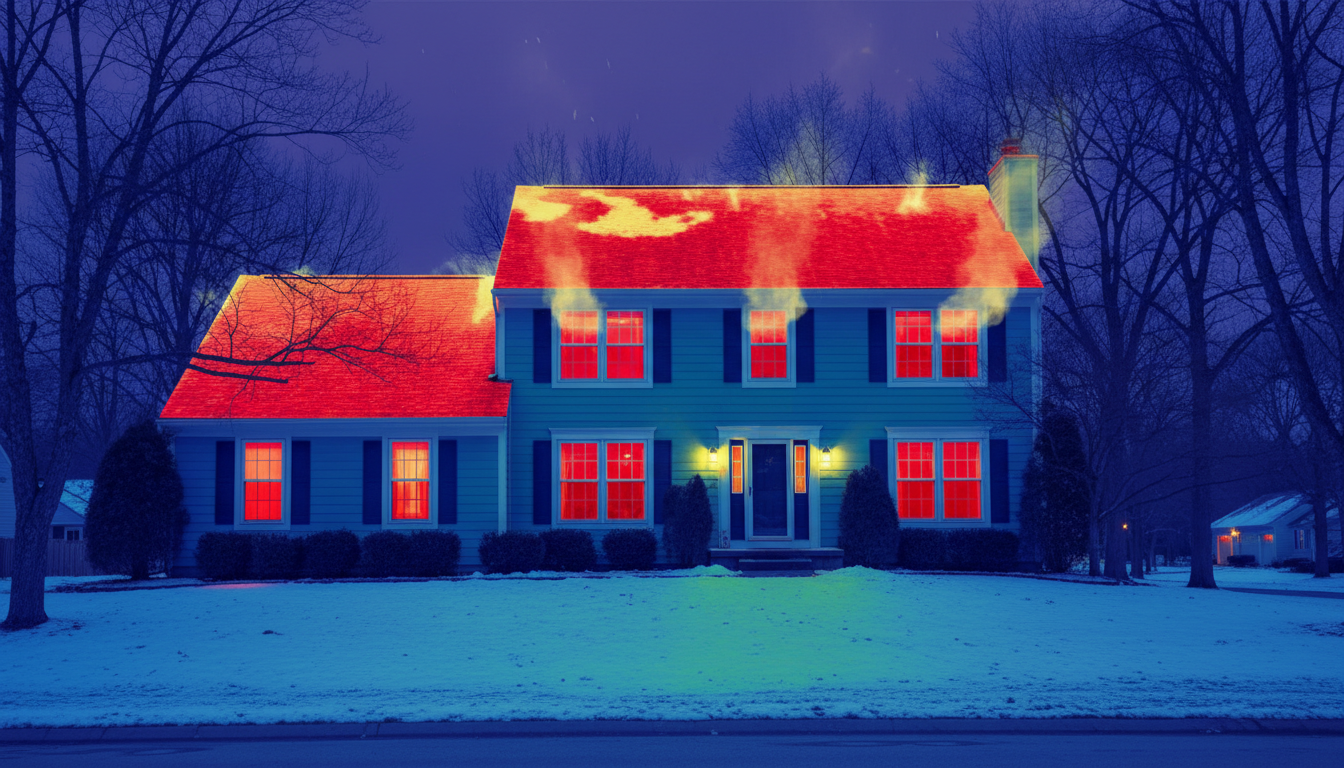
The building sector has widely embraced thermal imaging, where it provides an overview of entire building energy performance—users can pinpoint thermal anomalies in walls or roof and reveal heat leaks or insulation flaws. Homeowners and energy auditors rely on thermal cameras to identify air gaps and poorly insulated areas that drive up heating and cooling costs.
In the building industry, thermal imaging is used to detect heat loss, poor insulation, and water leaks, making it a vital tool in energy audits and building inspections. Thermal imaging can help professionals troubleshoot weaknesses in building structural integrity, especially in case of water ingress—tracking down causes of leaks or damp. We’ve seen thermal inspections catch problems that would have cost thousands more if discovered later.
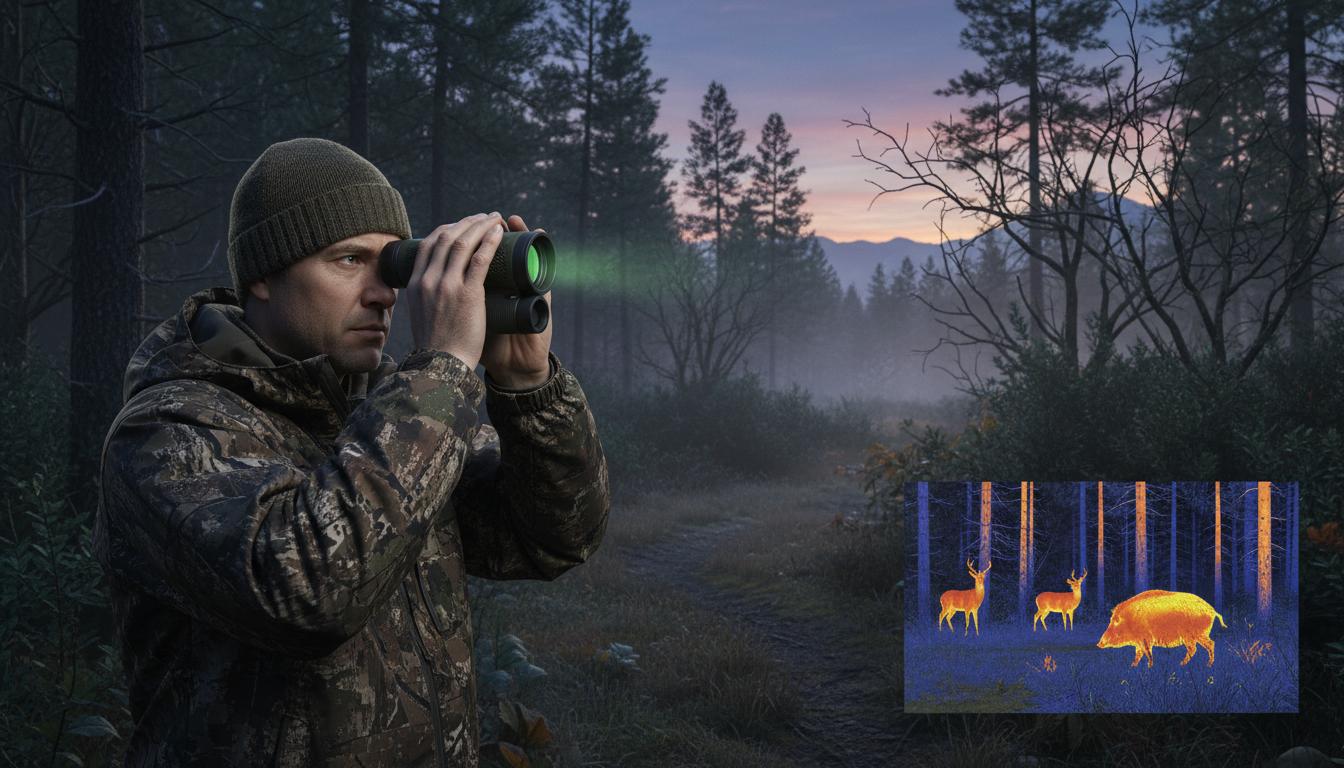
Outdoor enthusiasts and hunters have adopted thermal technology at a rapid pace. Thermal vision doesn’t need any light source, allowing hunters to identify game in low visibility and operate undetected in total darkness. These devices detect heat instead of light, so they work day or night, piercing through darkness, fog, and even camouflage to reveal animals that would otherwise remain hidden.
For wildlife research and conservation, thermal radiation can penetrate smokes, aerosols, dust, and mists more effectively than visible radiation so animals can be detected over a wide range of normally troublesome atmospheric conditions. It’s a completely passive technique capable of imaging under both daytime and night-time conditions, minimizing disruptions and stressful disturbances to wildlife during data collection. Whether you’re tracking deer with our Sirius HD thermal monocular or observing nocturnal animals, thermal imaging opens up a new dimension of outdoor experience.
Thermal imaging cameras are used to detect intruders and potential security threats in sensitive locations such as power plants, government buildings, airports, military installations, and other areas requiring high-level security. The cameras detect body heat of potential intruders and can be used in both day and night conditions—they also have the ability to detect movement and identify objects.
In security applications, thermal imaging can detect intruders, helping prevent theft and sabotage—in production environments, it can help prevent hazards by quickly identifying potential issues such as electrical fires, leaks, or overheating machinery. Thermal imaging can detect humans, animals, and other objects even in adverse weather and light conditions. One major advantage? While it can determine a person’s shape and size, it doesn’t allow for clear identification, so privacy is always guaranteed.
In the medical industry, thermal imaging can reveal inflamed tissue, detect muscle injuries or diabetes, monitor peripheral circulation disorders, identify tumors, and so on. Since it’s a non-contact, non-invasive technology, it’s effective across organs and their systems—circulatory problems and inflammatory conditions can be diagnosed by abnormal thermal patterns, whereas cancerous tissues often have higher temperature than surrounding tissues.
Thermal cameras, also known as infrared thermographic systems, are used by healthcare providers across the U.S. as an efficient, non-invasive way to measure surface body temperature and detect potential fevers early. When used as a medical device, thermal imaging can be a valuable screening tool to measure human body temperature related to possible infection or illness—this technology is convenient and efficient, performed in a touchless manner providing results in seconds to identify candidates for further diagnostic testing.
Thermal imaging provides emergency responders and rescue services with a way to shield the public against harm—thermography systems are essential for detecting fire outbreaks. With their ability to perform contactless temperature measurements, thermal cameras can help prevent fires by detecting hotspots before they turn into a full-blown blaze.
Thermal imaging truly comes into own with its ability to detect a fire inside a building before the flames are visible from the outside. Firefighters use thermal cameras to locate victims in smoke-filled buildings and identify the source of fires behind walls. Thermal cameras detect human or animal presence in search and rescue operations and hot spot detection in forest fire management. The technology has become standard equipment for first responders who need to work quickly in low-visibility conditions.
The surface temperature of objects can be extracted and analyzed from target images captured by infrared thermal imagers—this feature can be applied to fire prevention. In large-scale forests, invisible hidden fires are likely to cause large fires, difficult to detect in time only by manual monitoring—high-sensitivity infrared thermal imagers can examine monitoring targets in real time, and if target temperature exceeds the upper limit, an alarm message will be sent.
Researchers use thermal cameras for wildlife population studies, habitat monitoring, and tracking animal behavior patterns. Researchers use animal detection cameras to track animals in their natural habitats, studying their movement patterns, habits, and populations. The thermal system can detect heat signatures of all animals—the benefit of using a drone imager is monitoring animals in their natural habitat without disturbing them, especially at night.
Thermal imaging technology applications span far beyond their original military purpose. From preventing equipment failures and reducing energy waste to protecting wildlife and saving lives, these cameras deliver value across virtually every industry. The technology continues to improve—better resolution, longer battery life, and more affordable prices put thermal imaging within reach for professionals and enthusiasts alike.
What makes thermal imaging so versatile is its fundamental advantage: it sees heat signatures that remain invisible to conventional cameras and the human eye. Whether you’re inspecting electrical systems, exploring thermal options for outdoor adventures, or conducting medical screenings, thermal cameras provide actionable insights that simply weren’t possible before. As the technology becomes more accessible, we expect to see even more innovative applications emerge in the coming years.
Qual è la differenza tra la termografia e la visione notturna?
Night vision amplifies available light to create an image, so it needs at least some light to function. Thermal imaging detects infrared radiation (heat) emitted by objects themselves, working in total darkness without any external light source. Thermal cameras see through fog, smoke, and light vegetation better than night vision because they’re detecting heat signatures rather than reflected light.
Can thermal cameras see through walls?
No, thermal cameras cannot see through solid walls. They detect infrared radiation from surfaces, so they show the temperature of the wall surface itself. However, if there’s a significant temperature difference—like a hot water pipe or electrical issue creating heat—the thermal camera will show that heat pattern on the wall’s surface. This makes them great for finding problems behind walls, but they don’t provide x-ray vision.
How far can thermal cameras detect animals or people?
Detection distance depends on sensor resolution, lens size, and environmental conditions. Entry-level handheld thermal monoculars typically detect human-sized heat signatures at 100-300 yards, while high-end professional units can detect large animals at distances over 1,800 yards (over a mile). Factors like humidity, rain, and target size all affect maximum detection range.
Are thermal cameras legal for hunting?
Legality varies by location and species. In the United States, federal regulations generally allow thermal devices for hunting, but individual states have their own rules. Some states permit thermal imaging for certain pest species but prohibit it for big game. Always check your local hunting regulations before using thermal equipment in the field, as laws continue to evolve as the technology becomes more common.
What’s the typical lifespan of a thermal imaging camera?
Quality thermal cameras can last 10-15 years or more with proper care. The thermal sensor itself is solid-state and has no moving parts, making it quite durable. Battery life and electronic components typically fail before the sensor does. Most manufacturers offer warranties ranging from 2-5 years. Regular firmware updates and proper storage (avoiding extreme temperatures when not in use) help extend the useful life of thermal imaging devices.