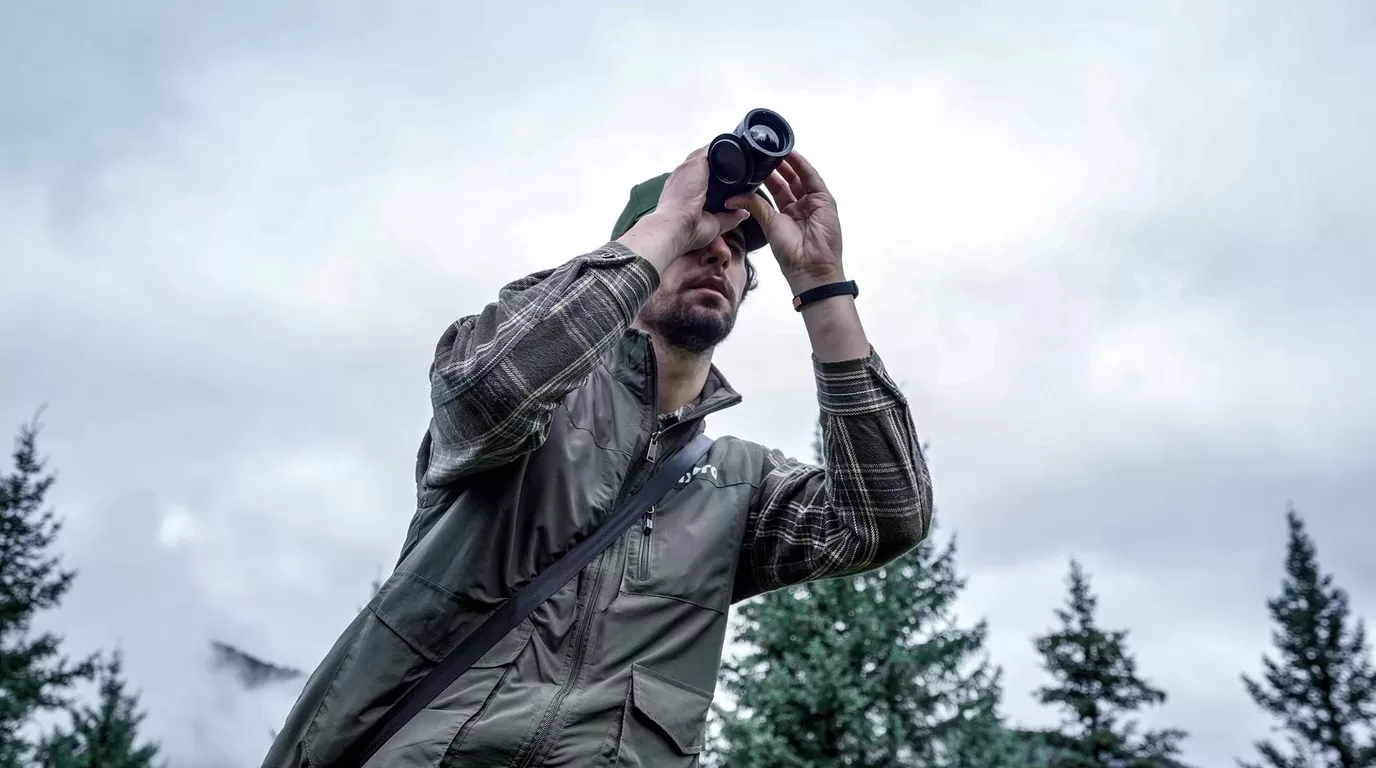
Come utilizzare il nostro prodotto

Il nostro Programma Partner Locali (LPP) è stato meticolosamente progettato per fornire un solido supporto ai nostri partner più stimati sul mercato locale.

Company News & Blogs

Rimani aggiornato con le ultime novità di Pixfra, le storie sui prodotti e gli approfondimenti sul mondo della termografia.

Gruppo 26 - Copia di backup

Guida ai prezzi dei dispositivi termici: quanto spendere nel 2026

The thermal device market in 2026 is loaded with more options and sharper tech at every price point than ever before. But figuring out how much to actually spend? That’s where most buyers get stuck. At Pixfra, we build thermal monoculars, scopes, front attachments, and multispectral binoculars — so we know where your money goes and where it gets wasted. This pricing guide breaks it all down so you spend smart and walk away with the right gear. What Drives Thermal Device Prices in 2026 Before you set a budget, you need to know what you’re actually paying for. The price tag on a thermal imaging device isn’t random — it reflects a stack of components and engineering choices that directly affect what you see in the field. The biggest price driver is sensor resolution. A 256×192 sensor is the entry point for real thermal imaging. Step up to 384×288 and you get noticeably cleaner images with better edge definition, especially at distances past 200 yards. Go to 640×512 and you’re in professional territory. That price differential tells you all you need to know about thermal resolution in general — you can expect to pay approximately double for every doubling in the resolution of the thermal core. So when you see a $400 device next to a $1,500 device and wonder what changed, the sensor is usually the answer. But resolution is only half the story. Thermal sensitivity, measured as NETD (Noise Equivalent Temperature Difference), decides how well the device picks up small heat differences. A lower NETD number means the device can separate a warm animal from a warm background on a humid summer night. For a deeper look at what separates a great thermal device from an average one, check out our breakdown of the top 6 features

3 miti sull'acquisto online del miglior dispositivo termico

Buying a thermal device online can feel overwhelming—spec sheets are dense, prices jump all over the map, and everyone seems to have a different opinion. We get it. At Pixfra, we hear from first-time buyers every week who almost made costly mistakes based on bad info floating around the internet. Let’s set the record straight. Why Buying a Thermal Device Online Feels Risky The thermal imaging market has changed fast. Thermal imaging technology changes faster than just about anything else in the hunting world—faster than rifles, scopes, or even ammo trends. What was premium two years ago now sits squarely in the mid-range. That speed of change is both exciting and confusing, and it creates a fertile ground for myths that never seem to die. Part of the problem is how buyers shop for thermal cameras and thermal monoculars online. Most thermal customers buy online and have to go on specs, YouTube videos, and the sometimes compromised impressions of social media influencers to make buying decisions. You scroll through product pages, read conflicting Reddit threads, watch YouTube “reviews” that are really just paid promotions, and walk away more confused than when you started. Between marketing fluff and real user experiences, it’s tough to know what’s legit and what’s noise. The truth is, buying a thermal device online isn’t any riskier than buying one at a brick-and-mortar store—as long as you know what you’re looking at. And that’s where these three myths do the most damage. They steer you toward the wrong device, or worse, they scare you away from buying altogether. Whether you’re shopping for a handheld thermal monocular, a thermal scope for night hunting, or an infrared camera for property inspection, the same myths keep popping up. So we’re going to walk through each one, tell you exactly why

In che modo la risoluzione influisce sulle prestazioni ottimali dei dispositivi termici

Resolution is one of the first specs you’ll see on any thermal device — and for good reason. It shapes everything from how sharp your image looks to how far out you can tell a coyote from a fence post. But not all resolution numbers mean what you think they do. We’re here at Pixfra to break it all down so you can pick the right thermal monocular, scope, or front attachment without getting tricked by big numbers that don’t deliver in the field. What Is Thermal Sensor Resolution? When we talk about resolution on a thermal device, we’re talking about the number of pixels on the infrared sensor itself — the detector array inside the device that picks up heat signatures and turns them into an image you can actually see. It’s expressed as two numbers, like 256×192, 384×288, or 640×512. Those numbers tell you how many tiny heat-detecting elements sit on the sensor. Thermal sensor resolution is expressed as two sets of numbers (vertical × horizontal), for example 640×512px. What you are looking for to determine resolution is the total number of pixels the sensor offers — for instance, a 640×512 sensor gives you a total of 327,680 pixels. Think of each pixel as a tiny thermometer. Every single one records its own temperature reading, and the device stitches all those readings together into the heat image you see through the eyepiece. “Pixels are the data acquisition points for thermal measurement… More data points mean more information is provided for accurate thermal interpretation. More pixels also mean greater visual resolution in the thermal image.” So when you go from a 256×192 sensor (49,152 pixels) up to a 640×512 sensor (327,680 pixels), you’re not just getting “a better picture” — you’re getting more than six times the data points

Le 6 caratteristiche principali che non possono mancare nel miglior dispositivo termico del 2026

Il mercato dei dispositivi termici nel 2026 appare completamente diverso rispetto anche solo a due anni fa. La tecnologia dei sensori ha fatto passi da gigante, i prezzi sono scesi e le funzionalità disponibili oggi sarebbero state appannaggio esclusivo dei modelli di fascia alta solo un paio di stagioni fa. Ma con così tante opzioni tra cui scegliere, come si fa a capire cosa conta davvero? Noi di Pixfra siamo qui per fare chiarezza e illustrarvi le 6 caratteristiche principali che non possono mancare nel miglior dispositivo termico di quest’anno. Perché è importante scegliere il dispositivo termico giusto nel 2026 Che tu sia un cacciatore alla ricerca di cinghiali dopo il tramonto, un appassionato di attività all’aria aperta che esplora sentieri fuori dai sentieri battuti o un osservatore della fauna selvatica che studia gli animali notturni senza disturbarli, la qualità del tuo dispositivo termico dipende dalle sue caratteristiche. E non tutte le caratteristiche sono uguali. Alcune specifiche sembrano impressionanti sulla carta, ma non significano nulla sul campo. Altre sembrano di poco conto, ma possono fare la differenza o rovinare la tua esperienza alle 2 del mattino in un appostamento di caccia. Il mercato dei monoculari termici nel 2026 appare significativamente diverso rispetto anche solo a due anni fa, con tre sviluppi che stanno ridefinendo ciò che gli acquirenti dovrebbero aspettarsi in ogni fascia di prezzo — tra cui risoluzioni dei sensori più elevate a prezzi più bassi, dove quella che una volta era una specifica di fascia alta (640×512) è diventata uno standard di fascia media. Questo cambiamento è un'ottima notizia per te, ma significa anche che devi essere più attento a ciò che stai acquistando. Un prezzo più basso non sempre significa un affare migliore, e spendere di più non sempre ti garantisce le caratteristiche di cui hai effettivamente bisogno. Noi di Pixfra produciamo monoculari termici, cannocchiali termici, accessori termici frontali e binocoli multispettrali — tutti progettati per le reali condizioni all’aperto. Abbiamo sfruttato ciò che abbiamo imparato in anni di sviluppo della nostra tecnologia proprietaria di rilevamento del calore per individuare le sei caratteristiche che distinguono un ottimo dispositivo termico da uno che vi deluderà già alla terza uscita. Se

Come calibrare e effettuare la manutenzione del tuo nuovo dispositivo termico

Hai appena disimballato il tuo nuovo dispositivo termico. Ha un ottimo aspetto, sembra solido e sei pronto per uscire sul campo. Ma prima di farlo, ci sono alcune cose che devi sapere. Una calibrazione corretta e una manutenzione regolare sono ciò che distingue un visore termico che funziona bene per un decennio da uno che perde nitidezza dopo una sola stagione. Noi di Pixfra abbiamo redatto questa guida per illustrarti ogni aspetto, dalla prima accensione alla conservazione a lungo termine. Che tu stia utilizzando un visore termico, un monoculare o un accessorio frontale, questi passaggi sono validi in ogni caso. Cosa fa effettivamente la calibrazione termica Chiariamo subito una cosa: quando parliamo di calibrazione di un dispositivo termico, non ci riferiamo alla stessa cosa dell’azzeramento del mirino su un fucile. La calibrazione — talvolta chiamata NUC (Non-Uniformity Correction) o FFC (Flat Field Correction) — è un processo a livello di sensore che mantiene l’immagine termica pulita, uniforme e priva di artefatti. I dispositivi termici sono altamente sensibili alle variazioni di temperatura nell’ambiente circostante e, poiché la temperatura oscilla costantemente, il dispositivo deve aggiornarsi periodicamente per misurare con precisione le differenze di temperatura. Senza questo processo, l’immagine inizia ad apparire sgranata, sbiadita o striata da linee che non dovrebbero esserci. Ecco una spiegazione semplificata di ciò che accade durante la calibrazione. Durante la calibrazione, il dispositivo copre brevemente il sensore con un otturatore per ottenere una lettura di temperatura piatta e costante. Il dispositivo utilizza questo riferimento piatto per reimpostare il modo in cui ogni pixel risponde all’energia infrarossa. Pensatelo come un ripristino della linea di base, in modo che il sensore riconosca nuovamente quale sia lo stato “neutro”. Durante il funzionamento del dispositivo, le variazioni di temperatura interna fanno sì che ogni pixel risponda in modo leggermente diverso, creando una non uniformità nell’immagine. Senza la calibrazione, l’immagine presenta artefatti visibili. Una volta eseguita la correzione, tali artefatti scompaiono e si torna a un’immagine

Casi d'uso
esplorazione all'aperto
Caccia
Osservazione degli animali

Progettata per migliorare la consapevolezza situazionale in qualsiasi momento della giornata, la telecamera è in grado di rilevare persone, animali e oggetti nel buio più totale, in condizioni di foschia o in presenza di luce abbagliante, fornendo alle forze dell’ordine e agli appassionati di attività all’aria aperta immagini termiche affidabili anche in condizioni difficili.

Spero di ricevere ulteriori informazioni

Per compilare questo modulo, attiva JavaScript nel tuo browser.
=
informativa sulla privacy

Iscriviti per ricevere le ultime notizie da Pixfra

Iscriviti alla newsletter di Pixfra per rimanere aggiornato con notizie di prima mano sui prodotti, approfondimenti sul mondo dell'outdoor e aggiornamenti esclusivi.

Per compilare questo modulo, attiva JavaScript nel tuo browser.