














Hoe u ons product gebruikt

Ons Local Partner Program (LPP) is zorgvuldig opgezet om onze meest gewaardeerde partners op de lokale markt krachtige ondersteuning te bieden.

Company News & Blogs

Blijf op de hoogte van de nieuwste updates, productverhalen en inzichten van Pixfra in de wereld van de warmtebeeldtechniek.

Groep 26 – back-up

Case Study: How a Thermal Device Saved a Rescue Mission

When a rescue team gets the call that someone is missing in the backcountry at night, every minute matters. Traditional search methods — flashlights, headlamps, ground sweeps — are slow and burn through manpower fast. We at Pixfra have seen firsthand how thermal imaging technology changes the entire equation, turning what used to be a desperate guessing game into a fast, targeted operation. How Thermal Imaging Works in Search and Rescue Before we get into the case study itself, let’s cover the basics so you know exactly what’s happening when a thermal device hits the field during a rescue mission. Thermal cameras work by detecting infrared radiation emitted by all objects, including people and animals. That radiation gets converted into a thermal image, displaying varying temperatures in different colors. Warmer objects, such as a human body, appear brighter against cooler backgrounds. That’s the whole trick — your body is basically a beacon of heat in a cold landscape, and a thermal device picks that up whether it’s pitch black, foggy, or raining sideways. Search and rescue missions at night present unique challenges. Limited visibility, difficult terrain, and unpredictable weather can hinder even the most well-trained teams. Traditional night-vision devices and spotlights have their limitations, especially in environments like forests, mountains, or urban areas with obstructed views. This is exactly where a handheld thermal monocular or scope gives you an edge that nothing else can match. Unlike night vision, which needs at least some ambient light to work, thermal devices detect heat rather than light. That means total darkness, dense fog, and heavy rain don’t shut you down. This tech isn’t new, but what’s changed in 2026 is the accessibility. You no longer need a government budget to get a solid thermal device with high sensitivity and long detection range. Our
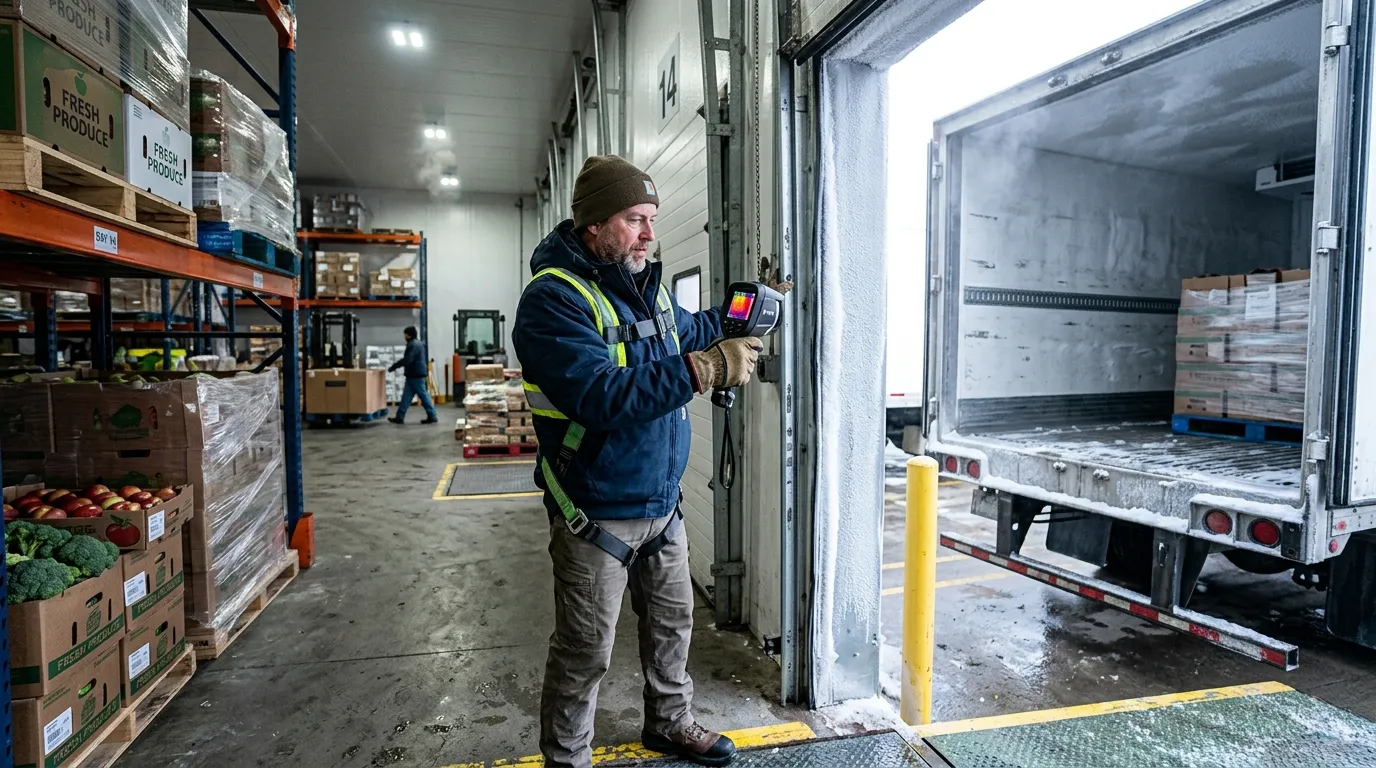

9 Practical Uses for a Handheld Thermal Device You Need to Know

Most people hear “handheld thermal device” and think it’s just for hunters. But that’s only scratching the surface. A single handheld thermal monocular covers hunting, property security, wildlife observation, boating, search and rescue, camping, and utility inspection. Whether you’re scanning your back forty for coyotes at 2 AM, checking your home for heat leaks, or navigating a foggy trail in the backcountry, a thermal imager earns its place in your gear bag fast. At Pixfra, we build thermal monoculars, thermal scopes, thermal front attachments, and multispectral binoculars — all designed for real outdoor conditions. And we’ve seen firsthand just how many ways people put these devices to work outside of hunting season. Before we walk through all nine uses, it helps to know what separates a good handheld thermal device from a frustrating one. If you’re still sorting out what specs actually matter when you’re shopping, our guide on the top 6 features needed in the best thermal device in 2026 breaks down everything from NETD sensitivity to battery life and IP ratings — so you can match the right device to the job you need it for. Nighttime Hunting and Game Recovery This is the use case that put handheld thermal devices on the map, and it’s still the number-one reason people buy them. Thermal technology allows hunters to detect and track animals based on their body heat, irrespective of the lighting conditions, offering an undeniable advantage for nighttime hunting and wildlife observation. Whether you’re running hogs in Texas, calling coyotes in Kansas, or sitting a deer stand in Georgia, a thermal monocular lets you spot game before it spots you — in total darkness, through fog, and even in thick brush. Here’s how it works in practice: instead of picking up your rifle and swinging a scope left

Best Apps and Software for Thermal Device Image Analysis in 2026

Your thermal device is only half the equation. The apps and software you pair with it can turn a good field experience into a great one — or leave you fumbling in the dark with files you can’t use. Here at Pixfra, we’ve built our entire ecosystem around making sure the software side works just as hard as the hardware. Why Thermal Image Analysis Software Matters A thermal device captures heat data. But that raw data doesn’t do you much good sitting on the device itself. You need software to view it clearly, adjust it, share it, and sometimes analyze it later back at home. Whether you’re a hunter reviewing footage from last night’s sit, a wildlife observer documenting nocturnal animal behavior, or a property owner running security sweeps, the right app or software turns thermal captures into real, usable information. Thermal imaging software helps make the most of the images collected from your camera. Without it, you’re stuck with a raw thermal feed and no way to fine-tune what you’re seeing. Think about it this way: you wouldn’t shoot photos on a DSLR and never edit or organize them. Thermal imaging works the same way. The software layer is where raw heat signatures become clear visuals you can act on, save, or share. Thermal image analysis software is a cornerstone of modern infrared data utilization, enabling organizations to transform raw thermal imagery into actionable insights across engineering, maintenance, and research. And while that language sounds like it’s aimed at industrial users, the same principle applies to outdoor users like hunters and wildlife observers. Your thermal monocular or scope captures temperature differences — the software is what lets you see those differences clearly, switch color palettes, record video, and pull useful details from the image. At Pixfra, we pair our

7 New Thermal Device Technologies to Watch in 2026

The thermal imaging space in 2026 is moving fast — faster than most people realize. The global thermal imaging market is projected to grow from about $4.6 billion in 2023 to $7.6 billion by 2030. If you’re a hunter, wildlife watcher, or someone who just wants to see more in the dark, these shifts hit close to home. We’re Pixfra, and we build thermal monoculars, scopes, front attachments, and multispectral binoculars for the real outdoors. In this post, we’re breaking down the seven new thermal device technologies you need to have on your radar right now — and what they mean for your next purchase. Before you read on, it’s worth knowing what features actually make the best thermal device in 2026. That piece covers the hardware side. This one is all about where the tech is headed — and how it’s already changing what you get in the field. AI-Enhanced Image Processing Changes Everything If there’s one tech trend that’s reshaping thermal devices more than anything else in 2026, it’s artificial intelligence. The integration of artificial intelligence into thermal imaging systems represents perhaps the most significant shift in how organizations deploy and operate infrared technology. But what does that actually mean for you when you’re out in the field at 2 AM? In plain terms, AI-enhanced image processing takes the raw heat data your sensor picks up and makes it sharper, cleaner, and easier to read — all in real time. SharpIR AI-enhanced imaging dynamically sharpens edges, improves contrast, and enhances target definition in real time. We’re not talking about a filter you apply after the fact. The device itself is constantly analyzing every frame and adjusting the picture. That means when you zoom in digitally on a target at 400 yards, the image doesn’t just get bigger and

Casestudie: het gebruik van thermische apparatuur bij energie-audits in woningen

Elk jaar verspillen Amerikaanse huiseigenaren honderden dollars aan energie die ze in werkelijkheid nooit gebruiken — allemaal vanwege verborgen luchtlekken, gaten in de isolatie en tocht die ze met het blote oog niet kunnen zien. Bij Pixfra ontwikkelen we warmtebeeldtechnologie die deze onzichtbare problemen zichtbaar maakt. In deze casestudy laten we u precies zien hoe warmtebeeldapparatuur wordt gebruikt bij energieaudits voor woningen en waarom deze eenvoudige stap u echt geld kan besparen. Wat is een energieaudit voor woningen? Een energieaudit voor woningen is een volledige controle van hoe uw huis energie verbruikt en waar er energie wordt verspild. Zie het als een bezoek aan de dokter – maar dan voor uw huis. Een gecertificeerde auditor komt langs met gespecialiseerde apparatuur en onderzoekt alles, van uw muren en ramen tot uw verwarmings-, ventilatie- en airconditioningsysteem en de isolatie van de zolder. Een gecertificeerde professional inspecteert de isolatie, deuren en ramen, het kanaalwerk en de belangrijkste systemen – vaak met behulp van apparatuur zoals blowerdoors en infraroodcamera’s – om te achterhalen waar u energie verspilt. Het resultaat is een prioriteitenlijst die uw energierekening kan verlagen, het comfort kan verbeteren en de luchtkwaliteit binnenshuis kan verhogen. Het doel is simpel: ontdek waar je huis energie verliest en los het op. Door de energie-efficiëntieverbeteringen door te voeren die in een energiebeoordeling voor je huis zijn vastgesteld, kun je 5–30 procent besparen op je maandelijkse energierekening en tegelijkertijd de gezondheid en veiligheid van je huis waarborgen. Dat is een groot verschil als je het over een jaar of een decennium bij elkaar optelt. En het belangrijkste hulpmiddel dat dit alles mogelijk maakt? Een warmtebeeldcamera. Voordat we ingaan op de details van de casestudy, gaan we even kort in op wat een warmtebeeldcamera de moeite waard maakt. Als je een uitgebreidere uitleg wilt over de specificaties die er echt toe doen, hebben we een complete gids samengesteld over de top 6

Toepassingsscenario's
ontdekkingstochten in de buitenlucht
Jagen
Dierenobservatie

De camera is ontworpen om het situationeel bewustzijn op elk moment van de dag te vergroten en kan mensen, dieren en voorwerpen detecteren in volledige duisternis, bij nevel of bij fel licht. Zo biedt hij wetshandhavers en outdoorliefhebbers betrouwbare warmtebeeldtechnologie onder zware omstandigheden.

Ik hoop meer informatie te ontvangen

Schakel JavaScript in uw browser in om dit formulier in te vullen.
=
privacyvoorwaarden

Abonneer je op het laatste nieuws van Pixfra

Schrijf je in voor de Pixfra-nieuwsbrief en blijf op de hoogte van productnieuws uit de eerste hand, tips voor buitenactiviteiten en exclusieve updates.

Schakel JavaScript in uw browser in om dit formulier in te vullen.