














Jak korzystać z naszego produktu

Nasz Program Partnerów Lokalnych (LPP) został starannie opracowany, aby zapewnić solidne wsparcie naszym najbardziej cenionym partnerom na rynku lokalnym.

Company News & Blogs

Bądź na bieżąco z najnowszymi aktualizacjami Pixfra, informacjami o produktach oraz spostrzeżeniami dotyczącymi świata termowizji.

Skład 26 – rezerwa

Case Study: How a Thermal Device Saved a Rescue Mission

When a rescue team gets the call that someone is missing in the backcountry at night, every minute matters. Traditional search methods — flashlights, headlamps, ground sweeps — are slow and burn through manpower fast. We at Pixfra have seen firsthand how thermal imaging technology changes the entire equation, turning what used to be a desperate guessing game into a fast, targeted operation. How Thermal Imaging Works in Search and Rescue Before we get into the case study itself, let’s cover the basics so you know exactly what’s happening when a thermal device hits the field during a rescue mission. Thermal cameras work by detecting infrared radiation emitted by all objects, including people and animals. That radiation gets converted into a thermal image, displaying varying temperatures in different colors. Warmer objects, such as a human body, appear brighter against cooler backgrounds. That’s the whole trick — your body is basically a beacon of heat in a cold landscape, and a thermal device picks that up whether it’s pitch black, foggy, or raining sideways. Search and rescue missions at night present unique challenges. Limited visibility, difficult terrain, and unpredictable weather can hinder even the most well-trained teams. Traditional night-vision devices and spotlights have their limitations, especially in environments like forests, mountains, or urban areas with obstructed views. This is exactly where a handheld thermal monocular or scope gives you an edge that nothing else can match. Unlike night vision, which needs at least some ambient light to work, thermal devices detect heat rather than light. That means total darkness, dense fog, and heavy rain don’t shut you down. This tech isn’t new, but what’s changed in 2026 is the accessibility. You no longer need a government budget to get a solid thermal device with high sensitivity and long detection range. Our

9 Practical Uses for a Handheld Thermal Device You Need to Know

Most people hear “handheld thermal device” and think it’s just for hunters. But that’s only scratching the surface. A single handheld thermal monocular covers hunting, property security, wildlife observation, boating, search and rescue, camping, and utility inspection. Whether you’re scanning your back forty for coyotes at 2 AM, checking your home for heat leaks, or navigating a foggy trail in the backcountry, a thermal imager earns its place in your gear bag fast. At Pixfra, we build thermal monoculars, thermal scopes, thermal front attachments, and multispectral binoculars — all designed for real outdoor conditions. And we’ve seen firsthand just how many ways people put these devices to work outside of hunting season. Before we walk through all nine uses, it helps to know what separates a good handheld thermal device from a frustrating one. If you’re still sorting out what specs actually matter when you’re shopping, our guide on the top 6 features needed in the best thermal device in 2026 breaks down everything from NETD sensitivity to battery life and IP ratings — so you can match the right device to the job you need it for. Nighttime Hunting and Game Recovery This is the use case that put handheld thermal devices on the map, and it’s still the number-one reason people buy them. Thermal technology allows hunters to detect and track animals based on their body heat, irrespective of the lighting conditions, offering an undeniable advantage for nighttime hunting and wildlife observation. Whether you’re running hogs in Texas, calling coyotes in Kansas, or sitting a deer stand in Georgia, a thermal monocular lets you spot game before it spots you — in total darkness, through fog, and even in thick brush. Here’s how it works in practice: instead of picking up your rifle and swinging a scope left

Najlepsze aplikacje i oprogramowanie do analizy obrazów z urządzeń termowizyjnych w 2026 roku

Your thermal device is only half the equation. The apps and software you pair with it can turn a good field experience into a great one — or leave you fumbling in the dark with files you can’t use. Here at Pixfra, we’ve built our entire ecosystem around making sure the software side works just as hard as the hardware. Why Thermal Image Analysis Software Matters A thermal device captures heat data. But that raw data doesn’t do you much good sitting on the device itself. You need software to view it clearly, adjust it, share it, and sometimes analyze it later back at home. Whether you’re a hunter reviewing footage from last night’s sit, a wildlife observer documenting nocturnal animal behavior, or a property owner running security sweeps, the right app or software turns thermal captures into real, usable information. Thermal imaging software helps make the most of the images collected from your camera. Without it, you’re stuck with a raw thermal feed and no way to fine-tune what you’re seeing. Think about it this way: you wouldn’t shoot photos on a DSLR and never edit or organize them. Thermal imaging works the same way. The software layer is where raw heat signatures become clear visuals you can act on, save, or share. Thermal image analysis software is a cornerstone of modern infrared data utilization, enabling organizations to transform raw thermal imagery into actionable insights across engineering, maintenance, and research. And while that language sounds like it’s aimed at industrial users, the same principle applies to outdoor users like hunters and wildlife observers. Your thermal monocular or scope captures temperature differences — the software is what lets you see those differences clearly, switch color palettes, record video, and pull useful details from the image. At Pixfra, we pair our

7 nowych technologii urządzeń termicznych, na które warto zwrócić uwagę w 2026 roku

The thermal imaging space in 2026 is moving fast — faster than most people realize. The global thermal imaging market is projected to grow from about $4.6 billion in 2023 to $7.6 billion by 2030. If you’re a hunter, wildlife watcher, or someone who just wants to see more in the dark, these shifts hit close to home. We’re Pixfra, and we build thermal monoculars, scopes, front attachments, and multispectral binoculars for the real outdoors. In this post, we’re breaking down the seven new thermal device technologies you need to have on your radar right now — and what they mean for your next purchase. Before you read on, it’s worth knowing what features actually make the best thermal device in 2026. That piece covers the hardware side. This one is all about where the tech is headed — and how it’s already changing what you get in the field. AI-Enhanced Image Processing Changes Everything If there’s one tech trend that’s reshaping thermal devices more than anything else in 2026, it’s artificial intelligence. The integration of artificial intelligence into thermal imaging systems represents perhaps the most significant shift in how organizations deploy and operate infrared technology. But what does that actually mean for you when you’re out in the field at 2 AM? In plain terms, AI-enhanced image processing takes the raw heat data your sensor picks up and makes it sharper, cleaner, and easier to read — all in real time. SharpIR AI-enhanced imaging dynamically sharpens edges, improves contrast, and enhances target definition in real time. We’re not talking about a filter you apply after the fact. The device itself is constantly analyzing every frame and adjusting the picture. That means when you zoom in digitally on a target at 400 yards, the image doesn’t just get bigger and

Studium przypadku: Wykorzystanie urządzeń termowizyjnych do audytów energetycznych budynków mieszkalnych

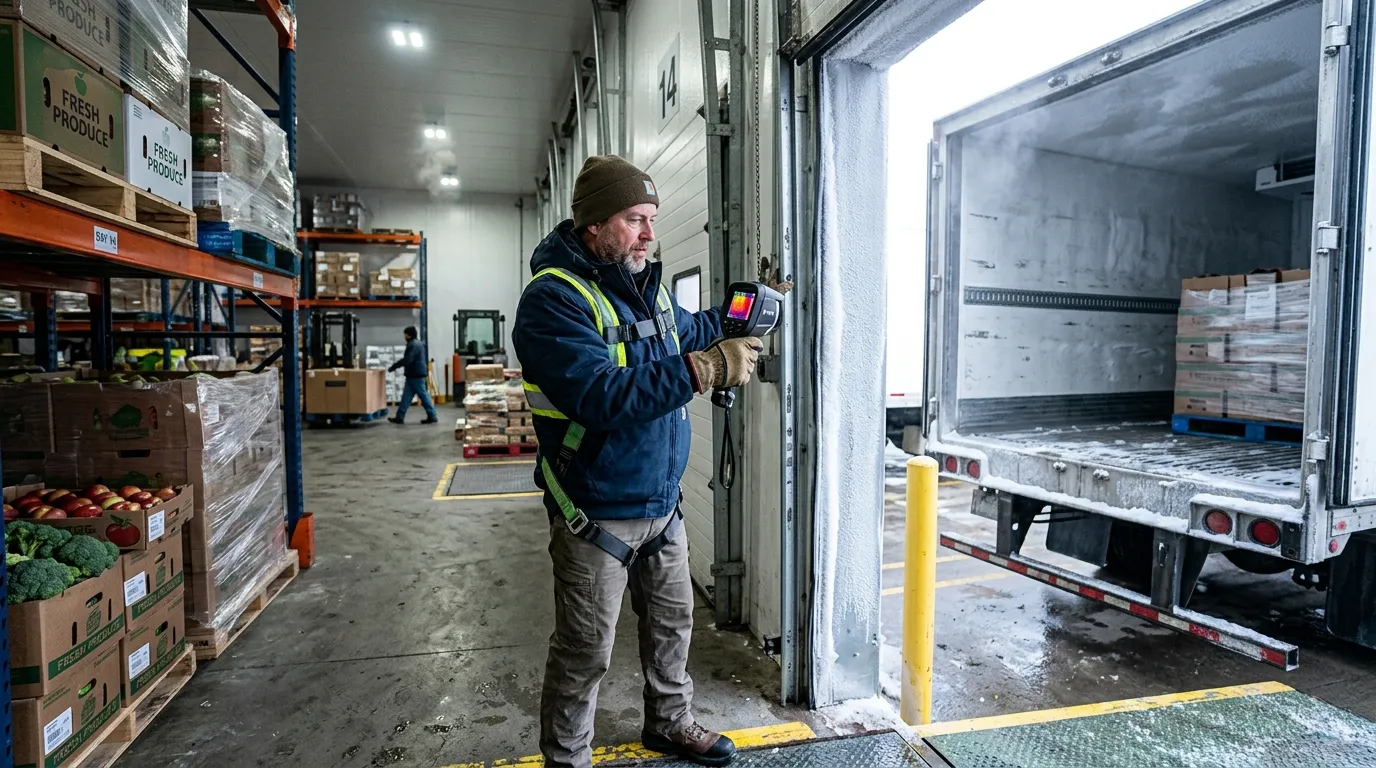
Każdego roku amerykańscy właściciele domów marnują setki dolarów na energię, której w rzeczywistości nigdy nie zużywają — a wszystko to z powodu ukrytych nieszczelności, luk w izolacji i przeciągów, których nie widać gołym okiem. W Pixfra tworzymy technologię termowizyjną, która sprawia, że te niewidoczne problemy stają się widoczne. W niniejszym studium przypadku pokażemy Państwu dokładnie, w jaki sposób urządzenia termowizyjne są wykorzystywane podczas audytów energetycznych domów i dlaczego ten prosty krok może przynieść Państwu realne oszczędności. Czym jest audyt energetyczny domu? Audyt energetyczny domu to kompleksowa kontrola tego, w jaki sposób Twój dom zużywa energię i gdzie dochodzi do jej marnotrawstwa. Potraktuj to jak wizytę u lekarza — tyle że w odniesieniu do Twojego domu. Certyfikowany audytor przyjeżdża z specjalistycznymi narzędziami i sprawdza wszystko — od ścian i okien po system ogrzewania, wentylacji i klimatyzacji (HVAC) oraz izolację poddasza. Certyfikowany specjalista sprawdza izolację, drzwi i okna, przewody wentylacyjne oraz główne instalacje — często korzystając z narzędzi takich jak drzwi dmuchawowe i kamery na podczerwień — aby zlokalizować miejsca, w których marnuje się energia. Wynikiem jest plan działań uszeregowany według priorytetów, który pozwala obniżyć rachunki za media, poprawić komfort i podnieść jakość powietrza w pomieszczeniach. Cel jest prosty: ustalić, gdzie w domu dochodzi do strat energii, i to naprawić. Wdrożenie usprawnień w zakresie efektywności energetycznej wskazanych w ocenie energetycznej domu może przynieść oszczędności rzędu 5–30 procent na miesięcznych rachunkach za energię, zapewniając jednocześnie zdrowie i bezpieczeństwo Twojego domu. To znacząca kwota, gdy zsumuje się ją w skali roku lub dekady. A jakie jest główne narzędzie, które to wszystko umożliwia? Kamera termowizyjna. Zanim przejdziemy do szczegółów studium przypadku, omówmy pokrótce, dlaczego warto zainwestować w urządzenie termowizyjne. Jeśli chcesz uzyskać bardziej szczegółowy przegląd parametrów, które faktycznie mają znaczenie, przygotowaliśmy kompletny przewodnik po 6 najlepszych modelach

Scenariusze zastosowań
odkrywanie przyrody
Polowanie
Obserwacja zwierząt

Kamera, zaprojektowana z myślą o zwiększeniu świadomości sytuacyjnej o każdej porze dnia, potrafi wykrywać ludzi, zwierzęta i przedmioty w całkowitej ciemności, przy zamgleniu lub w oślepiającym świetle, zapewniając funkcjonariuszom organów ścigania oraz miłośnikom aktywności na świeżym powietrzu niezawodny obraz termowizyjny w trudnych warunkach.

Mam nadzieję, że otrzymam więcej informacji

Aby wypełnić ten formularz, włącz obsługę JavaScript w przeglądarce.
=
polityka prywatności

Zapisz się, aby otrzymywać najnowsze wiadomości od Pixfra

Zapisz się do newslettera Pixfra i bądź na bieżąco z najświeższymi informacjami o produktach, ciekawostkami ze świata outdooru oraz ekskluzywnymi nowościami.

Aby wypełnić ten formularz, włącz obsługę JavaScript w przeglądarce.