




How to use our product

Programul nostru de parteneriat local (LPP) este conceput pentru a oferi sprijin solid partenerilor noștri de pe piața locală.

Company News & Blogs

Stay informed with Pixfra’s latest updates, product stories, and insights into the world of thermal imaging.

编组 26备份
ethical hunting with my thermal monucular

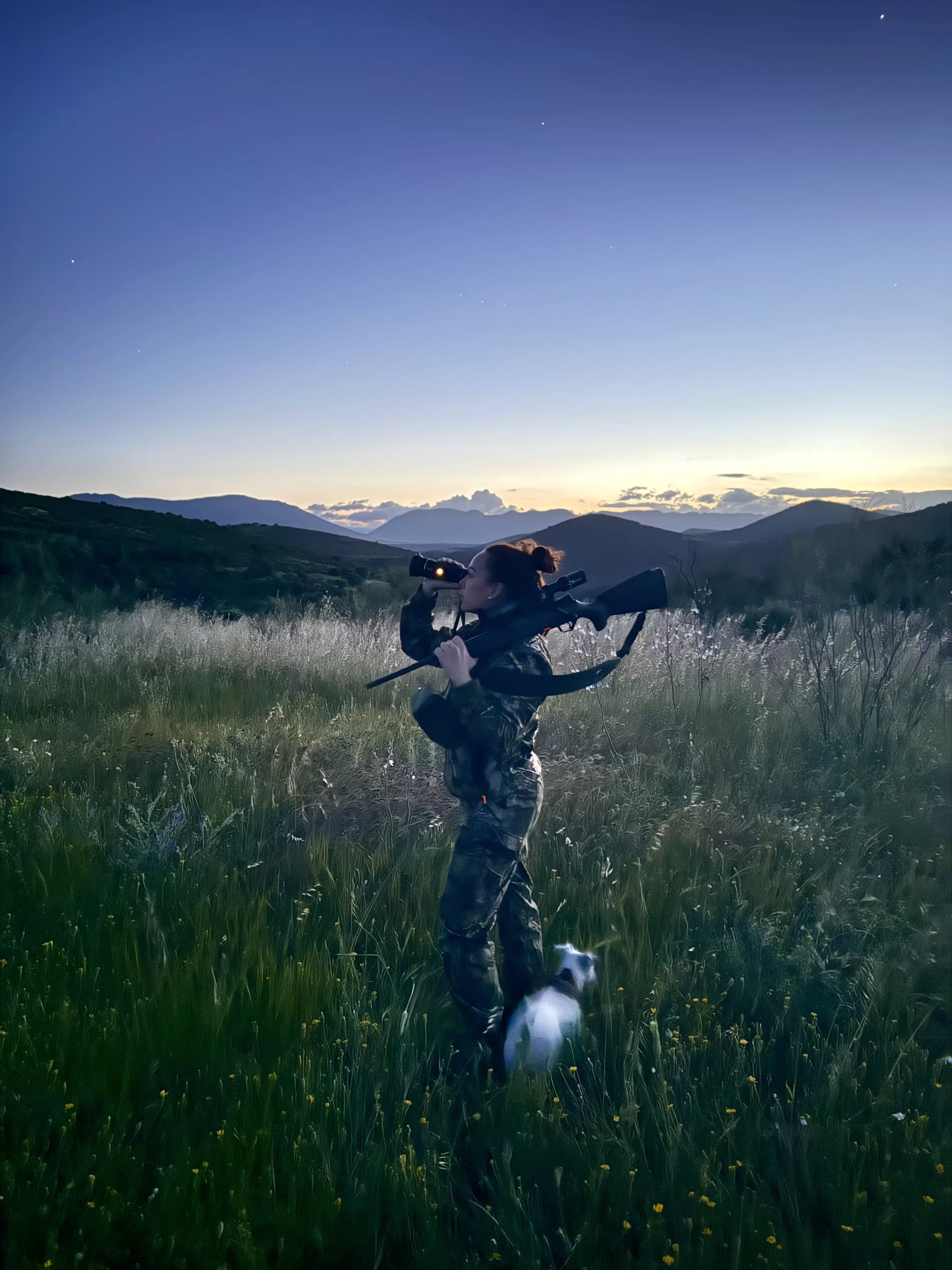
How Pixfra Thermal Monocular Transformed My Hunting Experience in Spain

There’s something magical about the stillness of a hunting night—the anticipation, the connection with nature, and the heightened senses that come with waiting patiently in the darkness. As an avid huntress specializing in big game hunting across Spain’s diverse terrains, I’ve experienced countless memorable moments in the wild. However, one particular evening stands out from all others, forever changing my perspective on modern hunting technology. After several uneventful hours during a wild boar wait, the forest seemed empty and silent. The cool night air carried no sounds of movement, and I began to wonder if my patience would go unrewarded. Almost as an afterthought, I raised my Pixfra Sirius thermal monocular to scan the surroundings—and what I discovered sent a jolt of adrenaline through my entire body. The thermal screen revealed what my human senses had completely missed: a group of wild boars had silently positioned themselves directly behind me. They had approached with such stealth that not a single twig snap or rustling leaf had betrayed their presence. Without the thermal technology, I would have remained completely unaware of their remarkable infiltration. Bridging Traditional Skills with Modern Thermal Technology For generations, hunting has been about honing natural instincts and traditional skills passed down through families and communities. While these fundamentals remain irreplaceable, today’s hunting landscape is evolving with technology that complements rather than replaces these ancestral abilities. The thermal monocular has become an extension of my senses rather than a substitute for them. It respects the tradition while acknowledging that even the most experienced hunters face limitations in what human perception can detect—especially in challenging environments or low-light conditions. According to a 2024 European Hunting Association survey, more than 78% of professional hunters now incorporate some form of thermal technology into their hunting practices, with most reporting significant improvements


What to Look for in a Thermal Monocular

The sensor represents the heart of any thermal monocular or night vision goggles,directly determining image quality, detection capability, and overall system performance. When evaluating thermal monoculars for European hunting applications, two primary sensor specifications demand particular attention: resolution and thermal sensitivity. Resolution, measured in pixels, defines the detail level in thermal images. Current market offerings range from entry-level 256×192 sensors to premium 640×512 arrays. This resolution difference becomes particularly significant at extended ranges, where higher resolution sensors provide substantially more detail for positive identification of game animals. The Pixfra product line reflects this range, with the Mile 2 Series offering 256×192 and 384×288 options, while the premium Sirius Series provides 640×512 resolution for maximum detail recognition. Thermal sensitivity, measured as Noise Equivalent Temperature Difference (NETD) in millikelvin (mK), indicates the minimum temperature difference the sensor can detect—with lower values representing superior performance. Premium European-market thermal monoculars achieve sensitivities of ≤25mK, with top-tier models like the Pixfra Sirius Series reaching exceptional ≤18mK NETD. This superior sensitivity proves particularly valuable in humid European conditions, where subtle temperature differences between game animals and surrounding vegetation can be difficult to detect with less sensitive systems. According to research by the European Hunting Technology Institute: “Sensor resolution improvements from 384×288 to 640×512 deliver approximately 40% greater effective identification ranges under typical European hunting conditions, while sensitivity improvements from 50mK to 25mK extend detection capability by approximately 35% in challenging thermal environments.” Optics The optical system works in conjunction with the sensor to determine overall image quality and practical utility. Several optical specifications deserve careful consideration when selecting thermal monoculars for European hunting applications. Magnification capabilities vary significantly across the thermal monocular market, with implications for both detection range and field awareness. Most thermal monoculars offer base optical magnification between 2-4×, typically supplemented by digital zoom.

Are Thermal Monoculars Legal?

The legality of thermal monoculars varies significantly across European jurisdictions, with regulations typically structured around intended use cases rather than the technology itself. This nuanced regulatory approach creates a complex landscape for both users and distributors of the best thermal imaging monoculars. In most European countries, the possession of thermal monoculars as observation devices is generally permitted for civilians, but specific use cases—particularly hunting applications—may be subject to additional regulations or restrictions. The European regulatory framework typically distinguishes between thermal devices designed primarily for observation (such as handheld thermal monoculars) and those specifically engineered for weapons mounting (thermal riflescopes). The Pixfra Mile 2 Series thermal monocular, for instance, is designed as a dedicated observation platform without weapon mounting interfaces, positioning it differently in regulatory classifications compared to purpose-built thermal weapon sights. This regulatory distinction is reflected in the European Commission’s dual-use goods framework, which categorizes thermal imaging equipment based on technical specifications and intended applications. According to the European Union Exports Control Regulation (EC) No 428/2009: “Thermal imaging equipment falls under varying levels of regulatory oversight depending on technical specifications, intended use, and country-specific implementation of EU directives.” Understanding these distinctions is essential for legal compliance across European markets, particularly for distributors and commercial users of thermal imaging technology. Country Regulations Thermal monocular regulations vary significantly across major European hunting markets, reflecting different approaches to wildlife management, hunting traditions, and security considerations. This regulatory diversity necessitates country-specific compliance strategies for both users and distributors. France implements a relatively permissive approach to thermal observation devices, with thermal monoculars like the Pixfra Mile 2 Series generally permitted for civilian ownership and use in observation applications. However, the use of thermal imaging for hunting activities is more strictly regulated, with the French Environmental Code generally prohibiting thermal devices for hunting except under specific

Best Thermal Imaging Monoculars for European Hunting

The foundation of any premium thermal imaging monocular lies in its sensor technology, which directly determines detection capability, image quality, and overall performance. Modern thermal monoculars utilize uncooled microbolometer arrays, with significant performance differences emerging based on resolution, pixel pitch, and thermal sensitivity.Unlike tranditional night vision,which relies on amplifying ambient light,thermal imaging detects infrared radiation emitted by objects themselves. Resolution represents the most immediately apparent specification, with current market offerings ranging from entry-level 256×192 sensors to premium 640×512 arrays. The difference between these resolutions becomes particularly significant at extended distances, where higher resolution sensors provide substantially more detail for positive identification of game animals. The Pixfra Mile 2 Series offers both 256×192 and 384×288 configurations, while the more advanced Sirius Series delivers exceptional detail with its 640×512 sensor array. Equally important but often overlooked is thermal sensitivity, measured as Noise Equivalent Temperature Difference (NETD) in millikelvin (mK). This specification indicates the minimum temperature difference the sensor can detect, with lower values representing superior performance. Premium European-market thermal monoculars achieve sensitivities of ≤25mK, with top-tier models like the Pixfra Sirius S650D reaching exceptional ≤18mK NETD. This superior sensitivity enables detection of subtle temperature differentials that would remain invisible to less sensitive systems, particularly critical for identifying partially obscured game in complex thermal environments. According to research from the European Hunting Technology Institute: “Sensor resolution and thermal sensitivity represent the two most significant predictors of field performance in thermal monoculars, with high-resolution/high-sensitivity combinations delivering 76% greater effective detection ranges compared to entry-level specifications.” Optical System While sensor technology provides the foundation for thermal performance, the optical system plays an equally crucial role in determining the practical utility of thermal monoculars in field conditions. Premium optical designs must balance multiple competing priorities including magnification, field of view, and form factor. Objective lens diameter

Thermal Imaging VS Night Vision: What Are the Difference

Thermal Imaging VS Night Vision: What Are the Difference

Night vision and thermal imaging operate on fundamentally different principles, despite often being confused in discussions about low-light observation capabilities. These core technological differences determine which system best serves specific hunting applications. Night vision technology uses image intensifier tubes that amplify existing ambient light, particularly near-infrared light invisible to the human eye. These systems collect available photons through an objective lens, convert them to electrons at a photocathode, multiply these electrons through a microchannel plate, and convert them back to visible light on a phosphor screen. Modern generation 3+ and 4 tubes can amplify light approximately 20,000-50,000 times, enabling vision in environments with minimal ambient light. Thermal imaging detects mid- to long-wave infrared radiation (heat) naturally emitted by all objects with temperatures above absolute zero. Systems like the Pixfra Sirius Series utilize microbolometer sensors that detect minute temperature differences—as sensitive as ≤18mK NETD (Noise Equivalent Temperature Difference)—creating visual representations based on these temperature variations. Thermal imaging requires no light source whatsoever, as it visualizes heat rather than light. According to research published by the European Optical Technology Institute: “The selection between night vision and thermal imaging represents not merely a choice between competing products but a decision between fundamentally different sensing methodologies with distinct operational capabilities and limitations.” Environmental Performance The operational effectiveness of night vision and thermal imaging varies dramatically across different environmental conditions, representing one of the most significant practical distinctions when applied to hunting scenarios. Night vision technology, dependent on ambient light amplification, faces several environmental limitations: Complete Darkness: Severely degraded performance in zero ambient light conditions Fog/Smoke/Dust: Significantly reduced effectiveness as these particles block light transmission Heavy Rain: Substantially diminished performance as water droplets scatter available light Dense Vegetation: Limited ability to detect subjects behind light foliage Thermal imaging, detecting heat signatures rather than light, offers

Tennessee Coyote Hunting at Night

Tennessee’s approach to coyote management represents an instructive case study for European wildlife managers and hunters dealing with predator populations. The southeastern U.S. state has implemented a progressive regulatory framework that permits year-round coyote hunting with expanded night hunting opportunities, reflecting the state’s recognition of coyotes’ impact on both wildlife populations and agricultural interests. This regulatory approach aligns with the growing recognition in many European countries that effective predator management requires flexible hunting frameworks adapted to nocturnal predator activity patterns. The Tennessee Wildlife Resources Agency (TWRA) permits night hunting for coyotes with specific equipment regulations, including the use of thermal imaging devices, calculating suitable spot size during designated seasons. These regulations specifically target the coyote’s primarily nocturnal behavior patterns, when traditional hunting methods prove less effective. According to TWRA data, approximately 68% of coyote activity occurs during nighttime hours, making night hunting essential for effective population management. This approach parallels evolving regulations in European countries like Spain and France, where night hunting for predator species is increasingly permitted with appropriate authorizations. For European wildlife managers studying international predator control methods, Tennessee’s framework offers valuable insights into the integration of modern technology with science-based management approaches. Why Coyote Management Matters The ecological context driving Tennessee’s coyote management strategy has significant parallels to predator management challenges facing European regions. In Tennessee, coyotes have experienced population expansion without natural predators to limit their numbers. Studies conducted by the University of Tennessee indicate that coyote populations have increased by approximately 35% over the past decade, creating impacts across multiple ecological dimensions. Key ecological impacts documented in Tennessee include: Wildlife Population Effects: Research indicates that coyotes account for up to 74% of fawn mortality in some Tennessee regions, significantly impacting deer population recruitment. Agricultural Losses: Tennessee farmers report annual livestock losses valued at approximately $1.8

How to use our product

Programul nostru de parteneriat local (LPP) este conceput pentru a oferi sprijin solid partenerilor noștri de pe piața locală.

Company News & Blogs

Stay informed with Pixfra’s latest updates, product stories, and insights into the world of thermal imaging.

编组 26备份
ethical hunting with my thermal monucular

How Pixfra Thermal Monocular Transformed My Hunting Experience in Spain

There’s something magical about the stillness of a hunting night—the anticipation, the connection with nature, and the heightened senses that come with waiting patiently in the darkness. As an avid huntress specializing in big game hunting across Spain’s diverse terrains, I’ve experienced countless memorable moments in the wild. However, one particular evening stands out from all others, forever changing my perspective on modern hunting technology. After several uneventful hours during a wild boar wait, the forest seemed empty and silent. The cool night air carried no sounds of movement, and I began to wonder if my patience would go unrewarded. Almost as an afterthought, I raised my Pixfra Sirius thermal monocular to scan the surroundings—and what I discovered sent a jolt of adrenaline through my entire body. The thermal screen revealed what my human senses had completely missed: a group of wild boars had silently positioned themselves directly behind me. They had approached with such stealth that not a single twig snap or rustling leaf had betrayed their presence. Without the thermal technology, I would have remained completely unaware of their remarkable infiltration. Bridging Traditional Skills with Modern Thermal Technology For generations, hunting has been about honing natural instincts and traditional skills passed down through families and communities. While these fundamentals remain irreplaceable, today’s hunting landscape is evolving with technology that complements rather than replaces these ancestral abilities. The thermal monocular has become an extension of my senses rather than a substitute for them. It respects the tradition while acknowledging that even the most experienced hunters face limitations in what human perception can detect—especially in challenging environments or low-light conditions. According to a 2024 European Hunting Association survey, more than 78% of professional hunters now incorporate some form of thermal technology into their hunting practices, with most reporting significant improvements

What to Look for in a Thermal Monocular

The sensor represents the heart of any thermal monocular or night vision goggles,directly determining image quality, detection capability, and overall system performance. When evaluating thermal monoculars for European hunting applications, two primary sensor specifications demand particular attention: resolution and thermal sensitivity. Resolution, measured in pixels, defines the detail level in thermal images. Current market offerings range from entry-level 256×192 sensors to premium 640×512 arrays. This resolution difference becomes particularly significant at extended ranges, where higher resolution sensors provide substantially more detail for positive identification of game animals. The Pixfra product line reflects this range, with the Mile 2 Series offering 256×192 and 384×288 options, while the premium Sirius Series provides 640×512 resolution for maximum detail recognition. Thermal sensitivity, measured as Noise Equivalent Temperature Difference (NETD) in millikelvin (mK), indicates the minimum temperature difference the sensor can detect—with lower values representing superior performance. Premium European-market thermal monoculars achieve sensitivities of ≤25mK, with top-tier models like the Pixfra Sirius Series reaching exceptional ≤18mK NETD. This superior sensitivity proves particularly valuable in humid European conditions, where subtle temperature differences between game animals and surrounding vegetation can be difficult to detect with less sensitive systems. According to research by the European Hunting Technology Institute: “Sensor resolution improvements from 384×288 to 640×512 deliver approximately 40% greater effective identification ranges under typical European hunting conditions, while sensitivity improvements from 50mK to 25mK extend detection capability by approximately 35% in challenging thermal environments.” Optics The optical system works in conjunction with the sensor to determine overall image quality and practical utility. Several optical specifications deserve careful consideration when selecting thermal monoculars for European hunting applications. Magnification capabilities vary significantly across the thermal monocular market, with implications for both detection range and field awareness. Most thermal monoculars offer base optical magnification between 2-4×, typically supplemented by digital zoom.

Are Thermal Monoculars Legal?

The legality of thermal monoculars varies significantly across European jurisdictions, with regulations typically structured around intended use cases rather than the technology itself. This nuanced regulatory approach creates a complex landscape for both users and distributors of the best thermal imaging monoculars. In most European countries, the possession of thermal monoculars as observation devices is generally permitted for civilians, but specific use cases—particularly hunting applications—may be subject to additional regulations or restrictions. The European regulatory framework typically distinguishes between thermal devices designed primarily for observation (such as handheld thermal monoculars) and those specifically engineered for weapons mounting (thermal riflescopes). The Pixfra Mile 2 Series thermal monocular, for instance, is designed as a dedicated observation platform without weapon mounting interfaces, positioning it differently in regulatory classifications compared to purpose-built thermal weapon sights. This regulatory distinction is reflected in the European Commission’s dual-use goods framework, which categorizes thermal imaging equipment based on technical specifications and intended applications. According to the European Union Exports Control Regulation (EC) No 428/2009: “Thermal imaging equipment falls under varying levels of regulatory oversight depending on technical specifications, intended use, and country-specific implementation of EU directives.” Understanding these distinctions is essential for legal compliance across European markets, particularly for distributors and commercial users of thermal imaging technology. Country Regulations Thermal monocular regulations vary significantly across major European hunting markets, reflecting different approaches to wildlife management, hunting traditions, and security considerations. This regulatory diversity necessitates country-specific compliance strategies for both users and distributors. France implements a relatively permissive approach to thermal observation devices, with thermal monoculars like the Pixfra Mile 2 Series generally permitted for civilian ownership and use in observation applications. However, the use of thermal imaging for hunting activities is more strictly regulated, with the French Environmental Code generally prohibiting thermal devices for hunting except under specific

Best Thermal Imaging Monoculars for European Hunting

The foundation of any premium thermal imaging monocular lies in its sensor technology, which directly determines detection capability, image quality, and overall performance. Modern thermal monoculars utilize uncooled microbolometer arrays, with significant performance differences emerging based on resolution, pixel pitch, and thermal sensitivity.Unlike tranditional night vision,which relies on amplifying ambient light,thermal imaging detects infrared radiation emitted by objects themselves. Resolution represents the most immediately apparent specification, with current market offerings ranging from entry-level 256×192 sensors to premium 640×512 arrays. The difference between these resolutions becomes particularly significant at extended distances, where higher resolution sensors provide substantially more detail for positive identification of game animals. The Pixfra Mile 2 Series offers both 256×192 and 384×288 configurations, while the more advanced Sirius Series delivers exceptional detail with its 640×512 sensor array. Equally important but often overlooked is thermal sensitivity, measured as Noise Equivalent Temperature Difference (NETD) in millikelvin (mK). This specification indicates the minimum temperature difference the sensor can detect, with lower values representing superior performance. Premium European-market thermal monoculars achieve sensitivities of ≤25mK, with top-tier models like the Pixfra Sirius S650D reaching exceptional ≤18mK NETD. This superior sensitivity enables detection of subtle temperature differentials that would remain invisible to less sensitive systems, particularly critical for identifying partially obscured game in complex thermal environments. According to research from the European Hunting Technology Institute: “Sensor resolution and thermal sensitivity represent the two most significant predictors of field performance in thermal monoculars, with high-resolution/high-sensitivity combinations delivering 76% greater effective detection ranges compared to entry-level specifications.” Optical System While sensor technology provides the foundation for thermal performance, the optical system plays an equally crucial role in determining the practical utility of thermal monoculars in field conditions. Premium optical designs must balance multiple competing priorities including magnification, field of view, and form factor. Objective lens diameter

Thermal Imaging VS Night Vision: What Are the Difference

Thermal Imaging VS Night Vision: What Are the Difference

Night vision and thermal imaging operate on fundamentally different principles, despite often being confused in discussions about low-light observation capabilities. These core technological differences determine which system best serves specific hunting applications. Night vision technology uses image intensifier tubes that amplify existing ambient light, particularly near-infrared light invisible to the human eye. These systems collect available photons through an objective lens, convert them to electrons at a photocathode, multiply these electrons through a microchannel plate, and convert them back to visible light on a phosphor screen. Modern generation 3+ and 4 tubes can amplify light approximately 20,000-50,000 times, enabling vision in environments with minimal ambient light. Thermal imaging detects mid- to long-wave infrared radiation (heat) naturally emitted by all objects with temperatures above absolute zero. Systems like the Pixfra Sirius Series utilize microbolometer sensors that detect minute temperature differences—as sensitive as ≤18mK NETD (Noise Equivalent Temperature Difference)—creating visual representations based on these temperature variations. Thermal imaging requires no light source whatsoever, as it visualizes heat rather than light. According to research published by the European Optical Technology Institute: “The selection between night vision and thermal imaging represents not merely a choice between competing products but a decision between fundamentally different sensing methodologies with distinct operational capabilities and limitations.” Environmental Performance The operational effectiveness of night vision and thermal imaging varies dramatically across different environmental conditions, representing one of the most significant practical distinctions when applied to hunting scenarios. Night vision technology, dependent on ambient light amplification, faces several environmental limitations: Complete Darkness: Severely degraded performance in zero ambient light conditions Fog/Smoke/Dust: Significantly reduced effectiveness as these particles block light transmission Heavy Rain: Substantially diminished performance as water droplets scatter available light Dense Vegetation: Limited ability to detect subjects behind light foliage Thermal imaging, detecting heat signatures rather than light, offers

Tennessee Coyote Hunting at Night

Tennessee’s approach to coyote management represents an instructive case study for European wildlife managers and hunters dealing with predator populations. The southeastern U.S. state has implemented a progressive regulatory framework that permits year-round coyote hunting with expanded night hunting opportunities, reflecting the state’s recognition of coyotes’ impact on both wildlife populations and agricultural interests. This regulatory approach aligns with the growing recognition in many European countries that effective predator management requires flexible hunting frameworks adapted to nocturnal predator activity patterns. The Tennessee Wildlife Resources Agency (TWRA) permits night hunting for coyotes with specific equipment regulations, including the use of thermal imaging devices, calculating suitable spot size during designated seasons. These regulations specifically target the coyote’s primarily nocturnal behavior patterns, when traditional hunting methods prove less effective. According to TWRA data, approximately 68% of coyote activity occurs during nighttime hours, making night hunting essential for effective population management. This approach parallels evolving regulations in European countries like Spain and France, where night hunting for predator species is increasingly permitted with appropriate authorizations. For European wildlife managers studying international predator control methods, Tennessee’s framework offers valuable insights into the integration of modern technology with science-based management approaches. Why Coyote Management Matters The ecological context driving Tennessee’s coyote management strategy has significant parallels to predator management challenges facing European regions. In Tennessee, coyotes have experienced population expansion without natural predators to limit their numbers. Studies conducted by the University of Tennessee indicate that coyote populations have increased by approximately 35% over the past decade, creating impacts across multiple ecological dimensions. Key ecological impacts documented in Tennessee include: Wildlife Population Effects: Research indicates that coyotes account for up to 74% of fawn mortality in some Tennessee regions, significantly impacting deer population recruitment. Agricultural Losses: Tennessee farmers report annual livestock losses valued at approximately $1.8

Domenii de utilizare
Explorare în aer liber
Vânătoare
Observarea animalelor

Camera ajută la observarea împrejurimilor la orice oră, detectând persoane, animale și obiecte chiar și în întuneric total, în ceață ușoară sau în lumină puternică. Oferă imagini termice fiabile în condiții dificile, pentru forțele de ordine și pasionații de activități în aer liber.

Dorești mai multe informații?

Please enable JavaScript in your browser to complete this form.
=
Politica de confidențialitate

Sirius & Sirius HD User Manual

Please choose your preferred language.

Draco User Manual

Please choose your preferred language.

Pegasus 2 LRF User Manual

Please choose your preferred language.

Pegasus User Manual

Please choose your preferred language.

Chiron LRF User Manual

Please choose your preferred language.

Chiron – Manual de utilizare

Please choose your preferred language.

Cetus User Manual

Please choose your preferred language.

Taurus & Taurus LRF User Manual

Please choose your preferred language.

Ranger Series User Manual

Please choose your preferred language.

Mile 2 Series User Manual

Please choose your preferred language.

Mile 3 Series User Manual

Please choose your preferred language.

Subscribe to the Latest News from Pixfra

Subscribe to the Pixfra newsletter and keep up with first-hand product news, outdoor insights and exclusive updates.

Please enable JavaScript in your browser to complete this form.