















So verwenden Sie unser Produkt

Unser „Local Partner Program“ (LPP) wurde sorgfältig konzipiert, um unseren geschätzten Partnern auf dem lokalen Markt umfassende Unterstützung zu bieten.

Unternehmensnachrichten & Blogs

Bleiben Sie auf dem Laufenden mit den neuesten Updates, Produktberichten und Einblicken in die Welt der Wärmebildtechnik von Pixfra.

Zugbildung 26 – Reserve

Fallstudie: Wie ein thermisches Gerät Energiekosten in Höhe von $5.000 einsparte

Die Energiekosten in den USA steigen rasant an, und die meisten Hausbesitzer haben keine Ahnung, wohin ihr Geld eigentlich fließt. Wir sind Pixfra – wir stellen Wärmebildmonokulare, Wärmebildzielfernrohre und Wärmebild-Vorderaufsätze für den Outdoor- und professionellen Einsatz her – und wir haben aus erster Hand erlebt, wie die Wärmebildtechnik die Situation grundlegend verändert, wenn man sie auf das richtige Problem richtet. Das versteckte Energieproblem, das die meisten Hausbesitzer übersehen Hier ist etwas, das die Leute überrascht: Der durchschnittliche amerikanische Haushalt gibt mittlerweile rund $163 pro Monat allein für Strom aus. Die durchschnittliche monatliche Stromrechnung in den USA beträgt seit Juni 2026 $163, basierend auf einem durchschnittlichen Stromtarif für Privathaushalte von 18,05 ¢/kWh und einem durchschnittlichen monatlichen Verbrauch von 903 kWh. Und diese Zahl befindet sich in einem steilen Aufwärtstrend. Die durchschnittliche Stromrechnung in den USA ist innerhalb von fünf Jahren um 26% gestiegen – von $129 pro Monat im Jahr 2022 auf $163 pro Monat im Jahr 2026. Rechnet man die Gas- und Wasserkosten hinzu, beläuft sich die durchschnittliche Versorgungsrechnung eines US-Haushalts auf $610 pro Monat. Diese Zahlen summieren sich auf Tausende von Dollar pro Jahr – und ein großer Teil davon ist verschwendete Energie, von der Sie gar nicht bemerken, dass sie Ihr Haus verlässt. Wohin also fließt all diese verschwendete Energie? Durch Ihre Wände, Ihre Fenster, Ihren Dachboden und jede noch so kleine Lücke und jeden Riss, von denen Sie nicht einmal wussten, dass es sie gibt. Wärmeverluste können bis zu 50% des gesamten Energieverbrauchs in einem Gebäude ausmachen. Die Ursachen reichen von Luftleckagen durch Schornsteine, Dachböden und Wandentlüftungen über schlecht abgedichtete Türöffnungen und defekte Argon-Fenster bis hin zu fehlender Dämmung. Das Problem ist: Man spürt keine kalte Stelle hinter einer Wand und sieht auch nicht, wie warme Luft durch einen Spalt im Dachbodenboden entweicht. Hier kommt ein Wärmebildgerät ins Spiel. Bei Pixfra haben wir uns unseren Ruf mit einer firmeneigenen Wärmesensorik erarbeitet, die winzige Temperaturunterschiede erfasst
Sind High-End-Wärmegeräte ihren hohen Preis wert?

You’ve seen the price tags. A solid thermal monocular or scope can run you anywhere from a few hundred bucks to well over $5,000. And if you’re staring at those numbers wondering whether spending more actually gets you more, you’re not alone. We’re Pixfra, and we build thermal devices for hunters, wildlife watchers, and outdoor professionals — so we’ve got a front-row seat to this debate. Let’s break it all down. Why Thermal Devices Cost What They Do Before we get into whether a premium thermal device is worth your money, it helps to understand why these things cost more than a standard optic in the first place. A thermal device isn’t just a camera with a fancy filter. A thermal imaging scope combines specialized infrared materials, expensive sensing hardware, real-time processing, strict calibration, and recoil-rated durability in one hunting optic. That’s a lot of tech packed into a single piece of gear. At the core of every thermal device sits an infrared sensor — usually a microbolometer made from vanadium oxide or amorphous silicon. The heart of every thermal camera lies in its infrared sensor, and unlike a normal camera that depends on visible light, a thermal imager captures infrared radiation emitted by objects, requiring specialized materials and ultra-precise manufacturing. These sensors aren’t cheap to produce. The raw materials alone, like germanium used in high-quality thermal lenses, carry a steep cost. Germanium metal costs $1,500 per kg in its raw form, and when you add the price of refining and processing it into a high-performance lens, the total cost increases exponentially. Then add proprietary image processing algorithms, precision calibration for each individual unit, and housings built to handle drops, rain, dust, and recoil — and you start to see where the money goes. The good news? Prices have come

Fallstudie: Wie ein Wärmebildgerät eine Rettungsmission rettete

When a rescue team gets the call that someone is missing in the backcountry at night, every minute matters. Traditional search methods — flashlights, headlamps, ground sweeps — are slow and burn through manpower fast. We at Pixfra have seen firsthand how thermal imaging technology changes the entire equation, turning what used to be a desperate guessing game into a fast, targeted operation. How Thermal Imaging Works in Search and Rescue Before we get into the case study itself, let’s cover the basics so you know exactly what’s happening when a thermal device hits the field during a rescue mission. Thermal cameras work by detecting infrared radiation emitted by all objects, including people and animals. That radiation gets converted into a thermal image, displaying varying temperatures in different colors. Warmer objects, such as a human body, appear brighter against cooler backgrounds. That’s the whole trick — your body is basically a beacon of heat in a cold landscape, and a thermal device picks that up whether it’s pitch black, foggy, or raining sideways. Search and rescue missions at night present unique challenges. Limited visibility, difficult terrain, and unpredictable weather can hinder even the most well-trained teams. Traditional night-vision devices and spotlights have their limitations, especially in environments like forests, mountains, or urban areas with obstructed views. This is exactly where a handheld thermal monocular or scope gives you an edge that nothing else can match. Unlike night vision, which needs at least some ambient light to work, thermal devices detect heat rather than light. That means total darkness, dense fog, and heavy rain don’t shut you down. This tech isn’t new, but what’s changed in 2026 is the accessibility. You no longer need a government budget to get a solid thermal device with high sensitivity and long detection range. Our

9 praktische Anwendungsmöglichkeiten für ein tragbares Wärmebildgerät, die Sie kennen sollten

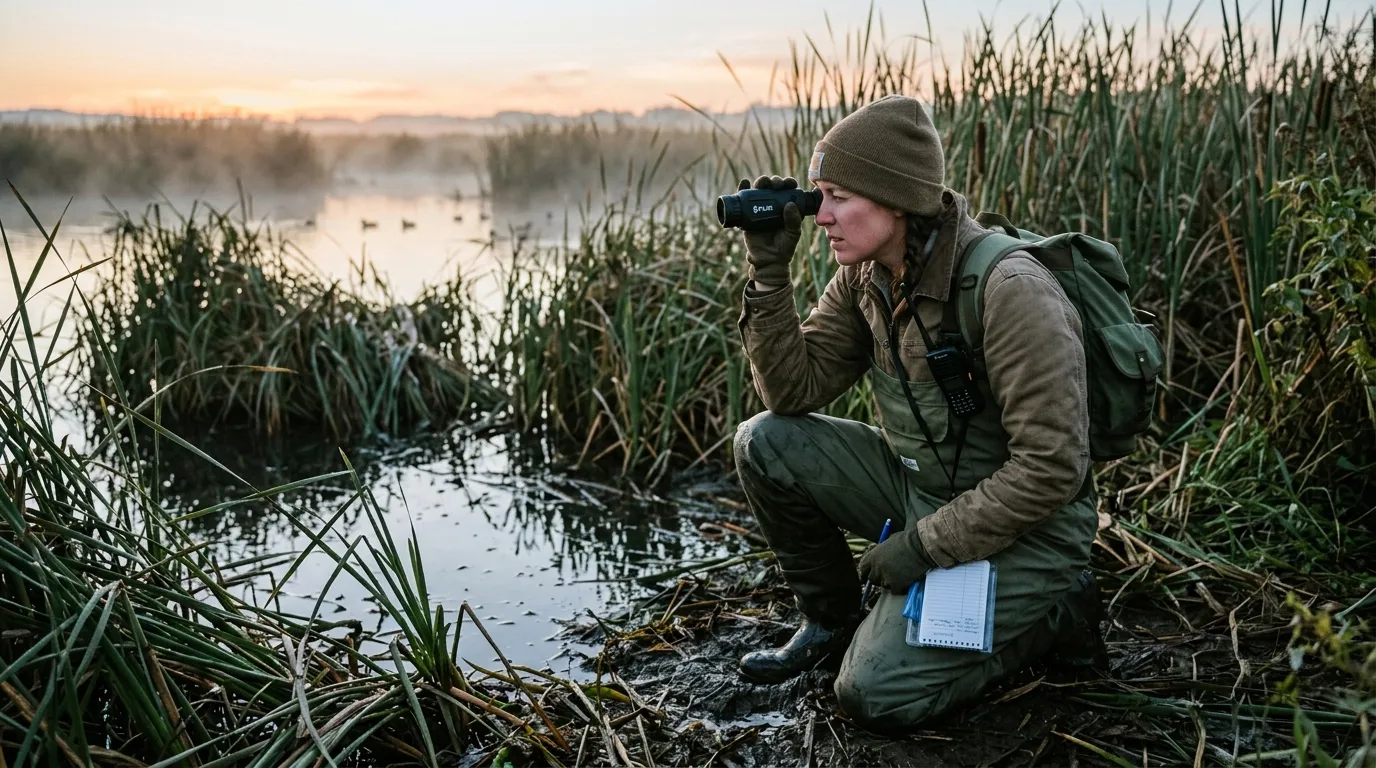
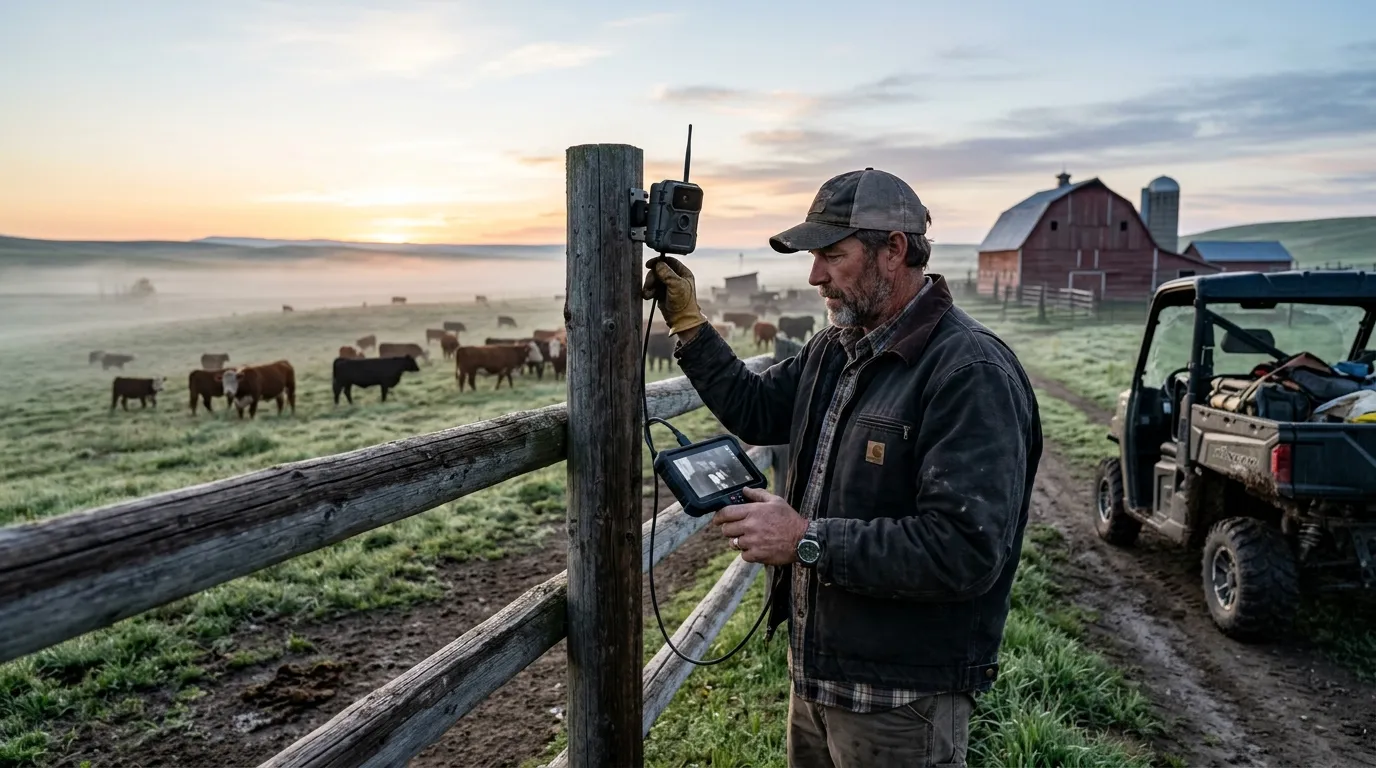
Most people hear “handheld thermal device” and think it’s just for hunters. But that’s only scratching the surface. A single handheld thermal monocular covers hunting, property security, wildlife observation, boating, search and rescue, camping, and utility inspection. Whether you’re scanning your back forty for coyotes at 2 AM, checking your home for heat leaks, or navigating a foggy trail in the backcountry, a thermal imager earns its place in your gear bag fast. At Pixfra, we build thermal monoculars, thermal scopes, thermal front attachments, and multispectral binoculars — all designed for real outdoor conditions. And we’ve seen firsthand just how many ways people put these devices to work outside of hunting season. Before we walk through all nine uses, it helps to know what separates a good handheld thermal device from a frustrating one. If you’re still sorting out what specs actually matter when you’re shopping, our guide on the top 6 features needed in the best thermal device in 2026 breaks down everything from NETD sensitivity to battery life and IP ratings — so you can match the right device to the job you need it for. Nighttime Hunting and Game Recovery This is the use case that put handheld thermal devices on the map, and it’s still the number-one reason people buy them. Thermal technology allows hunters to detect and track animals based on their body heat, irrespective of the lighting conditions, offering an undeniable advantage for nighttime hunting and wildlife observation. Whether you’re running hogs in Texas, calling coyotes in Kansas, or sitting a deer stand in Georgia, a thermal monocular lets you spot game before it spots you — in total darkness, through fog, and even in thick brush. Here’s how it works in practice: instead of picking up your rifle and swinging a scope left

So verwenden Sie unser Produkt

Unser „Local Partner Program“ (LPP) wurde sorgfältig konzipiert, um unseren geschätzten Partnern auf dem lokalen Markt umfassende Unterstützung zu bieten.

Unternehmensnachrichten & Blogs

Bleiben Sie auf dem Laufenden mit den neuesten Updates, Produktberichten und Einblicken in die Welt der Wärmebildtechnik von Pixfra.

Zugbildung 26 – Reserve

Fallstudie: Wie ein thermisches Gerät Energiekosten in Höhe von $5.000 einsparte

Die Energiekosten in den USA steigen rasant an, und die meisten Hausbesitzer haben keine Ahnung, wohin ihr Geld eigentlich fließt. Wir sind Pixfra – wir stellen Wärmebildmonokulare, Wärmebildzielfernrohre und Wärmebild-Vorderaufsätze für den Outdoor- und professionellen Einsatz her – und wir haben aus erster Hand erlebt, wie die Wärmebildtechnik die Situation grundlegend verändert, wenn man sie auf das richtige Problem richtet. Das versteckte Energieproblem, das die meisten Hausbesitzer übersehen Hier ist etwas, das die Leute überrascht: Der durchschnittliche amerikanische Haushalt gibt mittlerweile rund $163 pro Monat allein für Strom aus. Die durchschnittliche monatliche Stromrechnung in den USA beträgt seit Juni 2026 $163, basierend auf einem durchschnittlichen Stromtarif für Privathaushalte von 18,05 ¢/kWh und einem durchschnittlichen monatlichen Verbrauch von 903 kWh. Und diese Zahl befindet sich in einem steilen Aufwärtstrend. Die durchschnittliche Stromrechnung in den USA ist innerhalb von fünf Jahren um 26% gestiegen – von $129 pro Monat im Jahr 2022 auf $163 pro Monat im Jahr 2026. Rechnet man die Gas- und Wasserkosten hinzu, beläuft sich die durchschnittliche Versorgungsrechnung eines US-Haushalts auf $610 pro Monat. Diese Zahlen summieren sich auf Tausende von Dollar pro Jahr – und ein großer Teil davon ist verschwendete Energie, von der Sie gar nicht bemerken, dass sie Ihr Haus verlässt. Wohin also fließt all diese verschwendete Energie? Durch Ihre Wände, Ihre Fenster, Ihren Dachboden und jede noch so kleine Lücke und jeden Riss, von denen Sie nicht einmal wussten, dass es sie gibt. Wärmeverluste können bis zu 50% des gesamten Energieverbrauchs in einem Gebäude ausmachen. Die Ursachen reichen von Luftleckagen durch Schornsteine, Dachböden und Wandentlüftungen über schlecht abgedichtete Türöffnungen und defekte Argon-Fenster bis hin zu fehlender Dämmung. Das Problem ist: Man spürt keine kalte Stelle hinter einer Wand und sieht auch nicht, wie warme Luft durch einen Spalt im Dachbodenboden entweicht. Hier kommt ein Wärmebildgerät ins Spiel. Bei Pixfra haben wir uns unseren Ruf mit einer firmeneigenen Wärmesensorik erarbeitet, die winzige Temperaturunterschiede erfasst

Sind High-End-Wärmegeräte ihren hohen Preis wert?

You’ve seen the price tags. A solid thermal monocular or scope can run you anywhere from a few hundred bucks to well over $5,000. And if you’re staring at those numbers wondering whether spending more actually gets you more, you’re not alone. We’re Pixfra, and we build thermal devices for hunters, wildlife watchers, and outdoor professionals — so we’ve got a front-row seat to this debate. Let’s break it all down. Why Thermal Devices Cost What They Do Before we get into whether a premium thermal device is worth your money, it helps to understand why these things cost more than a standard optic in the first place. A thermal device isn’t just a camera with a fancy filter. A thermal imaging scope combines specialized infrared materials, expensive sensing hardware, real-time processing, strict calibration, and recoil-rated durability in one hunting optic. That’s a lot of tech packed into a single piece of gear. At the core of every thermal device sits an infrared sensor — usually a microbolometer made from vanadium oxide or amorphous silicon. The heart of every thermal camera lies in its infrared sensor, and unlike a normal camera that depends on visible light, a thermal imager captures infrared radiation emitted by objects, requiring specialized materials and ultra-precise manufacturing. These sensors aren’t cheap to produce. The raw materials alone, like germanium used in high-quality thermal lenses, carry a steep cost. Germanium metal costs $1,500 per kg in its raw form, and when you add the price of refining and processing it into a high-performance lens, the total cost increases exponentially. Then add proprietary image processing algorithms, precision calibration for each individual unit, and housings built to handle drops, rain, dust, and recoil — and you start to see where the money goes. The good news? Prices have come

Fallstudie: Wie ein Wärmebildgerät eine Rettungsmission rettete

When a rescue team gets the call that someone is missing in the backcountry at night, every minute matters. Traditional search methods — flashlights, headlamps, ground sweeps — are slow and burn through manpower fast. We at Pixfra have seen firsthand how thermal imaging technology changes the entire equation, turning what used to be a desperate guessing game into a fast, targeted operation. How Thermal Imaging Works in Search and Rescue Before we get into the case study itself, let’s cover the basics so you know exactly what’s happening when a thermal device hits the field during a rescue mission. Thermal cameras work by detecting infrared radiation emitted by all objects, including people and animals. That radiation gets converted into a thermal image, displaying varying temperatures in different colors. Warmer objects, such as a human body, appear brighter against cooler backgrounds. That’s the whole trick — your body is basically a beacon of heat in a cold landscape, and a thermal device picks that up whether it’s pitch black, foggy, or raining sideways. Search and rescue missions at night present unique challenges. Limited visibility, difficult terrain, and unpredictable weather can hinder even the most well-trained teams. Traditional night-vision devices and spotlights have their limitations, especially in environments like forests, mountains, or urban areas with obstructed views. This is exactly where a handheld thermal monocular or scope gives you an edge that nothing else can match. Unlike night vision, which needs at least some ambient light to work, thermal devices detect heat rather than light. That means total darkness, dense fog, and heavy rain don’t shut you down. This tech isn’t new, but what’s changed in 2026 is the accessibility. You no longer need a government budget to get a solid thermal device with high sensitivity and long detection range. Our

9 praktische Anwendungsmöglichkeiten für ein tragbares Wärmebildgerät, die Sie kennen sollten

Most people hear “handheld thermal device” and think it’s just for hunters. But that’s only scratching the surface. A single handheld thermal monocular covers hunting, property security, wildlife observation, boating, search and rescue, camping, and utility inspection. Whether you’re scanning your back forty for coyotes at 2 AM, checking your home for heat leaks, or navigating a foggy trail in the backcountry, a thermal imager earns its place in your gear bag fast. At Pixfra, we build thermal monoculars, thermal scopes, thermal front attachments, and multispectral binoculars — all designed for real outdoor conditions. And we’ve seen firsthand just how many ways people put these devices to work outside of hunting season. Before we walk through all nine uses, it helps to know what separates a good handheld thermal device from a frustrating one. If you’re still sorting out what specs actually matter when you’re shopping, our guide on the top 6 features needed in the best thermal device in 2026 breaks down everything from NETD sensitivity to battery life and IP ratings — so you can match the right device to the job you need it for. Nighttime Hunting and Game Recovery This is the use case that put handheld thermal devices on the map, and it’s still the number-one reason people buy them. Thermal technology allows hunters to detect and track animals based on their body heat, irrespective of the lighting conditions, offering an undeniable advantage for nighttime hunting and wildlife observation. Whether you’re running hogs in Texas, calling coyotes in Kansas, or sitting a deer stand in Georgia, a thermal monocular lets you spot game before it spots you — in total darkness, through fog, and even in thick brush. Here’s how it works in practice: instead of picking up your rifle and swinging a scope left

Einsatzbereiche
Entdeckungen in der Natur
Jagd
Tierbeobachtung

Die Wärmebildtechnik hilft, Menschen, Tiere und Objekte im Dunkeln zu erkennen und sich bei Beobachtungen im Freien einen besseren Überblick zu verschaffen.

Sie möchten mehr erfahren?

Bitte aktiviere JavaScript in deinem Browser, um dieses Formular fertigzustellen.
=
Datenschutzerklärung

Sirius & Sirius HD – Bedienungsanleitung

Bitte wählen Sie Ihre bevorzugte Sprache aus.

Draco-Bedienungsanleitung

Bitte wählen Sie Ihre bevorzugte Sprache aus.

Pegasus 2 LRF – Bedienungsanleitung

Bitte wählen Sie Ihre bevorzugte Sprache aus.

Pegasus-Bedienungsanleitung

Bitte wählen Sie Ihre bevorzugte Sprache aus.

Chiron LRF – Bedienungsanleitung

Bitte wählen Sie Ihre bevorzugte Sprache aus.

Chiron-Bedienungsanleitung

Bitte wählen Sie Ihre bevorzugte Sprache aus.

Cetus-Bedienungsanleitung

Bitte wählen Sie Ihre bevorzugte Sprache aus.

Taurus & Taurus LRF – Bedienungsanleitung

Bitte wählen Sie Ihre bevorzugte Sprache aus.

Bedienungsanleitung zur Ranger-Serie

Bitte wählen Sie Ihre bevorzugte Sprache aus.

Mile 2 Series – Bedienungsanleitung

Bitte wählen Sie Ihre bevorzugte Sprache aus.

Mile 3 Series – Bedienungsanleitung

Bitte wählen Sie Ihre bevorzugte Sprache aus.

Abonnieren Sie den Pixfra-Newsletter

Abonnieren Sie den Pixfra-Newsletter und erhalten Sie Produktneuigkeiten, Einblicke in Outdoor-Themen und exklusive Updates aus erster Hand.

Bitte aktiviere JavaScript in deinem Browser, um dieses Formular fertigzustellen.