Laws about hunting may be quite different in various states, so it’s important to know them before you want to hunt. Coyotes demonstrate remarkable nocturnal adaptations enabling efficient hunting during darkness, with specialized sensory capabilities providing significant advantages over daylight operations. These evolutionary adaptations create distinctive behavioral patterns European wildlife managers must understand when implementing effective management strategies throughout expanding European territories where these adaptable predators increasingly establish populations.
Visual adaptations represent the most obvious nocturnal specialization, with coyote retinal structure featuring significantly higher rod:cone ratios compared to diurnal predators. The European Wildlife Biology Institute explains:
“Histological examination demonstrates coyote retinal tissue containing approximately 70-80% rod photoreceptors compared to 20-30% in predominantly diurnal canids, creating light sensitivity approximately 250× greater than human vision—enabling effective visual hunting during illumination conditions as low as 0.0001 lux equivalent to starlight under partial cloud cover.”
This extraordinary light sensitivity combines with specialized tapetum lucidum—reflective layer behind the retina effectively doubling available light by reflecting photons back through photoreceptor cells. Anatomical studies document coyote tapetum approximately 35% larger than domestic canids, with specialized cellular structure optimized for wavelengths dominant during twilight and moonlight conditions common throughout European habitats.
Auditory capabilities show similar nocturnal specialization, with coyotes detecting small rodent movement sounds at distances exceeding 50 meters under ideal conditions. Research conducted throughout European territories documents consistent ability isolating prey-generated sounds within 2-3 degrees directional accuracy—enabling precise movement toward concealed prey despite complete visual obscuration by vegetation or terrain features common throughout complex European landscapes.
Olfactory sensitivity demonstrates perhaps the most remarkable nocturnal adaptation, with scent detection capabilities approximately 100× greater than human perception. European predator researchers document consistent ability tracking prey across varied terrain utilizing scent trails 8-12+ hours old depending on environmental conditions—capability particularly valuable during complete darkness when visual hunting becomes impractical even with specialized night vision adaptations.
Coyote movement demonstrates distinct nocturnal patterns differing significantly from daylight behavior, with specialized travel strategies optimized for darkness conditions. Understanding these movement characteristics proves essential for European wildlife managers implementing effective observation and management programs throughout territories experiencing expanding coyote populations.
Territory utilization shifts dramatically between daylight and darkness periods, with GPS tracking studies conducted across European habitats documenting approximately 3.5× greater territory coverage during nocturnal periods compared to daylight activity. The European Predator Research Institute reports:
“Comparative movement analysis demonstrates average coyote travel distances increasing from 2.8 kilometers during daylight hours to 9.7 kilometers during complete darkness, with territorial coverage expanding proportionally through distinctive travel corridors optimized for concealment and prey density rather than energy efficiency prioritized during limited daylight movement.”
This expanded nocturnal territory creates important management implications, with individual coyotes potentially impacting significantly larger areas during darkness compared to daylight periods. European wildlife managers must account for this expanded impact radius when implementing management strategies based on territory calculations derived exclusively from daylight observation data that significantly underestimate actual territorial influence.
Travel corridor selection shows specialized nocturnal characteristics, with darkness movement preferentially following terrain features providing concealment advantages despite less efficient travel routes compared to direct paths typically selected during daylight periods. Research conducted throughout Central European agricultural landscapes documents consistent preference for hedgerow systems, drainage ditches, and woodland edges during nocturnal movement—creating predictable travel patterns when these landscape features are properly identified through comprehensive habitat analysis.
Speed variations demonstrate distinctive nocturnal patterns, with movement characterized by intermittent high-speed travel segments interspersed with stationary hunting periods rather than the consistent moderate-speed movement typical during daylight. Tracking data shows nocturnal speed alternating between complete immobility during 15-30 minute hunting periods and rapid movement exceeding 20 km/h during territory transition phases—creating challenging observation conditions requiring advanced technology capable of detecting both stationary concealed subjects and rapid movement across extended distances.
The Pixfra Sirius thermal monocular provides ideal capability for documenting these complex nocturnal movement patterns, with advanced detection range exceeding 1,300 meters for coyote-sized subjects combined with rapid target acquisition functionality critical for monitoring unpredictable high-speed movement segments. This technology enables comprehensive documentation of complete behavioral patterns impossible with conventional observation methods limited by human visual capability during darkness conditions.
Coyotes employ specialized nocturnal hunting techniques significantly different from daylight strategies, with darkness tactics optimized for their sensory advantages rather than adaptations of diurnal approaches. These specialized methods demonstrate remarkable effectiveness through evolutionary refinement specifically addressing nocturnal conditions.
Ambush hunting represents the primary nocturnal strategy, with coyotes utilizing terrain features and vegetation providing concealment while remaining motionless for extended periods awaiting prey movement within strike range. The European Wildlife Management Institute documents:
“Observational studies utilizing thermal imaging technology record average ambush periods lasting 22-37 minutes, with complete immobility maintained throughout observation despite environmental disturbances including wind, precipitation, and non-target wildlife movement—demonstrating extraordinary patience exceeding typical predator behavior documented among European native species.”
This ambush approach proves particularly effective for rodent predation, with success rates approximately 35-45% compared to 15-20% during active hunting strategies—creating strong selection pressure favoring this technique during darkness periods when prey detection capabilities favor stationary observation rather than active pursuit common during daylight hunting.
Cooperative hunting emerges during nocturnal periods despite coyotes’ reputation as predominantly solitary hunters, with darkness strategies frequently involving coordinated tactics between 2-3 individuals particularly when pursuing larger prey. Research throughout European territories documents cooperative techniques including drive hunting where individuals systematically push prey toward concealed partners, relay pursuit maintaining constant pressure despite individual fatigue, and specialized ambush positioning creating inescapable containment zones—sophisticated coordination impossible to document through conventional observation methods limited by human visual capability during darkness.
Hunting location selection demonstrates specialized nocturnal characteristics, with darkness operations concentrated in open agricultural areas despite predominantly woodland daytime habitat preference. This location shift reflects optimal sensory advantage utilization, with open areas providing maximum effectiveness for specialized night vision capabilities while minimizing advantages prey species might maintain in complex visual environments. European tracking studies document approximately 70% of successful nocturnal hunting events occurring in agricultural fields, pastures, and meadows compared to only 35% of daylight successes in similar habitats.
The following table summarizes key differences between daylight and nocturnal hunting strategies:
Hunting Aspect Daylight Strategy Nocturnal Strategy Adaptive Significance
Primary Technique Active Pursuit Ambush Predation Optimizes Sensory Advantages
Location Preference Woodland/Edge Open Agricultural Maximizes Visual Capability
Coordination Level Primarily Solitary Often Cooperative Increases Success Rate
Duration Brief Active Periods Extended Patience Adapts to Prey Availability
Success Rate 15-20% 35-45% Demonstrates Adaptive Value
Nocturnal hunting periods demonstrate distinctive prey selection patterns compared to daylight operations, with darkness activity focusing on specific species categories optimally hunted using specialized sensory capabilities. These selection patterns create important management implications throughout European territories experiencing increasing coyote populations.
Rodent species constitute approximately 65-75% of nocturnal prey acquisition compared to 30-40% during daylight periods, with European vole species (Microtus spp.) particularly represented throughout recovered stomach content analysis. The European Predator Diet Research Program explains:
“Comparative scat analysis from 340 samples collected throughout Central European territories demonstrates rodent representation increasing approximately 250% during nocturnal hunting periods compared to daylight samples, with frequency analysis indicating intentional targeting rather than opportunistic acquisition based on specialized hunting techniques documented through field observation.”
This concentration on rodent predation creates significant agricultural benefit potentially offsetting damage concerns, with individual coyotes documented consuming 1,500-2,000 rodents annually throughout European agricultural territories—substantial pest management contribution often overlooked during predator impact assessment focused exclusively on negative interactions with game species or livestock.
Lagomorph predation shows specialized nocturnal characteristics, with darkness hunting focusing on European rabbit (Oryctolagus cuniculus) and European hare (Lepus europaeus) utilizing different techniques than daylight pursuit. Nocturnal lagomorph hunting predominantly employs ambush tactics along established travel corridors rather than active pursuit common during daylight periods—creating higher success rates approximately 35-40% compared to 15-25% during daylight pursuit despite reduced encounter frequency.
Ground nesting birds demonstrate seasonal vulnerability to nocturnal predation particularly during spring nesting periods, with research throughout European territories documenting specialized hunting techniques specifically targeting ground nests during darkness periods when adult birds demonstrate reduced defensive capability. This seasonal predation creates important management considerations for conservation programs focused on ground nesting species throughout territories experiencing expanding coyote populations.
Thermal imaging technology provides revolutionary capability for documenting these nocturnal predator-prey interactions impossible to observe through conventional methods. The Pixfra Vulcan thermal scope enables comprehensive documentation of complete hunting sequences including initial detection, specialized approach techniques, and capture events—critical research capability for European wildlife managers developing effective conservation strategies throughout territories where these adaptable predators increasingly establish populations.
Coyote nocturnal behavior demonstrates significant seasonal variations throughout European territories, with distinctive patterns emerging across different annual periods based on prey availability, reproductive status, and environmental conditions. Understanding these seasonal variations proves essential for implementing effective management strategies throughout the annual cycle.
Winter periods (December-February) demonstrate peak nocturnal activity throughout European territories, with darkness activity increasing approximately 65-80% compared to daylight operations. The European Wildlife Tracking Project reports:
“GPS collar data analysis from 42 monitored adult coyotes throughout Central European territories demonstrates average winter nocturnal movement distances increasing to 12.3 kilometers compared to 3.1 kilometers during daylight hours—representing approximately 80% of total winter activity occurring during darkness periods regardless of territory characteristics or individual variations.”
This winter nocturnal concentration stems from multiple factors including increased caloric requirements during cold periods, reduced human disturbance during darkness, and improved hunting efficiency for rodent prey moving beneath snow cover detectable through specialized auditory capability rather than visual identification. European wildlife managers should emphasize winter nocturnal monitoring when assessing population dynamics, territory utilization, and predation impacts throughout managed territories.
Spring periods (March-May) demonstrate specialized nocturnal patterns associated with reproductive behavior, with distinctive territory utilization focusing activity near den sites during pup-rearing phases. Nocturnal hunting during this period shows significant strategy modification, with shorter hunting excursions averaging 3.5-5.8 kilometers radiating from den locations rather than extended territory patrolling common during non-reproductive periods—creating predictable activity patterns when den locations are properly identified through comprehensive habitat analysis.
Summer periods (June-August) demonstrate most balanced activity distribution between daylight and darkness operations, with nocturnal activity representing approximately 55-65% of total movement compared to 75-85% during winter periods. This more balanced distribution reflects extended daylight periods, increased prey availability reducing required hunting time, and juvenile dispersal behavior occurring across both daylight and darkness periods—creating the most challenging seasonal period for effective population monitoring requiring both diurnal and nocturnal observation capability.
Autumn periods (September-November) demonstrate transitional patterns gradually increasing nocturnal concentration as winter approaches, with darkness activity progressively expanding through extended hunting excursions preparing for winter food scarcity. European tracking studies document average nocturnal movement distances increasing from approximately 6.3 kilometers in early September to 10.5 kilometers by late November—representing critical pre-winter territorial assessment period when dominant individuals establish priority access to optimal hunting territories before winter food limitations create significant competitive pressure.
Coyotes demonstrate remarkable nocturnal adaptations enabling efficient hunting during darkness, with specialized sensory capabilities including enhanced night vision, extraordinary auditory precision, and exceptional olfactory sensitivity providing significant advantages over daylight operations. These evolutionary adaptations create distinctive behavioral patterns European wildlife managers must understand when implementing effective management strategies throughout expanding European territories.
Nocturnal movement patterns differ significantly from daylight behavior, with GPS tracking studies documenting approximately 3.5× greater territory coverage during darkness periods through distinctive travel corridors optimized for concealment and prey density. This expanded nocturnal territory creates important management implications, with individual coyotes potentially impacting significantly larger areas during darkness compared to daylight periods—requiring comprehensive monitoring strategies accounting for this expanded influence radius.
Specialized hunting techniques emerge during nocturnal periods, with ambush predation representing the primary darkness strategy compared to active pursuit common during daylight operations. This methodological shift optimizes sensory advantages while demonstrating success rates approximately 35-45% compared to 15-20% during active hunting strategies—creating strong selection pressure favoring specialized nocturnal hunting behavior throughout European territories offering suitable habitat conditions.
Prey selection demonstrates distinctive nocturnal patterns, with rodent species constituting approximately 65-75% of darkness prey acquisition compared to 30-40% during daylight periods. This concentration creates significant agricultural benefit potentially offsetting damage concerns, with individual coyotes documented consuming 1,500-2,000 rodents annually throughout European agricultural territories—substantial pest management contribution often overlooked during predator impact assessment.
Seasonal variations significantly influence nocturnal behavior, with winter periods demonstrating peak darkness activity representing approximately 80% of total movement during December-February throughout Central European territories. These seasonal patterns create important management implications, requiring adaptive strategies addressing distinctive behavioral characteristics emerging across different annual periods throughout European landscapes experiencing expanding coyote populations.
Advanced thermal imaging technology provides revolutionary capability for documenting these complex nocturnal behaviors impossible to observe through conventional methods limited by human visual capability during darkness conditions. This technology enables comprehensive behavioral documentation creating foundation for effective management strategies based on complete behavioral understanding rather than limited daylight observations providing only partial insight into these highly adaptable predators.
If you’re interested in exploring how Pixfra’s advanced thermal imaging solutions can enhance nocturnal wildlife observation and management capabilities throughout European territories, our European specialists are available to provide detailed information and territory-specific guidance. From the versatile Sirius thermal monocular ideal for mobile field research to the high-resolution Vulcan thermal scope providing comprehensive documentation capability, Pixfra offers complete thermal solutions engineered specifically for European wildlife applications.
Contact our European market specialists today at info@pixfra.com or visit pixfra.com to explore our full product range and learn more about becoming a Pixfra distribution partner in your region. Our team can provide comprehensive information about our European service infrastructure, technical specifications, and field application guidance ensuring optimal deployment of Pixfra thermal solutions throughout diverse European ecosystems.
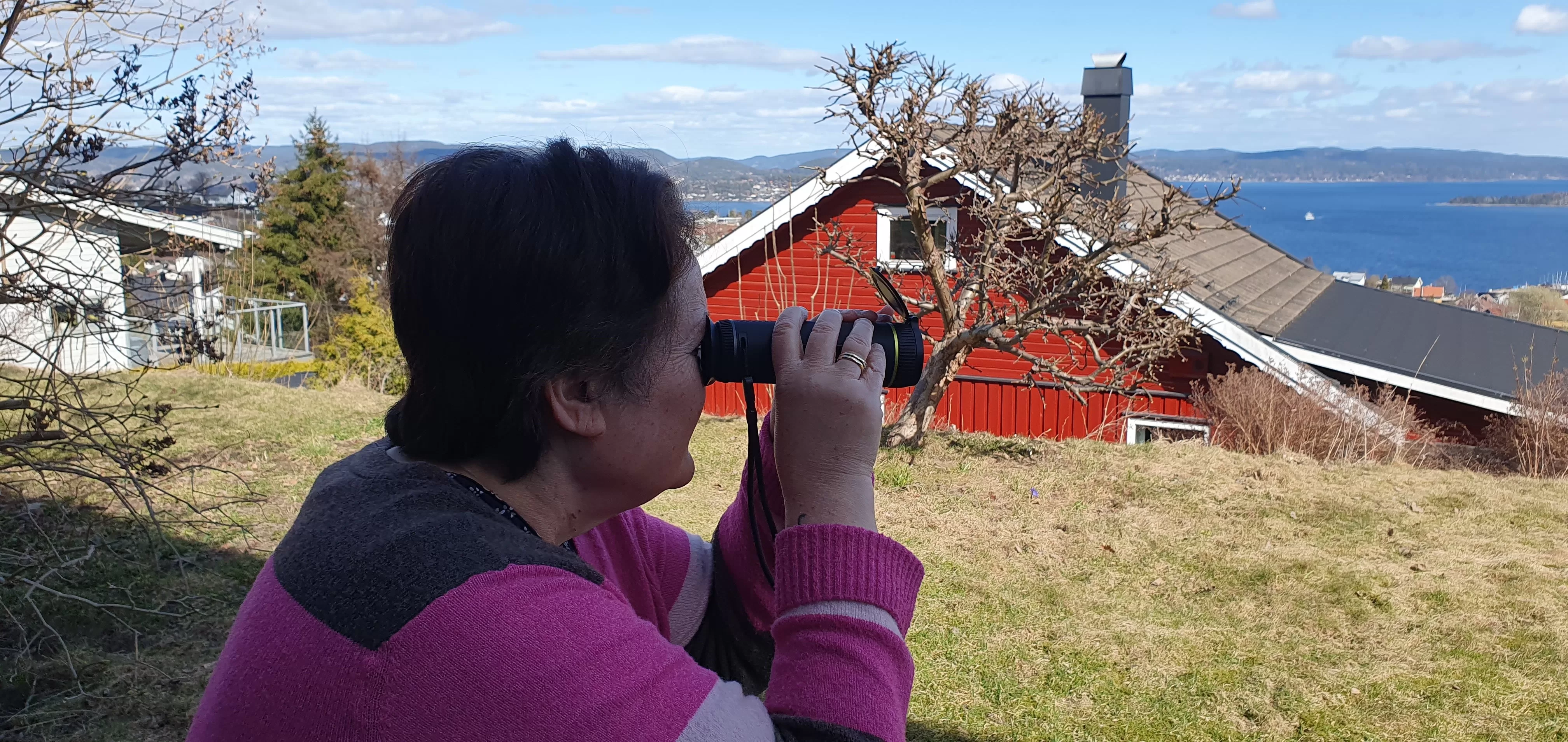
When you’re out there in complete darkness, whether you’re tracking wildlife, securing a perimeter, or exploring the unknown, you need thermal imaging technology that won’t let you down. That’s exactly what we’ve built with the Sirius HD 1280 thermal monocular – a game-changing device that brings professional-grade thermal detection to your fingertips.
 ?
?The Sirius HD series represents the next era of precision detection, and we’re not just saying that to sound impressive. This thermal monocular packs serious technology into a rugged, portable design that you can actually use in real-world conditions.
At the heart of this device sits a 1280×1024 HD thermal sensor – that’s higher resolution than most thermal devices in this category. When you combine this with our 18mK NETD sensitivity, you get thermal images so crisp and detailed that you’ll wonder how you ever managed without them. Whether you’re scanning dense forest for wildlife or monitoring vast open areas for security, every heat signature shows up with remarkable clarity.
The vanadium oxide uncooled focal plane detector works across the 8μm-14μm spectral range, which means it captures the full spectrum of thermal radiation that matters for real-world detection. You’re not just getting a thermal device; you’re getting a precision instrument that reveals what your eyes can’t see.
Here’s where things get really interesting. We’ve developed PIPS 2.0 (our enhanced image processing algorithm) specifically to make your thermal images better than anything you’ve seen before. This isn’t just marketing talk – this technology actually optimizes how you see the thermal world.
PIPS 2.0 handles electronic zoom optimization, which means when you zoom in on distant targets, the image stays sharp and usable. The noise reduction technology eliminates the grainy, static-filled images that plague cheaper thermal devices. Image stability ensures that what you see stays steady, even when you’re moving or dealing with vibration. And the detail enhancement brings out subtle heat patterns that other devices might miss entirely.
What does this mean for you? You get thermal images that are not just functional, but genuinely useful for making critical decisions in the field.
One of the coolest features of the PFI-SA70D model is its adaptive 35mm-70mm dual-field lens system. Think of it as having two thermal devices in one – you can switch between wide-area scanning and detailed target observation without missing a beat.
The 35mm setting gives you a wide 25.4° horizontal field of view, perfect for sweeping large areas and getting the big picture. When you spot something interesting, flip to the 70mm setting for a narrower 12.4° field of view that brings distant targets up close with 2.41× magnification.
The lenses themselves are engineered with unique textures that let you quickly differentiate between settings, even in complete darkness when you’re operating by feel. The SA70D model features an adjustable aperture from F0.9 to F1.1, optimizing light intake for different conditions and ensuring consistently high-quality images whether you’re dealing with extreme cold or heat.
Here’s what separates the Sirius HD from the competition: detection ranges up to 3600 meters. But we’re not talking about barely recognizing that something warm might be out there – we’re talking about usable detection that helps you make real decisions.
The PFI-SA50 model delivers 2600m detection range with its 50mm lens, while the PFI-SA70D pushes that to 3600m with its 70mm setting. Whether you’re scanning fields, forests, deserts, or grasslands, you get the range you need for serious exploration and monitoring.
This isn’t just about seeing far – it’s about seeing clearly at distance. The combination of the HD sensor, PIPS 2.0 processing, and precision optics means your long-range detections are actually useful, not just impressive numbers on a spec sheet.
You need to see what you’re detecting, and that’s where our 0.49-inch OLED display with 1920×1080 resolution comes in. This isn’t some tiny, hard-to-read screen – it’s an expansive display that brings thermal images to life with vivid clarity.
We’ve included six color palettes (white hot, black hot, iron red, alarm, emerald, and amber) because different situations call for different viewing modes. Hot spot tracing helps you quickly identify the warmest points in your field of view, while the 1×, 2×, 4×, and 8× digital zoom lets you get closer to your targets without losing image quality.
The built-in 64GB storage means you can record videos and capture snapshots of what you’re seeing. The Wi-Fi hotspot functionality lets you share thermal images and videos with your team or review them on larger devices later.
When you’re out in the field, the last thing you want is equipment that dies on you. The Sirius HD uses replaceable 18650 batteries that deliver 4.5 hours of continuous operation at 25°C with Wi-Fi turned off. Real batteries for real use – no proprietary nonsense that leaves you stranded.
The IP67 protection rating means this device can handle whatever nature throws at it. Rain, dust, mud – the Sirius HD keeps working when other devices give up. It operates in temperatures from -30°C to +55°C (-22°F to +131°F), so whether you’re dealing with arctic conditions or desert heat, your thermal monocular stays operational.
This thermal monocular isn’t for everyone – it’s for people who need serious thermal detection capabilities. Hunters use it to track game in complete darkness without disturbing natural behavior patterns. Security professionals rely on it for perimeter monitoring and threat detection. Wildlife researchers depend on it for non-invasive animal observation and population studies.
Outdoor enthusiasts and explorers find it invaluable for navigation and safety in challenging environments. Law enforcement uses it for surveillance and search operations. If you need to see in the dark or detect heat signatures at long range, the Sirius HD delivers the performance you’re looking for.
| Feature | PFI-SA50 | PFI-SA70D |
|---|---|---|
| Sensor Resolution | 1280×1024 | 1280×1024 |
| Følsomhet (NETD) | ≤18 mK | ≤18 mK |
| Brennvidde | 50mm | 35mm/70mm |
| Deteksjonsområde | 2,600m | 1,800m/3,600m |
| Synsfelt | 17.2°×13.8° | 25.4°×20.3°/12.4°×10° |
| Weight | 544g | 908g |
The Sirius HD can detect human-sized targets up to 3600 meters away (with the SA70D model), but actual detection range depends on target size, temperature difference, and environmental conditions. For reliable identification, expect effective ranges of 1000-2000 meters for human-sized targets.
The SA50 features a fixed 50mm lens with 2600m detection range, while the SA70D has dual-field 35mm/70mm lenses offering both wide scanning (35mm) and long-range detection (70mm, 3600m range). The SA70D is heavier but more versatile.
With Wi-Fi off, you’ll get about 4.5 hours of continuous use at normal temperatures. Cold weather reduces battery life, while features like Wi-Fi, recording, and frequent menu use drain power faster. We recommend carrying spare 18650 batteries for extended sessions.
Yes, the IP67 rating means it’s waterproof and dustproof, while the operating temperature range of -30°C to +55°C covers most real-world conditions. The device continues working in rain, snow, and extreme heat where other optics fail.
The 1280×1024 HD sensor combined with PIPS 2.0 processing delivers significantly sharper images than standard 384×288 or 640×480 thermal devices. You’ll see clearer details, better contrast, and more usable images at long range – the difference is immediately noticeable.
The Sirius HD 1280 thermal monocular represents the cutting edge of thermal imaging technology, designed for professionals and enthusiasts who demand the best. Don’t settle for devices that barely work when you need them most.
[Explore the complete Sirius HD series and find your perfect thermal solution today] – because when darkness falls, you need technology that rises to the challenge.
Experience the future of thermal detection with Pixfra – where innovation meets reliability in every device we create.