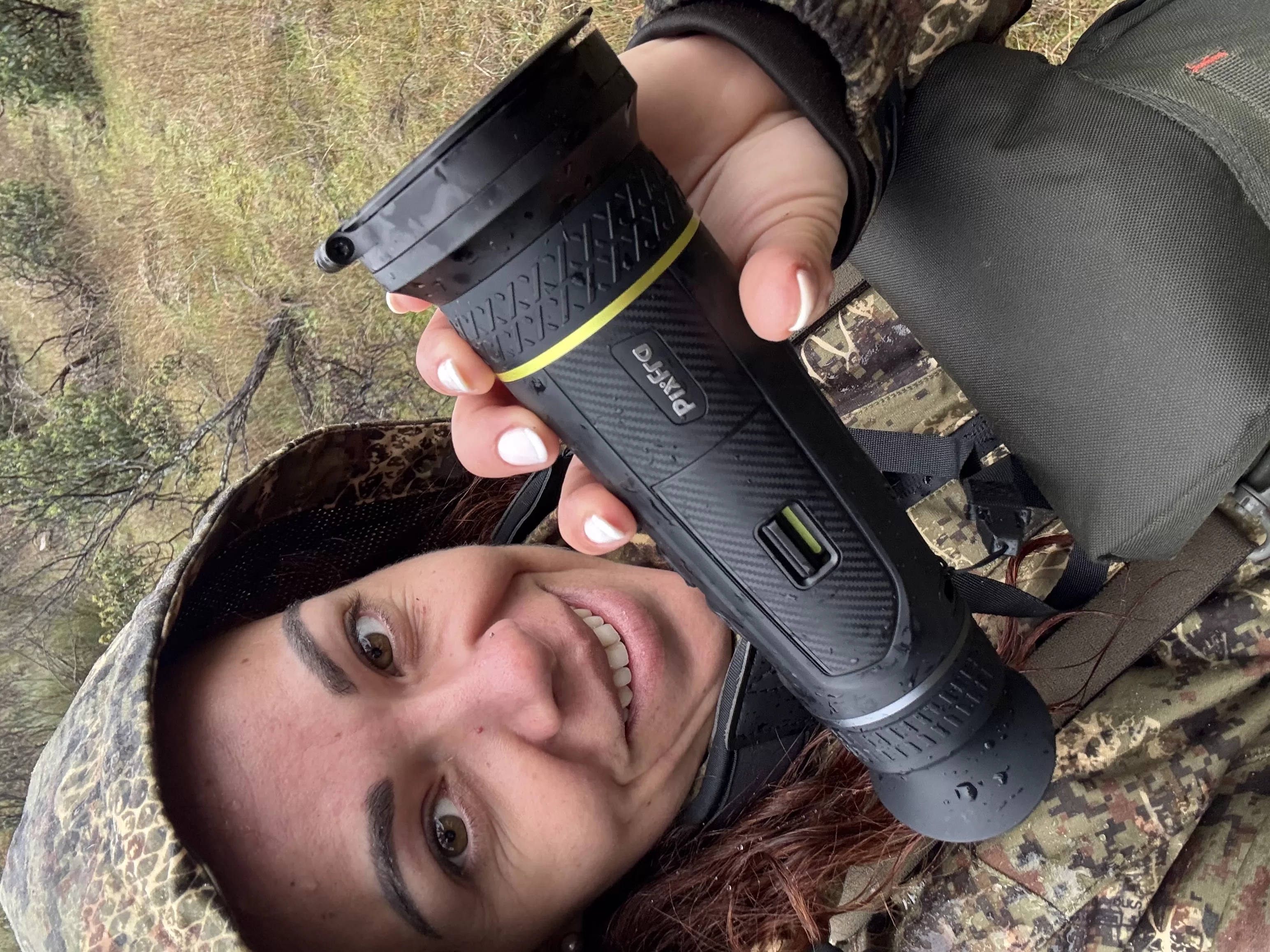
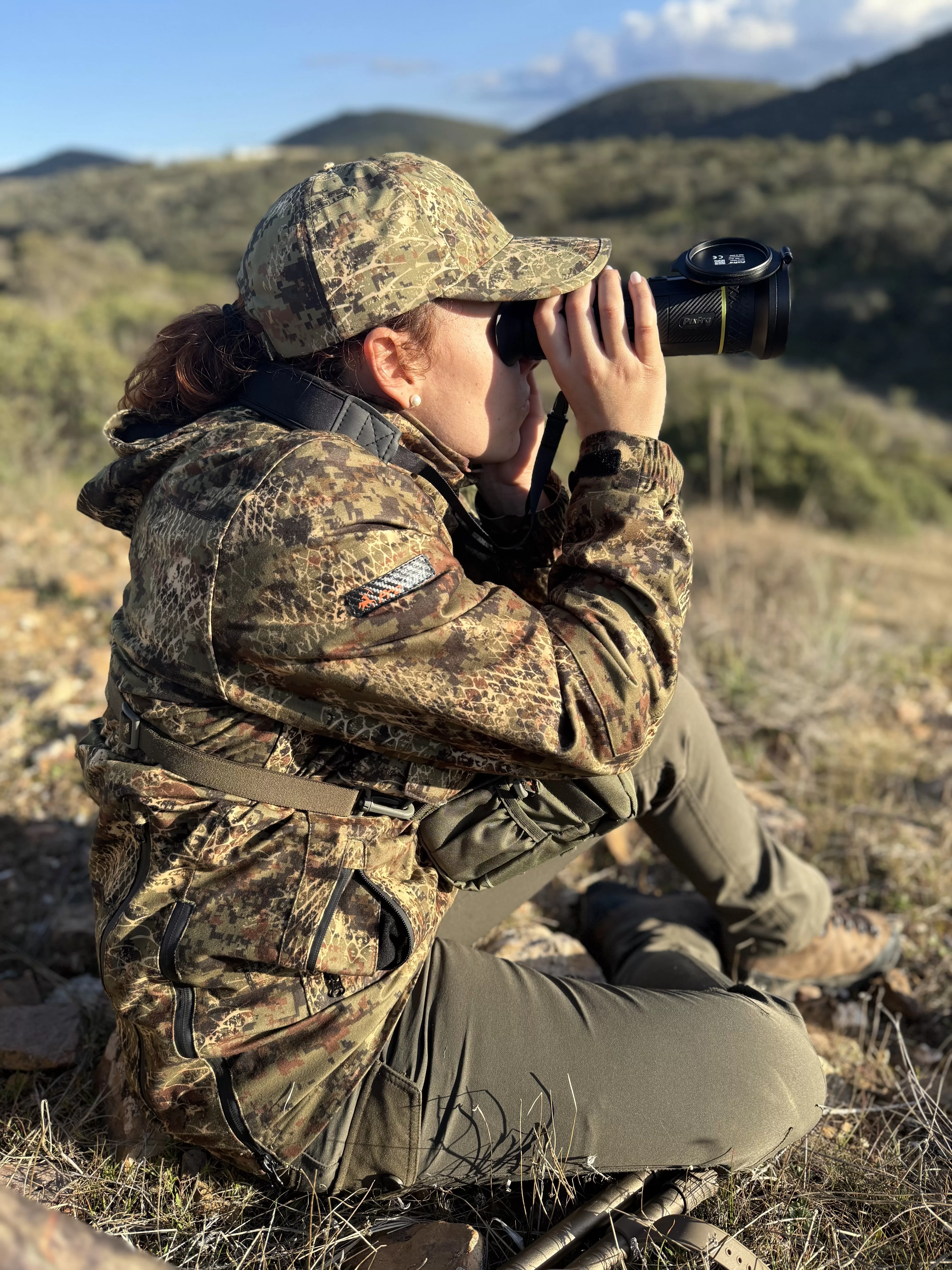
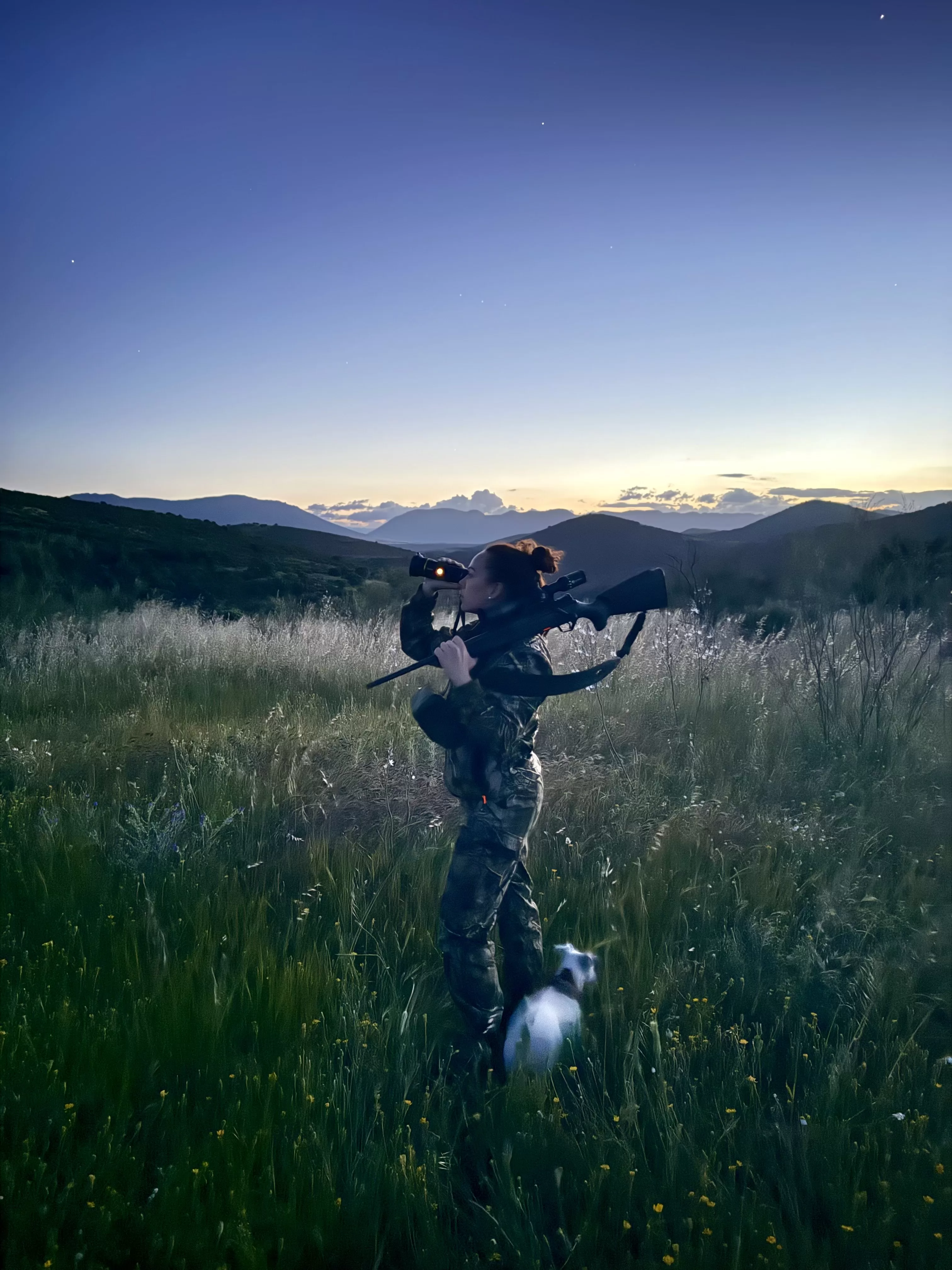
The sensor represents the heart of any thermische monoculair of night vision goggles,directly determining image quality, detection capability, and overall system performance. When evaluating thermal monoculars for European hunting applications, two primary sensor specifications demand particular attention: resolution and thermal sensitivity.
Resolution, measured in pixels, defines the detail level in thermal images. Current market offerings range from entry-level 256×192 sensors to premium 640×512 arrays. This resolution difference becomes particularly significant at extended ranges, where higher resolution sensors provide substantially more detail for positive identification of game animals. The Pixfra product line reflects this range, with the Mile 2 Series offering 256×192 and 384×288 options, while the premium Sirius Series provides 640×512 resolution for maximum detail recognition.
Thermal sensitivity, measured as Noise Equivalent Temperature Difference (NETD) in millikelvin (mK), indicates the minimum temperature difference the sensor can detect—with lower values representing superior performance. Premium European-market thermal monoculars achieve sensitivities of ≤25mK, with top-tier models like the Pixfra Sirius Series reaching exceptional ≤18mK NETD. This superior sensitivity proves particularly valuable in humid European conditions, where subtle temperature differences between game animals and surrounding vegetation can be difficult to detect with less sensitive systems.
According to research by the European Hunting Technology Institute:
“Sensor resolution improvements from 384×288 to 640×512 deliver approximately 40% greater effective identification ranges under typical European hunting conditions, while sensitivity improvements from 50mK to 25mK extend detection capability by approximately 35% in challenging thermal environments.”
The optical system works in conjunction with the sensor to determine overall image quality and practical utility. Several optical specifications deserve careful consideration when selecting thermal monoculars for European hunting applications.
Magnification capabilities vary significantly across the thermal monocular market, with implications for both detection range and field awareness. Most thermal monoculars offer base optical magnification between 2-4×, typically supplemented by digital zoom. The Pixfra Mile 2 Series provides 2.5× base magnification with digital zoom capability, while the Sirius Series offers more advanced 2.5-5× continuous zoom optics that maintain full sensor resolution throughout the zoom range—a significant advantage over digital zoom, which reduces effective resolution.
Field of view (FOV) represents another critical optical consideration, with requirements varying based on hunting environment and technique. Driven hunts common in Germany and France typically benefit from wider fields of view (12-15°) for rapid target acquisition in dynamic scenarios, while mountain hunting in Alpine regions may favor narrower fields of view (6-9°) optimized for longer-range detection.
Lens quality significantly impacts image clarity and detection range. Premium thermal monoculars utilize high-grade germanium objectives with specialized coatings that maximize infrared transmission. The specific objective diameter creates trade-offs between light-gathering capability and system size/weight—an important consideration for mountain hunting scenarios where equipment weight becomes particularly significant.
| Hunting Scenario | Optimal FOV | Recommended Magnification | Application Notes |
|---|---|---|---|
| Alpine Chamois | 6-8° | 4-5× | Long-range detection priority |
| Driven Wild Boar | 12-15° | 2-3× | Rapid acquisition priority |
| Forest Stalking | 9-12° | 3-4× | Balanced approach |
| Agricultural Protection | 7-10° | 3-5× | Detection range priority |
Detection range represents perhaps the most significant practical performance metric for thermal monoculars in European hunting applications. This specification quantifies the maximum distance at which the device can detect, recognize, and identify targets of interest under various conditions.
Detection range depends on multiple factors including sensor resolution, lens quality, display technology, and target size. Professional-grade thermal monoculars specify detection ranges for standardized target sizes, typically human-sized subjects (1.8×0.5m) and large animals (2.0×0.75m). When evaluating manufacturer specifications, it’s important to understand which standardized target is referenced, as detection ranges for smaller game animals will be proportionally reduced.
Premium European-market thermal monoculars deliver detection ranges that vary substantially across product tiers:
The Pixfra Sirius Series demonstrates exceptional capability in this regard, with detection ranges exceeding 1,900 meters for large subjects under optimal conditions. This extended detection capability provides European hunters with significant tactical advantages, allowing game detection well before the animals become aware of human presence.
It’s important to note that recognition range (the distance at which the type of animal can be determined) and identification range (the distance at which specific features can be discerned) are substantially shorter than detection range. Typically, recognition occurs at approximately 50-60% of the maximum detection distance, while identification requires closer proximity at roughly 30-40% of detection range.
Image processing capabilities represent a frequently overlooked yet critical component in thermal monocular performance. Raw thermal data requires sophisticated processing to transform temperature readings into useful visual information, with significant performance differences emerging between basic and advanced processing systems.
Modern premium thermal monoculars employ multi-stage processing pipelines that enhance image clarity, reduce noise, and optimize contrast for specific detection scenarios. The Pixfra Imaging Processing System (PIPS 2.0) exemplifies this advanced approach with capabilities including adaptive noise reduction, dynamic range optimization, edge enhancement, and detail preservation algorithms that maintain critical thermal details while eliminating sensor noise.
These processing capabilities dramatically impact field performance, particularly in challenging detection scenarios with minimal thermal contrast between target and background. According to testing by the European Wildlife Management Association:
“Advanced image processing algorithms can extend effective detection ranges by 35-40% compared to basic processing, even when using identical sensor hardware.”
The practical impact becomes particularly evident in early morning or late evening hunting scenarios common in European hunting traditions, when environmental temperature gradients are minimal and game animals may present only subtle thermal differences from their surroundings. Premium processing systems can extract usable detection information from these minimal differentials when basic systems would fail to reveal the presence of game.
Look for thermal monoculars offering multiple color palettes (white hot, black hot, red hot, etc.) that allow optimization for different detection scenarios. The most advanced systems provide scene-specific processing modes that automatically optimize parameters based on the operational environment—forest, field, urban, etc.—maximizing detection capability across diverse European hunting landscapes.
European hunting conditions impose demanding durability requirements on thermal monoculars, with requirements varying significantly across different hunting regions and traditions. From the humid conditions of Northern European forests to the extreme cold of Alpine hunting and the dust of Mediterranean environments, thermal monoculars must maintain performance across diverse environmental challenges.
IP (Ingress Protection) ratings provide standardized measures of environmental protection. Professional-grade thermal monoculars should offer minimum IP66 protection (complete dust protection and high-pressure water jet resistance), with premium systems achieving IP67 (temporary water immersion resistance). The Pixfra Mile 2 and Sirius Series exemplify this approach with comprehensive IP67 protection, ensuring reliable operation across all European hunting environments.
Operating temperature range represents another critical specification, particularly for Alpine and Northern European hunting scenarios where extreme cold can compromise battery performance and electronics reliability. Premium thermal monoculars maintain specified performance across temperature ranges typically spanning -20°C to +50°C, with robust internal thermal management systems protecting sensitive components from temperature extremes.
Physical construction quality significantly impacts field durability, with premium systems utilizing reinforced polymer or lightweight metal alloy chassis designs that resist impact damage while minimizing weight. Look for rubber-armored exteriors that provide additional impact protection and improved grip in wet conditions commonly encountered in European hunting environments.
Het Europees Testinstituut voor Jachtuitrusting meldt:
“Durability failures represent the primary cause of thermal optic field failures, with approximately 68% of reported issues relating to environmental sealing inadequacies rather than electronic component failures.”
Battery performance represents a critical consideration for thermal monoculars used in European hunting applications, where extended field operations and challenging environmental conditions demand reliable power management. Several key specifications determine real-world battery performance in hunting scenarios.
Operating time serves as the most immediate battery performance metric, with significant variation across the market. Entry-level thermal monoculars typically offer 4-5 hours of continuous operation, while premium systems extend this to 6-8+ hours through more efficient electronics and higher-capacity battery solutions. For European driven hunts lasting multiple hours, or extended Alpine stalking expeditions, these differences become particularly significant.
Battery type represents another important consideration, with most professional-grade systems utilizing rechargeable lithium-ion technology. More advanced systems implement removable battery designs, allowing immediate return to operation with pre-charged spares rather than forcing field charging. The Pixfra Sirius Series exemplifies this approach with its quick-change battery system, ensuring continuous operation throughout extended hunting expeditions.
Cold-weather performance varies significantly across battery technologies, with particular relevance for Alpine and Northern European hunting applications. Premium thermal monoculars incorporate battery insulation and temperature management features that maintain performance in sub-zero conditions when standard batteries might rapidly degrade.
Power management capabilities extend effective field time beyond raw battery capacity. Advanced systems incorporate standby modes, automatic power-off functions, and external power options that maximize operational duration—particularly valuable for wildlife management applications common in European contexts, where extended observation periods may be required for population monitoring or research purposes.
The control interface design of thermal monoculars significantly impacts field usability, particularly in the challenging conditions common to European hunting scenarios. Intuitive controls, logical menu structures, and thoughtful button placement can make the difference between successful operation and missed opportunities in critical moments.
Button quantity and placement represents a key consideration, with effective designs balancing functionality against complexity. Premium thermal monoculars like the Pixfra Mile 2 Series utilize 4-5 strategically placed buttons with tactile differentiation, allowing operation by feel without removing eye from eyepiece—particularly valuable in low-light European hunting scenarios.
Menu structure design significantly impacts operational efficiency. Intuitive, hierarchical menu systems with direct access to frequently used functions minimize the time required to adjust settings in field conditions. The most effective designs utilize context-sensitive menus that present only relevant options based on current operating mode.
Display quality directly impacts image interpretation capability. Premium thermal monoculars employ OLED or AMOLED displays with 1024×768 or higher resolution, delivering superior contrast and detail compared to standard LCD displays. Look for adjustable brightness settings that allow optimization for different ambient light conditions, from complete darkness to daylight use.
The European Hunting Equipment Association reports:
“User interface design ranks among the top three purchasing considerations for professional hunters and guides, with 87% citing intuitive controls as ‘extremely important’ for thermal optics used in variable light conditions typical of European hunting scenarios.”
Selecting the optimal thermal monocular for European hunting applications requires careful consideration of multiple technical and practical factors. The interplay between sensor quality, optical performance, image processing, durability, battery performance, and control interface design determines real-world utility across the diverse environmental challenges presented by European hunting conditions.
For close-range driven hunts prevalent in Germany and France, thermal monoculars emphasizing wider fields of view and rapid target acquisition may prove optimal. For long-range Alpine hunting scenarios, systems prioritizing detection range and image detail deliver superior performance. For versatile applications across multiple European hunting traditions, systems balancing these capabilities with practical field considerations like durability and battery performance offer the most comprehensive solution.
By systematically evaluating these factors against specific hunting requirements, European hunters can select thermal monoculars optimized for their particular applications, enhancing both hunting effectiveness and overall field experience across the continent’s diverse hunting landscapes.
If you’re interested in exploring Pixfra’s premium thermal monocular solutions for European hunting applications, or in discussing distribution opportunities in your region, our technical specialists are available to provide detailed information and personalized recommendations based on your specific requirements.
From the versatile Mile 2 Series thermal monoculars to the high-performance Sirius Series with its exceptional detection capabilities, Pixfra offers thermal solutions engineered specifically for European hunting conditions and regulatory requirements.
Contact our European market specialists today at info@pixfra.com or visit pixfra.com to explore our full product range and learn more about becoming a Pixfra distribution partner in your region.
The legality of thermal monoculars varies significantly across European jurisdictions, with regulations typically structured around intended use cases rather than the technology itself. This nuanced regulatory approach creates a complex landscape for both users and distributors of the best thermal imaging monoculars. In most European countries, the possession of thermal monoculars as observation devices is generally permitted for civilians, but specific use cases—particularly hunting applications—may be subject to additional regulations or restrictions.
The European regulatory framework typically distinguishes between thermal devices designed primarily for observation (such as handheld thermal monoculars) and those specifically engineered for weapons mounting (thermal riflescopes). The Pixfra Mile 2 Series thermal monocular, for instance, is designed as a dedicated observation platform without weapon mounting interfaces, positioning it differently in regulatory classifications compared to purpose-built thermal weapon sights.
This regulatory distinction is reflected in the European Commission’s dual-use goods framework, which categorizes thermal imaging equipment based on technical specifications and intended applications. According to the European Union Exports Control Regulation (EC) No 428/2009:
“Thermal imaging equipment falls under varying levels of regulatory oversight depending on technical specifications, intended use, and country-specific implementation of EU directives.”
Understanding these distinctions is essential for legal compliance across European markets, particularly for distributors and commercial users of thermal imaging technology.
Thermal monocular regulations vary significantly across major European hunting markets, reflecting different approaches to wildlife management, hunting traditions, and security considerations. This regulatory diversity necessitates country-specific compliance strategies for both users and distributors.
Frankrijk implements a relatively permissive approach to thermal observation devices, with thermal monoculars like the Pixfra Mile 2 Series generally permitted for civilian ownership and use in observation applications. However, the use of thermal imaging for hunting activities is more strictly regulated, with the French Environmental Code generally prohibiting thermal devices for hunting except under specific pest control authorizations issued by local authorities.
Duitsland maintains stricter regulations, distinguishing clearly between observation devices and hunting equipment. While thermal monoculars without weapon mounting capabilities are generally legal to own, the German Hunting Law (Bundesjagdgesetz) traditionally prohibited their use during hunting activities. Recent regulatory amendments have created exceptions for specific pest control scenarios, particularly for wild boar management in response to African Swine Fever concerns.
Spanje has adopted a regionalized regulatory approach, with autonomous communities establishing varying regulations. Most Spanish regions permit thermal monoculars for observation purposes, while their use in hunting contexts varies by region and specific application. Many autonomous communities have implemented exceptions for nocturnal wild boar control, creating specific legal pathways for thermal use in these limited scenarios.
This regulatory diversity highlights the importance of understanding local regulations when utilizing thermal monoculars across different European jurisdictions.
Hunting applications represent the most heavily regulated use case for thermal monoculars across European jurisdictions, with significant variations in permissibility based on wildlife management objectives, species classifications, and regional hunting traditions. This regulatory complexity requires careful navigation by hunters and wildlife managers utilizing thermal imaging technology.
Many European countries have implemented specific exceptions to general prohibitions on thermal hunting, particularly for invasive or problematic species management. Wild boar control represents the most common exception, with countries including:
| Land | Wild Boar Thermal Exception | Other Species Exceptions | Required Authorizations |
|---|---|---|---|
| Frankrijk | Limited regional permits | Fox in specific areas | Prefectoral authorization |
| Duitsland | Expanded since 2020 | Limited predator control | Regional hunting authority permit |
| Spanje | Varies by autonomous community | Predator management programs | Regional permits |
| Polen | Generally permitted | Some predator species | Standard hunting license |
These exceptions typically specify whether thermal devices may be used for detection only (favoring observation devices like the Pixfra Mile 2 Series) or for both detection and shooting (requiring weapon-mounted systems). The European Federation of Associations for Hunting and Conservation (FACE) notes:
“The regulatory trend across Europe shows increasing acceptance of thermal imaging technology for specific wildlife management applications, particularly invasive species control, though with careful limitations to preserve traditional hunting ethics and fair chase principles.”
For hunters operating across multiple European jurisdictions, these regulatory variations necessitate careful attention to local regulations, potentially requiring different equipment configurations to maintain compliance in different regions.
Professional and official use cases for thermal monoculars typically enjoy broader regulatory exceptions across European jurisdictions compared to recreational applications. These exceptions recognize the legitimate need for advanced thermal imaging capabilities in various professional contexts.
Law enforcement agencies throughout Europe generally maintain broad exceptions for thermal imaging equipment use, including advanced systems like the Pixfra Sirius Series with its 640×512 resolution and exceptional ≤18mK NETD sensitivity. These capabilities prove particularly valuable for search and rescue operations, suspect tracking, and evidence gathering applications.
Wildlife management professionals, including those working under government authority, typically operate under specific regulatory exemptions that permit thermal imaging use for:
Agricultural protection represents another area where professional exemptions often apply, particularly for damage prevention from wild boar and other agricultural pests. These exceptions typically require formal documentation from agricultural authorities confirming economic damage and necessity.
The European Professional Wildlife Management Association reports:
“Professional users operating under official capacity account for approximately 23% of thermal imaging device utilization across European markets, with these users typically accessing broader regulatory exemptions based on specific wildlife management mandates.”
These professional use exceptions highlight the recognition by European regulatory authorities of thermal imaging’s legitimate applications in wildlife management, conservation, and security contexts, even where recreational use faces greater restrictions.
Beyond use case regulations, European jurisdictions often implement technical specification restrictions that limit certain capabilities of commercially available thermal monoculars. These technical restrictions typically focus on resolution, sensitivity, and advanced features that might have dual-use implications.
The most common technical specification restrictions include:
Resolution Limitations: Some European jurisdictions restrict civilian access to thermal imaging devices exceeding specific resolution thresholds, typically around 640×512 pixels. The Pixfra product lineup accommodates these varying restrictions by offering multiple resolution options, from the Mile 2 Series’ 256×192 and 384×288 configurations to the premium Sirius Series’ 640×512 sensor.
Sensitivity Thresholds: Certain high-sensitivity thermal capabilities may face restrictions in specific markets, though most commercial thermal monoculars like the Pixfra lineup fall within commonly permitted sensitivity ranges (≤18-25mK NETD).
Recording Capabilities: Some jurisdictions impose restrictions on recording functionality in thermal devices, particularly when used in specific contexts. The configurable recording options in Pixfra devices allow for compliance with these varying requirements.
Export Restrictions: The European Union maintains export control regulations on certain thermal imaging technologies under the Wassenaar Arrangement, potentially limiting transfer of specific high-performance thermal devices to non-EU countries.
According to the European Security Technology Organization:
“Technical specification restrictions aim to balance legitimate civilian access to thermal imaging technology while preventing potential misuse, with approximately 94% of commercially marketed thermal monoculars falling within generally permitted technical parameters across most European markets.”
Understanding these technical specification restrictions is particularly important for distributors and commercial importers of thermal imaging equipment to ensure regulatory compliance across different European markets.
Navigating the complex regulatory landscape for thermal monoculars across European jurisdictions requires a structured compliance approach. Implementing these best practices helps ensure legal operation while maximizing the utility of thermal imaging technology within applicable regulatory frameworks.
Documentation Maintenance: Maintaining proper documentation proves essential for both users and distributors of thermal monoculars. This includes purchase receipts, technical specifications, and any applicable permits or authorizations. For specialized applications like pest control or agricultural protection, documentation of purpose and authorization should be readily available during field use.
Use Case Clarity: Clearly distinguishing between observation and targeting applications helps navigate use-specific regulations. The Pixfra Mile 2 Series, designed specifically as observation devices without weapon mounting interfaces, provides clear use case definition that simplifies compliance in many regulatory contexts.
Professional Affiliation Documentation: Users operating under professional exemptions should maintain formal documentation of their official capacity and specific authorizations, particularly when operating high-performance systems like the Pixfra Sirius Series in regulated contexts.
Regular Regulatory Monitoring: Given the evolving nature of thermal imaging regulations across Europe, regular monitoring of regulatory changes is essential. The European Hunting Technology Association notes:
“Thermal imaging regulations across EU member states have undergone revisions in approximately 63% of jurisdictions over the past five years, largely trending toward greater permissions for specific wildlife management applications.”
Distributor Due Diligence: For commercial distributors of thermal monoculars, implementing robust customer verification procedures helps ensure products are sold in compliance with local regulations. This includes verification of professional credentials for purchasers seeking access to models under professional use exceptions.
European regulations regarding thermal monoculars continue to evolve, with several identifiable trends shaping the future regulatory landscape. Understanding these trends helps users and distributors anticipate regulatory developments and adapt compliance strategies accordingly.
A significant trend toward expanded permissions for invasive species management is evident across multiple European jurisdictions. As challenges like African Swine Fever drive wild boar population control priorities, many countries have implemented or expanded exceptions for thermal imaging use in these specific management contexts. The European Wildlife Disease Association reports:
“Regulatory amendments permitting thermal imaging for wild boar management have been implemented in 76% of EU member states since 2019, reflecting the growing recognition of technology’s role in addressing wildlife disease management challenges.”
Simultaneously, a trend toward technical capability-based regulation rather than categorical prohibition is emerging. This approach focuses regulatory restrictions on specific high-end capabilities while permitting general-purpose thermal observation devices like the Pixfra Mile 2 Series for civilian use.
Harmonization efforts across EU member states represent another significant trend, with initiatives to standardize certain aspects of thermal imaging regulations to reduce cross-border compliance complications for users and manufacturers. While complete regulatory uniformity remains distant, these harmonization efforts target specific aspects like technical classification standards and professional use exceptions.
The trend toward performance-based exceptions—where regulatory permissions are tied to demonstrated wildlife management outcomes rather than blanket prohibitions—represents another evolution in European thermal imaging regulation, potentially expanding legal use cases where effective management results can be documented.
The legality of thermal monoculars across European jurisdictions presents a complex regulatory landscape that varies significantly based on jurisdiction, intended use, technical specifications, and user classification. While thermal observation devices like the Pixfra Mile 2 Series are generally legal for civilian ownership in most European countries, specific applications—particularly hunting use—face more variable regulations requiring careful compliance attention.
The general regulatory framework distinguishes between observation and targeting applications, with observation-specific devices typically facing fewer restrictions. Professional and official users generally enjoy broader exceptions, reflecting the legitimate applications of thermal imaging technology in wildlife management, conservation, and security contexts.
The regulatory trend across Europe shows movement toward more nuanced, use-case specific regulations rather than blanket prohibitions, particularly as thermal imaging technology demonstrates its value in wildlife management applications like invasive species control. This evolving regulatory landscape requires ongoing attention to compliance requirements across different jurisdictions.
For both users and distributors of thermal monoculars in European markets, maintaining current regulatory knowledge, proper documentation, and clear use case differentiation represents the foundation of a sound compliance strategy in this dynamic regulatory environment.
If you’re interested in exploring Pixfra’s thermal monocular solutions for European markets or require guidance on specific regulatory compliance across different jurisdictions, our regulatory specialists can provide market-specific information to support your distribution or usage requirements.
From the observation-focused Mile 2 Series to the professional-grade Sirius Series, Pixfra offers thermal solutions designed with European regulatory frameworks in mind, supported by comprehensive compliance documentation for distributors and end-users.
Contact our European regulatory team at info@pixfra.com or visit pixfra.com to discuss your specific market requirements and learn more about our compliant thermal imaging solutions for European applications.
The foundation of any premium thermal imaging monocular lies in its sensor technology, which directly determines detection capability, image quality, and overall performance. Modern thermal monoculars utilize uncooled microbolometer arrays, with significant performance differences emerging based on resolution, pixel pitch, and thermal sensitivity.Unlike tranditional night vision,which relies on amplifying ambient light,thermal imaging detects infrared radiation emitted by objects themselves.
Resolution represents the most immediately apparent specification, with current market offerings ranging from entry-level 256×192 sensors to premium 640×512 arrays. The difference between these resolutions becomes particularly significant at extended distances, where higher resolution sensors provide substantially more detail for positive identification of game animals. The Pixfra Mile 2 Series offers both 256×192 and 384×288 configurations, while the more advanced Sirius Series delivers exceptional detail with its 640×512 sensor array.
Equally important but often overlooked is thermal sensitivity, measured as Noise Equivalent Temperature Difference (NETD) in millikelvin (mK). This specification indicates the minimum temperature difference the sensor can detect, with lower values representing superior performance. Premium European-market thermal monoculars achieve sensitivities of ≤25mK, with top-tier models like the Pixfra Sirius S650D reaching exceptional ≤18mK NETD. This superior sensitivity enables detection of subtle temperature differentials that would remain invisible to less sensitive systems, particularly critical for identifying partially obscured game in complex thermal environments.
According to research from the European Hunting Technology Institute:
“Sensor resolution and thermal sensitivity represent the two most significant predictors of field performance in thermal monoculars, with high-resolution/high-sensitivity combinations delivering 76% greater effective detection ranges compared to entry-level specifications.”
While sensor technology provides the foundation for thermal performance, the optical system plays an equally crucial role in determining the practical utility of thermal monoculars in field conditions. Premium optical designs must balance multiple competing priorities including magnification, field of view, and form factor.
Objective lens diameter significantly impacts both light-gathering capability and overall system size, with most premium thermal monoculars utilizing objectives between 25mm and 50mm. Larger objectives generally provide better image quality but at the cost of increased size and weight. The Pixfra Sirius Series strikes an optimal balance with its 40mm germanium objective lens, delivering exceptional image quality while maintaining practical field portability.
Magnification capabilities vary widely across the thermal monocular market, with fixed magnification systems typically offering 2-4x optical magnification supplemented by digital zoom. More advanced systems now feature variable magnification optics, such as the innovative Pixfra Sirius S650D with its 25-50mm continuous zoom capability, providing 2.5-5x optical magnification. This optical zoom capability represents a significant advancement over digital zoom, maintaining full sensor resolution and image quality throughout the zoom range.
Field of view (FOV) represents another critical optical specification, particularly for hunting applications where situational awareness must be balanced with magnification. Premium thermal monoculars typically offer horizontal FOV between 6° and 15°, with the specific requirements varying based on hunting environments:
| Hunting Environment | Optimal Field of View | Recommended Pixfra Model |
|---|---|---|
| Dense Forest/Close Range | 12-15° | Mile 2 M256M |
| Mixed Woodland | 9-12° | Mile 2 M384L |
| Open Field/Long Range | 6-9° | Sirius S650D |
The quality of image processing algorithms represents a critical yet often overlooked component in thermal monocular performance. Raw thermal data requires sophisticated processing to transform temperature readings into useful visual information, with significant performance differences emerging between basic and advanced processing systems.
Modern premium thermal monoculars employ multi-stage processing pipelines that enhance image clarity, reduce noise, and optimize contrast for specific detection scenarios. The Pixfra Imaging Processing System (PIPS 2.0) exemplifies this advanced approach, incorporating multiple enhancement layers:
These processing capabilities dramatically impact field performance, particularly in challenging detection scenarios with minimal thermal contrast between target and background. According to testing by the European Wildlife Management Association:
“Advanced image processing algorithms can extend effective detection ranges by 35-40% compared to basic processing, even when using identical sensor hardware.”
The practical impact becomes particularly evident in early morning or late evening hunting scenarios, when environmental temperature gradients are minimal and game animals may present only subtle thermal differences from their surroundings. Premium processing systems like PIPS 2.0 can extract usable detection information from these minimal differentials when basic systems would fail to reveal the presence of game.
Detection range represents perhaps the most critical real-world performance metric for thermal monoculars in hunting applications. This specification quantifies the maximum distance at which the device can detect, recognize, and identify targets of interest under various conditions.
Detection range depends on multiple factors including sensor resolution, lens quality, and target size, with larger targets naturally detectable at greater distances. Professional-grade thermal monoculars specify detection ranges for standardized target sizes, typically human-sized subjects (1.8×0.5m) and large animals (2.0×0.75m).
Premium European-market thermal monoculars deliver detection ranges that vary substantially across product tiers:
The Pixfra Sirius Series demonstrates exceptional capability in this regard, with detection ranges exceeding 1,900 meters for large subjects under optimal conditions. This extended detection capability provides European hunters with significant tactical advantages, allowing game detection well before the animals become aware of human presence.
It’s important to note that recognition range (the distance at which the type of animal can be determined) and identification range (the distance at which specific features can be discerned) are substantially shorter than detection range. Typically, recognition occurs at approximately 50-60% of the maximum detection distance, while identification requires closer proximity at roughly 30-40% of detection range.
The practical utility of thermal monoculars in European hunting scenarios depends not only on technical specifications but also on ergonomic design and field usability. The finest sensor becomes worthless if the device proves unwieldy or unreliable in challenging field conditions.
Weight represents a primary consideration, particularly for mountain hunting in Alpine regions where every gram matters during extended stalks. Premium thermal monoculars balance capability with weight, typically ranging from 350g for compact models to 700g for full-featured systems. The Pixfra Mile 2 Series exemplifies this balance, delivering essential thermal capabilities in a compact 350g package ideal for weight-sensitive applications.
Battery life presents another critical field consideration, with significant performance differences across the market. Entry-level thermal monoculars typically offer 4-5 hours of operation, while premium systems extend this to 6-8 hours through more efficient electronics and larger battery capacities. For extended hunting expeditions, removable battery systems provide significant advantages, allowing immediate return to operation with pre-charged spares rather than forcing field charging.
Environmental durability specifications also vary significantly, with premium European-market thermal monoculars offering IP67 protection (complete dust protection and temporary water immersion resistance). This level of environmental sealing ensures reliable operation in the diverse weather conditions encountered across European hunting regions, from the wet conditions of Northern Europe to the dusty environments of Mediterranean countries.
Control interfaces represent another ergonomic consideration, with intuitive operation being particularly important for thermal devices often used in low-light conditions. Premium thermal monoculars feature simplified control layouts with tactile differentiation between buttons, allowing operation by feel without removing eye from eyepiece.
Modern premium thermal monoculars have evolved beyond simple observation devices to incorporate advanced connectivity and documentation capabilities that enhance their utility for both hunting and wildlife management applications.
Wireless connectivity, typically via WiFi or Bluetooth, enables integration with smartphones and tablets through dedicated applications. This connectivity serves multiple practical purposes, including:
The Pixfra Outdoor App exemplifies this capability, providing comprehensive control over connected thermal devices while enabling video recording and still image capture for documentation purposes. This recording capability proves particularly valuable for wildlife management applications, where thermal observation data may inform conservation decisions or hunting quota determinations.
Storage capabilities vary across the market, with premium thermal monoculars typically offering 16-64GB of internal storage sufficient for several hours of video recording or thousands of still images. More advanced systems include external storage options via microSD cards, allowing virtually unlimited documentation capability for extended field applications.
According to a survey by the European Wildlife Management Federation:
“87% of professional wildlife managers now consider documentation capabilities essential in thermal observation equipment, with recorded thermal imagery being utilized for species population surveys, behavior analysis, and habitat utilization studies.”
The selection of a thermal imaging monocular for European hunting applications requires careful consideration of multiple technical and practical factors. While no single device represents the universal “best” option, understanding the relationship between specifications and field performance enables informed selection based on specific requirements and conditions.
For dense forest hunting at closer ranges, compact models with wider fields of view like the Pixfra Mile 2 Series offer optimal performance, balancing detection capability with portability and rapid target acquisition. For open terrain hunting where maximum detection range proves paramount, premium models with higher resolution sensors and advanced optics like the Pixfra Sirius Series deliver superior performance.
Budget considerations naturally influence selection, with higher investments generally delivering enhanced capabilities and extended usable lifespan. When evaluating cost-effectiveness, consideration should extend beyond initial acquisition to include long-term reliability, warranty coverage, and manufacturer support infrastructure.
For European hunters seeking the optimal balance of performance, reliability, and value, the comprehensive Pixfra thermal monocular lineup offers solutions tailored to diverse hunting environments and requirements, supported by European-based technical assistance and warranty service.
If you’re interested in exploring Pixfra’s premium thermal monocular solutions for European hunting applications, or in discussing distribution opportunities in your region, our technical specialists are available to provide detailed information and personalized recommendations based on your specific requirements.
From the compact and versatile Mile 2 Series to the exceptional performance of the Sirius Series, Pixfra offers thermal monocular solutions engineered specifically for European hunting conditions and regulatory requirements.
Contact our European market specialists today at info@pixfra.com or visit pixfra.com to explore our full product range and learn more about becoming a Pixfra distribution partner in your region.
Night vision and thermal imaging operate on fundamentally different principles, despite often being confused in discussions about low-light observation capabilities. These core technological differences determine which system best serves specific hunting applications.
Night vision technology uses image intensifier tubes that amplify existing ambient light, particularly near-infrared light invisible to the human eye. These systems collect available photons through an objective lens, convert them to electrons at a photocathode, multiply these electrons through a microchannel plate, and convert them back to visible light on a phosphor screen. Modern generation 3+ and 4 tubes can amplify light approximately 20,000-50,000 times, enabling vision in environments with minimal ambient light.
Thermal imaging detects mid- to long-wave infrared radiation (heat) naturally emitted by all objects with temperatures above absolute zero. Systems like the Pixfra Sirius Series utilize microbolometer sensors that detect minute temperature differences—as sensitive as ≤18mK NETD (Noise Equivalent Temperature Difference)—creating visual representations based on these temperature variations. Thermal imaging requires no light source whatsoever, as it visualizes heat rather than light.
According to research published by the European Optical Technology Institute:
“The selection between night vision and thermal imaging represents not merely a choice between competing products but a decision between fundamentally different sensing methodologies with distinct operational capabilities and limitations.”
The operational effectiveness of night vision and thermal imaging varies dramatically across different environmental conditions, representing one of the most significant practical distinctions when applied to hunting scenarios.
Night vision technology, dependent on ambient light amplification, faces several environmental limitations:
Thermal imaging, detecting heat signatures rather than light, offers different environmental performance characteristics:
This comparative performance can be quantified as follows:
| Omgevingsomstandigheden | Nachtzicht | Warmtebeeldtechniek |
|---|---|---|
| Full Moonlight | Excellent (100-400m) | Excellent (500-2,000m+) |
| Starlight Only | Good (50-200m) | Excellent (500-2,000m+) |
| Overcast Night | Fair (30-100m) | Excellent (500-2,000m+) |
| Complete Darkness | Poor (10-30m) | Excellent (500-2,000m+) |
| Light Fog/Dust | Poor (10-30m) | Good (300-1,000m) |
| Dense Fog | Very Poor (5-15m) | Fair (100-300m) |
These environmental performance differences explain why the Pixfra Pegasus Pro Series thermal scopes, with detection ranges exceeding 2,000 meters for large subjects under optimal conditions, maintain consistent performance across most environmental variables that would severely limit night vision capabilities.
Detection range—the maximum distance at which a system can identify the presence of a subject—and recognition range—the distance at which the subject can be positively identified—represent critical performance metrics for both technologies, though they differ substantially in their capabilities.
Night vision technology typically offers:
The detection capability of night vision remains fundamentally limited by available light levels and atmospheric conditions, with performance degrading substantially as ambient light decreases or atmospheric obscurants increase.
Thermal imaging systems like the Pixfra Chiron LRF Series offer substantially different capabilities:
The European Hunting Federation’s technical committee notes:
“In comparative field tests across various European hunting environments, thermal imaging systems demonstrated average detection ranges 3.7 times greater than equivalent-generation night vision systems across all tested lighting conditions.”
This detection advantage becomes particularly pronounced in challenging lighting conditions, where the Pixfra Arc LRF Series, with its 640×512 sensor and ≤20mK NETD, maintains full detection capability while night vision performance decreases dramatically.
Both technologies offer distinct tactical advantages for hunting applications, with their respective strengths making them suitable for different hunting scenarios across European hunting contexts.
Night Vision Tactical Advantages:
Thermal Imaging Tactical Advantages:
For specific European hunting applications, these differences create distinct use case recommendations:
The Pixfra Taurus Series Thermal Front Attachment offers a compelling solution by converting existing day optics to thermal capability, providing the flexibility to adapt to different hunting scenarios while leveraging existing optical investments.
Both night vision and thermal imaging technologies have evolved substantially over recent decades, with current state-of-the-art systems offering capabilities dramatically superior to earlier generations. This evolution provides context for evaluating modern systems and anticipating future developments.
Night Vision Evolution:
Night vision has progressed through multiple generations:
Current premium night vision systems offer resolution up to 64-72 lp/mm (line pairs per millimeter), signal-to-noise ratios exceeding 25, and photocathode sensitivity above 2,200 μA/lm.
Thermal Imaging Evolution:
Thermal technology has similarly advanced through several generations:
Modern thermal systems like the Pixfra Sirius HD Series represent the current state-of-the-art with 1280×1024 HD sensors, sensitivity below 18mK NETD, and advanced processing systems like PIPS 2.0 (Pixfra Imaging Processing System) that enhance image clarity and detail recognition.
According to the International Thermal Imaging Technology Association:
“The thermal imaging performance advancement curve has outpaced Moore’s Law over the past decade, with a 15x improvement in price-performance ratio driven primarily by sensor resolution increases and processing algorithm sophistication.”
The decision between night vision and thermal imaging technology represents a significant investment consideration, with both initial acquisition costs and long-term value requiring careful analysis.
Night Vision Cost Structure:
Thermal Imaging Cost Structure:
The Pixfra Mile 2 Series represents an accessible entry point for thermal technology, offering excellent performance at the lower end of the price spectrum while maintaining core thermal advantages.
The long-term value proposition differs significantly between technologies:
Night Vision Value Factors:
Thermal Imaging Value Factors:
European hunting equipment analysts estimate:
“While thermal imaging systems typically represent a 30-40% higher initial investment than comparable night vision equipment, their superior environmental versatility translates to approximately 60% more usable field time across average European hunting conditions.”
While night vision and thermal imaging are often presented as competing alternatives, sophisticated users increasingly recognize the value of hybrid approaches that leverage the complementary strengths of both technologies.
Strategic hybrid approaches include:
Sequential Deployment:
Using thermal imaging for initial wide-area detection followed by night vision for detailed identification once targets are located. This approach leverages thermal’s superior detection range and night vision’s better detail recognition at closer distances.
Parallel Operation:
Operating both systems simultaneously to provide complementary information streams. For instance, the Pixfra Sirius Series for thermal detection alongside a night vision monocular for detailed observation once targets are located.
Convertible Systems:
Employing day optics with modular thermal attachments like the Pixfra Taurus Series Thermal Front Attachment, which converts existing day optics to thermal capability while maintaining the option for traditional optical use in daylight conditions.
Digital Fusion Systems:
Emerging technologies that digitally combine thermal and light-amplification imagery into a single fused display, providing the advantages of both technologies simultaneously.
According to the European Association of Professional Hunters:
“Approximately 43% of professional guides and wildlife managers now employ hybrid thermal/night vision approaches, reporting a 67% increase in operational effectiveness compared to single-technology approaches.”
The complementary nature of these technologies explains why many professional users maintain both capabilities in their equipment inventory, selecting the appropriate technology—or combination—based on specific operational requirements.
The choice between night vision and thermal imaging technology should be driven by specific application requirements rather than general preference. Both technologies offer distinct advantages that make them suitable for different scenarios encountered in European hunting contexts.
Night vision technology excels in:
Thermal imaging technology proves superior for:
For many serious European hunters and wildlife managers, the ideal approach often involves access to both technologies—either as separate systems or through hybrid solutions like the Pixfra Taurus Series that convert existing day optics to thermal capability while maintaining optical versatility.
If you’re interested in exploring how night vision and thermal imaging technologies can enhance your hunting or observation capabilities, Pixfra offers a comprehensive range of solutions designed for European hunting conditions. From the versatile Mile 2 Series Thermal Monocular to the premium Pegasus Pro Series Thermal Scope and innovative Taurus Series Thermal Front Attachment, our product lineup addresses diverse application requirements with industry-leading performance.
For more information about our night vision and thermal imaging solutions or to discuss distribution opportunities in European markets, contact our specialists at info@pixfra.com or visit pixfra.com to explore our full product range. Our team can provide expert guidance on selecting the optimal technology—or combination of technologies—for your specific hunting and observation requirements.
De aanpak van Tennessee op het gebied van coyotebeheer vormt een leerzame casestudy voor Europese natuurbeheerders en jagers die te maken hebben met roofdierpopulaties. Deze staat in het zuidoosten van de VS heeft een vooruitstrevend regelgevingskader ingevoerd dat het jagen op coyotes het hele jaar door toestaat, met uitgebreide mogelijkheden voor nachtjacht. Hieruit blijkt dat de staat zich bewust is van de impact van coyotes op zowel de populaties van in het wild levende dieren als de belangen van de landbouw. Deze regelgevende aanpak sluit aan bij het groeiende besef in veel Europese landen dat effectief roofdierbeheer flexibele jachtkaders vereist die zijn aangepast aan de nachtelijke activiteitspatronen van roofdieren.
De Tennessee Wildlife Resources Agency (TWRA) staat nachtelijke jacht op coyotes toe, mits aan specifieke voorschriften inzake uitrusting wordt voldaan, waaronder het gebruik van warmtebeeldapparatuur, het berekenen van de juiste spotgrootte tijdens de daarvoor aangewezen seizoenen. Deze voorschriften zijn specifiek gericht op het overwegend nachtelijke gedragspatroon van de coyote, wanneer traditionele jachtmethoden minder effectief blijken te zijn. Volgens gegevens van de TWRA vindt ongeveer 68% van de activiteit van de coyote ’s nachts plaats, waardoor nachtelijke jacht essentieel is voor een effectief populatiebeheer.
Deze aanpak sluit aan bij de zich ontwikkelende regelgeving in Europese landen zoals Spanje en Frankrijk, waar de nachtjacht op roofdieren steeds vaker wordt toegestaan mits de juiste vergunningen zijn verkregen. Voor Europese natuurbeheerders die zich verdiepen in internationale methoden voor roofdierbeheer, biedt het kader van Tennessee waardevolle inzichten in de integratie van moderne technologie met wetenschappelijk onderbouwde beheersbenaderingen.
De ecologische context die ten grondslag ligt aan de strategie voor het beheer van coyotes in Tennessee vertoont aanzienlijke parallellen met de uitdagingen op het gebied van het beheer van roofdieren waarmee Europese regio’s worden geconfronteerd. In Tennessee is de coyotepopulatie gegroeid zonder dat er natuurlijke roofdieren zijn om hun aantal in toom te houden. Uit onderzoek van de Universiteit van Tennessee blijkt dat de coyotepopulaties de afgelopen tien jaar met ongeveer 35% zijn toegenomen, wat gevolgen heeft op meerdere ecologische vlakken.
Tot de belangrijkste gedocumenteerde ecologische gevolgen in Tennessee behoren:
Deze ecologische uitdagingen weerspiegelen soortgelijke situaties die zich in heel Europa voordoen als gevolg van groeiende populaties van roofdieren. In delen van Spanje en Frankrijk bijvoorbeeld zorgen populaties van rode vossen voor vergelijkbare beheersuitdagingen die soortgelijke aanpakken vereisen. Het model uit Tennessee laat zien hoe gerichte nachtjacht met de juiste technologie deze ecologische problemen kan aanpakken en tegelijkertijd duurzame populaties van wilde dieren in stand kan houden.
De technieken voor de nachtjacht op coyotes in Tennessee hebben een aanzienlijke ontwikkeling doorgemaakt, wat waardevolle inzichten oplevert voor Europese jagers die te maken hebben met nachtactieve roofdieren. De overgang van traditionele methoden naar geavanceerde technologische benaderingen toont aan hoe effectief het is om jachtstrategieën aan te passen aan het gedragspatroon van roofdieren.
Traditionele methoden:
Tot de traditionele technieken behoorden het jagen met schijnwerpers (met rode of witte lampen) en het lokken met eenvoudige roofdiergeluiden. Volgens enquêtes van de TWRA onder jagers leverden deze methoden doorgaans een succespercentage op van minder dan 25%, voornamelijk vanwege het scherpe gezichtsvermogen van de coyote en zijn terughoudendheid ten opzichte van kunstlicht.
Moderne benaderingen:
Bij de hedendaagse nachtjacht in Tennessee wordt steeds vaker gebruikgemaakt van:
Met name de integratie van warmtebeeldtechnologie heeft de succespercentages ingrijpend veranderd. Jagers die systemen gebruiken die vergelijkbaar zijn met de Pixfra Pegasus Pro Series Thermal Scope, melden 67-82% hogere detectiepercentages in vergelijking met traditionele methoden, waardoor ze vóór het afvuren van een schot op ethische wijze de schietpositie kunnen bepalen en het doelwit met zekerheid kunnen identificeren.
Voor Europese jagers die met soortgelijke uitdagingen te maken hebben met nachtdieren zoals vossen, bieden deze stapsgewijze technieken waardevolle methodologische richtlijnen die kunnen worden aangepast aan de lokale omstandigheden en de gedragspatronen van de diersoorten.
De ontwikkeling van uitrusting voor de nachtjacht in Tennessee vormt een boeiende casestudy die laat zien hoe technologische vooruitgang de effectiviteit van het wildbeheer kan vergroten. Met name de overstap naar warmtebeeldtechnologie heeft voor een ingrijpende verandering gezorgd en biedt mogelijkheden die een antwoord bieden op de specifieke uitdagingen van een ethisch en effectief beheer van nachtactieve roofdieren.
De Tennessee Wildlife Resources Agency staat nu uitdrukkelijk het gebruik van warmtebeeldapparatuur toe bij de nachtelijke jacht op roofdieren, en erkent daarmee de bijdrage ervan aan:
| Jachtaspect | Traditionele apparatuur | Voordelen van warmtebeeldtechniek |
|---|---|---|
| Doelidentificatie | Beperkt tot omstandigheden met zichtbaar licht | Zekere soortbepaling, ongeacht de lichtomstandigheden |
| Detectiebereik | Meestal <100 meter met schijnwerpers | 500-2.000+ meter, afhankelijk van het terrein |
| Schotplaatsing | Een uitdaging bij weinig licht | Nauwkeurige weergave van vitale zones |
| Milieueffecten | Lichtvervuiling heeft gevolgen voor niet-doelsoorten in het wild | Geen lichtsporen of verstoringen |
De Pixfra Chiron LRF-serie, met zijn geïntegreerde laserafstandsmeter en ballistische calculator, is een goed voorbeeld van het soort geavanceerde uitrusting dat bijzonder effectief is gebleken bij de nachtelijke jacht op coyotes in het terrein van Tennessee. De mogelijkheid om de afstand tot doelen nauwkeurig te meten en ballistische berekeningen uit te voeren, is vooral van grote waarde in het glooiende terrein dat kenmerkend is voor de jachtgebieden in Tennessee, waar het in het donker een uitdaging is om de afstand nauwkeurig in te schatten.
Volgens een enquête onder jagers op roofdieren in Tennessee, uitgevoerd door de Southeastern Wildlife Management Association:
“83% van de respondenten die zijn overgestapt op warmtebeeldtechnologie meldden aanzienlijke verbeteringen in hun ethische jachtpraktijken, waaronder het vrijwel volledig uitbannen van verkeerd geïdentificeerde doelwitten en een verbetering van het terugvindpercentage van geschoten dieren.”
Deze technologische ontwikkeling weerspiegelt de veranderingen die zich voordoen in Europese jachtgemeenschappen, waar soortgelijke technologieën steeds vaker worden ingezet voor het beheer van nachtroofdieren binnen een passend regelgevingskader.
De regelgevende aanpak van Tennessee met betrekking tot de nachtelijke jacht op coyotes getuigt van een evenwichtig kader dat als voorbeeld zou kunnen dienen voor de zich ontwikkelende Europese regelgeving inzake het beheer van roofdieren. De natuurbeschermingsdienst van de staat heeft een gedifferentieerd systeem ingevoerd dat geavanceerde technologie toestaat en tegelijkertijd zorgt voor passende controles en ethische normen.
De belangrijkste regelgevingselementen zijn onder meer:
Deze regelgevende aspecten worden aangevuld met een sterke nadruk op jachtethiek. De jachtopleidingsprogramma’s van de Tennessee Wildlife Federation gaan specifiek in op de ethiek van de nachtjacht, waarbij de nadruk ligt op:
Voor Europese regelgevende instanties die kaders voor het beheer van roofdieren beoordelen, biedt het Tennessee-model een blauwdruk voor de integratie van geavanceerde technologie, zoals de Pixfra Taurus LRF-serie, met passende regelgevende maatregelen die zowel de doeltreffendheid als de ethische normen waarborgen.
De aanpak van de nachtelijke jacht op coyotes in Tennessee vertoont interessante contrasten en parallellen met Europese strategieën voor het beheer van roofdieren, waarbij zowel culturele verschillen als gemeenschappelijke uitdagingen op het gebied van wildbeheer naar voren komen. Deze vergelijkingen bieden waardevolle context voor Europese jagers en wildbeheerders die de invoering van nieuwe technologieën en regelgevingskaders overwegen.
Regelgevingsfilosofie:
Het beheer van roofdieren in Europa vindt doorgaans plaats binnen meer gecentraliseerde regelgevingskaders dan de aanpak op staatsniveau in de VS. Terwijl in Tennessee het hele jaar door op coyotes mag worden gejaagd, met verlengde nachtelijke jachtseizoenen, hanteren Europese landen vaak strengere seizoensgebonden beperkingen, met name voor de nachtelijke jacht.
Technologie-implementatie:
In beide regio’s wordt de warmtebeeldtechnologie in hoog tempo ingevoerd, hoewel de regelgeving verschilt. De Pixfra Arc LRF-serie, met zijn compacte ontwerp en laserafstandsmeter met een bereik van 1000 m, is een voorbeeld van het soort apparatuur dat in beide markten steeds vaker wordt gebruikt, zij het binnen verschillende regelgevingskaders.
Managementdoelstellingen:
Een belangrijke overeenkomst ligt in de managementdoelstellingen. Zowel Tennessee als veel Europese regio’s leggen de nadruk op:
Deze gemeenschappelijke doelstellingen verklaren waarom de eisen aan apparatuur naar elkaar toe groeien, ondanks uiteenlopende regelgevingstradities. Zo voorziet de nauwkeurigheid van apparaten zoals de Pixfra Sirius HD-serie, met zijn 1280×1024 HD-sensor, in de universele behoefte aan een eenduidige identificatie van het doelwit vóór de oogst – een eis die zowel in Amerikaanse als Europese ethische kaders wordt benadrukt.
De technologische ontwikkeling op het gebied van de nachtelijke jacht op coyotes in Tennessee biedt leerzame inzichten in de praktische toepassing van geavanceerde optische systemen tijdens het gehele jachtproces. Deze ontwikkeling laat zien hoe verschillende technologieën een specifieke rol vervullen in het proces van het opsporen tot het vangen van het wild.
Detectiefase:
De eerste detectie van coyotes vindt vaak plaats op grote afstanden, waar thermische scanning met een breed gezichtsveld het meest effectief blijkt te zijn. De Pixfra Sirius-serie, met zijn uitzonderlijke NETD-gevoeligheid van ≤18 mK, is een voorbeeld van het soort apparatuur dat uitblinkt in deze eerste detectiefase en in staat is om warmtesignaturen te detecteren op afstanden van meer dan 1.800 meter onder optimale omstandigheden.
Identificatiefase:
Zodra een dier is gedetecteerd, is een nauwkeurige soortidentificatie van cruciaal belang. Thermische optieken met een hogere vergroting en een verbeterde detailresolutie zijn dan onmisbaar. Het PIPS 2.0 (Pixfra Imaging Processing System) in de hoogwaardige Pixfra-apparaten zorgt voor de beeldverbetering die nodig is om met zekerheid de soort te identificeren voordat er een beslissing over het afschieten wordt genomen.
Doelbepalingsfase:
De laatste fase vereist nauwkeurige afstandsmeting en ballistische berekeningen. Geïntegreerde laserafstandsmetersystemen, zoals die uit de Pixfra Chiron LRF-serie, bieden de afstandsmeting die nodig is voor nauwkeurige ballistische berekeningen. Dit is met name van belang in het gevarieerde terrein van Tennessee, waar het inschatten van afstanden in het donker een uitdaging vormt.
Jagers uit Tennessee melden dat deze technologische vooruitgang de slagingspercentages ingrijpend heeft veranderd en tegelijkertijd de ethische normen heeft verbeterd. Volgens enquêtegegevens van de Tennessee Predator Hunters Association:
“Jagers die gebruikmaken van de volledige technologische reeks, van thermische detectie tot precisierichten, melden 76% hogere succespercentages in combinatie met een 94% afname van het aantal verloren of gewonde dieren in vergelijking met traditionele methoden.”
De aanpak van Tennessee op het gebied van de nachtelijke jacht op coyotes vormt een waardevolle casestudy over de integratie van geavanceerde technologie met doelstellingen op het gebied van wildbeheer. Het regelgevingskader, de toepassing van technologie en de ethische normen van deze staat bieden inzichten die van toepassing zijn op de uitdagingen op het gebied van het beheer van roofdieren in Europa, ondanks de verschillende culturele en regelgevende tradities.
Belangrijke lessen die ook op andere situaties kunnen worden toegepast, zijn onder meer:
Aangezien Europese natuurbeheerders en jagers met vergelijkbare uitdagingen op het gebied van roofdierbeheer worden geconfronteerd, laat de ervaring in Tennessee zien hoe technologische oplossingen, zoals die van Pixfra, zowel de effectiviteit van het beheer als de ethische normen kunnen verbeteren wanneer ze op de juiste wijze in passende regelgevingskaders worden geïntegreerd.
De voortdurende ontwikkeling van de warmtebeeldtechnologie, zoals blijkt uit innovaties als het PIPS 2.0-beeldverwerkingssysteem van Pixfra, belooft verdere verbeteringen in de nauwkeurigheid en doeltreffendheid van het beheer van nachtroofdieren, zowel in Tennessee als in Europese jachtgebieden.
Als u wilt ontdekken hoe warmtebeeldtechnologie de effectiviteit van het beheer van roofdieren in Europa kan verbeteren, biedt Pixfra een uitgebreid assortiment producten die zijn ontworpen voor diverse jachttoepassingen. Van de compacte Mile 2-serie voor mobiele jacht tot de hoogwaardige Pegasus Pro-serie voor veeleisende toepassingen: ons productassortiment is geschikt voor alle scenario’s op het gebied van de jacht op roofdieren.
Neem voor meer informatie over distributiemogelijkheden of technische specificaties voor Europese markten contact op met onze specialisten via info@pixfra.com of ga naar pixfra.com om ons volledige productassortiment te bekijken. Ons team kan u deskundig advies geven bij het kiezen van de optimale thermische oplossing voor specifieke toepassingen op het gebied van roofdierbeheer, waarbij wordt gezorgd dat aan de lokale wettelijke voorschriften wordt voldaan.