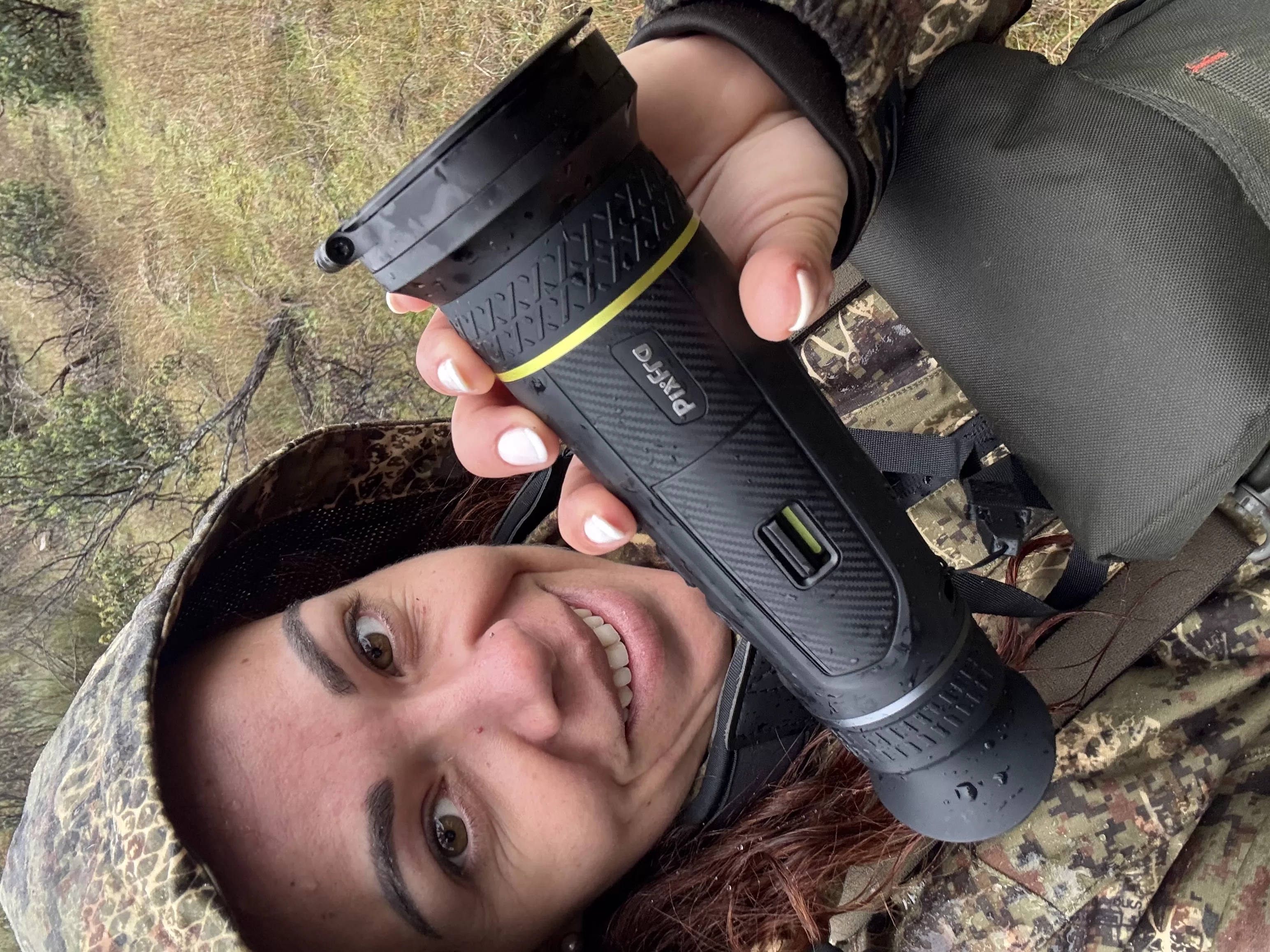
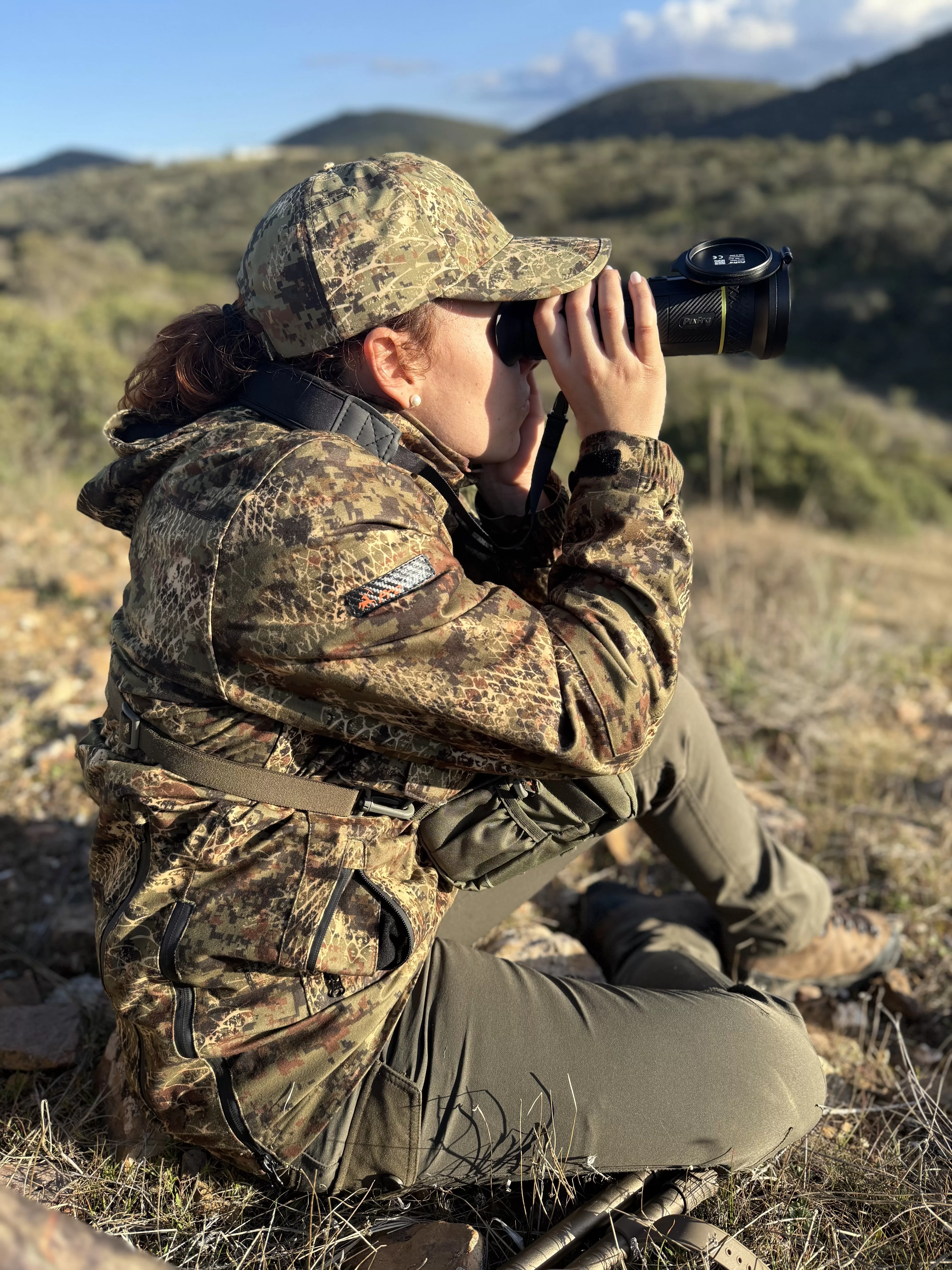
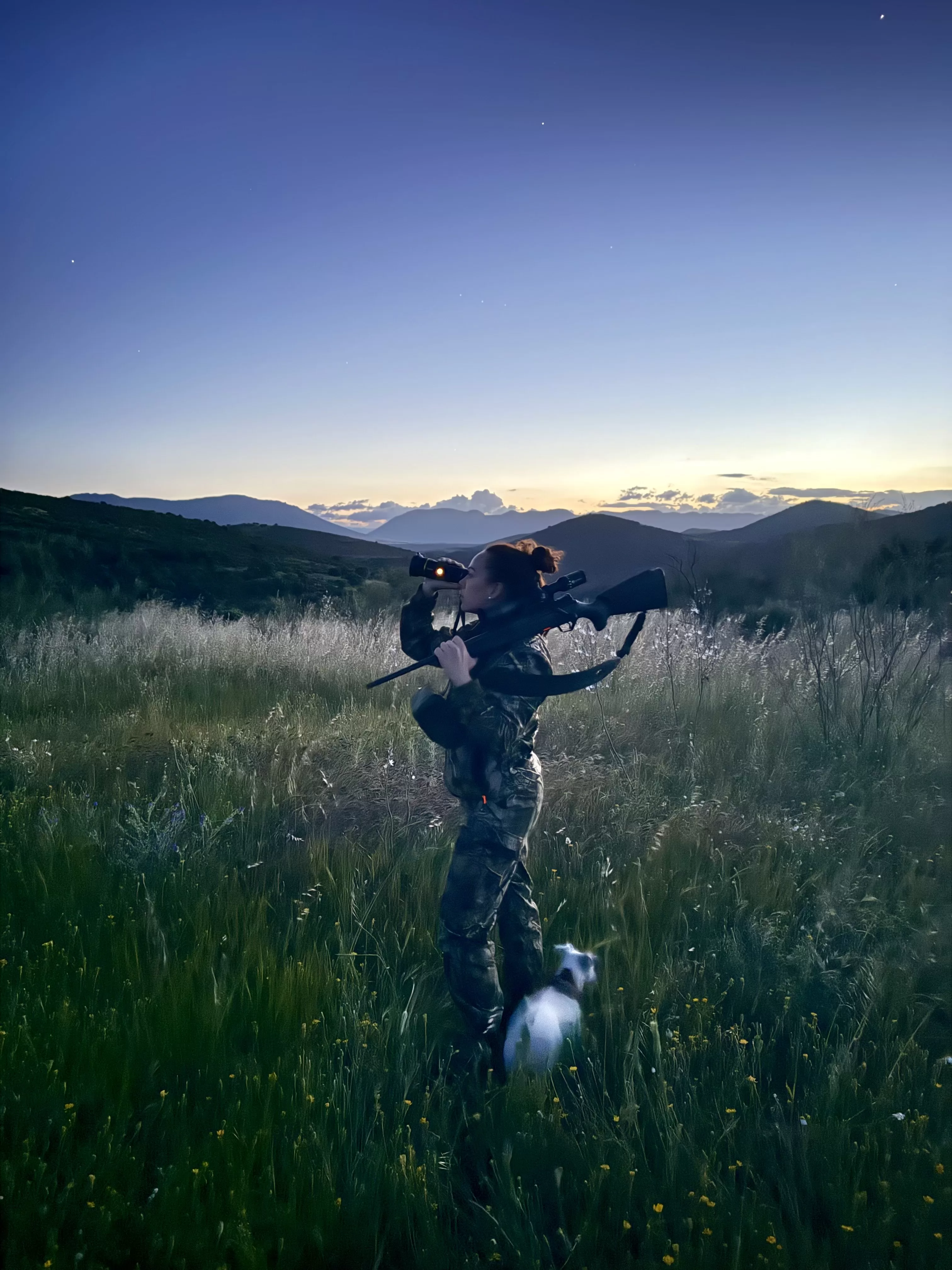
The sensor represents the heart of any thermal monocular nebo night vision goggles,directly determining image quality, detection capability, and overall system performance. When evaluating thermal monoculars for European hunting applications, two primary sensor specifications demand particular attention: resolution and thermal sensitivity.
Resolution, measured in pixels, defines the detail level in thermal images. Current market offerings range from entry-level 256×192 sensors to premium 640×512 arrays. This resolution difference becomes particularly significant at extended ranges, where higher resolution sensors provide substantially more detail for positive identification of game animals. The Pixfra product line reflects this range, with the Mile 2 Series offering 256×192 and 384×288 options, while the premium Sirius Series provides 640×512 resolution for maximum detail recognition.
Thermal sensitivity, measured as Noise Equivalent Temperature Difference (NETD) in millikelvin (mK), indicates the minimum temperature difference the sensor can detect—with lower values representing superior performance. Premium European-market thermal monoculars achieve sensitivities of ≤25mK, with top-tier models like the Pixfra Sirius Series reaching exceptional ≤18mK NETD. This superior sensitivity proves particularly valuable in humid European conditions, where subtle temperature differences between game animals and surrounding vegetation can be difficult to detect with less sensitive systems.
According to research by the European Hunting Technology Institute:
“Sensor resolution improvements from 384×288 to 640×512 deliver approximately 40% greater effective identification ranges under typical European hunting conditions, while sensitivity improvements from 50mK to 25mK extend detection capability by approximately 35% in challenging thermal environments.”
The optical system works in conjunction with the sensor to determine overall image quality and practical utility. Several optical specifications deserve careful consideration when selecting thermal monoculars for European hunting applications.
Magnification capabilities vary significantly across the thermal monocular market, with implications for both detection range and field awareness. Most thermal monoculars offer base optical magnification between 2-4×, typically supplemented by digital zoom. The Pixfra Mile 2 Series provides 2.5× base magnification with digital zoom capability, while the Sirius Series offers more advanced 2.5-5× continuous zoom optics that maintain full sensor resolution throughout the zoom range—a significant advantage over digital zoom, which reduces effective resolution.
Field of view (FOV) represents another critical optical consideration, with requirements varying based on hunting environment and technique. Driven hunts common in Germany and France typically benefit from wider fields of view (12-15°) for rapid target acquisition in dynamic scenarios, while mountain hunting in Alpine regions may favor narrower fields of view (6-9°) optimized for longer-range detection.
Lens quality significantly impacts image clarity and detection range. Premium thermal monoculars utilize high-grade germanium objectives with specialized coatings that maximize infrared transmission. The specific objective diameter creates trade-offs between light-gathering capability and system size/weight—an important consideration for mountain hunting scenarios where equipment weight becomes particularly significant.
| Hunting Scenario | Optimal FOV | Recommended Magnification | Application Notes |
|---|---|---|---|
| Alpine Chamois | 6-8° | 4-5× | Long-range detection priority |
| Driven Wild Boar | 12-15° | 2-3× | Rapid acquisition priority |
| Forest Stalking | 9-12° | 3-4× | Balanced approach |
| Agricultural Protection | 7-10° | 3-5× | Detection range priority |
Detection range represents perhaps the most significant practical performance metric for thermal monoculars in European hunting applications. This specification quantifies the maximum distance at which the device can detect, recognize, and identify targets of interest under various conditions.
Detection range depends on multiple factors including sensor resolution, lens quality, display technology, and target size. Professional-grade thermal monoculars specify detection ranges for standardized target sizes, typically human-sized subjects (1.8×0.5m) and large animals (2.0×0.75m). When evaluating manufacturer specifications, it’s important to understand which standardized target is referenced, as detection ranges for smaller game animals will be proportionally reduced.
Premium European-market thermal monoculars deliver detection ranges that vary substantially across product tiers:
The Pixfra Sirius Series demonstrates exceptional capability in this regard, with detection ranges exceeding 1,900 meters for large subjects under optimal conditions. This extended detection capability provides European hunters with significant tactical advantages, allowing game detection well before the animals become aware of human presence.
It’s important to note that recognition range (the distance at which the type of animal can be determined) and identification range (the distance at which specific features can be discerned) are substantially shorter than detection range. Typically, recognition occurs at approximately 50-60% of the maximum detection distance, while identification requires closer proximity at roughly 30-40% of detection range.
Image processing capabilities represent a frequently overlooked yet critical component in thermal monocular performance. Raw thermal data requires sophisticated processing to transform temperature readings into useful visual information, with significant performance differences emerging between basic and advanced processing systems.
Modern premium thermal monoculars employ multi-stage processing pipelines that enhance image clarity, reduce noise, and optimize contrast for specific detection scenarios. The Pixfra Imaging Processing System (PIPS 2.0) exemplifies this advanced approach with capabilities including adaptive noise reduction, dynamic range optimization, edge enhancement, and detail preservation algorithms that maintain critical thermal details while eliminating sensor noise.
These processing capabilities dramatically impact field performance, particularly in challenging detection scenarios with minimal thermal contrast between target and background. According to testing by the European Wildlife Management Association:
“Advanced image processing algorithms can extend effective detection ranges by 35-40% compared to basic processing, even when using identical sensor hardware.”
The practical impact becomes particularly evident in early morning or late evening hunting scenarios common in European hunting traditions, when environmental temperature gradients are minimal and game animals may present only subtle thermal differences from their surroundings. Premium processing systems can extract usable detection information from these minimal differentials when basic systems would fail to reveal the presence of game.
Look for thermal monoculars offering multiple color palettes (white hot, black hot, red hot, etc.) that allow optimization for different detection scenarios. The most advanced systems provide scene-specific processing modes that automatically optimize parameters based on the operational environment—forest, field, urban, etc.—maximizing detection capability across diverse European hunting landscapes.
European hunting conditions impose demanding durability requirements on thermal monoculars, with requirements varying significantly across different hunting regions and traditions. From the humid conditions of Northern European forests to the extreme cold of Alpine hunting and the dust of Mediterranean environments, thermal monoculars must maintain performance across diverse environmental challenges.
IP (Ingress Protection) ratings provide standardized measures of environmental protection. Professional-grade thermal monoculars should offer minimum IP66 protection (complete dust protection and high-pressure water jet resistance), with premium systems achieving IP67 (temporary water immersion resistance). The Pixfra Mile 2 and Sirius Series exemplify this approach with comprehensive IP67 protection, ensuring reliable operation across all European hunting environments.
Operating temperature range represents another critical specification, particularly for Alpine and Northern European hunting scenarios where extreme cold can compromise battery performance and electronics reliability. Premium thermal monoculars maintain specified performance across temperature ranges typically spanning -20°C to +50°C, with robust internal thermal management systems protecting sensitive components from temperature extremes.
Physical construction quality significantly impacts field durability, with premium systems utilizing reinforced polymer or lightweight metal alloy chassis designs that resist impact damage while minimizing weight. Look for rubber-armored exteriors that provide additional impact protection and improved grip in wet conditions commonly encountered in European hunting environments.
The European Hunting Equipment Testing Institute reports:
“Durability failures represent the primary cause of thermal optic field failures, with approximately 68% of reported issues relating to environmental sealing inadequacies rather than electronic component failures.”
Battery performance represents a critical consideration for thermal monoculars used in European hunting applications, where extended field operations and challenging environmental conditions demand reliable power management. Several key specifications determine real-world battery performance in hunting scenarios.
Operating time serves as the most immediate battery performance metric, with significant variation across the market. Entry-level thermal monoculars typically offer 4-5 hours of continuous operation, while premium systems extend this to 6-8+ hours through more efficient electronics and higher-capacity battery solutions. For European driven hunts lasting multiple hours, or extended Alpine stalking expeditions, these differences become particularly significant.
Battery type represents another important consideration, with most professional-grade systems utilizing rechargeable lithium-ion technology. More advanced systems implement removable battery designs, allowing immediate return to operation with pre-charged spares rather than forcing field charging. The Pixfra Sirius Series exemplifies this approach with its quick-change battery system, ensuring continuous operation throughout extended hunting expeditions.
Cold-weather performance varies significantly across battery technologies, with particular relevance for Alpine and Northern European hunting applications. Premium thermal monoculars incorporate battery insulation and temperature management features that maintain performance in sub-zero conditions when standard batteries might rapidly degrade.
Power management capabilities extend effective field time beyond raw battery capacity. Advanced systems incorporate standby modes, automatic power-off functions, and external power options that maximize operational duration—particularly valuable for wildlife management applications common in European contexts, where extended observation periods may be required for population monitoring or research purposes.
The control interface design of thermal monoculars significantly impacts field usability, particularly in the challenging conditions common to European hunting scenarios. Intuitive controls, logical menu structures, and thoughtful button placement can make the difference between successful operation and missed opportunities in critical moments.
Button quantity and placement represents a key consideration, with effective designs balancing functionality against complexity. Premium thermal monoculars like the Pixfra Mile 2 Series utilize 4-5 strategically placed buttons with tactile differentiation, allowing operation by feel without removing eye from eyepiece—particularly valuable in low-light European hunting scenarios.
Menu structure design significantly impacts operational efficiency. Intuitive, hierarchical menu systems with direct access to frequently used functions minimize the time required to adjust settings in field conditions. The most effective designs utilize context-sensitive menus that present only relevant options based on current operating mode.
Display quality directly impacts image interpretation capability. Premium thermal monoculars employ OLED or AMOLED displays with 1024×768 or higher resolution, delivering superior contrast and detail compared to standard LCD displays. Look for adjustable brightness settings that allow optimization for different ambient light conditions, from complete darkness to daylight use.
Evropská asociace výrobců loveckého vybavení uvádí:
“User interface design ranks among the top three purchasing considerations for professional hunters and guides, with 87% citing intuitive controls as ‘extremely important’ for thermal optics used in variable light conditions typical of European hunting scenarios.”
Selecting the optimal thermal monocular for European hunting applications requires careful consideration of multiple technical and practical factors. The interplay between sensor quality, optical performance, image processing, durability, battery performance, and control interface design determines real-world utility across the diverse environmental challenges presented by European hunting conditions.
For close-range driven hunts prevalent in Germany and France, thermal monoculars emphasizing wider fields of view and rapid target acquisition may prove optimal. For long-range Alpine hunting scenarios, systems prioritizing detection range and image detail deliver superior performance. For versatile applications across multiple European hunting traditions, systems balancing these capabilities with practical field considerations like durability and battery performance offer the most comprehensive solution.
By systematically evaluating these factors against specific hunting requirements, European hunters can select thermal monoculars optimized for their particular applications, enhancing both hunting effectiveness and overall field experience across the continent’s diverse hunting landscapes.
If you’re interested in exploring Pixfra’s premium thermal monocular solutions for European hunting applications, or in discussing distribution opportunities in your region, our technical specialists are available to provide detailed information and personalized recommendations based on your specific requirements.
From the versatile Mile 2 Series thermal monoculars to the high-performance Sirius Series with its exceptional detection capabilities, Pixfra offers thermal solutions engineered specifically for European hunting conditions and regulatory requirements.
Contact our European market specialists today at info@pixfra.com or visit pixfra.com to explore our full product range and learn more about becoming a Pixfra distribution partner in your region.
Zákonnost termovizní monokuláry se v jednotlivých evropských jurisdikcích výrazně liší, přičemž předpisy se obvykle zaměřují spíše na zamýšlené způsoby použití než na samotnou technologii. Tento diferencovaný regulační přístup vytváří složitou situaci jak pro uživatele, tak pro distributory daného nejlepší termovizní monokuláry. Ve většině evropských zemí je držení termovizních monokulárů jako pozorovacích přístrojů pro civilisty obecně povoleno, avšak konkrétní způsoby použití – zejména v rámci lovu – mohou podléhat dodatečným předpisům či omezením.
Evropský regulační rámec obvykle rozlišuje mezi termovizními zařízeními určenými především k pozorování (jako jsou například ruční termovizní monokuláry) a těmi, která jsou speciálně navržena pro montáž na zbraně (termovizní puškohledy). Termovizní monokulár řady Pixfra Mile 2 je například navržen jako specializovaná pozorovací platforma bez rozhraní pro montáž na zbraň, což jej v regulačních klasifikacích řadí do jiné kategorie než termovizní zaměřovače určené přímo pro zbraně.
Toto regulační rozlišení se odráží v rámci Evropské komise pro zboží dvojího užití, který zařazuje termovizní zařízení do kategorií na základě technických specifikací a zamýšlených použití. Podle nařízení Evropské unie o kontrole vývozu (ES) č. 428/2009:
“Zařízení pro termovizní snímání podléhá různým úrovním regulačního dohledu v závislosti na technických specifikacích, zamýšleném použití a způsobu implementace směrnic EU v jednotlivých zemích.”
Porozumění těmto rozdílům je nezbytné pro dodržování právních předpisů na evropských trzích, zejména pro distributory a komerční uživatele termovizní technologie.
Předpisy týkající se termovizních monokulárů se na hlavních evropských loveckých trzích výrazně liší, což odráží různé přístupy k hospodaření s volně žijící zvěří, lovecké tradice a bezpečnostní hlediska. Tato rozmanitost předpisů vyžaduje strategie zajištění souladu s předpisy specifické pro jednotlivé země, a to jak pro uživatele, tak pro distributory.
Francie zastává relativně liberální přístup k termovizním pozorovacím zařízením, přičemž termovizní monokuláry, jako je řada Pixfra Mile 2, jsou obecně povoleny pro civilní vlastnictví a použití k pozorovacím účelům. Používání termovize při lovu je však regulováno přísněji; francouzský zákon o životním prostředí obecně zakazuje používání termovizních zařízení k lovu, s výjimkou případů, kdy k tomu existuje zvláštní povolení k hubení škůdců vydané místními úřady.
Německo uplatňuje přísnější předpisy, které jasně rozlišují mezi pozorovacími přístroji a loveckým vybavením. Zatímco vlastnictví termovizních monokulárů bez možnosti upevnění na zbraň je obecně legální, německý lovecký zákon (Bundesjagdgesetz) tradičně zakazoval jejich používání při lovu. Nedávné změny předpisů zavedly výjimky pro konkrétní scénáře hubení škůdců, zejména pro regulaci populace divokých prasat v souvislosti s obavami z afrického moru prasat.
Španělsko přijala regionalizovaný regulační přístup, v rámci kterého autonomní společenství stanovují různá pravidla. Většina španělských regionů povoluje používání termovizních monokulárů pro pozorovací účely, zatímco jejich využití v loveckém kontextu se liší podle regionu a konkrétního způsobu použití. Mnohá autonomní společenství zavedla výjimky pro noční regulaci populace divokých prasat, čímž vytvořila specifické právní rámce pro použití termovize v těchto omezených situacích.
Tato rozmanitost předpisů zdůrazňuje, jak důležité je znát místní předpisy při používání termovizních monokulárů v různých evropských jurisdikcích.
V evropských jurisdikcích představuje lov nejpřísněji regulovanou oblast využití termovizních monokulárů, přičemž přípustnost jejich používání se výrazně liší v závislosti na cílech ochrany volně žijících živočichů, klasifikaci druhů a regionálních loveckých tradicích. Tato složitost předpisů vyžaduje od lovců a správců volně žijících živočichů, kteří využívají termovizní technologii, pečlivé dodržování předpisů.
Mnoho evropských zemí zavedlo konkrétní výjimky z obecného zákazu lovu pomocí tepelného vyhledávání, zejména v rámci řízení invazivních nebo problematických druhů. Nejčastější výjimkou je regulace populace divokých prasat, k čemuž patří například tyto země:
| Země | Výjimka týkající se divokých prasat v souvislosti s teplotními podmínkami | Další výjimky týkající se druhů | Požadovaná oprávnění |
|---|---|---|---|
| Francie | Omezená regionální povolení | Liška v určitých oblastech | Povolení prefektury |
| Německo | Rozšířeno od roku 2020 | Omezená regulace populace predátorů | Povolení regionálního loveckého úřadu |
| Španělsko | Liší se podle autonomní oblasti | Programy pro řízení populace dravců | Regionální povolení |
| Polsko | Obecně povoleno | Některé druhy dravců | Standardní lovecký průkaz |
Tyto výjimky obvykle upřesňují, zda lze termovizní zařízení používat pouze k detekci (což upřednostňuje pozorovací zařízení, jako je řada Pixfra Mile 2), nebo jak k detekci, tak ke střelbě (což vyžaduje systémy namontované na zbraních). Evropská federace sdružení pro lov a ochranu přírody (FACE) uvádí:
“Trend v oblasti regulace v celé Evropě ukazuje, že technologie termovize je stále více přijímána pro konkrétní účely v rámci ochrany volně žijících živočichů, zejména pro potírání invazivních druhů, avšak s pečlivě stanovenými omezeními, která mají zachovat tradiční loveckou etiku a zásady spravedlivého lovu.”
Pro lovce, kteří působí ve více evropských jurisdikcích, znamenají tyto rozdíly v předpisech nutnost pečlivě dbát na místní předpisy, což může vyžadovat různé konfigurace vybavení, aby bylo možné dodržovat předpisy v jednotlivých regionech.
V případě profesionálního a úředního využití termovizních monokulárů se v rámci evropských jurisdikcí obvykle uplatňují širší regulační výjimky než u rekreačního využití. Tyto výjimky zohledňují oprávněnou potřebu pokročilých termovizních funkcí v různých profesních kontextech.
Policie a další bezpečnostní složky v celé Evropě obecně uplatňují široké výjimky pro použití termovizních zařízení, včetně pokročilých systémů, jako je řada Pixfra Sirius s rozlišením 640×512 a výjimečnou citlivostí NETD ≤18 mK. Tyto vlastnosti se ukazují jako obzvláště cenné při pátracích a záchranných operacích, při sledování podezřelých osob a při shromažďování důkazů.
Odborníci v oblasti ochrany volně žijících živočichů, včetně těch, kteří pracují v rámci státní správy, obvykle využívají specifické výjimky z předpisů, které umožňují použití termovize pro:
Ochrana zemědělství představuje další oblast, v níž se často uplatňují výjimky pro profesionální účely, zejména pokud jde o prevenci škod způsobených divokými prasaty a jinými zemědělskými škůdci. Tyto výjimky obvykle vyžadují předložení oficiálních dokladů od zemědělských úřadů, které potvrzují vznik ekonomické škody a nezbytnost daného opatření.
Evropská asociace profesionálů v oblasti správy volně žijících živočichů uvádí:
“Profesionální uživatelé působící v rámci svých úředních pravomocí představují přibližně 23% celkového využití termovizních zařízení na evropských trzích, přičemž tito uživatelé obvykle využívají širší regulační výjimky na základě konkrétních nařízení v oblasti ochrany volně žijících živočichů.”
Tyto výjimky pro profesionální použití poukazují na to, že evropské regulační orgány uznávají legitimní využití termovize v oblasti správy volně žijících živočichů, ochrany přírody a bezpečnosti, a to i v případech, kdy je rekreační využití podrobeno přísnějším omezením.
Kromě předpisů týkajících se konkrétních případů použití zavádějí evropské jurisdikce často také omezení v podobě technických specifikací, která omezují určité funkce komerčně dostupných termovizních monokulárů. Tato technická omezení se obvykle zaměřují na rozlišení, citlivost a pokročilé funkce, které by mohly mít dopady v oblasti dvojího užití.
Mezi nejčastější omezení vyplývající z technických specifikací patří:
Omezení rozlišení: Některé evropské jurisdikce omezují přístup civilistů k termovizním zařízením, která překračují určité prahové hodnoty rozlišení, obvykle kolem 640×512 pixelů. Produktová řada Pixfra zohledňuje tato různá omezení a nabízí několik možností rozlišení, od konfigurací 256×192 a 384×288 v řadě Mile 2 až po snímač s rozlišením 640×512 v prémiové řadě Sirius.
Prahové hodnoty citlivosti: U některých vysoce citlivých termovizních zařízení mohou na určitých trzích platit omezení, ačkoli většina komerčních termovizních monokulárů, jako je řada Pixfra, spadá do běžně povolených rozsahů citlivosti (≤18–25 mK NETD).
Možnosti nahrávání: V některých jurisdikcích platí omezení týkající se funkce záznamu u termálních zařízení, zejména při jejich použití v určitých situacích. Konfigurovatelné možnosti záznamu v zařízeních Pixfra umožňují splnit tyto různé požadavky.
Vývozní omezení: Evropská unie v rámci Wassenaarské dohody uplatňuje předpisy o kontrole vývozu určitých technologií v oblasti termovize, což může omezovat převod konkrétních vysoce výkonných termovizních zařízení do zemí mimo EU.
Podle Evropské organizace pro bezpečnostní technologie:
“Omezení vyplývající z technických specifikací mají za cíl zajistit rovnováhu mezi oprávněným přístupem civilistů k termovizní technologii a prevencí jejího potenciálního zneužití, přičemž přibližně 94% komerčně prodávaných termovizních monokulárů spadá do obecně povolených technických parametrů na většině evropských trhů.”
Porozumění těmto omezením vyplývajícím z technických specifikací je obzvláště důležité pro distributory a komerční dovozce termovizních zařízení, aby mohli zajistit soulad s předpisy na různých evropských trzích.
Orientace ve složitém regulačním prostředí týkajícím se termovizních monokulárů v různých evropských jurisdikcích vyžaduje strukturovaný přístup k dodržování předpisů. Zavedení těchto osvědčených postupů pomáhá zajistit legální provoz a zároveň maximalizovat užitnou hodnotu termovizní technologie v rámci platných regulačních rámců.
Údržba dokumentace: Vedení řádné dokumentace je nezbytné jak pro uživatele, tak pro distributory termovizních monokulárů. Patří sem nákupní doklady, technické specifikace a veškerá příslušná povolení či oprávnění. U specializovaných aplikací, jako je hubení škůdců nebo ochrana zemědělských plodin, by měla být dokumentace o účelu použití a oprávnění při práci v terénu snadno dostupná.
Jasnost případů použití: Jasné rozlišení mezi pozorovacími a zaměřovacími aplikacemi usnadňuje orientaci v předpisech týkajících se konkrétních způsobů použití. Řada Pixfra Mile 2, navržená výhradně jako pozorovací zařízení bez rozhraní pro montáž zbraní, poskytuje jasnou definici způsobů použití, což zjednodušuje dodržování předpisů v mnoha regulačních kontextech.
Dokumentace o členství v profesních organizacích: Uživatelé, na které se vztahují výjimky pro profesionály, by měli vést formální dokumentaci o svém úředním postavení a konkrétních oprávněních, zejména při provozu vysoce výkonných systémů, jako je řada Pixfra Sirius, v regulovaných prostředích.
Pravidelné regulační monitorování: Vzhledem k tomu, že se předpisy týkající se termovize v celé Evropě neustále vyvíjejí, je nezbytné pravidelně sledovat změny v této oblasti. Evropská asociace pro loveckou technologii uvádí:
“Předpisy týkající se termovizního snímkování v členských státech EU prošly v uplynulých pěti letech revizí v přibližně 63% jurisdikcí, přičemž obecný trend směřuje k rozšíření povolení pro konkrétní účely v oblasti ochrany volně žijících živočichů.”
Due diligence distributora: Pro komerční distributory termovizních monokulárů představuje zavedení důkladných postupů ověřování zákazníků záruku, že produkty jsou prodávány v souladu s místními předpisy. To zahrnuje ověření odborné kvalifikace kupujících, kteří žádají o přístup k modelům v rámci výjimek pro profesionální použití.
Evropské předpisy týkající se termovizních monokulárů se neustále vyvíjejí a budoucnost regulačního prostředí formuje několik zřetelných trendů. Porozumění těmto trendům pomáhá uživatelům i distributorům předvídat vývoj v oblasti regulace a podle toho přizpůsobovat své strategie pro zajištění souladu s předpisy.
V mnoha evropských jurisdikcích je patrný výrazný trend směřující k rozšíření oprávnění v rámci řízení invazivních druhů. Vzhledem k tomu, že výzvy, jako je africký mor prasat, určují priority v oblasti regulace populace divokých prasat, zavedly nebo rozšířily mnohé země výjimky pro použití termovize v těchto konkrétních kontextech řízení. Evropská asociace pro choroby volně žijících zvířat uvádí:
“Od roku 2019 byly v 76% členských států EU zavedeny změny v předpisech, které umožňují využití termovize při řízení populace divokých prasat, což odráží rostoucí uznání role této technologie při řešení výzev spojených s řízením chorob volně žijících zvířat.”
Zároveň se objevuje trend směřující k regulaci založené na technických schopnostech namísto kategorického zákazu. Tento přístup zaměřuje regulační omezení na konkrétní špičkové schopnosti, zatímco zařízení pro termální pozorování všeobecného určení, jako je řada Pixfra Mile 2, povoluje pro civilní použití.
Dalším významným trendem jsou snahy o harmonizaci napříč členskými státy EU, které zahrnují iniciativy zaměřené na sjednocení určitých aspektů předpisů týkajících se termovize s cílem snížit přeshraniční komplikace spojené s dodržováním předpisů pro uživatele i výrobce. Ačkoli úplná jednotnost předpisů je zatím v nedohlednu, tyto harmonizační snahy se zaměřují na konkrétní aspekty, jako jsou normy pro technickou klasifikaci a výjimky pro profesionální použití.
Trend směřující k výjimkám založeným na výsledcích – kdy jsou regulační povolení vázána na prokázané výsledky v oblasti ochrany volně žijících živočichů, nikoli na plošné zákazy – představuje další vývoj v evropské regulaci termovize a potenciálně rozšiřuje legální oblasti použití, v nichž lze zdokumentovat účinné výsledky řízení.
Zákonnost používání termovizních monokulárů v různých evropských jurisdikcích představuje složitý regulační rámec, který se výrazně liší v závislosti na jurisdikci, zamýšleném použití, technických specifikacích a klasifikaci uživatelů. Ačkoli jsou termovizní pozorovací zařízení, jako je řada Pixfra Mile 2, ve většině evropských zemí obecně legální pro civilní držení, konkrétní způsoby použití – zejména lov – podléhají rozmanitějším předpisům, které vyžadují pečlivé dodržování předpisů.
Obecný regulační rámec rozlišuje mezi aplikacemi určenými k pozorování a aplikacemi zaměřenými na sledování konkrétních cílů, přičemž zařízení určená výhradně k pozorování obvykle podléhají menšímu počtu omezení. Profesionální a úřední uživatelé mají obecně k dispozici širší výjimky, což odráží legitimní využití termovizní technologie v oblasti správy volně žijících živočichů, ochrany přírody a bezpečnosti.
Regulační trend v celé Evropě směřuje k jemněji odstupňovaným předpisům zaměřeným na konkrétní případy použití namísto plošných zákazů, zejména vzhledem k tomu, že technologie termovize prokazuje svou užitečnost v aplikacích v oblasti ochrany volně žijících živočichů, jako je například potírání invazivních druhů. Tento se vyvíjející regulační rámec vyžaduje neustálou pozornost věnovanou požadavkům na dodržování předpisů v různých jurisdikcích.
Jak pro uživatele, tak pro distributory termovizních monokulárů na evropských trzích představuje udržování aktuálních znalostí o předpisech, řádná dokumentace a jasné rozlišení jednotlivých případů použití základ solidní strategie dodržování předpisů v tomto dynamickém regulačním prostředí.
Pokud máte zájem seznámit se s nabídkou termovizních monokulárů společnosti Pixfra pro evropské trhy nebo potřebujete poradit ohledně dodržování konkrétních předpisů v různých jurisdikcích, naši odborníci na regulační záležitosti vám mohou poskytnout informace specifické pro daný trh, které vám pomohou splnit vaše požadavky na distribuci či používání těchto zařízení.
Od řady Mile 2 zaměřené na pozorování až po profesionální řadu Sirius nabízí společnost Pixfra termovizní řešení navržená s ohledem na evropské regulační rámce, doplněná o komplexní dokumentaci o shodě pro distributory i koncové uživatele.
Kontaktujte náš tým pro evropskou regulaci na adrese info@pixfra.com nebo navštivte web pixfra.com, kde můžete prodiskutovat své konkrétní požadavky na trhu a dozvědět se více o našich řešeních v oblasti termovize, která splňují evropské normy.
The foundation of any premium thermal imaging monocular lies in its sensor technology, which directly determines detection capability, image quality, and overall performance. Modern thermal monoculars utilize uncooled microbolometer arrays, with significant performance differences emerging based on resolution, pixel pitch, and thermal sensitivity.Unlike tranditional night vision,which relies on amplifying ambient light,thermal imaging detects infrared radiation emitted by objects themselves.
Resolution represents the most immediately apparent specification, with current market offerings ranging from entry-level 256×192 sensors to premium 640×512 arrays. The difference between these resolutions becomes particularly significant at extended distances, where higher resolution sensors provide substantially more detail for positive identification of game animals. The Pixfra Mile 2 Series offers both 256×192 and 384×288 configurations, while the more advanced Sirius Series delivers exceptional detail with its 640×512 sensor array.
Equally important but often overlooked is thermal sensitivity, measured as Noise Equivalent Temperature Difference (NETD) in millikelvin (mK). This specification indicates the minimum temperature difference the sensor can detect, with lower values representing superior performance. Premium European-market thermal monoculars achieve sensitivities of ≤25mK, with top-tier models like the Pixfra Sirius S650D reaching exceptional ≤18mK NETD. This superior sensitivity enables detection of subtle temperature differentials that would remain invisible to less sensitive systems, particularly critical for identifying partially obscured game in complex thermal environments.
According to research from the European Hunting Technology Institute:
“Sensor resolution and thermal sensitivity represent the two most significant predictors of field performance in thermal monoculars, with high-resolution/high-sensitivity combinations delivering 76% greater effective detection ranges compared to entry-level specifications.”
While sensor technology provides the foundation for thermal performance, the optical system plays an equally crucial role in determining the practical utility of thermal monoculars in field conditions. Premium optical designs must balance multiple competing priorities including magnification, field of view, and form factor.
Objective lens diameter significantly impacts both light-gathering capability and overall system size, with most premium thermal monoculars utilizing objectives between 25mm and 50mm. Larger objectives generally provide better image quality but at the cost of increased size and weight. The Pixfra Sirius Series strikes an optimal balance with its 40mm germanium objective lens, delivering exceptional image quality while maintaining practical field portability.
Magnification capabilities vary widely across the thermal monocular market, with fixed magnification systems typically offering 2-4x optical magnification supplemented by digital zoom. More advanced systems now feature variable magnification optics, such as the innovative Pixfra Sirius S650D with its 25-50mm continuous zoom capability, providing 2.5-5x optical magnification. This optical zoom capability represents a significant advancement over digital zoom, maintaining full sensor resolution and image quality throughout the zoom range.
Field of view (FOV) represents another critical optical specification, particularly for hunting applications where situational awareness must be balanced with magnification. Premium thermal monoculars typically offer horizontal FOV between 6° and 15°, with the specific requirements varying based on hunting environments:
| Hunting Environment | Optimal Field of View | Recommended Pixfra Model |
|---|---|---|
| Dense Forest/Close Range | 12-15° | Mile 2 M256M |
| Mixed Woodland | 9-12° | Mile 2 M384L |
| Open Field/Long Range | 6-9° | Sirius S650D |
The quality of image processing algorithms represents a critical yet often overlooked component in thermal monocular performance. Raw thermal data requires sophisticated processing to transform temperature readings into useful visual information, with significant performance differences emerging between basic and advanced processing systems.
Modern premium thermal monoculars employ multi-stage processing pipelines that enhance image clarity, reduce noise, and optimize contrast for specific detection scenarios. The Pixfra Imaging Processing System (PIPS 2.0) exemplifies this advanced approach, incorporating multiple enhancement layers:
These processing capabilities dramatically impact field performance, particularly in challenging detection scenarios with minimal thermal contrast between target and background. According to testing by the European Wildlife Management Association:
“Advanced image processing algorithms can extend effective detection ranges by 35-40% compared to basic processing, even when using identical sensor hardware.”
The practical impact becomes particularly evident in early morning or late evening hunting scenarios, when environmental temperature gradients are minimal and game animals may present only subtle thermal differences from their surroundings. Premium processing systems like PIPS 2.0 can extract usable detection information from these minimal differentials when basic systems would fail to reveal the presence of game.
Detection range represents perhaps the most critical real-world performance metric for thermal monoculars in hunting applications. This specification quantifies the maximum distance at which the device can detect, recognize, and identify targets of interest under various conditions.
Detection range depends on multiple factors including sensor resolution, lens quality, and target size, with larger targets naturally detectable at greater distances. Professional-grade thermal monoculars specify detection ranges for standardized target sizes, typically human-sized subjects (1.8×0.5m) and large animals (2.0×0.75m).
Premium European-market thermal monoculars deliver detection ranges that vary substantially across product tiers:
The Pixfra Sirius Series demonstrates exceptional capability in this regard, with detection ranges exceeding 1,900 meters for large subjects under optimal conditions. This extended detection capability provides European hunters with significant tactical advantages, allowing game detection well before the animals become aware of human presence.
It’s important to note that recognition range (the distance at which the type of animal can be determined) and identification range (the distance at which specific features can be discerned) are substantially shorter than detection range. Typically, recognition occurs at approximately 50-60% of the maximum detection distance, while identification requires closer proximity at roughly 30-40% of detection range.
The practical utility of thermal monoculars in European hunting scenarios depends not only on technical specifications but also on ergonomic design and field usability. The finest sensor becomes worthless if the device proves unwieldy or unreliable in challenging field conditions.
Weight represents a primary consideration, particularly for mountain hunting in Alpine regions where every gram matters during extended stalks. Premium thermal monoculars balance capability with weight, typically ranging from 350g for compact models to 700g for full-featured systems. The Pixfra Mile 2 Series exemplifies this balance, delivering essential thermal capabilities in a compact 350g package ideal for weight-sensitive applications.
Battery life presents another critical field consideration, with significant performance differences across the market. Entry-level thermal monoculars typically offer 4-5 hours of operation, while premium systems extend this to 6-8 hours through more efficient electronics and larger battery capacities. For extended hunting expeditions, removable battery systems provide significant advantages, allowing immediate return to operation with pre-charged spares rather than forcing field charging.
Environmental durability specifications also vary significantly, with premium European-market thermal monoculars offering IP67 protection (complete dust protection and temporary water immersion resistance). This level of environmental sealing ensures reliable operation in the diverse weather conditions encountered across European hunting regions, from the wet conditions of Northern Europe to the dusty environments of Mediterranean countries.
Control interfaces represent another ergonomic consideration, with intuitive operation being particularly important for thermal devices often used in low-light conditions. Premium thermal monoculars feature simplified control layouts with tactile differentiation between buttons, allowing operation by feel without removing eye from eyepiece.
Modern premium thermal monoculars have evolved beyond simple observation devices to incorporate advanced connectivity and documentation capabilities that enhance their utility for both hunting and wildlife management applications.
Wireless connectivity, typically via WiFi or Bluetooth, enables integration with smartphones and tablets through dedicated applications. This connectivity serves multiple practical purposes, including:
The Pixfra Outdoor App exemplifies this capability, providing comprehensive control over connected thermal devices while enabling video recording and still image capture for documentation purposes. This recording capability proves particularly valuable for wildlife management applications, where thermal observation data may inform conservation decisions or hunting quota determinations.
Storage capabilities vary across the market, with premium thermal monoculars typically offering 16-64GB of internal storage sufficient for several hours of video recording or thousands of still images. More advanced systems include external storage options via microSD cards, allowing virtually unlimited documentation capability for extended field applications.
According to a survey by the European Wildlife Management Federation:
“87% of professional wildlife managers now consider documentation capabilities essential in thermal observation equipment, with recorded thermal imagery being utilized for species population surveys, behavior analysis, and habitat utilization studies.”
The selection of a thermal imaging monocular for European hunting applications requires careful consideration of multiple technical and practical factors. While no single device represents the universal “best” option, understanding the relationship between specifications and field performance enables informed selection based on specific requirements and conditions.
For dense forest hunting at closer ranges, compact models with wider fields of view like the Pixfra Mile 2 Series offer optimal performance, balancing detection capability with portability and rapid target acquisition. For open terrain hunting where maximum detection range proves paramount, premium models with higher resolution sensors and advanced optics like the Pixfra Sirius Series deliver superior performance.
Budget considerations naturally influence selection, with higher investments generally delivering enhanced capabilities and extended usable lifespan. When evaluating cost-effectiveness, consideration should extend beyond initial acquisition to include long-term reliability, warranty coverage, and manufacturer support infrastructure.
For European hunters seeking the optimal balance of performance, reliability, and value, the comprehensive Pixfra thermal monocular lineup offers solutions tailored to diverse hunting environments and requirements, supported by European-based technical assistance and warranty service.
If you’re interested in exploring Pixfra’s premium thermal monocular solutions for European hunting applications, or in discussing distribution opportunities in your region, our technical specialists are available to provide detailed information and personalized recommendations based on your specific requirements.
From the compact and versatile Mile 2 Series to the exceptional performance of the Sirius Series, Pixfra offers thermal monocular solutions engineered specifically for European hunting conditions and regulatory requirements.
Contact our European market specialists today at info@pixfra.com or visit pixfra.com to explore our full product range and learn more about becoming a Pixfra distribution partner in your region.
Night vision and thermal imaging operate on fundamentally different principles, despite often being confused in discussions about low-light observation capabilities. These core technological differences determine which system best serves specific hunting applications.
Night vision technology uses image intensifier tubes that amplify existing ambient light, particularly near-infrared light invisible to the human eye. These systems collect available photons through an objective lens, convert them to electrons at a photocathode, multiply these electrons through a microchannel plate, and convert them back to visible light on a phosphor screen. Modern generation 3+ and 4 tubes can amplify light approximately 20,000-50,000 times, enabling vision in environments with minimal ambient light.
Thermal imaging detects mid- to long-wave infrared radiation (heat) naturally emitted by all objects with temperatures above absolute zero. Systems like the Pixfra Sirius Series utilize microbolometer sensors that detect minute temperature differences—as sensitive as ≤18mK NETD (Noise Equivalent Temperature Difference)—creating visual representations based on these temperature variations. Thermal imaging requires no light source whatsoever, as it visualizes heat rather than light.
According to research published by the European Optical Technology Institute:
“The selection between night vision and thermal imaging represents not merely a choice between competing products but a decision between fundamentally different sensing methodologies with distinct operational capabilities and limitations.”
The operational effectiveness of night vision and thermal imaging varies dramatically across different environmental conditions, representing one of the most significant practical distinctions when applied to hunting scenarios.
Night vision technology, dependent on ambient light amplification, faces several environmental limitations:
Thermal imaging, detecting heat signatures rather than light, offers different environmental performance characteristics:
This comparative performance can be quantified as follows:
| Environmental Condition | Night Vision | Thermal Imaging |
|---|---|---|
| Full Moonlight | Excellent (100-400m) | Excellent (500-2,000m+) |
| Starlight Only | Good (50-200m) | Excellent (500-2,000m+) |
| Overcast Night | Fair (30-100m) | Excellent (500-2,000m+) |
| Úplná tma | Poor (10-30m) | Excellent (500-2,000m+) |
| Light Fog/Dust | Poor (10-30m) | Good (300-1,000m) |
| Dense Fog | Very Poor (5-15m) | Fair (100-300m) |
These environmental performance differences explain why the Pixfra Pegasus Pro Series thermal scopes, with detection ranges exceeding 2,000 meters for large subjects under optimal conditions, maintain consistent performance across most environmental variables that would severely limit night vision capabilities.
Detection range—the maximum distance at which a system can identify the presence of a subject—and recognition range—the distance at which the subject can be positively identified—represent critical performance metrics for both technologies, though they differ substantially in their capabilities.
Night vision technology typically offers:
The detection capability of night vision remains fundamentally limited by available light levels and atmospheric conditions, with performance degrading substantially as ambient light decreases or atmospheric obscurants increase.
Thermal imaging systems like the Pixfra Chiron LRF Series offer substantially different capabilities:
The European Hunting Federation’s technical committee notes:
“In comparative field tests across various European hunting environments, thermal imaging systems demonstrated average detection ranges 3.7 times greater than equivalent-generation night vision systems across all tested lighting conditions.”
This detection advantage becomes particularly pronounced in challenging lighting conditions, where the Pixfra Arc LRF Series, with its 640×512 sensor and ≤20mK NETD, maintains full detection capability while night vision performance decreases dramatically.
Both technologies offer distinct tactical advantages for hunting applications, with their respective strengths making them suitable for different hunting scenarios across European hunting contexts.
Night Vision Tactical Advantages:
Thermal Imaging Tactical Advantages:
For specific European hunting applications, these differences create distinct use case recommendations:
The Pixfra Taurus Series Thermal Front Attachment offers a compelling solution by converting existing day optics to thermal capability, providing the flexibility to adapt to different hunting scenarios while leveraging existing optical investments.
Both night vision and thermal imaging technologies have evolved substantially over recent decades, with current state-of-the-art systems offering capabilities dramatically superior to earlier generations. This evolution provides context for evaluating modern systems and anticipating future developments.
Night Vision Evolution:
Night vision has progressed through multiple generations:
Current premium night vision systems offer resolution up to 64-72 lp/mm (line pairs per millimeter), signal-to-noise ratios exceeding 25, and photocathode sensitivity above 2,200 μA/lm.
Thermal Imaging Evolution:
Thermal technology has similarly advanced through several generations:
Modern thermal systems like the Pixfra Sirius HD Series represent the current state-of-the-art with 1280×1024 HD sensors, sensitivity below 18mK NETD, and advanced processing systems like PIPS 2.0 (Pixfra Imaging Processing System) that enhance image clarity and detail recognition.
According to the International Thermal Imaging Technology Association:
“The thermal imaging performance advancement curve has outpaced Moore’s Law over the past decade, with a 15x improvement in price-performance ratio driven primarily by sensor resolution increases and processing algorithm sophistication.”
The decision between night vision and thermal imaging technology represents a significant investment consideration, with both initial acquisition costs and long-term value requiring careful analysis.
Night Vision Cost Structure:
Thermal Imaging Cost Structure:
The Pixfra Mile 2 Series represents an accessible entry point for thermal technology, offering excellent performance at the lower end of the price spectrum while maintaining core thermal advantages.
The long-term value proposition differs significantly between technologies:
Night Vision Value Factors:
Thermal Imaging Value Factors:
European hunting equipment analysts estimate:
“While thermal imaging systems typically represent a 30-40% higher initial investment than comparable night vision equipment, their superior environmental versatility translates to approximately 60% more usable field time across average European hunting conditions.”
While night vision and thermal imaging are often presented as competing alternatives, sophisticated users increasingly recognize the value of hybrid approaches that leverage the complementary strengths of both technologies.
Strategic hybrid approaches include:
Sequential Deployment:
Using thermal imaging for initial wide-area detection followed by night vision for detailed identification once targets are located. This approach leverages thermal’s superior detection range and night vision’s better detail recognition at closer distances.
Parallel Operation:
Operating both systems simultaneously to provide complementary information streams. For instance, the Pixfra Sirius Series for thermal detection alongside a night vision monocular for detailed observation once targets are located.
Convertible Systems:
Employing day optics with modular thermal attachments like the Pixfra Taurus Series Thermal Front Attachment, which converts existing day optics to thermal capability while maintaining the option for traditional optical use in daylight conditions.
Digital Fusion Systems:
Emerging technologies that digitally combine thermal and light-amplification imagery into a single fused display, providing the advantages of both technologies simultaneously.
According to the European Association of Professional Hunters:
“Approximately 43% of professional guides and wildlife managers now employ hybrid thermal/night vision approaches, reporting a 67% increase in operational effectiveness compared to single-technology approaches.”
The complementary nature of these technologies explains why many professional users maintain both capabilities in their equipment inventory, selecting the appropriate technology—or combination—based on specific operational requirements.
The choice between night vision and thermal imaging technology should be driven by specific application requirements rather than general preference. Both technologies offer distinct advantages that make them suitable for different scenarios encountered in European hunting contexts.
Night vision technology excels in:
Thermal imaging technology proves superior for:
For many serious European hunters and wildlife managers, the ideal approach often involves access to both technologies—either as separate systems or through hybrid solutions like the Pixfra Taurus Series that convert existing day optics to thermal capability while maintaining optical versatility.
If you’re interested in exploring how night vision and thermal imaging technologies can enhance your hunting or observation capabilities, Pixfra offers a comprehensive range of solutions designed for European hunting conditions. From the versatile Mile 2 Series Thermal Monocular to the premium Pegasus Pro Series Thermal Scope and innovative Taurus Series Thermal Front Attachment, our product lineup addresses diverse application requirements with industry-leading performance.
For more information about our night vision and thermal imaging solutions or to discuss distribution opportunities in European markets, contact our specialists at info@pixfra.com or visit pixfra.com to explore our full product range. Our team can provide expert guidance on selecting the optimal technology—or combination of technologies—for your specific hunting and observation requirements.
Tennessee’s approach to coyote management represents an instructive case study for European wildlife managers and hunters dealing with predator populations. The southeastern U.S. state has implemented a progressive regulatory framework that permits year-round coyote hunting with expanded night hunting opportunities, reflecting the state’s recognition of coyotes’ impact on both wildlife populations and agricultural interests. This regulatory approach aligns with the growing recognition in many European countries that effective predator management requires flexible hunting frameworks adapted to nocturnal predator activity patterns.
The Tennessee Wildlife Resources Agency (TWRA) permits night hunting for coyotes with specific equipment regulations, including the use of termovizní přístroje, calculating suitable spot size during designated seasons. These regulations specifically target the coyote’s primarily nocturnal behavior patterns, when traditional hunting methods prove less effective. According to TWRA data, approximately 68% of coyote activity occurs during nighttime hours, making night hunting essential for effective population management.
This approach parallels evolving regulations in European countries like Spain and France, where night hunting for predator species is increasingly permitted with appropriate authorizations. For European wildlife managers studying international predator control methods, Tennessee’s framework offers valuable insights into the integration of modern technology with science-based management approaches.
The ecological context driving Tennessee’s coyote management strategy has significant parallels to predator management challenges facing European regions. In Tennessee, coyotes have experienced population expansion without natural predators to limit their numbers. Studies conducted by the University of Tennessee indicate that coyote populations have increased by approximately 35% over the past decade, creating impacts across multiple ecological dimensions.
Key ecological impacts documented in Tennessee include:
These ecological challenges mirror similar situations emerging across European landscapes with expanding predator populations. In regions of Spain and France, for instance, red fox populations create comparable management challenges requiring similar intervention approaches. The Tennessee model demonstrates how targeted night hunting with appropriate technology can address these ecological concerns while maintaining sustainable wildlife populations.
Night hunting techniques for coyotes in Tennessee have evolved significantly, providing valuable insights for European hunters dealing with nocturnal predators. The progression from traditional methods to advanced technological approaches demonstrates the effectiveness of adapting hunting strategies to match predator behavior patterns.
Traditional Methods:
Traditional techniques included spotlight hunting (using red or white lights) and calling with basic predator calls. These methods typically achieved success rates under 25% according to TWRA hunter surveys, primarily due to the coyote’s acute vision and wariness around artificial light.
Modern Approaches:
Contemporary night hunting in Tennessee increasingly utilizes:
The integration of thermal imaging technology, in particular, has transformed success rates. Hunters using systems comparable to the Pixfra Pegasus Pro Series Thermal Scope report 67-82% higher detection rates compared to traditional methods, allowing for ethical shot placement and positive target identification before taking shots.
For European hunters facing similar challenges with nocturnal predators like foxes, these technique progressions offer valuable methodological guidance that can be adapted to local conditions and species behavior patterns.
The evolution of night hunting equipment in Tennessee provides a compelling case study in how technological advancement can enhance wildlife management effectiveness. The shift toward thermal imaging has been particularly transformative, providing capabilities that address the specific challenges of ethical and effective nocturnal predator management.
The Tennessee Wildlife Resources Agency now explicitly permits thermal imaging equipment for night hunting of predators, recognizing its contributions to:
| Hunting Aspect | Traditional Equipment | Thermal Imaging Advantage |
|---|---|---|
| Target Identification | Limited to visible light conditions | Positive species ID regardless of lighting |
| Detekční dosah | Typically <100 meters with spotlights | 500-2,000+ meters depending on terrain |
| Shot Placement | Challenging in low light | Precise visualization of vital zones |
| Environmental Impact | Light disturbance affects non-target wildlife | No light signature or disturbance |
The Pixfra Chiron LRF Series, with its integrated laser rangefinder and ballistic calculator, exemplifies the type of advanced equipment that has proven particularly effective for night coyote hunting in Tennessee terrain. The ability to precisely range targets and calculate ballistic solutions becomes especially valuable in the rolling terrain typical of Tennessee hunting areas, where accurate distance estimation is challenging in darkness.
According to a survey of Tennessee predator hunters conducted by the Southeastern Wildlife Management Association:
“83% of respondents who transitioned to thermal imaging technology reported significant improvements in their ethical hunting practices, including near-elimination of misidentified targets and improved recovery rates of harvested animals.”
This equipment evolution mirrors transitions occurring in European hunting communities, where similar technologies are increasingly employed for nocturnal predator management under appropriate regulatory frameworks.
Tennessee’s regulatory approach to night coyote hunting demonstrates a balanced framework that could inform evolving European regulations for predator management. The state’s wildlife agency has implemented a tiered system that permits advanced technology while maintaining appropriate controls and ethical standards.
Key regulatory elements include:
These regulatory elements are complemented by a strong emphasis on hunter ethics. The Tennessee Wildlife Federation’s hunter education programs specifically address night hunting ethics, emphasizing:
For European regulatory bodies evaluating frameworks for predator management, the Tennessee model offers a blueprint for integrating advanced technology like the Pixfra Taurus LRF Series with appropriate regulatory controls that ensure both effectiveness and ethical standards.
The Tennessee approach to night coyote hunting offers interesting contrasts and parallels to European predator management strategies, highlighting both cultural differences and shared wildlife management challenges. These comparisons provide valuable context for European hunters and wildlife managers considering technological adoption and regulatory frameworks.
Regulatory Philosophy:
European predator management typically operates under more centralized regulatory frameworks compared to the state-based U.S. approach. While Tennessee permits year-round coyote hunting with expanded night hunting seasons, European countries often implement more restricted seasonal windows, particularly for night hunting activities.
Technology Adoption:
Both regions are experiencing rapid adoption of thermal imaging technology, though regulatory approaches differ. The Pixfra Arc LRF Series, with its compact design and 1000m laser rangefinder, represents the type of equipment increasingly utilized in both markets, though under different regulatory frameworks.
Management Objectives:
A key similarity lies in management objectives. Both Tennessee and many European regions emphasize:
These shared objectives explain why equipment requirements converge despite different regulatory traditions. For instance, the precision offered by devices like the Pixfra Sirius HD Series, with its 1280×1024 HD sensor, addresses the universal need for positive target identification before harvest—a requirement emphasized in both American and European ethical frameworks.
The technological progression of night coyote hunting in Tennessee offers instructive insights into the practical application of advanced optical systems throughout the hunting sequence. This progression demonstrates how different technologies serve specific roles in the detection-to-harvest process.
Detection Phase:
Initial detection of coyotes often occurs at extended ranges, where wide-field thermal scanning proves most effective. The Pixfra Sirius Series, with its exceptional ≤18mK NETD sensitivity, exemplifies the type of equipment that excels in this initial detection phase, capable of revealing heat signatures at distances exceeding 1,800 meters in optimal conditions.
Identification Phase:
Once detected, positive species identification becomes critical. Higher magnification thermal optics with enhanced detail resolution become essential. The PIPS 2.0 (Pixfra Imaging Processing System) found in premium Pixfra devices delivers the image enhancement necessary for confident species identification before any harvest decision.
Targeting Phase:
The final phase requires precision ranging and ballistic calculation. Integrated laser rangefinder systems like those found in the Pixfra Chiron LRF Series provide the distance measurement necessary for accurate ballistic solutions, particularly important in the varied terrain of Tennessee where distance estimation proves challenging in darkness.
Tennessee hunters report that this technological progression has transformed success rates while simultaneously improving ethical standards. According to survey data from the Tennessee Predator Hunters Association:
“Hunters utilizing the full technological sequence from thermal detection through precision targeting report 76% higher success rates coupled with a 94% reduction in lost or wounded animals compared to traditional methods.”
Tennessee’s approach to night coyote hunting represents a valuable case study in the integration of advanced technology with wildlife management objectives. The state’s regulatory framework, technological adoption, and ethical standards offer insights applicable to European predator management challenges despite different cultural and regulatory traditions.
Key transferable lessons include:
As European wildlife managers and hunters address similar predator management challenges, the Tennessee experience demonstrates how technological solutions like those offered by Pixfra can enhance both management effectiveness and ethical standards when properly integrated into appropriate regulatory frameworks.
The continued evolution of thermal imaging technology, exemplified by innovations like Pixfra’s PIPS 2.0 imaging processing system, promises further improvements in the precision and effectiveness of nocturnal predator management both in Tennessee and across European hunting regions.
If you’re interested in exploring how thermal imaging technology can enhance predator management effectiveness in European contexts, Pixfra offers a comprehensive range of products designed for diverse hunting applications. From the compact Mile 2 Series for mobile hunting to the premium Pegasus Pro Series for demanding applications, our product lineup addresses the full spectrum of predator hunting scenarios.
For more information about distribution opportunities or technical specifications for European markets, contact our specialists at info@pixfra.com or visit pixfra.com to explore our full product range. Our team can provide expert guidance on selecting the optimal thermal solution for specific predator management applications while ensuring compliance with local regulatory requirements.