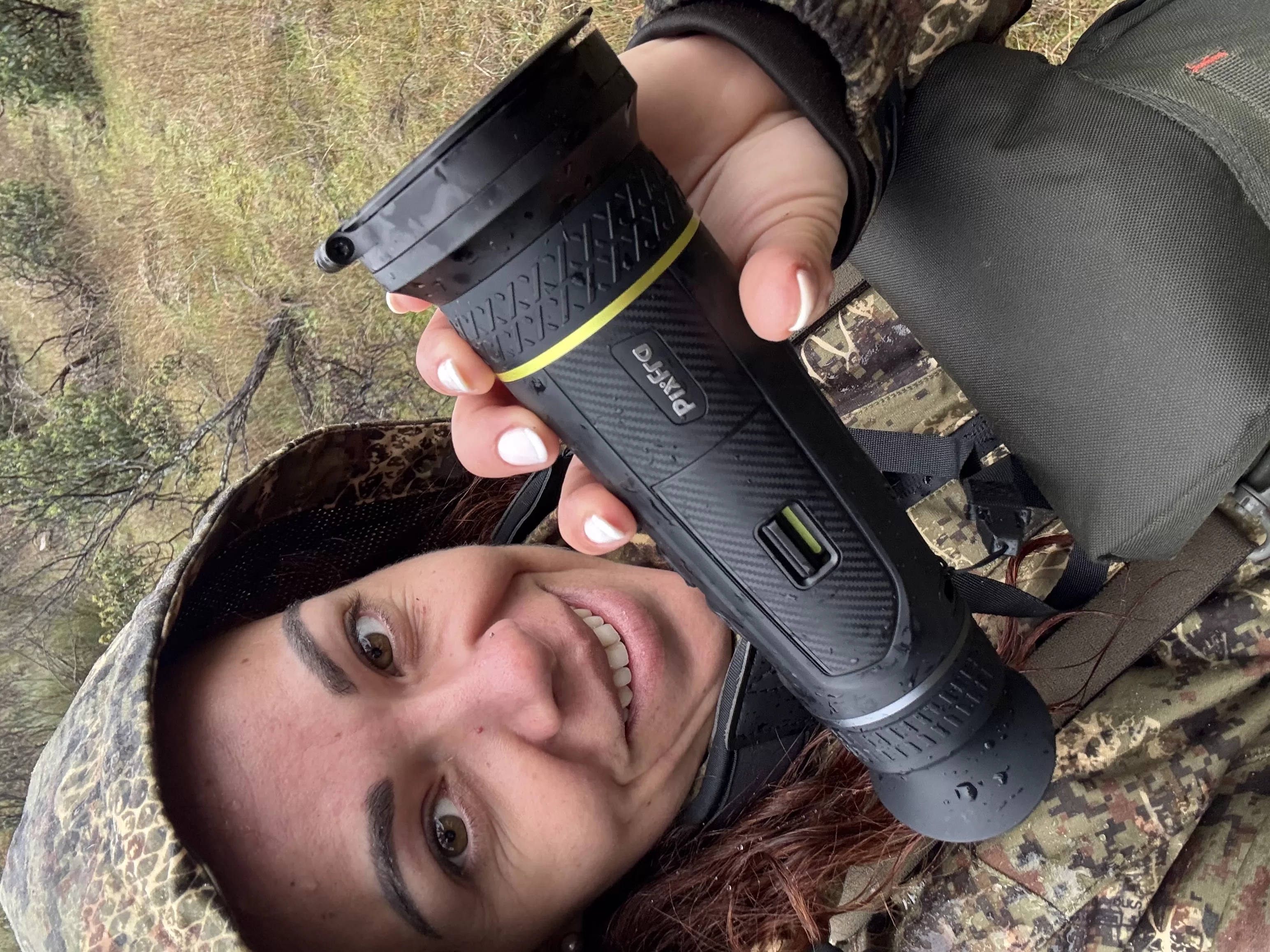
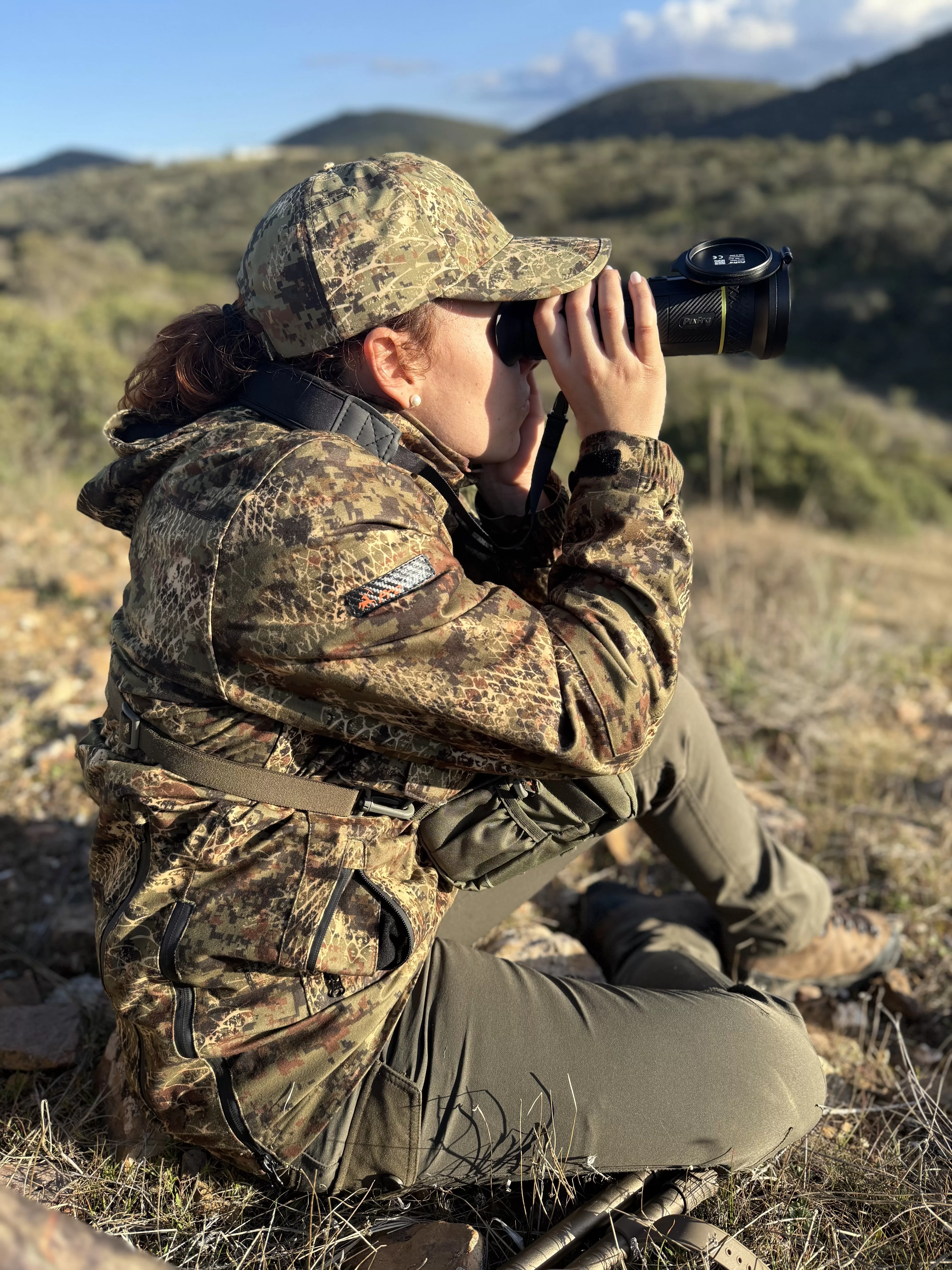
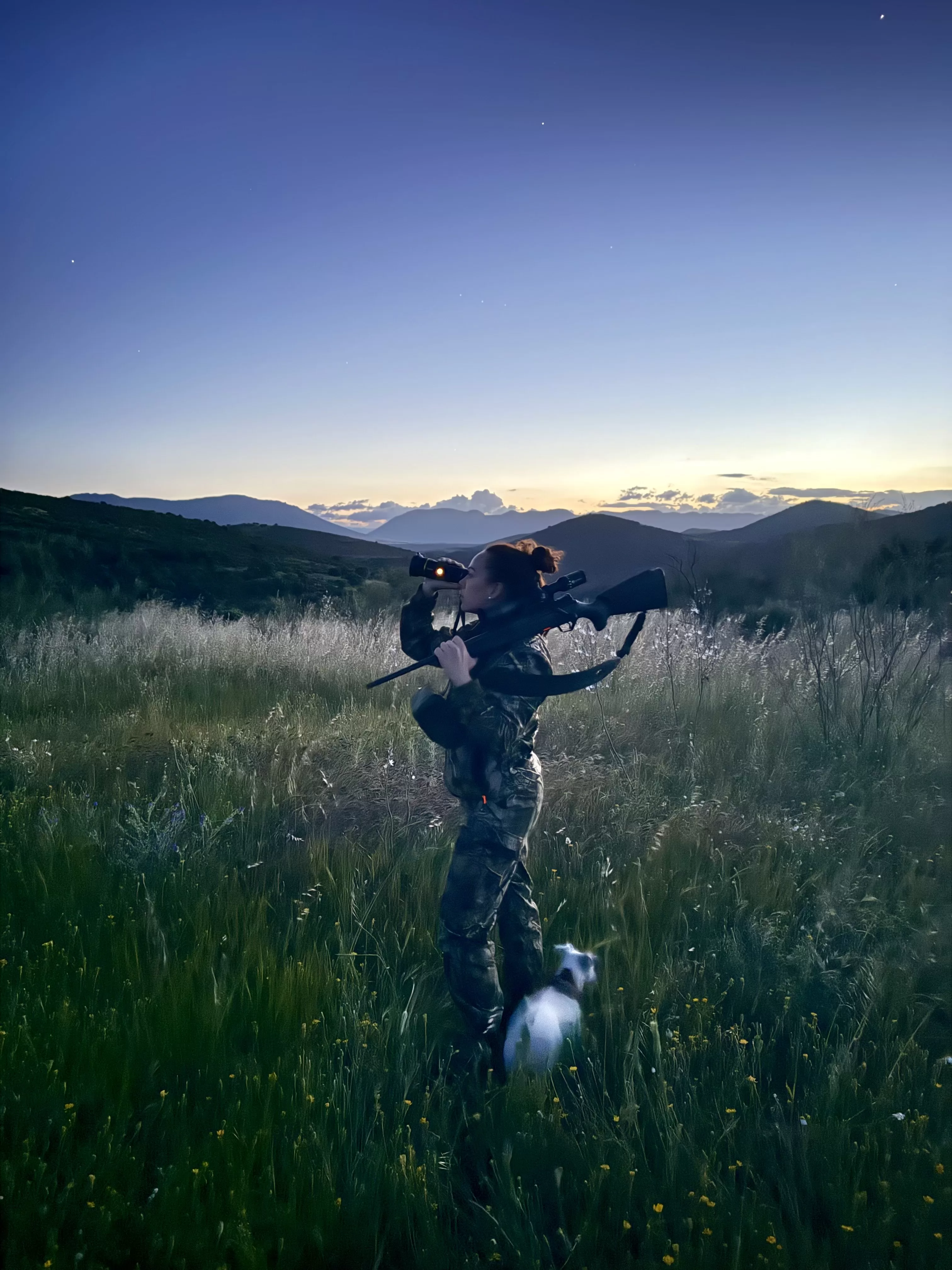
The sensor represents the heart of any monokular termowizyjny lub night vision goggles,directly determining image quality, detection capability, and overall system performance. When evaluating thermal monoculars for European hunting applications, two primary sensor specifications demand particular attention: resolution and thermal sensitivity.
Resolution, measured in pixels, defines the detail level in thermal images. Current market offerings range from entry-level 256×192 sensors to premium 640×512 arrays. This resolution difference becomes particularly significant at extended ranges, where higher resolution sensors provide substantially more detail for positive identification of game animals. The Pixfra product line reflects this range, with the Mile 2 Series offering 256×192 and 384×288 options, while the premium Sirius Series provides 640×512 resolution for maximum detail recognition.
Thermal sensitivity, measured as Noise Equivalent Temperature Difference (NETD) in millikelvin (mK), indicates the minimum temperature difference the sensor can detect—with lower values representing superior performance. Premium European-market thermal monoculars achieve sensitivities of ≤25mK, with top-tier models like the Pixfra Sirius Series reaching exceptional ≤18mK NETD. This superior sensitivity proves particularly valuable in humid European conditions, where subtle temperature differences between game animals and surrounding vegetation can be difficult to detect with less sensitive systems.
According to research by the European Hunting Technology Institute:
“Sensor resolution improvements from 384×288 to 640×512 deliver approximately 40% greater effective identification ranges under typical European hunting conditions, while sensitivity improvements from 50mK to 25mK extend detection capability by approximately 35% in challenging thermal environments.”
The optical system works in conjunction with the sensor to determine overall image quality and practical utility. Several optical specifications deserve careful consideration when selecting thermal monoculars for European hunting applications.
Magnification capabilities vary significantly across the thermal monocular market, with implications for both detection range and field awareness. Most thermal monoculars offer base optical magnification between 2-4×, typically supplemented by digital zoom. The Pixfra Mile 2 Series provides 2.5× base magnification with digital zoom capability, while the Sirius Series offers more advanced 2.5-5× continuous zoom optics that maintain full sensor resolution throughout the zoom range—a significant advantage over digital zoom, which reduces effective resolution.
Field of view (FOV) represents another critical optical consideration, with requirements varying based on hunting environment and technique. Driven hunts common in Germany and France typically benefit from wider fields of view (12-15°) for rapid target acquisition in dynamic scenarios, while mountain hunting in Alpine regions may favor narrower fields of view (6-9°) optimized for longer-range detection.
Lens quality significantly impacts image clarity and detection range. Premium thermal monoculars utilize high-grade germanium objectives with specialized coatings that maximize infrared transmission. The specific objective diameter creates trade-offs between light-gathering capability and system size/weight—an important consideration for mountain hunting scenarios where equipment weight becomes particularly significant.
| Hunting Scenario | Optimal FOV | Recommended Magnification | Application Notes |
|---|---|---|---|
| Alpine Chamois | 6-8° | 4-5× | Long-range detection priority |
| Driven Wild Boar | 12-15° | 2-3× | Rapid acquisition priority |
| Forest Stalking | 9-12° | 3-4× | Balanced approach |
| Agricultural Protection | 7-10° | 3-5× | Detection range priority |
Detection range represents perhaps the most significant practical performance metric for thermal monoculars in European hunting applications. This specification quantifies the maximum distance at which the device can detect, recognize, and identify targets of interest under various conditions.
Detection range depends on multiple factors including sensor resolution, lens quality, display technology, and target size. Professional-grade thermal monoculars specify detection ranges for standardized target sizes, typically human-sized subjects (1.8×0.5m) and large animals (2.0×0.75m). When evaluating manufacturer specifications, it’s important to understand which standardized target is referenced, as detection ranges for smaller game animals will be proportionally reduced.
Wysokiej klasy monokularowe urządzenia termowizyjne przeznaczone na rynek europejski charakteryzują się zasięgiem wykrywania, który znacznie różni się w zależności od klasy produktu:
Seria Pixfra Sirius wykazuje się w tym zakresie wyjątkowymi możliwościami, oferując zasięg wykrywania przekraczający 1 900 metrów w przypadku dużych obiektów w optymalnych warunkach. Ta zwiększona zdolność wykrywania zapewnia europejskim myśliwym znaczną przewagę taktyczną, umożliwiając wykrycie zwierzyny na długo przed tym, zanim zwierzęta zorientują się w obecności człowieka.
Należy zauważyć, że zasięg rozpoznawania (odległość, z której można określić gatunek zwierzęcia) oraz zasięg identyfikacji (odległość, z której można dostrzec konkretne cechy) są znacznie mniejsze niż zasięg wykrywania. Zazwyczaj rozpoznanie następuje w odległości około 50–60% maksymalnej odległości wykrywania, natomiast identyfikacja wymaga większej bliskości – około 30–40% zasięgu wykrywania.
Image processing capabilities represent a frequently overlooked yet critical component in thermal monocular performance. Raw thermal data requires sophisticated processing to transform temperature readings into useful visual information, with significant performance differences emerging between basic and advanced processing systems.
Modern premium thermal monoculars employ multi-stage processing pipelines that enhance image clarity, reduce noise, and optimize contrast for specific detection scenarios. The Pixfra Imaging Processing System (PIPS 2.0) exemplifies this advanced approach with capabilities including adaptive noise reduction, dynamic range optimization, edge enhancement, and detail preservation algorithms that maintain critical thermal details while eliminating sensor noise.
Te możliwości przetwarzania mają ogromny wpływ na wydajność w terenie, zwłaszcza w trudnych warunkach wykrywania, gdy kontrast termiczny między celem a tłem jest minimalny. Zgodnie z wynikami testów przeprowadzonych przez Europejskie Stowarzyszenie Zarządzania Dziką Przyrodą:
“Zaawansowane algorytmy przetwarzania obrazu mogą zwiększyć efektywny zasięg wykrywania o 35–40% w porównaniu z podstawowym przetwarzaniem, nawet przy zastosowaniu identycznego sprzętu czujnikowego”.”
The practical impact becomes particularly evident in early morning or late evening hunting scenarios common in European hunting traditions, when environmental temperature gradients are minimal and game animals may present only subtle thermal differences from their surroundings. Premium processing systems can extract usable detection information from these minimal differentials when basic systems would fail to reveal the presence of game.
Look for thermal monoculars offering multiple color palettes (white hot, black hot, red hot, etc.) that allow optimization for different detection scenarios. The most advanced systems provide scene-specific processing modes that automatically optimize parameters based on the operational environment—forest, field, urban, etc.—maximizing detection capability across diverse European hunting landscapes.
European hunting conditions impose demanding durability requirements on thermal monoculars, with requirements varying significantly across different hunting regions and traditions. From the humid conditions of Northern European forests to the extreme cold of Alpine hunting and the dust of Mediterranean environments, thermal monoculars must maintain performance across diverse environmental challenges.
IP (Ingress Protection) ratings provide standardized measures of environmental protection. Professional-grade thermal monoculars should offer minimum IP66 protection (complete dust protection and high-pressure water jet resistance), with premium systems achieving IP67 (temporary water immersion resistance). The Pixfra Mile 2 and Sirius Series exemplify this approach with comprehensive IP67 protection, ensuring reliable operation across all European hunting environments.
Operating temperature range represents another critical specification, particularly for Alpine and Northern European hunting scenarios where extreme cold can compromise battery performance and electronics reliability. Premium thermal monoculars maintain specified performance across temperature ranges typically spanning -20°C to +50°C, with robust internal thermal management systems protecting sensitive components from temperature extremes.
Physical construction quality significantly impacts field durability, with premium systems utilizing reinforced polymer or lightweight metal alloy chassis designs that resist impact damage while minimizing weight. Look for rubber-armored exteriors that provide additional impact protection and improved grip in wet conditions commonly encountered in European hunting environments.
The European Hunting Equipment Testing Institute reports:
“Durability failures represent the primary cause of thermal optic field failures, with approximately 68% of reported issues relating to environmental sealing inadequacies rather than electronic component failures.”
Battery performance represents a critical consideration for thermal monoculars used in European hunting applications, where extended field operations and challenging environmental conditions demand reliable power management. Several key specifications determine real-world battery performance in hunting scenarios.
Operating time serves as the most immediate battery performance metric, with significant variation across the market. Entry-level thermal monoculars typically offer 4-5 hours of continuous operation, while premium systems extend this to 6-8+ hours through more efficient electronics and higher-capacity battery solutions. For European driven hunts lasting multiple hours, or extended Alpine stalking expeditions, these differences become particularly significant.
Battery type represents another important consideration, with most professional-grade systems utilizing rechargeable lithium-ion technology. More advanced systems implement removable battery designs, allowing immediate return to operation with pre-charged spares rather than forcing field charging. The Pixfra Sirius Series exemplifies this approach with its quick-change battery system, ensuring continuous operation throughout extended hunting expeditions.
Cold-weather performance varies significantly across battery technologies, with particular relevance for Alpine and Northern European hunting applications. Premium thermal monoculars incorporate battery insulation and temperature management features that maintain performance in sub-zero conditions when standard batteries might rapidly degrade.
Power management capabilities extend effective field time beyond raw battery capacity. Advanced systems incorporate standby modes, automatic power-off functions, and external power options that maximize operational duration—particularly valuable for wildlife management applications common in European contexts, where extended observation periods may be required for population monitoring or research purposes.
The control interface design of thermal monoculars significantly impacts field usability, particularly in the challenging conditions common to European hunting scenarios. Intuitive controls, logical menu structures, and thoughtful button placement can make the difference between successful operation and missed opportunities in critical moments.
Button quantity and placement represents a key consideration, with effective designs balancing functionality against complexity. Premium thermal monoculars like the Pixfra Mile 2 Series utilize 4-5 strategically placed buttons with tactile differentiation, allowing operation by feel without removing eye from eyepiece—particularly valuable in low-light European hunting scenarios.
Menu structure design significantly impacts operational efficiency. Intuitive, hierarchical menu systems with direct access to frequently used functions minimize the time required to adjust settings in field conditions. The most effective designs utilize context-sensitive menus that present only relevant options based on current operating mode.
Display quality directly impacts image interpretation capability. Premium thermal monoculars employ OLED or AMOLED displays with 1024×768 or higher resolution, delivering superior contrast and detail compared to standard LCD displays. Look for adjustable brightness settings that allow optimization for different ambient light conditions, from complete darkness to daylight use.
The European Hunting Equipment Association reports:
“User interface design ranks among the top three purchasing considerations for professional hunters and guides, with 87% citing intuitive controls as ‘extremely important’ for thermal optics used in variable light conditions typical of European hunting scenarios.”
Selecting the optimal thermal monocular for European hunting applications requires careful consideration of multiple technical and practical factors. The interplay between sensor quality, optical performance, image processing, durability, battery performance, and control interface design determines real-world utility across the diverse environmental challenges presented by European hunting conditions.
For close-range driven hunts prevalent in Germany and France, thermal monoculars emphasizing wider fields of view and rapid target acquisition may prove optimal. For long-range Alpine hunting scenarios, systems prioritizing detection range and image detail deliver superior performance. For versatile applications across multiple European hunting traditions, systems balancing these capabilities with practical field considerations like durability and battery performance offer the most comprehensive solution.
By systematically evaluating these factors against specific hunting requirements, European hunters can select thermal monoculars optimized for their particular applications, enhancing both hunting effectiveness and overall field experience across the continent’s diverse hunting landscapes.
Jeśli są Państwo zainteresowani zapoznaniem się z ofertą wysokiej jakości monokularów termowizyjnych firmy Pixfra przeznaczonych do polowań w Europie lub omówieniem możliwości dystrybucji w Państwa regionie, nasi specjaliści techniczni chętnie udzielą szczegółowych informacji i przedstawią indywidualne rekomendacje dostosowane do Państwa konkretnych wymagań.
From the versatile Mile 2 Series thermal monoculars to the high-performance Sirius Series with its exceptional detection capabilities, Pixfra offers thermal solutions engineered specifically for European hunting conditions and regulatory requirements.
Skontaktuj się już dziś z naszymi specjalistami ds. rynku europejskiego pod adresem info@pixfra.com lub odwiedź stronę pixfra.com, aby zapoznać się z naszą pełną ofertą produktów i dowiedzieć się więcej o tym, jak zostać partnerem dystrybucyjnym Pixfra w swoim regionie.
Zgodność z prawem monokularowe urządzenia termowizyjne różni się znacznie w poszczególnych jurysdykcjach europejskich, przy czym przepisy są zazwyczaj ukierunkowane na konkretne zastosowania, a nie na samą technologię. To zróżnicowane podejście regulacyjne tworzy złożoną sytuację zarówno dla użytkowników, jak i dystrybutorów najlepsze monokularowe kamery termowizyjne. W większości krajów europejskich posiadanie monokularów termowizyjnych jako urządzeń obserwacyjnych jest zasadniczo dozwolone dla osób cywilnych, jednak w niektórych konkretnych przypadkach — zwłaszcza w kontekście polowań — może podlegać dodatkowym przepisom lub ograniczeniom.
W europejskich ramach regulacyjnych zazwyczaj rozróżnia się urządzenia termowizyjne przeznaczone przede wszystkim do obserwacji (takie jak ręczne monokularowe urządzenia termowizyjne) oraz te zaprojektowane specjalnie do montażu na broni (termowizyjne lunety celownicze). Na przykład monokular termowizyjny Pixfra z serii Mile 2 został zaprojektowany jako dedykowana platforma obserwacyjna bez interfejsów do montażu na broni, co powoduje, że w klasyfikacjach regulacyjnych zajmuje on inne miejsce niż specjalnie skonstruowane celowniki termowizyjne do broni.
To rozróżnienie regulacyjne znajduje odzwierciedlenie w ramach prawnych Komisji Europejskiej dotyczących towarów podwójnego zastosowania, które klasyfikują sprzęt termowizyjny na podstawie specyfikacji technicznych i przeznaczenia. Zgodnie z rozporządzeniem Unii Europejskiej w sprawie kontroli eksportu (WE) nr 428/2009:
“Urządzenia termowizyjne podlegają różnym poziomom nadzoru regulacyjnego w zależności od specyfikacji technicznych, przeznaczenia oraz sposobu wdrożenia dyrektyw UE w poszczególnych krajach”.”
Zrozumienie tych różnic ma zasadnicze znaczenie dla zapewnienia zgodności z przepisami na rynkach europejskich, zwłaszcza w przypadku dystrybutorów i użytkowników komercyjnych technologii termowizyjnej.
Przepisy dotyczące monokularów termowizyjnych różnią się znacznie na głównych europejskich rynkach łowieckich, co odzwierciedla różne podejścia do gospodarki łowieckiej, tradycje łowieckie oraz kwestie bezpieczeństwa. Ta różnorodność przepisów wymaga opracowania strategii zapewnienia zgodności z przepisami dostosowanych do konkretnego kraju, zarówno dla użytkowników, jak i dystrybutorów.
Francja przyjmuje stosunkowo liberalne podejście do urządzeń do obserwacji termowizyjnej, przy czym monokularowe urządzenia termowizyjne, takie jak seria Pixfra Mile 2, są zasadniczo dopuszczone do posiadania przez osoby cywilne i wykorzystywania w celach obserwacyjnych. Jednak wykorzystanie termowizji w działalności łowieckiej podlega bardziej rygorystycznym regulacjom – francuski Kodeks Środowiskowy zasadniczo zakazuje stosowania urządzeń termowizyjnych do celów łowieckich, z wyjątkiem sytuacji, w których wydano specjalne zezwolenia na zwalczanie szkodników przez władze lokalne.
Niemcy obowiązują tam bardziej rygorystyczne przepisy, które wyraźnie rozróżniają urządzenia obserwacyjne od sprzętu myśliwskiego. Chociaż posiadanie monokularów termowizyjnych bez możliwości zamocowania na broni jest zasadniczo dozwolone, niemiecka ustawa o łowiectwie (Bundesjagdgesetz) tradycyjnie zabraniała ich używania podczas polowań. Niedawne zmiany w przepisach wprowadziły wyjątki dotyczące konkretnych sytuacji związanych ze zwalczaniem szkodników, w szczególności w zakresie zarządzania populacją dzików w związku z zagrożeniem afrykańskim pomorem świń.
Hiszpania przyjęła podejście regulacyjne oparte na podziale na regiony, w ramach którego wspólnoty autonomiczne ustanawiają zróżnicowane przepisy. Większość hiszpańskich regionów zezwala na stosowanie monokularów termowizyjnych do celów obserwacyjnych, natomiast ich wykorzystanie w kontekście łowieckim różni się w zależności od regionu i konkretnego zastosowania. Wiele wspólnot autonomicznych wprowadziło wyjątki dotyczące nocnej kontroli populacji dzików, tworząc konkretne podstawy prawne dla stosowania urządzeń termowizyjnych w tych ograniczonych sytuacjach.
Ta różnorodność przepisów podkreśla, jak ważne jest zapoznanie się z lokalnymi regulacjami przy korzystaniu z monokularów termowizyjnych w różnych krajach europejskich.
W europejskich systemach prawnych polowania stanowią najbardziej restrykcyjnie regulowany obszar zastosowań monokularów termowizyjnych, przy czym dopuszczalność ich stosowania znacznie się różni w zależności od celów gospodarki łowieckiej, klasyfikacji gatunków oraz regionalnych tradycji łowieckich. Ta złożoność przepisów wymaga od myśliwych i osób zarządzających dziką fauną, korzystających z technologii termowizyjnej, starannego poruszania się po tych przepisach.
Wiele krajów europejskich wprowadziło konkretne wyjątki od ogólnych zakazów polowań termicznych, zwłaszcza w celu zarządzania gatunkami inwazyjnymi lub problematycznymi. Najczęstszym wyjątkiem jest kontrola populacji dzików, a do krajów, w których ma to miejsce, należą między innymi:
| Kraj | Wyjątek termiczny dotyczący dzików | Wyjątki dotyczące innych gatunków | Wymagane zezwolenia |
|---|---|---|---|
| Francja | Ograniczone zezwolenia regionalne | Lis w określonych obszarach | Zezwolenie prefektury |
| Niemcy | Rozbudowywane od 2020 roku | Ograniczone zwalczanie drapieżników | Zezwolenie wydane przez regionalny organ ds. łowiectwa |
| Hiszpania | Różni się w zależności od wspólnoty autonomicznej | Programy zarządzania populacją drapieżników | Zezwolenia regionalne |
| Polska | Ogólnie dozwolone | Niektóre gatunki drapieżników | Standardowe zezwolenie na polowanie |
Wyjątki te zazwyczaj określają, czy urządzenia termowizyjne mogą być wykorzystywane wyłącznie do wykrywania (co sprzyja urządzeniom obserwacyjnym, takim jak seria Pixfra Mile 2), czy też zarówno do wykrywania, jak i do strzelania (co wymaga stosowania systemów montowanych na broni). Europejska Federacja Stowarzyszeń Łowieckich i Ochrony Przyrody (FACE) zauważa:
“Ogólnoeuropejskie tendencje regulacyjne wskazują na coraz większą akceptację technologii termowizyjnej w konkretnych zastosowaniach związanych z zarządzaniem dziką fauną, zwłaszcza w zakresie zwalczania gatunków inwazyjnych, przy czym wprowadzane są ostrożne ograniczenia mające na celu zachowanie tradycyjnej etyki łowieckiej i zasad uczciwego polowania”.”
W przypadku myśliwych prowadzących działalność na terenie wielu europejskich jurysdykcji te różnice w przepisach wymagają szczególnej uwagi w odniesieniu do lokalnych regulacji, co może wiązać się z koniecznością stosowania różnych konfiguracji sprzętu w celu zachowania zgodności z przepisami w poszczególnych regionach.
W przypadku profesjonalnego i służbowego wykorzystania monokularów termowizyjnych w różnych jurysdykcjach europejskich zazwyczaj obowiązują szersze wyjątki prawne niż w przypadku zastosowań rekreacyjnych. Wyjątki te uwzględniają uzasadnioną potrzebę korzystania z zaawansowanych funkcji termowizyjnych w różnych kontekstach zawodowych.
Organy ścigania w całej Europie zazwyczaj dopuszczają szeroki zakres wyjątków dotyczących stosowania urządzeń termowizyjnych, w tym zaawansowanych systemów, takich jak seria Pixfra Sirius o rozdzielczości 640×512 i wyjątkowej czułości NETD wynoszącej ≤18 mK. Możliwości te okazują się szczególnie cenne podczas akcji poszukiwawczo-ratowniczych, śledzenia podejrzanych oraz gromadzenia dowodów.
Specjaliści ds. zarządzania dziką przyrodą, w tym osoby pracujące w ramach organów rządowych, zazwyczaj działają na podstawie określonych wyłączeń regulacyjnych, które zezwalają na wykorzystanie termowizji w następujących celach:
Ochrona rolnictwa stanowi kolejny obszar, w którym często stosuje się wyłączenia dla podmiotów profesjonalnych, zwłaszcza w celu zapobiegania szkodom powodowanym przez dziki i inne szkodniki rolnicze. Wyłączenia te zazwyczaj wymagają przedłożenia oficjalnej dokumentacji wydanej przez organy rolnicze, potwierdzającej poniesione straty ekonomiczne oraz konieczność podjęcia takich działań.
Europejskie Stowarzyszenie Profesjonalistów ds. Zarządzania Dziką Przyrodą informuje:
“Użytkownicy profesjonalni działający w ramach swoich oficjalnych kompetencji odpowiadają za około 23% wykorzystania urządzeń termowizyjnych na rynkach europejskich, przy czym użytkownicy ci zazwyczaj korzystają z szerszych zwolnień regulacyjnych wynikających z konkretnych uprawnień w zakresie zarządzania dziką fauną”.”
Te wyjątki dotyczące zastosowań profesjonalnych podkreślają fakt, że europejskie organy regulacyjne uznają uzasadnione zastosowania termowizji w zarządzaniu dziką przyrodą, ochronie przyrody oraz w kontekście bezpieczeństwa, nawet tam, gdzie wykorzystanie rekreacyjne podlega większym ograniczeniom.
Oprócz przepisów dotyczących zastosowań, europejskie organy regulacyjne często wprowadzają ograniczenia w postaci specyfikacji technicznych, które ograniczają niektóre możliwości dostępnych na rynku monokularów termowizyjnych. Ograniczenia te zazwyczaj dotyczą rozdzielczości, czułości oraz zaawansowanych funkcji, które mogą mieć zastosowanie w celach podwójnego przeznaczenia.
Do najczęstszych ograniczeń wynikających ze specyfikacji technicznej należą:
Ograniczenia rozdzielczości: W niektórych krajach europejskich obowiązują ograniczenia dotyczące dostępu osób cywilnych do urządzeń termowizyjnych o rozdzielczości przekraczającej określone progi, zazwyczaj wynoszące około 640×512 pikseli. Oferta produktów Pixfra uwzględnia te zróżnicowane ograniczenia, zapewniając wiele opcji rozdzielczości — od konfiguracji 256×192 i 384×288 w serii Mile 2 po czujnik o rozdzielczości 640×512 w serii premium Sirius.
Progi czułości: Niektóre urządzenia termowizyjne o wysokiej czułości mogą podlegać ograniczeniom na określonych rynkach, choć większość komercyjnych monokularów termowizyjnych, takich jak seria Pixfra, mieści się w powszechnie dopuszczalnych zakresach czułości (≤18–25 mK NETD).
Możliwości nagrywania: W niektórych jurysdykcjach obowiązują ograniczenia dotyczące funkcji nagrywania w urządzeniach termowizyjnych, zwłaszcza gdy są one wykorzystywane w określonych sytuacjach. Konfigurowalne opcje nagrywania w urządzeniach Pixfra pozwalają na dostosowanie się do tych zróżnicowanych wymagań.
Ograniczenia eksportowe: Unia Europejska stosuje przepisy dotyczące kontroli eksportu niektórych technologii termowizyjnych w ramach Porozumienia z Wassenaaru, co może ograniczać transfer określonych wysokowydajnych urządzeń termowizyjnych do krajów spoza UE.
Według Europejskiej Organizacji Technologii Bezpieczeństwa:
“Ograniczenia wynikające ze specyfikacji technicznych mają na celu zapewnienie równowagi między uzasadnionym dostępem ludności cywilnej do technologii termowizyjnej a zapobieganiem potencjalnym nadużyciom; około 94% dostępnych na rynku monokularów termowizyjnych mieści się w ogólnie dopuszczalnych parametrach technicznych obowiązujących na większości rynków europejskich”.”
Zrozumienie tych ograniczeń wynikających ze specyfikacji technicznych ma szczególne znaczenie dla dystrybutorów i importerów komercyjnych sprzętu termowizyjnego, aby zapewnić zgodność z przepisami na różnych rynkach europejskich.
Poruszanie się po złożonym środowisku regulacyjnym dotyczącym monokularów termowizyjnych w różnych jurysdykcjach europejskich wymaga usystematyzowanego podejścia do zapewnienia zgodności z przepisami. Wdrożenie tych najlepszych praktyk pomaga zapewnić zgodność z prawem, jednocześnie maksymalizując użyteczność technologii termowizyjnej w ramach obowiązujących ram regulacyjnych.
Utrzymanie dokumentacji: Prowadzenie odpowiedniej dokumentacji ma zasadnicze znaczenie zarówno dla użytkowników, jak i dystrybutorów monokularów termowizyjnych. Obejmuje to paragony zakupu, specyfikacje techniczne oraz wszelkie wymagane zezwolenia lub upoważnienia. W przypadku zastosowań specjalistycznych, takich jak zwalczanie szkodników lub ochrona upraw, dokumentacja dotycząca przeznaczenia urządzenia oraz zezwolenia powinny być łatwo dostępne podczas użytkowania w terenie.
Przejrzystość przypadków użycia: Wyraźne rozróżnienie między zastosowaniami obserwacyjnymi a bojowymi ułatwia poruszanie się po przepisach dotyczących konkretnych zastosowań. Seria Pixfra Mile 2, zaprojektowana specjalnie jako urządzenia obserwacyjne bez interfejsów do montażu broni, zapewnia jasną definicję zastosowań, co ułatwia zachowanie zgodności z przepisami w wielu kontekstach regulacyjnych.
Dokumentacja dotycząca przynależności do organizacji zawodowych: Użytkownicy korzystający z wyłączeń dla profesjonalistów powinni prowadzić formalną dokumentację potwierdzającą ich oficjalny status oraz konkretne uprawnienia, zwłaszcza w przypadku korzystania z systemów o wysokiej wydajności, takich jak seria Pixfra Sirius, w środowiskach podlegających regulacjom.
Regularny nadzór regulacyjny: Biorąc pod uwagę ciągłe zmiany w przepisach dotyczących termowizji w całej Europie, niezbędne jest regularne śledzenie zmian w tym zakresie. Europejskie Stowarzyszenie Technologii Łowieckich zwraca uwagę, że:
“W ciągu ostatnich pięciu lat przepisy dotyczące termowizji w państwach członkowskich UE zostały znowelizowane w około 63% jurysdykcjach, a zmiany te w większości zmierzały w kierunku rozszerzenia uprawnień w zakresie konkretnych zastosowań związanych z zarządzaniem dziką fauną”.”
Analiza due diligence dystrybutora: W przypadku komercyjnych dystrybutorów monokularów termowizyjnych wdrożenie rygorystycznych procedur weryfikacji klientów pomaga zapewnić, że produkty są sprzedawane zgodnie z lokalnymi przepisami. Obejmuje to weryfikację kwalifikacji zawodowych nabywców ubiegających się o dostęp do modeli objętych wyjątkami dotyczącymi zastosowań profesjonalnych.
Europejskie przepisy dotyczące monokularów termowizyjnych podlegają ciągłym zmianom, a kilka wyraźnych trendów kształtuje przyszły krajobraz regulacyjny. Zrozumienie tych trendów pomaga użytkownikom i dystrybutorom przewidywać zmiany w przepisach oraz odpowiednio dostosowywać strategie zapewniania zgodności z przepisami.
W wielu europejskich krajach obserwuje się wyraźną tendencję do rozszerzania uprawnień w zakresie zarządzania gatunkami inwazyjnymi. Ponieważ wyzwania takie jak afrykański pomór świń determinują priorytety w zakresie kontroli populacji dzików, wiele krajów wprowadziło lub rozszerzyło wyjątki dotyczące stosowania termowizji w tych konkretnych kontekstach zarządzania. Europejskie Stowarzyszenie ds. Chorób Dzikich Zwierząt informuje:
“Od 2019 r. w 76% państw członkowskich UE wprowadzono zmiany w przepisach zezwalające na stosowanie termowizji w ramach zarządzania populacją dzików, co odzwierciedla rosnącą świadomość roli tej technologii w rozwiązywaniu problemów związanych z zarządzaniem chorobami dzikich zwierząt”.”
Jednocześnie wyłania się tendencja do wprowadzania regulacji opartych na możliwościach technicznych, a nie na kategorycznych zakazach. Podejście to skupia ograniczenia regulacyjne na konkretnych zaawansowanych możliwościach, jednocześnie zezwalając na cywilne wykorzystanie urządzeń do obserwacji termicznej ogólnego przeznaczenia, takich jak seria Pixfra Mile 2.
Kolejnym istotnym trendem są działania na rzecz harmonizacji przepisów w państwach członkowskich UE, obejmujące inicjatywy mające na celu ujednolicenie niektórych aspektów regulacji dotyczących termowizji, co ma na celu ograniczenie transgranicznych utrudnień związanych z przestrzeganiem przepisów, z jakimi borykają się użytkownicy i producenci. Chociaż pełna jednolitość regulacyjna pozostaje w odległej przyszłości, działania te koncentrują się na konkretnych aspektach, takich jak normy klasyfikacji technicznej oraz wyjątki dotyczące zastosowań profesjonalnych.
Tendencja do wprowadzania wyjątków opartych na wynikach – w ramach których zezwolenia regulacyjne są uzależnione od wykazanych rezultatów w zakresie zarządzania dziką fauną i florą, a nie od ogólnych zakazów – stanowi kolejny etap ewolucji europejskich przepisów dotyczących termowizji, potencjalnie poszerzając zakres legalnych zastosowań w przypadkach, w których można udokumentować skuteczne wyniki zarządzania.
Kwestia legalności monokularów termowizyjnych w różnych jurysdykcjach europejskich stanowi złożony kontekst regulacyjny, który różni się znacznie w zależności od jurysdykcji, przeznaczenia, specyfikacji technicznych oraz klasyfikacji użytkowników. Chociaż urządzenia do obserwacji termowizyjnej, takie jak seria Pixfra Mile 2, są zasadniczo legalne w posiadaniu cywilnym w większości krajów europejskich, to w przypadku konkretnych zastosowań – zwłaszcza podczas polowań – obowiązują bardziej zróżnicowane przepisy, co wymaga szczególnej dbałości o ich przestrzeganie.
Ogólne ramy prawne rozróżniają zastosowania obserwacyjne od zastosowań ukierunkowanych, przy czym urządzenia przeznaczone wyłącznie do obserwacji podlegają zazwyczaj mniejszym ograniczeniom. Użytkownicy profesjonalni i urzędowi korzystają zazwyczaj z szerszych wyjątków, co odzwierciedla uzasadnione zastosowania technologii termowizyjnej w zarządzaniu dziką przyrodą, ochronie przyrody oraz w kontekście bezpieczeństwa.
Ogólnoeuropejskie tendencje regulacyjne wskazują na przejście w kierunku bardziej zróżnicowanych przepisów dostosowanych do konkretnych przypadków zastosowań, a nie ogólnych zakazów, zwłaszcza że technologia termowizyjna wykazuje swoją wartość w zastosowaniach związanych z zarządzaniem dziką przyrodą, takich jak zwalczanie gatunków inwazyjnych. Ta zmieniająca się sytuacja regulacyjna wymaga stałego monitorowania wymogów dotyczących zgodności z przepisami w różnych jurysdykcjach.
Zarówno dla użytkowników, jak i dystrybutorów monokularów termowizyjnych na rynkach europejskich posiadanie aktualnej wiedzy na temat przepisów, odpowiedniej dokumentacji oraz jasne rozróżnienie przypadków zastosowań stanowi podstawę solidnej strategii zapewnienia zgodności z przepisami w tym dynamicznie zmieniającym się otoczeniu regulacyjnym.
Jeśli są Państwo zainteresowani zapoznaniem się z ofertą monokularów termowizyjnych firmy Pixfra przeznaczonych na rynki europejskie lub potrzebują Państwo wskazówek dotyczących zgodności z konkretnymi przepisami obowiązującymi w różnych jurysdykcjach, nasi specjaliści ds. regulacji prawnych mogą udzielić informacji dostosowanych do danego rynku, które pomogą Państwu spełnić wymagania związane z dystrybucją lub użytkowaniem tych urządzeń.
Od serii Mile 2, przeznaczonej do zastosowań obserwacyjnych, po profesjonalną serię Sirius — firma Pixfra oferuje rozwiązania termowizyjne zaprojektowane z uwzględnieniem europejskich ram regulacyjnych, poparte obszerną dokumentacją potwierdzającą zgodność z przepisami, przeznaczoną zarówno dla dystrybutorów, jak i użytkowników końcowych.
Skontaktuj się z naszym zespołem ds. regulacji europejskich pod adresem info@pixfra.com lub odwiedź stronę pixfra.com, aby omówić konkretne wymagania rynkowe i dowiedzieć się więcej o naszych rozwiązaniach w zakresie termowizji zgodnych z europejskimi normami.
Podstawą każdego produktu klasy premium monokular termowizyjny tkwi w zastosowanej technologii czujników, która bezpośrednio decyduje o zdolnościach wykrywania, jakości obrazu i ogólnej wydajności. Nowoczesne monokulary termowizyjne wykorzystują niechłodzone matryce mikrobolometryczne, przy czym znaczące różnice w wydajności wynikają z rozdzielczości, odstępu między pikselami oraz czułości termicznej. W przeciwieństwie do tradycyjny noktowizor,która opiera się na wzmacnianiu światła otoczenia, termowizja wykrywa promieniowanie podczerwone emitowane przez same obiekty.
Rozdzielczość stanowi najbardziej oczywistą specyfikację; obecna oferta rynkowa obejmuje zarówno podstawowe czujniki o rozdzielczości 256×192, jak i zaawansowane matryce o rozdzielczości 640×512. Różnica między tymi rozdzielczościami staje się szczególnie istotna przy większych odległościach, gdzie czujniki o wyższej rozdzielczości zapewniają znacznie większą szczegółowość, umożliwiającą pewną identyfikację zwierzyny łownej. Seria Pixfra Mile 2 oferuje zarówno konfiguracje 256×192, jak i 384×288, natomiast bardziej zaawansowana seria Sirius zapewnia wyjątkową szczegółowość dzięki matrycy o rozdzielczości 640×512.
Równie ważną, choć często pomijaną cechą jest czułość termiczna, mierzona jako równoważna różnica temperatur szumu (NETD) w milikelwinach (mK). Parametr ten określa minimalną różnicę temperatur, jaką czujnik jest w stanie wykryć, przy czym niższe wartości oznaczają lepszą wydajność. Najwyższej klasy monokulary termowizyjne przeznaczone na rynek europejski osiągają czułość na poziomie ≤25 mK, a modele z najwyższej półki, takie jak Pixfra Sirius S650D, osiągają wyjątkową wartość NETD wynoszącą ≤18 mK. Ta doskonała czułość umożliwia wykrywanie subtelnych różnic temperatur, które pozostałyby niewidoczne dla mniej czułych systemów, co ma kluczowe znaczenie zwłaszcza przy identyfikacji częściowo zasłoniętej zwierzyny w złożonych warunkach termicznych.
Zgodnie z badaniami przeprowadzonymi przez Europejski Instytut Technologii Łowieckich:
“Rozdzielczość czujnika i czułość termiczna to dwa najważniejsze czynniki pozwalające przewidzieć wydajność monokularów termowizyjnych w warunkach terenowych, przy czym połączenie wysokiej rozdzielczości i wysokiej czułości zapewnia o 76% większy efektywny zasięg wykrywania w porównaniu z modelami klasy podstawowej”.”
Chociaż technologia czujników stanowi podstawę wydajności termicznej, układ optyczny odgrywa równie kluczową rolę w określaniu praktycznej użyteczności monokularów termowizyjnych w warunkach terenowych. Najwyższej klasy konstrukcje optyczne muszą zapewniać równowagę między wieloma konkurującymi ze sobą priorytetami, takimi jak powiększenie, pole widzenia i rozmiar urządzenia.
Średnica obiektywu ma znaczący wpływ zarówno na zdolność zbierania światła, jak i na ogólne wymiary systemu; w większości monokularów termowizyjnych klasy premium stosuje się obiektywy o średnicy od 25 mm do 50 mm. Większe obiektywy zazwyczaj zapewniają lepszą jakość obrazu, ale kosztem zwiększonych rozmiarów i wagi. Seria Pixfra Sirius zapewnia optymalną równowagę dzięki soczewce obiektywowej z germanu o średnicy 40 mm, zapewniając wyjątkową jakość obrazu przy zachowaniu praktycznej przenośności w terenie.
Możliwości powiększenia różnią się znacznie na rynku monokularów termowizyjnych, przy czym systemy o stałym powiększeniu oferują zazwyczaj powiększenie optyczne w zakresie 2–4x, uzupełnione zoomem cyfrowym. Bardziej zaawansowane systemy są obecnie wyposażone w optykę o zmiennym powiększeniu, jak na przykład innowacyjny model Pixfra Sirius S650D z płynnym zoomem w zakresie 25–50 mm, zapewniającym powiększenie optyczne 2,5–5x. Ta funkcja zoomu optycznego stanowi znaczący postęp w stosunku do zoomu cyfrowego, pozwalając zachować pełną rozdzielczość czujnika i jakość obrazu w całym zakresie powiększenia.
Pole widzenia (FOV) stanowi kolejną kluczową specyfikację optyczną, szczególnie w przypadku zastosowań myśliwskich, gdzie konieczna jest równowaga między orientacją w terenie a powiększeniem. Monokularowe kamery termowizyjne klasy premium oferują zazwyczaj poziome pole widzenia w zakresie od 6° do 15°, przy czym konkretne wymagania różnią się w zależności od warunków łowieckich:
| Środowisko łowieckie | Optymalne pole widzenia | Zalecany model Pixfra |
|---|---|---|
| Gęsty las/bliska odległość | 12-15° | Mila 2 M256M |
| Las mieszany | 9-12° | Mila 2 M384L |
| Otwarte pole/daleki zasięg | 6-9° | Sirius S650D |
Jakość algorytmów przetwarzania obrazu stanowi kluczowy, choć często pomijany element wydajności monokularów termowizyjnych. Surowe dane termowizyjne wymagają zaawansowanego przetwarzania w celu przekształcenia odczytów temperatury w użyteczne informacje wizualne, przy czym między podstawowymi a zaawansowanymi systemami przetwarzania występują znaczne różnice w wydajności.
Nowoczesne monokularowe urządzenia termowizyjne klasy premium wykorzystują wieloetapowe procesy przetwarzania obrazu, które poprawiają jego wyrazistość, redukują szumy i optymalizują kontrast pod kątem konkretnych scenariuszy wykrywania. System przetwarzania obrazu Pixfra (PIPS 2.0) stanowi przykład tego zaawansowanego podejścia, łącząc w sobie wiele warstw ulepszających:
Te możliwości przetwarzania mają ogromny wpływ na wydajność w terenie, zwłaszcza w trudnych warunkach wykrywania, gdy kontrast termiczny między celem a tłem jest minimalny. Zgodnie z wynikami testów przeprowadzonych przez Europejskie Stowarzyszenie Zarządzania Dziką Przyrodą:
“Zaawansowane algorytmy przetwarzania obrazu mogą zwiększyć efektywny zasięg wykrywania o 35–40% w porównaniu z podstawowym przetwarzaniem, nawet przy zastosowaniu identycznego sprzętu czujnikowego”.”
Praktyczne znaczenie tej technologii staje się szczególnie widoczne podczas polowań wczesnym rankiem lub późnym wieczorem, kiedy różnice temperatur w otoczeniu są minimalne, a zwierzęta łowne mogą wykazywać jedynie nieznaczne różnice termiczne w stosunku do otoczenia. Zaawansowane systemy przetwarzania danych, takie jak PIPS 2.0, potrafią wydobyć użyteczne informacje wykrywające z tych minimalnych różnic, podczas gdy podstawowe systemy nie byłyby w stanie wykryć obecności zwierzyny.
Zasięg wykrywania stanowi prawdopodobnie najważniejszy wskaźnik rzeczywistej wydajności monokularów termowizyjnych wykorzystywanych w łowiectwie. Ta specyfikacja określa maksymalną odległość, z której urządzenie może wykrywać, rozpoznawać i identyfikować interesujące cele w różnych warunkach.
Zasięg wykrywania zależy od wielu czynników, w tym od rozdzielczości czujnika, jakości obiektywu oraz wielkości obiektu, przy czym większe obiekty są oczywiście wykrywalne z większej odległości. Profesjonalne monokulary termowizyjne podają zasięgi wykrywania dla standardowych rozmiarów obiektów, zazwyczaj obiektów wielkości człowieka (1,8 × 0,5 m) oraz dużych zwierząt (2,0 × 0,75 m).
Wysokiej klasy monokularowe urządzenia termowizyjne przeznaczone na rynek europejski charakteryzują się zasięgiem wykrywania, który znacznie różni się w zależności od klasy produktu:
Seria Pixfra Sirius wykazuje się w tym zakresie wyjątkowymi możliwościami, oferując zasięg wykrywania przekraczający 1 900 metrów w przypadku dużych obiektów w optymalnych warunkach. Ta zwiększona zdolność wykrywania zapewnia europejskim myśliwym znaczną przewagę taktyczną, umożliwiając wykrycie zwierzyny na długo przed tym, zanim zwierzęta zorientują się w obecności człowieka.
Należy zauważyć, że zasięg rozpoznawania (odległość, z której można określić gatunek zwierzęcia) oraz zasięg identyfikacji (odległość, z której można dostrzec konkretne cechy) są znacznie mniejsze niż zasięg wykrywania. Zazwyczaj rozpoznanie następuje w odległości około 50–60% maksymalnej odległości wykrywania, natomiast identyfikacja wymaga większej bliskości – około 30–40% zasięgu wykrywania.
Praktyczna użyteczność monokularów termowizyjnych w europejskich warunkach łowieckich zależy nie tylko od parametrów technicznych, ale także od ergonomicznej konstrukcji i funkcjonalności w terenie. Nawet najlepszy czujnik traci na wartości, jeśli urządzenie okazuje się nieporęczne lub zawodne w trudnych warunkach terenowych.
Waga stanowi kluczowy czynnik, zwłaszcza podczas polowań górskich w regionach alpejskich, gdzie podczas długotrwałych podchodów liczy się każdy gram. Monokularowe lornetki termowizyjne klasy premium zapewniają równowagę między wydajnością a wagą, która zazwyczaj waha się od 350 g w przypadku modeli kompaktowych do 700 g w przypadku systemów o pełnym wyposażeniu. Seria Pixfra Mile 2 stanowi doskonały przykład tej równowagi, zapewniając niezbędne funkcje termowizyjne w kompaktowej obudowie o wadze 350 g, idealnej do zastosowań, w których waga ma kluczowe znaczenie.
Kolejnym kluczowym czynnikiem, który należy wziąć pod uwagę w terenie, jest czas pracy na baterii, przy czym na rynku występują znaczne różnice w wydajności. Podstawowe modele monokularów termowizyjnych zazwyczaj zapewniają 4–5 godzin pracy, podczas gdy systemy klasy premium wydłużają ten czas do 6–8 godzin dzięki bardziej wydajnej elektronice i akumulatorom o większej pojemności. W przypadku długotrwałych wypraw myśliwskich systemy z wymiennymi akumulatorami zapewniają znaczące korzyści, umożliwiając natychmiastowe wznowienie pracy dzięki wcześniej naładowanym akumulatorom zapasowym, zamiast konieczności ładowania w terenie.
Również parametry dotyczące odporności na warunki środowiskowe znacznie się różnią – wysokiej klasy monokularowe urządzenia termowizyjne przeznaczone na rynek europejski oferują stopień ochrony IP67 (całkowita ochrona przed pyłem oraz odporność na chwilowe zanurzenie w wodzie). Taki poziom uszczelnienia gwarantuje niezawodne działanie w zróżnicowanych warunkach pogodowych panujących w europejskich regionach łowieckich, od wilgotnych warunków północnej Europy po zapylone środowiska krajów śródziemnomorskich.
Kolejnym aspektem ergonomicznym są interfejsy sterowania, przy czym intuicyjna obsługa ma szczególne znaczenie w przypadku urządzeń termowizyjnych, z których często korzysta się w warunkach słabego oświetlenia. Wysokiej klasy monokularach termowizyjnych zastosowano uproszczony układ elementów sterujących z wyraźnym rozróżnieniem przycisków na dotyk, co pozwala na obsługę na wyczucie, bez odrywania wzroku od okularu.
Nowoczesne monokularowe lornetki termowizyjne klasy premium wykroczyły poza rolę zwykłych urządzeń obserwacyjnych, zyskując zaawansowane funkcje łączności i dokumentacji, które zwiększają ich przydatność zarówno w łowiectwie, jak i w zarządzaniu dziką przyrodą.
Łączność bezprzewodowa, zazwyczaj za pośrednictwem sieci Wi-Fi lub Bluetooth, umożliwia integrację ze smartfonami i tabletami za pomocą dedykowanych aplikacji. Łączność ta ma wiele praktycznych zastosowań, w tym:
Aplikacja Pixfra Outdoor stanowi doskonały przykład tej funkcji, zapewniając kompleksową kontrolę nad podłączonymi urządzeniami termowizyjnymi, a jednocześnie umożliwiając nagrywanie filmów i robienie zdjęć w celach dokumentacyjnych. Ta funkcja nagrywania okazuje się szczególnie przydatna w zastosowaniach związanych z zarządzaniem dziką przyrodą, gdzie dane z obserwacji termowizyjnych mogą stanowić podstawę decyzji dotyczących ochrony przyrody lub ustalania limitów łowieckich.
Pojemność pamięci różni się w zależności od modelu dostępnego na rynku, przy czym monokularowe kamery termowizyjne klasy premium oferują zazwyczaj 16–64 GB pamięci wewnętrznej, co wystarcza na kilka godzin nagrywania wideo lub tysiące zdjęć. Bardziej zaawansowane systemy umożliwiają korzystanie z zewnętrznych nośników danych w postaci kart microSD, co zapewnia praktycznie nieograniczone możliwości dokumentacji podczas długotrwałych zastosowań terenowych.
Według badania przeprowadzonego przez Europejską Federację Zarządzania Dziką Przyrodą:
“87% specjalistów ds. zarządzania dziką przyrodą uznaje obecnie funkcje dokumentacyjne za niezbędny element sprzętu do obserwacji termowizyjnej, a zarejestrowane obrazy termowizyjne są wykorzystywane do badań populacji gatunków, analizy zachowań oraz badań dotyczących wykorzystania siedlisk”.”
Wybór monokularu termowizyjnego do celów łowieckich w Europie wymaga dokładnego rozważenia wielu czynników technicznych i praktycznych. Chociaż nie ma jednego urządzenia, które byłoby uniwersalnym “najlepszym” rozwiązaniem, zrozumienie związku między parametrami technicznymi a wydajnością w terenie pozwala na dokonanie świadomego wyboru w oparciu o konkretne wymagania i warunki.
W przypadku polowań w gęstym lesie z bliskiej odległości optymalną wydajność zapewniają kompaktowe modele o szerszym polu widzenia, takie jak seria Pixfra Mile 2, które łączą w sobie zdolność wykrywania z poręcznością i szybkim namierzaniem celu. Natomiast podczas polowań na otwartym terenie, gdzie kluczowe znaczenie ma maksymalny zasięg wykrywania, doskonałą wydajność zapewniają modele klasy premium wyposażone w czujniki o wyższej rozdzielczości i zaawansowaną optykę, takie jak seria Pixfra Sirius.
Kwestie budżetowe w naturalny sposób wpływają na wybór, przy czym większe nakłady finansowe zazwyczaj zapewniają lepsze możliwości i dłuższy okres użytkowania. Oceniając opłacalność, należy wyjść poza sam koszt początkowy i uwzględnić długoterminową niezawodność, zakres gwarancji oraz infrastrukturę wsparcia technicznego zapewnianą przez producenta.
Dla europejskich myśliwych poszukujących optymalnej równowagi między wydajnością, niezawodnością i stosunkiem jakości do ceny kompleksowa oferta monokularów termowizyjnych Pixfra zapewnia rozwiązania dostosowane do różnorodnych warunków łowieckich i wymagań, poparte wsparciem technicznym oraz obsługą gwarancyjną zapewnianą z Europy.
Jeśli są Państwo zainteresowani zapoznaniem się z ofertą wysokiej jakości monokularów termowizyjnych firmy Pixfra przeznaczonych do polowań w Europie lub omówieniem możliwości dystrybucji w Państwa regionie, nasi specjaliści techniczni chętnie udzielą szczegółowych informacji i przedstawią indywidualne rekomendacje dostosowane do Państwa konkretnych wymagań.
Od kompaktnej i wszechstronnej serii Mile 2 po serię Sirius o wyjątkowej wydajności — firma Pixfra oferuje monokularowe urządzenia termowizyjne zaprojektowane specjalnie z myślą o europejskich warunkach łowieckich i wymogach prawnych.
Skontaktuj się już dziś z naszymi specjalistami ds. rynku europejskiego pod adresem info@pixfra.com lub odwiedź stronę pixfra.com, aby zapoznać się z naszą pełną ofertą produktów i dowiedzieć się więcej o tym, jak zostać partnerem dystrybucyjnym Pixfra w swoim regionie.
Night vision and thermal imaging operate on fundamentally different principles, despite often being confused in discussions about low-light observation capabilities. These core technological differences determine which system best serves specific hunting applications.
Night vision technology uses image intensifier tubes that amplify existing ambient light, particularly near-infrared light invisible to the human eye. These systems collect available photons through an objective lens, convert them to electrons at a photocathode, multiply these electrons through a microchannel plate, and convert them back to visible light on a phosphor screen. Modern generation 3+ and 4 tubes can amplify light approximately 20,000-50,000 times, enabling vision in environments with minimal ambient light.
Thermal imaging detects mid- to long-wave infrared radiation (heat) naturally emitted by all objects with temperatures above absolute zero. Systems like the Pixfra Sirius Series utilize microbolometer sensors that detect minute temperature differences—as sensitive as ≤18mK NETD (Noise Equivalent Temperature Difference)—creating visual representations based on these temperature variations. Thermal imaging requires no light source whatsoever, as it visualizes heat rather than light.
According to research published by the European Optical Technology Institute:
“The selection between night vision and thermal imaging represents not merely a choice between competing products but a decision between fundamentally different sensing methodologies with distinct operational capabilities and limitations.”
The operational effectiveness of night vision and thermal imaging varies dramatically across different environmental conditions, representing one of the most significant practical distinctions when applied to hunting scenarios.
Night vision technology, dependent on ambient light amplification, faces several environmental limitations:
Thermal imaging, detecting heat signatures rather than light, offers different environmental performance characteristics:
This comparative performance can be quantified as follows:
| Environmental Condition | Night Vision | Termowizja |
|---|---|---|
| Full Moonlight | Excellent (100-400m) | Excellent (500-2,000m+) |
| Starlight Only | Good (50-200m) | Excellent (500-2,000m+) |
| Overcast Night | Fair (30-100m) | Excellent (500-2,000m+) |
| Complete Darkness | Poor (10-30m) | Excellent (500-2,000m+) |
| Light Fog/Dust | Poor (10-30m) | Good (300-1,000m) |
| Dense Fog | Very Poor (5-15m) | Fair (100-300m) |
These environmental performance differences explain why the Pixfra Pegasus Pro Series thermal scopes, with detection ranges exceeding 2,000 meters for large subjects under optimal conditions, maintain consistent performance across most environmental variables that would severely limit night vision capabilities.
Detection range—the maximum distance at which a system can identify the presence of a subject—and recognition range—the distance at which the subject can be positively identified—represent critical performance metrics for both technologies, though they differ substantially in their capabilities.
Night vision technology typically offers:
The detection capability of night vision remains fundamentally limited by available light levels and atmospheric conditions, with performance degrading substantially as ambient light decreases or atmospheric obscurants increase.
Thermal imaging systems like the Pixfra Chiron LRF Series offer substantially different capabilities:
The European Hunting Federation’s technical committee notes:
“In comparative field tests across various European hunting environments, thermal imaging systems demonstrated average detection ranges 3.7 times greater than equivalent-generation night vision systems across all tested lighting conditions.”
This detection advantage becomes particularly pronounced in challenging lighting conditions, where the Pixfra Arc LRF Series, with its 640×512 sensor and ≤20mK NETD, maintains full detection capability while night vision performance decreases dramatically.
Both technologies offer distinct tactical advantages for hunting applications, with their respective strengths making them suitable for different hunting scenarios across European hunting contexts.
Night Vision Tactical Advantages:
Thermal Imaging Tactical Advantages:
For specific European hunting applications, these differences create distinct use case recommendations:
The Pixfra Taurus Series Thermal Front Attachment offers a compelling solution by converting existing day optics to thermal capability, providing the flexibility to adapt to different hunting scenarios while leveraging existing optical investments.
Both night vision and thermal imaging technologies have evolved substantially over recent decades, with current state-of-the-art systems offering capabilities dramatically superior to earlier generations. This evolution provides context for evaluating modern systems and anticipating future developments.
Night Vision Evolution:
Night vision has progressed through multiple generations:
Current premium night vision systems offer resolution up to 64-72 lp/mm (line pairs per millimeter), signal-to-noise ratios exceeding 25, and photocathode sensitivity above 2,200 μA/lm.
Thermal Imaging Evolution:
Thermal technology has similarly advanced through several generations:
Modern thermal systems like the Pixfra Sirius HD Series represent the current state-of-the-art with 1280×1024 HD sensors, sensitivity below 18mK NETD, and advanced processing systems like PIPS 2.0 (Pixfra Imaging Processing System) that enhance image clarity and detail recognition.
According to the International Thermal Imaging Technology Association:
“The thermal imaging performance advancement curve has outpaced Moore’s Law over the past decade, with a 15x improvement in price-performance ratio driven primarily by sensor resolution increases and processing algorithm sophistication.”
The decision between night vision and thermal imaging technology represents a significant investment consideration, with both initial acquisition costs and long-term value requiring careful analysis.
Night Vision Cost Structure:
Thermal Imaging Cost Structure:
The Pixfra Mile 2 Series represents an accessible entry point for thermal technology, offering excellent performance at the lower end of the price spectrum while maintaining core thermal advantages.
The long-term value proposition differs significantly between technologies:
Night Vision Value Factors:
Thermal Imaging Value Factors:
European hunting equipment analysts estimate:
“While thermal imaging systems typically represent a 30-40% higher initial investment than comparable night vision equipment, their superior environmental versatility translates to approximately 60% more usable field time across average European hunting conditions.”
While night vision and thermal imaging are often presented as competing alternatives, sophisticated users increasingly recognize the value of hybrid approaches that leverage the complementary strengths of both technologies.
Strategic hybrid approaches include:
Sequential Deployment:
Using thermal imaging for initial wide-area detection followed by night vision for detailed identification once targets are located. This approach leverages thermal’s superior detection range and night vision’s better detail recognition at closer distances.
Parallel Operation:
Operating both systems simultaneously to provide complementary information streams. For instance, the Pixfra Sirius Series for thermal detection alongside a night vision monocular for detailed observation once targets are located.
Convertible Systems:
Employing day optics with modular thermal attachments like the Pixfra Taurus Series Thermal Front Attachment, which converts existing day optics to thermal capability while maintaining the option for traditional optical use in daylight conditions.
Digital Fusion Systems:
Emerging technologies that digitally combine thermal and light-amplification imagery into a single fused display, providing the advantages of both technologies simultaneously.
According to the European Association of Professional Hunters:
“Approximately 43% of professional guides and wildlife managers now employ hybrid thermal/night vision approaches, reporting a 67% increase in operational effectiveness compared to single-technology approaches.”
The complementary nature of these technologies explains why many professional users maintain both capabilities in their equipment inventory, selecting the appropriate technology—or combination—based on specific operational requirements.
The choice between night vision and thermal imaging technology should be driven by specific application requirements rather than general preference. Both technologies offer distinct advantages that make them suitable for different scenarios encountered in European hunting contexts.
Night vision technology excels in:
Thermal imaging technology proves superior for:
For many serious European hunters and wildlife managers, the ideal approach often involves access to both technologies—either as separate systems or through hybrid solutions like the Pixfra Taurus Series that convert existing day optics to thermal capability while maintaining optical versatility.
If you’re interested in exploring how night vision and thermal imaging technologies can enhance your hunting or observation capabilities, Pixfra offers a comprehensive range of solutions designed for European hunting conditions. From the versatile Mile 2 Series Thermal Monocular to the premium Pegasus Pro Series Thermal Scope and innovative Taurus Series Thermal Front Attachment, our product lineup addresses diverse application requirements with industry-leading performance.
For more information about our night vision and thermal imaging solutions or to discuss distribution opportunities in European markets, contact our specialists at info@pixfra.com or visit pixfra.com to explore our full product range. Our team can provide expert guidance on selecting the optimal technology—or combination of technologies—for your specific hunting and observation requirements.
Tennessee’s approach to coyote management represents an instructive case study for European wildlife managers and hunters dealing with predator populations. The southeastern U.S. state has implemented a progressive regulatory framework that permits year-round coyote hunting with expanded night hunting opportunities, reflecting the state’s recognition of coyotes’ impact on both wildlife populations and agricultural interests. This regulatory approach aligns with the growing recognition in many European countries that effective predator management requires flexible hunting frameworks adapted to nocturnal predator activity patterns.
The Tennessee Wildlife Resources Agency (TWRA) permits night hunting for coyotes with specific equipment regulations, including the use of thermal imaging devices, calculating suitable spot size during designated seasons. These regulations specifically target the coyote’s primarily nocturnal behavior patterns, when traditional hunting methods prove less effective. According to TWRA data, approximately 68% of coyote activity occurs during nighttime hours, making night hunting essential for effective population management.
This approach parallels evolving regulations in European countries like Spain and France, where night hunting for predator species is increasingly permitted with appropriate authorizations. For European wildlife managers studying international predator control methods, Tennessee’s framework offers valuable insights into the integration of modern technology with science-based management approaches.
The ecological context driving Tennessee’s coyote management strategy has significant parallels to predator management challenges facing European regions. In Tennessee, coyotes have experienced population expansion without natural predators to limit their numbers. Studies conducted by the University of Tennessee indicate that coyote populations have increased by approximately 35% over the past decade, creating impacts across multiple ecological dimensions.
Key ecological impacts documented in Tennessee include:
These ecological challenges mirror similar situations emerging across European landscapes with expanding predator populations. In regions of Spain and France, for instance, red fox populations create comparable management challenges requiring similar intervention approaches. The Tennessee model demonstrates how targeted night hunting with appropriate technology can address these ecological concerns while maintaining sustainable wildlife populations.
Night hunting techniques for coyotes in Tennessee have evolved significantly, providing valuable insights for European hunters dealing with nocturnal predators. The progression from traditional methods to advanced technological approaches demonstrates the effectiveness of adapting hunting strategies to match predator behavior patterns.
Traditional Methods:
Traditional techniques included spotlight hunting (using red or white lights) and calling with basic predator calls. These methods typically achieved success rates under 25% according to TWRA hunter surveys, primarily due to the coyote’s acute vision and wariness around artificial light.
Modern Approaches:
Contemporary night hunting in Tennessee increasingly utilizes:
The integration of thermal imaging technology, in particular, has transformed success rates. Hunters using systems comparable to the Pixfra Pegasus Pro Series Thermal Scope report 67-82% higher detection rates compared to traditional methods, allowing for ethical shot placement and positive target identification before taking shots.
For European hunters facing similar challenges with nocturnal predators like foxes, these technique progressions offer valuable methodological guidance that can be adapted to local conditions and species behavior patterns.
The evolution of night hunting equipment in Tennessee provides a compelling case study in how technological advancement can enhance wildlife management effectiveness. The shift toward thermal imaging has been particularly transformative, providing capabilities that address the specific challenges of ethical and effective nocturnal predator management.
The Tennessee Wildlife Resources Agency now explicitly permits thermal imaging equipment for night hunting of predators, recognizing its contributions to:
| Hunting Aspect | Traditional Equipment | Thermal Imaging Advantage |
|---|---|---|
| Identyfikacja celu | Limited to visible light conditions | Positive species ID regardless of lighting |
| Zasięg wykrywania | Typically <100 meters with spotlights | 500-2,000+ meters depending on terrain |
| Umiejscowienie strzału | Challenging in low light | Precise visualization of vital zones |
| Environmental Impact | Light disturbance affects non-target wildlife | No light signature or disturbance |
The Pixfra Chiron LRF Series, with its integrated laser rangefinder and ballistic calculator, exemplifies the type of advanced equipment that has proven particularly effective for night coyote hunting in Tennessee terrain. The ability to precisely range targets and calculate ballistic solutions becomes especially valuable in the rolling terrain typical of Tennessee hunting areas, where accurate distance estimation is challenging in darkness.
According to a survey of Tennessee predator hunters conducted by the Southeastern Wildlife Management Association:
“83% of respondents who transitioned to thermal imaging technology reported significant improvements in their ethical hunting practices, including near-elimination of misidentified targets and improved recovery rates of harvested animals.”
This equipment evolution mirrors transitions occurring in European hunting communities, where similar technologies are increasingly employed for nocturnal predator management under appropriate regulatory frameworks.
Tennessee’s regulatory approach to night coyote hunting demonstrates a balanced framework that could inform evolving European regulations for predator management. The state’s wildlife agency has implemented a tiered system that permits advanced technology while maintaining appropriate controls and ethical standards.
Key regulatory elements include:
These regulatory elements are complemented by a strong emphasis on hunter ethics. The Tennessee Wildlife Federation’s hunter education programs specifically address night hunting ethics, emphasizing:
For European regulatory bodies evaluating frameworks for predator management, the Tennessee model offers a blueprint for integrating advanced technology like the Pixfra Taurus LRF Series with appropriate regulatory controls that ensure both effectiveness and ethical standards.
The Tennessee approach to night coyote hunting offers interesting contrasts and parallels to European predator management strategies, highlighting both cultural differences and shared wildlife management challenges. These comparisons provide valuable context for European hunters and wildlife managers considering technological adoption and regulatory frameworks.
Regulatory Philosophy:
European predator management typically operates under more centralized regulatory frameworks compared to the state-based U.S. approach. While Tennessee permits year-round coyote hunting with expanded night hunting seasons, European countries often implement more restricted seasonal windows, particularly for night hunting activities.
Technology Adoption:
Both regions are experiencing rapid adoption of thermal imaging technology, though regulatory approaches differ. The Pixfra Arc LRF Series, with its compact design and 1000m laser rangefinder, represents the type of equipment increasingly utilized in both markets, though under different regulatory frameworks.
Management Objectives:
A key similarity lies in management objectives. Both Tennessee and many European regions emphasize:
These shared objectives explain why equipment requirements converge despite different regulatory traditions. For instance, the precision offered by devices like the Pixfra Sirius HD Series, with its 1280×1024 HD sensor, addresses the universal need for positive target identification before harvest—a requirement emphasized in both American and European ethical frameworks.
The technological progression of night coyote hunting in Tennessee offers instructive insights into the practical application of advanced optical systems throughout the hunting sequence. This progression demonstrates how different technologies serve specific roles in the detection-to-harvest process.
Detection Phase:
Initial detection of coyotes often occurs at extended ranges, where wide-field thermal scanning proves most effective. The Pixfra Sirius Series, with its exceptional ≤18mK NETD sensitivity, exemplifies the type of equipment that excels in this initial detection phase, capable of revealing heat signatures at distances exceeding 1,800 meters in optimal conditions.
Identification Phase:
Once detected, positive species identification becomes critical. Higher magnification thermal optics with enhanced detail resolution become essential. The PIPS 2.0 (Pixfra Imaging Processing System) found in premium Pixfra devices delivers the image enhancement necessary for confident species identification before any harvest decision.
Targeting Phase:
The final phase requires precision ranging and ballistic calculation. Integrated laser rangefinder systems like those found in the Pixfra Chiron LRF Series provide the distance measurement necessary for accurate ballistic solutions, particularly important in the varied terrain of Tennessee where distance estimation proves challenging in darkness.
Tennessee hunters report that this technological progression has transformed success rates while simultaneously improving ethical standards. According to survey data from the Tennessee Predator Hunters Association:
“Hunters utilizing the full technological sequence from thermal detection through precision targeting report 76% higher success rates coupled with a 94% reduction in lost or wounded animals compared to traditional methods.”
Tennessee’s approach to night coyote hunting represents a valuable case study in the integration of advanced technology with wildlife management objectives. The state’s regulatory framework, technological adoption, and ethical standards offer insights applicable to European predator management challenges despite different cultural and regulatory traditions.
Key transferable lessons include:
As European wildlife managers and hunters address similar predator management challenges, the Tennessee experience demonstrates how technological solutions like those offered by Pixfra can enhance both management effectiveness and ethical standards when properly integrated into appropriate regulatory frameworks.
The continued evolution of thermal imaging technology, exemplified by innovations like Pixfra’s PIPS 2.0 imaging processing system, promises further improvements in the precision and effectiveness of nocturnal predator management both in Tennessee and across European hunting regions.
If you’re interested in exploring how thermal imaging technology can enhance predator management effectiveness in European contexts, Pixfra offers a comprehensive range of products designed for diverse hunting applications. From the compact Mile 2 Series for mobile hunting to the premium Pegasus Pro Series for demanding applications, our product lineup addresses the full spectrum of predator hunting scenarios.
For more information about distribution opportunities or technical specifications for European markets, contact our specialists at info@pixfra.com or visit pixfra.com to explore our full product range. Our team can provide expert guidance on selecting the optimal thermal solution for specific predator management applications while ensuring compliance with local regulatory requirements.