















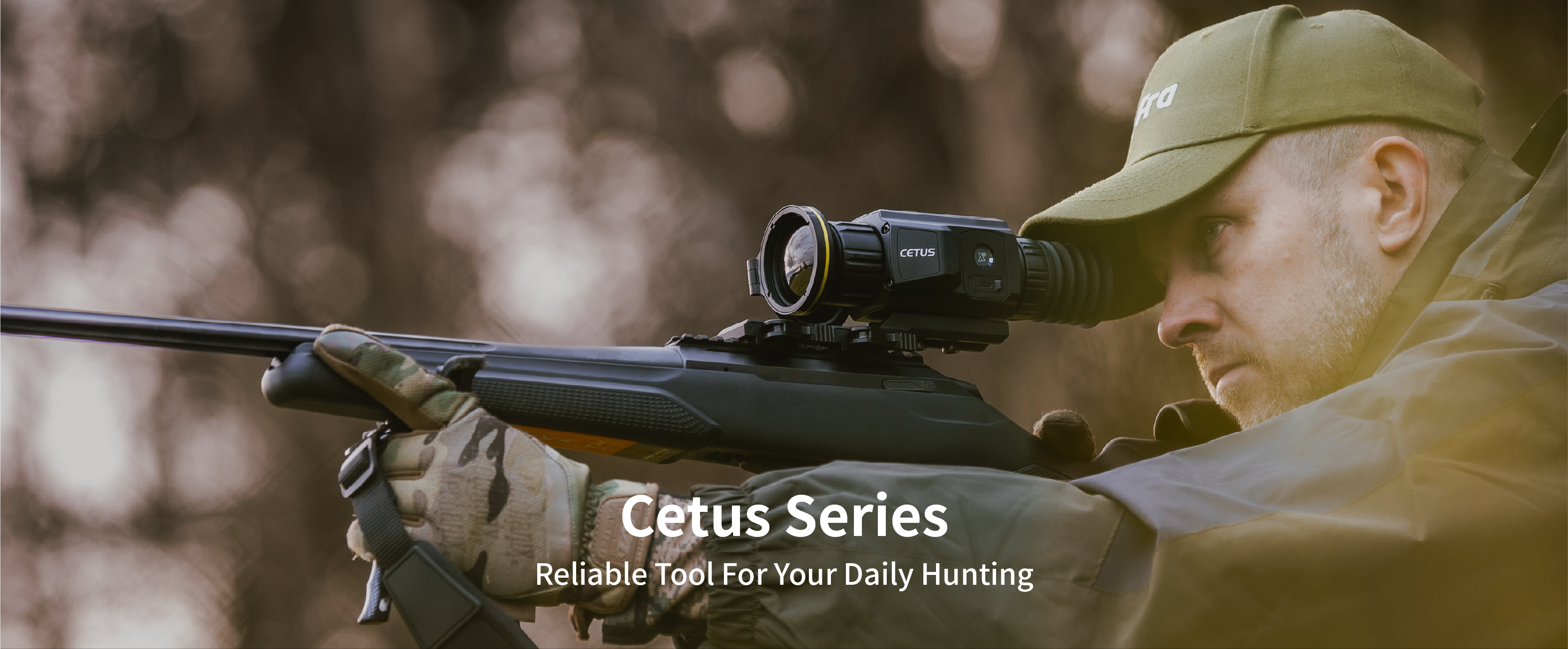
Your thermal scope does the heavy lifting, but the right accessories make it work harder. We’ve tested dozens of thermal imaging add-ons over the years, and most of them just add weight to your kit. Here are the seven accessories that actually earn a spot in your pack when you’re out hunting at night.
If you’ve already read our guide to the top 5 thermal scope upgrades, think of this as the expanded version. We’ve added two more picks and gone deeper on every single one. Whether you run a Pixfra thermal scope or something else entirely, these accessories work across the board—and we’ve listed them in the order we’d buy them if we were starting from scratch.
The truth is, your scope is only one part of the equation. The mount, the power source, the protection around it, and the tools that support it all play a role in how well your setup works when you’re out in the dark chasing hogs, coyotes, or tracking wildlife across your property. Getting these seven accessories dialed in means fewer headaches, longer hunts, and better results.
Quick-Detach Mounts: Switch Faster, Hold Zero
Let’s start with the piece that holds everything together—your mount. If you run more than one rifle or swap between thermal and daytime optics, a quick-detach mount saves you real time in the field. You pop your thermal scope off one gun, snap it onto another, and your zero stays locked. No re-sighting, no wasted ammo, no scrambling around in the dark. For anyone running thermal optics on a regular basis, a QD mount is the first thing you should buy.

Look for mounts built from aircraft-grade aluminum. They keep your setup light without throwing off your rifle’s balance, and they’re tough enough to handle recoil from magnum calibers without shifting. Height-adjustable models let you fine-tune eye relief and cheek weld to match your specific stock. Cantilever-style mounts are worth a look if you’re short on rail space—they push the scope forward and give you proper eye relief without eating up your entire Picatinny rail. Most solid QD mounts use a lever-lock system that grabs onto Picatinny or Weaver rails with consistent clamping pressure every time, which is how you hold return-to-zero accuracy hunt after hunt.
One thing we see people mess up: ring size. Make sure your mount matches the tube diameter of your thermal scope. Most thermal units run 30mm or 35mm tubes, and getting this wrong means a loose fit or no fit at all. Torque your ring screws to the spec listed by the manufacturer. Over-tightening can warp the scope tube and throw off your zero just as fast as a cheap mount would. If you’re spending real money on a quality thermal optic, spending an extra $80–$150 on a proper QD mount is well worth it.
Battery Packs: Never Go Dark Mid-Hunt
Battery life can make or break a night hunt. Most thermal scopes run somewhere between 3 and 8 hours on a single charge, depending on the model and display brightness settings. That’s plenty for a quick evening sit. But if you’re doing all-night hog eradication or running a multi-day predator control operation, you need a backup plan. Losing power when heat signatures start showing up is the fastest way to ruin a hunt—and it happens more often than you’d think.
Start with spare batteries. Rechargeable 18650 lithium-ion cells are the standard power source for most modern thermal scopes, including our Pixfra lineup. Grab at least two or three extras rated at 3000–3500mAh so you can rotate through them during long sessions. Keep a set of CR123A lithium primaries as emergency backups. They’re lighter, they hold their charge on a shelf for years, and they perform way better in freezing conditions. And that brings up a point we learned the hard way during a December hunt: cold weather kills battery performance. A cold 18650 can drop 30–40% of its rated capacity before you ever turn the scope on. Keep spares in an inside jacket pocket where your body heat maintains their temperature, and swap in a warm cell when the one in your scope starts flagging.
External power banks are a game-changer for extended sessions. A 10,000–20,000mAh USB power bank can keep your thermal scope running for 10+ hours straight. Many modern scopes accept USB-C power input while they operate, so you can mount the power bank on your rifle stock with a Velcro strap or drop it in a chest pocket and run a short cable. Between hunts, a fast charger will top off your 18650 cells in about 2–3 hours—perfect for back-to-back hunting days. Vehicle chargers let you recharge during the drive to your spot so you hit the ground with full power every time.
Protective Cases and Tactical Field Bags
Thermal scopes aren’t cheap, and the tech inside them is sensitive. The uncooled microbolometer sensor, germanium lens, and electronic components don’t respond well to drops, moisture, or dust. A solid protective case pays for itself the very first time your scope survives a fall off the tailgate or a surprise rainstorm.

Pro přepravu a dlouhodobé skladování je ideální pevný kufr s pěnovou výplní na míru. To je vaše třetí nezbytné příslušenství. Hledejte vodotěsné provedení, ventily pro vyrovnání tlaku (hodí se, pokud s výbavou létáte) a uzamykatelné západky. Kufry typu Pelican ve velikostech 1200–1450 se hodí pro většinu termovizních dalekohledů a ponechávají prostor pro náhradní baterie, hadřík na čištění čoček, nabíjecí kabel a drobné nářadí. Pěnovou vložku ořízněte nebo vyřízněte tak, aby přesně odpovídala uspořádání vašeho vybavení, aby se během cesty nic neposunovalo. Někteří lovci se tvrdému pouzdru vyhýbají, aby ušetřili peníze, a dalekohled hodí do batohu zabalený do ručníku – to funguje, dokud se něco nestane.
Pro aktivní lov je vaším čtvrtým doplňkem taktická lovecká taška nebo polstrované měkké pouzdro, které vám umožní rychlý přístup i ve tmě. Kvalitní lovecké tašky mají polstrované přihrádky, jsou vyrobeny z nylonu nebo materiálu Cordura odolného proti povětrnostním vlivům a jsou vybaveny popruhy MOLLE pro připevnění dalších kapes. Oceňujeme tašky s nastavitelnými přepážkami, do kterých se na jedno místo vejde termovizní dalekohled, ruční termovizní monokulár, náhradní baterie i čisticí sada. Pokud jste lovec, který loví z běhu a pohybuje se pěšky, pouzdro na opasek s rychlým přístupem vám zajistí, že budete mít termovizi po ruce, aniž by vás to zpomalovalo. Jen se ujistěte, že jakékoli pouzdro, které si vyberete, má bezpečný upevňovací systém – popruh, patentku nebo něco podobného –, aby se vám optika nevyskočila, když se prodíráte hustým porostem nebo šplháte na loveckou věž.
IR Illuminators and Video Recording Gear
Toto je fakt, který překvapuje mnoho majitelů termovizních dalekohledů. Vaše páté příslušenství: infračervený osvětlovač. Termovizní dalekohledy detekují teplo, nikoli světlo, takže technicky vzato nepotřebují žádné vnější osvětlení. Ale v teplých letních nocích, kdy země, vegetace i zvířata vyzařují teplo při podobných teplotách, infračervený osvětlovač vytváří větší kontrast, díky kterému cíle lépe vyniknou na pozadí. Pomáhá také s jistou identifikací cíle na dálku. Při použití čistě termovizního zobrazení může být někdy obtížné rozeznat rozdíl mezi dvěma zvířaty podobné velikosti na vzdálenost přes 250 yardů. Infračervený osvětlovač doplňuje vizuální detaily, které by termovize sama o sobě mohla přehlédnout, a dává vám tak větší jistotu před výstřelem.
Mount the IR illuminator offset from your scope to avoid casting a shadow in the image. Most IR units run on rechargeable batteries and offer adjustable beam patterns—flood mode for short-range scanning and spot mode for reaching out past 200 yards. Our Pixfra IR Torch pairs naturally with thermal setups for exactly this reason. If you hunt in southern states where summer nighttime temps barely drop, or you work in dense cover where everything holds heat, an IR illuminator is an add-on worth testing. Not every hunter will need one. But the ones who do swear by it.
Šestým doplňkem je vybavení pro videozáznam, které si své místo zaslouží z praktických důvodů – nejen kvůli parádním záběrům. Nahrávání termovizních lovů vám umožňuje zkontrolovat umístění výstřelu, sledovat pohybové vzorce zvířat na vašem pozemku a sdílet záběry s loveckými parťáky, abyste mohli lépe plánovat lovecké pozice. Zaznamenali jsme vzorce v chování divočáků, které jsme v reálném čase nikdy nepostřehli, a tyto informace vedly k lepšímu umístění loveckých stanovišť a většímu počtu ulovených kusů. Mnoho moderních termovizních dalekohledů, jako jsou naše modely Pixfra Sirius HD, Pegasus 2 LRF a Draco, již má vestavěnou funkci pořizování fotografií a videa, takže možná nebudete potřebovat žádné další vybavení. Pokud váš dalekohled nemá vestavěnou funkci nahrávání, lze k němu připojit externí záznamníky přes video výstupy. Vyberte si zařízení s úložištěm o velikosti alespoň 32 GB – pro delší nahrávání je lepší 64 GB nebo více. Nahrávání se hodí také v případě, že potřebujete zdokumentovat škody na majetku nebo aktivitu dravců pro zprávy o správě volně žijící zvěře.
Lens Covers and Cleaning Kits
O vašem sedmém a posledním příslušenství se moc nemluví, přitom je mnohem důležitější, než byste čekali. Germanová čočka vašeho termovizního dalekohledu je nejvíce vystavenou částí systému. Prach, otisky prstů, vlhkost a mikroškrábance rychle zhoršují kvalitu termálního obrazu. Zašpiněná nebo zamlžená čočka může proměnit ostrý termální obraz s vysokým kontrastem v rozmazanou kaši právě ve chvíli, kdy potřebujete jasný obraz svého cíle. Odklápěcí kryty objektivu jsou pro použití v terénu tou nejlepší volbou. Jsou připevněny k tělu dalekohledu, takže je ve tmě neztratíte, a otevřou se v okamžiku, kdy potřebujete jasný výhled. Pro zadní okulár stačí jednoduchá gumová krytka na šňůrce.

Keep a basic cleaning kit in your field bag at all times. That means a microfiber cloth designed for coated optics, a small bottle of lens cleaning solution rated for germanium or multi-coated lenses, and a lens pen for quick touch-ups on the go. Never use paper towels, napkins, or your shirt on a thermal lens. These materials leave micro-scratches on the lens coatings, and over time they’ll visibly reduce image clarity. Anti-fog treatments are another small step that pays off big, especially in humid climates. A quick wipe before you leave the truck prevents the fogging that happens when you step from an air-conditioned cab into warm, damp night air. It takes ten seconds and saves you from squinting through a clouded optic when it counts.
Here’s a quick reference table so you can see all seven accessories at a glance and figure out where to start based on your budget and hunting style.
| Příslušenství | Priority | Typical Price Range | Nejvhodnější pro |
|---|---|---|---|
| Quick-Detach Mount | High | $50–$200 | Multi-rifle setups, fast optic swaps |
| Spare Batteries & Power Banks | High | $15–$60 | Extended hunts, all-night sessions |
| Hard-Shell Protective Case | High | $40–$150 | Transport, storage, travel |
| Tactical Field Bag / Holster | Medium | $30–$80 | Active hunting, quick access |
| IR Illuminator | Medium | $80–$200 | Warm-climate hunts, target ID |
| Video Recording Equipment | Medium | Built-in or $50–$150 | Hunt review, pattern scouting |
| Lens Covers & Cleaning Kit | High | $10–$35 | Daily field maintenance |
According to a 2024 survey by the National Shooting Sports Foundation (NSSF), thermal optics adoption among U.S. hunters grew by over 20% year-over-year, with nighttime predator and hog hunting leading that growth. As more people invest in quality thermal scopes, the demand for durable, field-tested accessories has followed right behind. The accessories listed above consistently rank as the most recommended by experienced thermal hunters across forums, social media groups, and product reviews.
The bottom line: you don’t need to buy all seven at once. Start with the basics—a quality QD mount, spare batteries, and a protective case. Add IR illumination and recording capability as your budget and needs grow. Never skip lens covers and a cleaning kit. Match your accessories to how and where you hunt. Someone running hog control all night needs a different loadout than someone taking short evening sits. These seven categories make the biggest real-world difference, and they’ll protect your gear, stretch your field time, and help you shoot better when it matters.
FAQs About Thermal Scope Accessories
Do thermal scopes need special mounts?
Yes. Thermal scopes are typically heavier and bulkier than standard day optics, so they need mounts rated for their weight and recoil profile. Quick-detach mounts made from aircraft-grade aluminum are the go-to because they let you swap scopes between rifles while holding zero. Always match the mount’s ring diameter to your scope’s tube size—most thermal scopes use 30mm or 35mm tubes.
How do I extend my thermal scope’s battery life in the field?
Carry at least two sets of spare rechargeable 18650 batteries rated at 3000–3500mAh. Use an external USB power bank (10,000–20,000mAh) for all-night hunts—many modern thermal scopes accept USB-C charging while running. In cold weather, keep spare batteries warm in an inside pocket. Cold temps can cut battery capacity by 30–40%.
Are IR illuminators worth it for thermal scope hunting?
It depends on your hunting conditions. If you hunt in warm climates where background and target temperatures are close together, an IR illuminator adds contrast and helps with target identification. It’s not a must-have for everyone, but hunters in southern states or dense cover often find it makes a real difference in image clarity.
Can I record video directly from my thermal scope?
Many modern thermal scopes have built-in video and photo recording. Pixfra models like the Sirius HD, Pegasus 2 LRF, and Draco all include onboard capture. If your scope doesn’t have this feature, you can connect an external recorder through a video output port. Look for 32–64GB of storage minimum for full hunting sessions.
What’s the best way to clean a thermal scope lens?
Use only a microfiber cloth designed for coated optics and a cleaning solution rated for germanium or multi-coated lenses. Never use paper towels or clothing—they scratch the lens coating over time. A lens pen works well for quick field touch-ups. Apply anti-fog treatment before hunts in humid conditions to prevent the lens from clouding up during temperature swings.