爱永测试爱永测试爱永测试爱永测试爱永测试爱永测试爱永测试爱永测试爱永测试爱永测试爱永测试爱永测试爱永测试
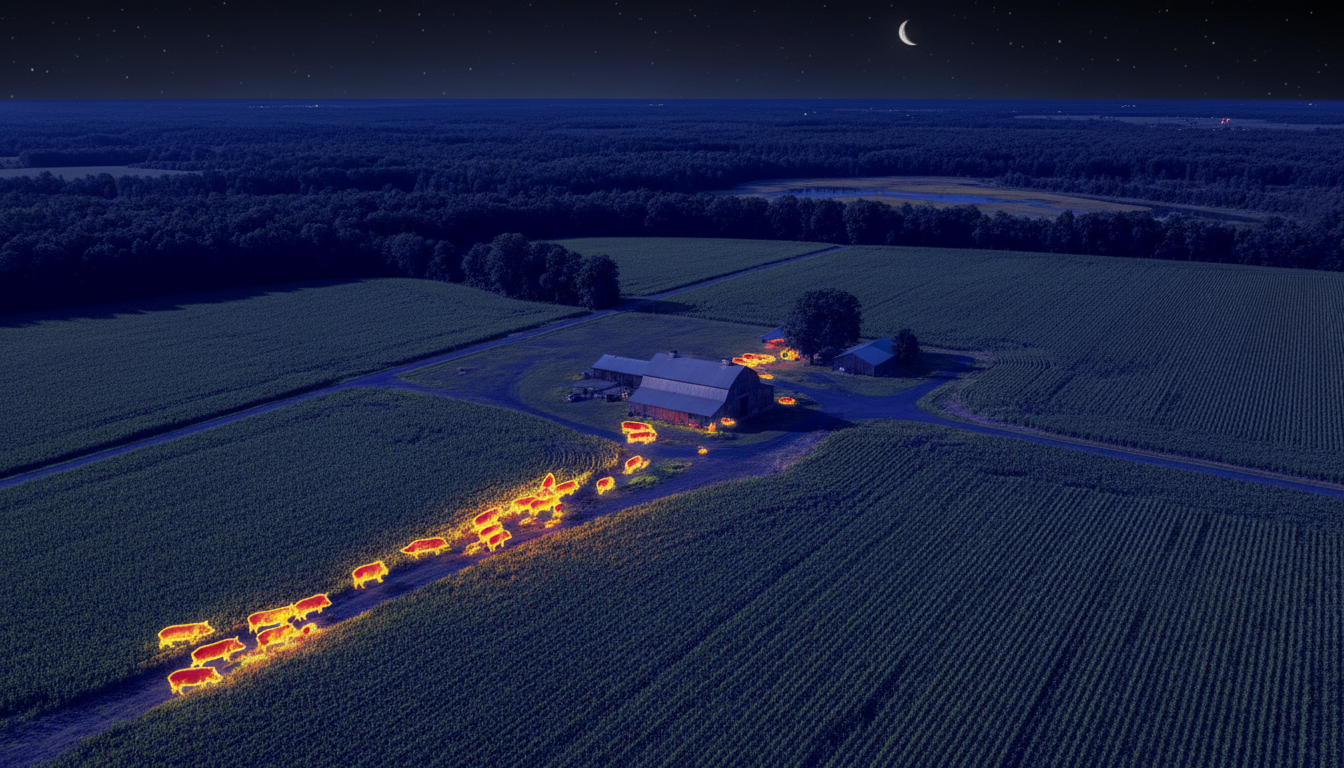
Feral hogs cause over $2.5 billion in agricultural damage across the United States each year. We’ve watched farmers struggle with this invasive species for decades, but traditional hunting methods barely made a dent in the problem. That changed when thermal scope technology became accessible to landowners and wildlife managers.
We’re diving into real-world data from operations using thermal optics for hog eradication. These aren’t theoretical numbers—they’re measurable results from ranches, farms, and commercial properties dealing with serious hog problems. The findings show success rates that traditional methods simply can’t match.
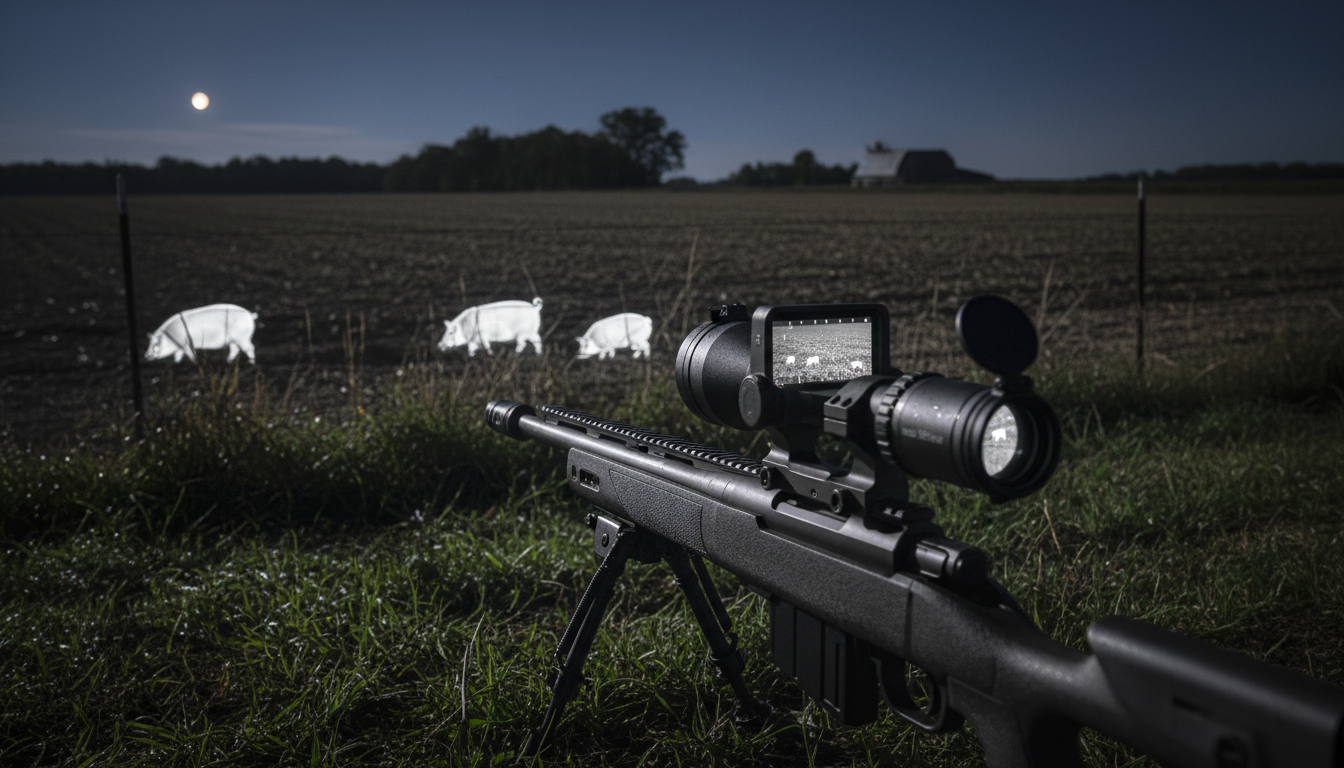
Before thermal technology, landowners tried everything. Daytime hunting reduced populations by maybe 5-10% annually. Hogs learned quickly, becoming strictly nocturnal and avoiding human activity during daylight hours. We’ve seen properties where farmers shot 50-100 hogs per year for a decade without any meaningful reduction in overall numbers.
Here’s the problem: feral hogs are primarily nocturnal feeders, with peak activity between sunset and sunrise. Their poor eyesight doesn’t matter in darkness when their sense of smell provides early warning of approaching humans. Traditional night hunting with spotlights educated survivors without eliminating sounders. Shooting one or two hogs from a group of 20 just made the remaining 18 smarter and more cautious.
The math didn’t work either. A single sow produces two litters per year with 4-8 piglets each. That’s 70% annual population growth. You’d need to remove more than 70% of the population just to maintain current numbers—an impossible target with conventional methods that averaged 15-30% removal rates.
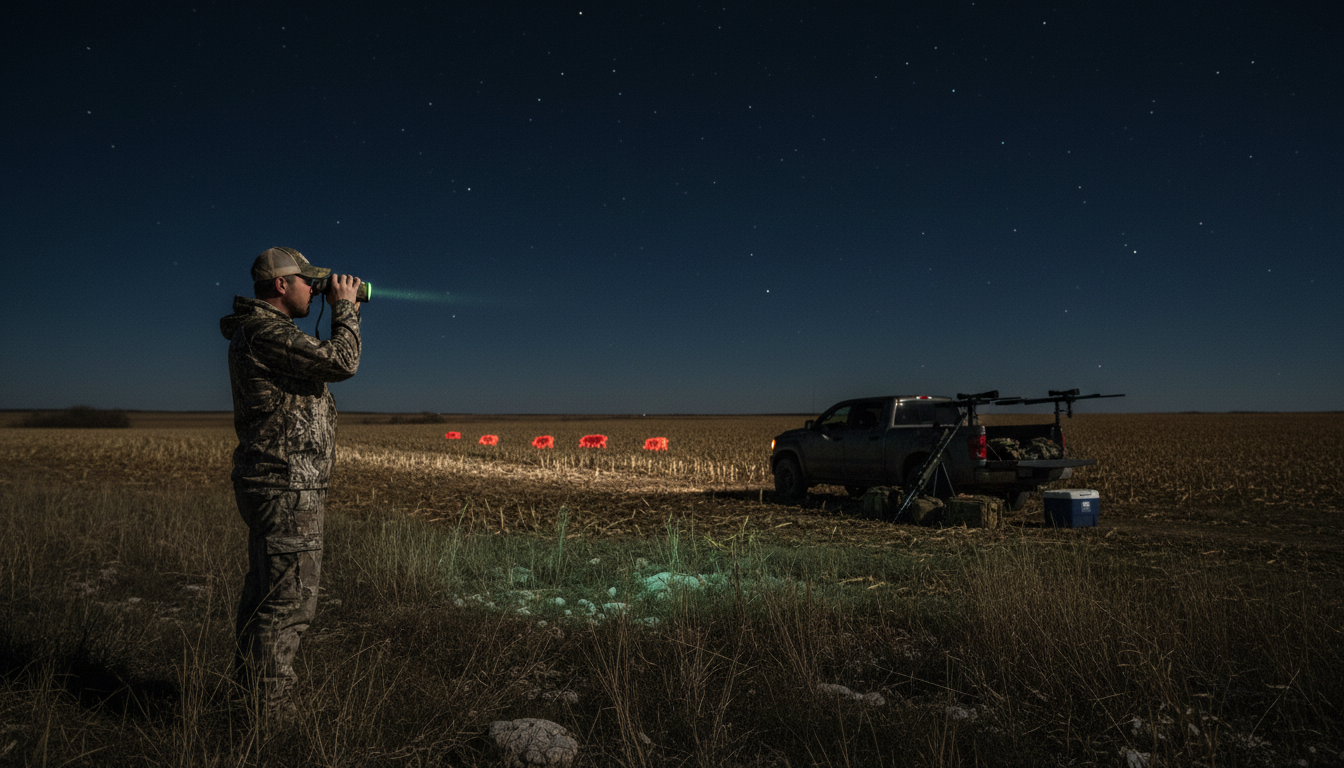
Thermal imaging detects heat signatures emitted by living creatures. Hogs maintain body temperatures around 101-103°F, creating distinct thermal signatures against cooler backgrounds. This technology works in complete darkness, through light fog, and partially through vegetation—conditions where traditional night vision fails completely.
We’ve tested multiple thermal monocular systems alongside rifle-mounted thermal scopes. The combination allows operators to scan large areas quickly with handheld units like the Sirius HD, then switch to weapon-mounted optics for precision shooting. This two-device approach increased detection efficiency by roughly 60% compared to scope-only setups.
Detection ranges matter more than most people realize. Quality thermal scopes detect hogs at 500-800 yards, though identification ranges for ethical shot placement run closer to 200-300 yards. This extended detection gives operators time to assess sounder size, plan approaches, and position for maximum removal rates.
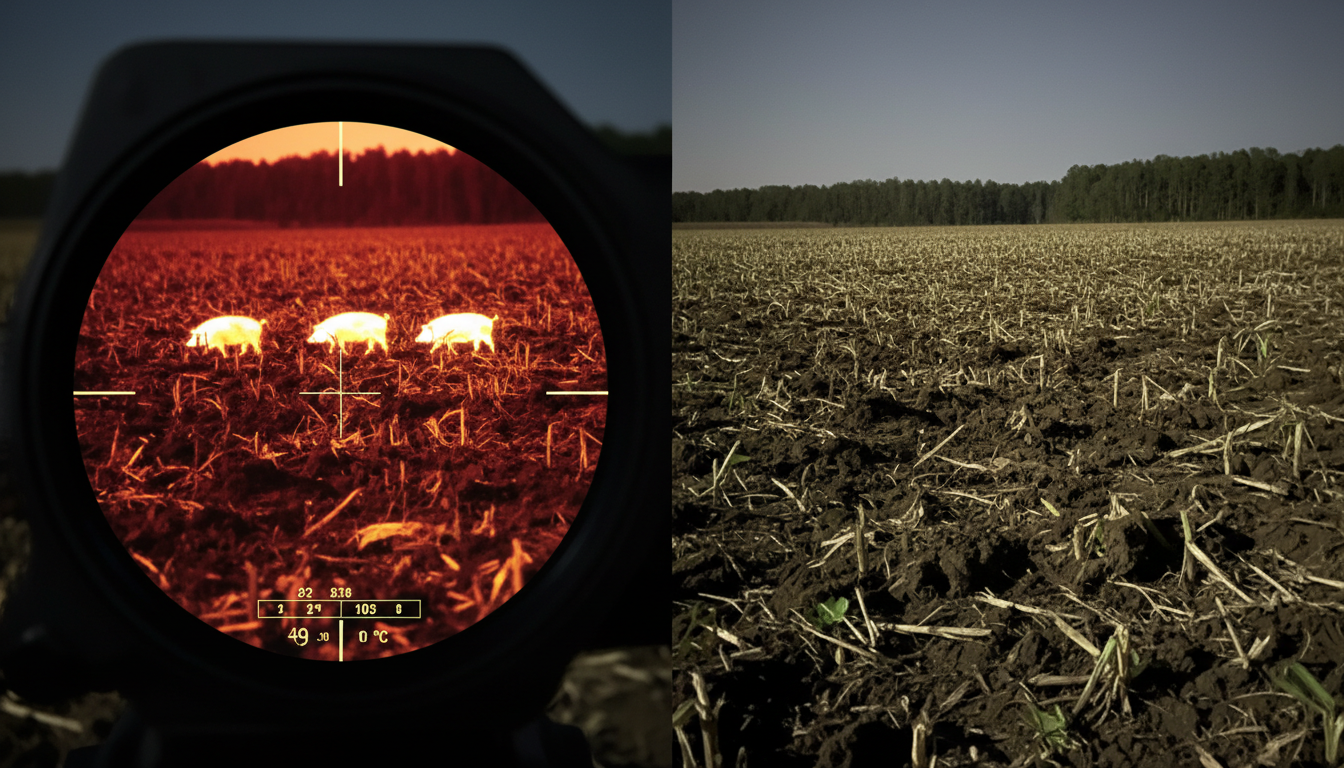
A 2,400-acre agricultural operation in South Texas provides our most detailed case study. The property runs cattle operations and grows hay, with documented crop damage exceeding $85,000 annually from feral hog activity. Previous control efforts using daytime hunting and spotlight operations removed approximately 60 hogs per year without reducing overall population or damage levels.
The operation implemented systematic thermal scope eradication in spring 2024. They equipped two operators with rifle-mounted thermal scopes featuring 640×512 resolution and integrated laser rangefinders. Supporting equipment included handheld thermal monoculars for scanning and suppressors to avoid educating survivors with gunfire.
Results from the first 8-month period:
The operation tracked sounder elimination specifically because removing entire family groups prevents method education. When operators killed one or two hogs from a group, survivors learned avoidance behaviors. Complete sounder removal eliminated this problem entirely. Of 38 sounder encounters, 32 resulted in complete elimination of all visible hogs.
We gathered data from 14 properties across Texas, Oklahoma, and Arkansas implementing thermal scope eradication programs between 2023-2025. Properties ranged from 800 to 5,200 acres with varying terrain types and initial hog population densities.
All operations used similar protocols:
Aggregate results across all 14 properties:
These numbers represent massive improvements over traditional methods. Properties that previously removed 40-80 hogs annually were now removing 150-300 hogs in similar timeframes. More importantly, they saw actual population reductions reflected in decreased field damage and fewer hog sightings during routine property inspections.
Not all thermal scopes performed equally. We tracked which technical specifications correlated with better field results. Resolution made the biggest difference—operators using 640×512 sensors consistently outperformed those with 384×288 units in both detection rates and ethical shot placement at distance.
Detection range specifications proved less reliable than manufacturers claimed. Advertised 1,800-yard detection ranges meant “detecting a heat signature exists” not “identifying it as a hog suitable for shooting.” Practical identification ranges for ethical shots maxed out around 250-350 yards even with premium optics.
Features that measurably improved results:
Operators using equipment like the Pegasus 2 LRF with built-in rangefinding reported 25% higher first-shot success rates compared to scopes requiring separate ranging tools. This translated directly to higher sounder elimination percentages because missed first shots scattered groups before follow-up engagement.
We documented three primary thermal hunting tactics across participating operations: vehicle-based patrol shooting, spot-and-stalk approaches, and stationary observation from elevated positions. Each showed different success rates and applications.
Vehicle-based operations produced highest overall numbers. Operators drove slowly (5-15 mph) along field edges and access roads while scanning with thermal monoculars or handheld units. Upon detecting hogs, they’d approach within 75-150 yards using vehicles, then shoot from stable positions using vehicle supports or shooting sticks. This method averaged 8-12 hogs per successful night.
Spot-and-stalk approaches worked better for cautious sounders or pressured areas. Operators detected hogs from distance, then stalked within shooting range on foot using terrain features and wind direction. This method took longer per engagement but achieved 92% sounder elimination rates when operators reached shooting positions—the highest of any tactical approach.
Stationary observation from towers or elevated stands proved least effective. While comfortable and allowing long observation periods, hogs’ unpredictable movement patterns meant operators spent significant time watching empty fields. This approach averaged just 2-4 hogs per night across properties that tested it.
Wind direction mattered more than expected. Hogs’ exceptional sense of smell detected human scent at 200+ yards with favorable wind conditions. Operations that religiously checked wind and approached from downwind positions averaged 40% higher sounder elimination rates than those that ignored wind considerations.
Thermal scopes represent significant upfront investment—quality units range from $2,500 to $6,000 for rifle-mounted systems. We calculated actual return on investment for agricultural operations based on prevented crop damage and reduced infrastructure costs.
A 1,200-acre hay and cattle operation in Oklahoma documented their costs and savings:
Initial Investment:
Documented Savings:
The operation recovered their entire thermal scope investment in under 3 months of use. Projected 5-year savings exceeded $120,000 if damage reduction rates held steady. Even accounting for equipment maintenance and ammunition costs, the ROI substantially exceeded alternative control methods including trapping or commercial helicopter operations.
Commercial hog control operators using thermal scopes reported even better economics. Their efficiency increased by 300-400%, allowing single operators to manage properties that previously required multiple hunters with conventional equipment.
Thermal scope effectiveness varied by season, though not as dramatically as we initially expected. Summer operations faced challenges when ambient temperatures approached hog body heat, reducing thermal contrast. Operators compensated by hunting during cooler hours after midnight when temperature differentials improved.
Winter provided optimal thermal conditions with maximum contrast between hogs and backgrounds. However, shorter nights and reduced hog activity during extreme cold snaps limited opportunities. Properties in southern climates maintained year-round operations, while northern locations saw 40-50% reduced winter activity.
Spring planting season produced highest return rates for agricultural operations. Hogs concentrated on freshly planted fields, making them predictable and accessible. Operations focused thermal scope efforts during 6-8 week spring windows removed 60-70% of annual totals during these concentrated periods.
Summer heat required equipment adaptations. Battery life decreased in high temperatures—operators carried 2-3 spare battery sets compared to one set during moderate weather. Some thermal scopes experienced performance degradation above 95°F ambient temperature, though premium units maintained functionality across all tested temperature ranges.
Thermal scopes aren’t silver bullets. We documented several limitations and challenges that affected real-world results. Target identification at extended distances remained problematic—thermal signatures show heat, not details. Operators needed closer approaches than detection ranges suggested to confirm targets as hogs rather than deer, cattle, or other animals.
Heavy vegetation reduced effectiveness significantly. While thermal imaging penetrates light brush better than night vision, dense forest canopy or thick undergrowth blocked heat signatures completely. Properties with 40%+ forest cover saw 35-50% lower hog removal rates than open terrain locations using identical equipment and tactics.
Legal restrictions limited applications in some states. While most southern states allow night hunting with thermal optics on private land for feral hogs, several jurisdictions restrict the technology or require special permits. Georgia, for example, permits night hog hunting but with specific regulatory restrictions on optic types depending on county regulations.
Weather affected operations more than anticipated. Heavy rain, dense fog, and high humidity reduced detection ranges by 30-40%. Operators in coastal regions or high-rainfall areas averaged fewer productive nights per month compared to drier inland locations. Wind speeds above 20 mph created enough vegetation movement to generate false signatures and complicate target identification.
Our case study data shows thermal scopes transformed feral hog eradication from a frustrating losing battle into a manageable program. Success rates exceeding 85% for sounder elimination represent massive improvements over traditional methods that struggled to reach 40%.
The numbers tell the story: properties using systematic thermal scope programs reduced hog populations by 70-90% within first seasons. Crop damage decreased proportionally, with documented savings often exceeding $20,000-$40,000 annually on mid-sized agricultural operations. First-year return on investment averaged 300-500% based on prevented damage alone.
But here’s the thing—thermal scopes aren’t magic. They’re tools that require skill, planning, and consistent application. The most successful operations we studied treated hog eradication as ongoing wildlife management rather than occasional hunting trips. They maintained detailed records, tracked results, and continuously refined tactics based on what worked.
For landowners dealing with serious hog problems, the data supports thermal scope investment. When you’re looking at $10,000-$50,000 in annual damage, spending $4,000-$6,000 on equipment that can reduce that damage by 70%+ isn’t a gamble—it’s smart business. The technology works. The results prove it.
What success rate can I realistically expect using thermal scopes for hog control?
Based on our case study data, trained operators using quality thermal equipment (640×512 resolution or better) averaged 85% sounder elimination rates when engaging entire groups. Properties implementing systematic programs removed 150-300 hogs in first-year efforts, representing 60-80% population reductions on most properties. Individual results vary based on terrain, hog population density, and operator skill level. Expect a learning curve for the first 3-5 outings as you develop effective tactics for your specific property.
How much does a complete thermal scope setup cost for hog eradication?
Quality thermal rifle scopes suitable for hog control range from $2,500 to $6,000. A complete setup including the scope, proper mounting system, handheld thermal monocular for scanning, shooting sticks or bipod, spare batteries, and ammunition runs $4,000-$8,000 depending on equipment choices. Mid-range setups around $4,500-$5,500 provide excellent results for most agricultural operations. Based on prevented crop damage, typical ROI occurs within 3-6 months on properties with active hog problems.
Can thermal scopes see hogs through thick forest and heavy brush?
Thermal imaging penetrates light brush and vegetation better than night vision, but heavy forest canopy and thick undergrowth significantly reduce effectiveness. Our case studies showed properties with 40% or more forest cover experienced 35-50% lower hog removal rates compared to open terrain locations. Thermal works best in agricultural fields, pastures, cleared areas, and light cover. Dense forests require different tactics including trail watching at transition zones between heavy cover and open feeding areas.
What’s the difference between 384×288 and 640×512 resolution thermal scopes?
Resolution directly impacts your ability to identify targets at distance and make ethical shots. In our field testing, operators using 640×512 resolution averaged 30% higher harvest rates than those with 384×288 units. The higher resolution provides clearer target identification at 200-300 yards, reducing misidentification risks and improving first-shot success rates. For serious hog eradication programs, 640×512 represents the minimum recommended resolution. Budget models with 384×288 work but limit effective range and target identification capabilities.
Are thermal scopes legal for night hunting feral hogs in my state?
Most southern states including Texas, Oklahoma, Arkansas, Louisiana, Mississippi, Alabama, and Florida allow thermal scope use for night hog hunting on private land without restrictions since feral hogs are classified as invasive pests. Georgia permits night hog hunting but with some county-level restrictions. Several northern states restrict night hunting regardless of equipment type. Always verify current regulations with your state wildlife agency before purchasing equipment or conducting night operations. Laws change frequently as thermal technology becomes more common.
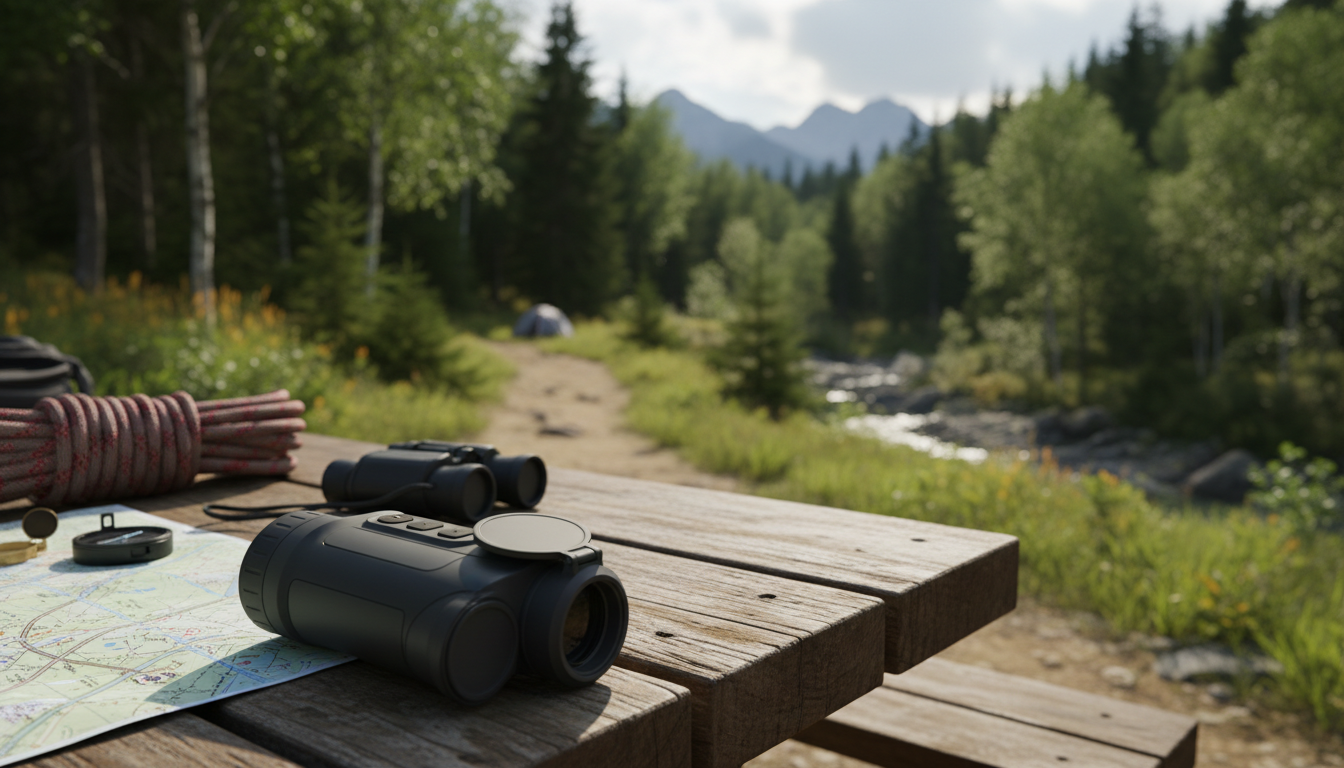
Most people think thermal monoculars are just for hunters tracking game in the dark. But here’s the thing—these devices have dozens of practical applications that can make your life easier, safer, and more cost-effective. Whether you’re spotting water leaks in your home or checking on livestock at night, thermal imaging opens up possibilities that go way beyond the woods.
We’ll walk you through seven practical uses that show just how versatile these handheld devices really are. And if you’re curious about how thermal imaging actually works, thermal monoculars detect infrared radiation—basically heat—and convert it into visible images that your eyes can see.
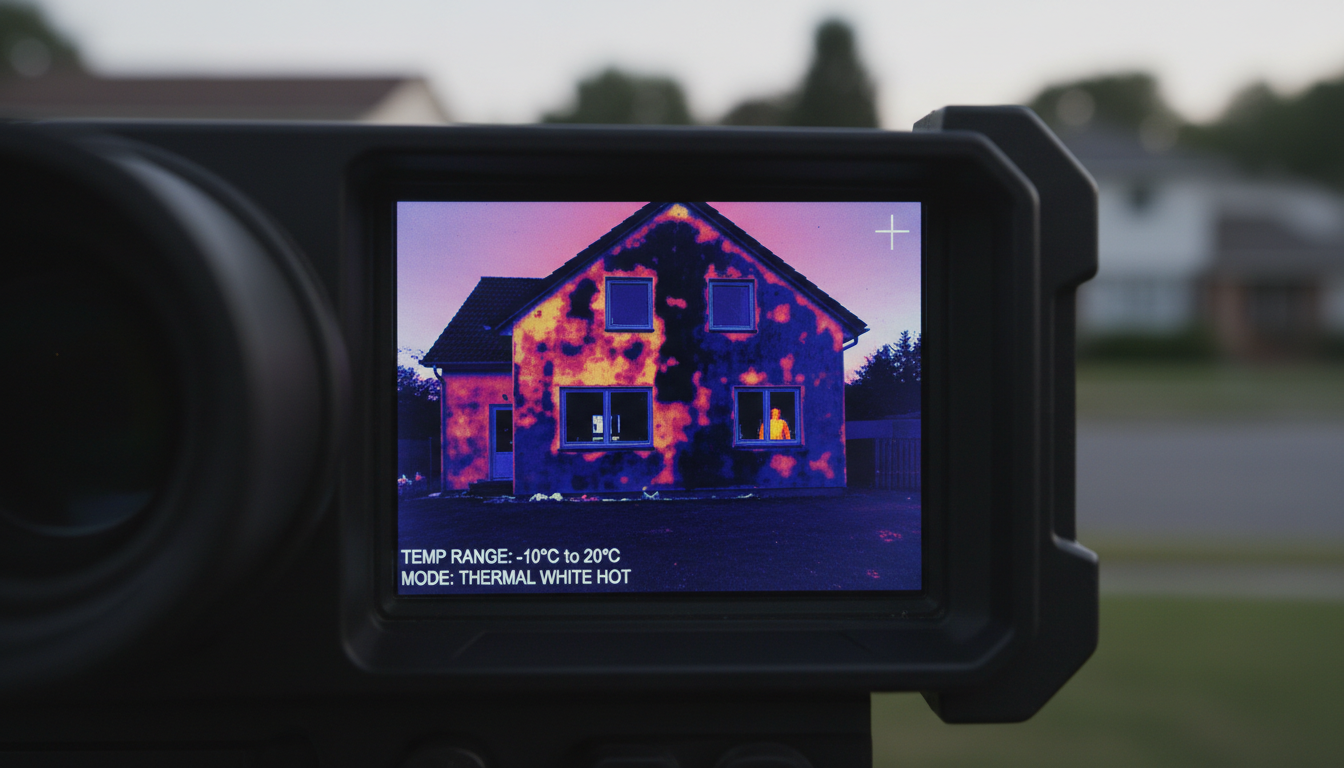
Your heating bill’s high, but you don’t know where the warmth’s escaping. A thermal monocular solves that problem in minutes.
Walk around your house with a thermal device and you’ll instantly see cold spots where insulation’s missing or deteriorating. Windows and doors that aren’t properly sealed show up as temperature differences on the display. You can check wall cavities for gaps without tearing anything apart.
This works year-round, too. In summer, you’ll spot where cool air’s leaking out and hot air’s getting in. One homeowner saved over $400 annually after finding and fixing insulation gaps they discovered with thermal imaging. The device pays for itself after just a few years of reduced energy costs.
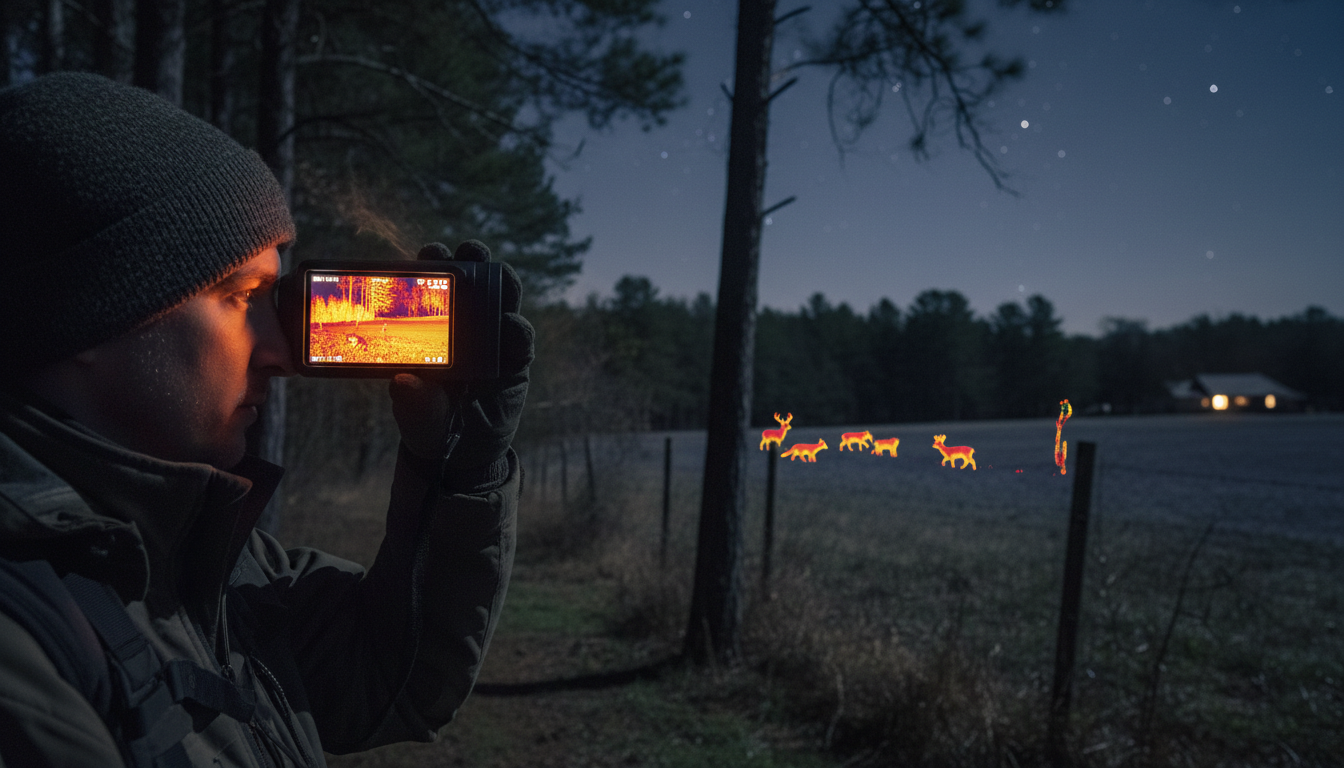
Nothing beats thermal imaging for keeping an eye on your property after dark. Traditional security cameras struggle in low light, but thermal monoculars work perfectly in total darkness.
You can scan your land without alerting anyone with visible lights. Heat signatures from people or animals stand out clearly against cooler backgrounds, so you’ll spot trespassers, wildlife near your home, or anything unusual happening on your property. We’ve found that models like the Pixfra Sirius HD nebo Pegasus 2 LRF offer excellent detection ranges for property monitoring.
Many property owners use thermal monoculars to check fence lines, outbuildings, and perimeters without walking the entire area. You can cover large spaces quickly from a single vantage point, making rounds faster and safer.
Whether you’re buying a house or renovating your current one, thermal monoculars reveal hidden problems before they become expensive disasters.
Water leaks behind walls show up as temperature anomalies. Electrical circuits that are overheating—a fire hazard—appear as hot spots. Moisture trapped in walls, which leads to mold, creates distinct thermal patterns. Professional home inspectors use thermal imaging regularly, but you don’t need to hire one for every check-up.
Thermal devices also help locate studs in walls without drilling test holes. They can identify poorly sealed ducts, roof leaks, and foundation issues. One contractor we know uses thermal imaging on every job site to verify insulation installation before closing up walls. It’s caught mistakes that would’ve cost thousands to fix later.
You can watch nocturnal animals without disturbing their natural behavior. Thermal monoculars let you observe wildlife that’s active when you’d normally be asleep—or just too dark to see anything.
Bats, foxes, raccoons, and other nocturnal creatures show up clearly on thermal displays. Researchers use this technology to study animal behavior, population counts, and movement patterns without interfering with the animals or their habitat. It’s also great for birdwatchers tracking owls or other night-active species.
If you’re into wildlife photography or nature documentation, thermal monoculars help you find subjects first, then switch to your camera once you’ve located them. The Pixfra Arc LRF offers excellent range for wildlife observation while remaining lightweight enough for extended field use.
When someone’s lost or injured, every minute counts. Thermal imaging dramatically improves search and rescue success rates by detecting body heat from distances that would be impossible with flashlights or night vision.
Search teams can scan large areas quickly, even through light brush or in complete darkness. A person’s heat signature stands out clearly against cooler surroundings, making them visible when they’d be invisible to the naked eye. This works in forests, mountains, urban areas—anywhere someone might need help.
Emergency responders use thermal monoculars to locate people trapped in collapsed buildings, lost hikers in wilderness areas, or individuals in smoke-filled environments. The technology’s saved countless lives by reducing search times from hours to minutes in many cases.
Farmers and ranchers have dozens of uses for thermal monoculars that save time and prevent losses.
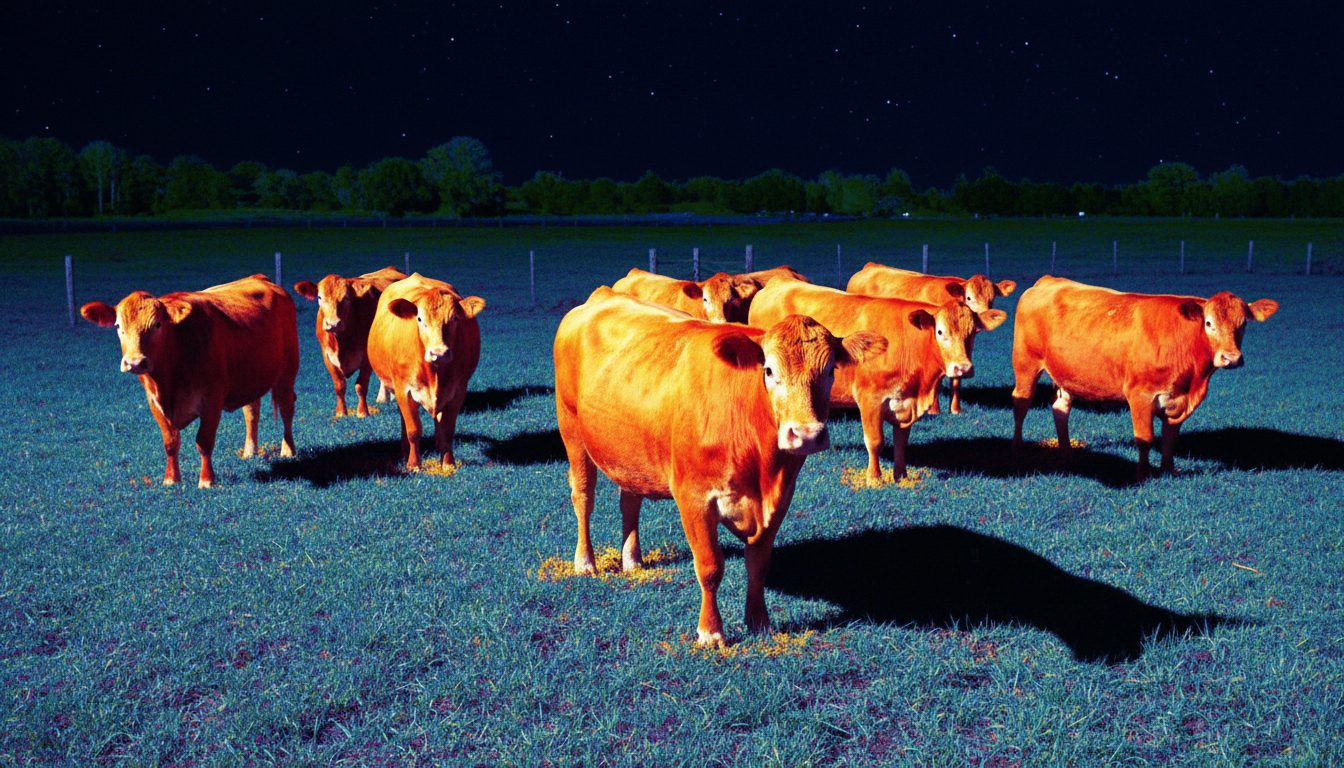
Check on animals at night without disturbing the herd. Spot a cow that’s separated from the group or lying down when she shouldn’t be. Identify sick animals by detecting fever—elevated body temperature shows up instantly on thermal displays. You can cover large pastures quickly without driving out to every corner of your property.
Thermal imaging also helps with predator control. Coyotes, feral hogs, or other animals threatening livestock show up clearly, even from long distances. Some ranchers use thermal monoculars during calving season to check pregnant cows overnight without spooking them with lights or vehicle noise. The Pixfra Draco provides solid performance for farm applications at a reasonable price point.
Firefighters rely on thermal imaging to save lives and make safer decisions in dangerous situations. But the technology’s also useful for fire prevention and early detection.
Forest management personnel use thermal monoculars to spot fires early—sometimes detecting them before smoke’s even visible. Hot spots that might reignite after a fire’s been controlled show up clearly. You can scan large areas quickly to confirm a fire’s completely out.
In active firefighting situations, thermal devices help locate people trapped in smoke-filled buildings without entering dangerous areas. They identify the hottest parts of a structure, helping crews target their efforts more effectively. The technology works through smoke and darkness, two conditions that would blind regular vision completely.
Some rural property owners keep thermal monoculars specifically for wildfire awareness during dry seasons. Being able to spot a fire from a distance gives you critical extra minutes to evacuate or call emergency services.
Thermal monoculars offer way more value than just spotting game in the woods. From saving money on energy bills to potentially saving lives in emergency situations, these devices prove their worth across dozens of applications. Whether you’re a homeowner looking to cut heating costs, a farmer checking livestock, or someone who values property security, thermal imaging technology delivers practical benefits you’ll use regularly.
The versatility’s what really stands out. One device handles home inspections, wildlife observation, security monitoring, and more. As thermal technology becomes more affordable and accessible, we’re seeing more people discover just how useful these tools are in everyday life. If you’ve been thinking thermal monoculars are only for hunters, we hope these seven uses have shown you otherwise.
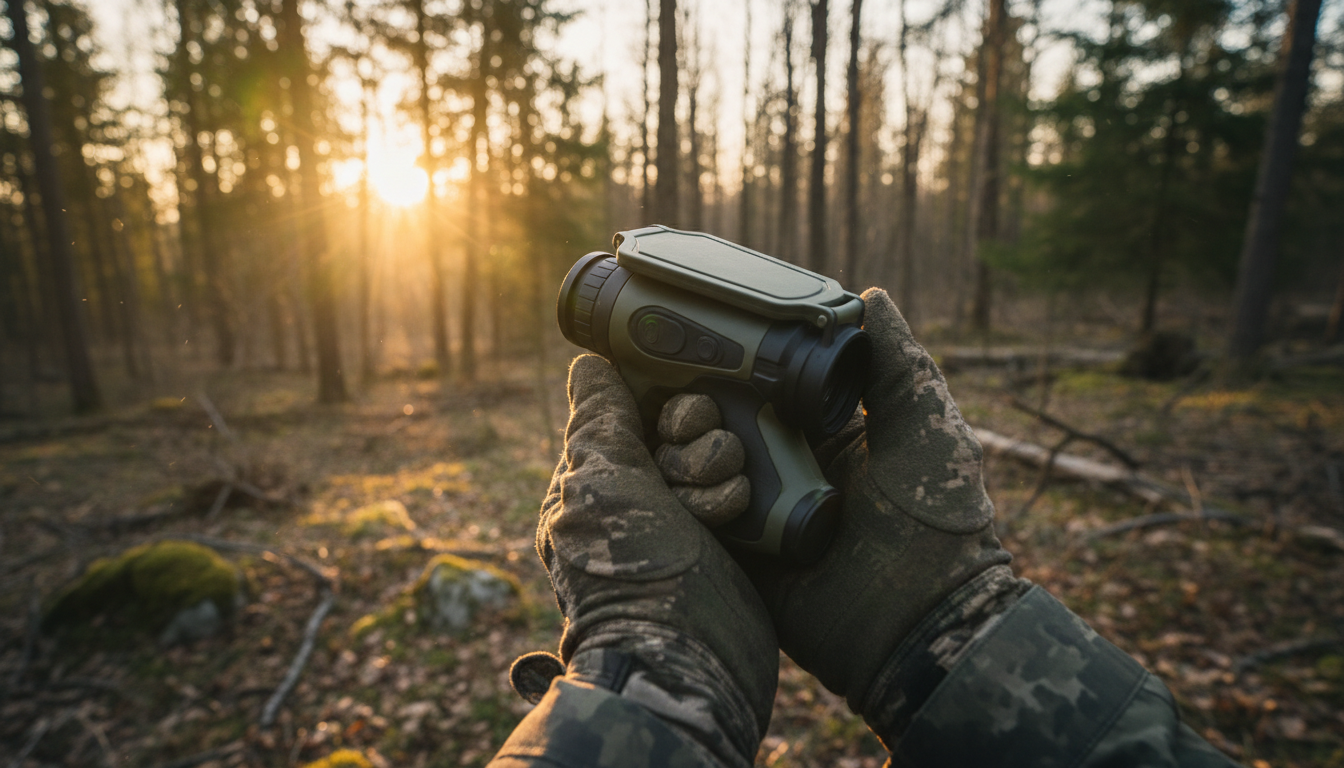
Your thermal monocular is more than just a piece of gear—it’s a serious investment in your outdoor adventures. Whether you’re scanning for game before dawn, tracking heat signatures through fog, or keeping watch in complete darkness, you need that device working flawlessly when it counts. But here’s the thing: thermal imaging tech isn’t indestructible. Dust, moisture, temperature swings, and rough handling can quietly degrade performance until you’re left squinting at blurry images right when you need clarity most.
We’ve put together this guide to help you protect your investment and maximize your thermal monocular’s lifespan. From lens cleaning techniques that won’t scratch coatings to battery habits that prevent field failures, we’ll walk you through the maintenance routines that actually make a difference. Most of these practices take just minutes but can add years to your device’s service life. Let’s get into it.
Your lens is the gateway to clear thermal images, and it’s also the most vulnerable part of your monocular. One wrong move with the wrong cloth and you’ve got permanent scratches on expensive optics.
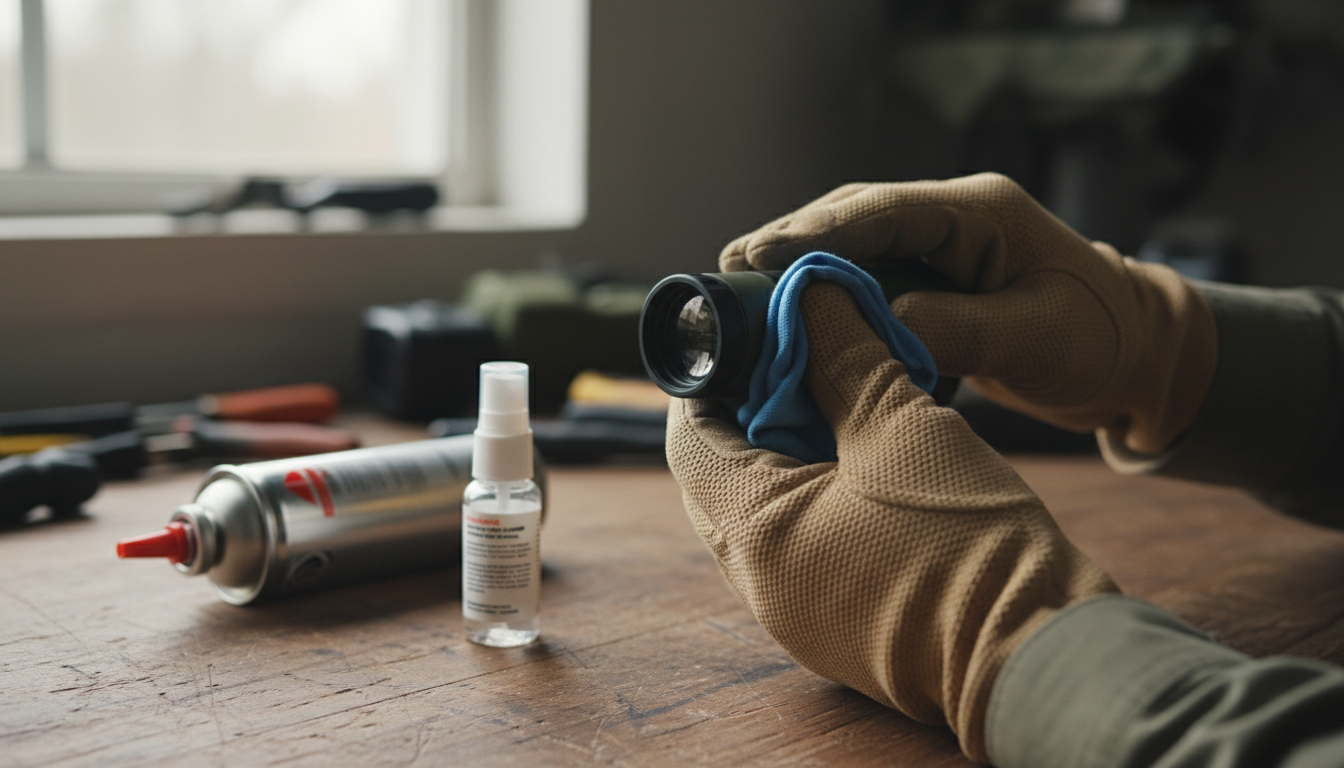
Start by removing loose dust before you touch the lens surface. Use a soft air brush or compressed air to blow away particles—this prevents you from dragging grit across the glass when you wipe. Never use your shirt, paper towels, or anything rough. Those materials act like sandpaper on specialized coatings.
For actual cleaning, reach for a microfiber cloth designed for optics. If you’ve got stubborn smudges or fingerprints, add a small amount of lens cleaning solution specifically made for optical surfaces. Skip household glass cleaners—they contain chemicals that damage the anti-reflective coatings on thermal lenses. Apply the cleaner to your cloth, not directly to the lens, then wipe gently from the center outward using a rolling motion.
If you’re dealing with mud or heavy debris, rinse the lens with water first before wiping. This simple step prevents scratching when you clean. And always keep your lens caps on when the monocular isn’t actively in use. It sounds basic, but lens caps are your first line of defense against scratches, dust, and accidental impacts. Check out our Sirius HD a Pegasus 2 LRF models—both feature durable lens protection systems designed for field use.
Battery issues will end your hunt faster than anything else. Dead power means dead device, no matter how good your thermal sensor is.
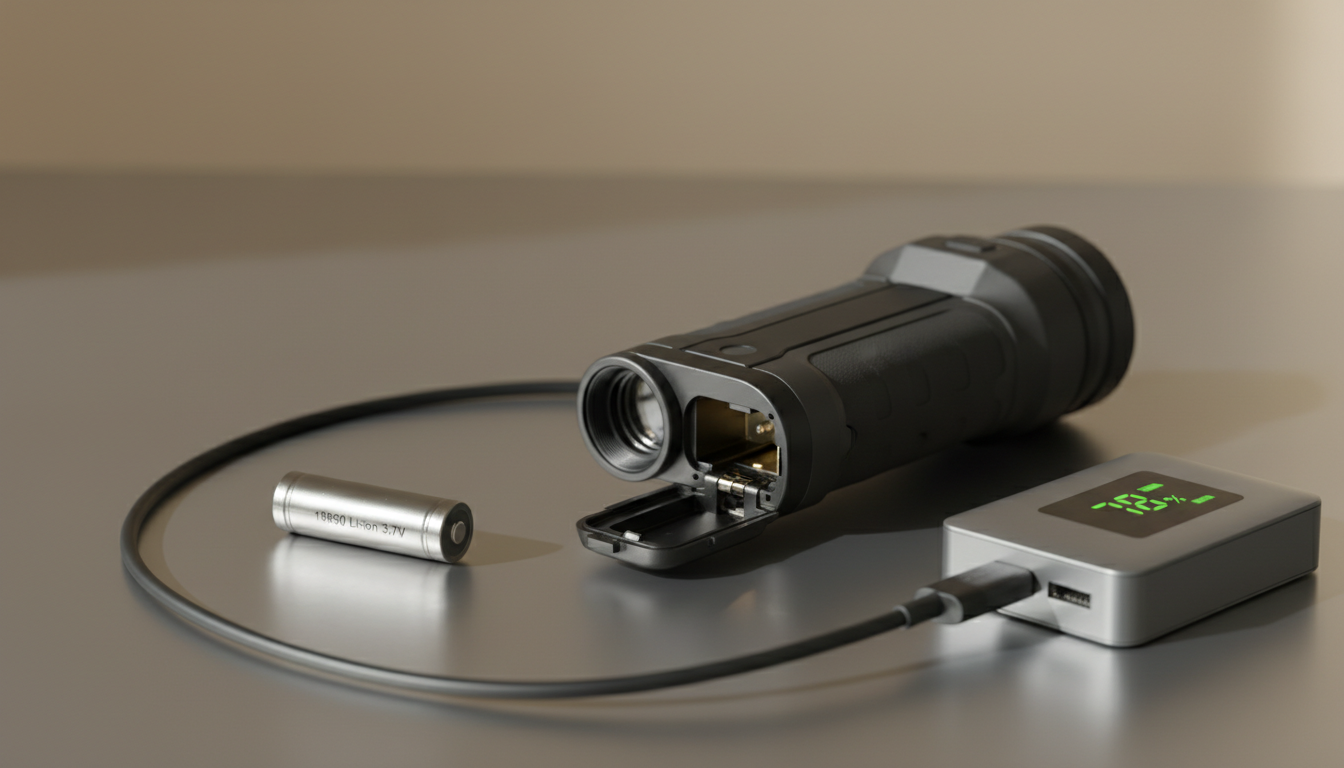
Most thermal monoculars run on rechargeable lithium-ion batteries. These batteries perform best when you follow a few simple habits. First, use only the charger that came with your device or one specified by the manufacturer. Generic chargers might work, but they can degrade battery health over time or even create safety risks.
Don’t let your battery drain completely if you can avoid it. Deep discharges shorten lifespan. Instead, try to keep your charge between 50-80% for everyday storage. If you’re storing your monocular for months during off-season, charge the battery to about 50% before putting it away. This preserves battery chemistry better than storing it fully charged or fully drained.
Temperature matters more than you might think. Never charge your battery when it’s freezing cold—below 32°F can damage cells permanently. Similarly, avoid leaving your monocular in hot vehicles or direct sunlight for extended periods. Heat accelerates battery degradation and can affect calibration of the thermal sensor itself.
Remove batteries if you’re storing the device for several months. This prevents potential leakage that could corrode internal electronics. Store those batteries separately in a cool, dry place, and check them periodically to make sure they’re holding their charge.
How you store your thermal monocular between uses directly impacts its longevity. Temperature and humidity are your biggest concerns here.
Find a cool, dry location away from direct sunlight. Extreme temperatures—whether hot or cold—can mess with sensitive electronics and throw off sensor calibration. High humidity creates condensation inside the device, which can short circuits or promote corrosion and mold growth on internal components.
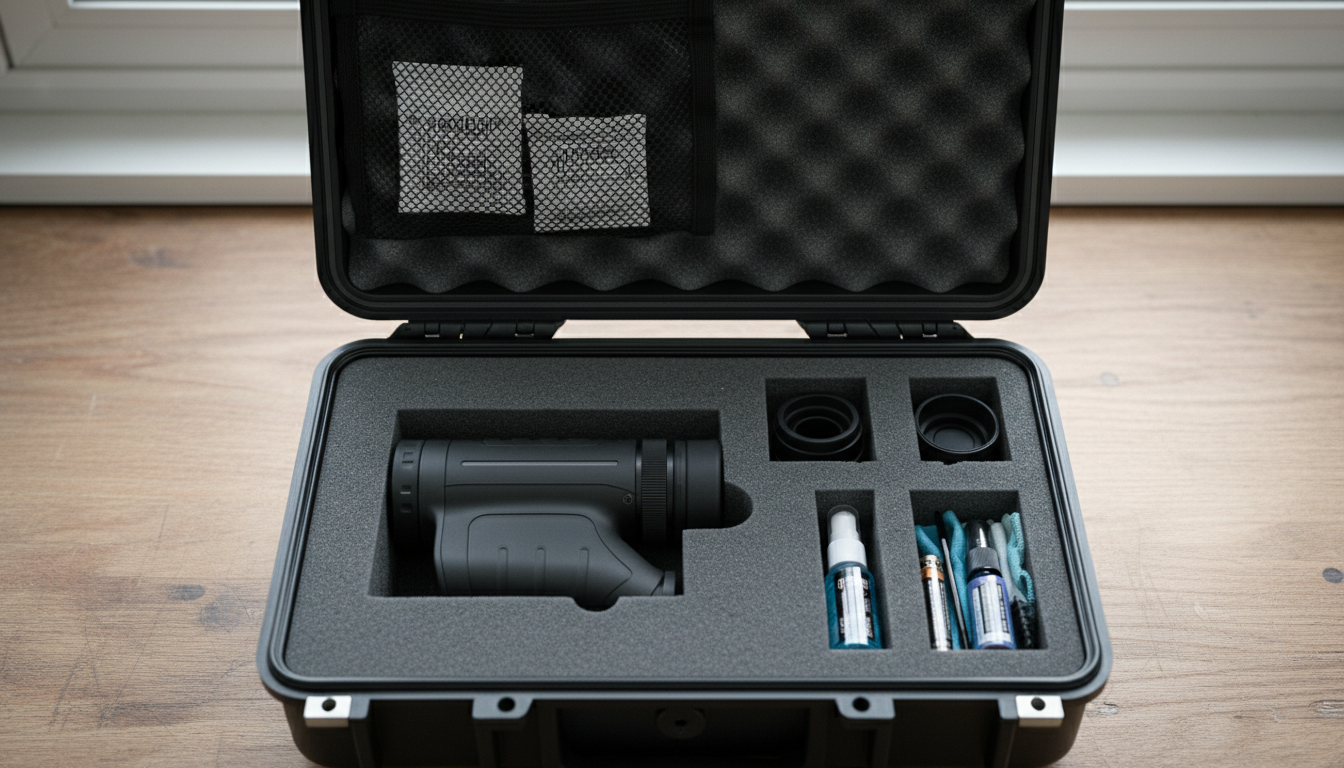
Consider adding silica gel packets to your storage case to absorb excess moisture. These inexpensive desiccant packs can prevent a lot of humidity-related problems. If you live in a particularly humid climate, you might even want to use a dehumidifier in your storage area.
Always use a protective case—preferably the original case with foam inserts, or a hard case with padding. This protects against accidental drops and impacts that could damage the lens or internal components. Your case should have separate compartments for accessories like cables, spare batteries, and cleaning tools. Keeping these items separate prevents scratches and pressure damage to the monocular body.
After using your device in wet conditions, dry it completely before storage. Inspect all seals and ports to make sure water hasn’t penetrated. Even if your monocular is rated for water resistance, it’s smart to keep it as dry as possible during storage to maintain those seals over time.
Software updates aren’t just about new features—they often include bug fixes, performance improvements, and better image processing algorithms. Manufacturers release firmware updates based on real-world testing and user feedback, and these updates can genuinely improve your device’s performance.
Check your manufacturer’s website every few months for firmware updates. The process usually involves connecting your monocular to a computer via USB and running the update software. Follow the instructions carefully and don’t disconnect during an update.
Calibration is equally important. Your thermal sensor needs periodic calibration to maintain image accuracy. Many modern thermal monoculars have automatic calibration features that run when needed, but some situations call for manual calibration. If you notice image quality degrading, temperature readings seeming off, or strange artifacts in your thermal view, run a calibration cycle.
Most devices include a calibration function in their menu system—it typically takes just seconds. The monocular will briefly shutter the sensor or perform an internal reference check to recalibrate the detector. This quick process can dramatically improve image clarity.
Before hunting season starts, perform a complete check at least a month ahead. Test battery health, update firmware, and run calibration to avoid surprises on opening morning. You don’t want to discover problems when you’re already in the field.
Thermal monoculars are built tough, but they’re still precision instruments. A few smart handling practices go a long way toward preventing damage.
Avoid sudden temperature changes when possible. If you’re moving from a warm vehicle into freezing outdoor temperatures, give your device a few minutes to acclimate gradually. Rapid temperature swings can affect sensor accuracy and create condensation inside the unit.
Keep your monocular away from magnetic interference and don’t subject it to physical shocks. Even though most models can handle typical field conditions, hard drops onto rocks or concrete can damage internal electronics or misalign optical components. Use the wrist strap that came with your device—it’s there for a reason.
If you get mud or debris on the exterior body, wipe it gently with a soft, slightly damp cloth. For stubborn dirt on the housing, you can use a bit of synthetic detergent, but keep moisture away from ports and seals. Never immerse your monocular in water unless it’s specifically rated for full submersion.
Transport your device in its protective case whenever you’re moving between locations. Whether you’re driving to your hunting spot or hiking through rough terrain, that padded case absorbs impacts that would otherwise reach your monocular.
Even with perfect maintenance, you might encounter occasional problems. Knowing how to troubleshoot can save you time and frustration.
Blurry or unclear images: First, clean the lens—fingerprints and dust are the usual culprits. If that doesn’t help, check your focus adjustment to make sure it’s set correctly for your viewing distance. Still blurry? The issue might be internal, requiring manufacturer service or recalibration.
Battery drains too fast: Replace old batteries with fresh ones. Lithium-ion batteries typically need replacement after 2-3 years of heavy use. Also check your settings—high brightness, maximum refresh rates, and features like Wi-Fi or video recording drain power quickly. Adjust these settings to balance performance with battery life.
Device won’t power on: Make sure the battery is charged and properly installed. Try a different battery if you have one. Check that battery contacts are clean and free of corrosion. If the device still won’t turn on, you’ll likely need professional service.
Image quality degraded over time: Run a calibration cycle. Thermal sensors can drift slightly over time, and recalibration often restores optimal performance. If calibration doesn’t help, consult your user manual or contact the manufacturer.
Quality thermal monoculars typically last 5-10 years with proper care. The microbolometer sensors are rated for thousands of operating hours. Your biggest longevity factors are protecting against hard impacts, keeping moisture out, and storing properly during off-season.
Think of maintenance as preventive medicine. A few minutes after each outing to clean your lens, check seals, and properly store your device will prevent problems that could cost hundreds to repair. Regular inspection catches wear early, before small issues become major failures.
Buy quality accessories that protect your gear. Invest in a good case, quality batteries, and proper cleaning supplies. These relatively small expenses protect a much larger investment. And when it comes time to upgrade, well-maintained gear holds its resale value significantly better than neglected equipment.
At Pixfra, we design our thermal imaging products—like the Draco a Arc LRF models—with durability in mind. But even the toughest gear benefits from smart maintenance practices. Treat your equipment right, and it’ll deliver reliable performance season after season.
Maintaining your thermal monocular isn’t complicated—it just takes consistency. Clean your lenses carefully with the right materials, manage your batteries properly, store in controlled conditions, keep firmware updated, and handle with reasonable care. These habits take minimal time but can literally add years to your device’s lifespan while maintaining peak performance.
Your thermal monocular gives you capabilities in the field that were military-only technology just a few years ago. Return the favor by giving it the basic care it needs. A few minutes of maintenance after each outing beats days without your gear while it’s off getting repaired—or worse, shopping for an expensive replacement.
Start building these habits now. Your future self, glassing heat signatures through pre-dawn darkness with crystal-clear optics, will thank you.
How often should I clean my thermal monocular lens? Clean your lens after each use, especially if you’ve been in dusty or dirty conditions. For light use in clean environments, a quick inspection and cleaning every few outings is fine. Always remove visible dust or fingerprints before your next outing to maintain optimal image quality. Use proper lens cleaning materials—never rough fabrics or household cleaners.
Can I use regular glass cleaner on my thermal monocular? No. Household glass cleaners contain chemicals that can damage the specialized anti-reflective coatings on thermal lenses. These coatings are what make your thermal imaging work properly, and damaging them can cause permanent image degradation. Always use lens cleaning solutions specifically designed for optical instruments, or plain isopropyl alcohol at 90%+ concentration applied to a microfiber cloth.
What’s the best temperature for storing my thermal monocular? Store your device in a cool, dry environment with stable temperatures between 50-70°F if possible. Avoid locations with extreme heat or cold, direct sunlight, or high humidity. If you’re storing for several months, keep the battery at around 50% charge and remove it from the device to prevent potential leakage. Temperature stability matters more than hitting an exact number.
Why does my thermal monocular battery seem to drain faster than it used to? Lithium-ion batteries naturally degrade over time, typically needing replacement after 2-3 years of regular use. Battery drain can also increase if you’re using high brightness settings, maximum refresh rates, or power-hungry features like Wi-Fi and video recording. Try lowering brightness, adjusting settings, and replacing the battery if it’s more than two years old.
How long should a quality thermal monocular last? With proper maintenance, quality thermal monoculars typically last 5-10 years or longer. The microbolometer sensors are rated for thousands of operating hours. The biggest factors affecting longevity are protection from physical impacts, keeping the device dry, proper storage during off-season, and basic maintenance like lens cleaning and battery care. Well-maintained devices often outlast their owners’ need for upgrades.
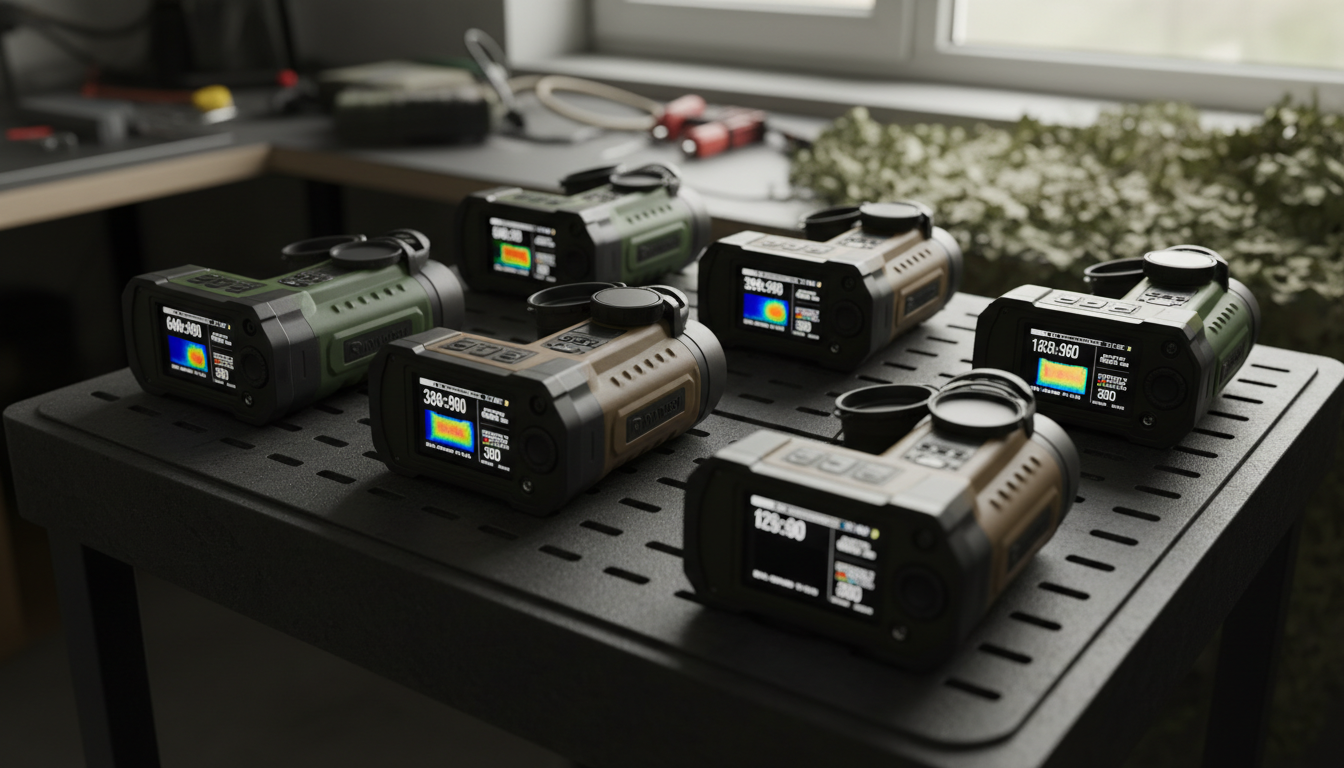
Při výběru termovizního monokuláru narazíte všude na údaje jako “rozlišení 640×480” a “obnovovací frekvence 50 Hz”. Co ale tato čísla ve skutečnosti znamenají pro vaše lovecké výpravy nebo pro prohlídku pozemku? A co je ještě důležitější, na které z nich byste se měli zaměřit?
Testovali jsme termovizní přístroje v terénu a mluvili jsme s uživateli, kteří za vybavení utratili tisíce. Zde je vše, co potřebujete vědět o rozlišení a frekvenci (v hertzech), než se rozhodnete pro tuto investici.
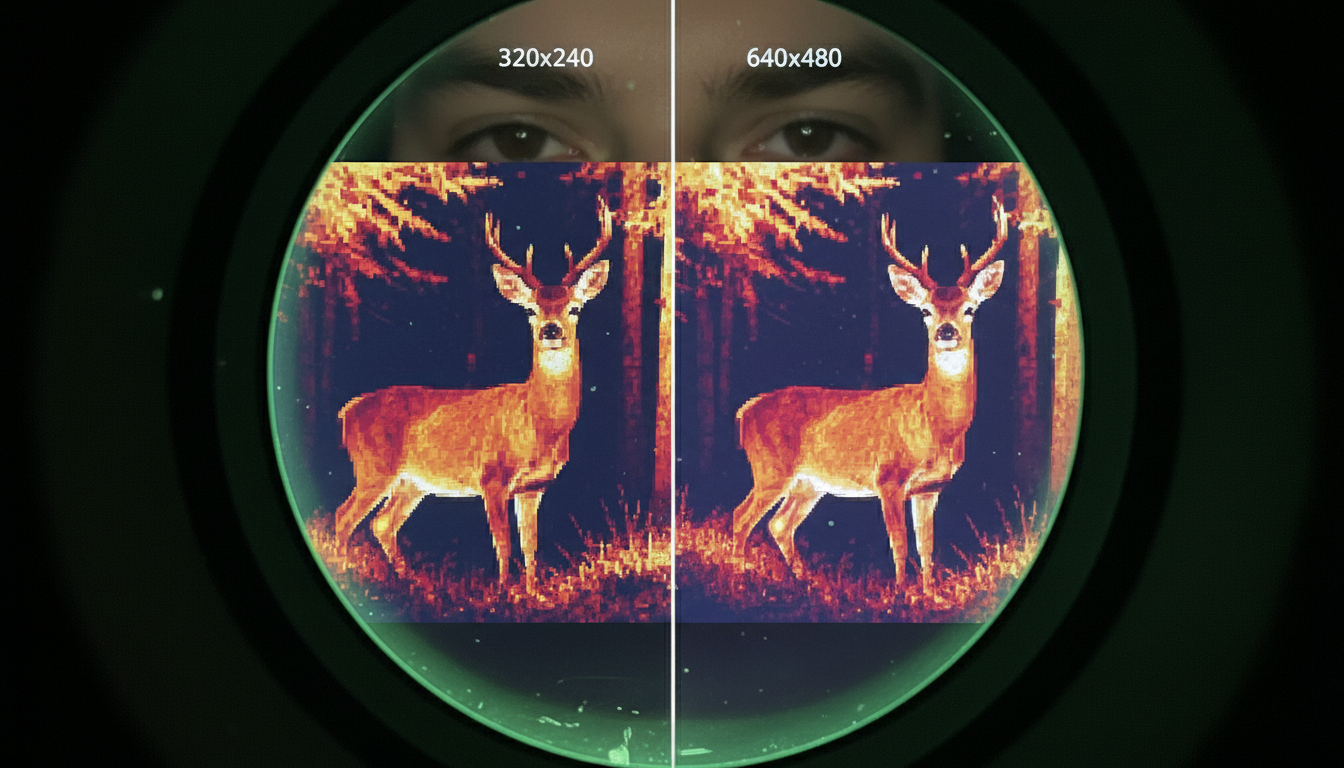
A tady to začíná být složité. Váš termální monokulár má ve skutečnosti dvě různá rozlišení a výrobci někdy hranici mezi nimi stírají.
Tento rozlišení snímače je to, co zachycuje informace o teplotě. Představte si ho jako samotnou kameru – běžné rozměry jsou 256×192, 384×288 nebo 640×480 pixelů. Snímač o rozměrech 384×288 má 110 592 jednotlivých pixelů, které detekují teplotní rozdíly před vámi.
Tento rozlišení displeje je rozlišení displeje, přes který se díváte. Toto číslo je často vyšší než rozlišení snímače. Můžete narazit na monokulár se snímačem o rozlišení 384×288, ale s displejem o rozlišení 1280×960. To neznamená, že získáváte více termálních informací – znamená to pouze, že displej zvětšuje rozlišení toho, co snímač zachytí.
Kvalita snímku je omezena snímačem, nikoli displejem. Displej s vysokým rozlišením sice nevyřeší problém snímače s nízkým rozlišením, ale může zajistit, že bude termální snímek ostřejší a při dlouhých skenovacích sezeních bude příjemnější pro oči.
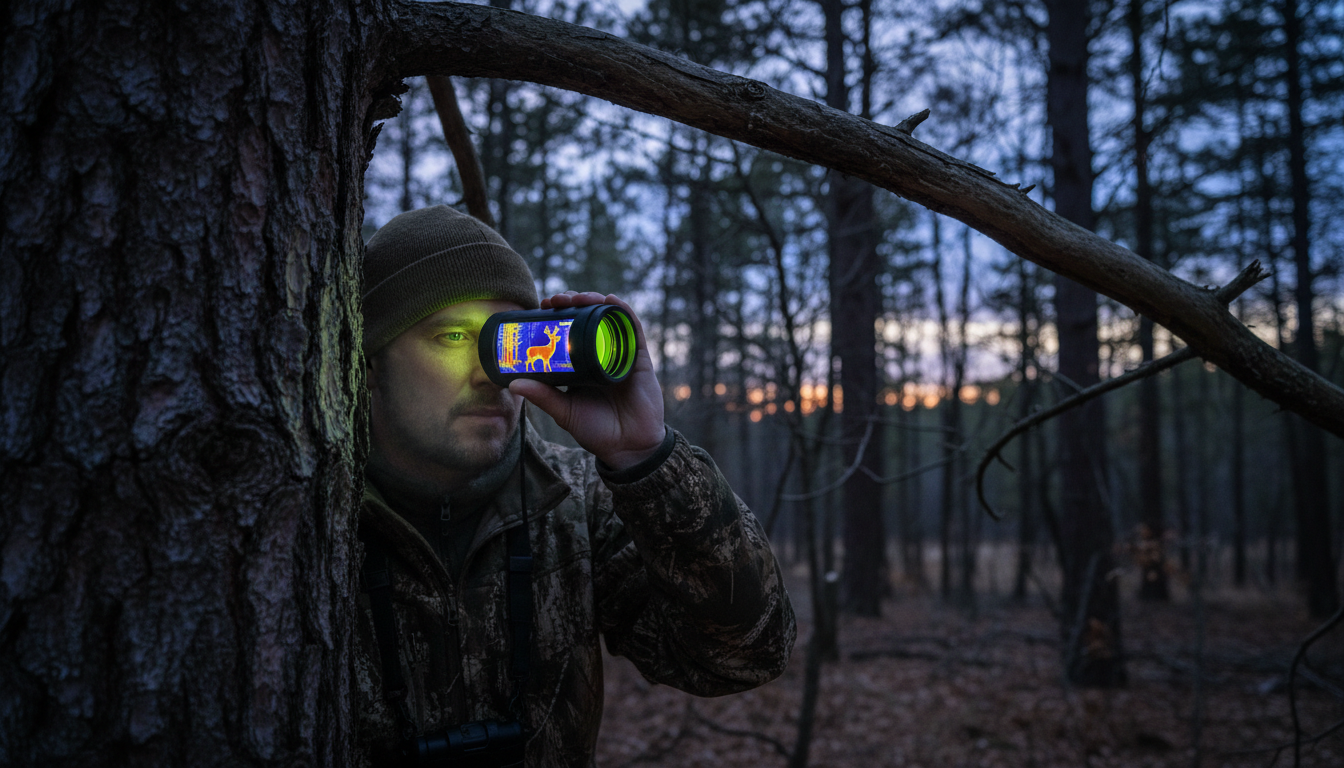
Levná zařízení se snímači o rozlišení 256×192 se dobře osvědčují při snímání na krátkou vzdálenost do 300 yardů. Používali jsme je na menších pozemcích, kde se většina činnosti odehrává právě v tomto dosahu.
U pozemků o rozloze přes 100 akrů doporučujeme rozlišení alespoň 384×288. To vám zajistí jasný obraz až na vzdálenost 400–500 yardů a pokryje většinu loveckých situací. Uvidíte dostatek detailů k identifikaci druhů a spočítání zvířat.
Pokud pravidelně skenujete otevřený terén ve vzdálenosti přesahující 500 yardů, rozlišení 640×480 vám zajistí lepší schopnost identifikace. Modely jako Draco a Arc LRF od společnosti Pixfra nabízejí spolehlivé skenování na této úrovni, aniž by se cena vyšplhala do prémiové kategorie.
Špičkové snímače s rozlišením 1280×1024 poskytují výjimečnou úroveň detailů i při maximálním přiblížení, ale jejich cena je odpovídající. Pokud nepracujete s extrémními vzdálenostmi nebo nepotřebujete výkon na profesionální úrovni, dosáhnete solidních výsledků i s modely střední třídy.
Hertz (Hz) udává, kolikrát za sekundu termovizní monokulár aktualizuje obraz. Zařízení s frekvencí 30 Hz obnovuje obraz 30krát za sekundu, zatímco model s frekvencí 60 Hz to zvládne dvakrát rychleji.
Standardní termovizní monokuláry pracují na frekvenci 30 Hz nebo 50 Hz. Pro většinu skenovacích úkonů je frekvence 30 Hz dostatečně plynulá. Můžete sledovat pohybující se jeleny, hledat divočáky a orientovat se v terénu bez znatelného zpoždění.
Vyšší obnovovací frekvence, jako například 50 Hz nebo 60 Hz, zajišťují plynulejší obraz při rychlém pohybu nebo při sledování rychlých cílů. Rozdíl je patrný zejména při panoramatickém snímání otevřených ploch nebo při sledování běžících zvířat. Vaše oko vnímá méně rozmazání a vy tak můžete rychleji identifikovat objekty.
Levnější zařízení někdy používají obnovovací frekvenci 9 Hz, aby splnila vývozní předpisy nebo snížila náklady. To vede k trhanému obrazu, který skenování značně ztěžuje. Pohyb se jeví jako trhaný a budete mít potíže sledovat cokoli, co není v klidu.
Rozlišení a obnovovací frekvence ovlivňují různé aspekty termálního obrazu. Rozlišení určuje úroveň detailů a ostrost – tedy to, jak dobře dokážete rozpoznat to, co vidíte. Obnovovací frekvence ovlivňuje plynulost a sledování pohybu – tedy to, jak dobře dokážete sledovat pohybující se cíle.
Snímač s rozlišením 384×288 při frekvenci 50 Hz nabízí slušnou úroveň detailů a plynulé sledování pohybu. Tato kombinace zvládne většinu úkolů souvisejících s lovem a správou pozemků. Získáte jasné tepelné signatury bez trhaného dojmu, který bývá typický pro nízké obnovovací frekvence.
Snímač s rozlišením 640×480 při frekvenci 30 Hz obrací priority. V každém snímku uvidíte více detailů, ale při rychlém otáčení kamery si můžete všimnout mírného rozmazání způsobeného pohybem. Pro pozorování nehybných objektů nebo systematické snímání to funguje dobře.
Jaké jsou ideální parametry pro aktivní skenování? Zkombinujte rozlišení alespoň 384×288 s obnovovací frekvencí 50 Hz. Tuto rovnováhu nabízejí například produkty jako Sirius HD, díky nimž můžete rychle pokrýt velkou plochu a zároveň zachovat kvalitu obrazu.
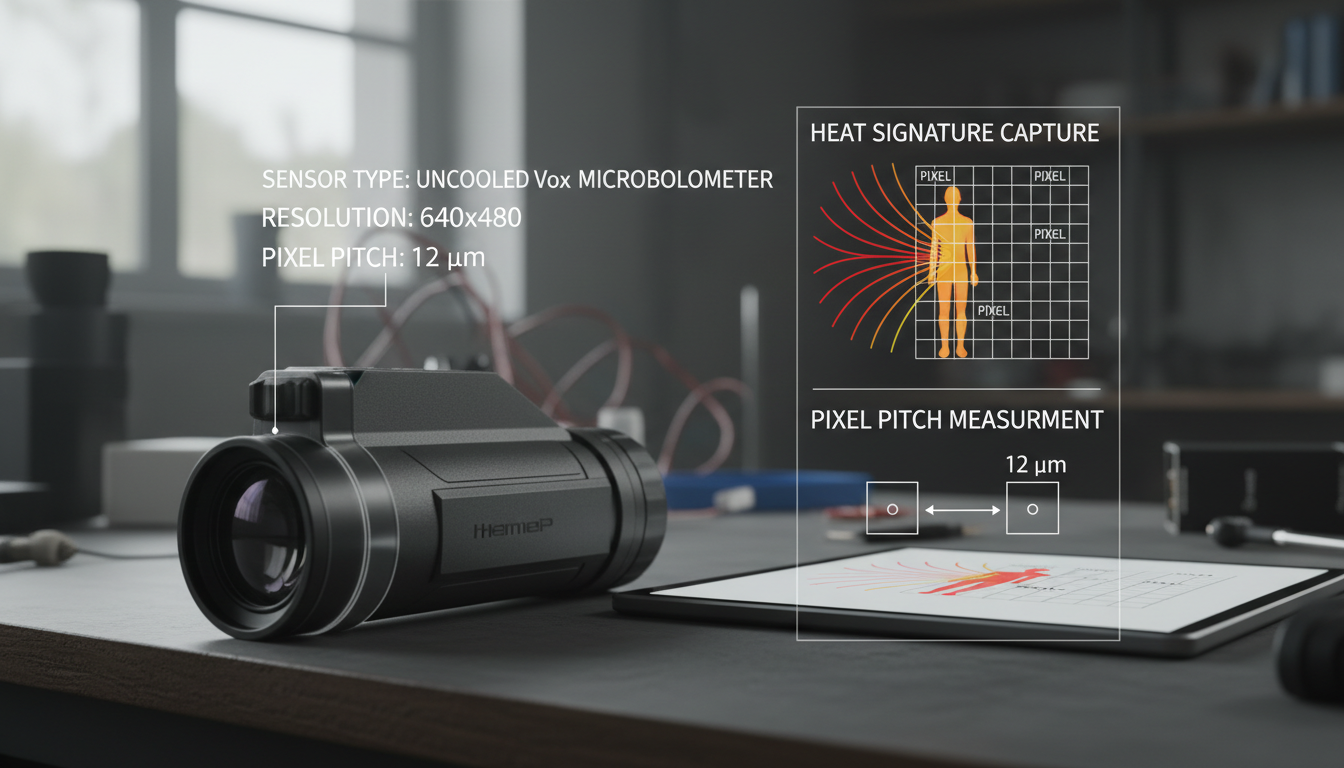
Vzdálenost mezi pixely udává vzdálenost mezi jednotlivými pixely snímače a uvádí se v mikrometrech (µm). Obvykle se setkáte s hodnotami 12 µm nebo 17 µm.
Menší rozteč pixelů (12 µm) umožňuje hustší uspořádání pixelů, čímž vznikají ostřejší snímky i na větší vzdálenosti. To se hodí, když potřebujete rozpoznat malé cíle ve velké vzdálenosti. Je tu ale jeden háček – menší rozteč znamená, že každý pixel při jednom měření zachytí méně tepelné informace.
Větší rozteč pixelů (17 µm) umožňuje zachytit více teplotních dat na jeden pixel, což zlepšuje výkon v náročných povětrnostních podmínkách, jako je mlha nebo déšť. Uvidíte lepší kontrast, když mají všechny objekty přibližně stejnou teplotu.
Pokud lovíte v rozmanitých podmínkách a na různé vzdálenosti, senzory s vlnovou délkou 17 µm a dobrou tepelnou citlivostí často předčí senzory s vlnovou délkou 12 µm. V praxi jsou tyto dodatečné tepelné informace užitečnější než nepatrná výhoda v rozlišení.
256×192 (49 152 pixelů): Základní modely s dosahem 200–300 yardů. Hodí se pro malé pozemky, pozorování divoké zvěře zblízka a seznámení se s termovizní technologií. Cenově dostupné, ale s omezenými možnostmi přiblížení.
384 × 288 (110 592 pixelů): Zlatá střední cesta, která představuje rovnováhu mezi výkonem a cenou. Zvládá měření na střední vzdálenosti až do 500 yardů, nabízí užitečný digitální zoom a pokrývá většinu loveckých situací. Náš dálkoměr Pegasus 2 LRF pracuje právě v tomto rozsahu.
640×480 (307 200 pixelů): Profesionální kvalita snímků s rozšířeným dosahem přesahujícím 800 yardů. Trojnásobný počet pixelů oproti rozlišení 256×192 znamená výrazně lepší detaily a pohodlné digitální přiblížení. Vhodné pro rozsáhlé pozemky a identifikaci na velkou vzdálenost.
1280×1024 (1 310 720 pixelů): Špičková třída s maximálními detaily i při plném přiblížení. Tyto snímače vynikají při snímání z extrémních vzdáleností a v náročných podmínkách, jejich cena však odpovídá jejich schopnostem.
Typ displeje ovlivňuje zážitek ze sledování stejně jako počet pixelů. Displeje AMOLED nabízejí vyšší kontrast, živější barevnou paletu a rychlejší odezvu než standardní LCD obrazovky.
Rozlišení displeje by mělo odpovídat rozlišení snímače nebo ho převyšovat. Kombinace snímače s rozlišením 640×480 a displeje s rozlišením 1920×1080 zajišťuje ostré a dobře čitelné termální snímky. Díky vyššímu počtu pixelů na displeji lze jasně zobrazovat překryvné grafické prvky, jako jsou zaměřovací kříže, údaje dálkoměru a nabídky.
Vyšší rozlišení displeje také snižuje namáhání očí při delším sledování. Pokud skenujete celé hodiny, ostrý obraz má zásadní vliv na pohodlí a efektivitu práce.
Viděli jsme lidi, kteří utratili tisíce za senzory s rozlišením 640×480 a obnovovací frekvencí 60 Hz, a pak je používali k úkolům, pro které by stačilo rozlišení 384×288 při 30 Hz. A viděli jsme také lovce s levnějšími zařízeními, kteří se potýkali s problémy, protože skutečně potřebovali vyšší výkon.
Ať už jde o skenování pozemku do vzdálenosti 300 yardů, zabezpečení perimetru nebo o to, abyste zjistili, zda vám termovize vyhovuje, rozlišení 256×192 při frekvenci 30 Hz tuto úlohu zvládne. Pokud začnete právě tímto modelem, o moc nepřijdete.
Při pozorování divoké zvěře a lovu na pozemcích o rozloze až 200 akrů se osvědčuje rozlišení 384×288 při frekvenci 50 Hz. Tato kombinace vám poskytuje dostatečné detaily k identifikaci druhů a dostatečně plynulý obraz pro sledování pohybových vzorců. Naše infračervená svítilna se dobře doplňuje se zařízeními této řady v situacích, kdy je kromě termálního snímání zapotřebí i osvětlení.
Pátrací a záchranné operace, správa rozsáhlých nemovitostí nebo náročné lovecké aplikace jsou důvodem, proč přejít na rozlišení 640×480 při frekvenci 50 Hz nebo vyšší. Pokrýváte větší území, pracujete na větší vzdálenosti a potřebujete spolehlivý výkon v náročných podmínkách.
NETD (Noise Equivalent Temperature Difference) udává, jak malý teplotní rozdíl je váš snímač schopen detekovat. Vyjadřuje se v milikelvinech (mK). Čím nižší hodnota, tím lepší výkon.
Snímač s hodnotou NETD <25 mK zaznamenává menší teplotní výkyvy než snímač s hodnotou 40 mK. To má největší význam v mlze, při vysoké vlhkosti nebo v situacích, kdy mají všechny objekty téměř stejnou teplotu – například v letních ránech, kdy se půda a zvířata ještě tepelně neodlišily.
NETD ovlivňuje kvalitu obrazu jinak než rozlišení. Vysoké rozlišení při nízké hodnotě NETD vede k detailním, ale kontrastně chudým snímkům, na nichž vše vypadá podobně. Dobrá hodnota NETD při středním rozlišení zajišťuje jasný teplotní kontrast, díky čemuž cíle na pozadí jasně vynikají.
Hledejte zařízení, která nabízejí vyvážený poměr obou parametrů. Snímač s rozlišením 384×288 a hodnotou NETD <25 mK často v reálných loveckých podmínkách podává lepší výkon než snímač s rozlišením 640×480 a hodnotou NETD 40 mK.
Zjistíte, že některá teplotní zařízení mají omezenou obnovovací frekvenci na 9 Hz, přestože jsou vybavena senzory s vysokým rozlišením. Souvisí to s vývozními předpisy, které omezují použití teplotní technologie.
Zařízení s rozlišením 640×480 nebo vyšším v kombinaci s obnovovací frekvencí nad 9 Hz často podléhají vývozním omezením. Výrobci proto vyrábějí verze s obnovovací frekvencí 9 Hz, aby vyhověli mezinárodním předpisům, a díky tomu jsou tyto modely dostupné na více trzích.
Pro domácí použití při lovu a správě pozemků je vhodné zvolit pokud možno zařízení s frekvencí alespoň 30 Hz. Trhaný obraz při frekvenci 9 Hz ztěžuje sledování a snižuje vaši celkovou efektivitu. Investujte do zařízení s frekvencí 30 Hz nebo vyšší, pokud předpisy ve vaší oblasti nestanovují jinak.
Základní modely termovizních monokulárů ($800–$1 500) obvykle nabízejí rozlišení 256 × 192 při obnovovací frekvenci 30 Hz. Hodí se pro použití na krátkou vzdálenost a pomohou vám zjistit, zda je termovizní technologie vhodná pro vaše aktivity.
Zařízení střední třídy ($1 500–$3 500) nabízejí rozlišení až 384 × 288 nebo 640 × 480 s obnovovací frekvencí 50 Hz. Tato kategorie představuje nejlepší poměr ceny a výkonu pro náročné použití. Získáte tak výkon na profesionální úrovni bez přehnaných cen.
Prémiové monokuláry ($3 500+) se vyznačují rozlišením 640×480 nebo vyšším, obnovovací frekvencí 50–60 Hz, integrovanými laserovými dálkoměry a pokročilým zpracováním obrazu. Jejich použití má smysl, pokud vaše činnosti závisí na výkonu vybavení nebo pokud pokrýváte extrémní vzdálenosti.
Nesnažte se dosáhnout maximálního detekčního dosahu, který přesahuje vaše reálné potřeby. Zaměřte se na dosah rozpoznávání, který odpovídá velikosti vašeho pozemku, na obnovovací frekvenci, která vyhovuje vašemu stylu skenování, a na rozlišení, které poskytuje dostatek detailů pro spolehlivou identifikaci.
Termovizní monokuláry jsme testovali v dešti, mlze, mrazu i letních vedrech. Tady je to, na čem v terénu skutečně záleží:
Rozlišení je nejužitečnější v situacích, kdy potřebujete identifikovat cíle na maximální pracovní vzdálenosti. Pokud jen zřídka skenujete na vzdálenost větší než 400 yardů, platba vyšší ceny za snímače s rozlišením 1280×1024 vaše výsledky nezlepší.
Význam obnovovací frekvence se projeví zejména při aktivním pohybu. Pro pozorování z místa stačí 30 Hz. Při aktivním skenování, použití v vozidle nebo sledování rychlých zvířat se výrazně projeví výhody frekvence 50 Hz nebo vyšší.
Tepelná citlivost (NETD) ovlivňuje každý pořízený snímek. Dobrá hodnota NETD zajišťuje spolehlivý výkon za různých povětrnostních a světelných podmínek. Špatná hodnota NETD funguje dobře pouze v situacích s ideálním tepelným kontrastem.
Rozlišení a frekvence v hertzech společně určují výkon vašeho termovizního monokuláru. Rozlišení určuje, kolik detailů uvidíte, zatímco frekvence v hertzech ovlivňuje, jak plynule je uvidíte.
Pro většinu lovců a správců pozemků představuje rozlišení 384×288 při frekvenci 50 Hz ideální kompromis mezi výkonem a cenou. Tato kombinace zajišťuje jasnou identifikaci na vzdálenost až 500 yardů s plynulým sledováním pohybu.
Uživatelé, kteří dbají na rozpočet, mohou pro práci zblízka začít s rozlišením 256×192 při frekvenci 30 Hz. Ti, kteří potřebují extrémní výkon, by se měli zaměřit na rozlišení 640×480 při frekvenci 50 Hz nebo vyšší, ale musí počítat s výrazně vyšší cenou.
Vybírejte si podle toho, k čemu přístroj skutečně potřebujete, a ne podle marketingových slibů. Správný termovizní monokulár vám usnadní práci v terénu – jde o praktický výkon, ne o působivé technické parametry.
Co je u termovizního monokuláru důležitější: rozlišení nebo obnovovací frekvence?
Obojí je důležité, ale z různých důvodů. Rozlišení ovlivňuje detaily a dosah identifikace – tedy to, jak jasně vidíte cíle. Obnovovací frekvence ovlivňuje plynulost pohybu a schopnost sledování. Pro pozorování nehybných objektů upřednostněte rozlišení. Pro aktivní skenování nebo pohyblivé platformy je stejně důležitá i obnovovací frekvence. Většině uživatelů vyhovuje vyvážený poměr obou parametrů s rozlišením alespoň 384×288 při 50 Hz.
Může vysoké rozlišení displeje vykompenzovat nízké rozlišení snímače?
Ne. Displej zobrazuje pouze to, co zachytí snímač. Snímač s rozlišením 256×192 zobrazený na obrazovce s rozlišením 1920×1080 stále poskytuje tepelné informace v rozlišení 256×192. Displej s vysokým rozlišením sice zajišťuje ostřejší a lépe viditelný obraz, ale nedokáže vytvořit tepelné detaily, které snímač nezachytil. Vždy nejprve zkontrolujte rozlišení snímače.
Proč mají některé termovizní monokuláry obnovovací frekvenci 9 Hz?
Vývozní předpisy omezují použití vysoce výkonné termální technologie. Zařízení s rozlišením 640×480 nebo vyšším v kombinaci s obnovovací frekvencí nad 9 Hz podléhají vývozním omezením. Výrobci proto vyrábějí verze s frekvencí 9 Hz, aby vyhověli mezinárodním předpisům. Při lovu a skenování v domácím prostředí se pokud možno vyhýbejte frekvenci 9 Hz – trhaný obraz ztěžuje sledování cíle.
Jaké rozlišení potřebuji pro lov na vzdálenost 300–500 yardů?
Pro spolehlivou identifikaci na vzdálenost 300–500 yardů doporučujeme rozlišení alespoň 384×288. To poskytuje dostatek pixelů k rozlišení druhů, počítání zvířat a odhadu velikosti. Levnější snímače s rozlišením 256×192 mají potíže při vzdálenosti nad 300 yardů. Pokud pravidelně pracujete na vzdálenosti 500 yardů, zvažte přechod na rozlišení 640×480, které zajistí lepší detaily a pohodlné digitální přiblížení.
Znamená vyšší rozlišení vždy lepší termální snímky?
Ne nutně. Konečný obraz je výsledkem kombinace rozlišení s dalšími faktory, jako je tepelná citlivost (NETD), rozteč pixelů a kvalita objektivu. Snímač s rozlišením 384×288 s vynikajícím NETD a kvalitní optikou může v náročných podmínkách, jako je mlha nebo prostředí s nízkým kontrastem, předčit snímač s rozlišením 640×480 se špatnou tepelnou citlivostí. Posuzujte kompletní balíček, ne jen čísla udávající rozlišení.
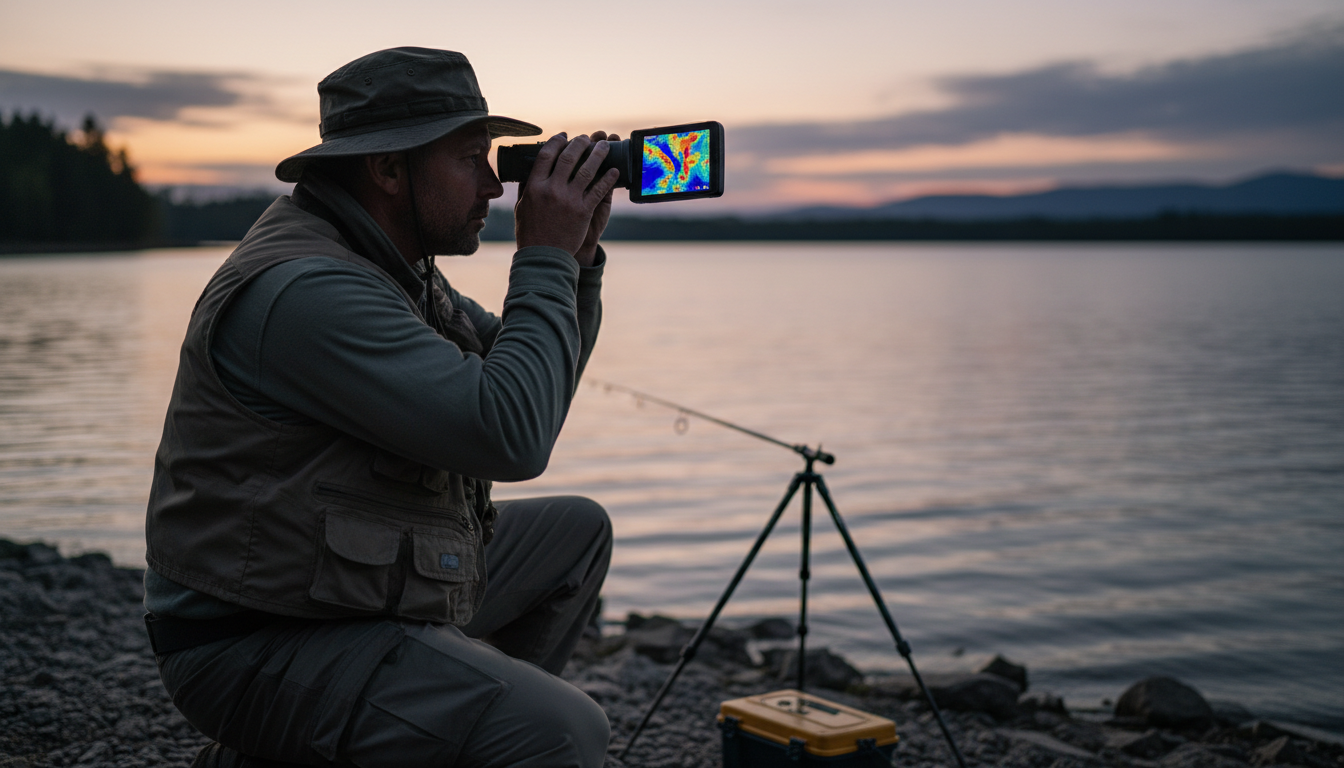
Zřejmě jste už slyšeli rybáře mluvit o termovizních dalekohledech a napadlo vás, jestli nejsou tajnou zbraní při hledání ryb. Krátká odpověď? Ne tak úplně, jak byste si mohli myslet. Ryby jsou studenokrevná zvířata, jejichž tělesná teplota není konstantní a závisí na teplotě vody, což způsobuje, že je velmi obtížné je pomocí termovizní technologie zachytit. To však neznamená, že termovizní dalekohledy jsou pro rybaření k ničemu – stačí jen vědět, co dokážou a co ne.
Vysvětlíme vám, jak termovize ve skutečnosti funguje v blízkosti vody, proč neuvidíte ryby plavající pod hladinou a jakými překvapivými způsoby vám termovizní dalekohledy přesto mohou pomoci ulovit více ryb. Pokud máte zájem prozkoumat různé možnosti termovize, podívejte se na náš sortiment venkovních tepelných zařízení určené pro různé účely.
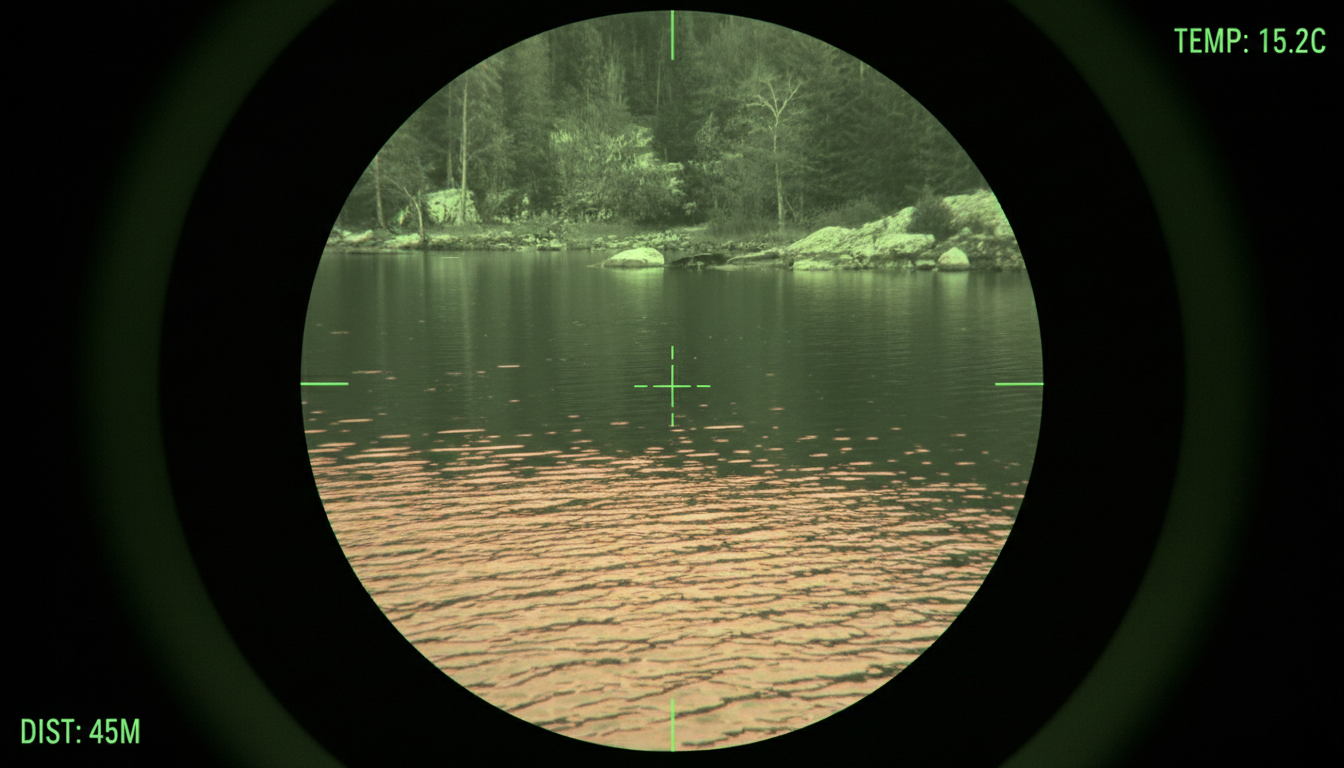
Věc se má takhle: voda pohlcuje infračervené záření, což snižuje účinnost termovize, a infračervené záření vodou dobře neproniká. Představte si vodu jako hustou přikrývku, která blokuje tepelné stopy, které termovizní přístroje potřebují k vytvoření obrazu.
Existuje však ještě jeden problém. Termovizní kamera zobrazuje teplotní kontrast pozorovaných objektů a nezobrazí ryby, jejichž tělesná teplota je stejná jako teplota vody. Většina ryb má přibližně stejnou teplotu jako jejich okolí, takže i kdyby infračervené záření mohlo proniknout vodou (což však není možné), nebyl by zde téměř žádný teplotní rozdíl, který by bylo možné zaznamenat.
Hlavním omezením termovizního snímání pod vodou je slabá průnikovost infračerveného záření, a termokamery jsou proto omezeny na detekci tepla na povrchu nebo v jeho bezprostřední blízkosti. Zní vám to povědomě, pokud jste to někdy zkoušeli u jezera nebo řeky? Právě proto.
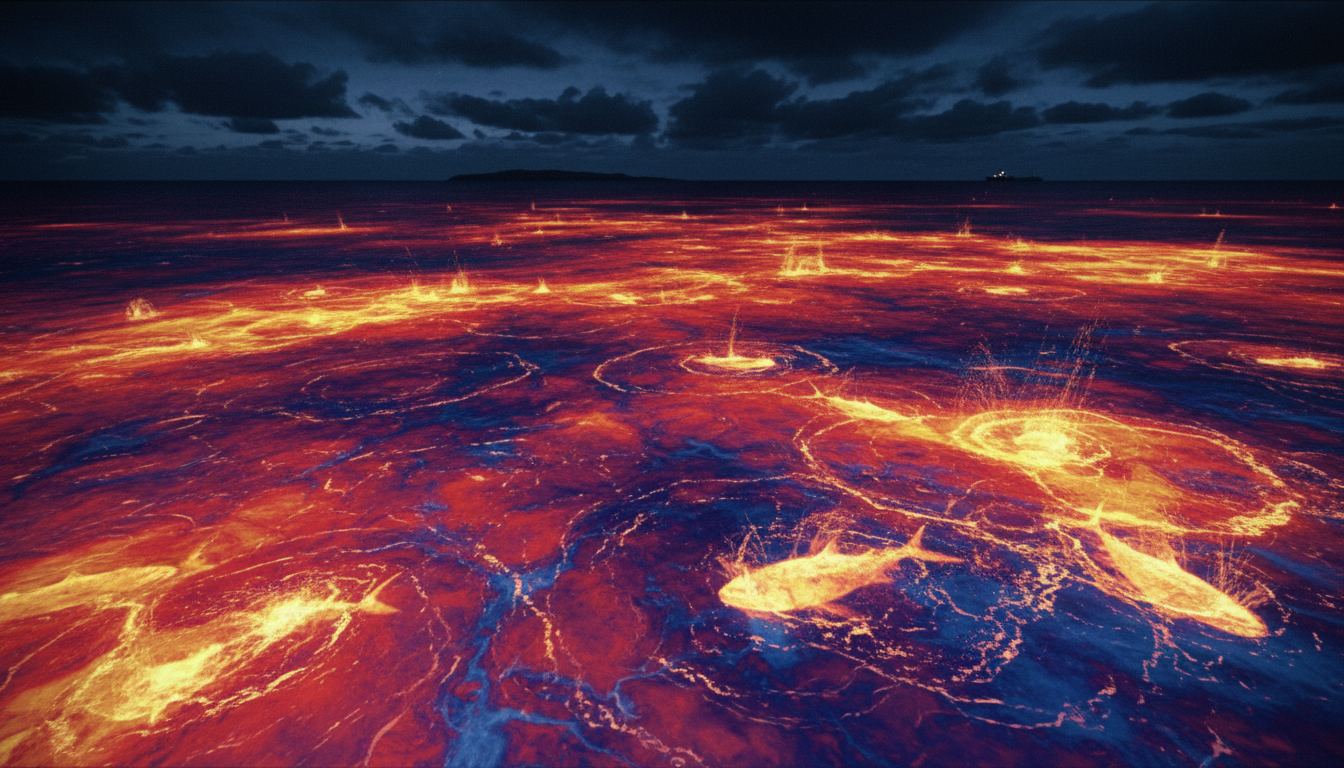
Než termovizi při rybaření úplně zavrhnete, máme pro vás dobrou zprávu. Hejna ryb mění vlastnosti vodní hladiny, a právě to lze pozorovat pomocí termovize. Když jsou ryby aktivní blízko hladiny – ať už se krmí, skáčou z vody nebo se pohybují ve velkých hejnech –, způsobují drobné teplotní změny a poruchy, které jsou viditelné na termovizním dalekohledu.
Termovizní kamery jsou dostatečně citlivé na to, aby zachytily teplotní přechody – oblasti, které mají tendenci přitahovat hejna kořistních ryb a dravců, pokud se teplota vody v rozmezí několika metrů rychle mění. To funguje obzvláště dobře ve slané vodě, kde hledáte teplotní gradienty na otevřeném moři, nebo v noci, když se snažíte zahlédnout rybky sloužící jako návnada, které na hladině vytvářejí vlnky.
Pro ty, kteří to s nočním pozorováním a rybařením myslí vážně, je náš Pegasus 2 LRF nabízí možnosti detekce na velké vzdálenosti, které se osvědčují i v podmínkách slabého osvětlení na moři.
Termokamery dokážou zaznamenat teplotní odchylku již od jedné desetiny stupně, přičemž tento rozdíl je na moři ještě výraznější, když zorné pole kamery vyplňuje převážně voda a obloha. Právě v tomto ohledu se termovize při rybaření opravdu osvědčuje.
Můžete spatřit porosty vodních rostlin, pole mořských řas a plovoucí trosky, kde se zdržují ryby – a to i v naprosté tmě. Tyto objekty pohlcují teplo jinak než otevřená voda, díky čemuž na termálním displeji vynikají jako majáky. Rybáři tvrdí, že ulovili tuňáky poté, co pomocí termovizní kamery před svítáním zahlédli ryby vyskakující z vody, a že dokážou ve tmě spatřit hejna kořistních ryb, které na hladině vytvářejí vlnky..
Ačkoli je infračervené záření pohlcováno vodou, je možné na hladině vody zaznamenat teplotní rozdíly a ryby plavající blízko hladiny mohou způsobovat vlnění a teplotní anomálie. Hele, není to sice rentgenový zrak, ale pořád je to lepší než zírat do naprosté tmy a doufat, že na nějakou rybu narazíš.
Upřímně řečeno, termovize přispívá k bezpečnosti při rybaření a k navigaci mnohem více než k přímému vyhledávání ryb. Termokamery sice nevidí skrz vodu, ale i tak představují nejlepší nástroj pro profesionální i rekreační námořní použití, když potřebujete vidět v naprosté tmě.
Infračervené termovizní kamery dokážou spolehlivě pořizovat jasné termální snímky i za podmínek extrémně omezené viditelnosti, jako je noc, hustá mlha, déšť nebo sníh, a umožňují identifikaci klíčových cílů za každého počasí, včetně jiných plavidel, bójí, pobřeží a plovoucích trosek. Vyhnete se tak nárazům do trosek, budete mít přehled o ostatních lodích a budete se moci bezpečně pohybovat po moři – což je důležitější než hledání ryb, když jste ve tmě několik mil od pobřeží.
Při zimním rybaření dokáže termovize odhalit slabá místa v ledu, praskliny a tenké části, které by mohly představovat nebezpečí. Je to především bezpečnostní nástroj a teprve v druhé řadě pomůcka pro rybaření. Naše technologie termálního monokuláru V tomto článku se dozvíte více o tom, jak tato zařízení fungují, pokud vás zajímá technická stránka věci.
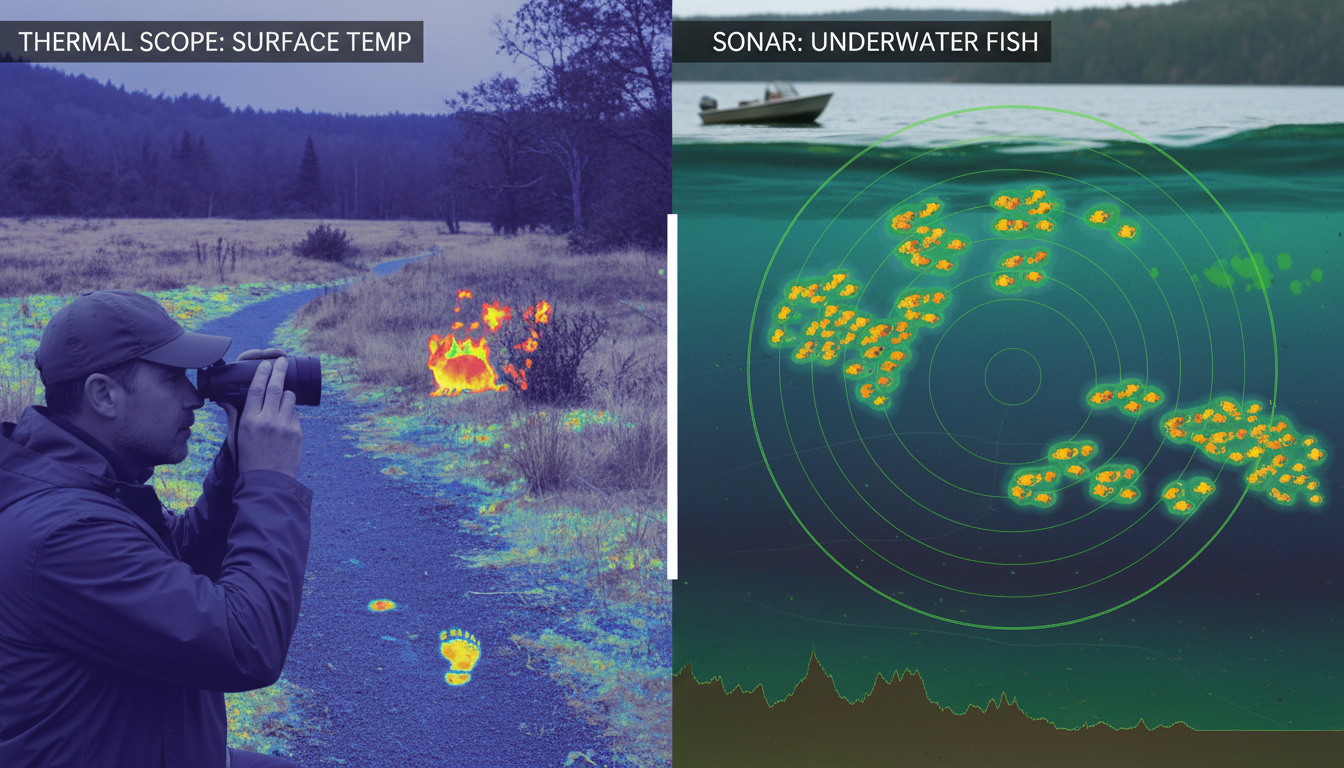
Sonarová technologie, která využívá zvukové vlny k detekci objektů pod vodou, se široce používá k vyhledávání ryb; dokáže účinně pronikat vodou a poskytuje podrobné informace o poloze, velikosti a pohybu hejn ryb. Pokud chcete zjistit, co se ve skutečnosti nachází pod vaší lodí, je pro vás ideálním řešením sonar – nikoli termovize.
Podvodní kamery, často spojené s osvětlovacími systémy, dokážou pořizovat snímky ryb a dalších mořských živočichů a běžně se používají v mořské biologii, podvodním výzkumu a rekreačním potápění. Tyto přístroje vám poskytují živý obraz toho, co se děje pod hladinou, což je docela super, pokud se snažíte zjistit, jak se ryby chovají kolem vaší návnady.
Termovizní přístroje skvěle poslouží k detekci aktivity na hladině a k orientaci v noci, ale nemohou nahradit tradiční sonary. Pokud je budete používat společně, získáte mnohem lepší vybavení, než kdybyste se spoléhali pouze na jednu technologii.
Dají se tedy ryby pozorovat pomocí termovizního dalekohledu? Pod vodou ne – fyzikální zákony to prostě nedovolují. Voda blokuje infračervené záření a teplota ryb se příliš blíží teplotě vody, takže se nezobrazují jako tepelné signatury. Termovizní dalekohledy však při rybaření nejsou k ničemu. Pomohou vám zaznamenat aktivitu na hladině, teplotní přechody, plovoucí objekty a bezpečně se orientovat v podmínkách, kdy běžné vidění selhává.
Jaký je nejlepší přístup? Využijte termovizi k tomu, v čem vyniká – k pozorování povrchu, zajištění bezpečnosti a navigaci – a k vyhledávání ryb pod hladinou se držte sonaru. Termovizní technologie má ve vaší rybářské výbavě své místo, jen ne jako podvodní kamera na ryby. Pokud jste připraveni prozkoumat možnosti termovize pro vaše outdoorové dobrodružství, navštivte naše hlavní stránka produktu Chcete-li si prohlédnout naši kompletní nabídku tepelných zařízení.
Dokážou termovizní přístroje vidět skrz vodu a detekovat ryby?
Ne, termovizní přístroje nevidí skrz vodu. Voda pohlcuje infračervené záření, na kterém je termovize založena, a brání tak tepelným stopám proniknout hlouběji než několik milimetrů pod hladinu. Ryby plavající pod vodou tak zůstávají pro termovizní technologii neviditelné.
V čem může termovize při rybaření vlastně pomoci?
Termovize vyniká při detekci povrchové aktivity, jako jsou hejna ryb, která se živí návnadou a vytvářejí na hladině vlnky, teplotní přechody přitahující ryby, hranice porostu vodních rostlin, plovoucí nečistoty a další povrchové jevy. Skvěle se také hodí pro bezpečnou navigaci ve tmě, v mlze nebo za podmínek se sníženou viditelností na vodě.
Proč nejsou ryby vidět na termokamerách?
Ryby jsou studenokrevná zvířata, která udržují tělesnou teplotu téměř stejnou jako teplota okolní vody. Termokamery detekují teplotní rozdíly, a jelikož ryby nevytvářejí dostatečný kontrast vůči teplotě vody, zůstávají nezjistitelné, i kdyby pronikání do vody nepředstavovalo žádný problém.
Co je lepší pro vyhledávání ryb – termovize nebo sonar?
Sonar je vhodnější pro přímé lokalizování ryb pod vodou. Využívá zvukové vlny, které účinně pronikají vodou, a dokáže zobrazit přesnou polohu ryb, hloubku a velikost hejn. Termovize se nejlépe hodí pro pozorování hladiny a navigaci, zatímco sonar zajišťuje detekci pod vodou.
Je možné v noci pomocí termovizního dalekohledu vidět ryby, jak vyskakují z vody?
Ano, pomocí termovize lze zaznamenat aktivitu ryb na hladině. Když ryby vynoří na hladinu, vyvolají vlnění nebo se pohybují v hejnech blízko hladiny, mění vlastnosti vodní hladiny natolik, že se projeví jako tepelné vzory – což je obzvláště užitečné pro sledování krmení před svítáním.